How to Evaluate a Smart Building Supplier in 2026
Choosing the right smart building supplier in 2026 is no longer just a procurement task—it is a strategic decision that shapes efficiency, resilience, data security, and long-term asset value. A structured evaluation process helps filter hype, compare real capabilities, and align each investment with smarter, more sustainable infrastructure goals.
Why a Checklist Matters When Evaluating a Smart Building Supplier
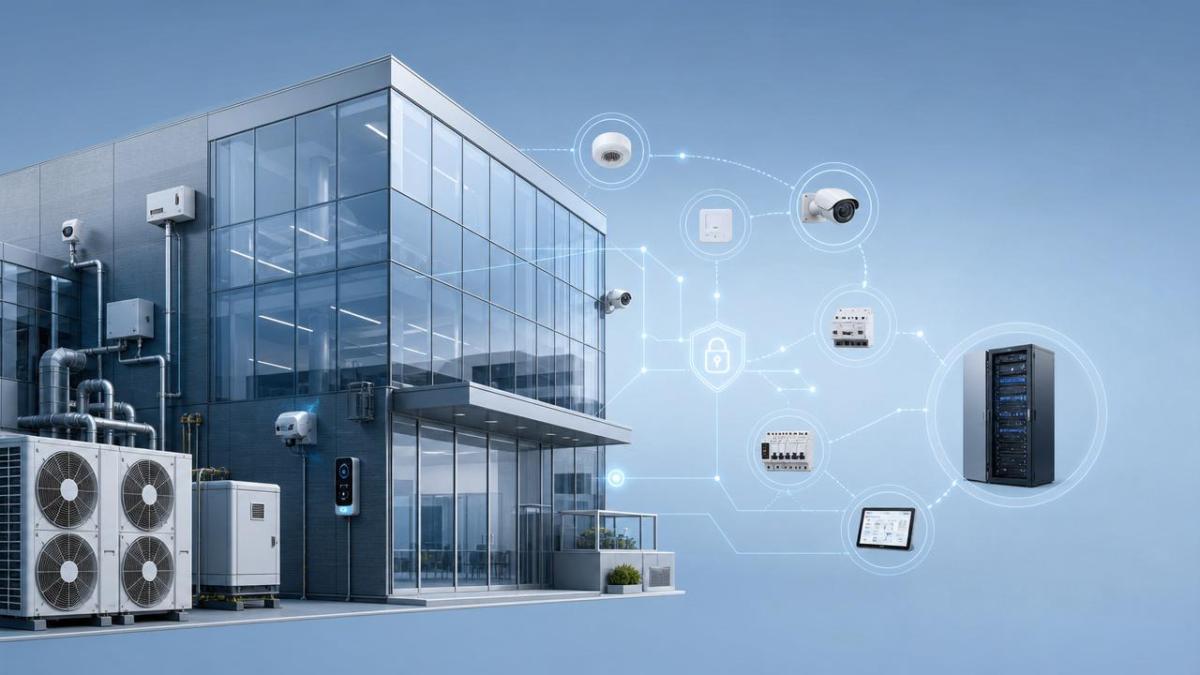
Smart buildings now combine HVAC controls, access systems, lighting, energy management, analytics, and cybersecurity into one connected operating layer. That complexity makes vendor evaluation harder and more important.
In 2026, the best smart building supplier is not simply the one with the most features. The stronger choice is the partner that can integrate systems, protect data, support open standards, and deliver measurable lifecycle value.
A checklist prevents decisions based on polished demos alone. It creates a repeatable way to compare technical fit, commercial stability, implementation depth, and future-readiness across multiple proposals.
Core Checklist: How to Evaluate a Smart Building Supplier in 2026
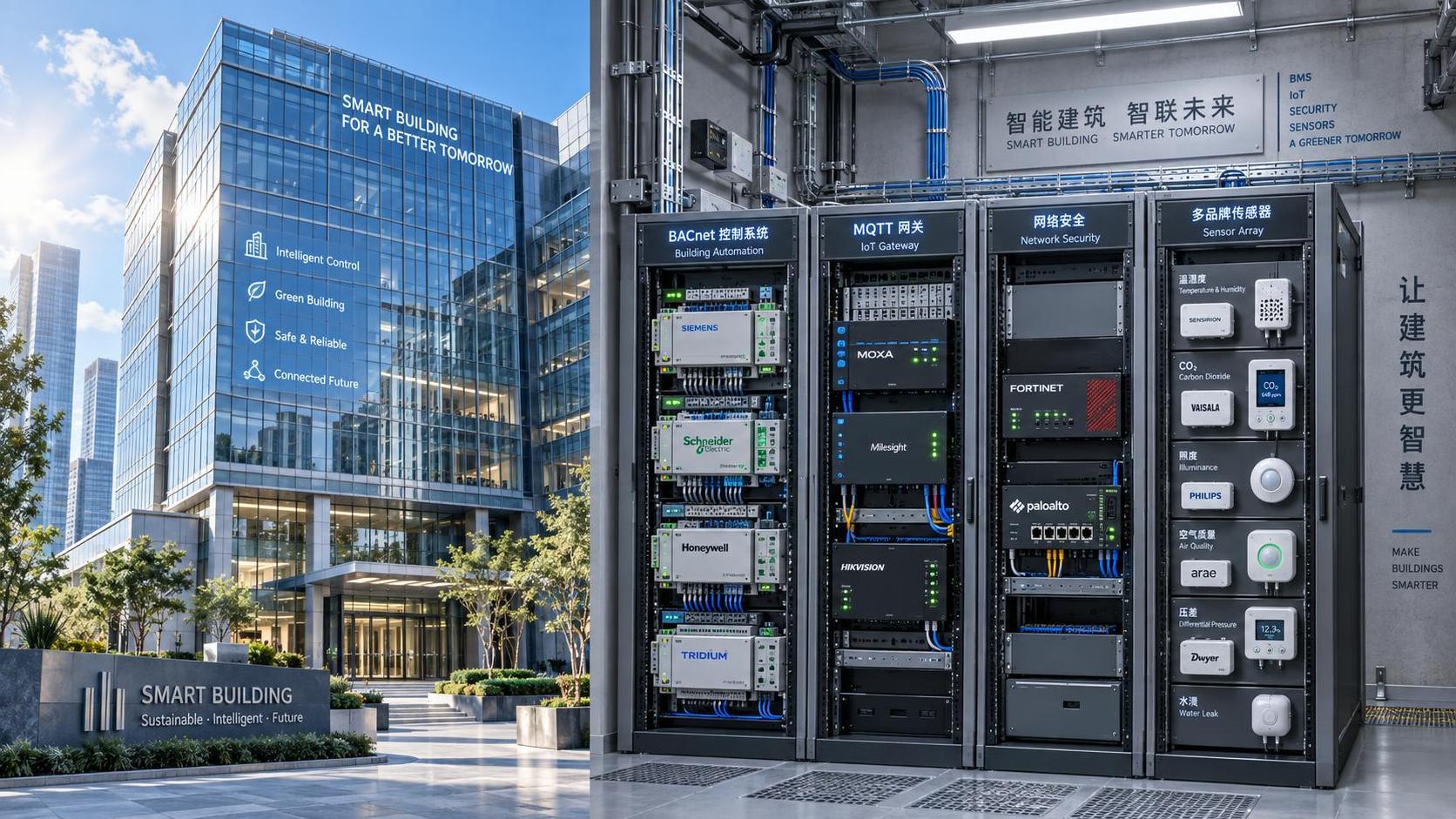
- Verify interoperability across BMS, HVAC, lighting, access control, fire safety, elevators, and IoT platforms using open protocols such as BACnet, Modbus, KNX, MQTT, and API-based integration.
- Check cybersecurity architecture, including encryption, identity management, zero-trust access, patch management, network segmentation, and compliance with recognized standards such as IEC 62443 or ISO 27001.
- Review data ownership terms and confirm whether the smart building supplier allows full export of telemetry, alarms, trends, and historical performance data without lock-in penalties.
- Assess analytics maturity by asking for use cases involving predictive maintenance, occupancy intelligence, fault detection, indoor air quality optimization, and energy benchmarking across multiple sites.
- Examine deployment experience in similar asset types, including offices, hospitals, campuses, transit hubs, industrial facilities, and mixed-use developments with complex operational requirements.
- Request proof of integration delivery, not just software screenshots, including commissioning records, device compatibility matrices, digital twin workflows, and post-handover support documentation.
- Compare lifecycle cost models rather than upfront price only, including licenses, cloud fees, edge hardware, upgrades, cybersecurity maintenance, training, and support response commitments.
- Confirm scalability for future expansion, especially if the portfolio may add renewable energy systems, EV charging, battery storage, robotics, or city-level smart infrastructure interfaces.
- Evaluate service capability by mapping local engineering presence, remote monitoring availability, spare parts access, escalation paths, and average time to restore critical systems.
- Test reporting quality by asking the smart building supplier to show dashboards tied to KPIs such as energy intensity, carbon reduction, uptime, comfort scores, and maintenance performance.
- Investigate financial strength, ownership structure, technology roadmap, and merger risk so the supplier can support long asset lifecycles without abrupt product discontinuity.
- Demand a pilot or proof-of-value phase with defined success metrics, baseline measurements, and a clear acceptance framework before committing to a full enterprise rollout.
What Strong Suppliers Usually Demonstrate
A credible smart building supplier usually speaks in outcomes, not slogans. That means showing reduced energy waste, fewer reactive maintenance events, improved occupant comfort, and faster operational decisions.
Strong suppliers also understand the physical world behind the software layer. They can explain controls logic, sensor placement, commissioning discipline, and how digital systems interact with real building assets.
This is especially important in infrastructure-heavy environments, where buildings connect to wider urban systems such as smart grids, transportation networks, district cooling, and emergency response platforms.
For Commercial Offices and Mixed-Use Assets
Prioritize tenant experience, energy optimization, and flexible space controls. The right supplier should support occupancy-based automation, app-enabled access, and portfolio-wide reporting for ESG goals.
Mixed-use environments also require clean coordination across retail, office, parking, and common areas. Integration quality matters more than isolated subsystem performance.
For Hospitals, Campuses, and Public Facilities
Focus on uptime, alarm reliability, indoor air quality, and secure access control. In these settings, the smart building supplier must understand mission-critical operations and strict compliance expectations.
Ask how the system handles redundancy, emergency mode operation, and segmented user permissions. Service response quality often matters as much as platform features.
For Industrial and Infrastructure-Linked Buildings
Look for suppliers that can bridge facility automation with operational technology, utility interfaces, and safety systems. These sites often demand rugged hardware, high resilience, and disciplined change control.
If the building supports logistics, transport, mining, or heavy equipment operations, integration with external data streams becomes a major differentiator.
Commonly Overlooked Risks
Overlooking commissioning depth. A polished interface cannot compensate for poor field execution. Many smart building failures come from weak point mapping, bad sensor calibration, or incomplete functional testing.
Ignoring exit flexibility. Some contracts make data migration, third-party support, or software replacement difficult. A future-proof smart building supplier should reduce dependency, not increase it.
Undervaluing cybersecurity operations. Secure design is only the start. Ongoing patching, credential governance, incident response, and vendor accountability must be clearly defined.
Confusing dashboards with intelligence. Attractive visuals do not always mean useful analytics. Ask how recommendations are generated, validated, and translated into maintenance or energy actions.
Skipping stakeholder alignment. Building operators, IT teams, security leads, and sustainability functions often judge value differently. Misalignment creates delays, rework, and hidden costs later.
A Practical Evaluation Process
- Define the building outcomes first, including energy targets, uptime thresholds, comfort goals, cybersecurity requirements, and reporting needs for the next three to five years.
- Create a weighted scorecard covering technical integration, service capability, commercial structure, roadmap strength, and measurable value delivery from each smart building supplier.
- Run structured demonstrations using real site scenarios, such as alarm escalation, equipment fault detection, after-hours access, and demand response events.
- Visit a live reference site and speak with the operating team about commissioning quality, support responsiveness, upgrade experience, and actual performance after twelve months.
- Start with a contained pilot, then expand in phases only after KPIs confirm the supplier can deliver operational, financial, and technical results.
Conclusion and Next Step
The best way to evaluate a smart building supplier in 2026 is to combine technical due diligence with operational realism. Open integration, secure architecture, reliable service, and lifecycle value should outweigh short-term pricing claims.
Use a checklist, test live scenarios, and demand evidence from comparable projects. That approach leads to smarter building investments and stronger long-term infrastructure performance.
For organizations shaping the future of smart infrastructure, careful supplier evaluation is not just risk control. It is a foundation for resilient, intelligent, and sustainable built environments.
Get weekly intelligence in your inbox.
No noise. No sponsored content. Pure intelligence.
News Recommendations
 Sep 19, 2026How an electronics application guide helps prevent component mismatchHow an electronics application guide helps prevent component mismatch
 Sep 18, 2026When a resource allocation platform improves project deliveryWhen a resource allocation platform improves project delivery
 Sep 17, 2026What to compare when evaluating mineral processing equipment manufacturersWhat to compare when evaluating mineral processing equipment manufacturers
 Sep 16, 2026How mineral separation optimization can reduce concentrate lossesHow mineral separation optimization can reduce concentrate losses
 Sep 15, 2026How to assess lifecycle costs in urban tech procurementHow to assess lifecycle costs in urban tech procurement
 Sep 14, 2026Heavy industry technology trends reshaping capital investment prioritiesHeavy industry technology trends reshaping capital investment priorities
 Sep 14, 2026Global Industrial Equipment Procurement: How Top OEMs Qualify Suppliers for Mining & Infrastructure ProjectsGlobal Industrial Equipment Procurement: How Top OEMs Qualify Suppliers for Mining & Infrastructure Projects
 Sep 14, 2026Industrial & Mining Equipment Procurement: Balancing Local Sourcing, Lead Time, and Certification RequirementsIndustrial & Mining Equipment Procurement: Balancing Local Sourcing, Lead Time, and Certification Requirements
 Sep 14, 2026Infrastructure & Equipment Upgrades: What Procurement Teams Must Verify Before Signing Off on New ContractsInfrastructure & Equipment Upgrades: What Procurement Teams Must Verify Before Signing Off on New Contracts
 Sep 14, 2026Why Infrastructure Equipment Buyers Are Shifting from Catalog-Based to Capability-Based Supplier SelectionWhy Infrastructure Equipment Buyers Are Shifting from Catalog-Based to Capability-Based Supplier Selection
 Sep 14, 2026Process Automation Project Execution: How to Align Supplier Capabilities with PLC Integration, Cybersecurity & Commissioning MilestonesProcess Automation Project Execution: How to Align Supplier Capabilities with PLC Integration, Cybersecurity & Commissioning Milestones
 Sep 14, 2026Are intelligent traffic systems worth the investment for small cities?Are intelligent traffic systems worth the investment for small cities?
 Sep 14, 2026How do intelligent traffic systems handle sensor failures?How do intelligent traffic systems handle sensor failures?
 Sep 14, 2026What should I check before accepting a smart building system?What should I check before accepting a smart building system?
 Sep 14, 2026Is a smart building system worth the maintenance cost?Is a smart building system worth the maintenance cost?
 Sep 14, 2026What data is needed for reliable resource allocation planning?What data is needed for reliable resource allocation planning?
 Sep 14, 2026How can resource allocation software reduce equipment idle time?How can resource allocation software reduce equipment idle time?
 Sep 14, 2026How should smart devices be maintained in harsh outdoor conditions?How should smart devices be maintained in harsh outdoor conditions?
 Sep 14, 2026Do smart devices improve worker safety on construction sites?Do smart devices improve worker safety on construction sites?
 Sep 14, 2026What environmental risks must be assessed before deep-sea mining?What environmental risks must be assessed before deep-sea mining?
 Sep 14, 2026Is deep-sea mining equipment commercially viable in 2026?Is deep-sea mining equipment commercially viable in 2026?
 Sep 14, 2026What Inspection Checks Should Procurement Teams Perform Before Ordering Dredging Equipment in 2026?What Inspection Checks Should Procurement Teams Perform Before Ordering Dredging Equipment in 2026?
 Sep 13, 2026How to verify an industrial product information source before specifying equipmentHow to verify an industrial product information source before specifying equipment
 Sep 12, 2026Which intelligent traffic systems hardware fits an urban intersection?Which intelligent traffic systems hardware fits an urban intersection?
 Sep 11, 2026How pump capacity affects response coverage for municipal fire fighting vehiclesHow pump capacity affects response coverage for municipal fire fighting vehicles
 Sep 10, 2026What to verify before choosing a heavy industry equipment supplierWhat to verify before choosing a heavy industry equipment supplier
 Sep 09, 2026When do adaptive urban traffic control systems reduce corridor delays?When do adaptive urban traffic control systems reduce corridor delays?