Green Engineering Certification Cost vs ROI in 2026
For 2026 capital planning, green engineering certification should be assessed like any other strategic asset. Its value reaches beyond compliance into energy efficiency, financing access, asset resilience, and bid competitiveness.
Across infrastructure, smart buildings, rail systems, logistics hubs, mining facilities, and municipal upgrades, certification costs vary by project type. Yet the ROI can be modeled with surprising clarity when cost drivers and savings windows are separated.
This article reviews where green engineering certification pays back fastest, where returns are slower but strategic, and how to avoid misjudging total value in 2026 investment reviews.
When certification becomes a capital decision, not a compliance line item
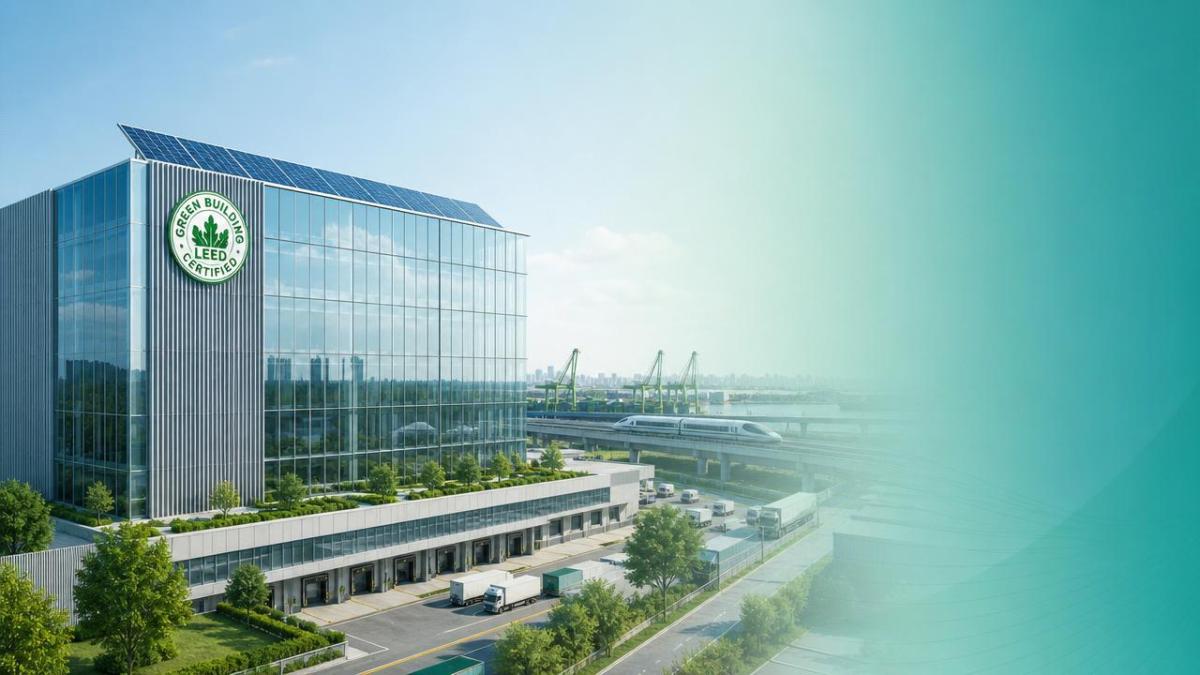
The business case changes by asset class. A smart office tower gains from tenant premiums. A rail depot gains from lifecycle efficiency. A water or waste system gains from lower operating volatility.
That is why green engineering certification should be judged by scenario. One certification pathway can look expensive in design phase, yet highly efficient over twenty years of operations.
In GIUT-covered sectors, the strongest decision framework combines four lenses:
- Initial certification and documentation cost
- Operational savings from energy, water, and maintenance
- Revenue or financing uplift tied to certified performance
- Risk reduction from future carbon, policy, and insurance pressure
This approach works across construction, urban tech, transport infrastructure, and industrial facilities. It also aligns better with 2026 board-level scrutiny over durable returns.
Which project scenarios show the fastest ROI in 2026
Scenario 1: Smart buildings and mixed-use developments
This is often the quickest-payback scenario for green engineering certification. Design integration is easier, metering is clearer, and market visibility is high.
Returns usually come from lower HVAC loads, smarter controls, reduced water use, stronger occupancy, and better lease positioning. Premium assets may also achieve stronger exit value.
Scenario 2: Public infrastructure and transport assets
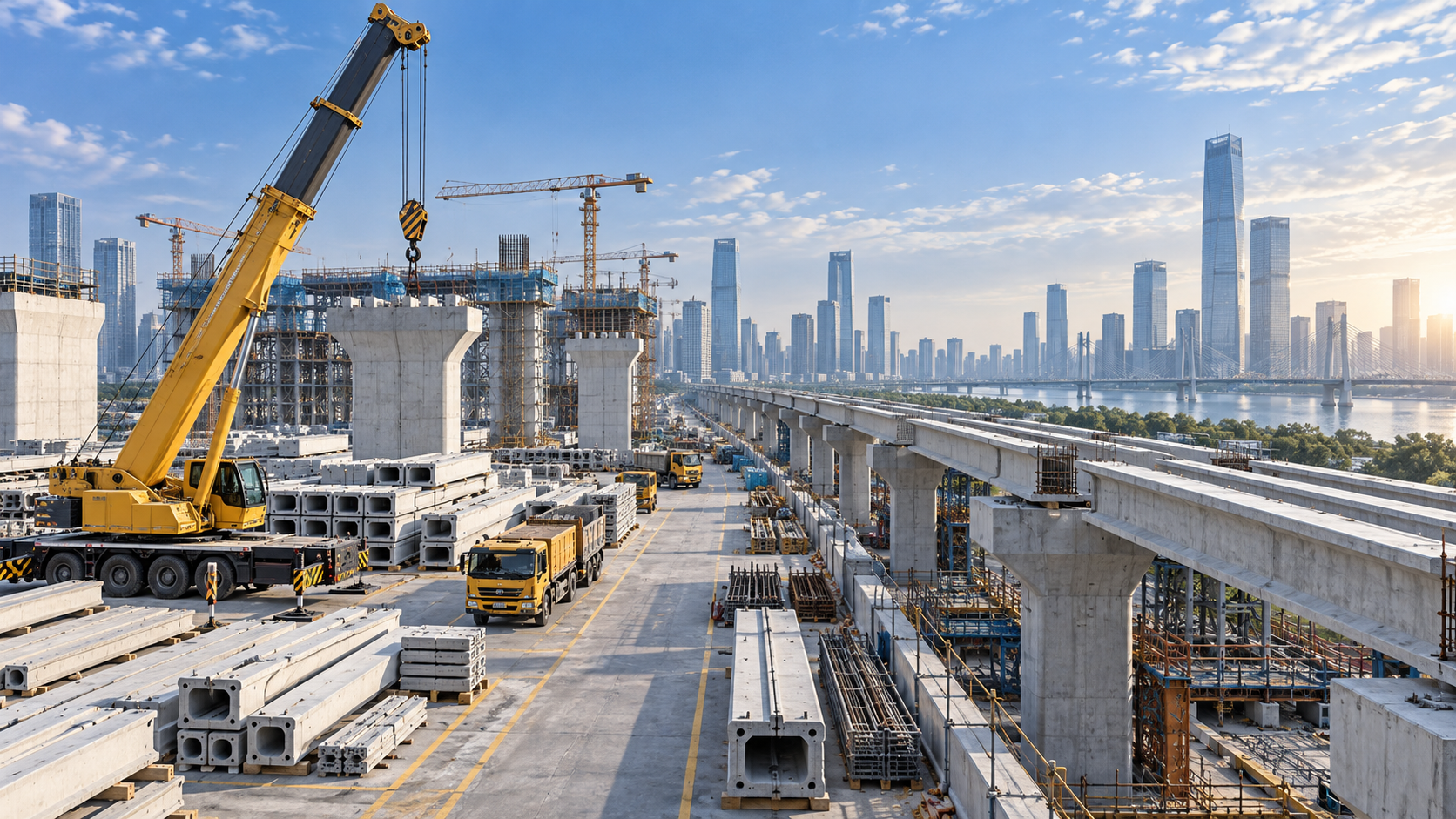
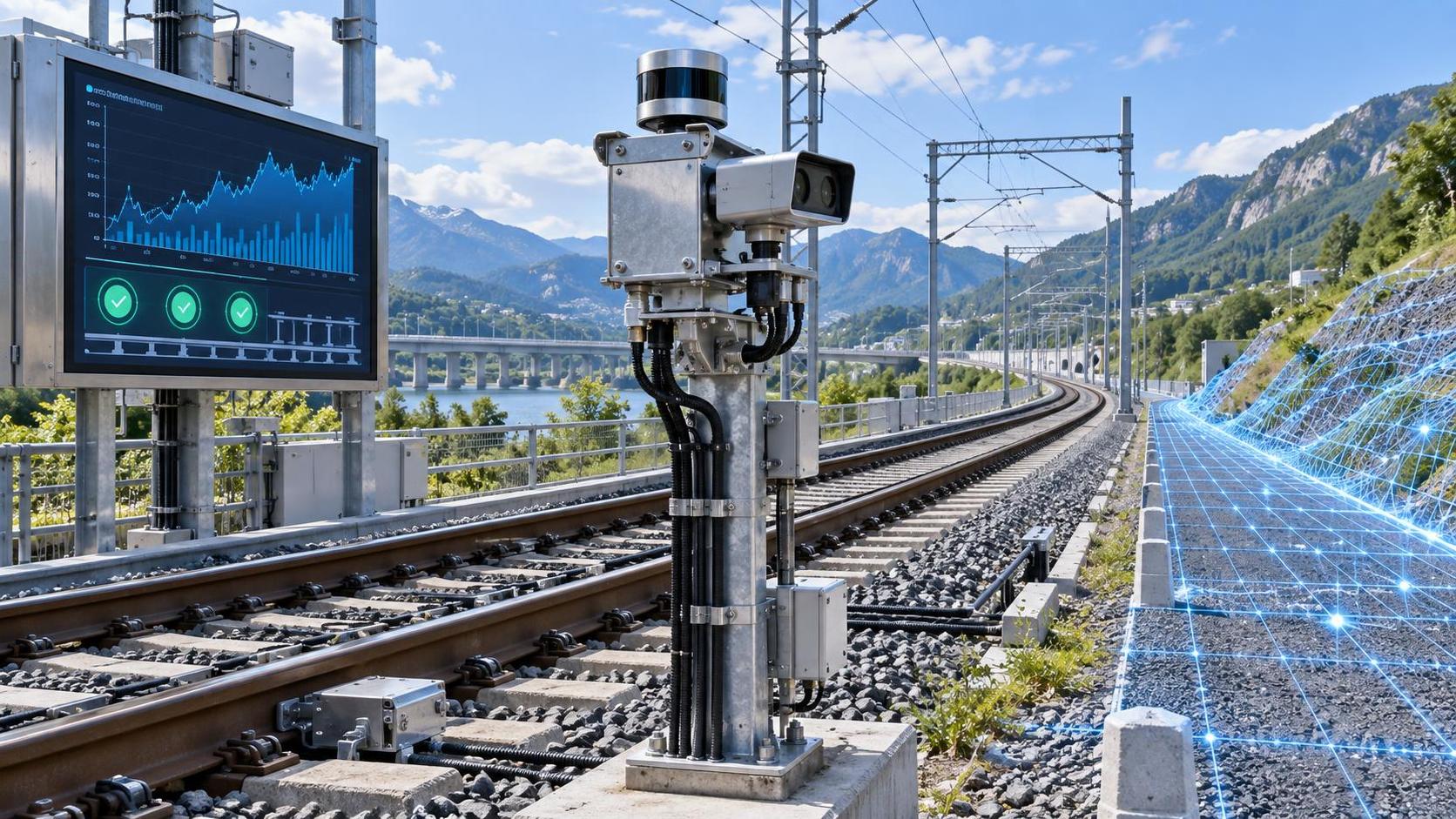
For stations, depots, bridges, tunnels, and public facilities, payback is often slower but broader. Direct revenue may be limited, yet lifecycle savings and funding credibility can be substantial.
Certified projects may perform better in public tenders, multilateral financing reviews, and ESG-linked reporting. In 2026, those advantages can influence approval rates as much as utility savings.
Scenario 3: Industrial plants, mining support sites, and logistics facilities
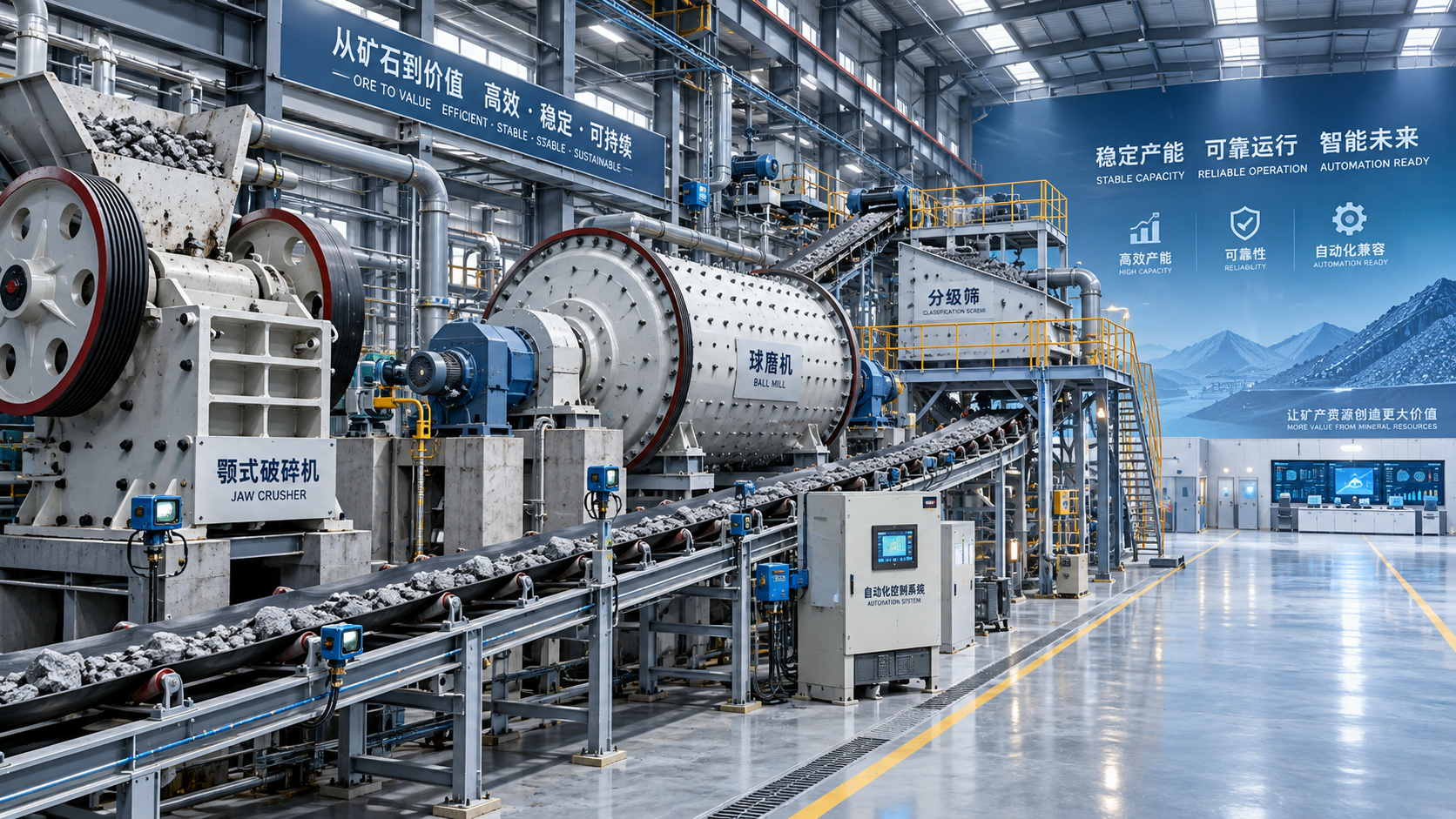
Here, green engineering certification creates value when energy intensity is high and equipment uptime matters. Warehouses, processing hubs, and support buildings can achieve meaningful savings through envelope, lighting, and systems design.
The challenge is that industrial projects often prioritize throughput first. Certification succeeds when sustainability measures are embedded without disrupting operational performance.
Scenario 4: Existing asset retrofits
Retrofits can produce strong ROI, but only when baseline data is reliable. Legacy buildings and municipal assets often hide maintenance issues that inflate certification preparation cost.
Still, retrofit certification can unlock the best strategic returns where carbon mandates, aging equipment, and occupancy pressure converge. In many cities, this is the most urgent 2026 scenario.
What drives green engineering certification cost in real projects
The sticker price rarely tells the full story. Green engineering certification cost usually combines direct fees and indirect implementation effort.
- Registration, review, audit, and consultant fees
- Modeling, commissioning, and measurement systems
- Design coordination across architects, engineers, and contractors
- Material substitutions or equipment upgrades
- Schedule impacts from late sustainability decisions
The biggest hidden cost is usually timing. If certification goals are added after schematic design, redesign and procurement changes can sharply raise total cost.
By contrast, projects that set certification targets early often hold incremental capex within a manageable range while preserving larger lifecycle gains.
How scenario differences change ROI expectations
This comparison shows why blanket assumptions fail. The right green engineering certification target depends on asset purpose, funding structure, and data maturity.
How to estimate ROI without overlooking strategic value
A strong model should include both hard savings and strategic benefits. Excluding either side distorts the investment case.
- Quantify direct annual savings from power, fuel, water, and maintenance.
- Estimate avoided future costs from carbon exposure and outdated equipment.
- Assess revenue or occupancy uplift where applicable.
- Add financing, tender scoring, and insurance implications.
- Compare incremental capex against five-year and ten-year outcomes.
For many infrastructure portfolios, the highest value of green engineering certification is not immediate utility savings. It is stronger asset defensibility in a stricter regulatory and funding environment.
Recommended certification strategy by project situation
If the project is new-build and highly visible
Set the certification level at concept stage. Align design, procurement, and digital monitoring early. This protects budget and captures brand value from opening day.
If the project is public or PPP-funded
Prioritize standards that support transparent reporting and lifecycle performance. In this scenario, green engineering certification can strengthen financing narratives and long-term governance credibility.
If the project is operationally intensive
Target measures with measurable throughput-safe savings. Metering, controls, envelope improvements, and commissioning usually outperform decorative sustainability spending.
If the project is a retrofit with incomplete data
Start with an audit and phased roadmap. Do not commit to the highest certification tier before understanding mechanical condition, utility baselines, and hidden remediation needs.
Common mistakes that distort certification cost versus ROI
- Treating certification fees as the total cost
- Ignoring redesign cost from late sustainability decisions
- Counting energy savings, but excluding maintenance and resilience gains
- Using generic ROI benchmarks across unlike asset categories
- Selecting prestige targets unsupported by operations data
- Overlooking policy shifts that raise future value of certified assets
These errors are common in cross-sector portfolios. They can make a high-value green engineering certification plan appear weaker than it really is.
The practical next step for 2026 investment planning
The most reliable path is to screen projects by scenario, not by sustainability ambition alone. Identify where certification can improve lifecycle economics, financing strength, or policy readiness.
For GIUT-aligned sectors, this means pairing engineering data with operational context. Buildings, transport networks, logistics assets, and industrial support facilities each need separate ROI logic.
Before approving 2026 budgets, map three items for every candidate project: incremental certification cost, measurable annual return, and strategic risk avoided. That framework turns green engineering certification from a vague sustainability expense into a disciplined investment decision.
When applied early and matched to the right asset scenario, certification can strengthen performance today while supporting the wider transition to resilient, intelligent, and sustainable infrastructure.
Get weekly intelligence in your inbox.
No noise. No sponsored content. Pure intelligence.
News Recommendations
 Sep 19, 2026How an electronics application guide helps prevent component mismatchHow an electronics application guide helps prevent component mismatch
 Sep 18, 2026When a resource allocation platform improves project deliveryWhen a resource allocation platform improves project delivery
 Sep 17, 2026What to compare when evaluating mineral processing equipment manufacturersWhat to compare when evaluating mineral processing equipment manufacturers
 Sep 16, 2026How mineral separation optimization can reduce concentrate lossesHow mineral separation optimization can reduce concentrate losses
 Sep 15, 2026How to assess lifecycle costs in urban tech procurementHow to assess lifecycle costs in urban tech procurement
 Sep 14, 2026Heavy industry technology trends reshaping capital investment prioritiesHeavy industry technology trends reshaping capital investment priorities
 Sep 14, 2026Global Industrial Equipment Procurement: How Top OEMs Qualify Suppliers for Mining & Infrastructure ProjectsGlobal Industrial Equipment Procurement: How Top OEMs Qualify Suppliers for Mining & Infrastructure Projects
 Sep 14, 2026Industrial & Mining Equipment Procurement: Balancing Local Sourcing, Lead Time, and Certification RequirementsIndustrial & Mining Equipment Procurement: Balancing Local Sourcing, Lead Time, and Certification Requirements
 Sep 14, 2026Infrastructure & Equipment Upgrades: What Procurement Teams Must Verify Before Signing Off on New ContractsInfrastructure & Equipment Upgrades: What Procurement Teams Must Verify Before Signing Off on New Contracts
 Sep 14, 2026Why Infrastructure Equipment Buyers Are Shifting from Catalog-Based to Capability-Based Supplier SelectionWhy Infrastructure Equipment Buyers Are Shifting from Catalog-Based to Capability-Based Supplier Selection
 Sep 14, 2026Process Automation Project Execution: How to Align Supplier Capabilities with PLC Integration, Cybersecurity & Commissioning MilestonesProcess Automation Project Execution: How to Align Supplier Capabilities with PLC Integration, Cybersecurity & Commissioning Milestones
 Sep 14, 2026Are intelligent traffic systems worth the investment for small cities?Are intelligent traffic systems worth the investment for small cities?
 Sep 14, 2026How do intelligent traffic systems handle sensor failures?How do intelligent traffic systems handle sensor failures?
 Sep 14, 2026What should I check before accepting a smart building system?What should I check before accepting a smart building system?
 Sep 14, 2026Is a smart building system worth the maintenance cost?Is a smart building system worth the maintenance cost?
 Sep 14, 2026What data is needed for reliable resource allocation planning?What data is needed for reliable resource allocation planning?
 Sep 14, 2026How can resource allocation software reduce equipment idle time?How can resource allocation software reduce equipment idle time?
 Sep 14, 2026How should smart devices be maintained in harsh outdoor conditions?How should smart devices be maintained in harsh outdoor conditions?
 Sep 14, 2026Do smart devices improve worker safety on construction sites?Do smart devices improve worker safety on construction sites?
 Sep 14, 2026What environmental risks must be assessed before deep-sea mining?What environmental risks must be assessed before deep-sea mining?
 Sep 14, 2026Is deep-sea mining equipment commercially viable in 2026?Is deep-sea mining equipment commercially viable in 2026?
 Sep 14, 2026What Inspection Checks Should Procurement Teams Perform Before Ordering Dredging Equipment in 2026?What Inspection Checks Should Procurement Teams Perform Before Ordering Dredging Equipment in 2026?
 Sep 13, 2026How to verify an industrial product information source before specifying equipmentHow to verify an industrial product information source before specifying equipment
 Sep 12, 2026Which intelligent traffic systems hardware fits an urban intersection?Which intelligent traffic systems hardware fits an urban intersection?
 Sep 11, 2026How pump capacity affects response coverage for municipal fire fighting vehiclesHow pump capacity affects response coverage for municipal fire fighting vehicles
 Sep 10, 2026What to verify before choosing a heavy industry equipment supplierWhat to verify before choosing a heavy industry equipment supplier
 Sep 09, 2026When do adaptive urban traffic control systems reduce corridor delays?When do adaptive urban traffic control systems reduce corridor delays?