Resource Development Gaps in Smart City Plans
Despite ambitious digital agendas, many cities still struggle with weak resource logic beneath polished smart city narratives. The biggest issue is not vision. It is execution capacity.
Today, resource development in smart cities often advances unevenly across energy, land, data, transport, water, workforce, and financing. Plans look integrated on paper, yet budgets, assets, and institutional responsibilities remain fragmented.
This gap matters across the broader infrastructure economy. Construction, mining, logistics, urban technology, and public equipment all depend on coordinated urban systems. When resource planning is weak, smart platforms cannot deliver resilient outcomes.
For long-term city transformation, resource development in smart cities must move beyond dashboards and pilot zones. It must connect physical infrastructure, governance rules, financing structures, and measurable service capacity.
Smart city momentum is rising, but resource gaps are becoming more visible
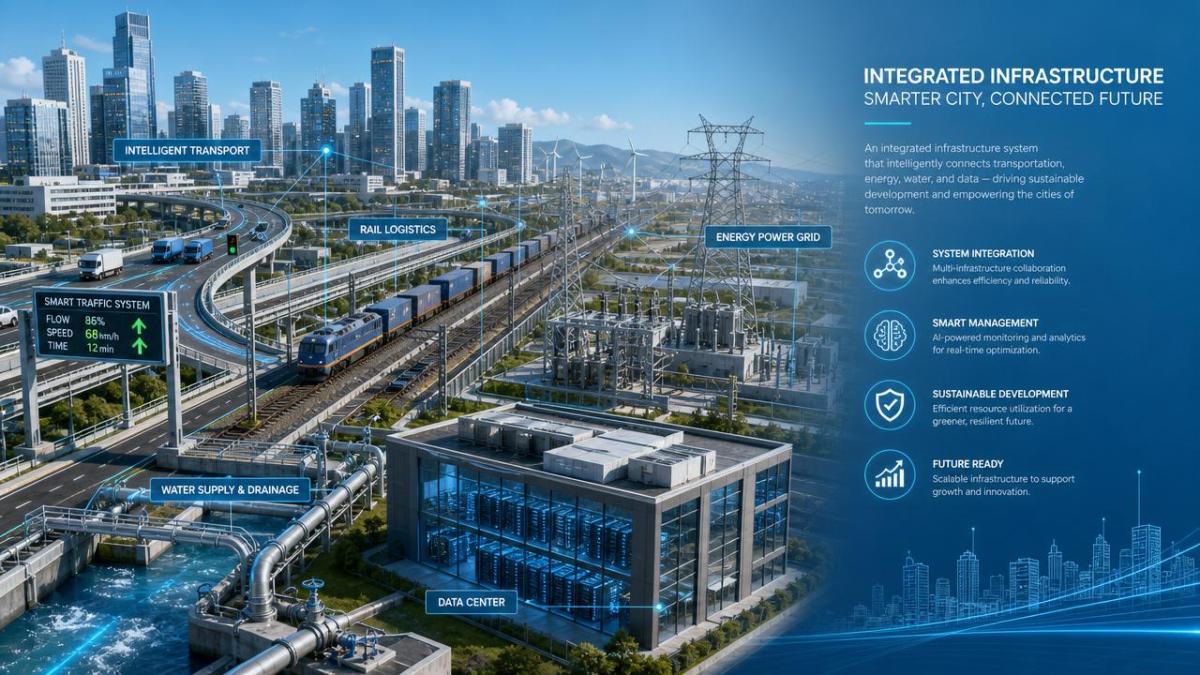
Urban digitalization is no longer limited to flagship districts. Grid modernization, connected mobility, automated utilities, and sensor-based governance are expanding into mainstream city planning.
Yet the expansion phase exposes hidden weaknesses. Many strategies prioritize applications before securing land use alignment, utility readiness, data interoperability, maintenance funding, and technical workforce supply.
This is why resource development in smart cities has become a decisive planning issue. The market has moved from concept adoption to operational scrutiny.
Three trend signals stand out. First, infrastructure systems are becoming more interdependent. Second, resilience requirements are rising. Third, capital providers increasingly demand lifecycle clarity instead of headline innovation.
Why the gap is widening now
- Digital services are scaling faster than utility and transport upgrades.
- Climate pressure is forcing cities to reconsider water, energy, and land efficiency.
- Cross-department data remains siloed, limiting coordinated investment.
- Many pilot projects lack long-term operations and maintenance planning.
- Procurement frameworks often reward speed, not integration quality.
The root causes behind weak resource development in smart cities
Most planning gaps do not come from one missing technology. They emerge from mismatched planning horizons, unclear ownership, and poor translation between digital targets and physical resource requirements.
Resource development in smart cities often fails when cities treat infrastructure as separate verticals. A mobility platform, for example, depends on power reliability, communications coverage, road geometry, and regulatory coordination.
Five structural drivers
- Short political cycles versus long infrastructure lifecycles.
- Capex-heavy planning with insufficient opex discipline.
- Weak baseline mapping of existing assets and service bottlenecks.
- Overreliance on imported solutions without local adaptation.
- Lack of performance metrics tied to real urban outcomes.
These gaps affect far more than digital services
The consequences reach across the integrated infrastructure chain. Weak resource development in smart cities can distort investment timing, reduce equipment utilization, delay public works, and increase lifecycle costs.
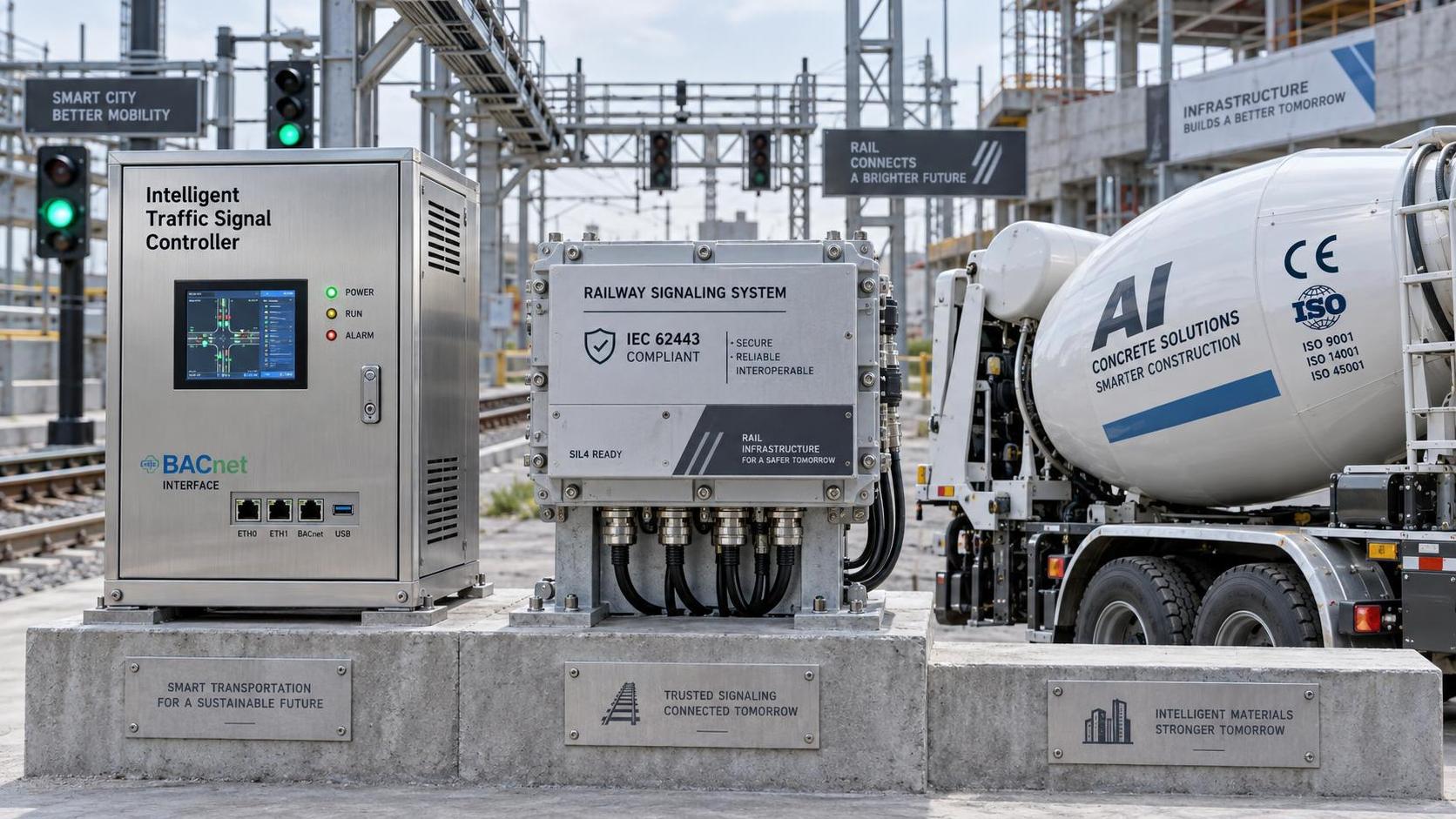
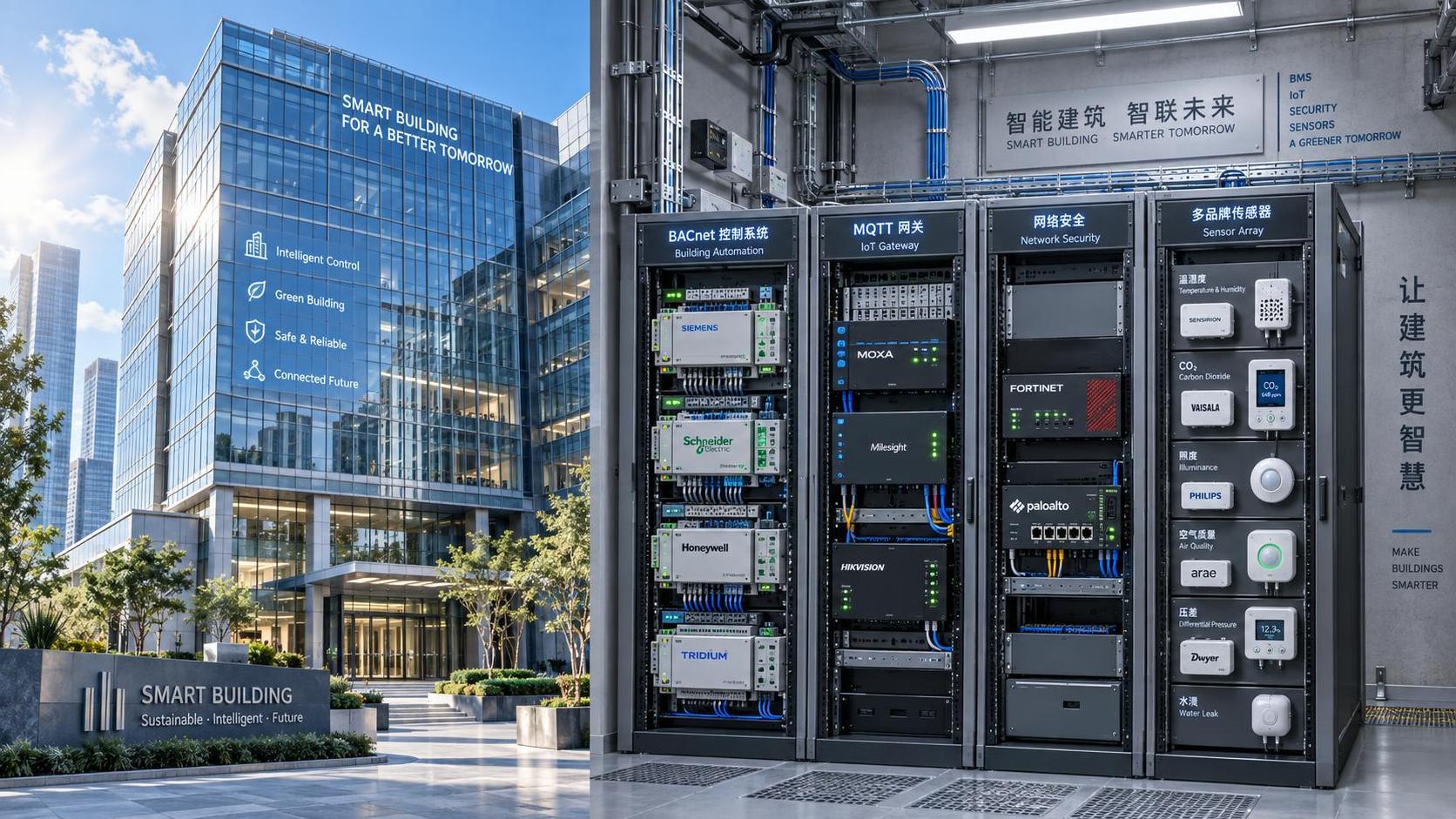
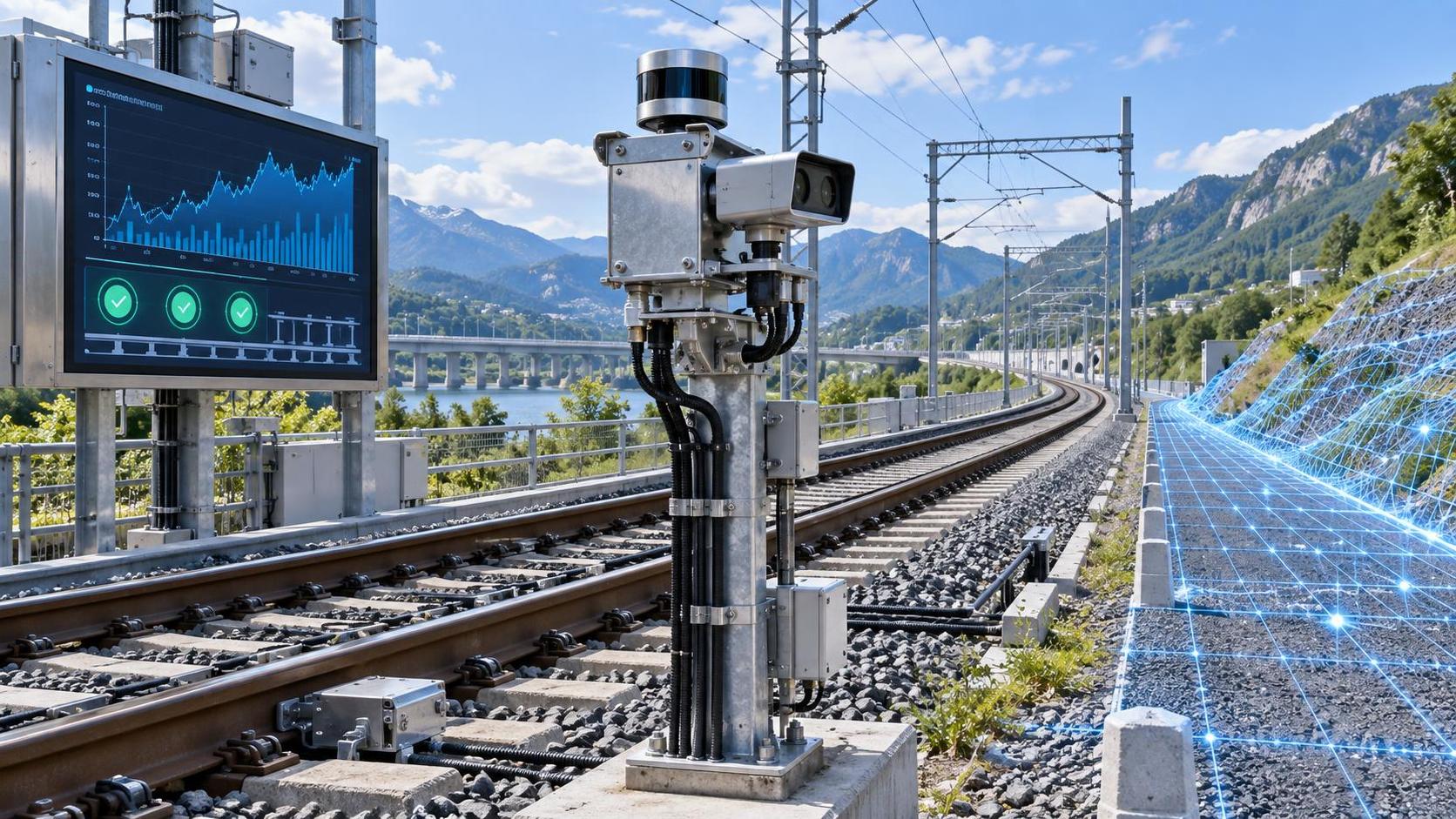
In construction, smart building programs may outpace district energy and mobility readiness. In rail and logistics, intelligent control systems lose value if freight corridors and maintenance capacity remain constrained.
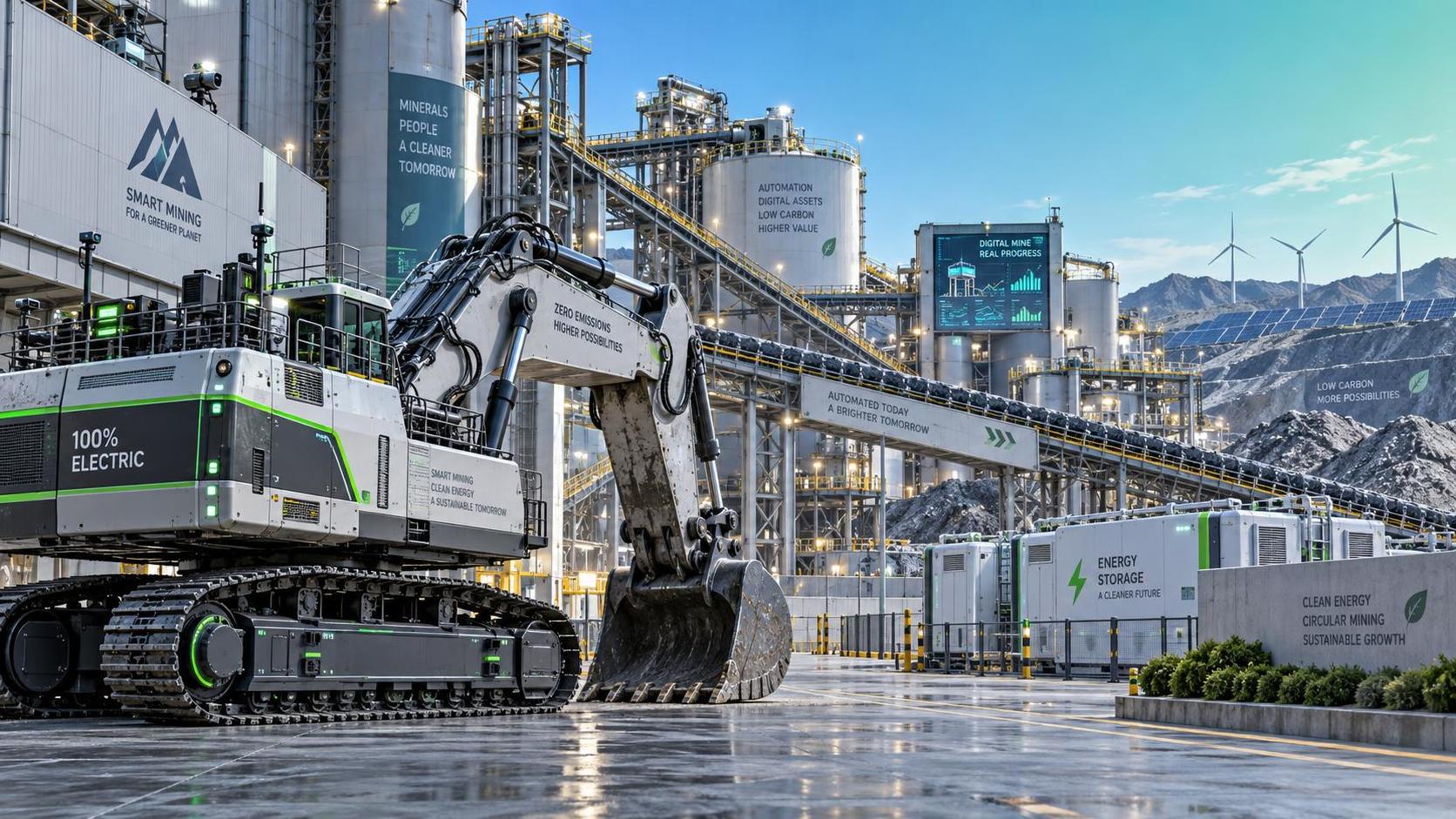
In mining and resource technology, urban demand forecasts can misalign with extraction, transport, and processing infrastructure. In special vehicles and heavy equipment, emergency response modernization depends on charging, roads, data access, and fleet management.
Operational impacts across business links
- Project developers face slower approvals and redesign costs.
- Technology integrators encounter fragmented interfaces and lower system performance.
- Utilities absorb unplanned demand peaks and maintenance burdens.
- Public authorities struggle to compare pilots using common metrics.
- Investors see greater uncertainty around returns and asset durability.
What stronger planning logic looks like in practice
Closing the gap requires a shift from technology-first planning to capacity-first planning. That means asking whether the city can support, maintain, finance, and scale each digital layer.
Better resource development in smart cities starts with integrated baselines. Cities need synchronized mapping of utilities, transport flows, land reserves, environmental constraints, and institutional responsibilities.
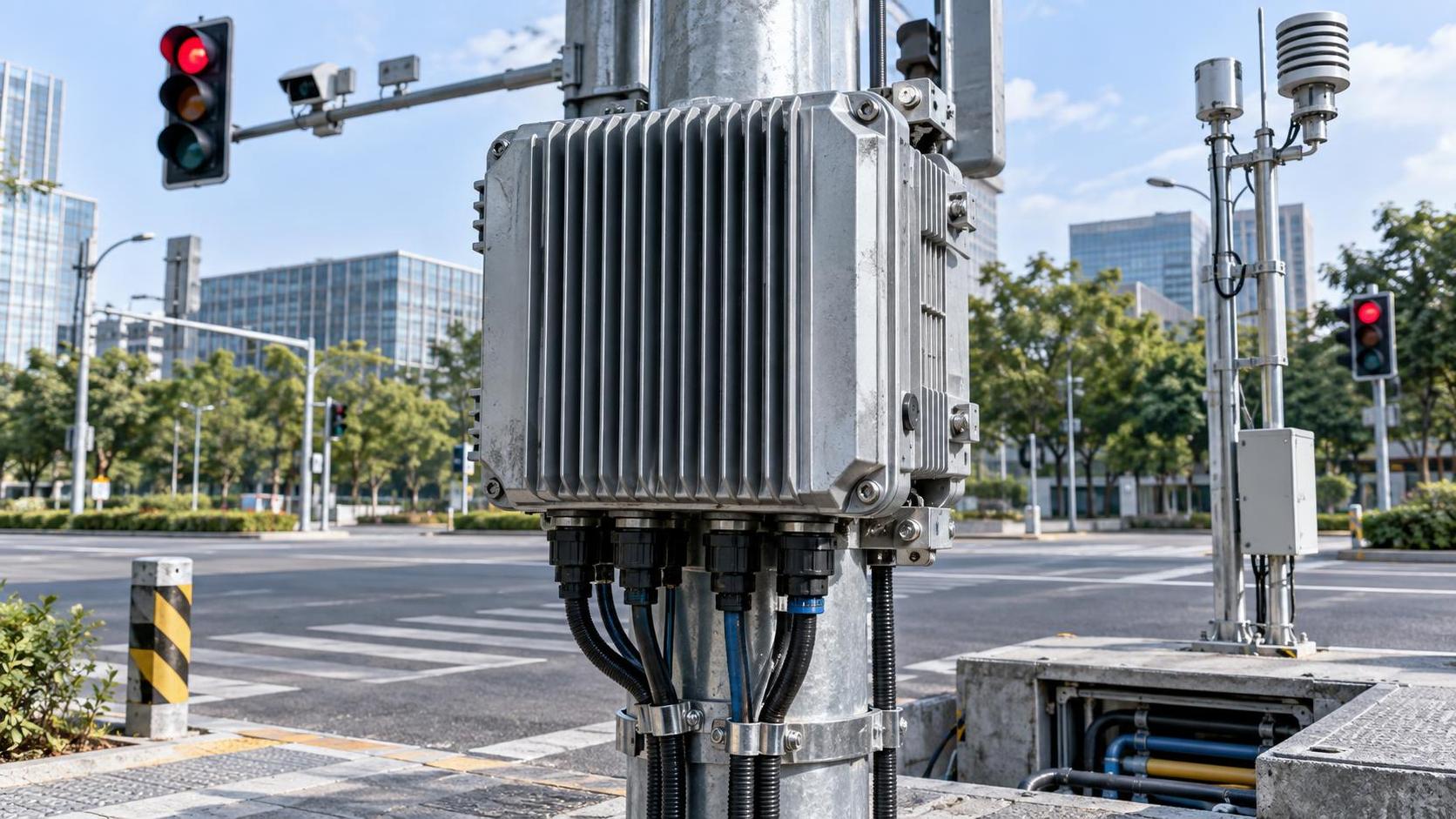
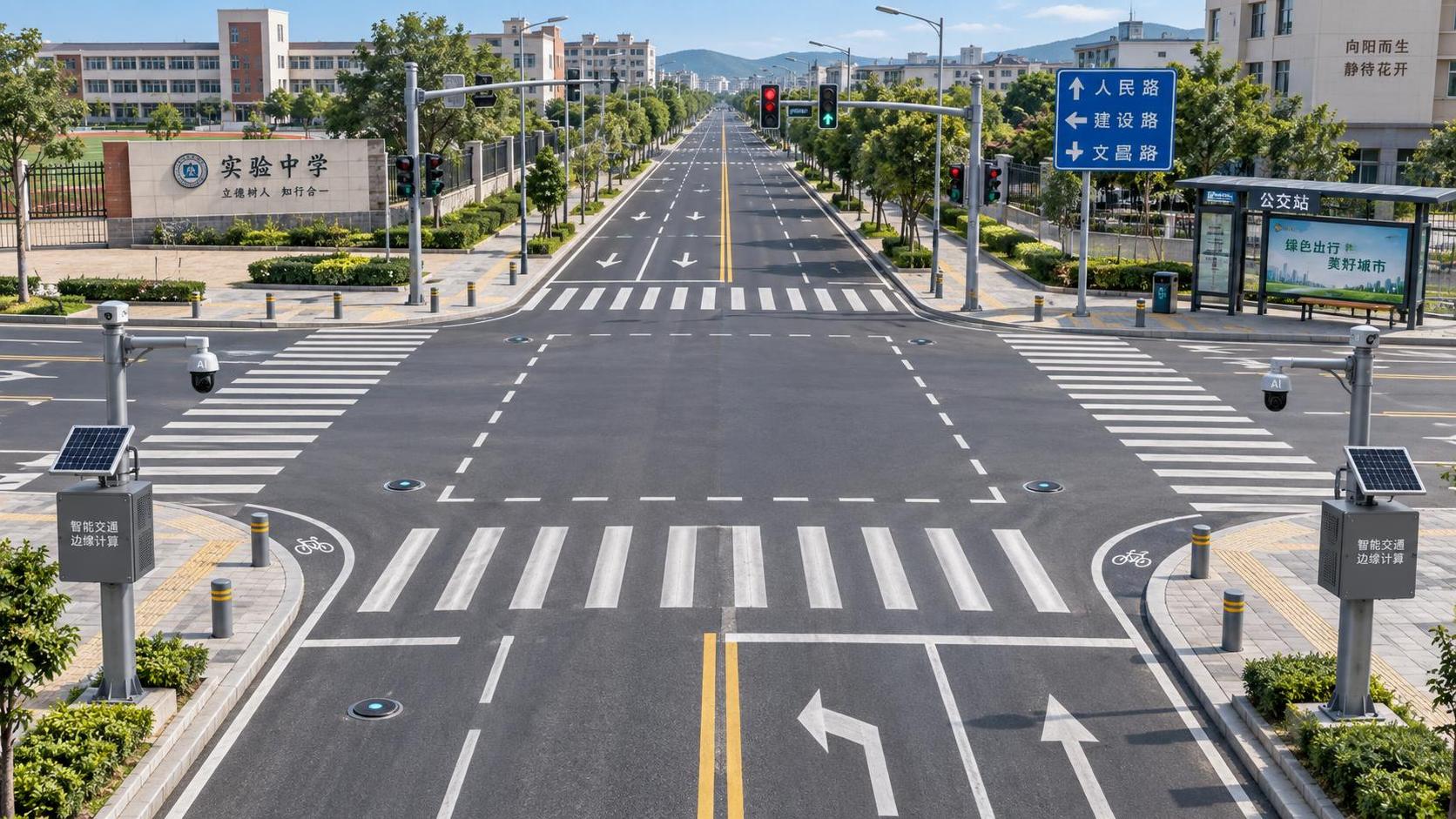
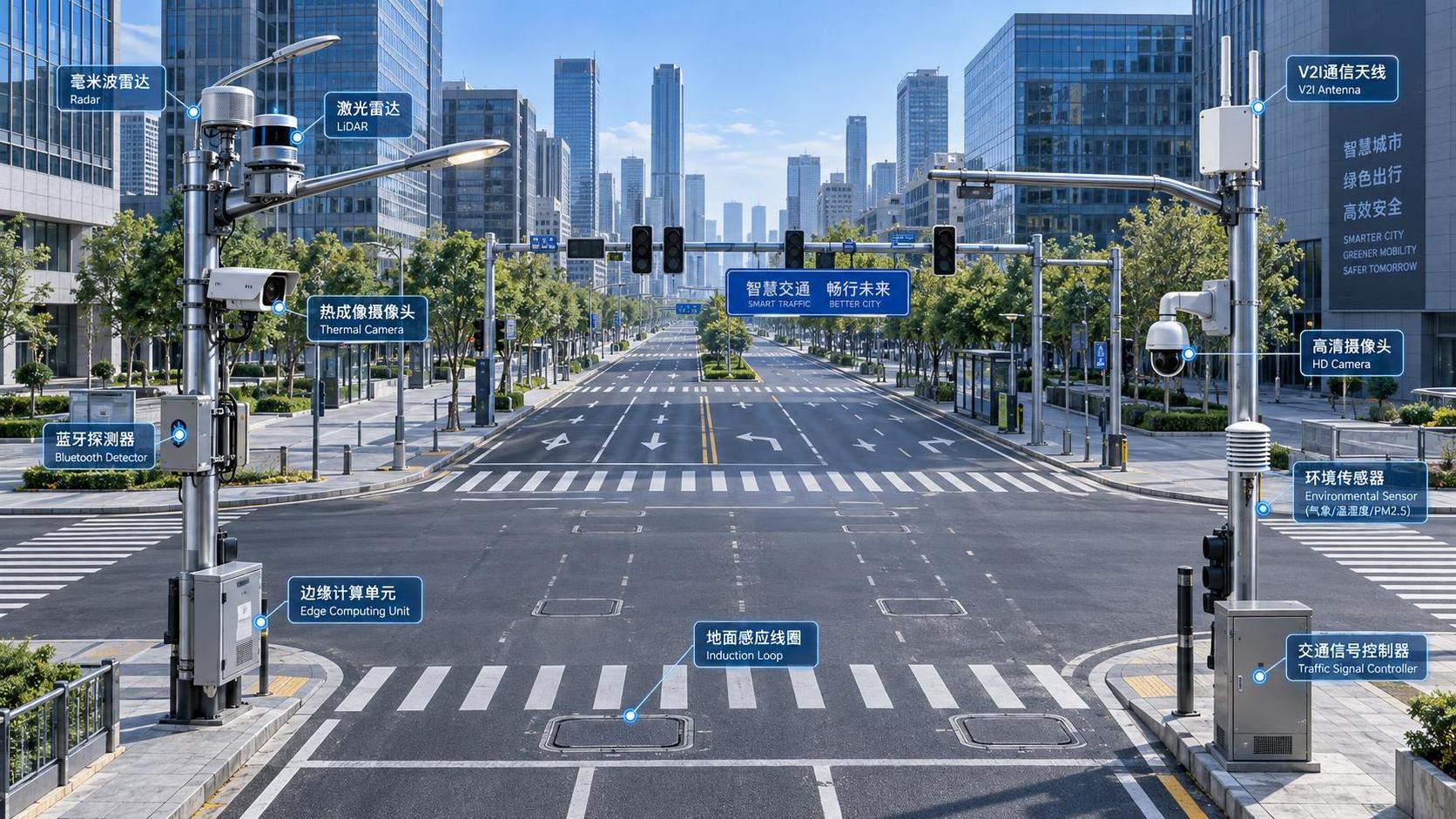
From there, planning should connect each smart objective to a physical resource chain. A simple traffic platform is not only software. It touches roads, signals, substations, fiber, curb policy, and maintenance operations.
Priority focus areas
- Asset inventory accuracy before launching large smart programs.
- Shared data standards across transport, utilities, land, and public safety.
- Lifecycle budgeting, including upgrades, cybersecurity, and maintenance.
- Phased implementation linked to measurable capacity gains.
- Local workforce development for system operations and field support.
- Resilience criteria covering climate exposure, backup power, and service continuity.
A practical framework for evaluating resource development in smart cities
A useful evaluation model should test readiness before scale. It should also compare promised digital value against actual infrastructure capacity and governance maturity.
Next-step judgment should favor resilient capacity over showcase projects
The next phase of urban modernization will reward discipline. Cities that treat resource development in smart cities as a systems challenge will build stronger outcomes than those focused on isolated digital visibility.
A more credible path includes phased deployment, integrated data governance, physical asset readiness, and clear service metrics. This approach supports sustainable infrastructure while reducing stranded technology investments.
For infrastructure intelligence platforms such as GIUT, the strategic signal is clear. Future value lies in linking engineering facts, urban governance logic, and resource planning into one decision framework.
If a smart city plan is under review, begin with one practical step: map every digital objective to its required energy, land, water, mobility, data, and workforce inputs. That single exercise reveals where real implementation risk begins.
Get weekly intelligence in your inbox.
No noise. No sponsored content. Pure intelligence.
News Recommendations
 Sep 19, 2026How an electronics application guide helps prevent component mismatchHow an electronics application guide helps prevent component mismatch
 Sep 18, 2026When a resource allocation platform improves project deliveryWhen a resource allocation platform improves project delivery
 Sep 17, 2026What to compare when evaluating mineral processing equipment manufacturersWhat to compare when evaluating mineral processing equipment manufacturers
 Sep 16, 2026How mineral separation optimization can reduce concentrate lossesHow mineral separation optimization can reduce concentrate losses
 Sep 15, 2026How to assess lifecycle costs in urban tech procurementHow to assess lifecycle costs in urban tech procurement
 Sep 14, 2026Heavy industry technology trends reshaping capital investment prioritiesHeavy industry technology trends reshaping capital investment priorities
 Sep 14, 2026Global Industrial Equipment Procurement: How Top OEMs Qualify Suppliers for Mining & Infrastructure ProjectsGlobal Industrial Equipment Procurement: How Top OEMs Qualify Suppliers for Mining & Infrastructure Projects
 Sep 14, 2026Industrial & Mining Equipment Procurement: Balancing Local Sourcing, Lead Time, and Certification RequirementsIndustrial & Mining Equipment Procurement: Balancing Local Sourcing, Lead Time, and Certification Requirements
 Sep 14, 2026Infrastructure & Equipment Upgrades: What Procurement Teams Must Verify Before Signing Off on New ContractsInfrastructure & Equipment Upgrades: What Procurement Teams Must Verify Before Signing Off on New Contracts
 Sep 14, 2026Why Infrastructure Equipment Buyers Are Shifting from Catalog-Based to Capability-Based Supplier SelectionWhy Infrastructure Equipment Buyers Are Shifting from Catalog-Based to Capability-Based Supplier Selection
 Sep 14, 2026Process Automation Project Execution: How to Align Supplier Capabilities with PLC Integration, Cybersecurity & Commissioning MilestonesProcess Automation Project Execution: How to Align Supplier Capabilities with PLC Integration, Cybersecurity & Commissioning Milestones
 Sep 14, 2026Are intelligent traffic systems worth the investment for small cities?Are intelligent traffic systems worth the investment for small cities?
 Sep 14, 2026How do intelligent traffic systems handle sensor failures?How do intelligent traffic systems handle sensor failures?
 Sep 14, 2026What should I check before accepting a smart building system?What should I check before accepting a smart building system?
 Sep 14, 2026Is a smart building system worth the maintenance cost?Is a smart building system worth the maintenance cost?
 Sep 14, 2026What data is needed for reliable resource allocation planning?What data is needed for reliable resource allocation planning?
 Sep 14, 2026How can resource allocation software reduce equipment idle time?How can resource allocation software reduce equipment idle time?
 Sep 14, 2026How should smart devices be maintained in harsh outdoor conditions?How should smart devices be maintained in harsh outdoor conditions?
 Sep 14, 2026Do smart devices improve worker safety on construction sites?Do smart devices improve worker safety on construction sites?
 Sep 14, 2026What environmental risks must be assessed before deep-sea mining?What environmental risks must be assessed before deep-sea mining?
 Sep 14, 2026Is deep-sea mining equipment commercially viable in 2026?Is deep-sea mining equipment commercially viable in 2026?
 Sep 14, 2026What Inspection Checks Should Procurement Teams Perform Before Ordering Dredging Equipment in 2026?What Inspection Checks Should Procurement Teams Perform Before Ordering Dredging Equipment in 2026?
 Sep 13, 2026How to verify an industrial product information source before specifying equipmentHow to verify an industrial product information source before specifying equipment
 Sep 12, 2026Which intelligent traffic systems hardware fits an urban intersection?Which intelligent traffic systems hardware fits an urban intersection?
 Sep 11, 2026How pump capacity affects response coverage for municipal fire fighting vehiclesHow pump capacity affects response coverage for municipal fire fighting vehicles
 Sep 10, 2026What to verify before choosing a heavy industry equipment supplierWhat to verify before choosing a heavy industry equipment supplier
 Sep 09, 2026When do adaptive urban traffic control systems reduce corridor delays?When do adaptive urban traffic control systems reduce corridor delays?