Special Purpose Vehicles for Construction: Key Safety Checks
Before any lift, pour, haul, or access task begins, special purpose vehicles for construction need disciplined safety checks. These inspections reduce breakdowns, prevent injuries, protect schedules, and support compliance across modern infrastructure projects.
In heavy industry and smart jobsite operations, equipment reliability is never a minor detail. It directly affects productivity, insurance exposure, environmental control, and the safe coordination of workers, materials, and surrounding traffic.
Why safety checks change by jobsite scenario

Special purpose vehicles for construction operate in very different environments. A crane truck on a dense urban road faces risks unlike a concrete mixer at a remote bridge site.
That is why one universal checklist is not enough. Safety teams must match inspections to terrain, load type, weather, traffic exposure, and the vehicle’s operating duty cycle.
The best pre-use process starts with a basic legal and mechanical review. It then adds scenario-specific checks that reflect the real hazards of each construction phase.
Scenario 1: Urban construction zones with tight access and public exposure
Urban projects create narrow maneuvering paths, mixed traffic, and frequent blind spots. Here, special purpose vehicles for construction must be inspected with strong focus on visibility and control.
Check mirrors, cameras, reversing alarms, beacon lights, turn signals, and windshield condition. Any visibility defect increases collision risk with pedestrians, barriers, service lines, or nearby vehicles.
Braking response is equally critical in stop-start traffic. Inspect brake pads, air pressure levels, hydraulic brake performance, parking brake hold, and warning indicators before entering active urban routes.
Core judgment points for urban deployment
- Can the vehicle maintain full visibility around pedestrians and obstacles?
- Do braking systems perform predictably under repeated short-distance stops?
- Are warning systems audible and visible in noisy street conditions?
- Is route access compatible with turning radius and axle load limits?
Scenario 2: Earthworks, rough terrain, and unstable ground conditions
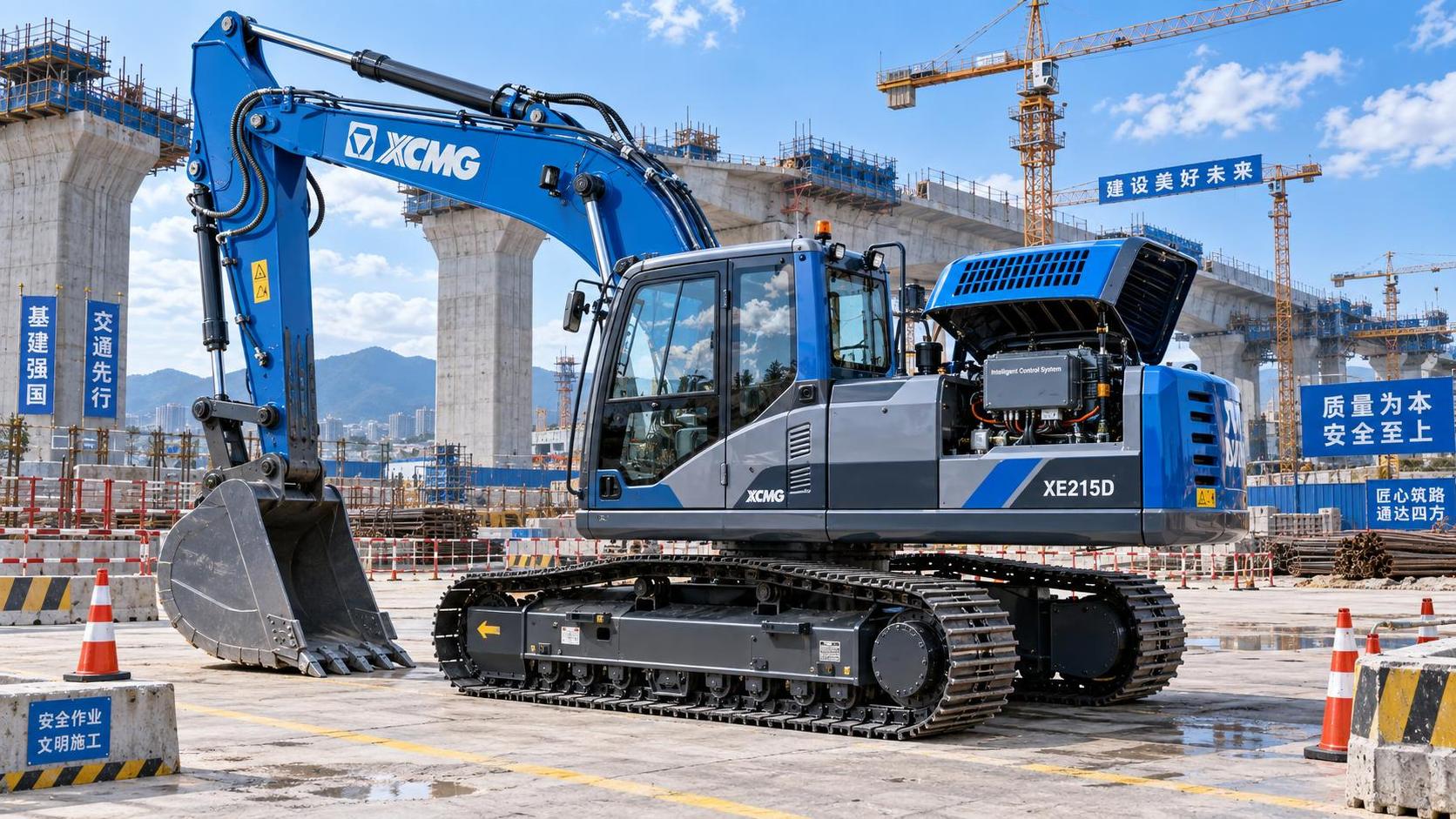
On early-stage sites, ground quality becomes the first safety question. Special purpose vehicles for construction working on mud, fill, gravel, or slopes need thorough stability checks.
Inspect tires for wear, cuts, inflation, and sidewall damage. Review axle integrity, suspension response, steering play, and wheel fasteners, because rough terrain quickly magnifies mechanical weakness.
For vehicles using outriggers or stabilizers, verify extension performance, locking function, ground contact pads, and level indicators. A stable machine on firm support is essential before any load movement.
What often matters most on rough sites
Hydraulic lines deserve extra attention. Leaks, pressure loss, hose abrasion, and cracked fittings can trigger sudden instability in lifting, pumping, or tipping operations.
Ground-bearing capacity should also be confirmed before operation. Even a fully compliant vehicle becomes unsafe when parked on uncompacted soil, trench edges, or hidden underground voids.
Scenario 3: Lifting, placing, and material handling tasks
When special purpose vehicles for construction perform lifting work, load control is the primary risk. This includes crane trucks, boom trucks, lifting platforms, and mounted handling equipment.
Inspect load charts, boom structure, wire ropes, hooks, safety latches, sheaves, limit switches, and overload protection devices. Missing labels or unreadable charts create immediate operational uncertainty.
Load stability also depends on setup discipline. Confirm level position, outrigger spread, attachment condition, and exclusion zones before the first movement begins.
Key safety checks before lifting starts
- Verify the rated load matches the planned radius and lift path.
- Check for hydraulic drift, boom damage, or unusual noise during function testing.
- Confirm communication methods between operator and ground personnel.
- Review weather impact, especially wind on suspended loads.
Scenario 4: Concrete delivery, pumping, and continuous-process operations
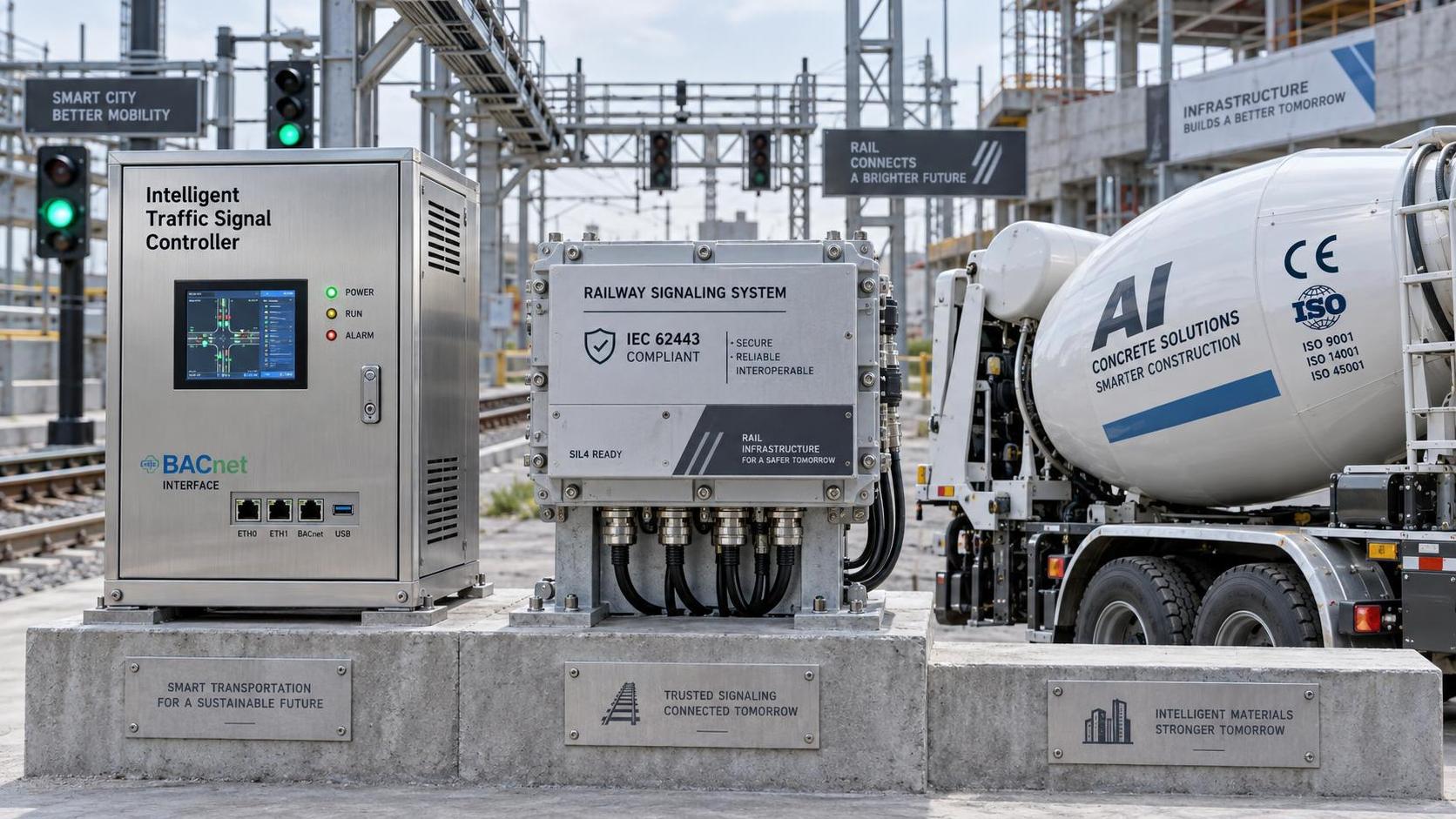
Concrete mixers, pump trucks, and related special purpose vehicles for construction face different pressures. Their safety depends on continuous mechanical performance and effective cleaning, pressure, and blockage control.
Drum rotation systems, PTO engagement, hopper guards, pump lines, clamps, and pressure gauges should be checked before use. Residual hardened material often hides wear or creates dangerous flow restrictions.
Because these vehicles work in timed sequences, overlooked defects can interrupt entire pours. That leads to structural quality risk, wasted material, and emergency repair activity in active zones.
How safety priorities differ across construction scenarios
Practical fit-for-scenario recommendations
A strong inspection system for special purpose vehicles for construction should combine daily checks, periodic maintenance, and risk-based reviews for specific assignments.
- Use a standard pre-start checklist for all vehicles.
- Add scenario modules for lifting, pumping, urban traffic, or rough terrain.
- Require function tests, not only visual inspections.
- Track recurring defects to identify weak components or poor operating habits.
- Review maintenance logs before assigning vehicles to critical operations.
Records that should never be missing
Inspection forms, service history, repair closeout notes, certification dates, and incident records all support safer deployment. Missing records often indicate deeper control gaps.
Digital fleet tools can improve traceability. They also help align equipment checks with broader smart construction and infrastructure governance goals.
Common mistakes when checking special purpose vehicles for construction
One frequent mistake is treating all vehicles the same. A generic checklist may ignore job-specific hazards, especially for mounted equipment with hydraulic or lifting functions.
Another mistake is relying only on appearance. Clean paint does not prove brake response, hose condition, pressure stability, or structural integrity.
Teams also overlook the link between maintenance timing and operating intensity. Vehicles on high-cycle projects need shorter inspection intervals than rarely used support units.
Finally, documentation gaps are often ignored until an incident occurs. In regulated construction environments, poor records can become both a safety issue and a compliance problem.
Next-step actions for safer deployment and better uptime
To improve control, start by grouping special purpose vehicles for construction by task type, terrain exposure, and load risk. Then assign inspection points that reflect actual operating conditions.
Build short, repeatable check routines for operators and supervisors. Support them with maintenance escalation rules when brakes, hydraulics, visibility systems, or structural parts fail acceptance criteria.
For infrastructure, urban tech, and heavy equipment environments, this scenario-based method creates safer worksites and more reliable asset performance. It also helps projects move from reactive repair toward intelligent prevention.
When safety checks match real construction scenarios, special purpose vehicles for construction become more than machines on a schedule. They become controlled, traceable assets supporting resilient and efficient project delivery.
Get weekly intelligence in your inbox.
No noise. No sponsored content. Pure intelligence.
News Recommendations
 Sep 19, 2026How an electronics application guide helps prevent component mismatchHow an electronics application guide helps prevent component mismatch
 Sep 18, 2026When a resource allocation platform improves project deliveryWhen a resource allocation platform improves project delivery
 Sep 17, 2026What to compare when evaluating mineral processing equipment manufacturersWhat to compare when evaluating mineral processing equipment manufacturers
 Sep 16, 2026How mineral separation optimization can reduce concentrate lossesHow mineral separation optimization can reduce concentrate losses
 Sep 15, 2026How to assess lifecycle costs in urban tech procurementHow to assess lifecycle costs in urban tech procurement
 Sep 14, 2026Heavy industry technology trends reshaping capital investment prioritiesHeavy industry technology trends reshaping capital investment priorities
 Sep 14, 2026Global Industrial Equipment Procurement: How Top OEMs Qualify Suppliers for Mining & Infrastructure ProjectsGlobal Industrial Equipment Procurement: How Top OEMs Qualify Suppliers for Mining & Infrastructure Projects
 Sep 14, 2026Industrial & Mining Equipment Procurement: Balancing Local Sourcing, Lead Time, and Certification RequirementsIndustrial & Mining Equipment Procurement: Balancing Local Sourcing, Lead Time, and Certification Requirements
 Sep 14, 2026Infrastructure & Equipment Upgrades: What Procurement Teams Must Verify Before Signing Off on New ContractsInfrastructure & Equipment Upgrades: What Procurement Teams Must Verify Before Signing Off on New Contracts
 Sep 14, 2026Why Infrastructure Equipment Buyers Are Shifting from Catalog-Based to Capability-Based Supplier SelectionWhy Infrastructure Equipment Buyers Are Shifting from Catalog-Based to Capability-Based Supplier Selection
 Sep 14, 2026Process Automation Project Execution: How to Align Supplier Capabilities with PLC Integration, Cybersecurity & Commissioning MilestonesProcess Automation Project Execution: How to Align Supplier Capabilities with PLC Integration, Cybersecurity & Commissioning Milestones
 Sep 14, 2026Are intelligent traffic systems worth the investment for small cities?Are intelligent traffic systems worth the investment for small cities?
 Sep 14, 2026How do intelligent traffic systems handle sensor failures?How do intelligent traffic systems handle sensor failures?
 Sep 14, 2026What should I check before accepting a smart building system?What should I check before accepting a smart building system?
 Sep 14, 2026Is a smart building system worth the maintenance cost?Is a smart building system worth the maintenance cost?
 Sep 14, 2026What data is needed for reliable resource allocation planning?What data is needed for reliable resource allocation planning?
 Sep 14, 2026How can resource allocation software reduce equipment idle time?How can resource allocation software reduce equipment idle time?
 Sep 14, 2026How should smart devices be maintained in harsh outdoor conditions?How should smart devices be maintained in harsh outdoor conditions?
 Sep 14, 2026Do smart devices improve worker safety on construction sites?Do smart devices improve worker safety on construction sites?
 Sep 14, 2026What environmental risks must be assessed before deep-sea mining?What environmental risks must be assessed before deep-sea mining?
 Sep 14, 2026Is deep-sea mining equipment commercially viable in 2026?Is deep-sea mining equipment commercially viable in 2026?
 Sep 14, 2026What Inspection Checks Should Procurement Teams Perform Before Ordering Dredging Equipment in 2026?What Inspection Checks Should Procurement Teams Perform Before Ordering Dredging Equipment in 2026?
 Sep 13, 2026How to verify an industrial product information source before specifying equipmentHow to verify an industrial product information source before specifying equipment
 Sep 12, 2026Which intelligent traffic systems hardware fits an urban intersection?Which intelligent traffic systems hardware fits an urban intersection?
 Sep 11, 2026How pump capacity affects response coverage for municipal fire fighting vehiclesHow pump capacity affects response coverage for municipal fire fighting vehicles
 Sep 10, 2026What to verify before choosing a heavy industry equipment supplierWhat to verify before choosing a heavy industry equipment supplier
 Sep 09, 2026When do adaptive urban traffic control systems reduce corridor delays?When do adaptive urban traffic control systems reduce corridor delays?