Mining Technology Innovations Reshaping Extraction Efficiency
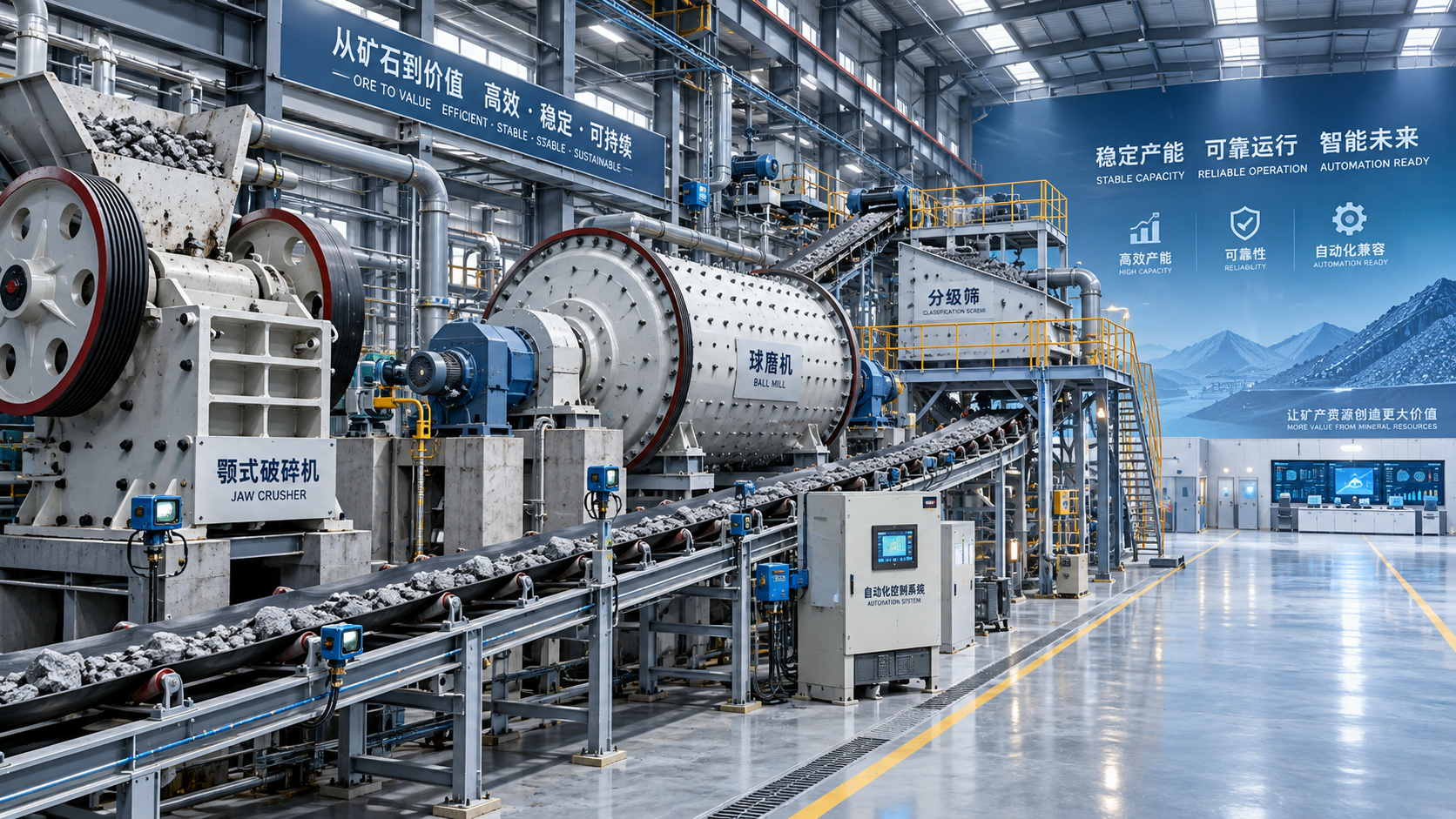
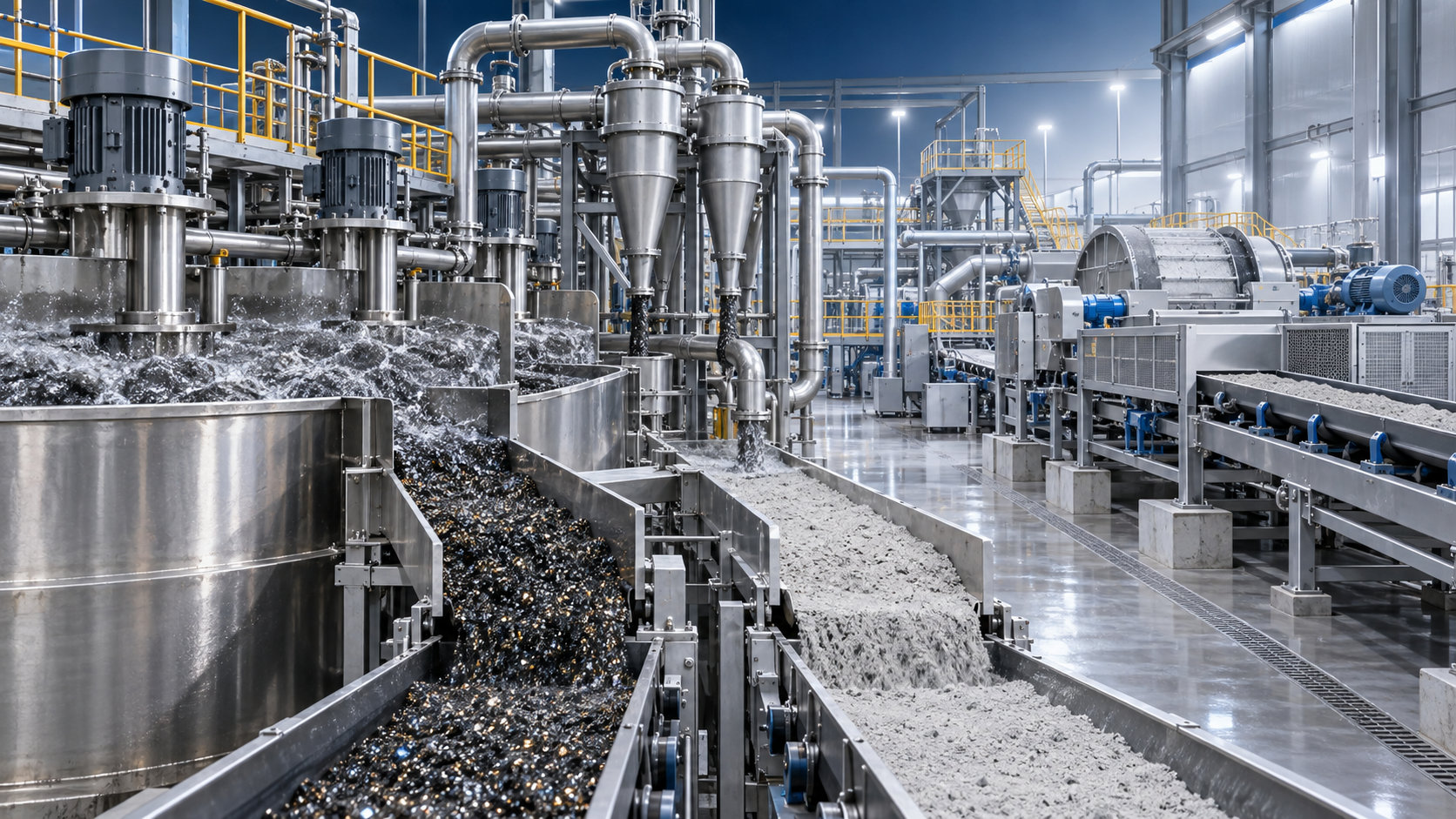
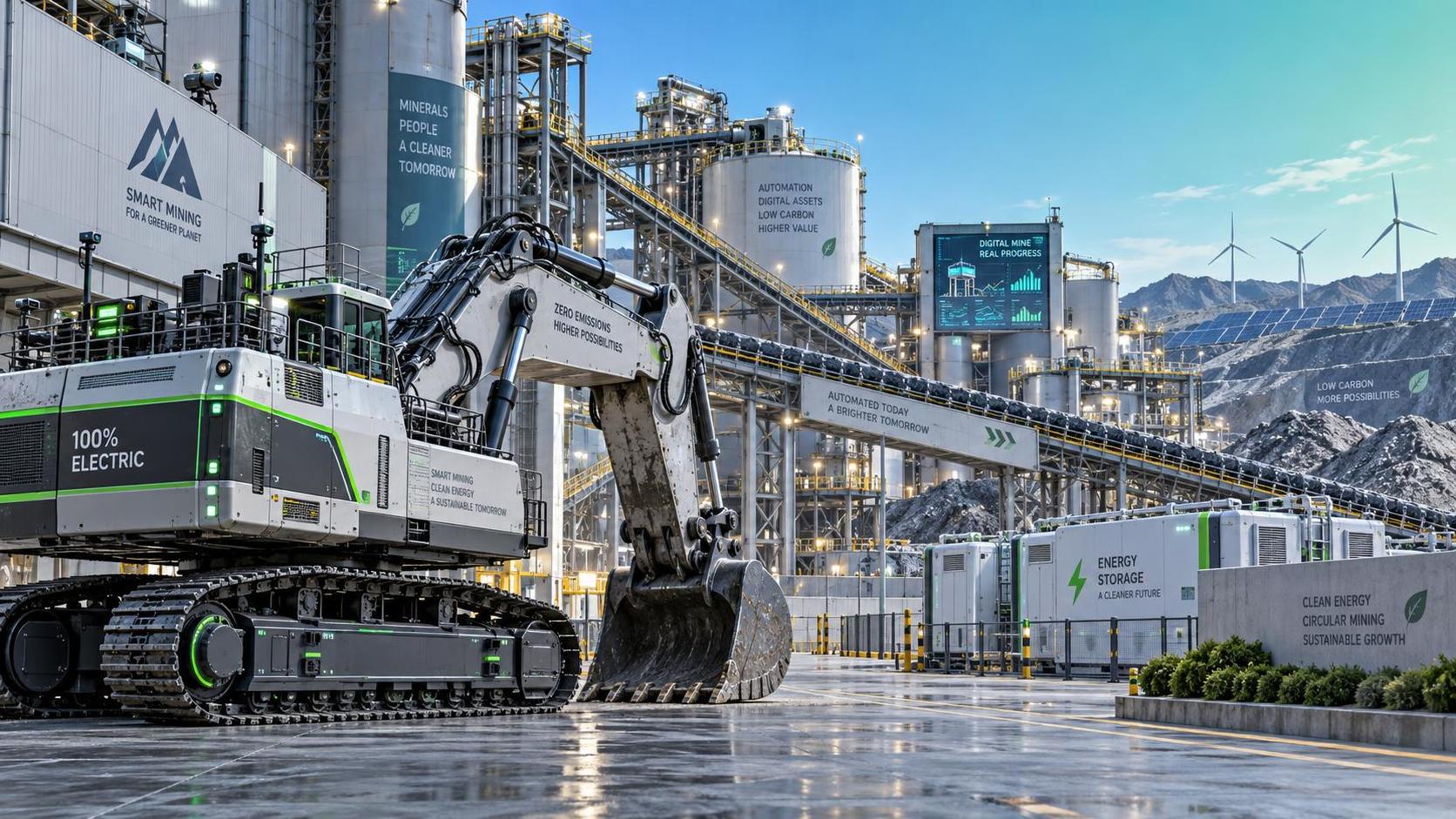
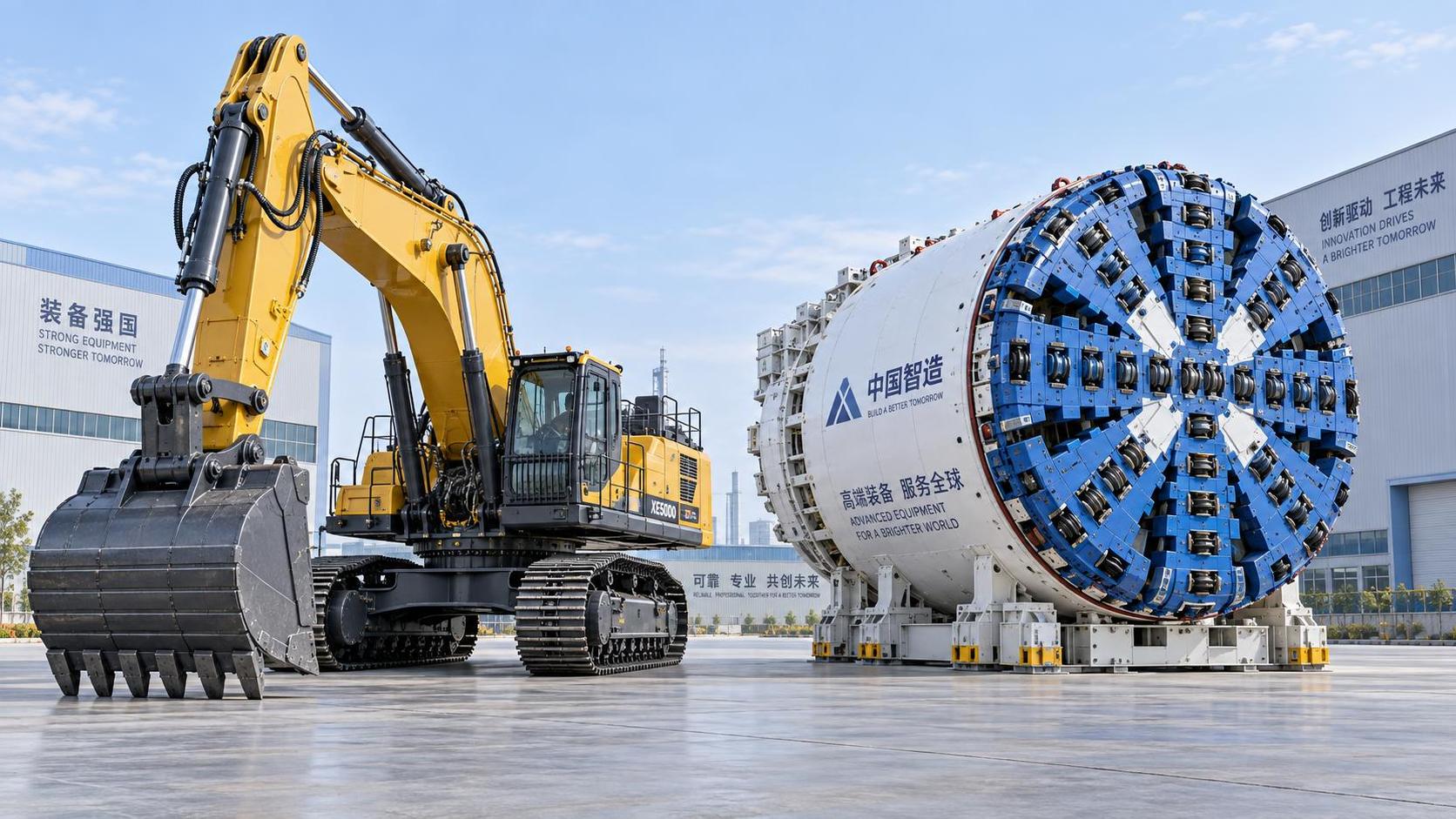
Mining technology innovations are redefining how extraction projects balance output, safety, and sustainability. For technical evaluators, understanding the latest advances in automation, sensor networks, data analytics, and equipment performance is essential to assessing operational value and long-term feasibility. This article explores how these innovations are improving extraction efficiency while reshaping decision-making across modern mining operations.
Why mining technology innovations matter more in today’s evaluation process
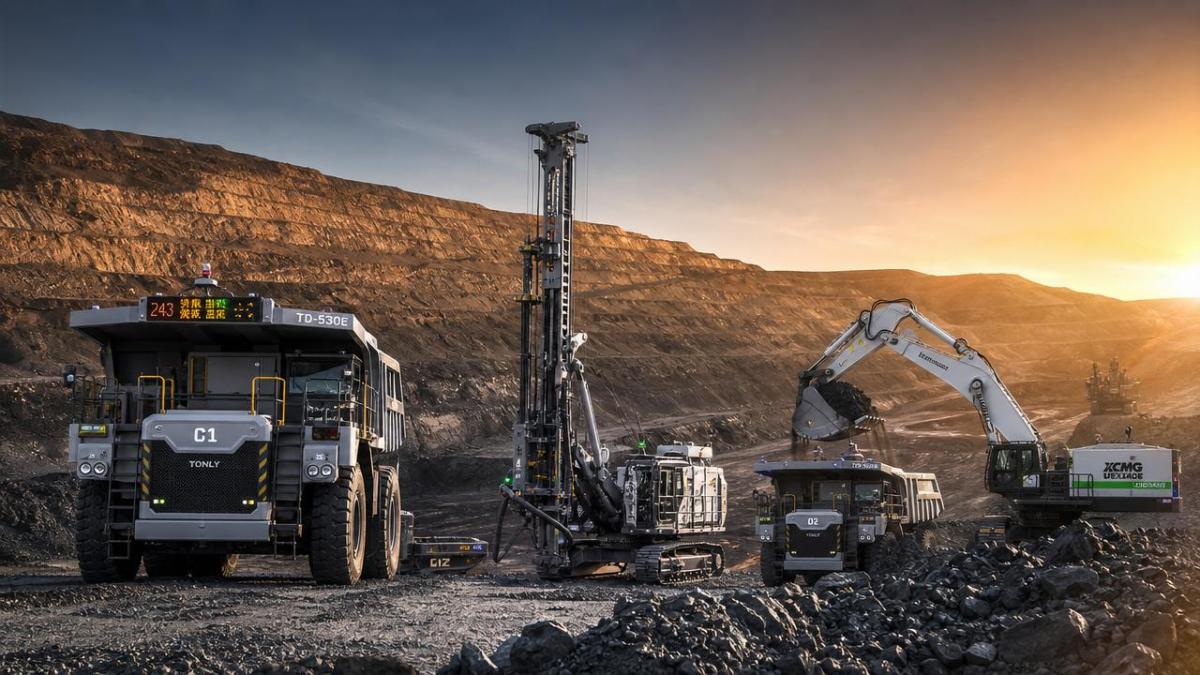
Mining no longer depends only on larger fleets, deeper shafts, or higher blasting intensity. The most meaningful gains now come from integrated mining technology innovations that connect machines, workflows, and decision systems across the extraction chain.
For technical assessment teams, the challenge is not simply asking whether a solution is advanced. The real question is whether it improves recovery, reduces downtime, supports compliance, and fits site-specific geology, infrastructure constraints, and workforce capability.
This is especially relevant in a cross-sector environment where heavy industry, transport, digital infrastructure, and urban resource demand increasingly overlap. GIUT approaches mining and resource technology as part of a larger physical-world intelligence system, linking extraction efficiency with logistics reliability, energy use, and long-term infrastructure planning.
- Ore bodies are becoming harder to access, lower in grade, or more variable in geometry, which makes precision and adaptive control more valuable than brute-force capacity expansion.
- Safety expectations are rising, so remote operation, environmental monitoring, and predictive maintenance are no longer optional in many project evaluations.
- Capital allocation is tighter, meaning procurement teams must justify each technology upgrade through measurable operating impact rather than vendor claims.
What technical evaluators are really trying to verify
In practice, mining technology innovations are screened through a multi-layer lens. Performance matters, but so do interoperability, maintenance burden, local support readiness, training time, and cyber-physical risk. Evaluation becomes stronger when technology is judged as an operating system, not a single device.
Which mining technology innovations are driving extraction efficiency today?
Several innovation categories now shape extraction outcomes more than isolated equipment upgrades. They improve drill accuracy, haul cycle predictability, ore loss control, ventilation efficiency, and maintenance planning. For technical evaluators, these categories should be compared by operational fit, not trend value alone.
Core innovation categories
- Autonomous and semi-autonomous equipment for drilling, hauling, and loading in repetitive or hazardous zones.
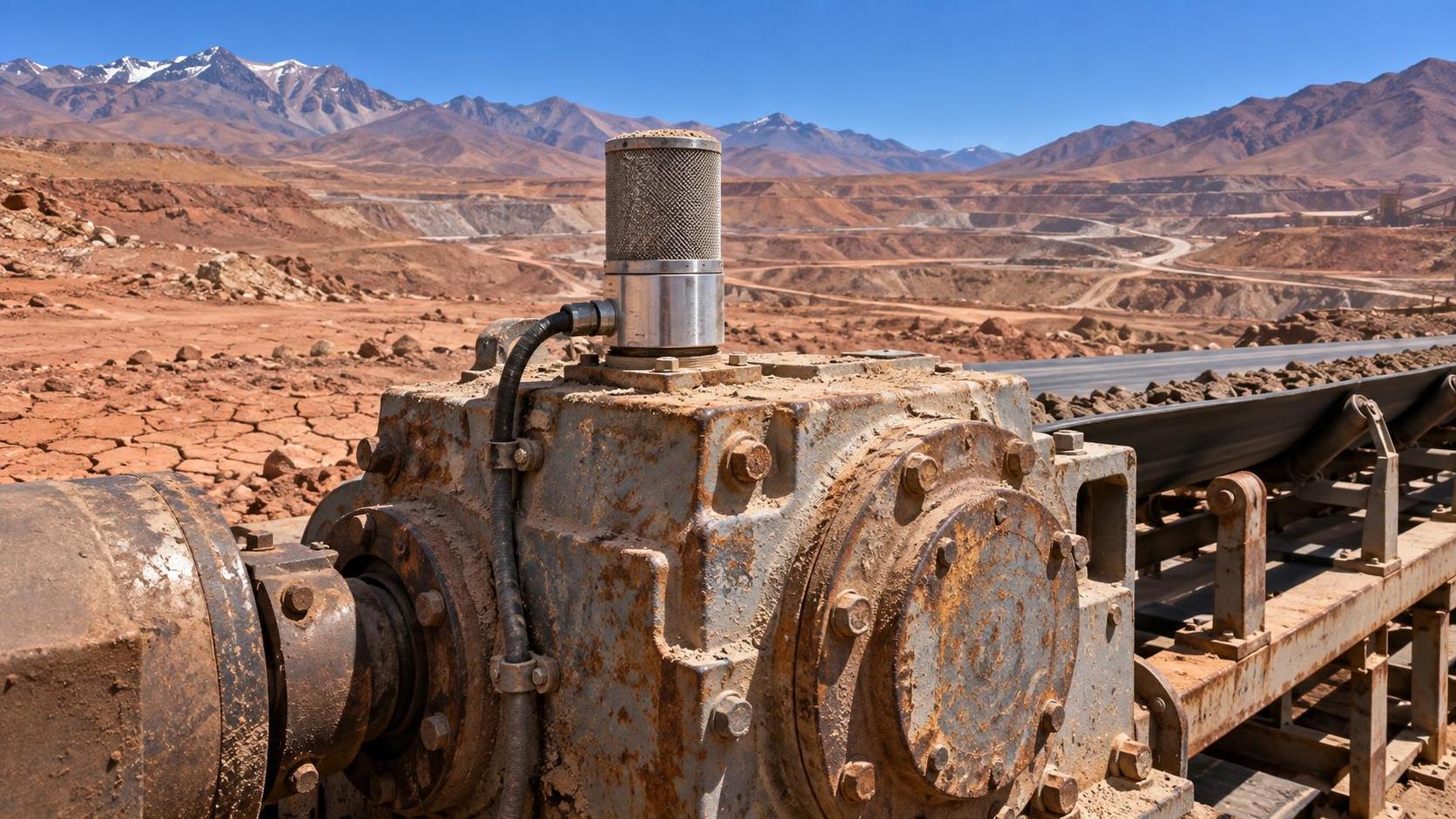
- Sensor-rich condition monitoring systems that track vibration, temperature, fuel use, payload, tire health, and hydraulic performance.
- Ore body intelligence tools using real-time geological mapping, machine vision, and grade control analytics to reduce dilution.
- Digital twins and operational dashboards that simulate production flow, maintenance windows, and bottleneck behavior before field disruption occurs.
- Electrified and hybrid mobile systems that lower ventilation demand in underground mines and improve energy performance visibility.
The table below helps technical evaluators compare the practical role of major mining technology innovations across extraction workflows.
A key takeaway is that extraction efficiency rarely improves from one isolated system. The strongest results usually come when drilling, loading, hauling, and maintenance data are connected through a common decision layer.
How should technical evaluators compare options across surface and underground mines?
Not all mining technology innovations perform equally in every environment. Surface operations often prioritize throughput, route optimization, and dispatch synchronization. Underground projects tend to place greater weight on ventilation constraints, remote operation safety, and space-limited equipment mobility.
Scenario-based comparison
The table below compares common evaluation priorities by mining setting, helping procurement and technical teams avoid one-size-fits-all decisions.
This comparison shows why technical evaluators must relate equipment and software choices to mine design, energy profile, labor conditions, and logistics exposure. An advanced system can underperform if the support ecosystem is weak.
What performance indicators should guide procurement and selection?
When assessing mining technology innovations, many teams focus too heavily on nameplate capacity or software feature count. A better approach is to define measurable extraction outcomes before discussing vendors or package design.
Key evaluation metrics
- Availability and utilization: Check whether the innovation improves actual operating hours, not just scheduled capacity.
- Ore recovery and dilution control: Prioritize technologies that improve selectivity, especially in complex geology or narrow ore zones.
- Energy intensity: Evaluate how the system changes fuel burn, ventilation demand, or power consumption per tonne extracted.
- Maintenance predictability: Look at spare parts intervals, diagnostic transparency, and compatibility with existing maintenance workflows.
- Operator adaptation time: Review training needs, interface usability, and fallback procedures during mixed manual-automated operation.
Common selection mistake
A frequent procurement error is buying digital functionality without securing data governance and workflow accountability. If alarms are not assigned, data quality is inconsistent, or production teams do not trust the dashboard logic, the value of mining technology innovations weakens rapidly after deployment.
How do cost, alternatives, and implementation risk affect the final decision?
Technical evaluators often face a familiar tension: the most advanced solution may not be the best investment if site readiness is low or delivery pressure is high. Cost analysis should include lifecycle effects, retrofit complexity, and operational resilience, not only purchase price.
Cost and alternative paths
- A full autonomy package can deliver strong long-term value, but phased dispatch optimization may provide faster payback where mine roads, communications, or staffing models are still maturing.
- Battery-electric fleets can reduce underground ventilation loads, yet hybrid transition strategies may be more practical where charging infrastructure is incomplete.
- Real-time sensing platforms offer excellent control potential, but a limited pilot on critical assets can validate data quality before wider rollout.
Implementation risk usually appears in four areas: network stability, workforce adoption, vendor interoperability, and maintenance readiness. If any one of these is weak, extraction efficiency targets may be delayed even when the equipment itself performs well.
Which standards and compliance points should not be overlooked?
Mining technology innovations must support efficiency without weakening safety or compliance discipline. Technical evaluators should confirm that proposed systems align with applicable electrical safety rules, machine guarding requirements, functional safety practices, environmental monitoring expectations, and site cybersecurity policies.
Compliance checklist for evaluation teams
- Verify whether remote and autonomous functions include emergency stop logic, fail-safe behavior, and clear human-machine override procedures.
- Check whether sensor systems maintain calibration traceability and data retention suitable for audits and incident review.
- Confirm compatibility with site environmental targets, especially dust, noise, emissions, water management, and tailings monitoring obligations.
- Review communication architecture for cyber risk exposure, especially when cloud analytics and remote diagnostics are introduced.
In a broader infrastructure context, GIUT’s value lies in interpreting these technical details beyond isolated mine equipment. Extraction systems interact with transport corridors, energy networks, construction schedules, and regional sustainability goals. Evaluation quality improves when those connections are made early.
FAQ: practical questions about mining technology innovations
How should a technical evaluator prioritize mining technology innovations on a limited budget?
Start with bottlenecks that already create measurable losses. If downtime is the main issue, predictive maintenance and fleet health monitoring may rank above autonomy. If ore dilution is the core problem, grade control and sensing tools often deserve earlier investment. Budget efficiency improves when each upgrade is linked to one dominant production pain point.
Are mining technology innovations only suitable for large-scale operations?
No. Large sites tend to justify more integrated platforms, but modular innovations can also fit mid-size or remote mines. The deciding factor is not mine size alone. It is whether the technology addresses a recurring constraint and can be supported by available staff, infrastructure, and maintenance systems.
What is the biggest hidden risk during procurement?
Interoperability is often underestimated. A strong standalone system may still create friction if it cannot exchange usable data with dispatch software, maintenance planning tools, geological models, or control room dashboards. Technical evaluators should demand interface clarity early, not after contract award.
How long does implementation usually take?
The timeline varies widely by scope. A sensor retrofit on selected assets may move relatively quickly, while autonomy, electrification, or digital twin deployment can require staged commissioning, communication upgrades, training cycles, and operational change management. The best planning approach is milestone-based rather than date-only.
Why many evaluators now seek an intelligence partner, not just a supplier
As mining technology innovations become more interconnected, technical evaluation is moving beyond equipment comparison. Decision-makers need structured insight across mine productivity, safety systems, equipment modernization, transport interfaces, and sustainability implications. That is where an integrated industry intelligence platform becomes valuable.
GIUT brings a cross-disciplinary perspective grounded in heavy industry, infrastructure systems, smart governance, and machinery evolution. For technical evaluators, this means clearer context when comparing extraction technologies, assessing long-term feasibility, or aligning mine upgrades with broader industrial development strategies.
Why choose us for mining technology innovation assessment
If you are reviewing mining technology innovations for a new project, retrofit, or phased expansion, GIUT can support decision-making with industry-focused analysis rather than generic product descriptions. We help technical teams frame the right questions before cost, timing, or integration risks become expensive.
- Parameter confirmation for extraction equipment, sensor architecture, fleet data requirements, and operating environment constraints.
- Solution selection support comparing automation, monitoring, electrification, and ore control options by mine type and project stage.
- Delivery-cycle discussion covering implementation sequence, site readiness, retrofit complexity, and commissioning dependencies.
- Compliance and certification guidance for safety expectations, environmental considerations, and digital system governance.
- Quote-oriented communication support to help procurement and technical teams align specifications before supplier engagement.
For organizations navigating complex extraction upgrades, the most useful next step is a focused consultation on site conditions, target performance indicators, integration priorities, and risk boundaries. That creates a stronger basis for selecting the right mining technology innovations with confidence.
Get weekly intelligence in your inbox.
No noise. No sponsored content. Pure intelligence.
News Recommendations
 Sep 19, 2026How an electronics application guide helps prevent component mismatchHow an electronics application guide helps prevent component mismatch
 Sep 18, 2026When a resource allocation platform improves project deliveryWhen a resource allocation platform improves project delivery
 Sep 17, 2026What to compare when evaluating mineral processing equipment manufacturersWhat to compare when evaluating mineral processing equipment manufacturers
 Sep 16, 2026How mineral separation optimization can reduce concentrate lossesHow mineral separation optimization can reduce concentrate losses
 Sep 15, 2026How to assess lifecycle costs in urban tech procurementHow to assess lifecycle costs in urban tech procurement
 Sep 14, 2026Heavy industry technology trends reshaping capital investment prioritiesHeavy industry technology trends reshaping capital investment priorities
 Sep 14, 2026Global Industrial Equipment Procurement: How Top OEMs Qualify Suppliers for Mining & Infrastructure ProjectsGlobal Industrial Equipment Procurement: How Top OEMs Qualify Suppliers for Mining & Infrastructure Projects
 Sep 14, 2026Industrial & Mining Equipment Procurement: Balancing Local Sourcing, Lead Time, and Certification RequirementsIndustrial & Mining Equipment Procurement: Balancing Local Sourcing, Lead Time, and Certification Requirements
 Sep 14, 2026Infrastructure & Equipment Upgrades: What Procurement Teams Must Verify Before Signing Off on New ContractsInfrastructure & Equipment Upgrades: What Procurement Teams Must Verify Before Signing Off on New Contracts
 Sep 14, 2026Why Infrastructure Equipment Buyers Are Shifting from Catalog-Based to Capability-Based Supplier SelectionWhy Infrastructure Equipment Buyers Are Shifting from Catalog-Based to Capability-Based Supplier Selection
 Sep 14, 2026Process Automation Project Execution: How to Align Supplier Capabilities with PLC Integration, Cybersecurity & Commissioning MilestonesProcess Automation Project Execution: How to Align Supplier Capabilities with PLC Integration, Cybersecurity & Commissioning Milestones
 Sep 14, 2026Are intelligent traffic systems worth the investment for small cities?Are intelligent traffic systems worth the investment for small cities?
 Sep 14, 2026How do intelligent traffic systems handle sensor failures?How do intelligent traffic systems handle sensor failures?
 Sep 14, 2026What should I check before accepting a smart building system?What should I check before accepting a smart building system?
 Sep 14, 2026Is a smart building system worth the maintenance cost?Is a smart building system worth the maintenance cost?
 Sep 14, 2026What data is needed for reliable resource allocation planning?What data is needed for reliable resource allocation planning?
 Sep 14, 2026How can resource allocation software reduce equipment idle time?How can resource allocation software reduce equipment idle time?
 Sep 14, 2026How should smart devices be maintained in harsh outdoor conditions?How should smart devices be maintained in harsh outdoor conditions?
 Sep 14, 2026Do smart devices improve worker safety on construction sites?Do smart devices improve worker safety on construction sites?
 Sep 14, 2026What environmental risks must be assessed before deep-sea mining?What environmental risks must be assessed before deep-sea mining?
 Sep 14, 2026Is deep-sea mining equipment commercially viable in 2026?Is deep-sea mining equipment commercially viable in 2026?
 Sep 14, 2026What Inspection Checks Should Procurement Teams Perform Before Ordering Dredging Equipment in 2026?What Inspection Checks Should Procurement Teams Perform Before Ordering Dredging Equipment in 2026?
 Sep 13, 2026How to verify an industrial product information source before specifying equipmentHow to verify an industrial product information source before specifying equipment
 Sep 12, 2026Which intelligent traffic systems hardware fits an urban intersection?Which intelligent traffic systems hardware fits an urban intersection?
 Sep 11, 2026How pump capacity affects response coverage for municipal fire fighting vehiclesHow pump capacity affects response coverage for municipal fire fighting vehicles
 Sep 10, 2026What to verify before choosing a heavy industry equipment supplierWhat to verify before choosing a heavy industry equipment supplier
 Sep 09, 2026When do adaptive urban traffic control systems reduce corridor delays?When do adaptive urban traffic control systems reduce corridor delays?