Railway Maintenance Technologies That Cut Downtime
For after-sales maintenance teams, reducing delays means balancing speed, safety, and asset reliability every day. This article explores maintenance technologies for railways that help detect faults earlier, streamline inspections, and keep rolling stock and track systems in service longer. From predictive diagnostics to smarter field operations, these solutions are reshaping how maintenance crews cut downtime and improve network performance.
Understanding Maintenance Technologies for Railways
Maintenance technologies for railways combine inspection tools, data platforms, automation, and repair methods that reduce service disruption across complex transport networks.
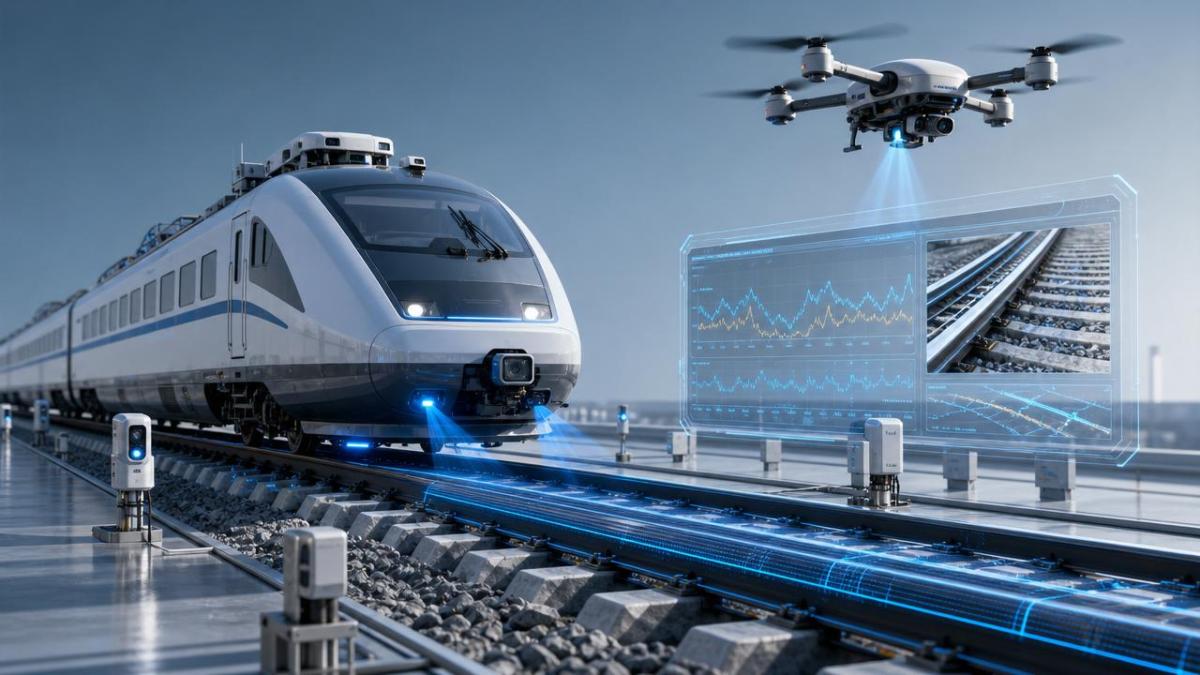
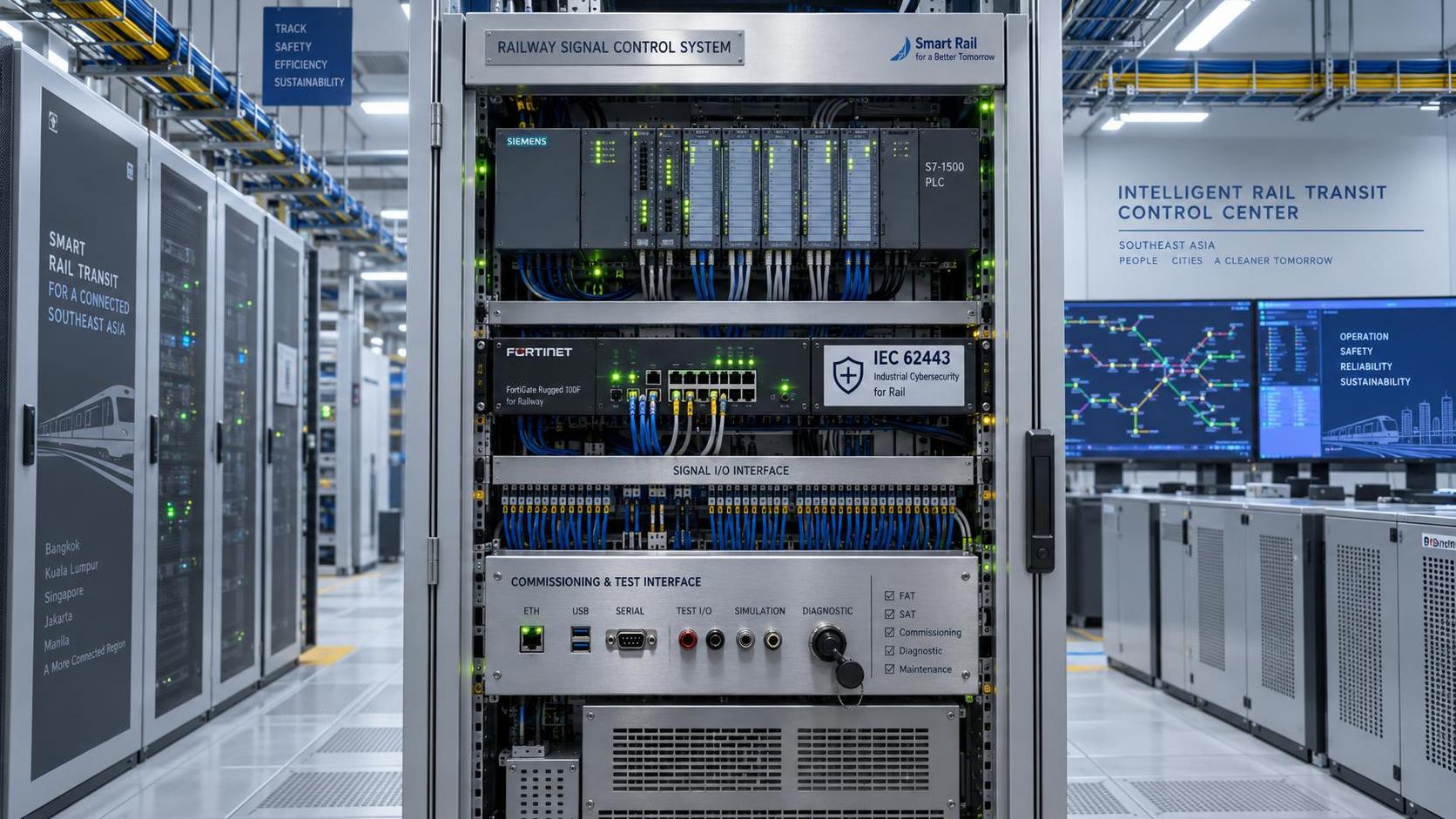
They support track, signaling, power supply, rolling stock, switches, and station-side infrastructure with faster diagnosis and better maintenance timing.
Traditional railway maintenance often relied on fixed intervals and manual checks. That approach remains important, but it can miss hidden degradation.
Modern maintenance technologies for railways shift the focus toward condition-based and predictive maintenance. Teams act on actual asset health, not only calendars.
This matters across the broader infrastructure sector. Rail assets connect cities, ports, mines, factories, and urban transit systems.
When downtime falls, supply chains stabilize, passenger confidence improves, and infrastructure investment delivers stronger long-term value.
Industry Drivers Behind Faster, Smarter Railway Maintenance
Rail operators face rising traffic density, aging assets, labor constraints, and tighter safety expectations. These pressures drive investment in maintenance technologies for railways.
At the same time, smart city programs and digital infrastructure strategies expect rail networks to operate with fewer unexpected interruptions.
- Higher train frequency leaves shorter maintenance windows.
- Mixed fleets increase component and software complexity.
- Extreme weather raises failure risk for track and electrical assets.
- Sustainability targets favor life extension over premature replacement.
- Data integration is becoming a core requirement for infrastructure management.
The table below highlights common downtime causes and the railway maintenance technologies used to address them.
Core Technologies That Cut Railway Downtime
Predictive diagnostics and condition monitoring
Predictive diagnostics are central to maintenance technologies for railways. Sensors track temperature, vibration, current, noise, and movement across critical components.
Software compares live readings with failure patterns. Teams can intervene before faults escalate into service-stopping events.
Automated inspection systems
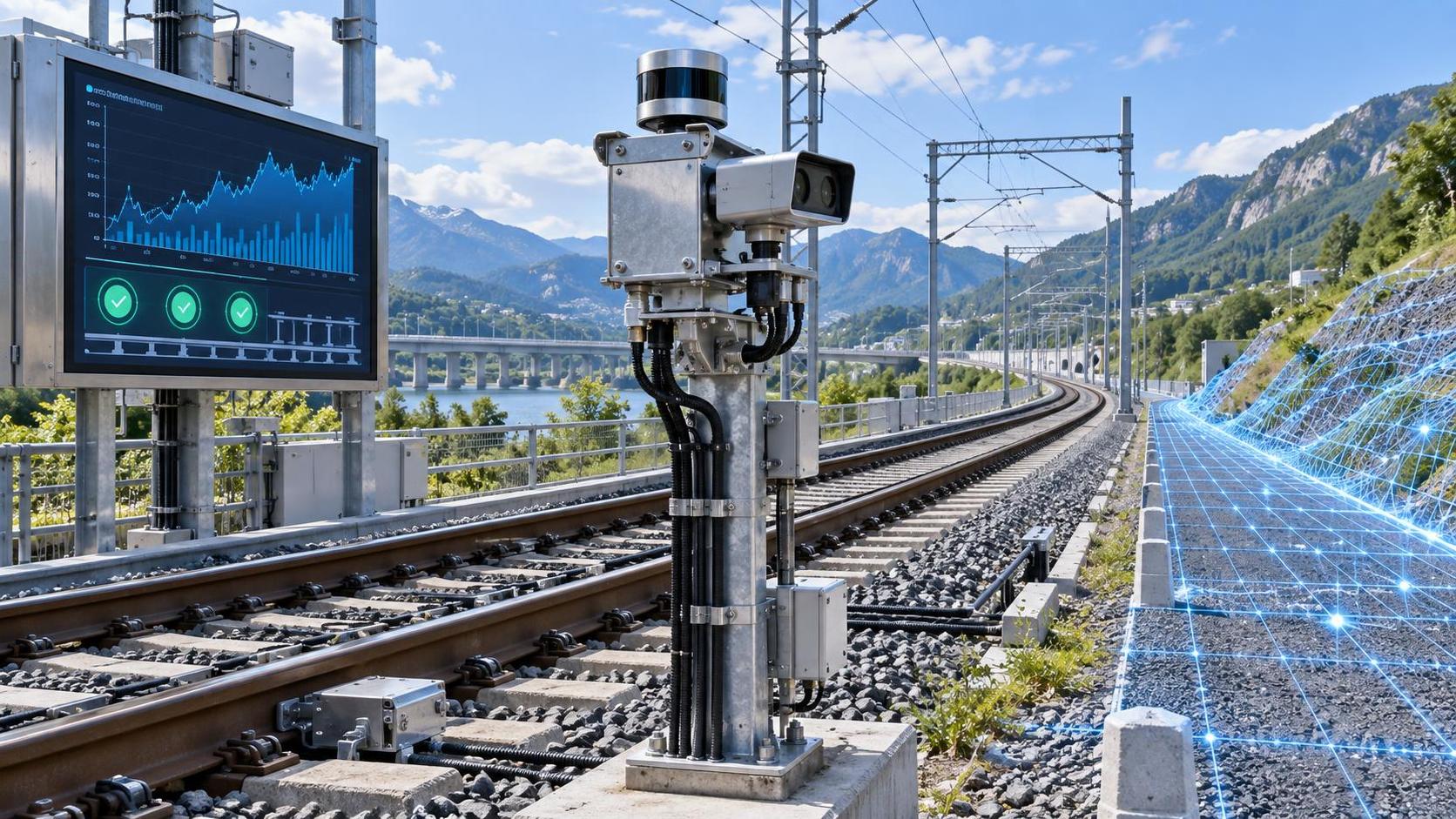
Automated inspection reduces dependence on slow manual patrols. Machine vision, LiDAR, ultrasonic testing, and eddy current systems improve coverage and repeatability.
Inspection trains and portable scanners can identify cracks, corrugation, fastener loosening, and switch wear with less track possession time.
Digital twins and asset intelligence platforms
A digital twin links asset history, live conditions, maintenance actions, and performance trends. This creates a shared operational picture across engineering teams.
For railway maintenance, digital twins help prioritize repairs, simulate failure consequences, and plan shutdown windows with greater confidence.
Mobile field tools and connected workflows
Connected tablets, wearable devices, and mobile work orders reduce reporting delays. Technicians receive drawings, checklists, and fault history on site.
This shortens diagnosis time and improves first-time fix rates. It also supports compliance records and clearer shift handovers.
Mechanized repair and precision maintenance
Rail grinding, tamping, ballast cleaning, and automated fastening tools restore asset condition quickly. Precision maintenance prevents minor defects from spreading.
These maintenance technologies for railways are especially valuable on high-traffic corridors where every minute of possession matters.
Operational Value Across Infrastructure and Urban Systems
Railway downtime affects more than trains. It impacts freight reliability, commuter mobility, urban productivity, and infrastructure resilience.
That is why maintenance technologies for railways matter within a broader integrated infrastructure strategy, not only inside rail engineering departments.
- Reduced unplanned outages improve timetable stability.
- Better asset life management lowers lifecycle cost.
- Accurate diagnostics reduce unnecessary part replacement.
- Safer inspections limit staff exposure to live track environments.
- Data-driven scheduling supports network-wide resource allocation.
In smart cities, these benefits extend to multimodal transport coordination. Reliable rail services reduce road congestion and support lower-emission urban mobility.
In industrial corridors, reliable rail maintenance protects commodity movement, port throughput, and construction supply chains.
Typical Application Areas for Maintenance Technologies for Railways
Different rail systems adopt different tools depending on traffic patterns, asset age, and failure consequences.
The most effective programs combine inspection, analytics, and execution tools rather than relying on a single technology category.
Implementation Priorities and Practical Considerations
Not every network should digitize everything at once. Successful adoption of maintenance technologies for railways starts with failure-critical assets.
- Map the highest downtime contributors by asset type and route section.
- Define measurable targets such as mean time to repair and delay minutes avoided.
- Connect sensor data to maintenance planning, not only dashboards.
- Standardize inspection workflows and fault coding.
- Train field teams to trust and verify digital recommendations.
- Review cybersecurity for connected signaling and asset platforms.
Data quality is often the hidden challenge. Poor asset registers and inconsistent fault records can weaken even advanced railway maintenance technologies.
Interoperability also matters. New systems should exchange information with existing enterprise asset management, fleet platforms, and control center software.
A phased rollout usually works best. Start with one corridor, one depot, or one recurring fault family, then scale after measurable results.
Next Steps for Building a Lower-Downtime Rail Maintenance Strategy
Maintenance technologies for railways are no longer optional support tools. They are becoming core infrastructure capabilities for resilient transport systems.
A practical next step is to review current downtime events, inspection bottlenecks, and asset classes with the highest disruption impact.
Then align technology selection with operational goals, available maintenance windows, and long-term digital infrastructure plans.
For organizations tracking the future of infrastructure, GIUT continues to examine how maintenance technologies for railways connect engineering performance with sustainable urban and industrial development.
Engineering the Foundation, Sustaining the Future begins with keeping critical rail assets available, safe, and ready for the next demand cycle.
Get weekly intelligence in your inbox.
No noise. No sponsored content. Pure intelligence.
News Recommendations
 Sep 19, 2026How an electronics application guide helps prevent component mismatchHow an electronics application guide helps prevent component mismatch
 Sep 18, 2026When a resource allocation platform improves project deliveryWhen a resource allocation platform improves project delivery
 Sep 17, 2026What to compare when evaluating mineral processing equipment manufacturersWhat to compare when evaluating mineral processing equipment manufacturers
 Sep 16, 2026How mineral separation optimization can reduce concentrate lossesHow mineral separation optimization can reduce concentrate losses
 Sep 15, 2026How to assess lifecycle costs in urban tech procurementHow to assess lifecycle costs in urban tech procurement
 Sep 14, 2026Heavy industry technology trends reshaping capital investment prioritiesHeavy industry technology trends reshaping capital investment priorities
 Sep 14, 2026Global Industrial Equipment Procurement: How Top OEMs Qualify Suppliers for Mining & Infrastructure ProjectsGlobal Industrial Equipment Procurement: How Top OEMs Qualify Suppliers for Mining & Infrastructure Projects
 Sep 14, 2026Industrial & Mining Equipment Procurement: Balancing Local Sourcing, Lead Time, and Certification RequirementsIndustrial & Mining Equipment Procurement: Balancing Local Sourcing, Lead Time, and Certification Requirements
 Sep 14, 2026Infrastructure & Equipment Upgrades: What Procurement Teams Must Verify Before Signing Off on New ContractsInfrastructure & Equipment Upgrades: What Procurement Teams Must Verify Before Signing Off on New Contracts
 Sep 14, 2026Why Infrastructure Equipment Buyers Are Shifting from Catalog-Based to Capability-Based Supplier SelectionWhy Infrastructure Equipment Buyers Are Shifting from Catalog-Based to Capability-Based Supplier Selection
 Sep 14, 2026Process Automation Project Execution: How to Align Supplier Capabilities with PLC Integration, Cybersecurity & Commissioning MilestonesProcess Automation Project Execution: How to Align Supplier Capabilities with PLC Integration, Cybersecurity & Commissioning Milestones
 Sep 14, 2026Are intelligent traffic systems worth the investment for small cities?Are intelligent traffic systems worth the investment for small cities?
 Sep 14, 2026How do intelligent traffic systems handle sensor failures?How do intelligent traffic systems handle sensor failures?
 Sep 14, 2026What should I check before accepting a smart building system?What should I check before accepting a smart building system?
 Sep 14, 2026Is a smart building system worth the maintenance cost?Is a smart building system worth the maintenance cost?
 Sep 14, 2026What data is needed for reliable resource allocation planning?What data is needed for reliable resource allocation planning?
 Sep 14, 2026How can resource allocation software reduce equipment idle time?How can resource allocation software reduce equipment idle time?
 Sep 14, 2026How should smart devices be maintained in harsh outdoor conditions?How should smart devices be maintained in harsh outdoor conditions?
 Sep 14, 2026Do smart devices improve worker safety on construction sites?Do smart devices improve worker safety on construction sites?
 Sep 14, 2026What environmental risks must be assessed before deep-sea mining?What environmental risks must be assessed before deep-sea mining?
 Sep 14, 2026Is deep-sea mining equipment commercially viable in 2026?Is deep-sea mining equipment commercially viable in 2026?
 Sep 14, 2026What Inspection Checks Should Procurement Teams Perform Before Ordering Dredging Equipment in 2026?What Inspection Checks Should Procurement Teams Perform Before Ordering Dredging Equipment in 2026?
 Sep 13, 2026How to verify an industrial product information source before specifying equipmentHow to verify an industrial product information source before specifying equipment
 Sep 12, 2026Which intelligent traffic systems hardware fits an urban intersection?Which intelligent traffic systems hardware fits an urban intersection?
 Sep 11, 2026How pump capacity affects response coverage for municipal fire fighting vehiclesHow pump capacity affects response coverage for municipal fire fighting vehicles
 Sep 10, 2026What to verify before choosing a heavy industry equipment supplierWhat to verify before choosing a heavy industry equipment supplier
 Sep 09, 2026When do adaptive urban traffic control systems reduce corridor delays?When do adaptive urban traffic control systems reduce corridor delays?