2026 Heavy Industry Technology Trends to Watch
As global infrastructure enters a new era of intelligence, sustainability, and operational resilience, the heavy industry technology trends shaping 2026 deserve close attention from business leaders. From smart construction and autonomous equipment to data-driven urban systems and low-carbon resource development, these innovations are redefining how cities, logistics networks, and industrial assets are planned, built, and managed.
For enterprise decision-makers, the challenge is no longer identifying isolated technologies. The real question is which innovations can improve asset utilization, shorten project cycles, reduce safety exposure, and support long-term capital efficiency across infrastructure, mining, transport, and special equipment operations.
Within that context, the most relevant heavy industry technology trends are converging around digital visibility, equipment intelligence, carbon control, and lifecycle optimization. For organizations planning 12–36 months ahead, 2026 is shaping up to be a decisive year for investment priorities.
Why 2026 Marks a Turning Point for Heavy Industry
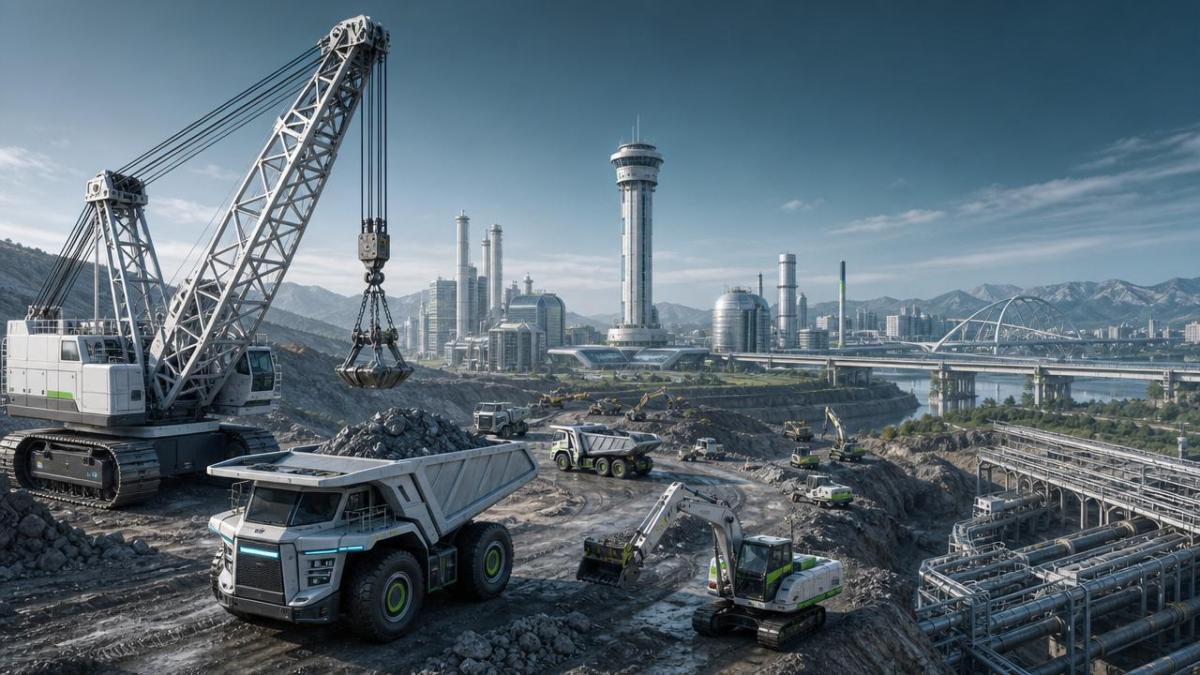
Heavy industry has always evolved in long cycles, but the pace is changing. What once took 5–10 years to mature is now moving into procurement and deployment within 18–36 months. That shift is being driven by labor shortages, stricter emissions requirements, aging infrastructure, and the need for more resilient supply networks.
Across construction, rail, mining, and municipal systems, operators are under pressure to deliver higher throughput with tighter margins. A project owner may now evaluate 4 core variables at once: capex control, uptime, safety compliance, and data interoperability. This is why heavy industry technology trends are no longer a technical side topic; they are a board-level planning issue.
The shift from mechanization to connected operations
Traditional heavy assets were optimized for output and durability. In 2026, they are increasingly judged by how well they connect with software, sensors, maintenance systems, and city-scale infrastructure platforms. A crane, signaling unit, haul truck, or concrete mixer is now part of a wider data environment rather than a stand-alone machine.
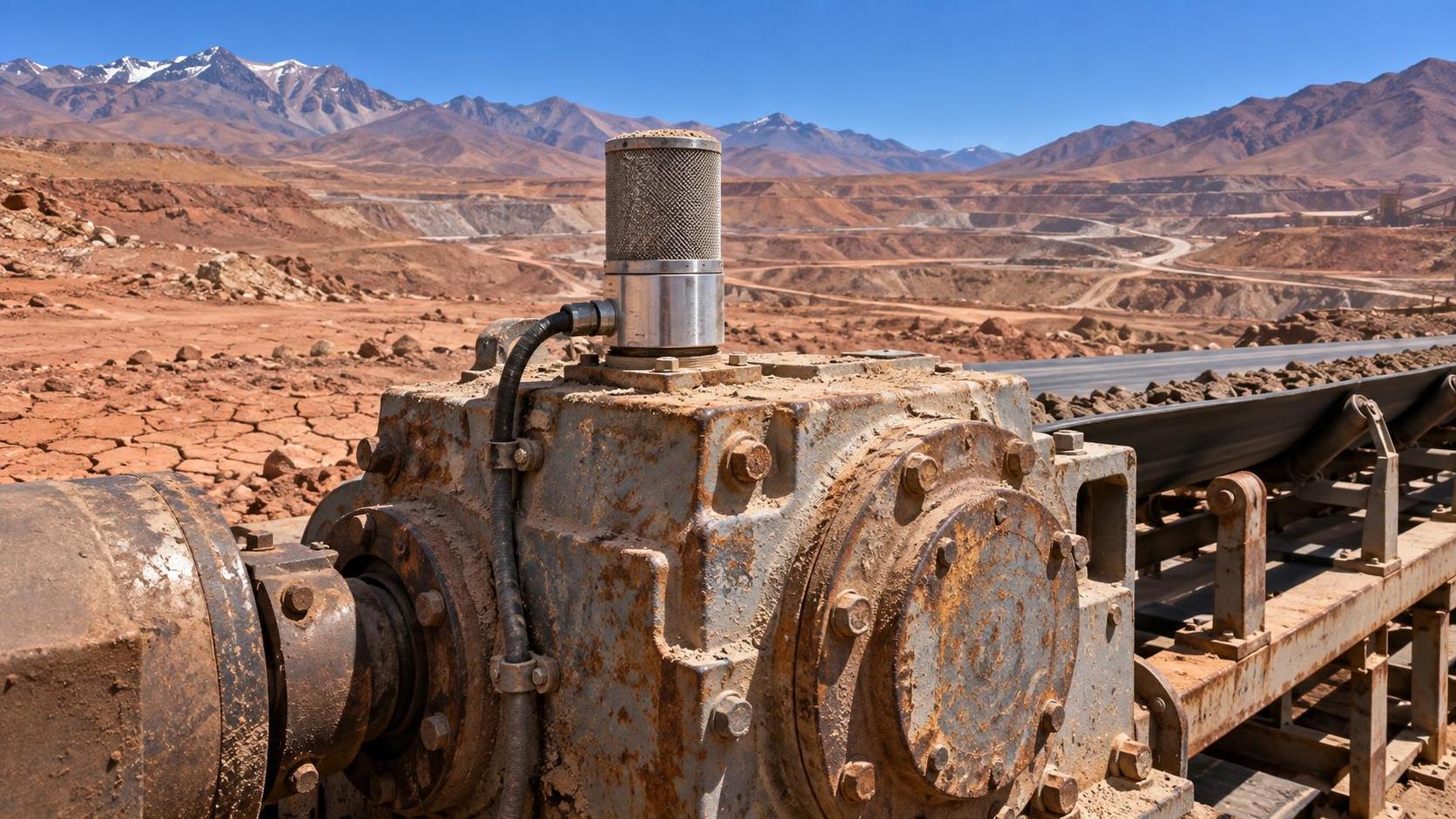
This matters because digital integration can influence measurable outcomes. In many industrial environments, predictive maintenance windows can reduce unplanned downtime by several hours per month per asset, while remote diagnostics can shorten service response cycles from 48 hours to less than 12 hours when spare parts and telemetry are aligned.
Decision signals executives should watch
- Whether new equipment supports open data protocols and API-based integration.
- Whether deployment can scale from 1 pilot site to 5–20 operating sites without full redesign.
- Whether energy, maintenance, and operator training costs can be modeled over a 3–7 year lifecycle.
- Whether the solution supports both productivity targets and carbon reduction pathways.
Organizations that treat these as procurement filters, rather than post-purchase concerns, are more likely to capture value from the next wave of heavy industry technology trends.
The Most Important Heavy Industry Technology Trends in 2026
Not every innovation will matter equally. The technologies attracting the most strategic attention are those that improve visibility, reduce field risk, and create measurable gains in productivity, maintenance, and energy performance across large physical systems.
1. Digital twins for infrastructure and industrial assets
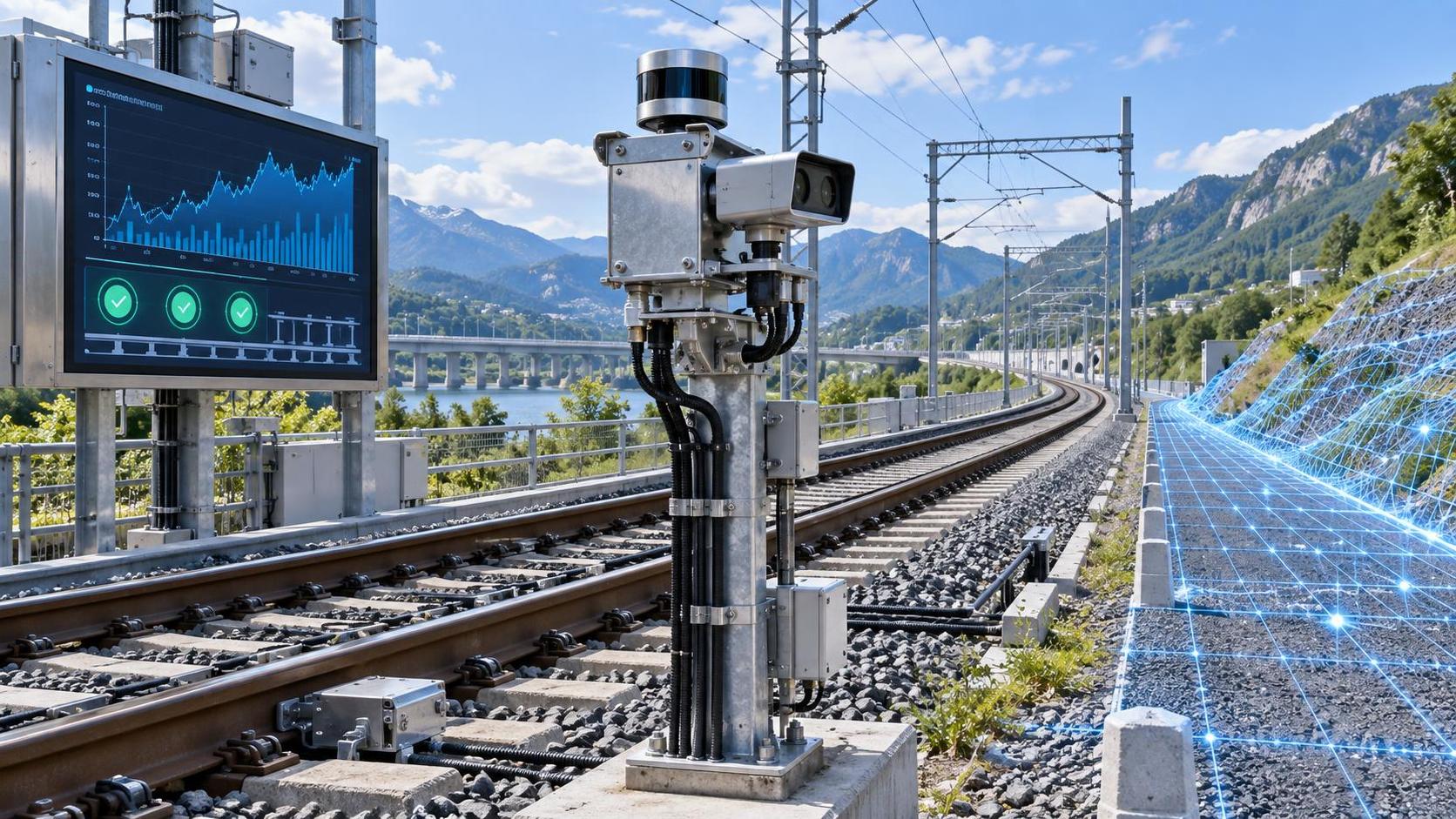
Digital twins are moving beyond design simulation into live operational management. In rail corridors, smart buildings, water systems, and industrial plants, they can combine sensor feeds, maintenance history, geospatial data, and performance thresholds into one operating model. For complex assets with 20+ subsystems, that visibility supports faster troubleshooting and better capital planning.
For executives, the value lies in scenario planning. A digital twin can help teams compare 3 maintenance strategies, model seasonal load stress, or prioritize retrofit timing across aging assets. This is especially relevant when infrastructure owners are balancing service continuity with limited shutdown windows of 6–24 hours.
Where digital twins create the strongest returns
- High-speed rail and signaling networks with continuous uptime requirements.
- Urban utilities that need demand balancing, fault detection, and service forecasting.
- Large construction projects where schedule drift of even 3%–5% can affect profitability.
2. Autonomous and semi-autonomous heavy equipment
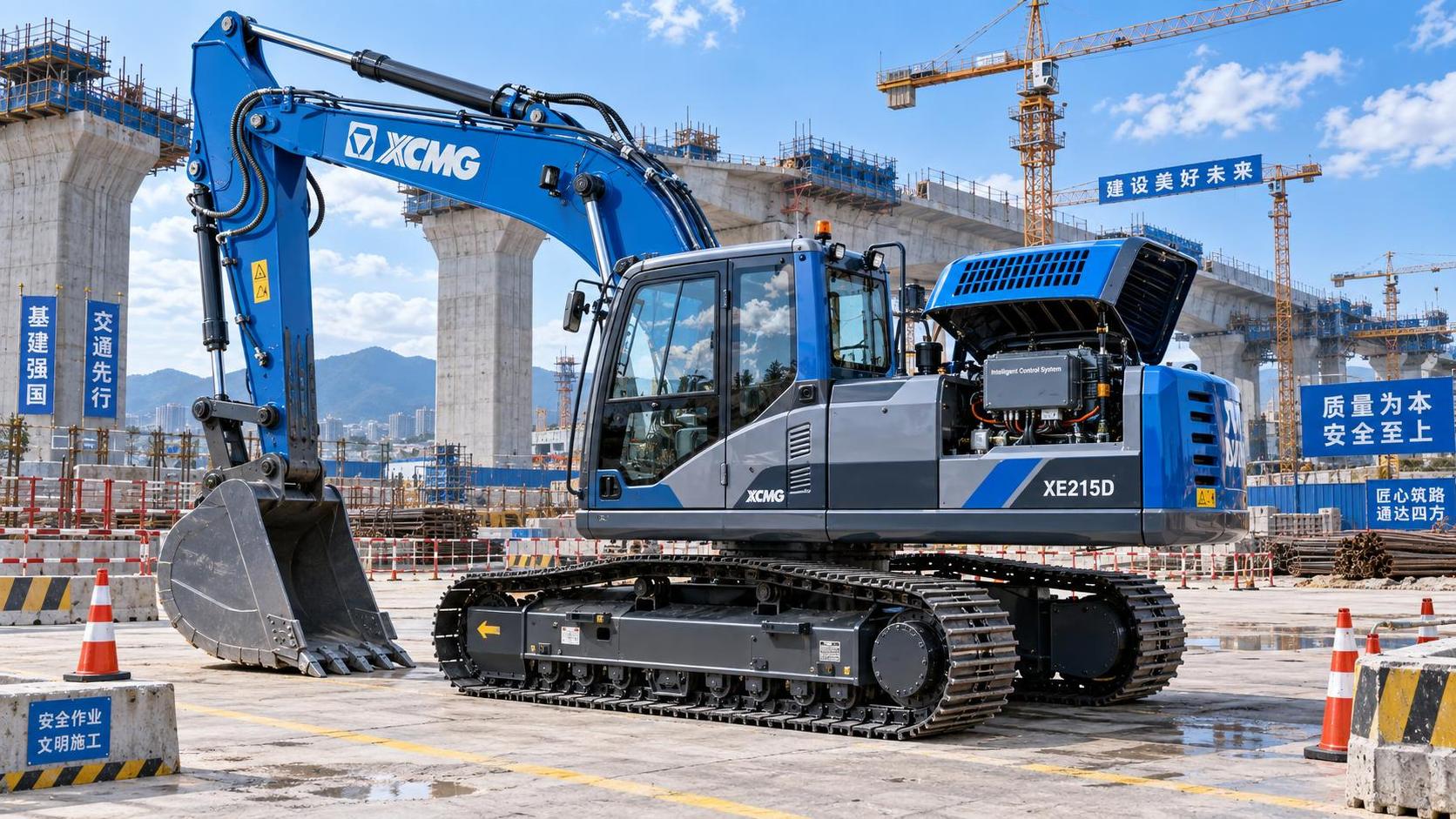
Autonomy is expanding from controlled mine sites into broader heavy equipment categories. The near-term opportunity is not full replacement of operators, but semi-autonomous assistance for repetitive, hazardous, or precision-dependent tasks. Examples include route-following haulage, collision avoidance, automated load balancing, and remote operation in restricted zones.
In sectors facing operator shortages, even a 10%–15% productivity improvement from assistance systems can change equipment economics. More importantly, autonomy can reduce exposure in environments where dust, heat, vibration, or visibility create operational risk over long shifts.
The table below highlights how leading automation use cases differ by application area and business objective.
The key takeaway is that automation value is usually strongest where repetitive motion, constrained work zones, or safety-critical operations exist. Business leaders should prioritize phased deployment rather than expecting a one-step shift to full autonomy.
3. Smart construction and industrialized building systems
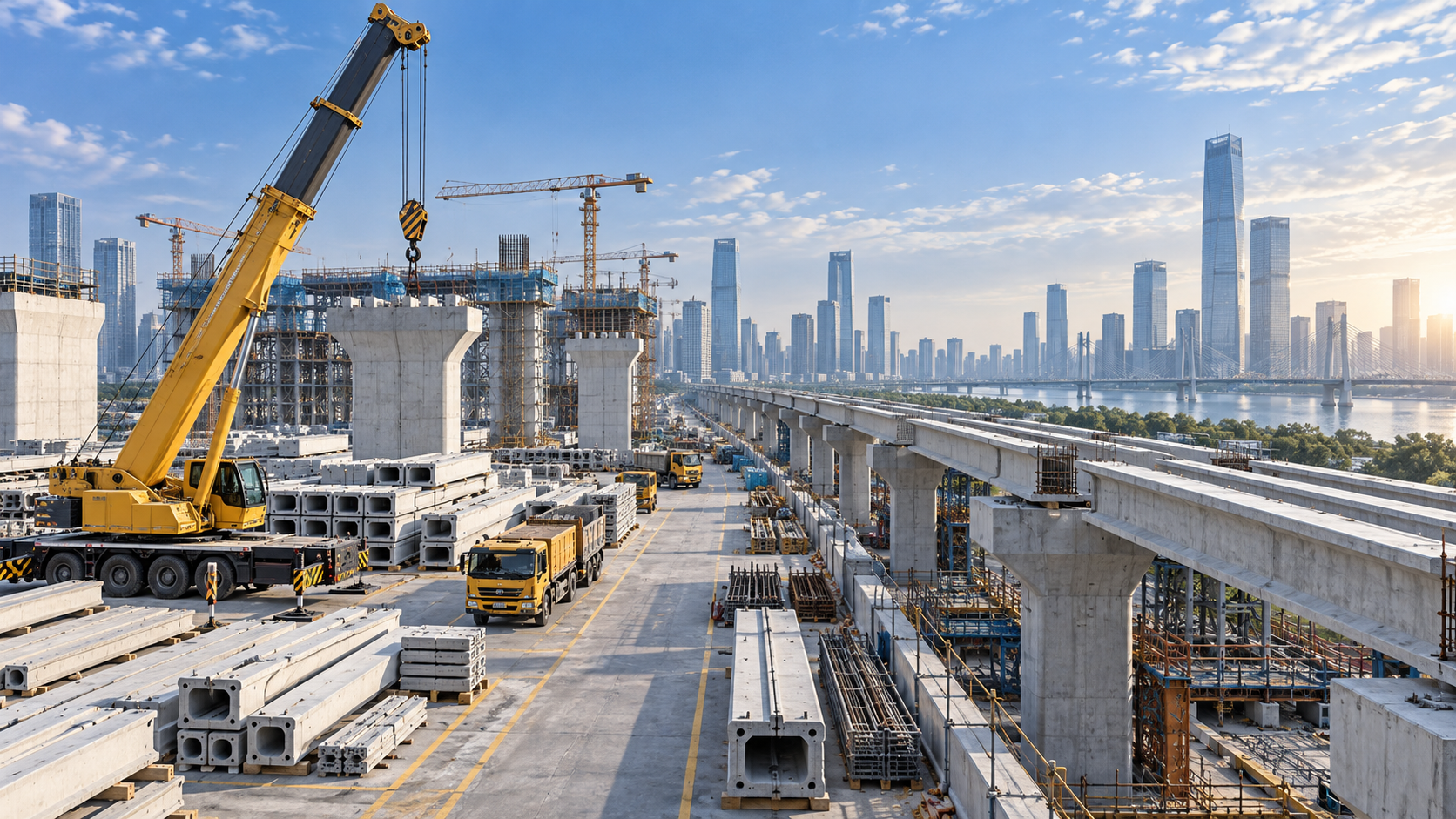
Another major item in heavy industry technology trends is the maturation of off-site fabrication, prefabrication, and smart jobsite management. For projects with tight urban footprints or labor bottlenecks, these methods can reduce material waste, compress schedules, and improve quality consistency through controlled production environments.
Typical gains vary by project type, but decision-makers often assess 3 practical metrics: schedule compression, defect reduction, and labor-hours moved from site to factory conditions. A prefabricated workflow may not fit every structure, yet for repeatable components it can improve installation predictability and lower weather-related disruption.
What separates mature smart jobsites from basic digitization
- Integrated progress tracking tied to procurement and delivery status.
- Real-time equipment and workforce coordination across 2–5 active zones.
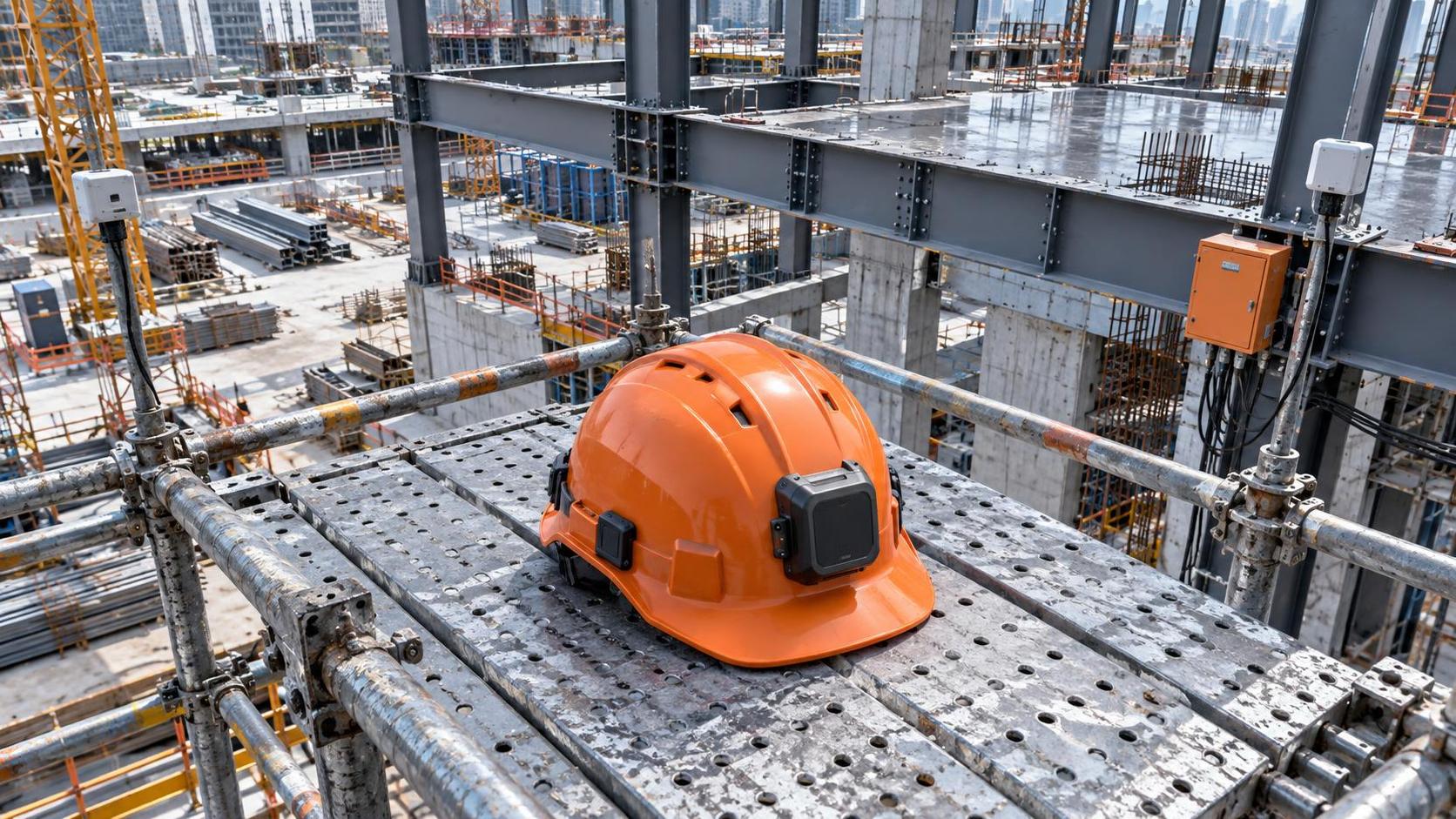
- Site safety monitoring using wearables, geofencing, or vision-based alerts.
- Quality records that connect field execution to as-built data for handover.
This shift is particularly relevant to GIUT’s focus on construction, smart buildings, and infrastructure delivery, where project owners increasingly expect digital continuity from design through operations.
4. Low-carbon process technology and electrification
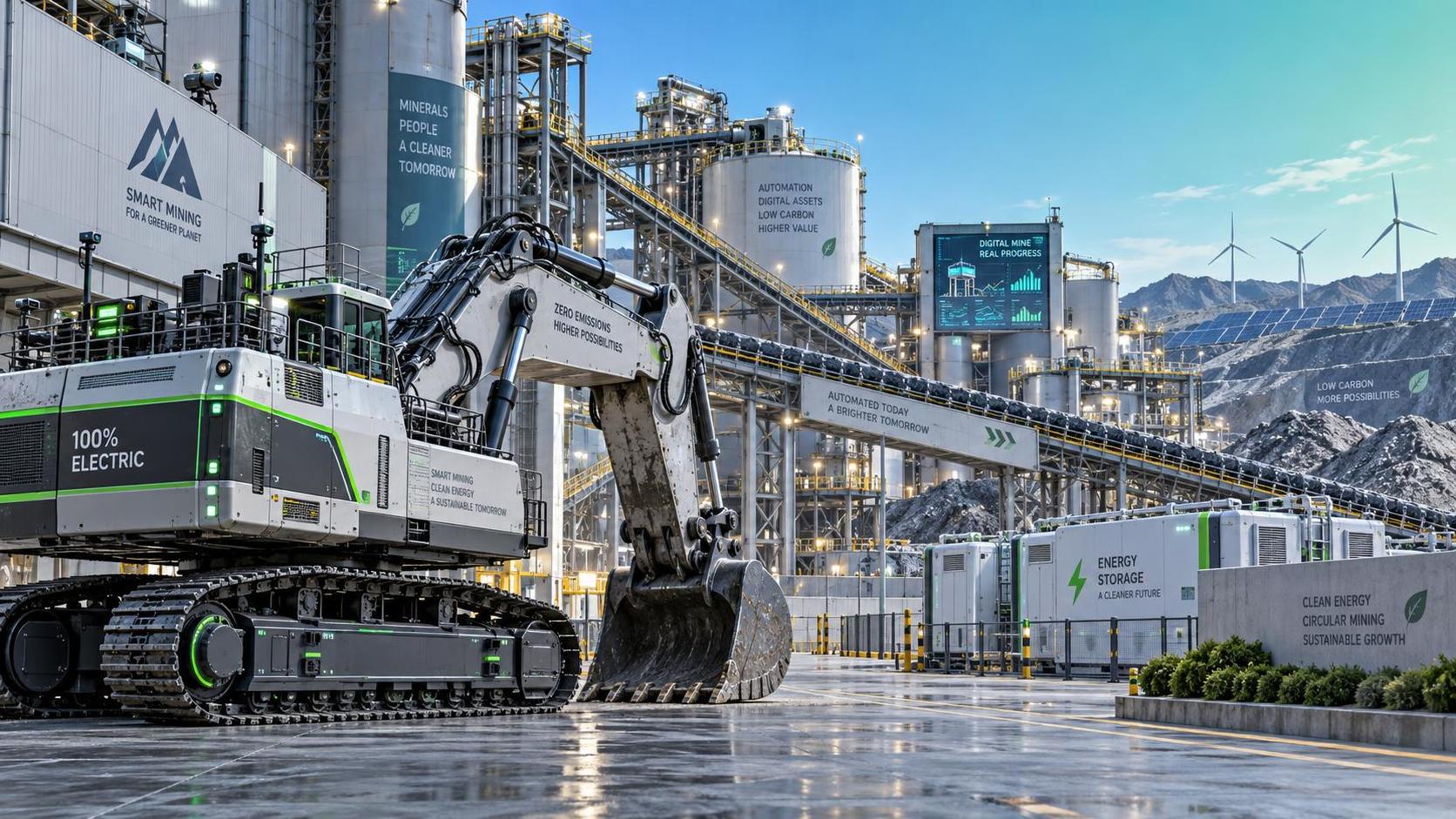
Carbon reduction in heavy industry is no longer limited to reporting. It is influencing fleet replacement, power system design, and supplier selection. In 2026, expect greater attention to hybrid powertrains, electric support equipment, energy recovery systems, and low-emission process redesign in mining, logistics, and urban infrastructure.
Not every application is ready for full electrification. Duty cycles, charging windows, terrain, payload, and ambient conditions all matter. However, many companies can start with mixed fleets, where high-idle or stop-start equipment delivers the fastest payback within a 24–60 month planning horizon.
How These Trends Affect Investment, Procurement, and Risk
The strategic impact of heavy industry technology trends depends on execution quality. A promising technology can still underperform if data systems are fragmented, operator training is weak, or vendors cannot support lifecycle service across regions. That is why procurement discipline matters as much as innovation itself.
Four decision criteria for 2026 technology adoption
Executives should compare opportunities using a simple but rigorous framework. The table below outlines four practical filters that can be used across infrastructure, resource operations, and heavy equipment modernization programs.
These criteria help separate headline innovation from deployable value. In many cases, the best-performing investment is not the most advanced technology, but the one that can scale reliably across sites, fleets, or infrastructure nodes.
Common implementation risks
Three risks appear repeatedly in digital heavy industry projects. First, organizations underestimate the time needed to standardize asset data. Second, they launch pilots without defining 3–5 measurable KPIs such as downtime reduction, safety incident frequency, or fuel intensity. Third, they treat change management as a training issue rather than an operating model issue.
There is also a supply-side risk. New systems may depend on semiconductors, battery components, specialized sensors, or software subscriptions that affect lead times. For some categories, practical deployment timelines can range from 8 weeks for retrofits to 9–12 months for larger infrastructure-grade systems. Procurement teams should validate these constraints early.
A practical rollout sequence
- Assess 2–3 high-impact use cases with clear operational pain points.
- Define target KPIs, integration scope, and site conditions before vendor selection.
- Run a pilot for one asset class or one corridor with a 90–180 day review cycle.
- Scale only after support capacity, training, and data governance are proven.
This staged approach is often more effective than broad transformation announcements, especially in sectors where shutdown risk and field complexity are high.
What Business Leaders Should Prioritize Next
The biggest mistake in reading heavy industry technology trends is assuming that every trend demands immediate enterprise-wide deployment. In practice, value comes from sequencing. Leaders should first identify where asset intensity, maintenance costs, or safety exposure are highest, then match technology to those pressure points.
For construction and smart building stakeholders, that may mean prefabrication analytics and jobsite visibility. For urban tech operators, it may mean digital twins tied to grid, traffic, or waste system performance. For mining and logistics leaders, autonomous support systems and predictive maintenance may offer the strongest near-term returns.
Questions worth asking before budget approval
- Which 1–2 technologies solve an existing bottleneck rather than creating a new platform layer?
- Can the solution produce measurable value within 6, 12, or 24 months?
- Does the vendor or partner understand infrastructure-grade reliability requirements?
- Will the data generated support future planning, maintenance, and compliance decisions?
GIUT’s perspective across construction, urban governance, mining technology, rail systems, and special-purpose equipment points to one conclusion: the strongest organizations in 2026 will not simply buy smarter machinery. They will build smarter decision systems around the physical world.
For companies navigating complex infrastructure and industrial investment choices, now is the time to evaluate which heavy industry technology trends align with your operating model, regional constraints, and growth plan. To explore tailored insights, compare deployment pathways, or discuss sector-specific opportunities, contact us to get a customized solution and learn more about the technologies shaping sustainable heavy industry.
Get weekly intelligence in your inbox.
No noise. No sponsored content. Pure intelligence.
News Recommendations
 Sep 19, 2026How an electronics application guide helps prevent component mismatchHow an electronics application guide helps prevent component mismatch
 Sep 18, 2026When a resource allocation platform improves project deliveryWhen a resource allocation platform improves project delivery
 Sep 17, 2026What to compare when evaluating mineral processing equipment manufacturersWhat to compare when evaluating mineral processing equipment manufacturers
 Sep 16, 2026How mineral separation optimization can reduce concentrate lossesHow mineral separation optimization can reduce concentrate losses
 Sep 15, 2026How to assess lifecycle costs in urban tech procurementHow to assess lifecycle costs in urban tech procurement
 Sep 14, 2026Heavy industry technology trends reshaping capital investment prioritiesHeavy industry technology trends reshaping capital investment priorities
 Sep 14, 2026Global Industrial Equipment Procurement: How Top OEMs Qualify Suppliers for Mining & Infrastructure ProjectsGlobal Industrial Equipment Procurement: How Top OEMs Qualify Suppliers for Mining & Infrastructure Projects
 Sep 14, 2026Industrial & Mining Equipment Procurement: Balancing Local Sourcing, Lead Time, and Certification RequirementsIndustrial & Mining Equipment Procurement: Balancing Local Sourcing, Lead Time, and Certification Requirements
 Sep 14, 2026Infrastructure & Equipment Upgrades: What Procurement Teams Must Verify Before Signing Off on New ContractsInfrastructure & Equipment Upgrades: What Procurement Teams Must Verify Before Signing Off on New Contracts
 Sep 14, 2026Why Infrastructure Equipment Buyers Are Shifting from Catalog-Based to Capability-Based Supplier SelectionWhy Infrastructure Equipment Buyers Are Shifting from Catalog-Based to Capability-Based Supplier Selection
 Sep 14, 2026Process Automation Project Execution: How to Align Supplier Capabilities with PLC Integration, Cybersecurity & Commissioning MilestonesProcess Automation Project Execution: How to Align Supplier Capabilities with PLC Integration, Cybersecurity & Commissioning Milestones
 Sep 14, 2026Are intelligent traffic systems worth the investment for small cities?Are intelligent traffic systems worth the investment for small cities?
 Sep 14, 2026How do intelligent traffic systems handle sensor failures?How do intelligent traffic systems handle sensor failures?
 Sep 14, 2026What should I check before accepting a smart building system?What should I check before accepting a smart building system?
 Sep 14, 2026Is a smart building system worth the maintenance cost?Is a smart building system worth the maintenance cost?
 Sep 14, 2026What data is needed for reliable resource allocation planning?What data is needed for reliable resource allocation planning?
 Sep 14, 2026How can resource allocation software reduce equipment idle time?How can resource allocation software reduce equipment idle time?
 Sep 14, 2026How should smart devices be maintained in harsh outdoor conditions?How should smart devices be maintained in harsh outdoor conditions?
 Sep 14, 2026Do smart devices improve worker safety on construction sites?Do smart devices improve worker safety on construction sites?
 Sep 14, 2026What environmental risks must be assessed before deep-sea mining?What environmental risks must be assessed before deep-sea mining?
 Sep 14, 2026Is deep-sea mining equipment commercially viable in 2026?Is deep-sea mining equipment commercially viable in 2026?
 Sep 14, 2026What Inspection Checks Should Procurement Teams Perform Before Ordering Dredging Equipment in 2026?What Inspection Checks Should Procurement Teams Perform Before Ordering Dredging Equipment in 2026?
 Sep 13, 2026How to verify an industrial product information source before specifying equipmentHow to verify an industrial product information source before specifying equipment
 Sep 12, 2026Which intelligent traffic systems hardware fits an urban intersection?Which intelligent traffic systems hardware fits an urban intersection?
 Sep 11, 2026How pump capacity affects response coverage for municipal fire fighting vehiclesHow pump capacity affects response coverage for municipal fire fighting vehicles
 Sep 10, 2026What to verify before choosing a heavy industry equipment supplierWhat to verify before choosing a heavy industry equipment supplier
 Sep 09, 2026When do adaptive urban traffic control systems reduce corridor delays?When do adaptive urban traffic control systems reduce corridor delays?