Carbon Reduction in Construction: 2026 Cost Drivers
For 2026 planning cycles, carbon reduction in construction has moved from a reporting topic to a budget variable. It now affects material selection, equipment strategy, financing conditions, bid competitiveness, and long-term asset value.
The cost conversation is also changing. Carbon reduction in construction does not only add expense. In many cases, it shifts cost timing, lowers operating risk, and improves lifecycle performance.
Across infrastructure, commercial buildings, transport corridors, and industrial facilities, decision-makers are asking a harder question. Which carbon measures will materially shape 2026 project costs, and which will create measurable returns?
Why 2026 marks a sharper turning point for carbon reduction in construction
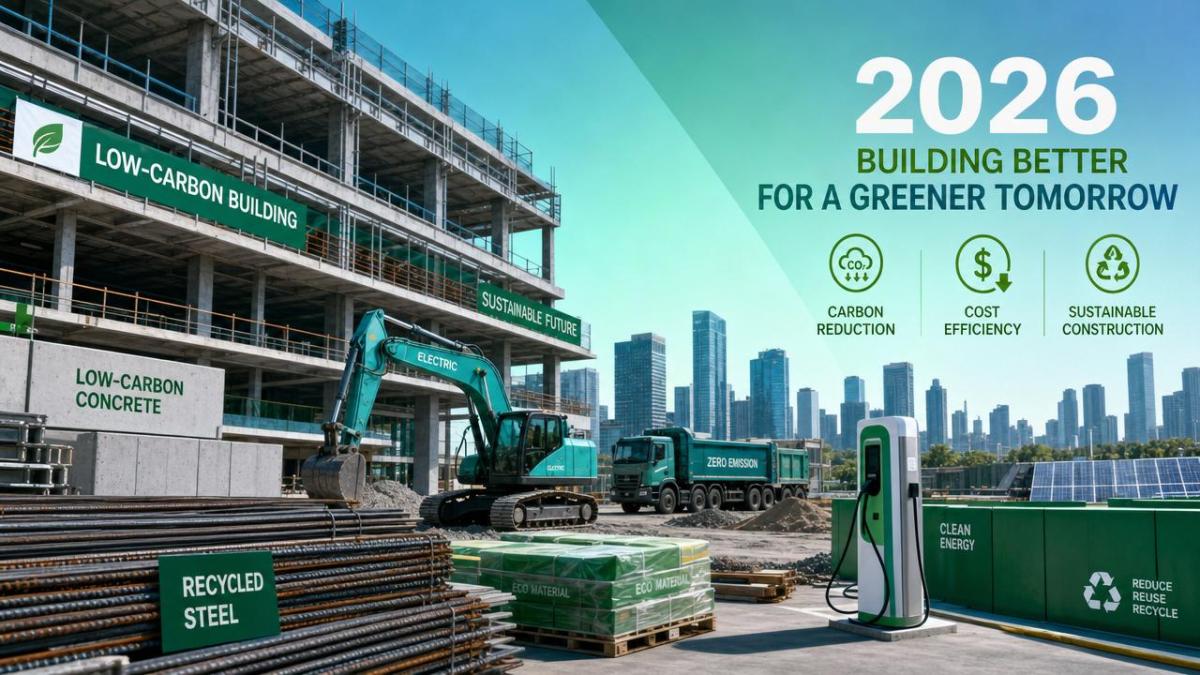
Several signals are converging at once. Carbon disclosure rules are expanding. Clients are demanding lower embodied carbon. Energy prices remain volatile. Digital measurement tools are becoming easier to deploy on complex sites.
At the same time, major contractors and asset owners are no longer treating decarbonization as a separate sustainability layer. They are integrating carbon reduction in construction into procurement, scheduling, design coordination, and supplier qualification.
This matters because 2026 budgets are being shaped earlier than before. Projects must account for carbon-related requirements during concept design, not after tendering or mobilization.
The trend is especially visible in public infrastructure and large urban projects. Lower-carbon outcomes increasingly influence approvals, investor confidence, and framework contract access.
The main cost drivers behind carbon reduction in construction
The following drivers are shaping both direct project cost and indirect commercial risk. Some create upfront premiums. Others reduce lifecycle expense or prevent future compliance costs.
Materials will remain the biggest embodied-carbon budget factor
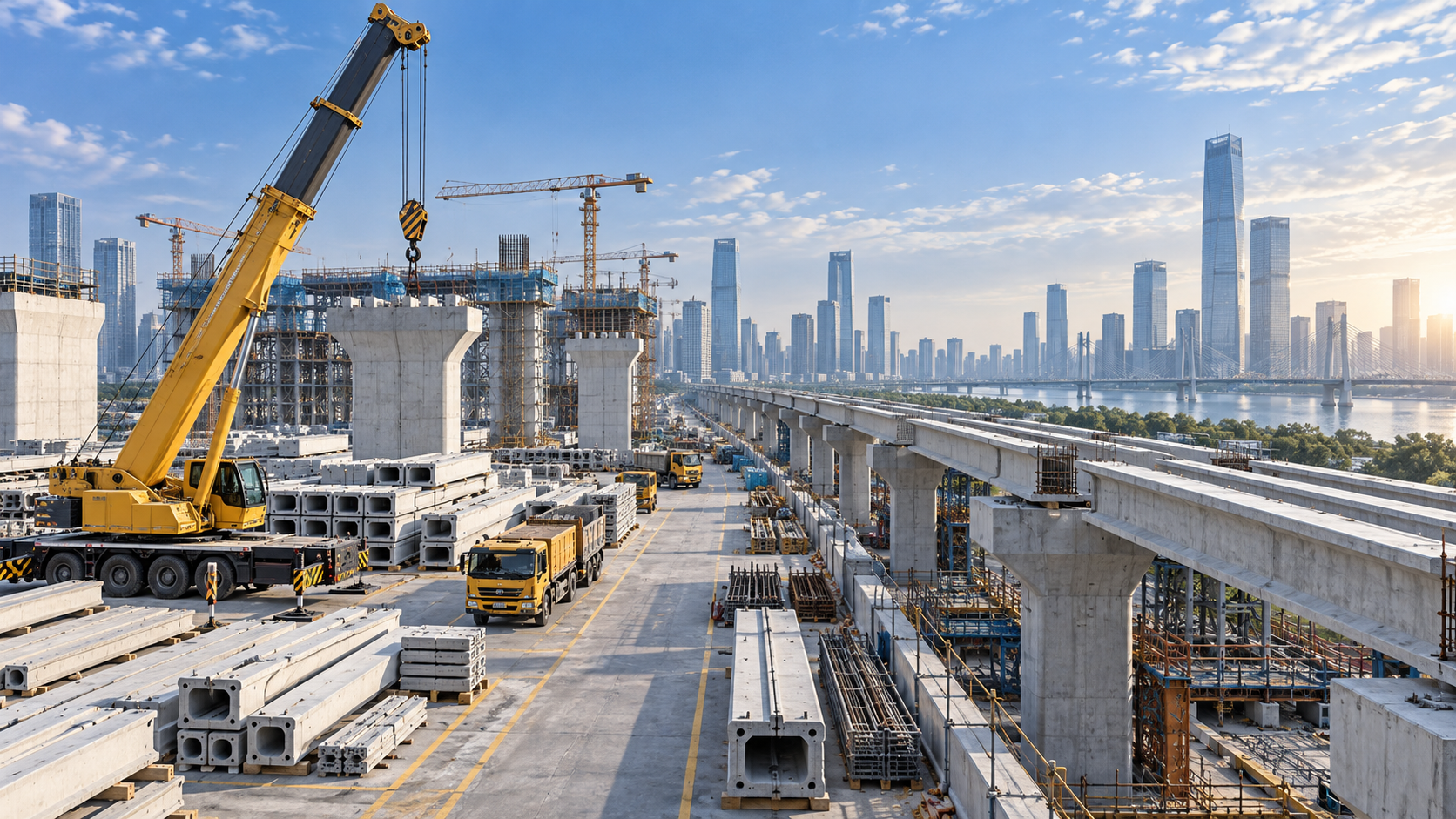
Concrete and steel still dominate embodied emissions on many projects. That makes them the largest financial lever in carbon reduction in construction, especially where structural volumes are high.
Blended cement, recycled steel, engineered timber, and circular materials can reduce emissions. Yet price stability varies by region, certification route, transport distance, and production scale.
The key issue is not only unit cost. It is whether lower-carbon alternatives change curing time, structural performance, labor sequencing, or inspection requirements.
Energy and equipment choices are moving into the core estimate
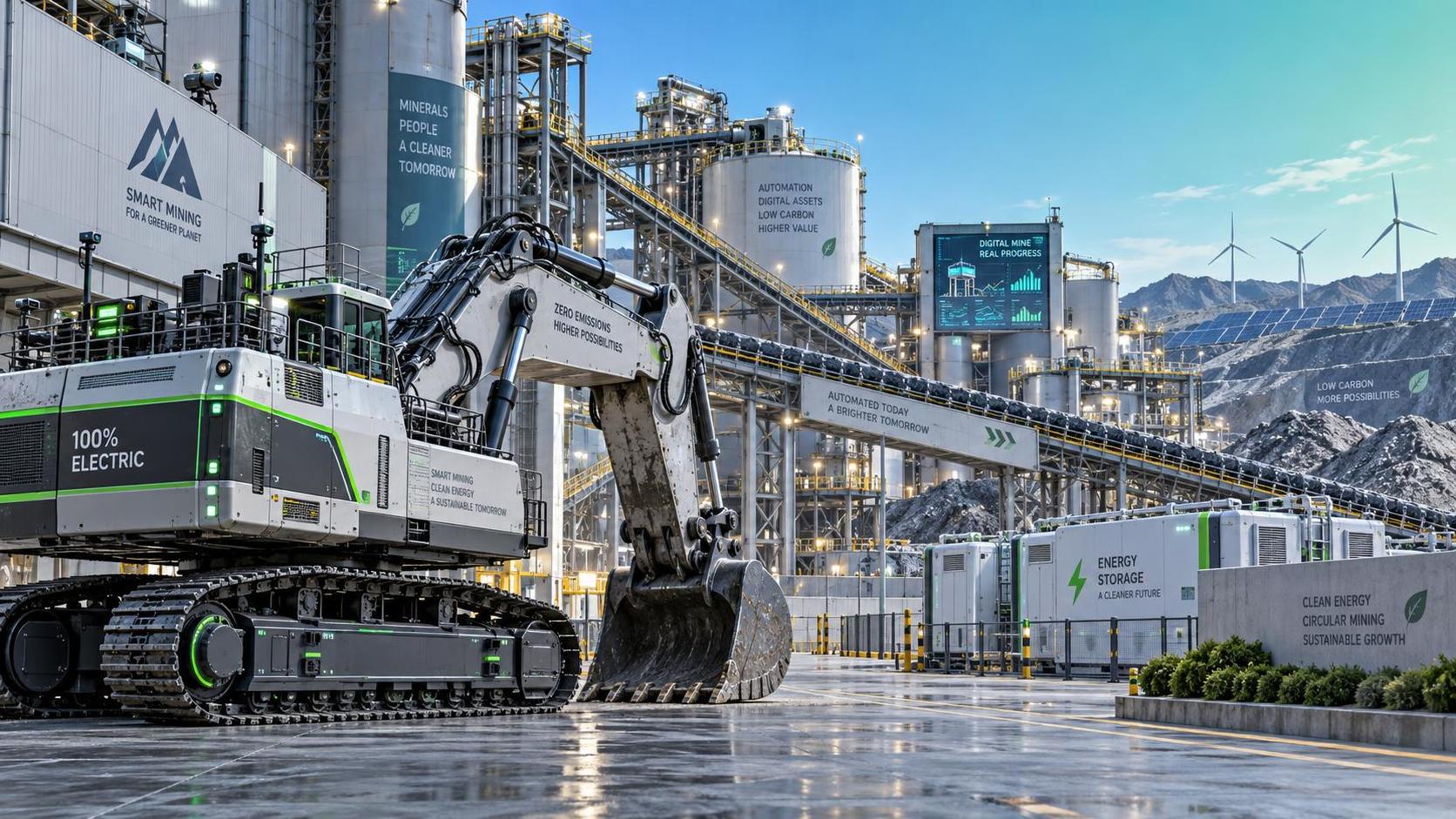
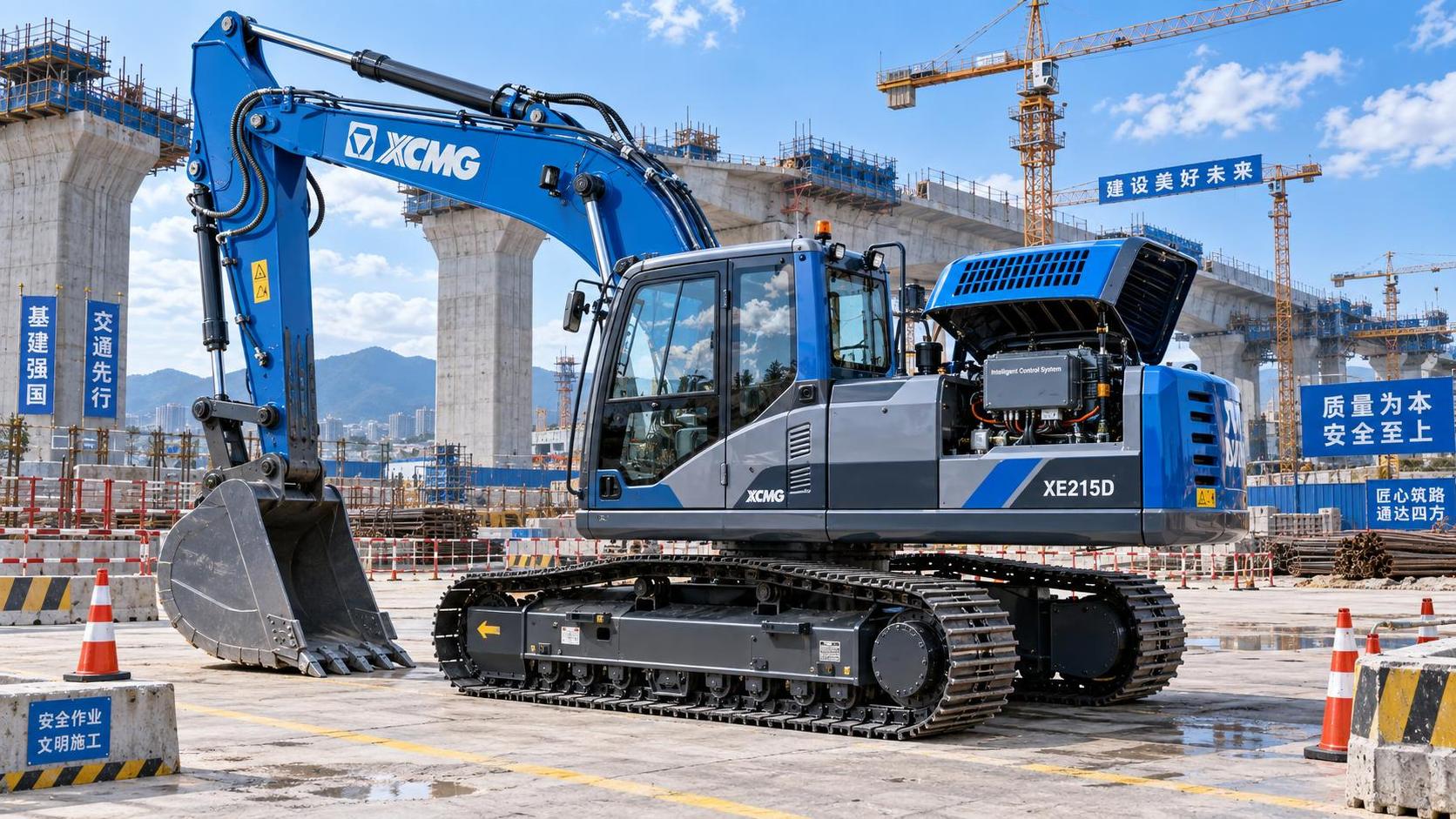
Diesel-dependent sites are under pressure from fuel volatility and emissions targets. Electric or hybrid machinery, temporary power optimization, and battery storage are now entering serious budget models.
This part of carbon reduction in construction often changes cost timing. Charging infrastructure and fleet conversion may raise early spend, while maintenance and fuel costs decline over time.
Data, verification, and reporting are becoming unavoidable overheads
Project teams increasingly need environmental product declarations, supplier emissions data, and digital tracking across procurement and site operations. Manual spreadsheets are rarely enough for larger programs.
As carbon reduction in construction becomes contract-linked, poor data quality can create claims, redesign, or approval delays. Better measurement is not only administrative. It is commercial protection.
What is pushing these costs higher or lower
The pressure behind carbon reduction in construction comes from multiple sources. Some are policy-driven. Others are operational, financial, or reputational.
- Public procurement criteria increasingly reward low-carbon design and documented emissions performance.
- Urban development programs are linking planning approval to sustainability metrics and building performance targets.
- Investors and lenders are applying stronger climate-risk screening to large infrastructure and real estate portfolios.
- Tenants, operators, and end users are prioritizing lower operating costs and future regulatory readiness.
- Digital twins, BIM-linked carbon tools, and site analytics are making emissions hotspots easier to detect early.
- Supply chains are gradually scaling greener products, which can reduce premiums where demand becomes predictable.
Not every market moves at the same speed. However, the direction is consistent. Carbon reduction in construction is shifting from optional ambition to expected delivery capability.
How these cost drivers affect project stages and business outcomes
The effects appear differently across the project lifecycle. Early-stage teams face design and specification choices. Delivery stages face logistics, equipment, and documentation pressure. Owners face future asset performance risk.
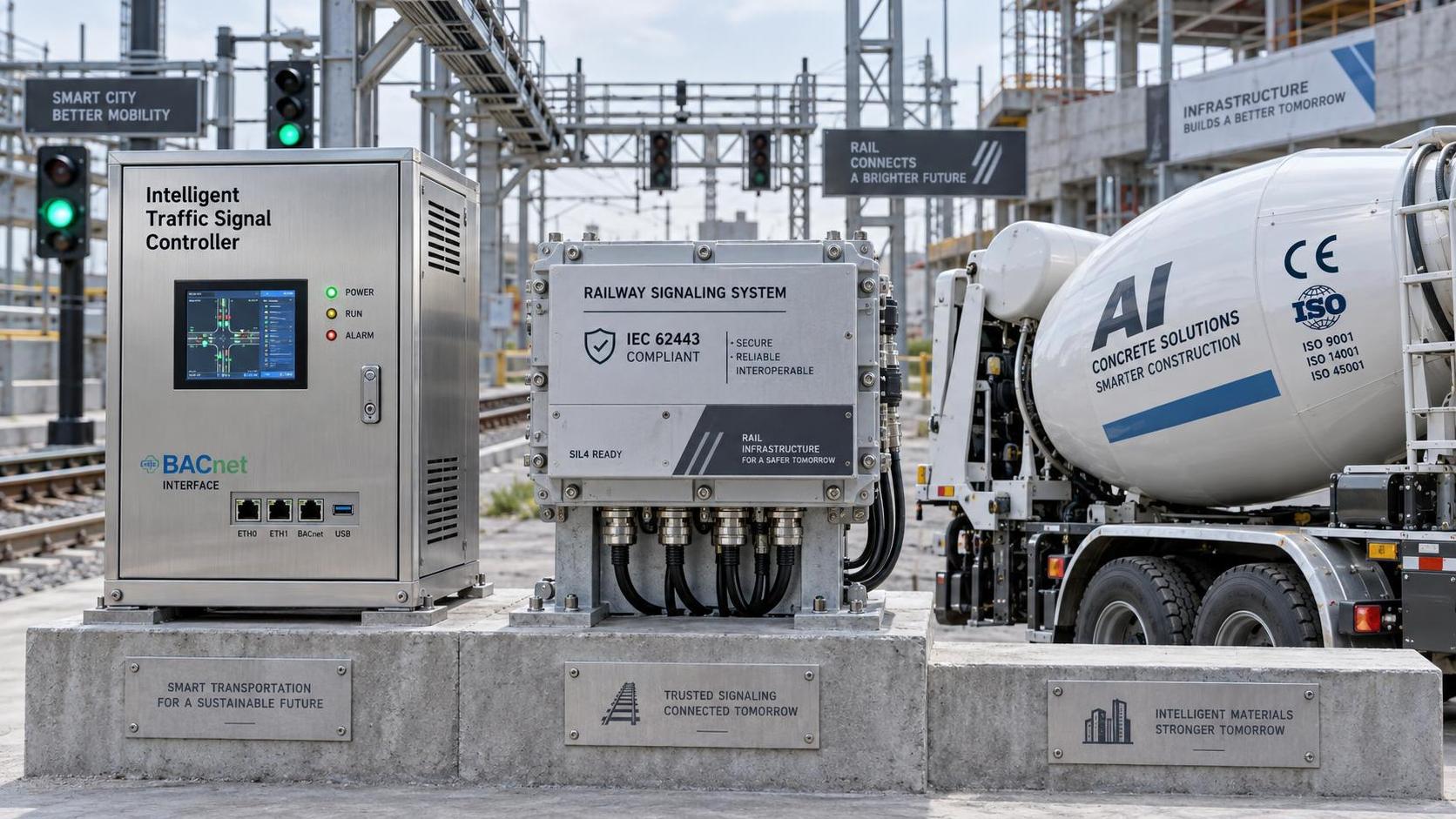
For integrated infrastructure platforms like GIUT’s focus sectors, this trend has wider implications. Carbon-linked decisions increasingly affect urban resilience, transport efficiency, heavy equipment utilization, and digital governance quality.
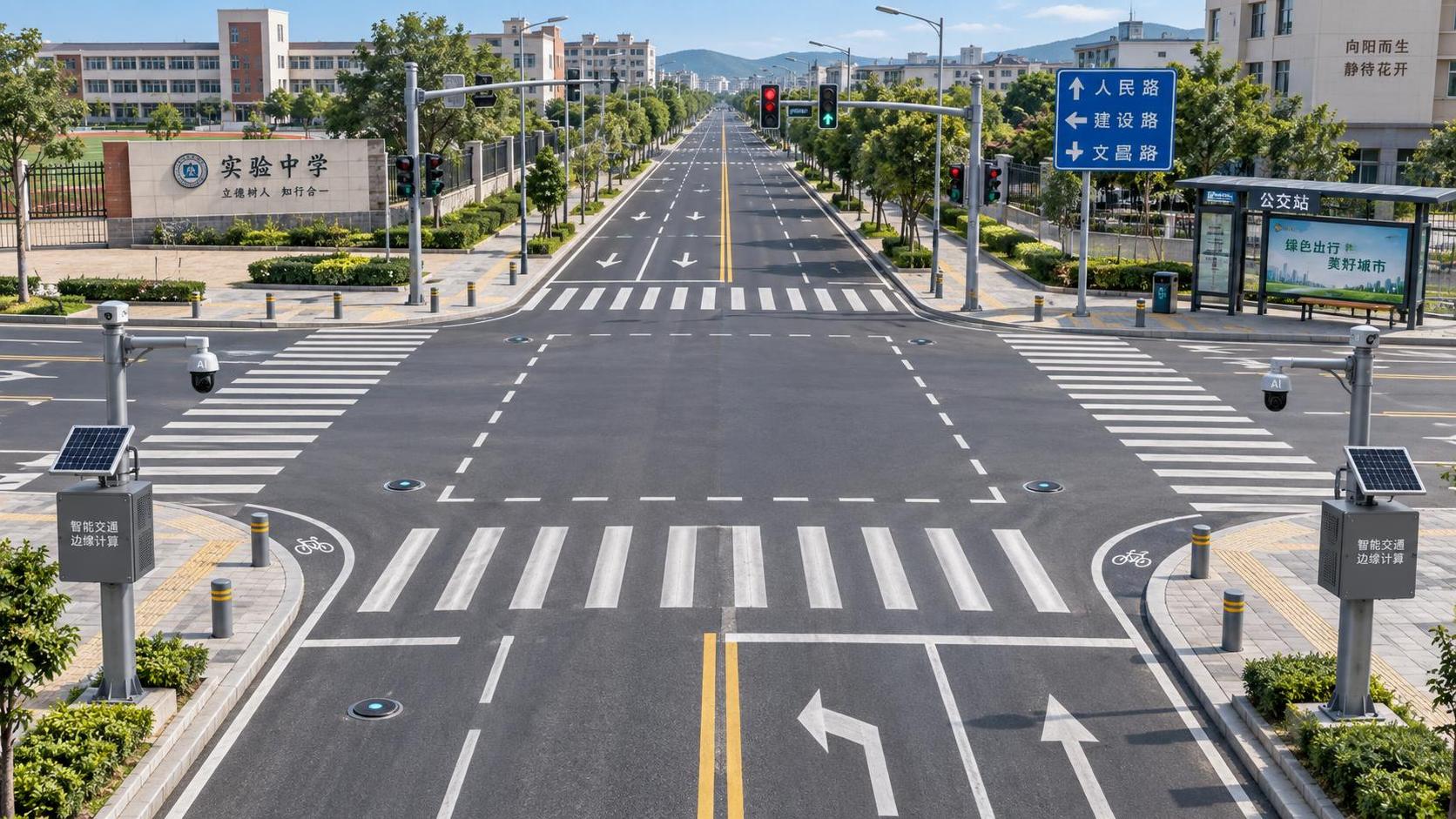
That makes carbon reduction in construction relevant far beyond building shells. It now influences rail systems, utility networks, logistics hubs, industrial plants, and smart city assets.
What deserves the closest attention in 2026 planning
Several watchpoints deserve early review before budgets are locked. These areas often create avoidable overruns when addressed too late.
- Baseline carbon assumptions for concrete, steel, transport, and temporary power.
- Availability of verified supplier data, including EPDs and emissions declarations.
- Commercial implications of low-carbon specifications on schedule and productivity.
- Readiness of site energy systems for electrified tools, vehicles, and machinery.
- Contract language covering substitutions, reporting duties, and performance thresholds.
- Lifecycle trade-offs between higher capex and lower operating expense.
- Regional policy exposure, including taxes, disclosure rules, and green procurement scoring.
Strong planning also means distinguishing visible measures from meaningful ones. Some upgrades look green but have limited cost or carbon effect. Others materially improve both competitiveness and resilience.
Practical ways to respond without losing delivery performance
The most effective response is structured, not reactive. Carbon reduction in construction works best when commercial, technical, and operational decisions are aligned early.
- Run carbon and cost options together during concept design, not as separate studies.
- Create a shortlist of acceptable low-carbon material substitutions before procurement starts.
- Model site energy demand and compare diesel, hybrid, and electric scenarios.
- Use digital dashboards to track carbon, waste, fuel, and logistics in one view.
- Prioritize interventions with measurable payback, regulatory benefit, or bid advantage.
- Build documentation pathways that support audits, approvals, and client reporting.
This approach reduces the risk of fragmented spending. It also helps turn carbon reduction in construction into a source of project intelligence rather than a late compliance burden.
The 2026 outlook: carbon performance will increasingly define project value
The next phase will not be driven by slogans. It will be driven by measurable cost control, better asset outcomes, and stronger access to markets shaped by sustainability expectations.
Carbon reduction in construction is becoming a decision framework for modern infrastructure. Those who understand the real cost drivers can protect margins, improve delivery confidence, and build assets that remain viable longer.
A practical next step is to review one upcoming project through three lenses: embodied carbon, site energy, and supplier data readiness. That simple exercise often reveals where 2026 costs will rise, and where they can be controlled early.
Get weekly intelligence in your inbox.
No noise. No sponsored content. Pure intelligence.
News Recommendations
 Sep 19, 2026How an electronics application guide helps prevent component mismatchHow an electronics application guide helps prevent component mismatch
 Sep 18, 2026When a resource allocation platform improves project deliveryWhen a resource allocation platform improves project delivery
 Sep 17, 2026What to compare when evaluating mineral processing equipment manufacturersWhat to compare when evaluating mineral processing equipment manufacturers
 Sep 16, 2026How mineral separation optimization can reduce concentrate lossesHow mineral separation optimization can reduce concentrate losses
 Sep 15, 2026How to assess lifecycle costs in urban tech procurementHow to assess lifecycle costs in urban tech procurement
 Sep 14, 2026Heavy industry technology trends reshaping capital investment prioritiesHeavy industry technology trends reshaping capital investment priorities
 Sep 14, 2026Global Industrial Equipment Procurement: How Top OEMs Qualify Suppliers for Mining & Infrastructure ProjectsGlobal Industrial Equipment Procurement: How Top OEMs Qualify Suppliers for Mining & Infrastructure Projects
 Sep 14, 2026Industrial & Mining Equipment Procurement: Balancing Local Sourcing, Lead Time, and Certification RequirementsIndustrial & Mining Equipment Procurement: Balancing Local Sourcing, Lead Time, and Certification Requirements
 Sep 14, 2026Infrastructure & Equipment Upgrades: What Procurement Teams Must Verify Before Signing Off on New ContractsInfrastructure & Equipment Upgrades: What Procurement Teams Must Verify Before Signing Off on New Contracts
 Sep 14, 2026Why Infrastructure Equipment Buyers Are Shifting from Catalog-Based to Capability-Based Supplier SelectionWhy Infrastructure Equipment Buyers Are Shifting from Catalog-Based to Capability-Based Supplier Selection
 Sep 14, 2026Process Automation Project Execution: How to Align Supplier Capabilities with PLC Integration, Cybersecurity & Commissioning MilestonesProcess Automation Project Execution: How to Align Supplier Capabilities with PLC Integration, Cybersecurity & Commissioning Milestones
 Sep 14, 2026Are intelligent traffic systems worth the investment for small cities?Are intelligent traffic systems worth the investment for small cities?
 Sep 14, 2026How do intelligent traffic systems handle sensor failures?How do intelligent traffic systems handle sensor failures?
 Sep 14, 2026What should I check before accepting a smart building system?What should I check before accepting a smart building system?
 Sep 14, 2026Is a smart building system worth the maintenance cost?Is a smart building system worth the maintenance cost?
 Sep 14, 2026What data is needed for reliable resource allocation planning?What data is needed for reliable resource allocation planning?
 Sep 14, 2026How can resource allocation software reduce equipment idle time?How can resource allocation software reduce equipment idle time?
 Sep 14, 2026How should smart devices be maintained in harsh outdoor conditions?How should smart devices be maintained in harsh outdoor conditions?
 Sep 14, 2026Do smart devices improve worker safety on construction sites?Do smart devices improve worker safety on construction sites?
 Sep 14, 2026What environmental risks must be assessed before deep-sea mining?What environmental risks must be assessed before deep-sea mining?
 Sep 14, 2026Is deep-sea mining equipment commercially viable in 2026?Is deep-sea mining equipment commercially viable in 2026?
 Sep 14, 2026What Inspection Checks Should Procurement Teams Perform Before Ordering Dredging Equipment in 2026?What Inspection Checks Should Procurement Teams Perform Before Ordering Dredging Equipment in 2026?
 Sep 13, 2026How to verify an industrial product information source before specifying equipmentHow to verify an industrial product information source before specifying equipment
 Sep 12, 2026Which intelligent traffic systems hardware fits an urban intersection?Which intelligent traffic systems hardware fits an urban intersection?
 Sep 11, 2026How pump capacity affects response coverage for municipal fire fighting vehiclesHow pump capacity affects response coverage for municipal fire fighting vehicles
 Sep 10, 2026What to verify before choosing a heavy industry equipment supplierWhat to verify before choosing a heavy industry equipment supplier
 Sep 09, 2026When do adaptive urban traffic control systems reduce corridor delays?When do adaptive urban traffic control systems reduce corridor delays?