Physical World Infrastructure Trends in Smart Cities
As smart cities evolve, physical world infrastructure is becoming the decisive foundation for resilience, efficiency, and sustainable growth. From intelligent transport networks and smart grids to automated waste systems and adaptive buildings, today’s urban transformation depends on how physical assets connect with data-driven governance. This article explores the key infrastructure trends shaping smarter cities and what they mean for planners, investors, and industry researchers seeking long-term insight.
Why a checklist matters for physical world infrastructure decisions
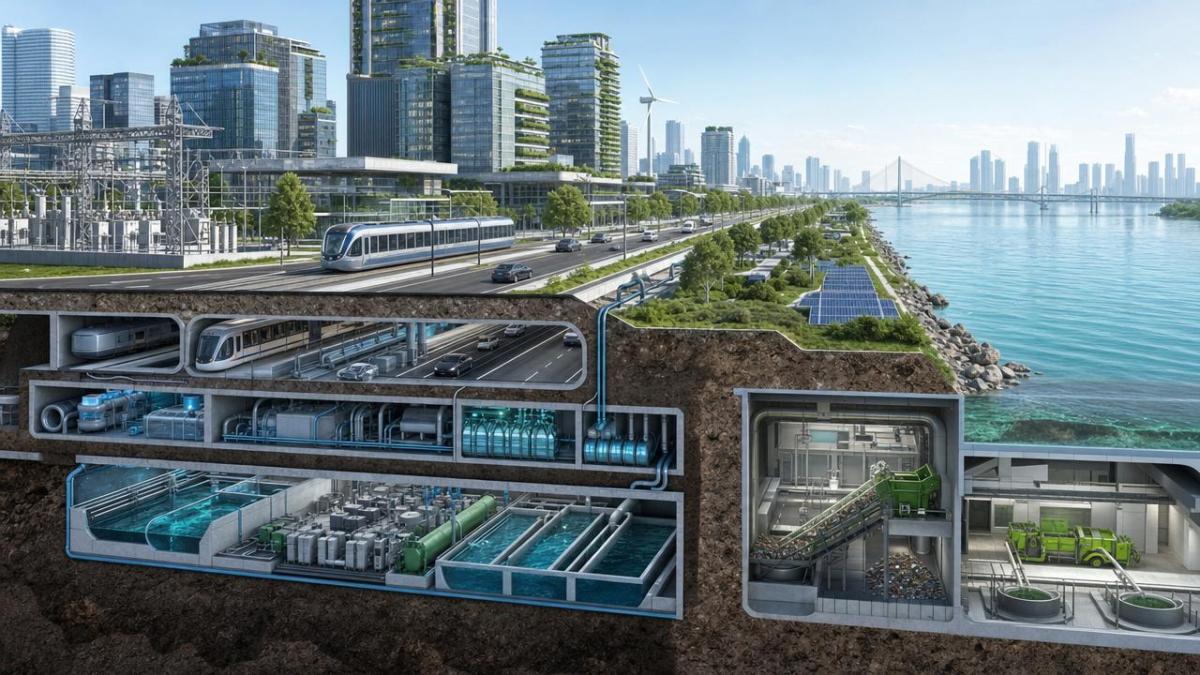
Smart city projects often fail when digital ambition outruns asset readiness. A checklist helps evaluate whether physical world infrastructure can support sensors, automation, energy balancing, and long-term maintenance.
It also creates a practical bridge between construction, utilities, transport, governance, and financing. In complex urban systems, consistent evaluation reduces rework, stranded assets, and fragmented procurement.
For the broader infrastructure sector, checklist-based assessment improves capital discipline. It clarifies which upgrades create measurable public value and which technologies still lack operating maturity.
Core checklist for tracking physical world infrastructure trends in smart cities
- Map asset interdependencies across power, roads, rail, water, waste, and telecom corridors before adding smart layers, so physical world infrastructure upgrades support citywide resilience rather than isolated digital pilots.
- Audit lifecycle condition data for bridges, substations, tunnels, pipelines, and public buildings to identify whether aging physical world infrastructure can safely host sensors, controls, and remote monitoring hardware.
- Prioritize energy flexibility by checking grid automation, storage capacity, district energy links, and electric vehicle charging density, because smart cities depend on stable and adaptive power infrastructure.
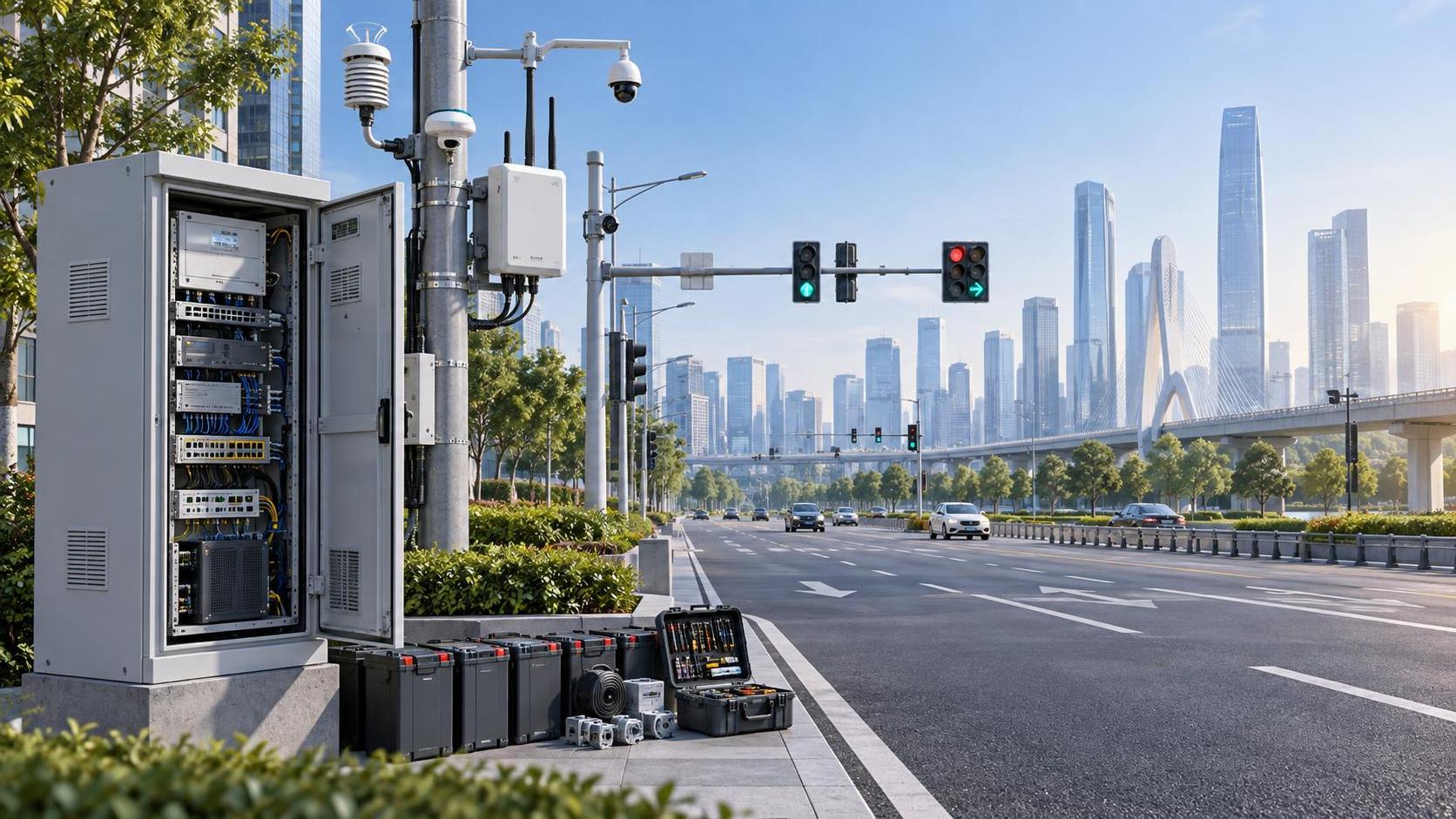
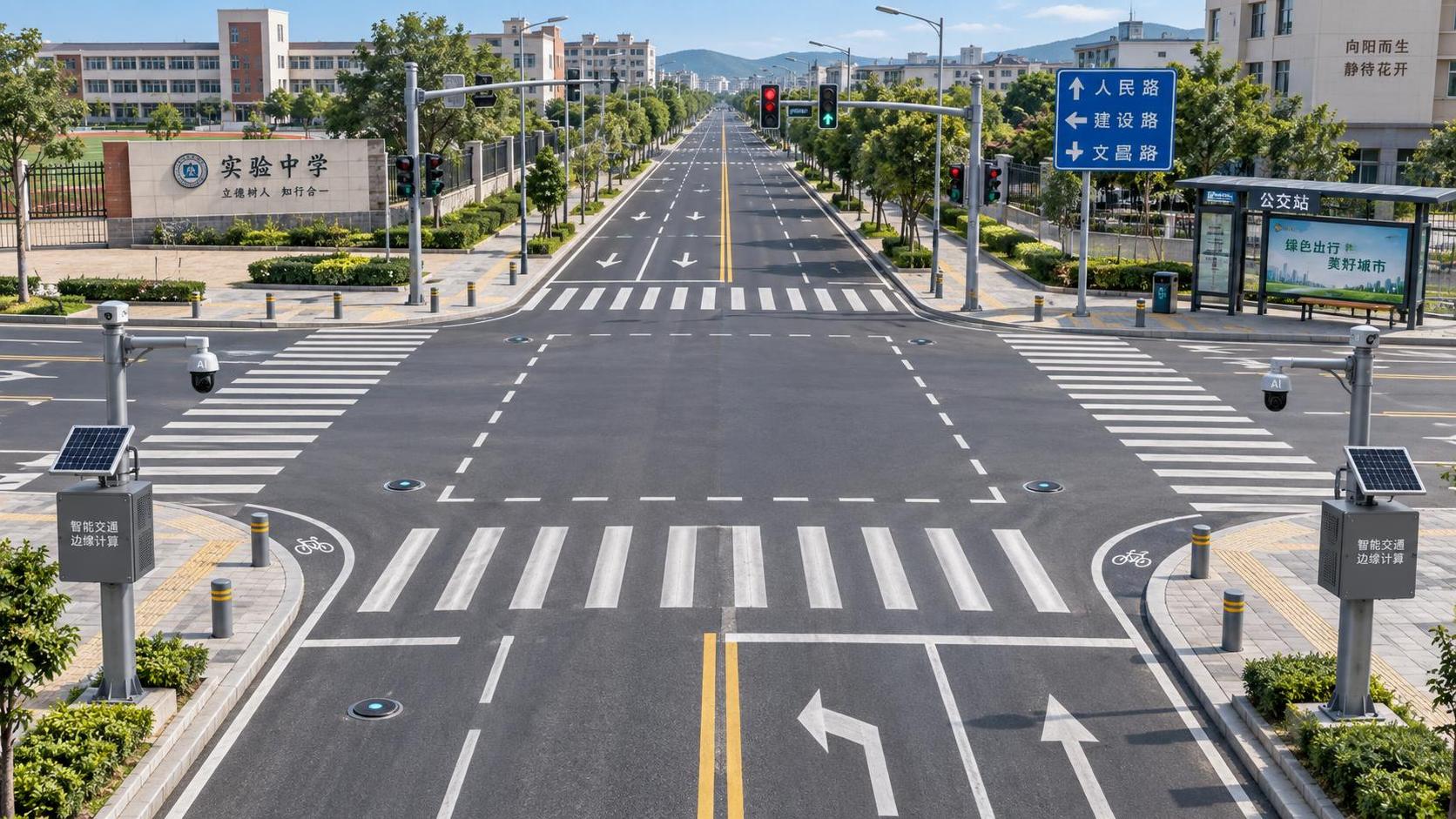
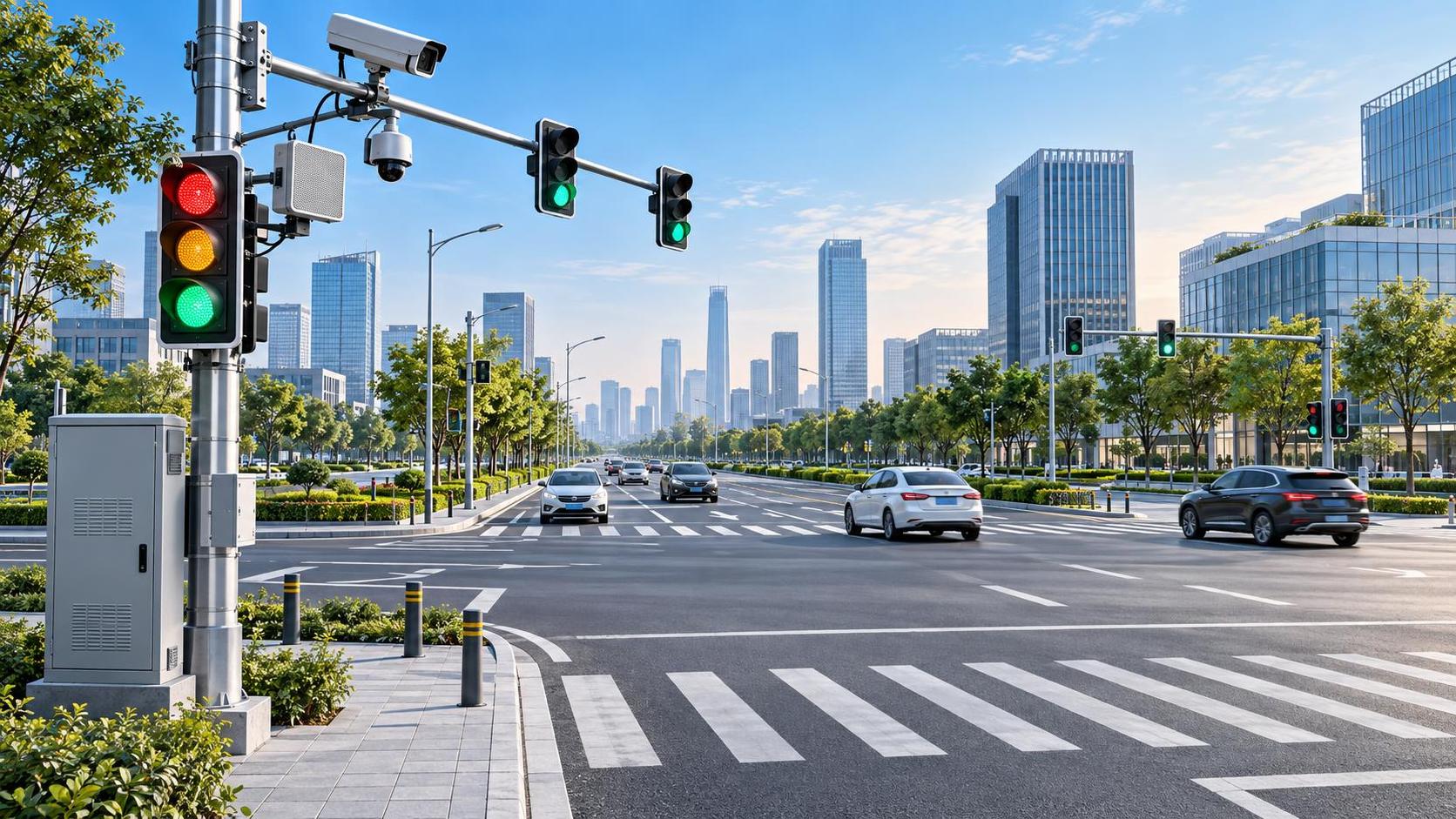
- Verify mobility integration between traffic signals, high-speed corridors, freight nodes, metro assets, and curbside systems, ensuring physical world infrastructure supports multimodal movement and not just private vehicle optimization.
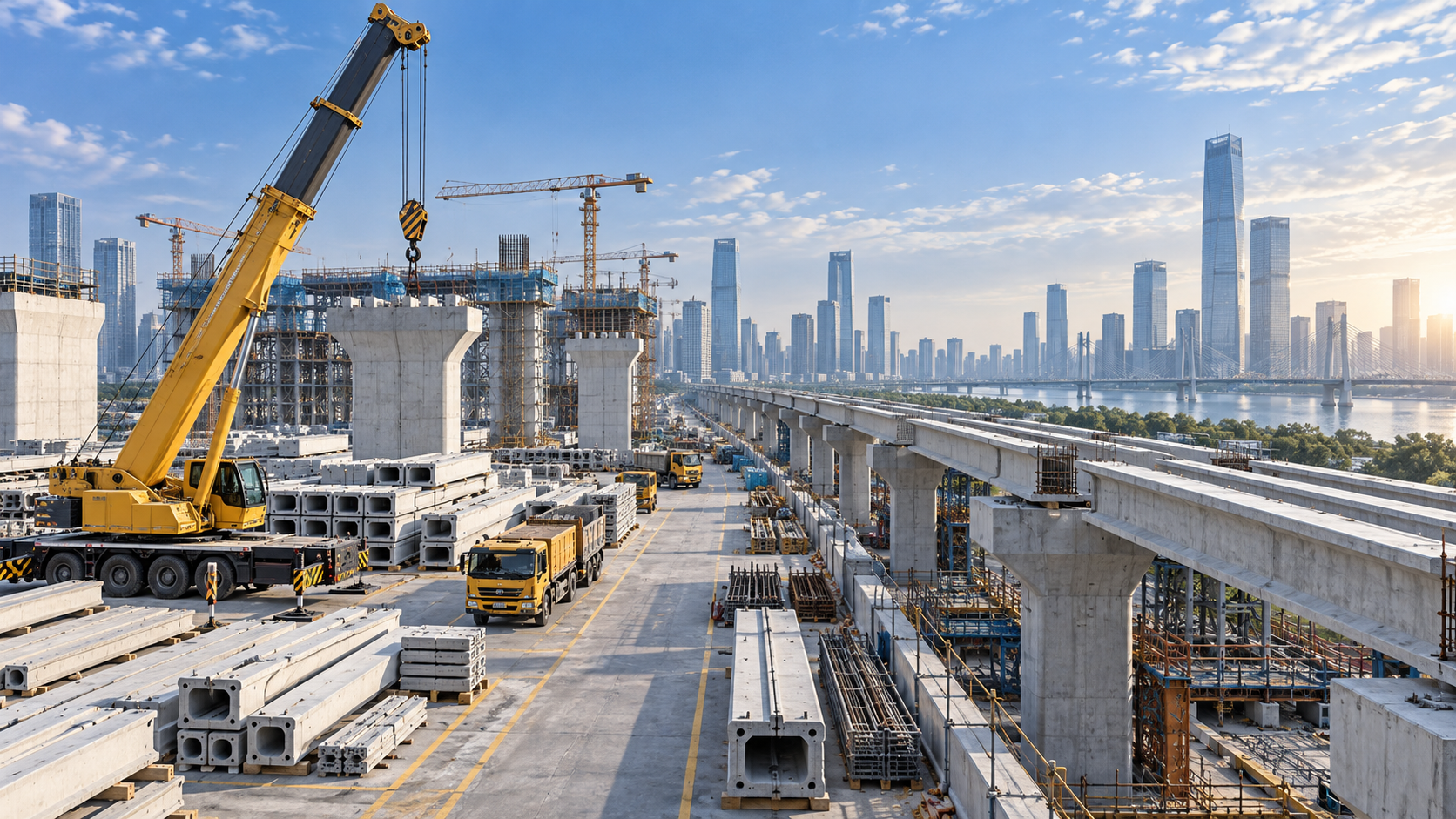
- Examine material and construction methods, including modular systems, low-carbon concrete, corrosion protection, and prefabrication, to improve durability and shorten upgrade cycles for critical infrastructure assets.
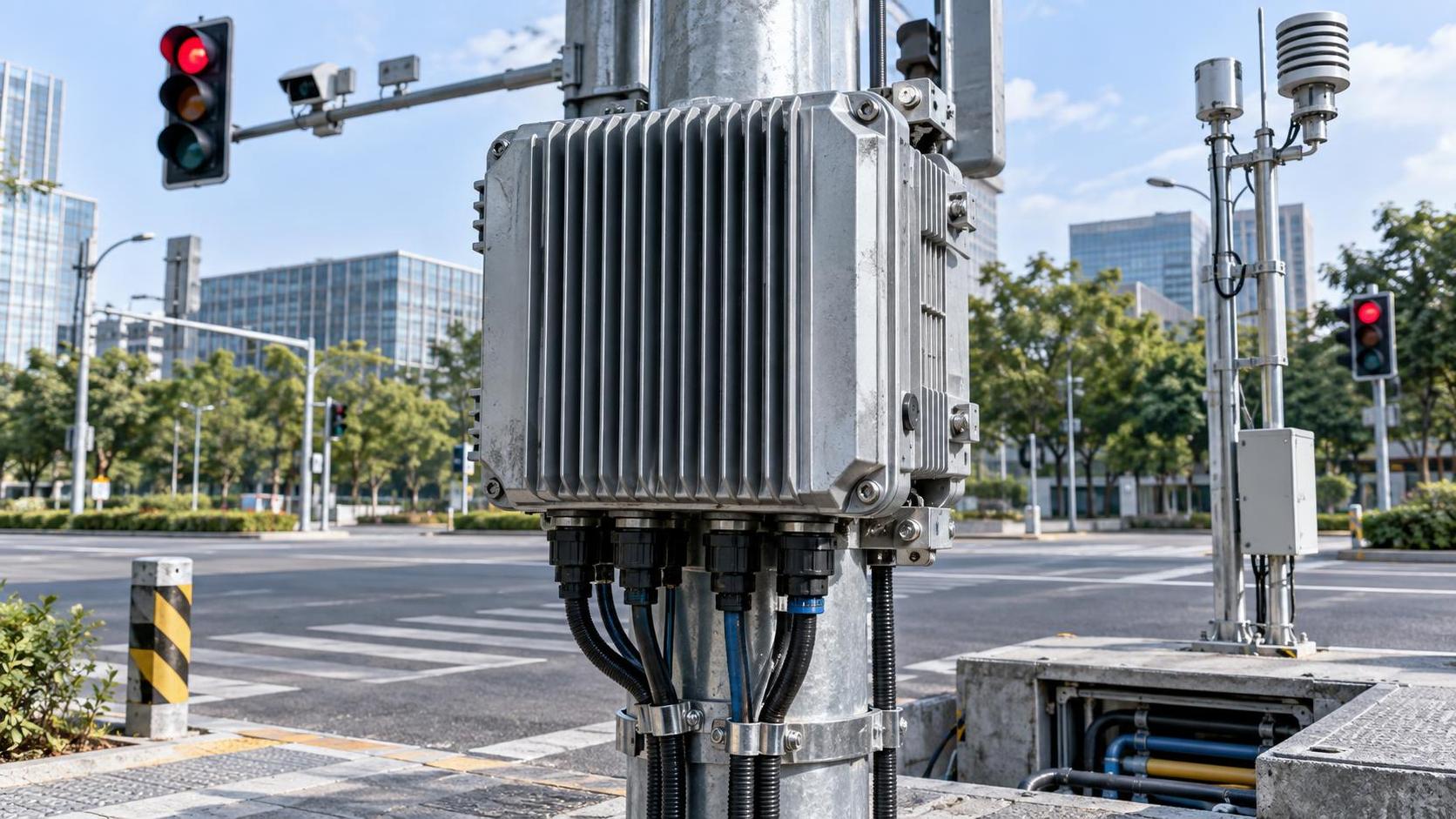
- Check data-to-asset responsiveness by measuring how fast maintenance teams can act on alerts from smart meters, structural sensors, or waste routing platforms embedded in physical world infrastructure.
- Review climate resilience standards for drainage, flood barriers, cooling systems, slope protection, and emergency access routes, since physical world infrastructure now carries direct adaptation responsibilities.
- Assess interoperability rules for platforms, field devices, signaling systems, and utility controls, reducing vendor lock-in and helping infrastructure owners expand smart functions without major redesigns.
- Measure maintenance capability, spare parts access, field training, and contractor readiness, because advanced infrastructure loses value quickly when cities cannot sustain operations after commissioning.
- Link investment sequencing to public outcomes such as travel time, outage reduction, water loss control, emissions cuts, and safety gains, keeping physical world infrastructure strategy evidence-based.
Key trend areas reshaping physical world infrastructure
Intelligent transport and logistics corridors
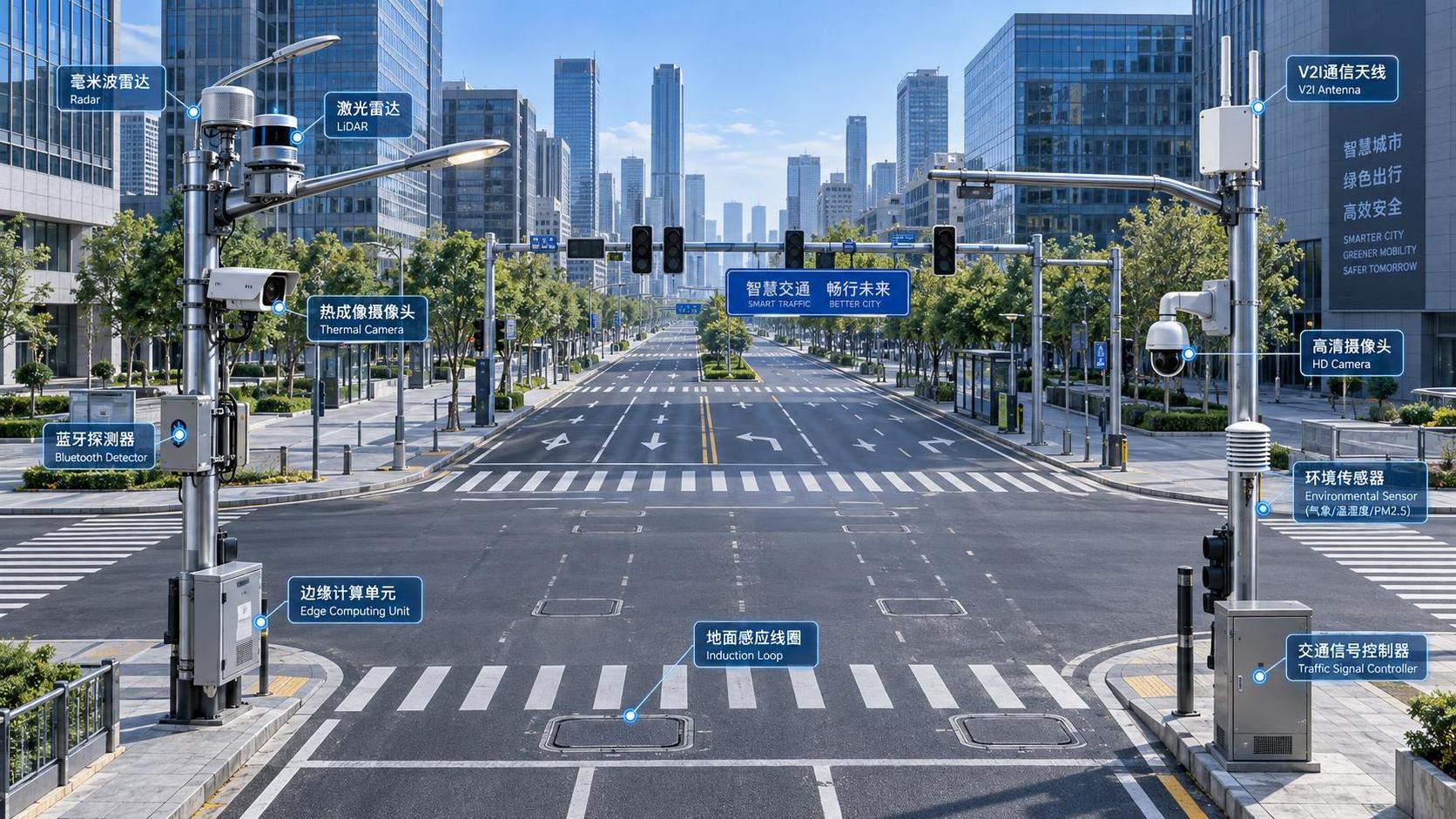
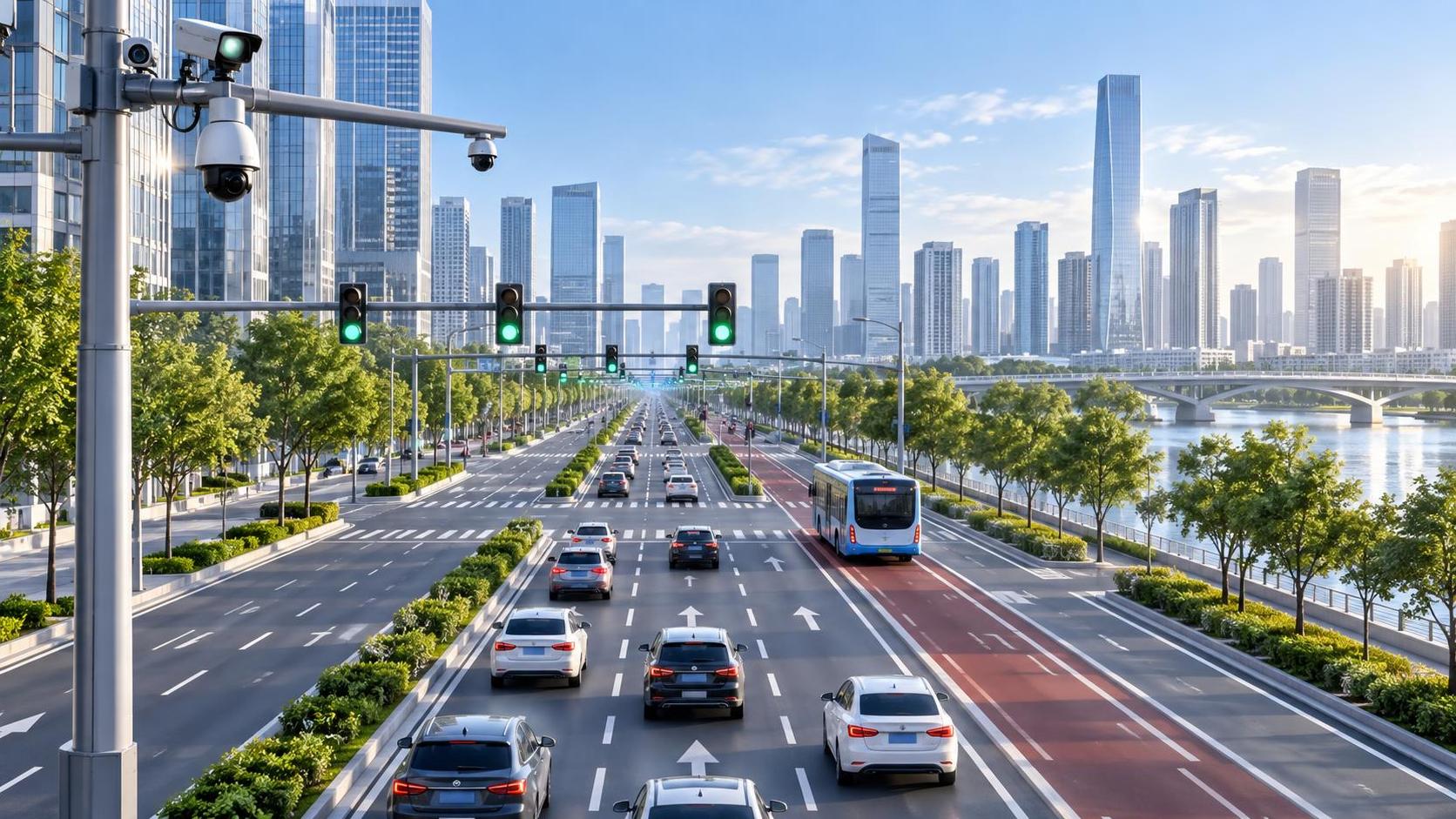
Transport remains the most visible smart city battleground. The trend is shifting from standalone traffic management toward corridor-level integration across roads, rail, bus systems, ports, and last-mile logistics.
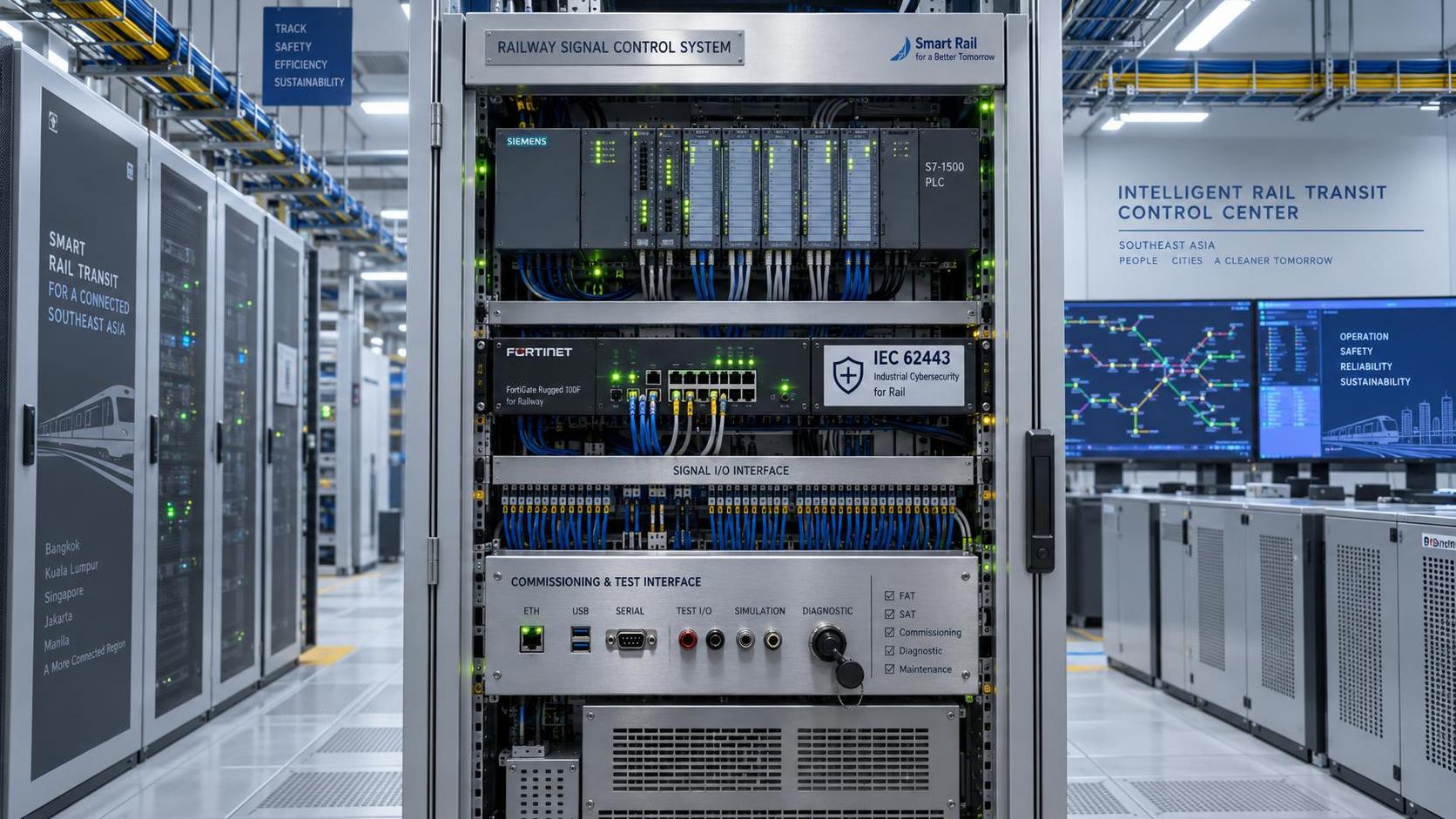
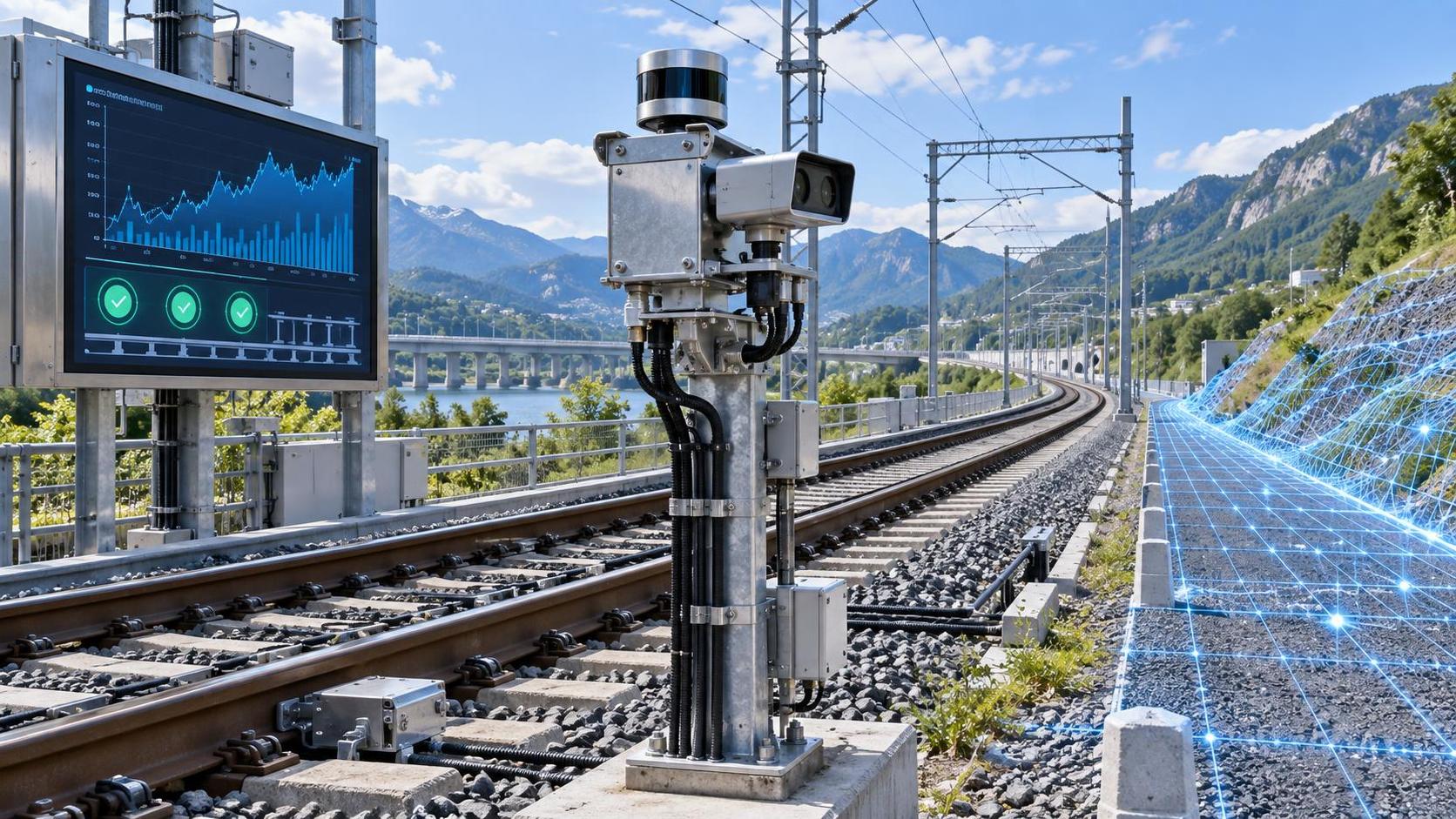
This means physical world infrastructure must support connected signaling, curb management, fleet electrification, and predictive maintenance. Rail crossings, freight yards, depots, and tunnels now function as data-enabled assets.
Smarter grids and distributed energy networks
Power infrastructure is moving from centralized delivery toward distributed balancing. Smart grids, battery storage, microgrids, and responsive substations are becoming core elements of physical world infrastructure strategy.
Cities with rising electrification need transformers, switchgear, cable routes, and backup systems that can handle heat stress, charging peaks, and renewable intermittency without compromising uptime.
Adaptive buildings and smart construction
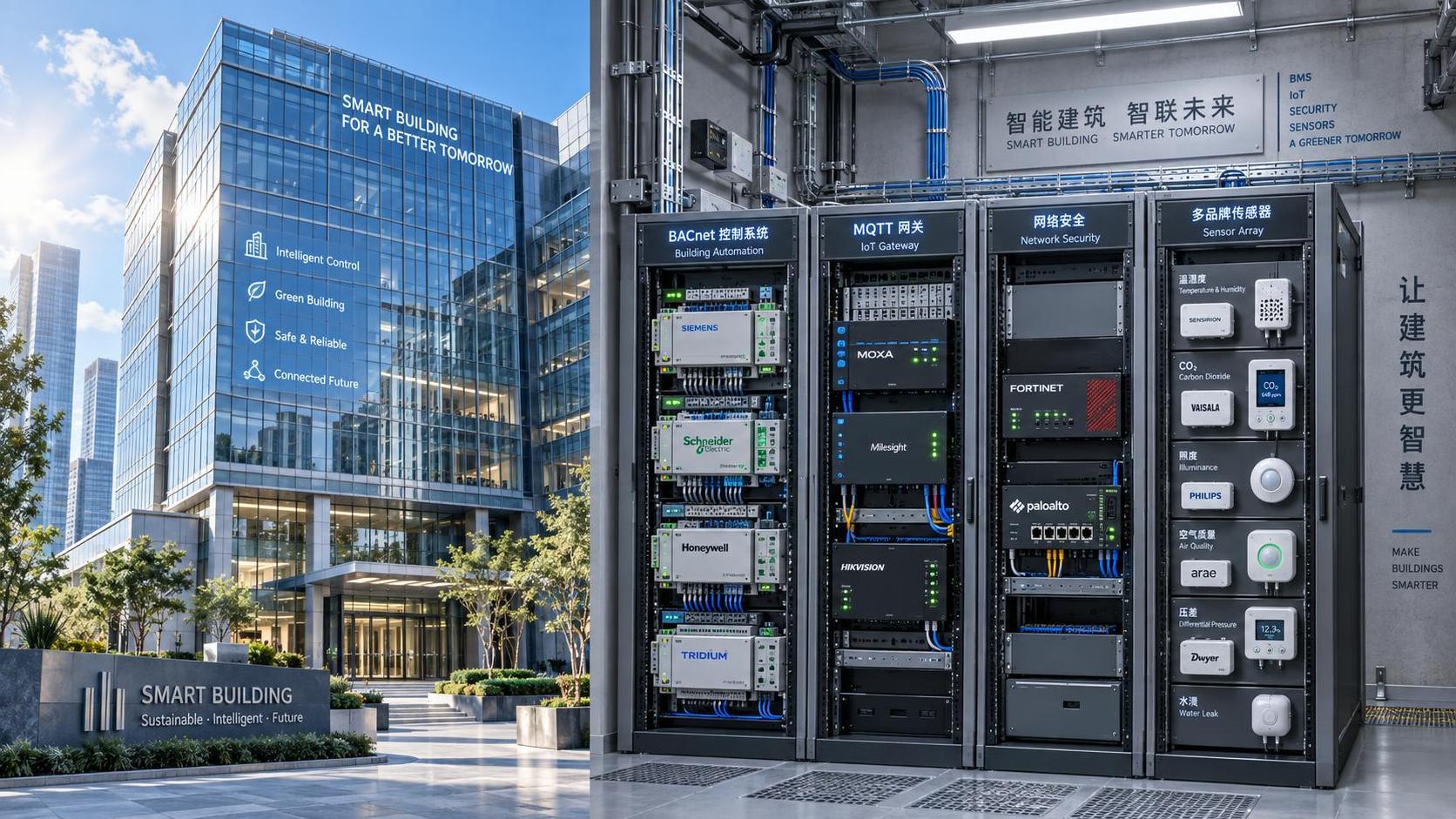
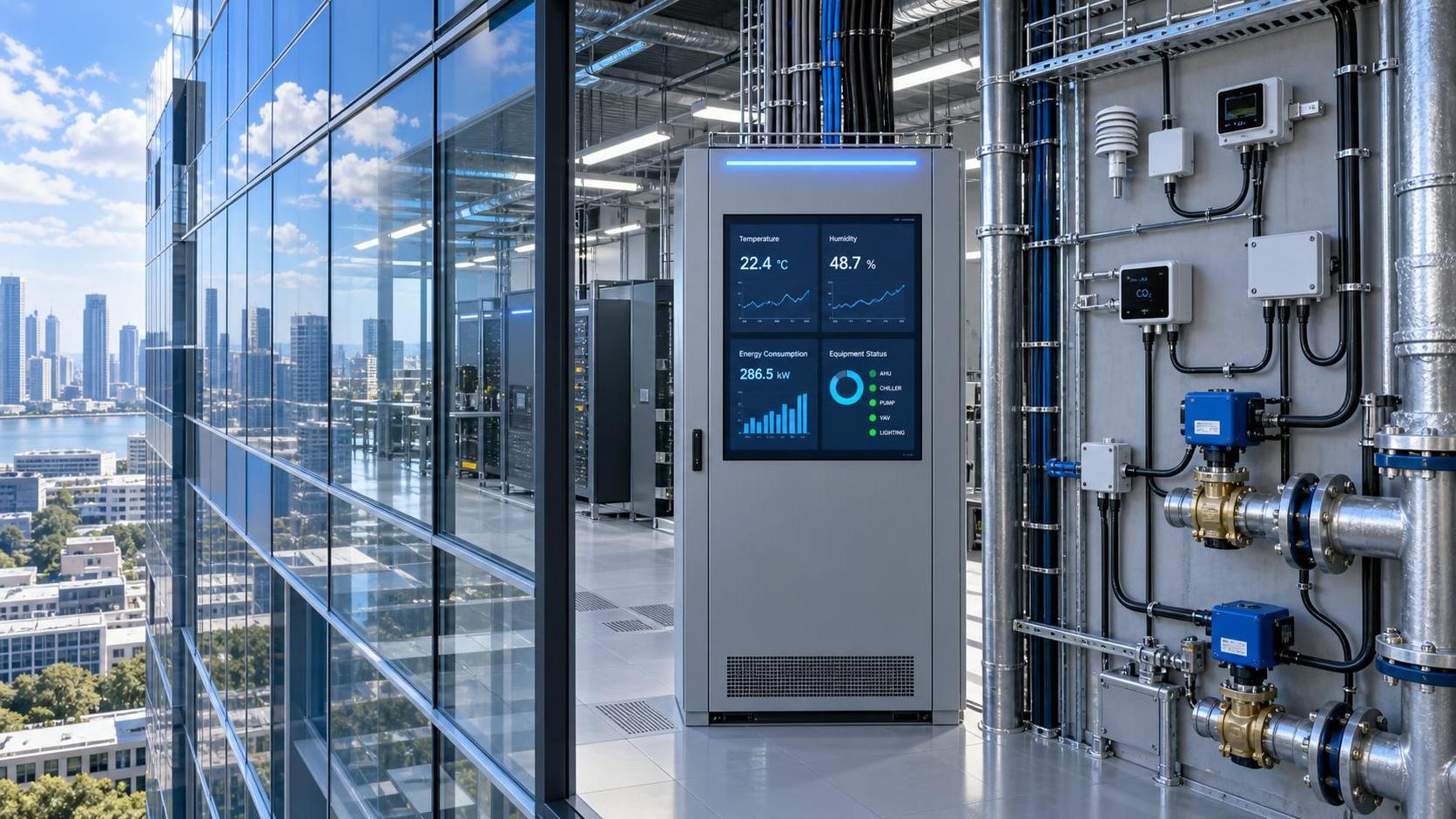
Buildings are no longer passive endpoints. They are becoming energy nodes, occupancy-responsive environments, and operational data sources within wider physical world infrastructure ecosystems.
Prefabrication, building automation, and digital twins are accelerating retrofit programs. The deeper trend is not gadget adoption, but tighter coordination between structural design, facility management, and city platforms.
Automated waste and water systems
Waste collection and water management are gaining strategic importance. Sensors, route optimization, leak detection, and automated sorting can only deliver value when the underlying physical world infrastructure is reliable.
Upgrades now focus on transfer stations, underground piping, pumping systems, retention basins, and treatment capacity. These assets directly affect sanitation, flood control, and urban livability.
Scenario-based guidance for applying the checklist
Dense urban cores
In mature city centers, the main issue is retrofit complexity. Buried utilities, overloaded mobility corridors, and heritage constraints limit how quickly physical world infrastructure can be modernized.
Focus first on interoperability, phased construction, and downtime planning. Small asset upgrades can generate large returns when integrated through traffic control, district cooling, and energy monitoring.
New districts and industrial zones
Greenfield development offers more design freedom. Here, physical world infrastructure should be planned with utility corridors, modular substations, freight access, and future sensor capacity from the start.
The key risk is overbuilding digital features without proven operating models. Prioritize assets that improve service continuity, construction speed, and carbon performance over purely promotional technology layers.
Climate-stressed regions
For flood-prone, heat-stressed, or water-scarce cities, resilience must anchor every infrastructure decision. Physical world infrastructure should be screened for drainage capacity, thermal tolerance, redundancy, and emergency accessibility.
In these settings, adaptive design often outranks aesthetic upgrades. Elevated equipment rooms, permeable surfaces, backup power, and smart water controls create clearer long-term value.
Common blind spots and risk reminders
Ignore asset maintenance baselines, and digital systems will sit on unstable foundations. A smart dashboard cannot compensate for failing pipes, poor pavement structure, or substation fatigue.
Undervalue field operations, and response times will lag behind sensor alerts. Physical world infrastructure performance depends on technicians, spare parts logistics, and practical work order systems.
Separate capital planning from operating budgets, and lifecycle costs will escalate. Many smart city setbacks come from funding software first and maintenance capability last.
Treat interoperability as optional, and lock-in will restrict future upgrades. Closed systems can trap cities in expensive replacement cycles across transport, utilities, and building controls.
Assume resilience is a compliance box, and adaptation gaps will widen. Climate pressure is changing how physical world infrastructure must be designed, financed, and prioritized.
Practical execution steps
- Start with a cross-asset inventory covering condition, capacity, ownership, and data availability.
- Rank projects by resilience impact, service continuity, and measurable operational savings.
- Use pilot zones to validate maintenance workflows before scaling smart infrastructure platforms.
- Write procurement requirements around open standards, upgradeability, and lifecycle support.
- Review performance quarterly using outage, congestion, leakage, emissions, and repair-time indicators.
Conclusion and next action
The future of smart cities will be decided less by isolated apps and more by the quality of physical world infrastructure beneath them. Roads, grids, buildings, rail systems, and utility networks are becoming intelligent only when their physical backbone is durable, connected, and manageable.
A disciplined checklist turns broad ambition into investment logic. The next step is simple: audit current assets, identify cross-system dependencies, and align upgrades with resilience, service outcomes, and long-term operating reality.
Get weekly intelligence in your inbox.
No noise. No sponsored content. Pure intelligence.
News Recommendations
 Sep 19, 2026How an electronics application guide helps prevent component mismatchHow an electronics application guide helps prevent component mismatch
 Sep 18, 2026When a resource allocation platform improves project deliveryWhen a resource allocation platform improves project delivery
 Sep 17, 2026What to compare when evaluating mineral processing equipment manufacturersWhat to compare when evaluating mineral processing equipment manufacturers
 Sep 16, 2026How mineral separation optimization can reduce concentrate lossesHow mineral separation optimization can reduce concentrate losses
 Sep 15, 2026How to assess lifecycle costs in urban tech procurementHow to assess lifecycle costs in urban tech procurement
 Sep 14, 2026Heavy industry technology trends reshaping capital investment prioritiesHeavy industry technology trends reshaping capital investment priorities
 Sep 14, 2026Why Infrastructure Equipment Buyers Are Shifting from Catalog-Based to Capability-Based Supplier SelectionWhy Infrastructure Equipment Buyers Are Shifting from Catalog-Based to Capability-Based Supplier Selection
 Sep 14, 2026Process Automation Project Execution: How to Align Supplier Capabilities with PLC Integration, Cybersecurity & Commissioning MilestonesProcess Automation Project Execution: How to Align Supplier Capabilities with PLC Integration, Cybersecurity & Commissioning Milestones
 Sep 14, 2026Are intelligent traffic systems worth the investment for small cities?Are intelligent traffic systems worth the investment for small cities?
 Sep 14, 2026How do intelligent traffic systems handle sensor failures?How do intelligent traffic systems handle sensor failures?
 Sep 14, 2026What should I check before accepting a smart building system?What should I check before accepting a smart building system?
 Sep 14, 2026Is a smart building system worth the maintenance cost?Is a smart building system worth the maintenance cost?
 Sep 14, 2026What data is needed for reliable resource allocation planning?What data is needed for reliable resource allocation planning?
 Sep 14, 2026How can resource allocation software reduce equipment idle time?How can resource allocation software reduce equipment idle time?
 Sep 14, 2026How should smart devices be maintained in harsh outdoor conditions?How should smart devices be maintained in harsh outdoor conditions?
 Sep 14, 2026Do smart devices improve worker safety on construction sites?Do smart devices improve worker safety on construction sites?
 Sep 14, 2026What environmental risks must be assessed before deep-sea mining?What environmental risks must be assessed before deep-sea mining?
 Sep 14, 2026Is deep-sea mining equipment commercially viable in 2026?Is deep-sea mining equipment commercially viable in 2026?
 Sep 14, 2026What Inspection Checks Should Procurement Teams Perform Before Ordering Dredging Equipment in 2026?What Inspection Checks Should Procurement Teams Perform Before Ordering Dredging Equipment in 2026?
 Sep 13, 2026How to verify an industrial product information source before specifying equipmentHow to verify an industrial product information source before specifying equipment
 Sep 12, 2026Which intelligent traffic systems hardware fits an urban intersection?Which intelligent traffic systems hardware fits an urban intersection?
 Sep 11, 2026How pump capacity affects response coverage for municipal fire fighting vehiclesHow pump capacity affects response coverage for municipal fire fighting vehicles
 Sep 10, 2026What to verify before choosing a heavy industry equipment supplierWhat to verify before choosing a heavy industry equipment supplier
 Sep 09, 2026When do adaptive urban traffic control systems reduce corridor delays?When do adaptive urban traffic control systems reduce corridor delays?
 Sep 08, 2026When logistics technology solutions in North America reduce delivery delaysWhen logistics technology solutions in North America reduce delivery delays
 Sep 07, 2026How reliable are wireless mining safety systems in underground mines?How reliable are wireless mining safety systems in underground mines?
 Sep 07, 2026How to assess a smart lighting technology platform for interoperabilityHow to assess a smart lighting technology platform for interoperability