2026 Market Shares: Where Growth Is Shifting
2026 market shares are shifting by scenario, not by size alone

As 2026 approaches, market shares are moving toward sectors that combine intelligence, resilience, and sustainable infrastructure investment.
Growth is no longer secured by capacity alone. It now depends on digital control, supply stability, energy efficiency, and faster adaptation to changing urban demand.
Across construction, urban tech, mining, logistics, and special vehicles, market shares are being redistributed through real operating performance.
This matters because infrastructure is the backbone of economic continuity. When demand shifts, capital, technology roadmaps, and procurement priorities shift with it.
GIUT tracks these movements through an integrated lens. That means linking engineering realities with digital systems, regulation, and long-term urban transformation.
Why market shares now change differently across real-world demand scenarios
The same keyword, market shares, means different things in different operating environments.
In fast-growing cities, growth often follows smart grids, traffic control, and modular building systems.
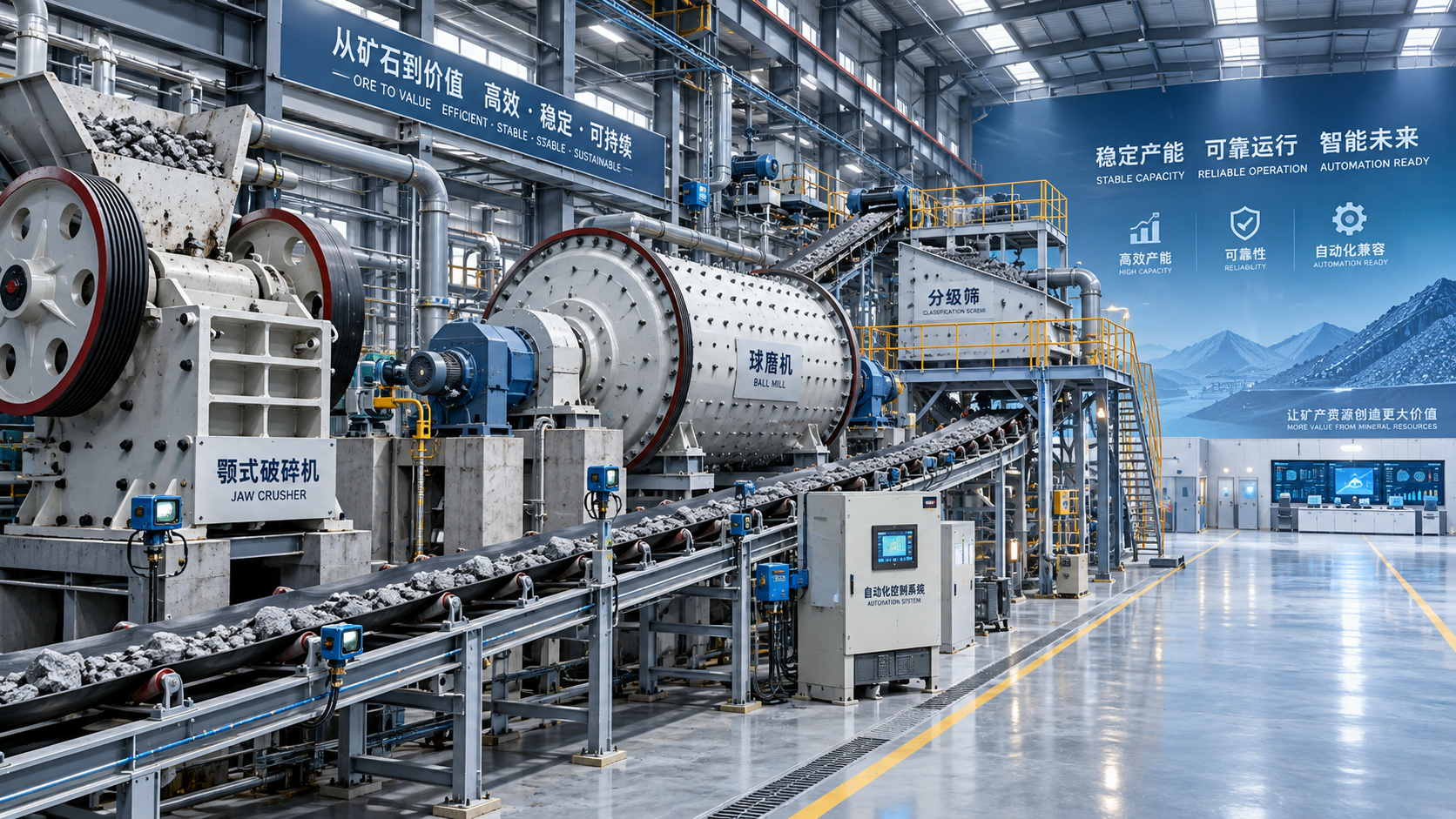
In resource-driven regions, market shares shift toward extraction efficiency, safety automation, and transport reliability.
In mature markets, replacement cycles matter more. Buyers favor platforms that lower carbon exposure and extend lifecycle value.
This is why broad market analysis often misses the point. Growth is concentrated where infrastructure solves urgent operational bottlenecks.
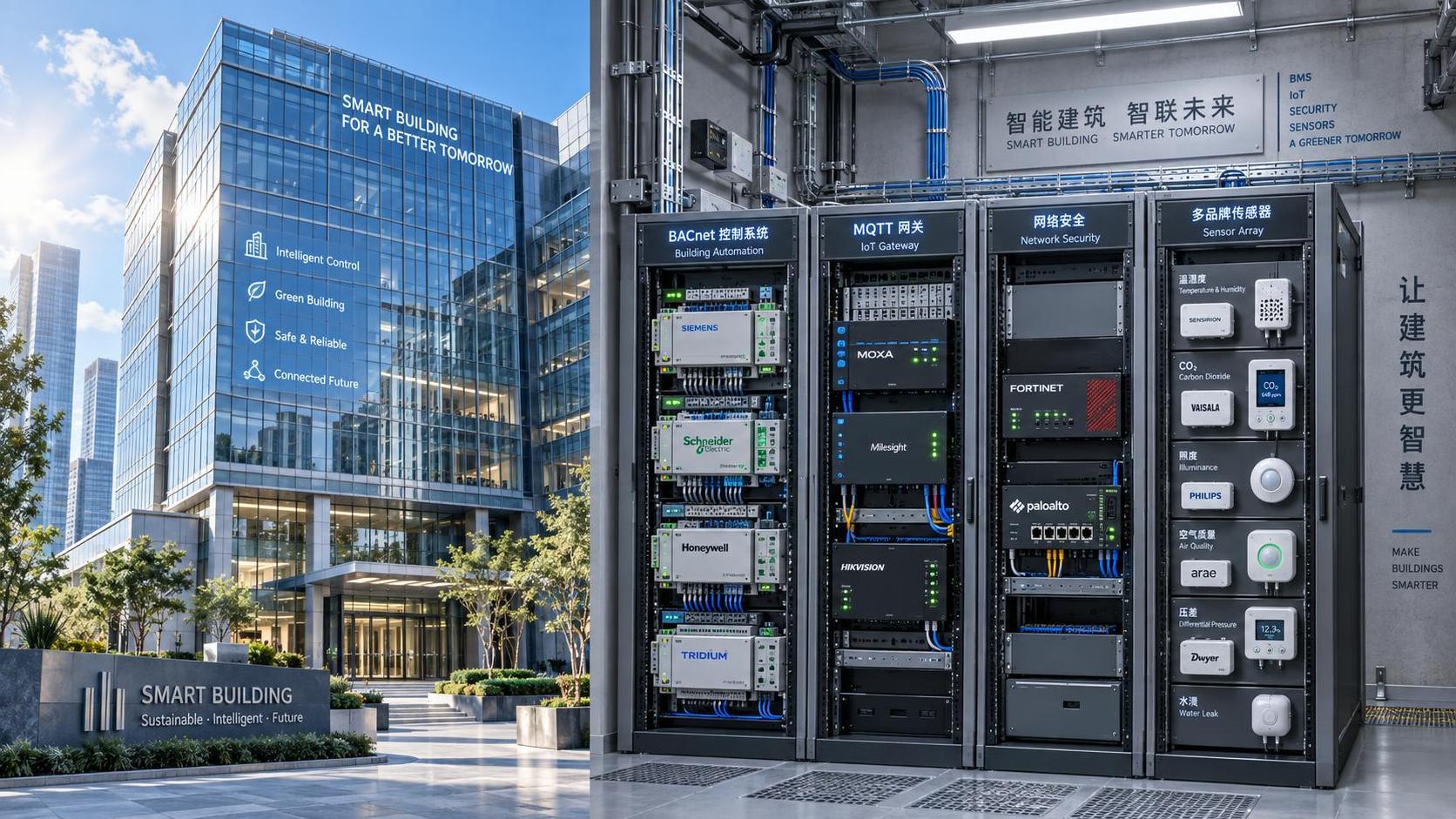
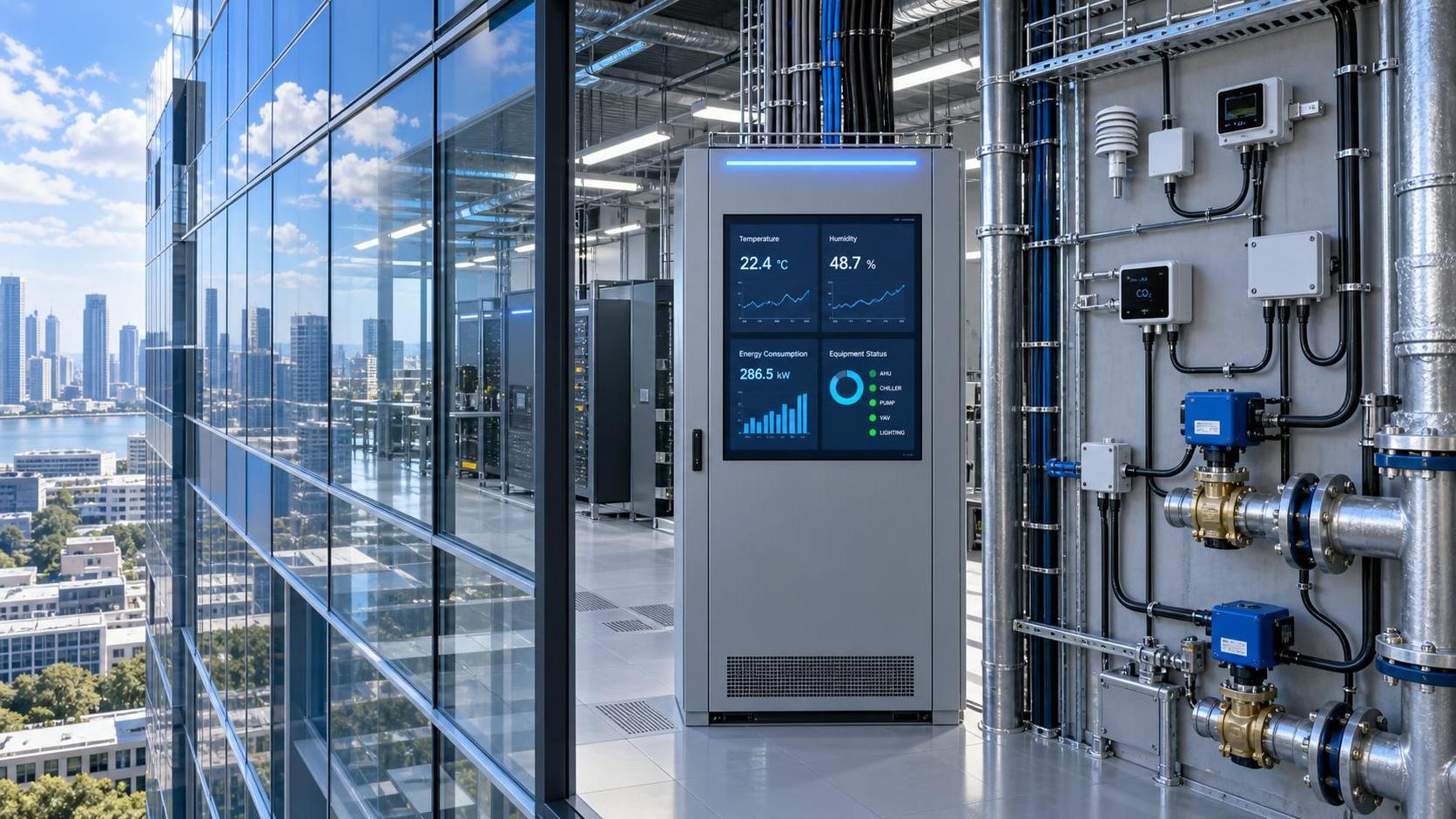
Scenario 1: Construction and smart building are winning market shares through speed and data
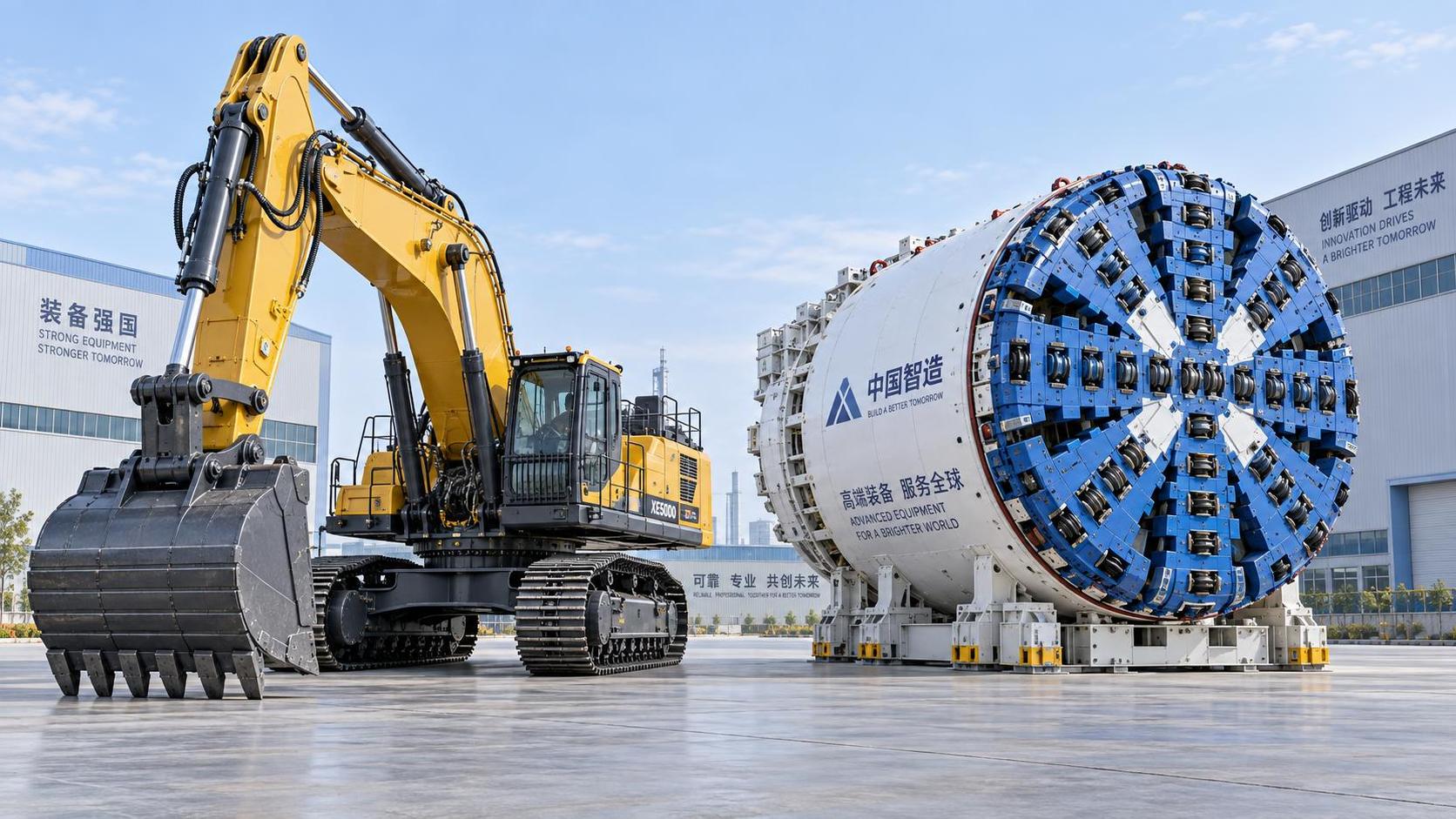
Construction market shares are shifting toward firms and systems that compress delivery time without sacrificing compliance or durability.
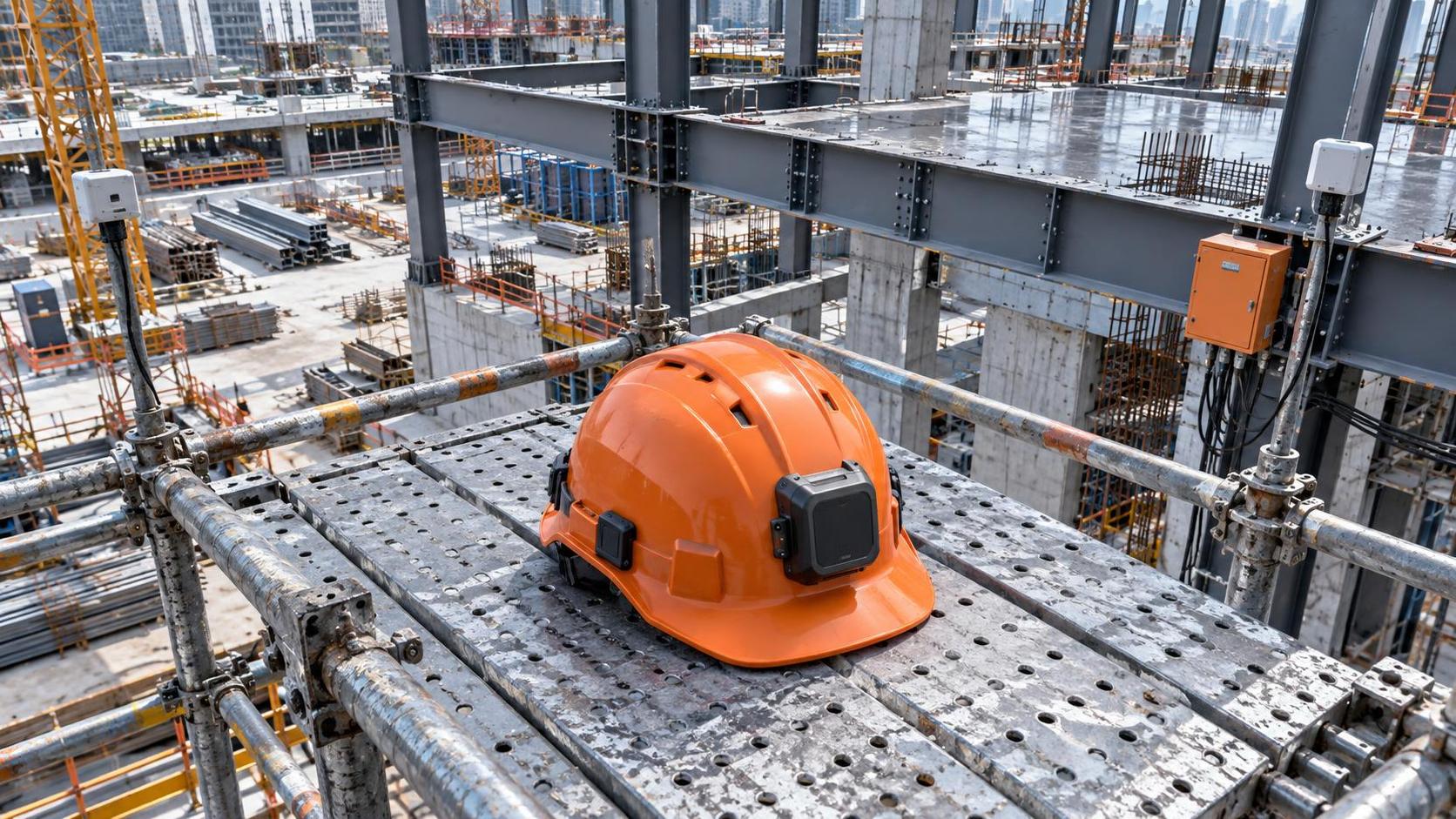
Prefabrication, digital twins, connected jobsites, and predictive maintenance are no longer premium options. They are becoming competitive baselines.
Projects facing labor shortages especially reward automation-ready methods. Faster installation and better schedule visibility reduce financing pressure and downstream risk.
Core judgment points in this scenario
- Can the building method reduce on-site labor intensity?
- Does the system provide measurable lifecycle efficiency?
- Can data tools improve coordination across contractors and regulators?
- Is the model aligned with low-carbon construction targets?
Where these answers are positive, market shares tend to move toward integrated construction technology ecosystems rather than isolated equipment suppliers.
Scenario 2: Urban tech gains market shares where cities need resilience every day
Urban tech market shares are expanding in places where public systems must do more with tighter budgets and rising service expectations.
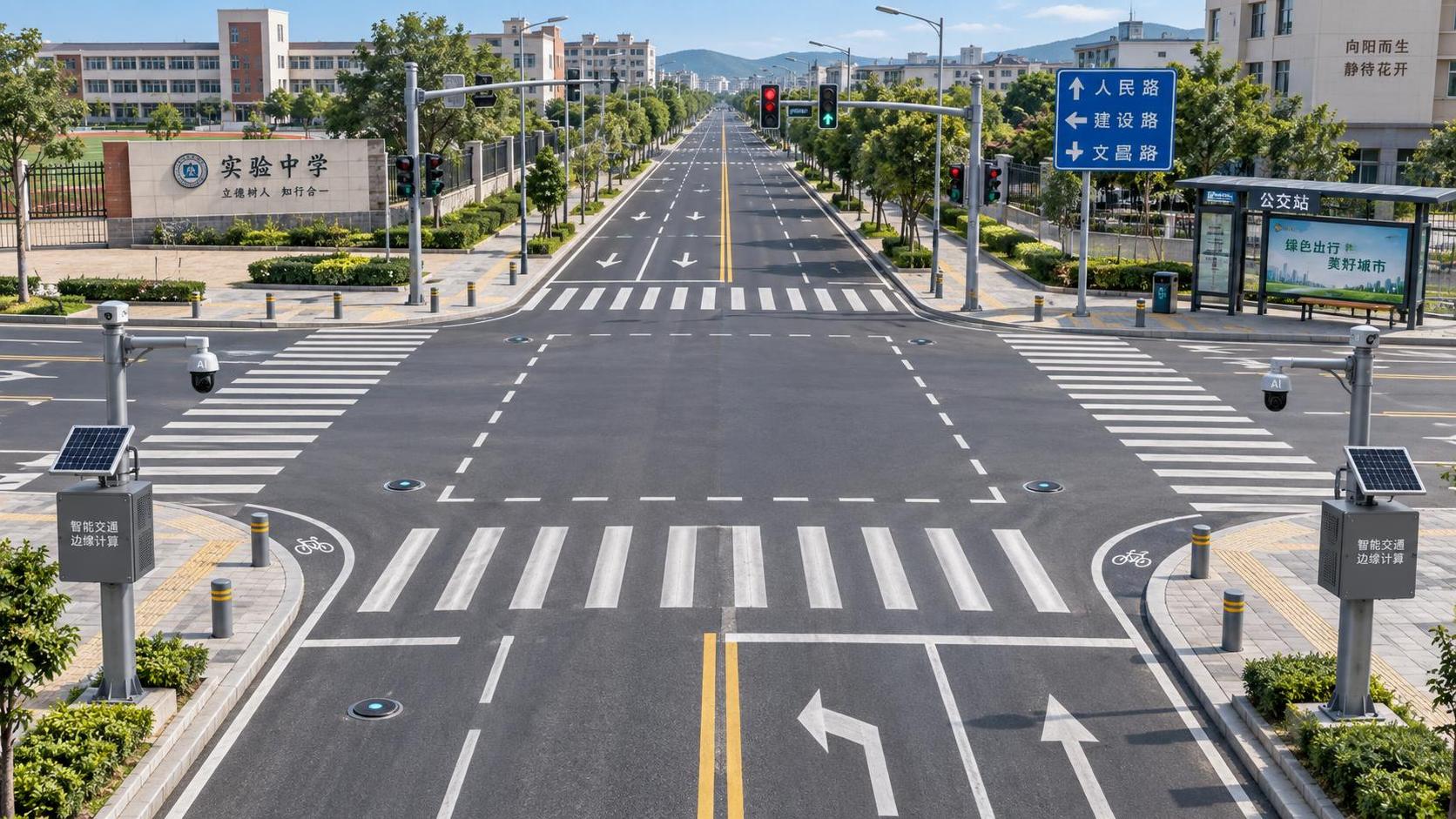
Smart governance is no longer just a digital ambition. It is becoming an operating necessity for traffic control, energy balancing, and waste optimization.
Cities that face congestion, climate stress, or grid instability prioritize interoperable systems over single-function tools.
What drives growth in this application setting
The strongest market shares go to platforms that connect sensors, control layers, and analytics into one practical operating environment.
Solutions that prove uptime, efficiency, and emergency responsiveness usually gain faster acceptance than solutions built only around dashboards.
For 2026, urban demand is favoring systems that scale from district pilots to citywide deployment with clear cyber and governance standards.
Scenario 3: Mining and resource technology shift market shares toward safer, deeper, cleaner output
Resource demand remains strong, but the basis of competition is changing.
Mining market shares increasingly reward automation, remote operation, ore intelligence, and robust safety systems.
This applies to both land-based and deep-sea resource strategies, although the technical thresholds differ sharply.
Core judgment points in extraction scenarios
- How much can automation reduce exposure to hazardous conditions?
- Can the technology improve recovery rates without multiplying energy costs?
- Is the operation aligned with stricter environmental scrutiny?
- Can data systems support maintenance in remote locations?
Where operators need consistent output under difficult conditions, market shares shift toward equipment and software built for autonomy and reliability.
Scenario 4: Railway and logistics market shares grow where continuity matters more than expansion headlines
Not all logistics growth comes from new corridors. Much of it comes from improving existing arteries.
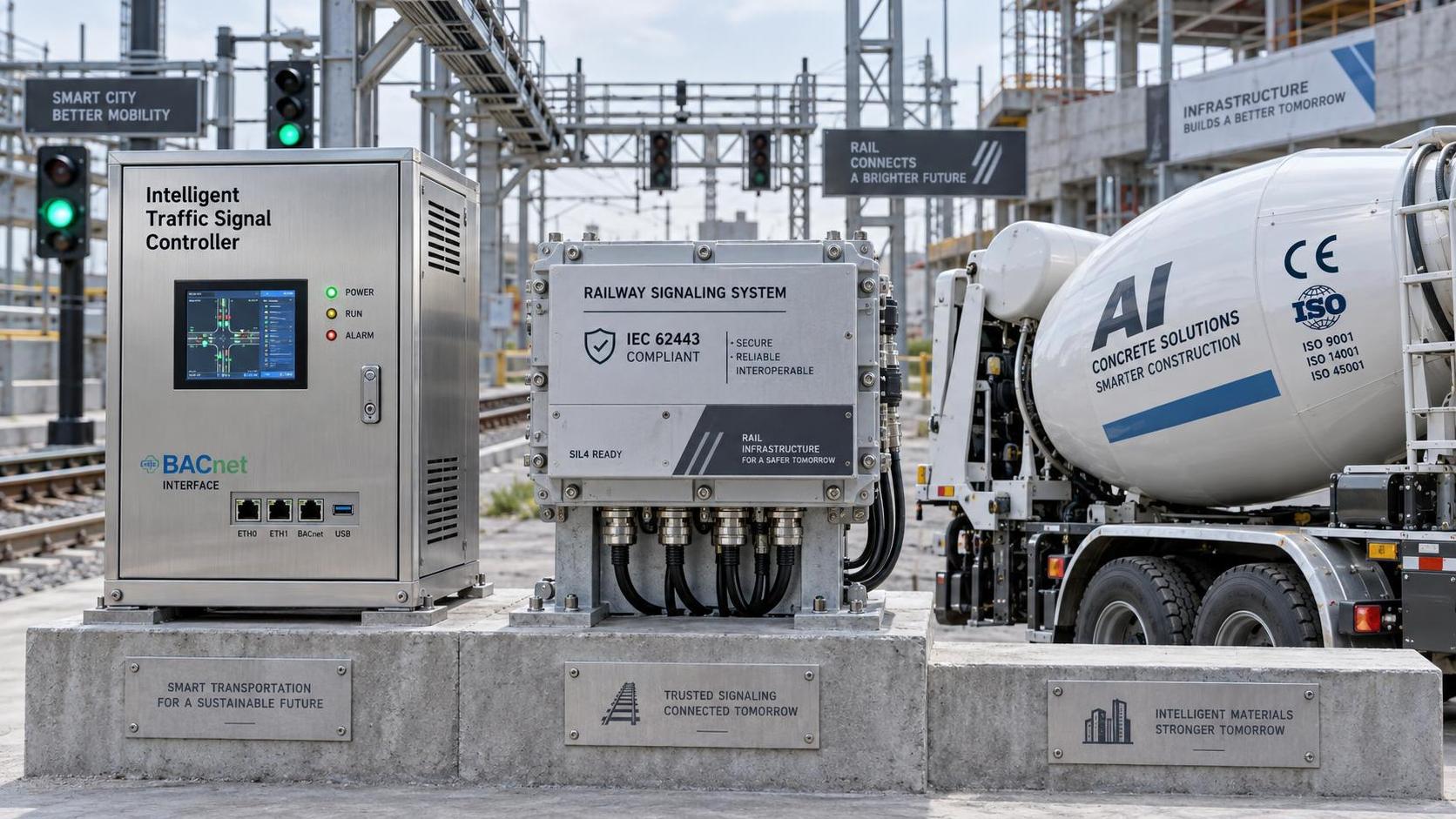
Railway market shares are shifting toward signaling, predictive maintenance, electrification support, and network optimization technologies.
Port congestion, inland transport delays, and volatile trade routes have raised the value of dependable logistics infrastructure.
Solutions that reduce downtime across rolling stock, track systems, and dispatch networks often outperform larger but less adaptive offerings.
By 2026, market shares in this segment will likely favor platforms that combine monitoring, maintenance planning, and cross-network visibility.
Scenario 5: Special purpose vehicles gain market shares through smarter duty-specific performance
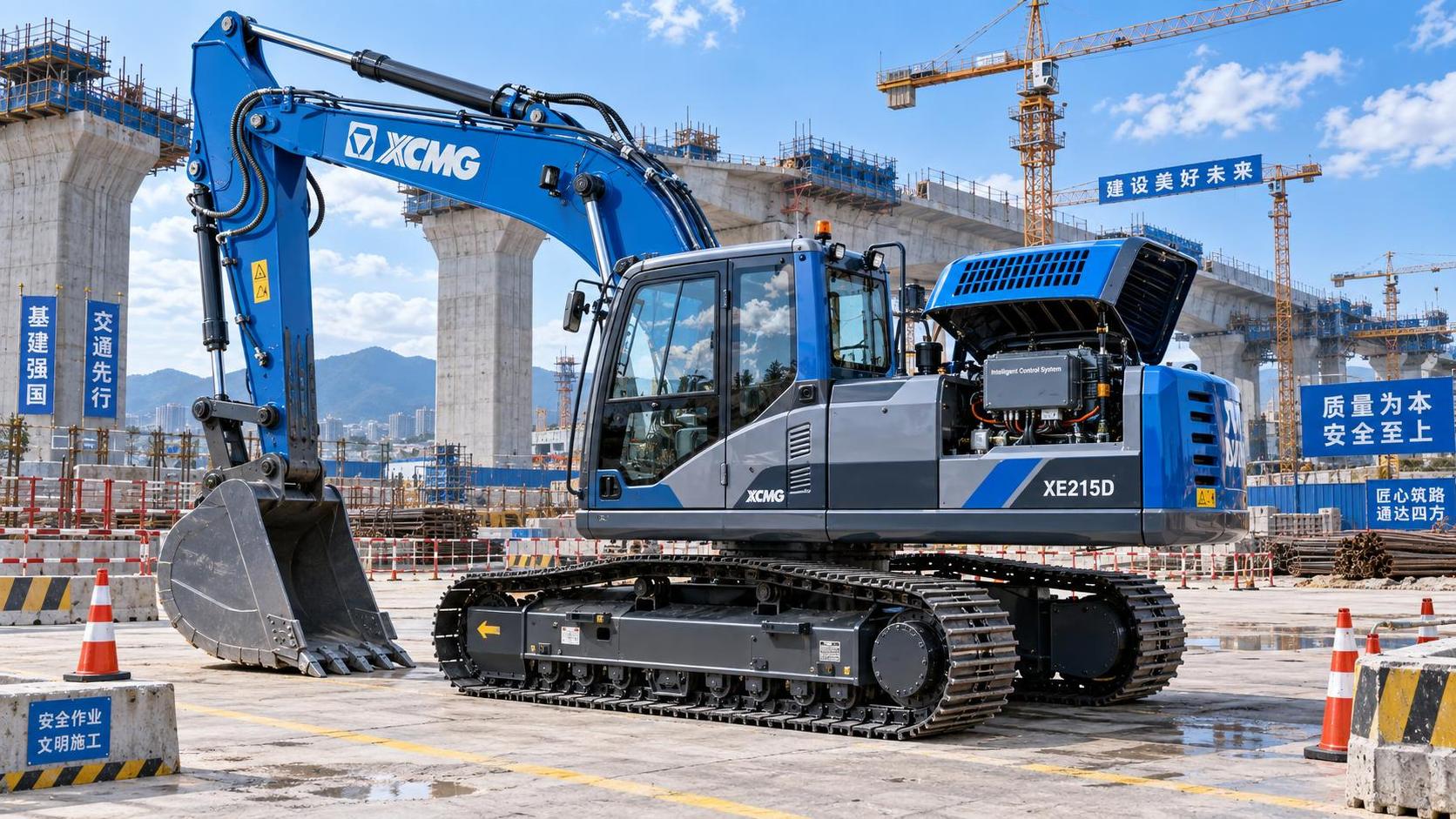
Fire trucks, cranes, mixers, and other specialized vehicles are not competing only on horsepower or payload anymore.
Market shares are moving toward equipment with telematics, safety assists, energy optimization, and easier fleet integration.
In cities, uptime and route intelligence matter. On heavy sites, precision control and predictive servicing matter more.
This creates a split market. Generic hardware loses ground, while application-specific intelligent equipment gains pricing power and stronger retention.
How demand differences change market shares across sectors
Practical adaptation moves for following market shares in 2026
- Map growth by use case, not by headline industry averages.
- Track where data integration changes operating economics.
- Prioritize assets with measurable resilience and carbon value.
- Compare lifecycle performance, not just acquisition cost.
- Watch policy-driven infrastructure funding and standards changes.
- Use regional scenario analysis because market shares vary sharply by development stage.
The best decisions usually come from combining market shares data with engineering feasibility, operational constraints, and local policy conditions.
Common mistakes when reading market shares shifts
One mistake is assuming all growth markets reward the same solution stack. They do not.
Another mistake is focusing only on volume growth while ignoring reliability, maintenance burden, and integration cost.
A third mistake is treating digital capability as a branding layer instead of an operating capability.
Market shares often move quietly before they move visibly. Early signals appear in standards, pilot approvals, retrofit demand, and service contracts.
Where to act next as market shares continue to rebalance
The 2026 outlook shows that market shares are being reallocated toward infrastructure systems that are intelligent, durable, and measurable in real conditions.
That shift is strongest where the physical world meets digital control: smart buildings, urban governance, resource automation, rail reliability, and specialized fleet intelligence.
GIUT’s value lies in interpreting these changes across the full infrastructure matrix, not as isolated sectors but as connected systems shaping civilization’s backbone.
To move effectively, review current exposure by scenario, identify the technologies changing operating value, and monitor where market shares are consolidating around proven performance.
In 2026, growth will not simply go to the biggest players. It will go to the most adaptive infrastructure intelligence.
Get weekly intelligence in your inbox.
No noise. No sponsored content. Pure intelligence.
News Recommendations
 Sep 19, 2026How an electronics application guide helps prevent component mismatchHow an electronics application guide helps prevent component mismatch
 Sep 18, 2026When a resource allocation platform improves project deliveryWhen a resource allocation platform improves project delivery
 Sep 17, 2026What to compare when evaluating mineral processing equipment manufacturersWhat to compare when evaluating mineral processing equipment manufacturers
 Sep 16, 2026How mineral separation optimization can reduce concentrate lossesHow mineral separation optimization can reduce concentrate losses
 Sep 15, 2026How to assess lifecycle costs in urban tech procurementHow to assess lifecycle costs in urban tech procurement
 Sep 14, 2026Heavy industry technology trends reshaping capital investment prioritiesHeavy industry technology trends reshaping capital investment priorities
 Sep 14, 2026Global Industrial Equipment Procurement: How Top OEMs Qualify Suppliers for Mining & Infrastructure ProjectsGlobal Industrial Equipment Procurement: How Top OEMs Qualify Suppliers for Mining & Infrastructure Projects
 Sep 14, 2026Industrial & Mining Equipment Procurement: Balancing Local Sourcing, Lead Time, and Certification RequirementsIndustrial & Mining Equipment Procurement: Balancing Local Sourcing, Lead Time, and Certification Requirements
 Sep 14, 2026Infrastructure & Equipment Upgrades: What Procurement Teams Must Verify Before Signing Off on New ContractsInfrastructure & Equipment Upgrades: What Procurement Teams Must Verify Before Signing Off on New Contracts
 Sep 14, 2026Why Infrastructure Equipment Buyers Are Shifting from Catalog-Based to Capability-Based Supplier SelectionWhy Infrastructure Equipment Buyers Are Shifting from Catalog-Based to Capability-Based Supplier Selection
 Sep 14, 2026Process Automation Project Execution: How to Align Supplier Capabilities with PLC Integration, Cybersecurity & Commissioning MilestonesProcess Automation Project Execution: How to Align Supplier Capabilities with PLC Integration, Cybersecurity & Commissioning Milestones
 Sep 14, 2026Are intelligent traffic systems worth the investment for small cities?Are intelligent traffic systems worth the investment for small cities?
 Sep 14, 2026How do intelligent traffic systems handle sensor failures?How do intelligent traffic systems handle sensor failures?
 Sep 14, 2026What should I check before accepting a smart building system?What should I check before accepting a smart building system?
 Sep 14, 2026Is a smart building system worth the maintenance cost?Is a smart building system worth the maintenance cost?
 Sep 14, 2026What data is needed for reliable resource allocation planning?What data is needed for reliable resource allocation planning?
 Sep 14, 2026How can resource allocation software reduce equipment idle time?How can resource allocation software reduce equipment idle time?
 Sep 14, 2026How should smart devices be maintained in harsh outdoor conditions?How should smart devices be maintained in harsh outdoor conditions?
 Sep 14, 2026Do smart devices improve worker safety on construction sites?Do smart devices improve worker safety on construction sites?
 Sep 14, 2026What environmental risks must be assessed before deep-sea mining?What environmental risks must be assessed before deep-sea mining?
 Sep 14, 2026Is deep-sea mining equipment commercially viable in 2026?Is deep-sea mining equipment commercially viable in 2026?
 Sep 14, 2026What Inspection Checks Should Procurement Teams Perform Before Ordering Dredging Equipment in 2026?What Inspection Checks Should Procurement Teams Perform Before Ordering Dredging Equipment in 2026?
 Sep 13, 2026How to verify an industrial product information source before specifying equipmentHow to verify an industrial product information source before specifying equipment
 Sep 12, 2026Which intelligent traffic systems hardware fits an urban intersection?Which intelligent traffic systems hardware fits an urban intersection?
 Sep 11, 2026How pump capacity affects response coverage for municipal fire fighting vehiclesHow pump capacity affects response coverage for municipal fire fighting vehicles
 Sep 10, 2026What to verify before choosing a heavy industry equipment supplierWhat to verify before choosing a heavy industry equipment supplier
 Sep 09, 2026When do adaptive urban traffic control systems reduce corridor delays?When do adaptive urban traffic control systems reduce corridor delays?