Carbon Reduction Technologies: Cost vs Impact
For finance approvers, evaluating carbon reduction technologies is no longer just an ESG exercise—it is a capital allocation decision with measurable operational and strategic consequences. This article compares cost versus impact across key decarbonization options, helping decision-makers identify where emissions cuts align with risk control, regulatory readiness, and long-term infrastructure value.
Understanding carbon reduction technologies in infrastructure-linked industries

Carbon reduction technologies are tools, systems, materials, and processes that lower greenhouse gas emissions across assets, operations, and supply chains.
In the comprehensive industrial landscape, they affect buildings, transport networks, mining, logistics, energy systems, and heavy equipment.
Their value is not defined by emissions impact alone. Cost timing, asset lifespan, maintenance burden, and compliance benefits matter equally.
A low-cost measure may deliver rapid savings. A higher-cost option may secure future competitiveness where regulation or carbon pricing is tightening.
That is why cost versus impact must be assessed through both financial and operational lenses.
Three decision dimensions
- Direct capital cost, including installation, integration, and downtime
- Emissions reduction impact, measured per asset, process, or lifecycle stage
- Strategic value, including resilience, reporting readiness, and asset futureproofing
Why cost versus impact now matters more than before
The market context for carbon reduction technologies has changed quickly. Capital is tighter, disclosure rules are expanding, and infrastructure assets face longer scrutiny cycles.
At the same time, fuel volatility, power pricing, and embodied carbon standards are reshaping project economics.
For physical industries, carbon strategy is now linked to operational efficiency and financing quality.
Key market signals
Cost versus impact across major carbon reduction technologies
Not all carbon reduction technologies behave the same. Some are proven and modular. Others are strategic bets with slower payback but larger future relevance.
1. Efficiency upgrades
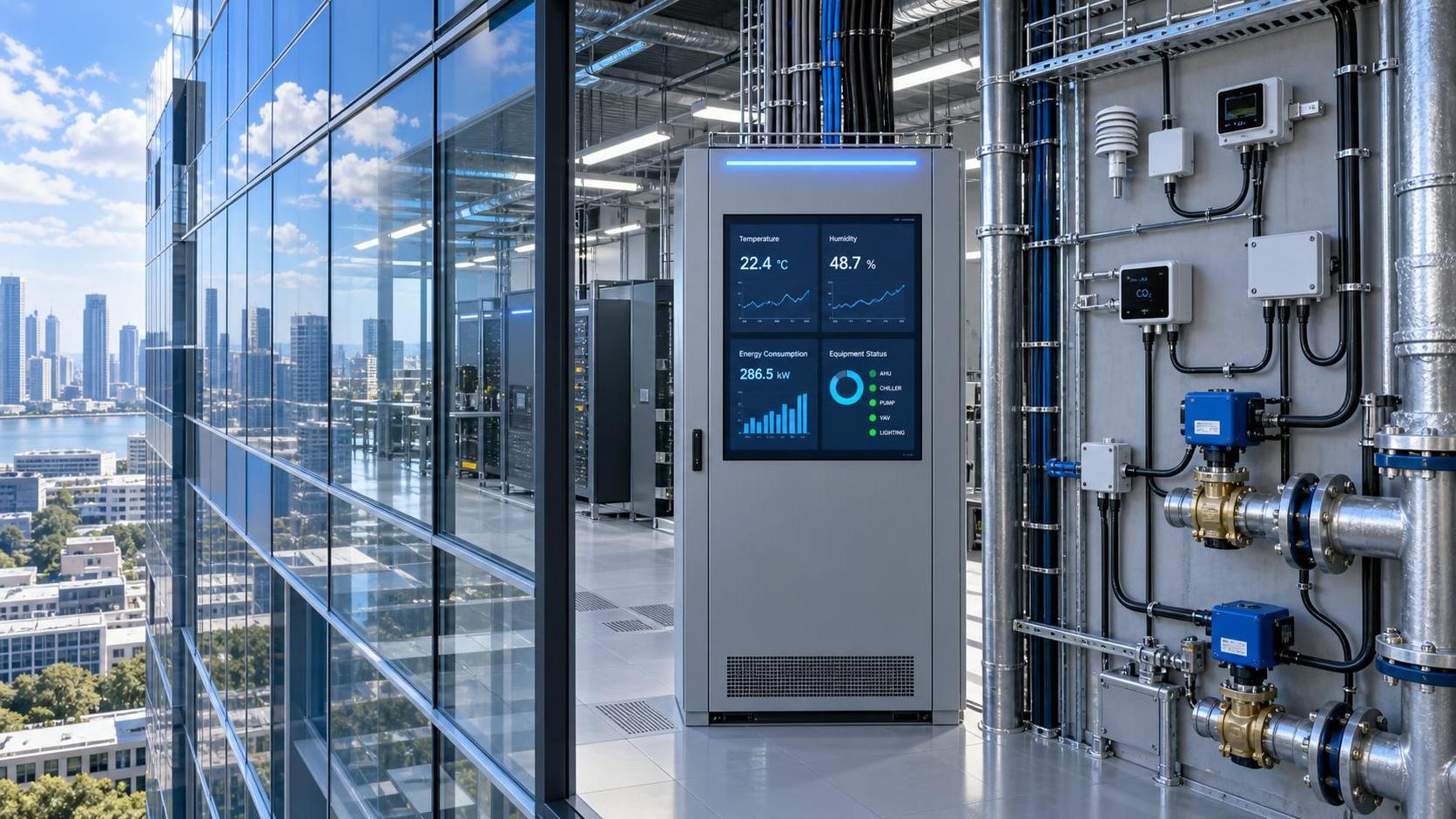
These include HVAC optimization, motor replacement, insulation, heat recovery, smart lighting, and compressed air improvements.
They usually offer the strongest near-term balance between cost and emissions impact.
For many assets, they also reduce maintenance and extend equipment life.
2. Electrification
Electrifying fleets, heating systems, and site machinery can cut direct emissions sharply. However, charging infrastructure and grid capacity often raise initial cost.
Its true impact depends on electricity mix, duty cycle, and utilization rate.
3. Low-carbon materials
In construction-heavy sectors, embodied emissions are critical. Blended cement, recycled steel, engineered timber, and modular design can reduce lifecycle carbon early.
This category often delivers strong project-level impact with manageable price premiums.
4. Carbon capture and process technologies
These are relevant where emissions cannot be avoided through efficiency or electrification alone.
They can be strategically important, but require careful analysis of transport, storage, utilization, and policy support.
Business value beyond emissions reduction
The best carbon reduction technologies improve more than carbon metrics. They can strengthen procurement positions, financing credibility, and operating resilience.
- Lower exposure to energy cost shocks
- Improve bid competitiveness on public and regulated projects
- Support asset valuation through longer-term compliance readiness
- Reduce transition risk in carbon-intensive portfolios
- Provide better data for audits, reporting, and insurer review
In sectors covered by GIUT, digital and physical upgrades increasingly work together. Smart controls make electrification more efficient. Better material data improves design choices.
Typical application scenarios across the physical economy
Different assets need different carbon reduction technologies. Selection should reflect asset intensity, operating profile, and carbon baseline.
Practical evaluation framework for investment decisions
A disciplined framework prevents overinvestment in low-value projects and underinvestment in strategic ones.
- Establish a baseline using energy, fuel, and embodied carbon data.
- Separate quick-payback measures from long-horizon strategic technologies.
- Model total cost of ownership, not only purchase price.
- Test emissions impact under local grid, fuel, and utilization scenarios.
- Include regulatory, reporting, and reputational exposure in the business case.
- Prioritize technologies with measurable outcomes and scalable replication.
Common mistakes
- Choosing high-visibility technologies without a stable baseline
- Ignoring integration cost with legacy equipment or digital systems
- Assuming all electrification delivers equal carbon benefit
- Overlooking embodied emissions in capital projects
- Using generic ROI models for site-specific assets
A balanced path forward for carbon reduction technologies
The most effective portfolio of carbon reduction technologies usually combines low-cost efficiency measures with selected strategic upgrades.
Efficiency and digital optimization often fund the next wave of decarbonization through operating savings.
Higher-impact options, such as electrification or process innovation, should then be deployed where site conditions support real carbon advantage.
For organizations shaping the physical world, the objective is not simply to buy greener equipment. It is to build durable, measurable, and capital-efficient transition pathways.
A practical next step is to rank current assets by emissions intensity, replacement cycle, and energy cost exposure. That creates a reliable shortlist for phased investment.
With that approach, carbon reduction technologies become less of a compliance burden and more of a disciplined infrastructure value strategy.
Get weekly intelligence in your inbox.
No noise. No sponsored content. Pure intelligence.
News Recommendations
 Sep 19, 2026How an electronics application guide helps prevent component mismatchHow an electronics application guide helps prevent component mismatch
 Sep 18, 2026When a resource allocation platform improves project deliveryWhen a resource allocation platform improves project delivery
 Sep 17, 2026What to compare when evaluating mineral processing equipment manufacturersWhat to compare when evaluating mineral processing equipment manufacturers
 Sep 16, 2026How mineral separation optimization can reduce concentrate lossesHow mineral separation optimization can reduce concentrate losses
 Sep 15, 2026How to assess lifecycle costs in urban tech procurementHow to assess lifecycle costs in urban tech procurement
 Sep 14, 2026Heavy industry technology trends reshaping capital investment prioritiesHeavy industry technology trends reshaping capital investment priorities
 Sep 14, 2026Global Industrial Equipment Procurement: How Top OEMs Qualify Suppliers for Mining & Infrastructure ProjectsGlobal Industrial Equipment Procurement: How Top OEMs Qualify Suppliers for Mining & Infrastructure Projects
 Sep 14, 2026Industrial & Mining Equipment Procurement: Balancing Local Sourcing, Lead Time, and Certification RequirementsIndustrial & Mining Equipment Procurement: Balancing Local Sourcing, Lead Time, and Certification Requirements
 Sep 14, 2026Infrastructure & Equipment Upgrades: What Procurement Teams Must Verify Before Signing Off on New ContractsInfrastructure & Equipment Upgrades: What Procurement Teams Must Verify Before Signing Off on New Contracts
 Sep 14, 2026Why Infrastructure Equipment Buyers Are Shifting from Catalog-Based to Capability-Based Supplier SelectionWhy Infrastructure Equipment Buyers Are Shifting from Catalog-Based to Capability-Based Supplier Selection
 Sep 14, 2026Process Automation Project Execution: How to Align Supplier Capabilities with PLC Integration, Cybersecurity & Commissioning MilestonesProcess Automation Project Execution: How to Align Supplier Capabilities with PLC Integration, Cybersecurity & Commissioning Milestones
 Sep 14, 2026Are intelligent traffic systems worth the investment for small cities?Are intelligent traffic systems worth the investment for small cities?
 Sep 14, 2026How do intelligent traffic systems handle sensor failures?How do intelligent traffic systems handle sensor failures?
 Sep 14, 2026What should I check before accepting a smart building system?What should I check before accepting a smart building system?
 Sep 14, 2026Is a smart building system worth the maintenance cost?Is a smart building system worth the maintenance cost?
 Sep 14, 2026What data is needed for reliable resource allocation planning?What data is needed for reliable resource allocation planning?
 Sep 14, 2026How can resource allocation software reduce equipment idle time?How can resource allocation software reduce equipment idle time?
 Sep 14, 2026How should smart devices be maintained in harsh outdoor conditions?How should smart devices be maintained in harsh outdoor conditions?
 Sep 14, 2026Do smart devices improve worker safety on construction sites?Do smart devices improve worker safety on construction sites?
 Sep 14, 2026What environmental risks must be assessed before deep-sea mining?What environmental risks must be assessed before deep-sea mining?
 Sep 14, 2026Is deep-sea mining equipment commercially viable in 2026?Is deep-sea mining equipment commercially viable in 2026?
 Sep 14, 2026What Inspection Checks Should Procurement Teams Perform Before Ordering Dredging Equipment in 2026?What Inspection Checks Should Procurement Teams Perform Before Ordering Dredging Equipment in 2026?
 Sep 13, 2026How to verify an industrial product information source before specifying equipmentHow to verify an industrial product information source before specifying equipment
 Sep 12, 2026Which intelligent traffic systems hardware fits an urban intersection?Which intelligent traffic systems hardware fits an urban intersection?
 Sep 11, 2026How pump capacity affects response coverage for municipal fire fighting vehiclesHow pump capacity affects response coverage for municipal fire fighting vehicles
 Sep 10, 2026What to verify before choosing a heavy industry equipment supplierWhat to verify before choosing a heavy industry equipment supplier
 Sep 09, 2026When do adaptive urban traffic control systems reduce corridor delays?When do adaptive urban traffic control systems reduce corridor delays?