Infrastructure Construction Materials: Price Swings and Supply Risks
For procurement teams, infrastructure construction materials are no longer just a cost line. They now carry schedule risk, financing risk, and compliance risk. Cement, steel, aggregates, copper, asphalt, pipes, admixtures, and precast inputs all face price swings tied to energy, freight, regulation, and geopolitics. When these variables move together, even well-scoped projects can lose margin quickly. This article explains how to read those signals, build a practical checklist, and make better sourcing decisions before volatility turns into delay.
Why a Checklist Matters for Infrastructure Construction Materials
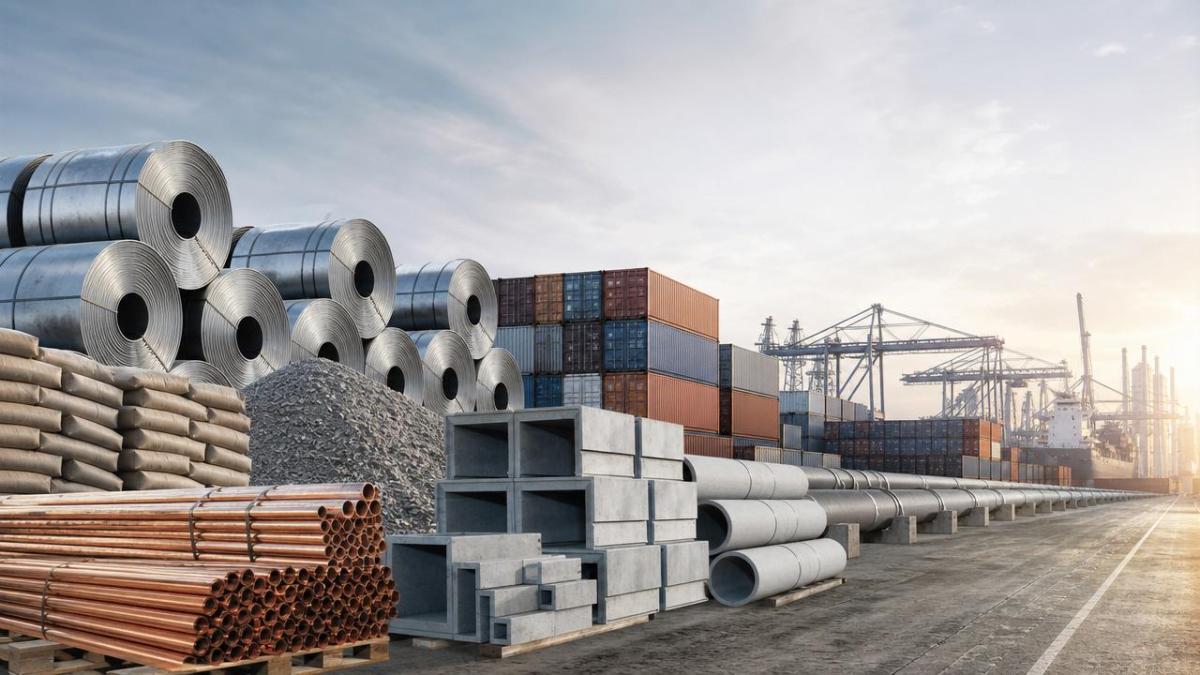
Market noise often hides the real drivers of material risk. Spot prices may fall while lead times rise. Freight costs may ease while power tariffs push kiln and mill output lower. A checklist forces decisions to rely on verified indicators, not headlines.
This matters across the wider infrastructure ecosystem. Roads, railways, utilities, ports, smart city installations, and heavy civil works all depend on infrastructure construction materials with different sourcing patterns, quality standards, and substitution limits.
A structured review also supports sustainability goals. Low-carbon cement, recycled steel content, certified aggregates, and traceable mineral inputs are becoming bid-stage requirements rather than optional extras.
Core Checklist for Tracking Price Swings and Supply Risks
Use the following checklist to evaluate infrastructure construction materials before tenders, contract awards, and release schedules. Each point should be reviewed against the project’s timeline, specification, and regional supply base.
- Map cost exposure by material family, separating commodities like rebar and cement from engineered items such as bearings, signaling components, waterproofing systems, and precast modules.
- Track price drivers weekly, including fuel, electricity, freight, scrap, clinker, bitumen feedstock, copper, and exchange rates linked to imported infrastructure construction materials.
- Check lead times at plant level, not just distributor level, because stock availability can mask production bottlenecks, maintenance outages, or quota-driven output restrictions.
- Verify supplier concentration risk by region, especially where one mill, quarry, cement plant, or port channel dominates supply for critical infrastructure construction materials.
- Review freight mode dependency, noting whether materials rely on trucking, coastal shipping, inland rail, or cross-border movement vulnerable to weather or customs delays.
- Confirm specification rigidity, because highly customized grades, coatings, mix designs, or dimensional tolerances sharply reduce substitution options during disruption.
- Assess inventory buffers realistically, distinguishing between yard stock, bonded stock, in-transit tonnage, and material already allocated to other priority projects.
- Audit contract terms for escalation clauses, index linkage, force majeure wording, and delivery penalties that can shift volatility risk across the chain.
- Evaluate sustainability and traceability requirements early, since EPDs, recycled content thresholds, and carbon reporting rules can narrow qualified supply unexpectedly.
- Test contingency scenarios, including plant shutdowns, export restrictions, labor actions, and energy curtailment affecting essential infrastructure construction materials.
What Is Driving Volatility Now
Energy and industrial input costs
Cement, steel, glass, ceramics, and asphalt are highly energy sensitive. Electricity pricing, natural gas availability, and fuel taxation can move faster than project budgets. In some regions, power curtailment matters more than commodity demand.
Freight and logistics instability
Bulk materials depend on predictable logistics. A shortage of trucks, rail slots, barge capacity, or port labor can tighten local markets even when upstream production remains normal.
Policy, trade, and carbon regulation
Tariffs, anti-dumping actions, mining permits, quarry restrictions, and embodied carbon rules increasingly reshape infrastructure construction materials pricing. Regulatory shifts may not create an immediate shortage, but they often shrink the approved supplier pool.
Demand clustering
When public works, energy transition projects, and urban redevelopment peak at the same time, demand clusters form. This is especially visible in reinforcing steel, copper cable, aggregates, structural sections, and precast concrete components.
How Risk Looks Across Different Project Scenarios
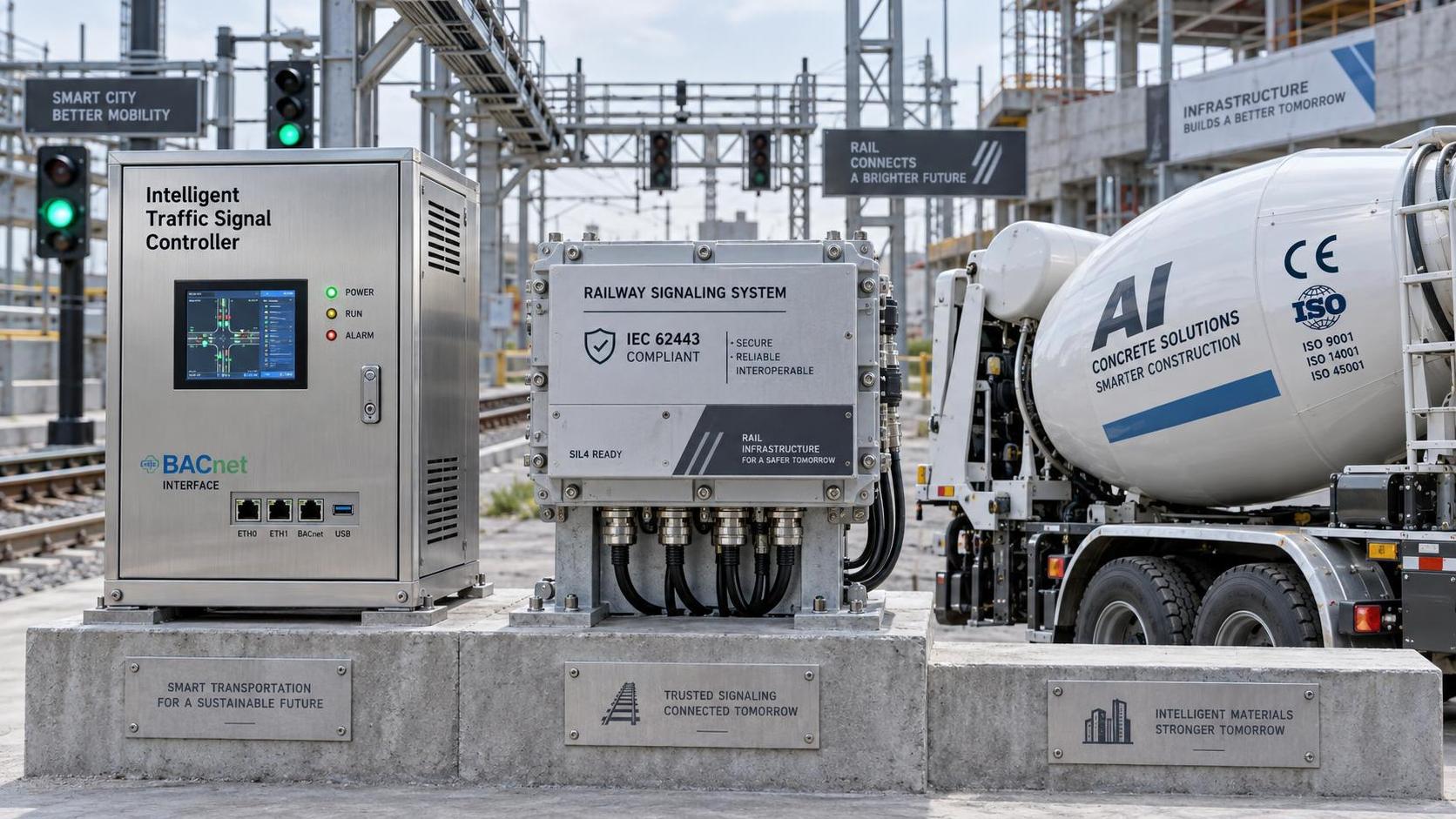
Transport corridors and rail projects
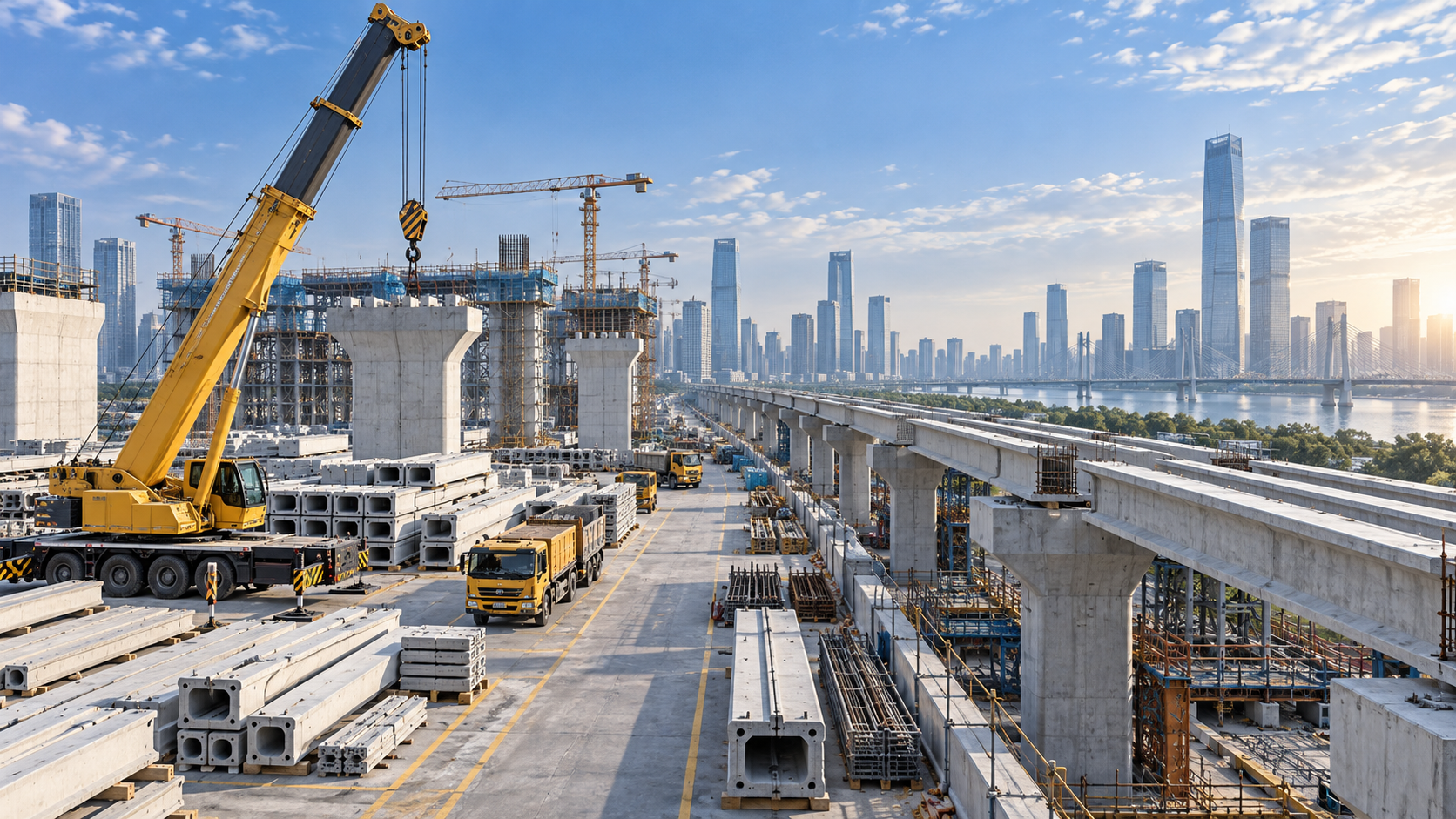
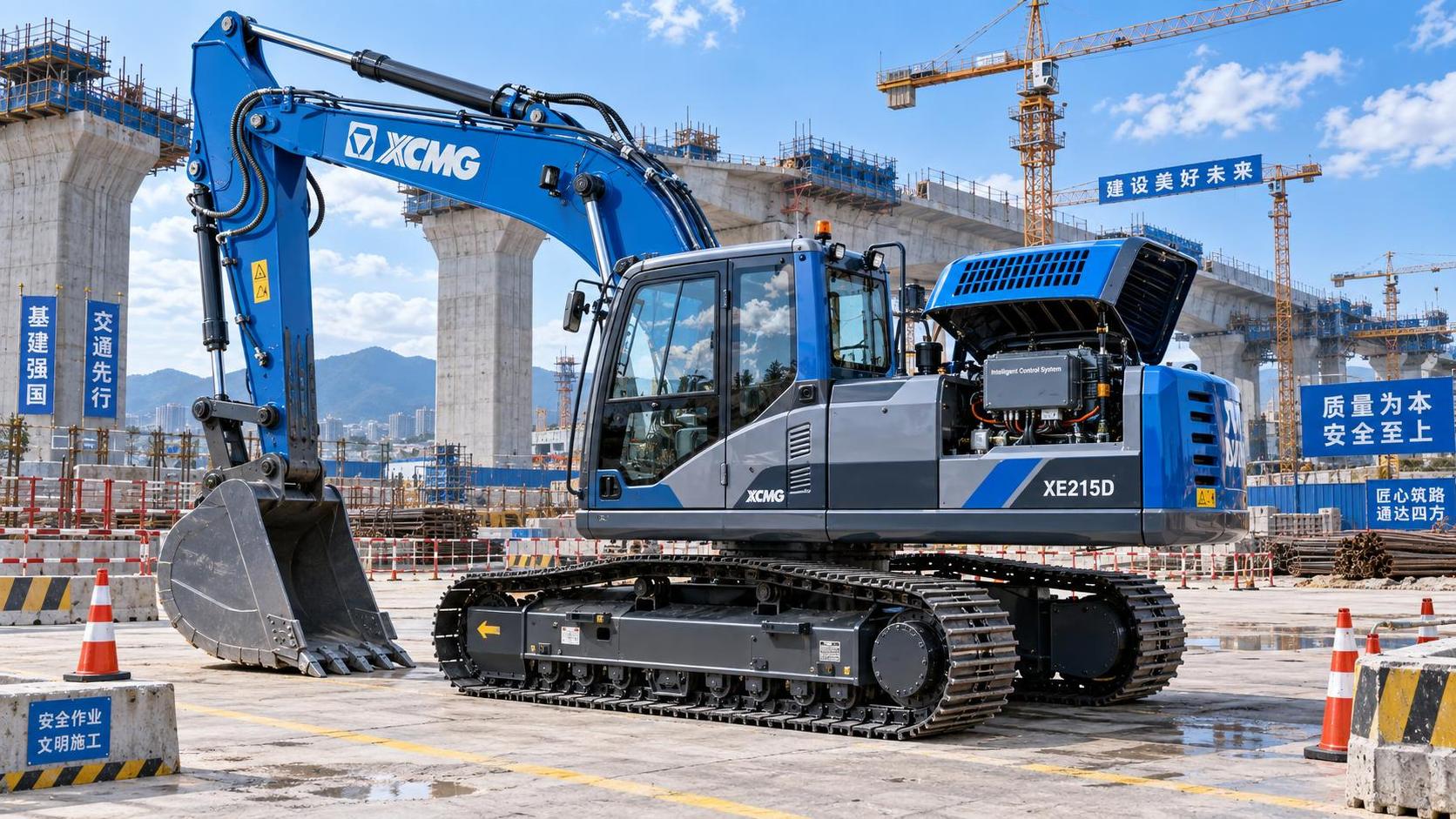
Rail and highway projects consume large volumes of aggregates, cement, rebar, asphalt, and drainage systems. The biggest risk often comes from quarry distance and hauling constraints, not from the headline commodity index.
Specialized items such as fasteners, switchgear housings, elastomeric bearings, and signaling enclosures add another layer. These are lower in tonnage but higher in schedule sensitivity.
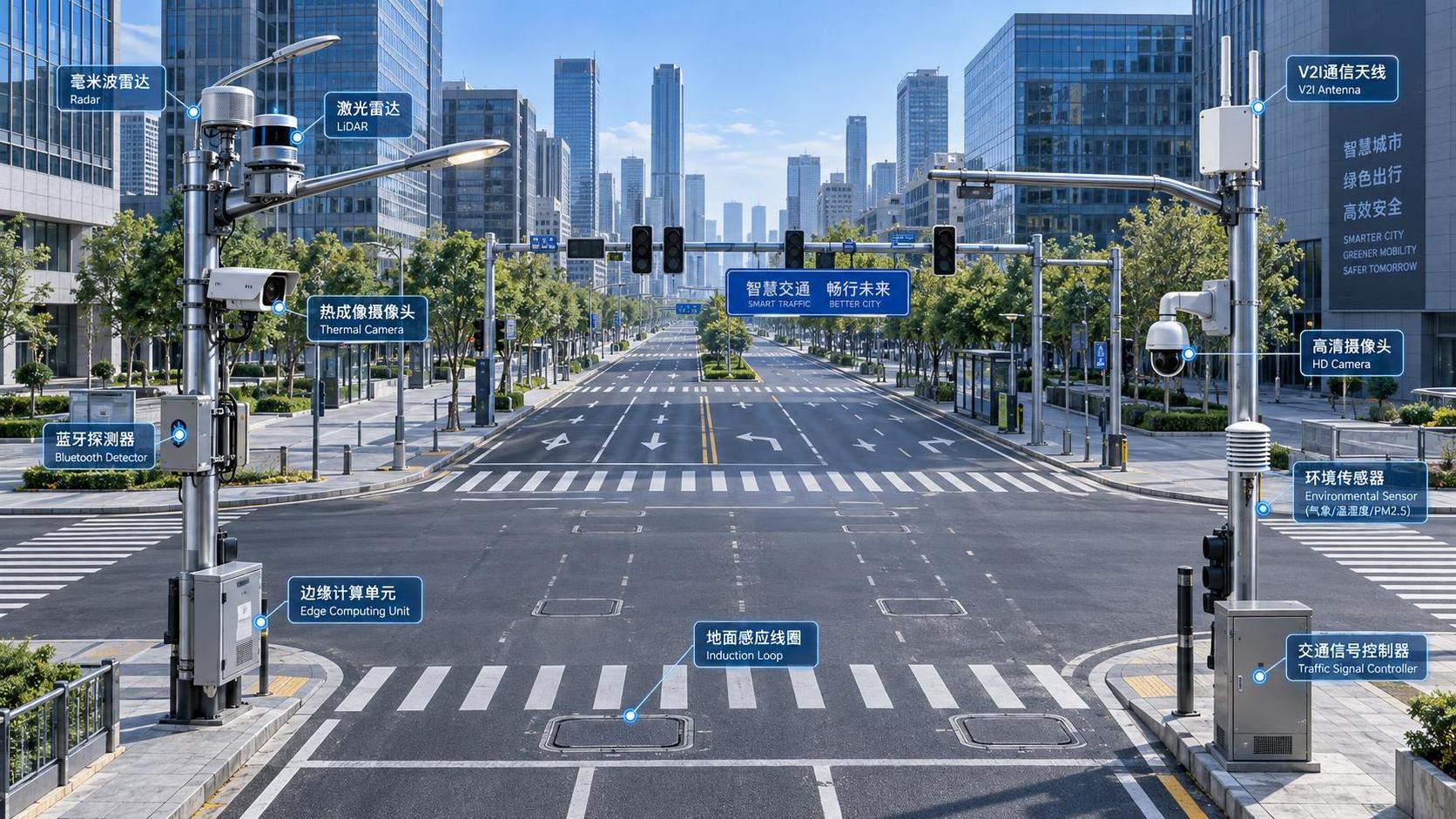
Urban utilities and smart infrastructure
Water, power, and telecom upgrades use more mixed material baskets. Ductile iron pipes, HDPE, copper, cable trays, control cabinets, and concrete structures interact with electronics lead times and civil work sequencing.
Here, infrastructure construction materials risk is less about one dominant commodity and more about coordination. A missing conduit or chamber insert can delay an entire utility corridor.
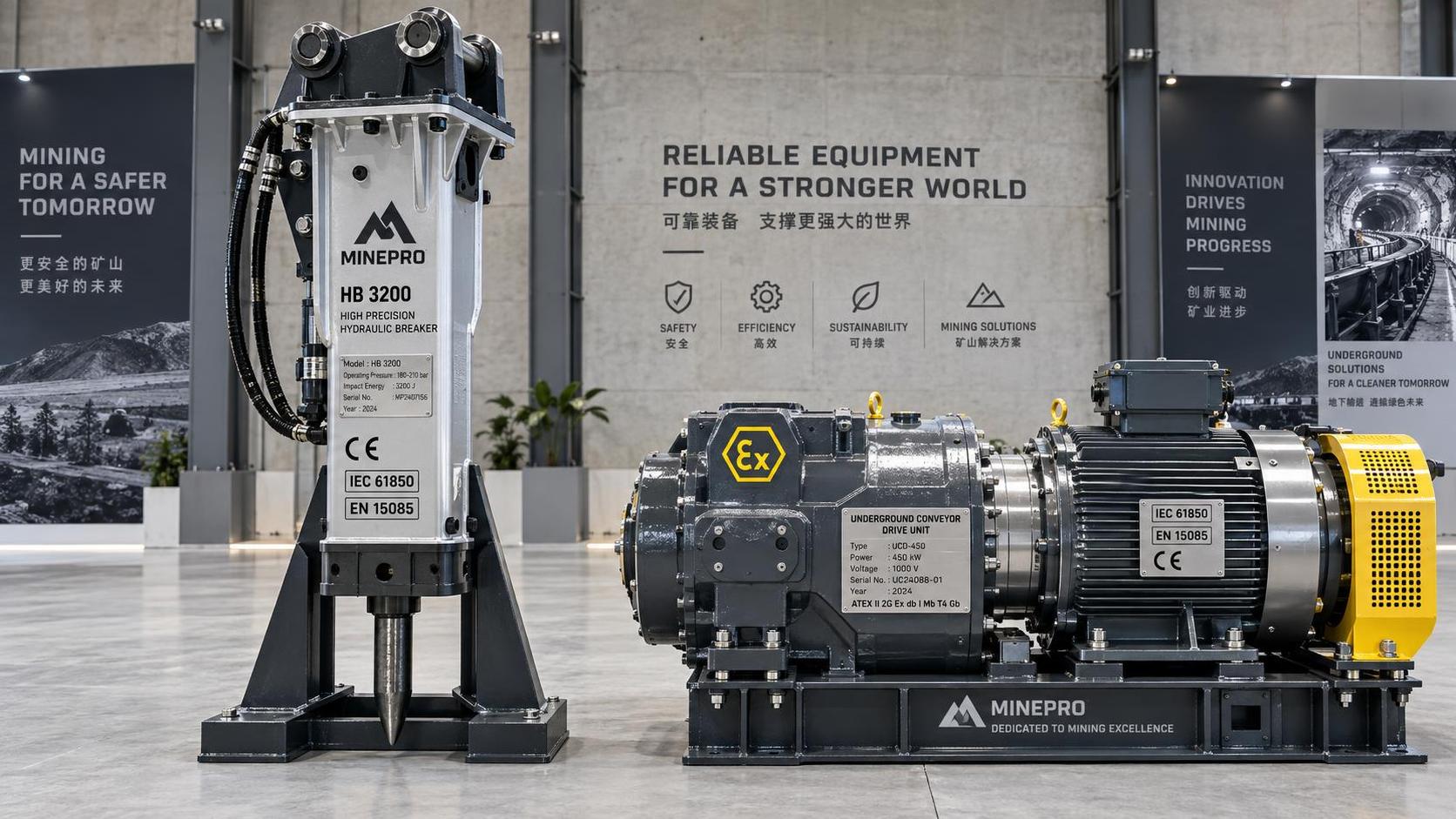
Mining, ports, and heavy industrial sites
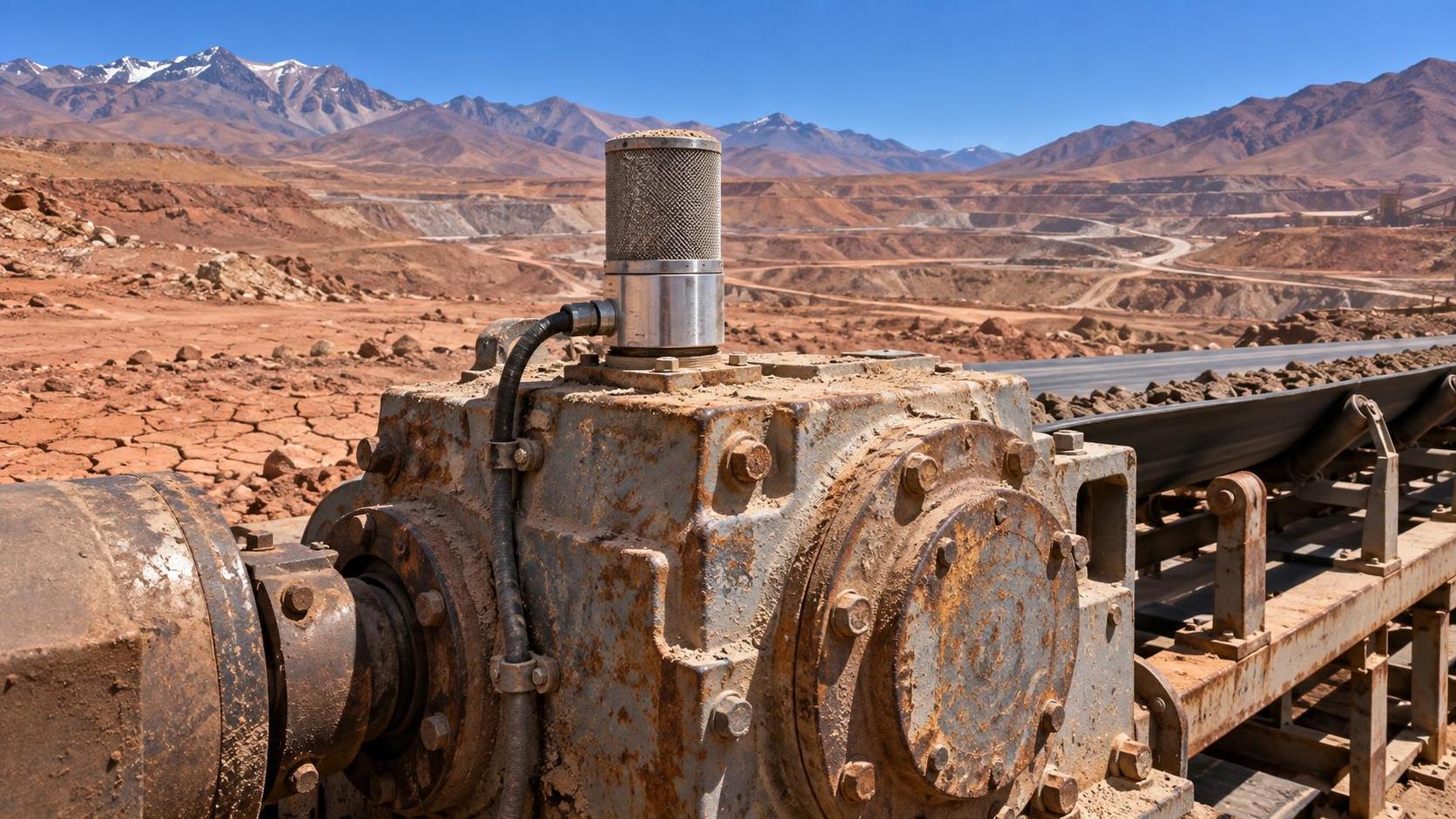
Remote sites face freight amplification. Every ton of concrete input, steel section, or process pipe carries transport uncertainty. Seasonal weather windows and border procedures often matter as much as supplier pricing.
Corrosion-resistant and wear-resistant materials also reduce substitution flexibility. That raises the importance of dual qualification and early technical approval.
Commonly Overlooked Risks
Specification drift
Late design revisions can invalidate prior quotes. A minor shift in strength class, coating standard, or dimensional tolerance may move a material from common stock into made-to-order production.
Local testing and certification delays
Even available materials can sit idle if samples, mill certificates, carbon declarations, or laboratory approvals are incomplete. This administrative lag is frequent with imported infrastructure construction materials.
False diversification
Two distributors may appear independent while sourcing from the same plant, terminal, or mill group. Real diversification requires tracing upstream manufacturing origin.
Carbon compliance costs
Lower-carbon alternatives can reduce lifecycle impact, but they may introduce premium pricing, longer approval cycles, or tighter supply. These trade-offs should be modeled early.
Practical Execution Steps
- Build a material risk register by package, showing value, lead time, supply concentration, substitute options, and carbon compliance status.
- Set trigger thresholds for action, such as price movements over a fixed percentage, lead-time extensions beyond baseline, or supplier allocation notices.
- Lock critical infrastructure construction materials earlier than non-critical items, especially those tied to foundations, structural frames, and underground works.
- Split awards where technically feasible, balancing volume leverage with resilience across plants, freight routes, and regulatory jurisdictions.
- Align engineering, planning, and sourcing reviews monthly so substitutions, resequencing, and temporary design adjustments can be approved quickly.
- Use should-cost logic, not only supplier quotations, to challenge sudden increases in cement, steel, asphalt, and fabricated components.
Digital monitoring can also help. Dashboards that combine commodity indexes, shipment milestones, plant notices, weather alerts, and compliance documents create earlier warning signals than manual tracking alone.
Conclusion and Next Actions
The market for infrastructure construction materials is being reshaped by energy volatility, logistics friction, regulation, and sustainability pressure. Price is still important, but supply assurance and specification fit are now equally decisive.
Start with a disciplined checklist. Identify which materials drive cost, which items control schedule, and which specifications limit substitution. Then connect those findings to contract structure, buffer stock, and supplier strategy.
The next practical move is simple: review the top ten material lines on each active project, score their volatility and supply exposure, and update sourcing actions before the next buying cycle. In today’s market, better visibility is the fastest path to stronger margins and steadier delivery.
Get weekly intelligence in your inbox.
No noise. No sponsored content. Pure intelligence.
News Recommendations
 Sep 19, 2026How an electronics application guide helps prevent component mismatchHow an electronics application guide helps prevent component mismatch
 Sep 18, 2026When a resource allocation platform improves project deliveryWhen a resource allocation platform improves project delivery
 Sep 17, 2026What to compare when evaluating mineral processing equipment manufacturersWhat to compare when evaluating mineral processing equipment manufacturers
 Sep 16, 2026How mineral separation optimization can reduce concentrate lossesHow mineral separation optimization can reduce concentrate losses
 Sep 15, 2026How to assess lifecycle costs in urban tech procurementHow to assess lifecycle costs in urban tech procurement
 Sep 14, 2026Heavy industry technology trends reshaping capital investment prioritiesHeavy industry technology trends reshaping capital investment priorities
 Sep 14, 2026Global Industrial Equipment Procurement: How Top OEMs Qualify Suppliers for Mining & Infrastructure ProjectsGlobal Industrial Equipment Procurement: How Top OEMs Qualify Suppliers for Mining & Infrastructure Projects
 Sep 14, 2026Industrial & Mining Equipment Procurement: Balancing Local Sourcing, Lead Time, and Certification RequirementsIndustrial & Mining Equipment Procurement: Balancing Local Sourcing, Lead Time, and Certification Requirements
 Sep 14, 2026Infrastructure & Equipment Upgrades: What Procurement Teams Must Verify Before Signing Off on New ContractsInfrastructure & Equipment Upgrades: What Procurement Teams Must Verify Before Signing Off on New Contracts
 Sep 14, 2026Why Infrastructure Equipment Buyers Are Shifting from Catalog-Based to Capability-Based Supplier SelectionWhy Infrastructure Equipment Buyers Are Shifting from Catalog-Based to Capability-Based Supplier Selection
 Sep 14, 2026Process Automation Project Execution: How to Align Supplier Capabilities with PLC Integration, Cybersecurity & Commissioning MilestonesProcess Automation Project Execution: How to Align Supplier Capabilities with PLC Integration, Cybersecurity & Commissioning Milestones
 Sep 14, 2026Are intelligent traffic systems worth the investment for small cities?Are intelligent traffic systems worth the investment for small cities?
 Sep 14, 2026How do intelligent traffic systems handle sensor failures?How do intelligent traffic systems handle sensor failures?
 Sep 14, 2026What should I check before accepting a smart building system?What should I check before accepting a smart building system?
 Sep 14, 2026Is a smart building system worth the maintenance cost?Is a smart building system worth the maintenance cost?
 Sep 14, 2026What data is needed for reliable resource allocation planning?What data is needed for reliable resource allocation planning?
 Sep 14, 2026How can resource allocation software reduce equipment idle time?How can resource allocation software reduce equipment idle time?
 Sep 14, 2026How should smart devices be maintained in harsh outdoor conditions?How should smart devices be maintained in harsh outdoor conditions?
 Sep 14, 2026Do smart devices improve worker safety on construction sites?Do smart devices improve worker safety on construction sites?
 Sep 14, 2026What environmental risks must be assessed before deep-sea mining?What environmental risks must be assessed before deep-sea mining?
 Sep 14, 2026Is deep-sea mining equipment commercially viable in 2026?Is deep-sea mining equipment commercially viable in 2026?
 Sep 14, 2026What Inspection Checks Should Procurement Teams Perform Before Ordering Dredging Equipment in 2026?What Inspection Checks Should Procurement Teams Perform Before Ordering Dredging Equipment in 2026?
 Sep 13, 2026How to verify an industrial product information source before specifying equipmentHow to verify an industrial product information source before specifying equipment
 Sep 12, 2026Which intelligent traffic systems hardware fits an urban intersection?Which intelligent traffic systems hardware fits an urban intersection?
 Sep 11, 2026How pump capacity affects response coverage for municipal fire fighting vehiclesHow pump capacity affects response coverage for municipal fire fighting vehicles
 Sep 10, 2026What to verify before choosing a heavy industry equipment supplierWhat to verify before choosing a heavy industry equipment supplier
 Sep 09, 2026When do adaptive urban traffic control systems reduce corridor delays?When do adaptive urban traffic control systems reduce corridor delays?