Technological Iterations: When Upgrades Pay Off
In infrastructure, urban tech, and heavy equipment, technological iterations only matter when they create measurable value. The central issue is timing, not novelty.
A new platform, machine, or control system becomes worthwhile when it improves output, lowers lifecycle cost, and reduces operational uncertainty.
That is why technological iterations deserve disciplined evaluation. In capital-intensive sectors, premature upgrades can hurt cash flow as much as delayed modernization can hurt competitiveness.
Technological Iterations Are Accelerating Across Physical Industries
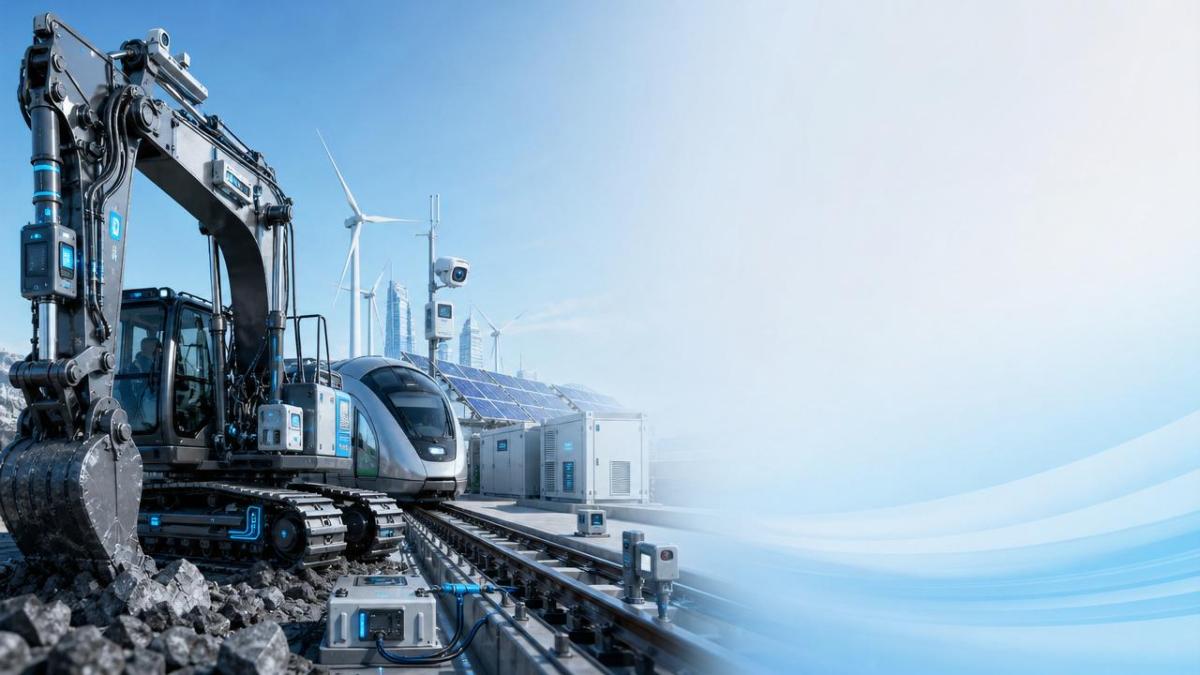
Across construction, rail, mining, urban systems, and special vehicles, technological iterations are arriving faster than traditional replacement cycles.
Sensors are becoming cheaper. Software updates are more frequent. Electrification is expanding. Remote diagnostics and AI-assisted planning are moving from pilot projects to standard expectations.
This shift changes how assets are judged. Performance is no longer defined only by horsepower, load, or output. It now includes data quality, interoperability, energy efficiency, and predictive maintenance value.
For GIUT’s focus sectors, technological iterations are reshaping the backbone of civilization. Bridges, logistics corridors, smart grids, and jobsite equipment increasingly depend on connected decision systems.
The Strongest Trend Signals Show Up Before Full Market Adoption
The tipping point rarely arrives suddenly. It usually appears through practical signals that indicate an upgrade is moving from experimental to economically relevant.
What early signals often reveal
- Downtime costs become more expensive than upgrade costs.
- Legacy systems can no longer integrate with planning or monitoring platforms.
- Energy use, emissions, or safety compliance starts eroding margins.
- Vendors shift support toward newer architectures and digital ecosystems.
- Competitors begin achieving shorter delivery cycles or lower service interruptions.
These signs matter because technological iterations generate value when they remove friction from daily operations, not simply when they look advanced on paper.
Why Technological Iterations Gain Momentum in Infrastructure and Urban Tech
Several forces are driving this cycle. Together, they explain why technological iterations are becoming a strategic issue rather than a purely technical choice.
In this context, technological iterations are not isolated upgrades. They are responses to structural pressure across the physical world.
The Real Payoff Appears When Upgrades Solve Operational Bottlenecks
The best time to invest is when a new iteration directly addresses a measurable bottleneck. That bottleneck may involve maintenance, productivity, reliability, safety, or coordination.
Examples of value-triggering bottlenecks
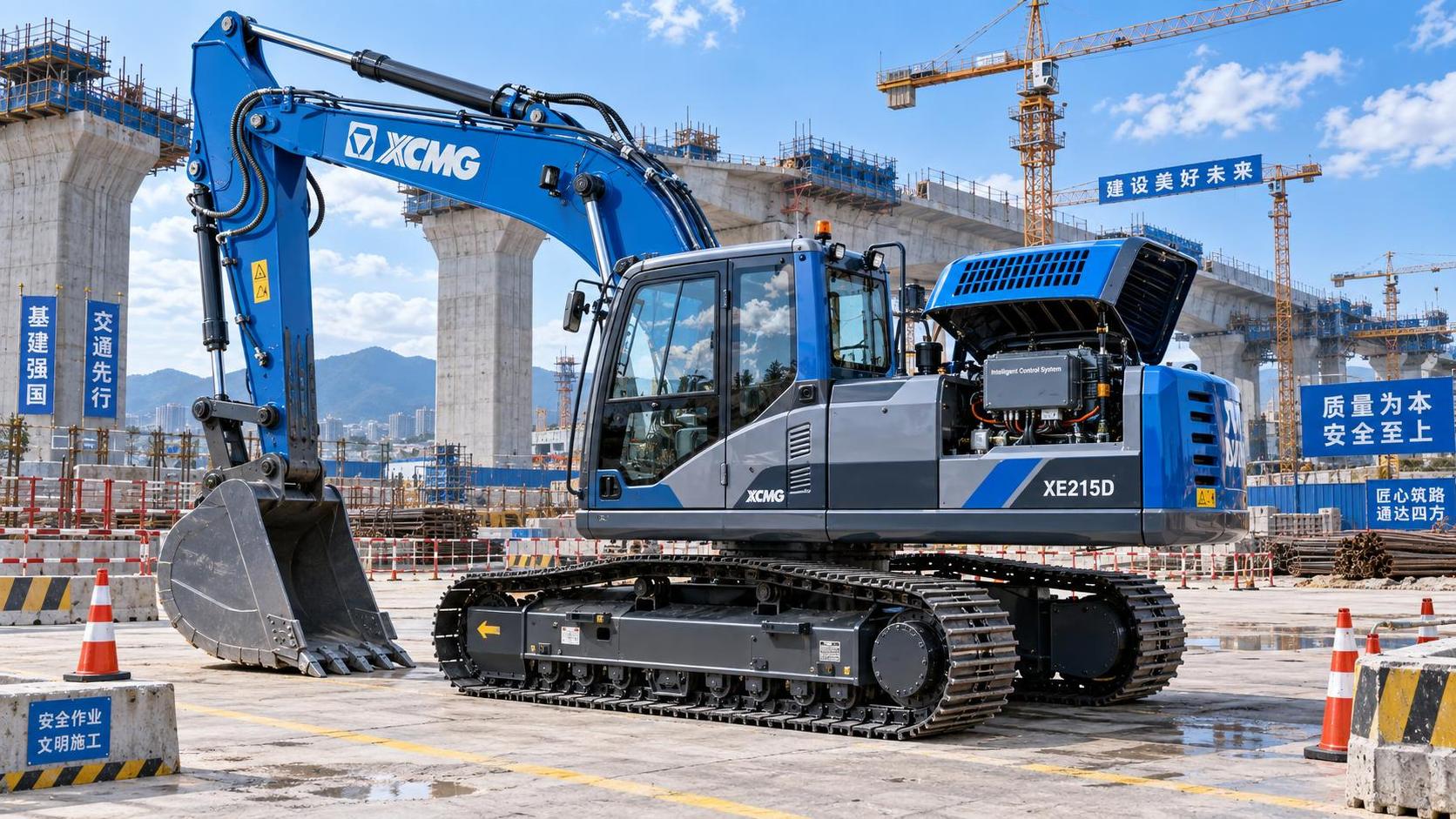
- A concrete mixer fleet consumes too much fuel and causes repeated service delays.
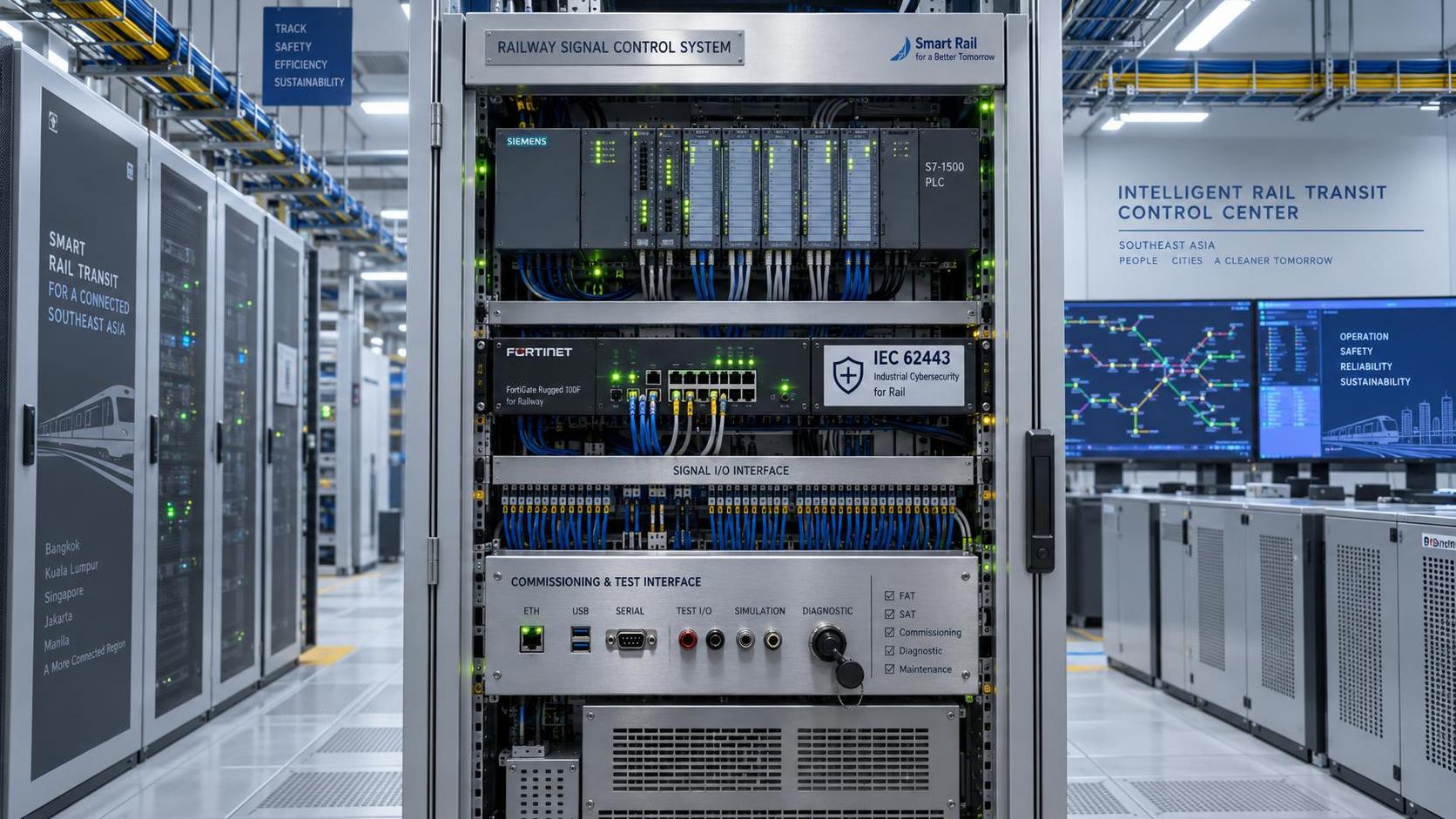
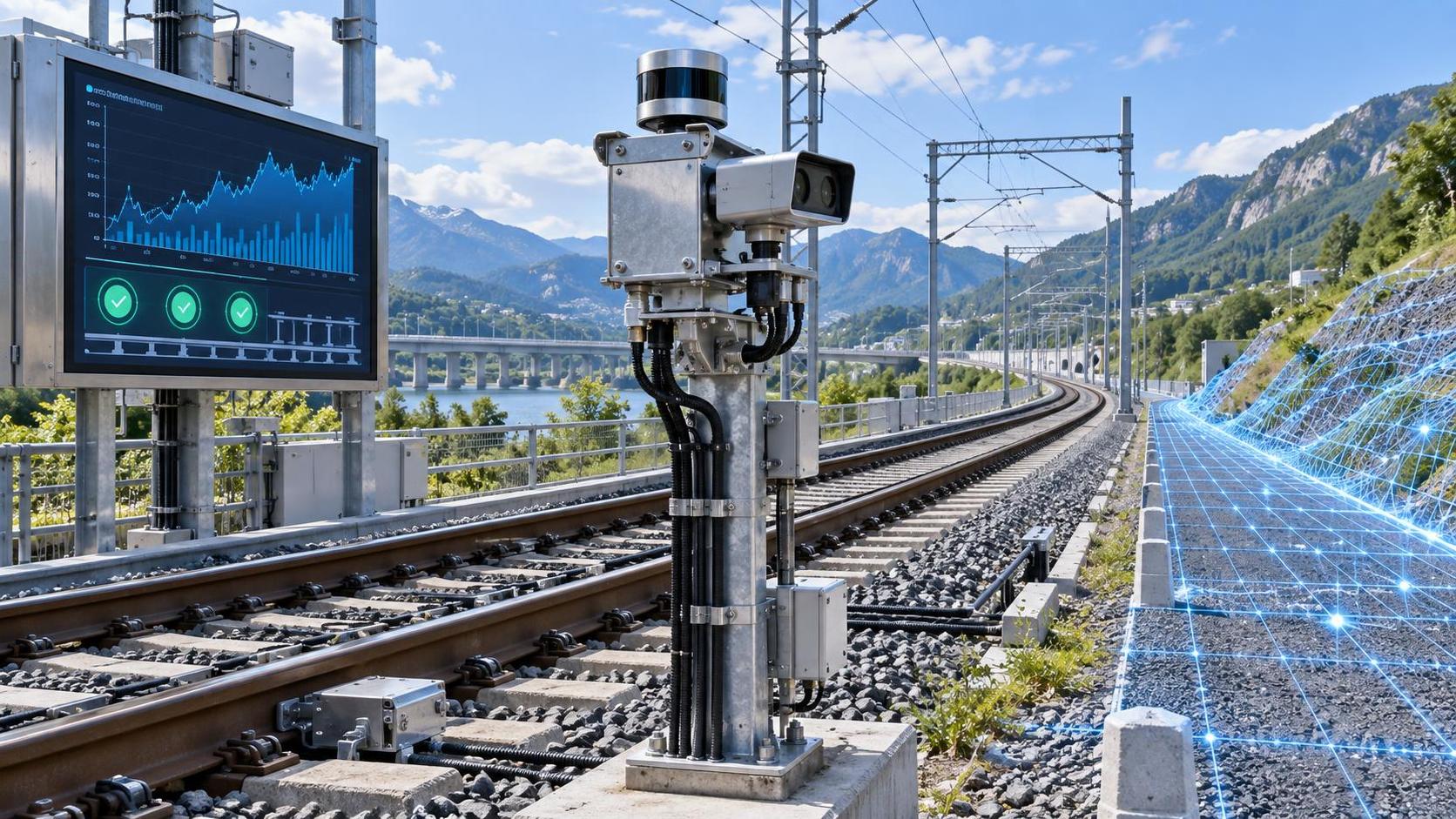
- A signaling system limits rail throughput because diagnostics remain reactive.
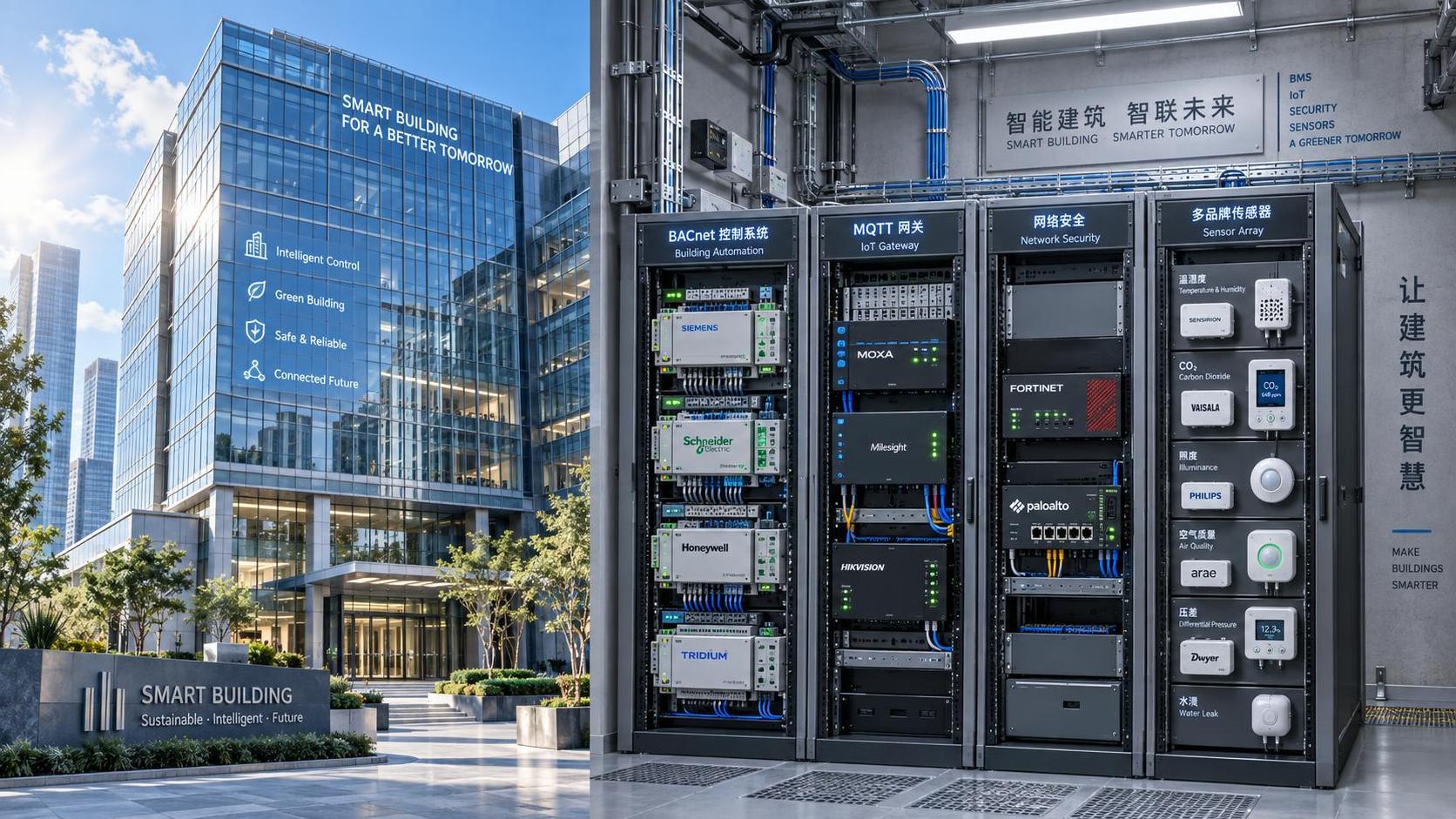
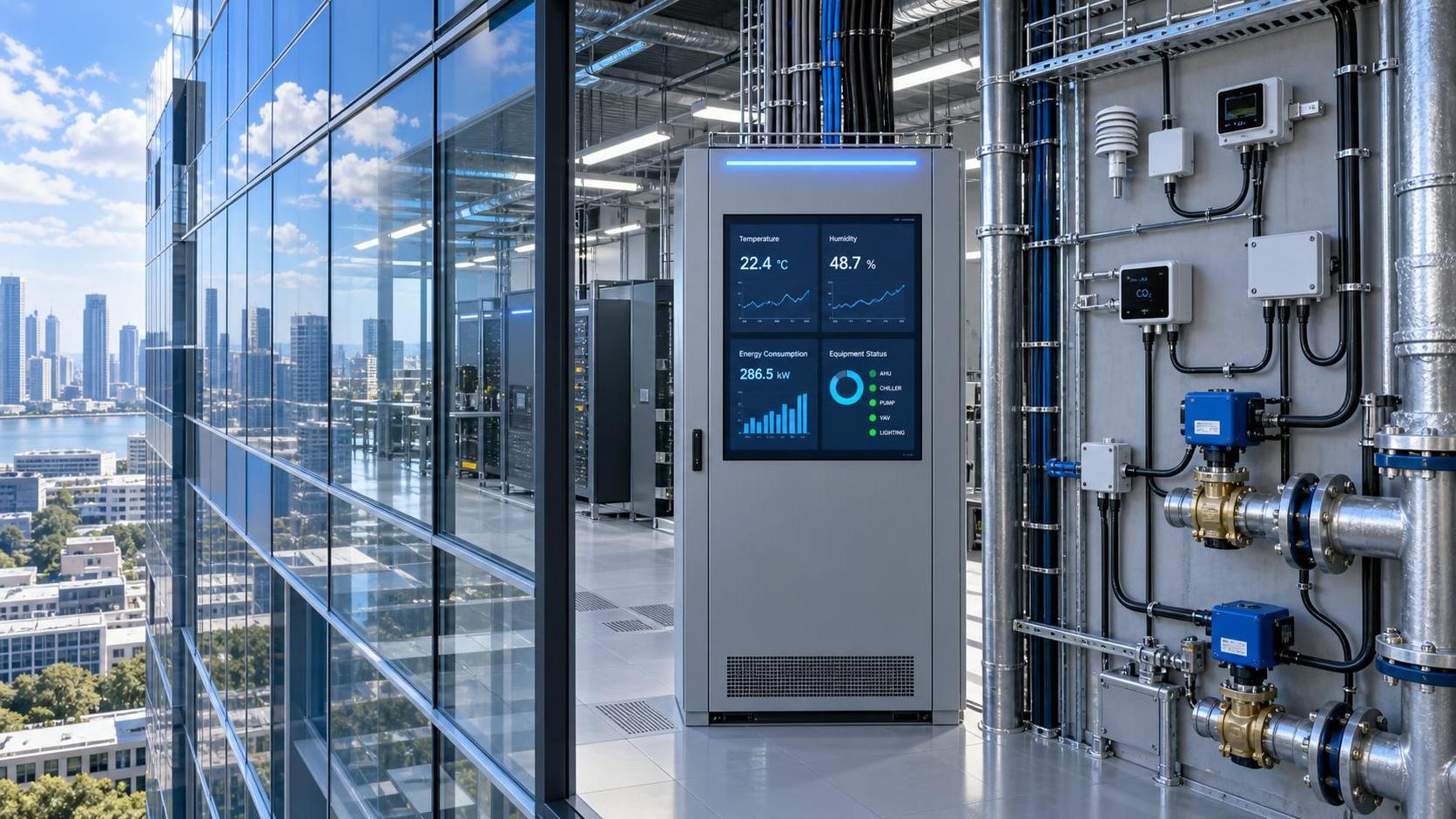
- A smart building platform cannot connect HVAC, security, and occupancy data.
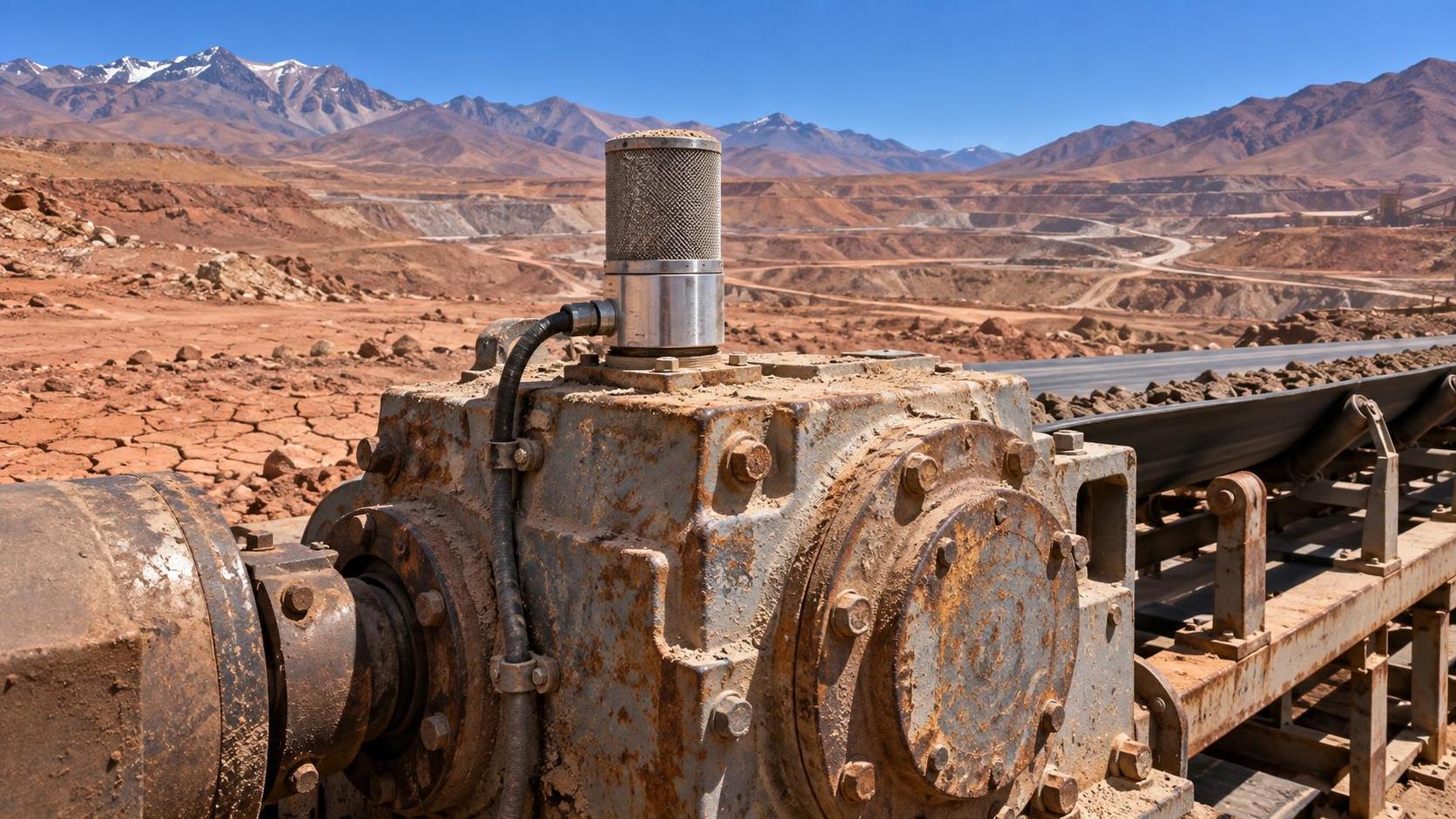
- A mine’s safety monitoring tools produce alerts but no usable risk prioritization.
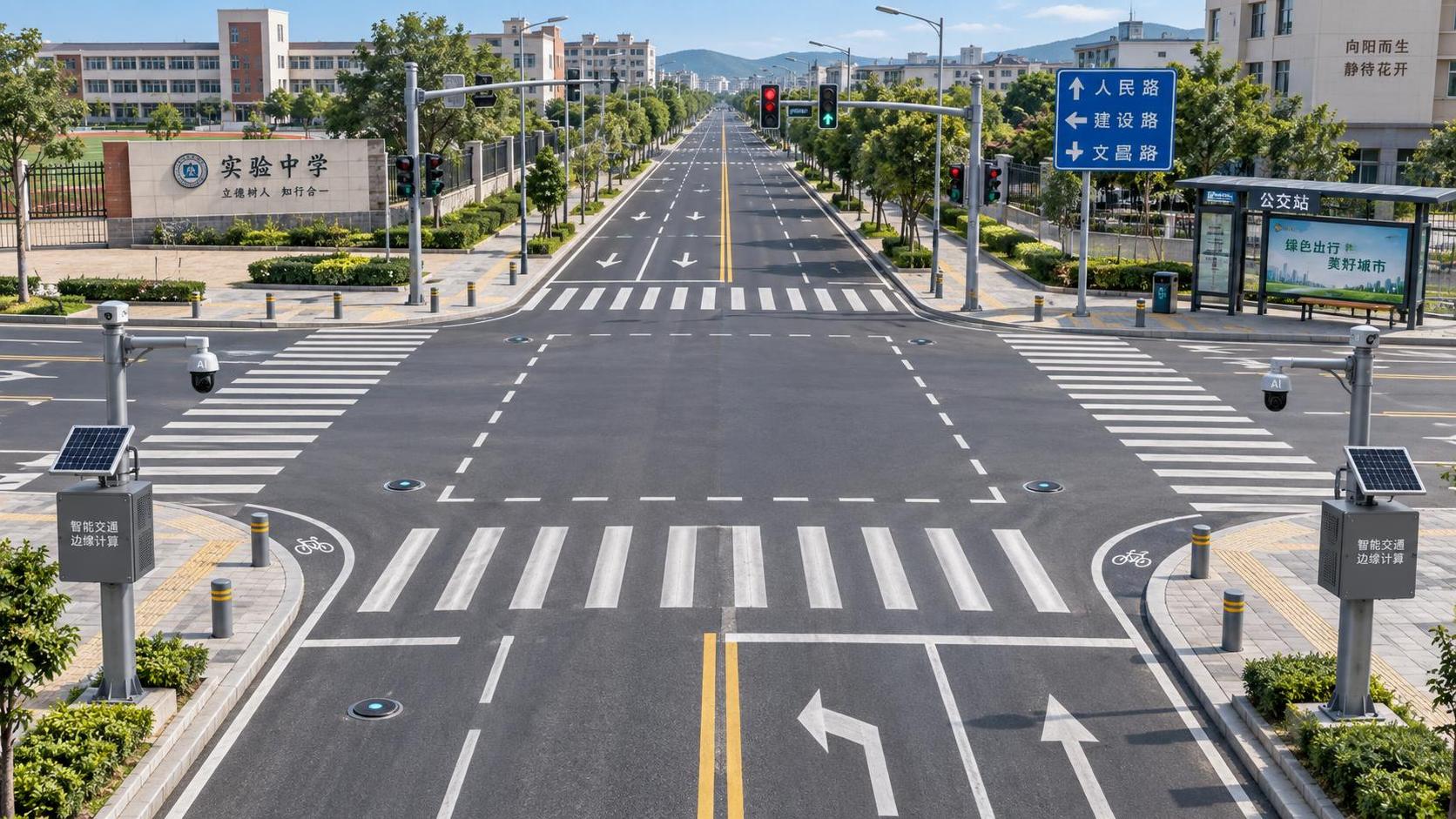
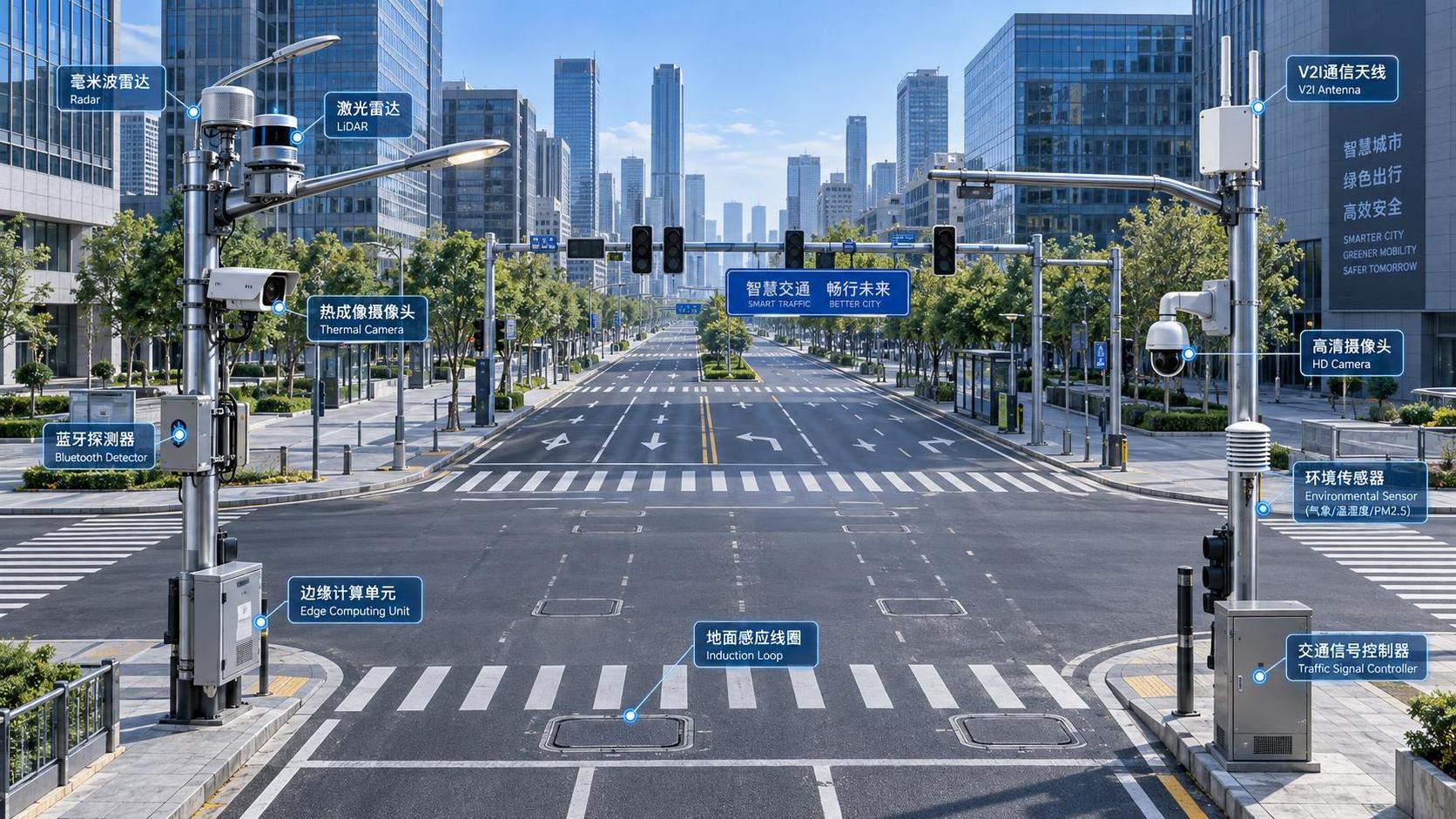
- Urban traffic control software lacks adaptive capability during peak disruption events.
When technological iterations remove these constraints, returns become visible through shorter cycles, fewer incidents, better asset utilization, and lower intervention cost.
Different Business Functions Feel the Impact in Different Ways
Not every part of an organization benefits at the same speed. Understanding where impact appears first helps determine whether an upgrade should be phased or accelerated.
This is especially relevant in integrated sectors. A smart crane, digital rail asset, or urban sensor network creates more value when data flows across the full operating chain.
The Upgrade Decision Should Be Based on Timing, Readiness, and Fit
Technological iterations are not automatically beneficial. A poor rollout can create fragmented tools, staff resistance, and stranded capital.
Key questions worth testing first
- Does the upgrade solve a proven operational problem?
- Can the new system integrate with existing software, hardware, and reporting structures?
- Will users gain clarity, or will complexity increase?
- Are training, maintenance, and cybersecurity costs fully included?
- Can value be measured within a realistic review window?
A disciplined answer to these questions often reveals whether technological iterations should be deployed now, piloted first, or postponed until adjacent systems mature.
What Deserves the Closest Attention Over the Next Upgrade Cycle
Several priorities consistently separate productive upgrades from expensive experiments. These areas deserve continuous review.
- Interoperability between field equipment, control platforms, and enterprise systems.
- Lifecycle economics rather than purchase price alone.
- Quality of data produced by the new asset or platform.
- Cyber resilience for connected infrastructure and smart city environments.
- Supplier support, update policy, and long-term technical roadmap.
- Alignment with sustainability targets and regulatory direction.
In other words, technological iterations pay off best when they strengthen both immediate performance and future adaptability.
A Practical Framework for Deciding When Technological Iterations Pay Off
A structured review process can reduce uncertainty and improve capital discipline. The following sequence is practical across heavy industry and urban systems.
- Map the operational bottleneck using downtime, cost, safety, and throughput data.
- Compare the current baseline with the expected effect of technological iterations.
- Run a pilot in a contained environment with clear success metrics.
- Assess integration effort, training demand, and support requirements.
- Scale only when measurable gains remain consistent over time.
This approach helps avoid two common mistakes: chasing novelty without return, and waiting so long that legacy assets become strategic liabilities.
The Competitive Edge Comes From Better Judgment, Not Faster Spending
Across the GIUT landscape, the most effective organizations treat technological iterations as decision frameworks, not marketing events.
They look for evidence. They test interoperability. They measure real efficiency. They connect upgrades to resilience, safety, and sustainability goals.
If a new system can remove bottlenecks, improve data visibility, and reduce risk within a credible timeframe, the investment case becomes strong.
The next step is simple: review one asset class, one workflow, or one digital platform where technological iterations could unlock measurable value within the next planning cycle.
Get weekly intelligence in your inbox.
No noise. No sponsored content. Pure intelligence.
News Recommendations
 Sep 19, 2026How an electronics application guide helps prevent component mismatchHow an electronics application guide helps prevent component mismatch
 Sep 18, 2026When a resource allocation platform improves project deliveryWhen a resource allocation platform improves project delivery
 Sep 17, 2026What to compare when evaluating mineral processing equipment manufacturersWhat to compare when evaluating mineral processing equipment manufacturers
 Sep 16, 2026How mineral separation optimization can reduce concentrate lossesHow mineral separation optimization can reduce concentrate losses
 Sep 15, 2026How to assess lifecycle costs in urban tech procurementHow to assess lifecycle costs in urban tech procurement
 Sep 14, 2026Heavy industry technology trends reshaping capital investment prioritiesHeavy industry technology trends reshaping capital investment priorities
 Sep 14, 2026Global Industrial Equipment Procurement: How Top OEMs Qualify Suppliers for Mining & Infrastructure ProjectsGlobal Industrial Equipment Procurement: How Top OEMs Qualify Suppliers for Mining & Infrastructure Projects
 Sep 14, 2026Industrial & Mining Equipment Procurement: Balancing Local Sourcing, Lead Time, and Certification RequirementsIndustrial & Mining Equipment Procurement: Balancing Local Sourcing, Lead Time, and Certification Requirements
 Sep 14, 2026Infrastructure & Equipment Upgrades: What Procurement Teams Must Verify Before Signing Off on New ContractsInfrastructure & Equipment Upgrades: What Procurement Teams Must Verify Before Signing Off on New Contracts
 Sep 14, 2026Why Infrastructure Equipment Buyers Are Shifting from Catalog-Based to Capability-Based Supplier SelectionWhy Infrastructure Equipment Buyers Are Shifting from Catalog-Based to Capability-Based Supplier Selection
 Sep 14, 2026Process Automation Project Execution: How to Align Supplier Capabilities with PLC Integration, Cybersecurity & Commissioning MilestonesProcess Automation Project Execution: How to Align Supplier Capabilities with PLC Integration, Cybersecurity & Commissioning Milestones
 Sep 14, 2026Are intelligent traffic systems worth the investment for small cities?Are intelligent traffic systems worth the investment for small cities?
 Sep 14, 2026How do intelligent traffic systems handle sensor failures?How do intelligent traffic systems handle sensor failures?
 Sep 14, 2026What should I check before accepting a smart building system?What should I check before accepting a smart building system?
 Sep 14, 2026Is a smart building system worth the maintenance cost?Is a smart building system worth the maintenance cost?
 Sep 14, 2026What data is needed for reliable resource allocation planning?What data is needed for reliable resource allocation planning?
 Sep 14, 2026How can resource allocation software reduce equipment idle time?How can resource allocation software reduce equipment idle time?
 Sep 14, 2026How should smart devices be maintained in harsh outdoor conditions?How should smart devices be maintained in harsh outdoor conditions?
 Sep 14, 2026Do smart devices improve worker safety on construction sites?Do smart devices improve worker safety on construction sites?
 Sep 14, 2026What environmental risks must be assessed before deep-sea mining?What environmental risks must be assessed before deep-sea mining?
 Sep 14, 2026Is deep-sea mining equipment commercially viable in 2026?Is deep-sea mining equipment commercially viable in 2026?
 Sep 14, 2026What Inspection Checks Should Procurement Teams Perform Before Ordering Dredging Equipment in 2026?What Inspection Checks Should Procurement Teams Perform Before Ordering Dredging Equipment in 2026?
 Sep 13, 2026How to verify an industrial product information source before specifying equipmentHow to verify an industrial product information source before specifying equipment
 Sep 12, 2026Which intelligent traffic systems hardware fits an urban intersection?Which intelligent traffic systems hardware fits an urban intersection?
 Sep 11, 2026How pump capacity affects response coverage for municipal fire fighting vehiclesHow pump capacity affects response coverage for municipal fire fighting vehicles
 Sep 10, 2026What to verify before choosing a heavy industry equipment supplierWhat to verify before choosing a heavy industry equipment supplier
 Sep 09, 2026When do adaptive urban traffic control systems reduce corridor delays?When do adaptive urban traffic control systems reduce corridor delays?