Green Engineering Solutions That Lower Lifecycle Cost
For procurement teams balancing budget, compliance, and long-term asset performance, green engineering solutions offer more than environmental value—they reduce total lifecycle cost, improve operational efficiency, and support resilient infrastructure planning. From smart buildings and transport systems to resource and equipment projects, choosing sustainable engineering strategies early can lower maintenance burdens, energy use, and upgrade risks across the full project lifespan.
Why procurement teams now evaluate green engineering solutions through lifecycle cost

In heavy industry, infrastructure, and urban technology, the lowest purchase price rarely delivers the lowest total cost. Procurement managers are increasingly judged on uptime, energy efficiency, maintenance exposure, carbon reporting, and asset adaptability over ten, twenty, or even thirty years.
That is why green engineering solutions have shifted from a sustainability add-on to a procurement decision framework. They influence material selection, system integration, digital monitoring, replacement cycles, and compliance readiness across construction, rail, resource projects, and special-purpose equipment fleets.
For buyers working across complex capital projects, the main question is not whether a solution is labeled green. The real question is whether it lowers lifecycle cost without creating delivery risk, technical mismatch, or certification problems later.
What lifecycle cost means in infrastructure procurement
- Initial capital expenditure, including equipment, engineering design, installation, and commissioning.
- Operating expenditure, such as fuel, electricity, water use, software subscriptions, and labor intensity.
- Maintenance cost, including spare parts, inspection frequency, shutdown time, and technician access.
- Compliance and risk cost, such as emissions limits, waste handling, reporting obligations, and retrofit exposure.
- End-of-life and upgrade cost, including disposal, recyclability, modular replacement, and compatibility with future systems.
GIUT’s cross-sector perspective is useful here because lifecycle cost is rarely visible from a single supplier quotation. It becomes clear only when procurement connects engineering design, operating context, digital governance, and long-term asset strategy.
What counts as green engineering solutions in real projects?
In practice, green engineering solutions are not limited to solar panels or recycled materials. They include design, systems, controls, and service models that reduce resource intensity while protecting performance, safety, and maintainability.
Typical categories buyers should assess
- Low-carbon materials with verified durability, corrosion resistance, or reduced embodied energy.
- Energy-efficient electromechanical systems, including drives, pumps, HVAC units, lighting, and power management.
- Smart monitoring and control platforms that reduce waste, optimize maintenance, and extend equipment life.
- Water-saving, waste-recovery, or heat-recovery systems suitable for industrial and municipal operations.
- Modular and prefabricated construction approaches that cut site waste, rework, and schedule slippage.
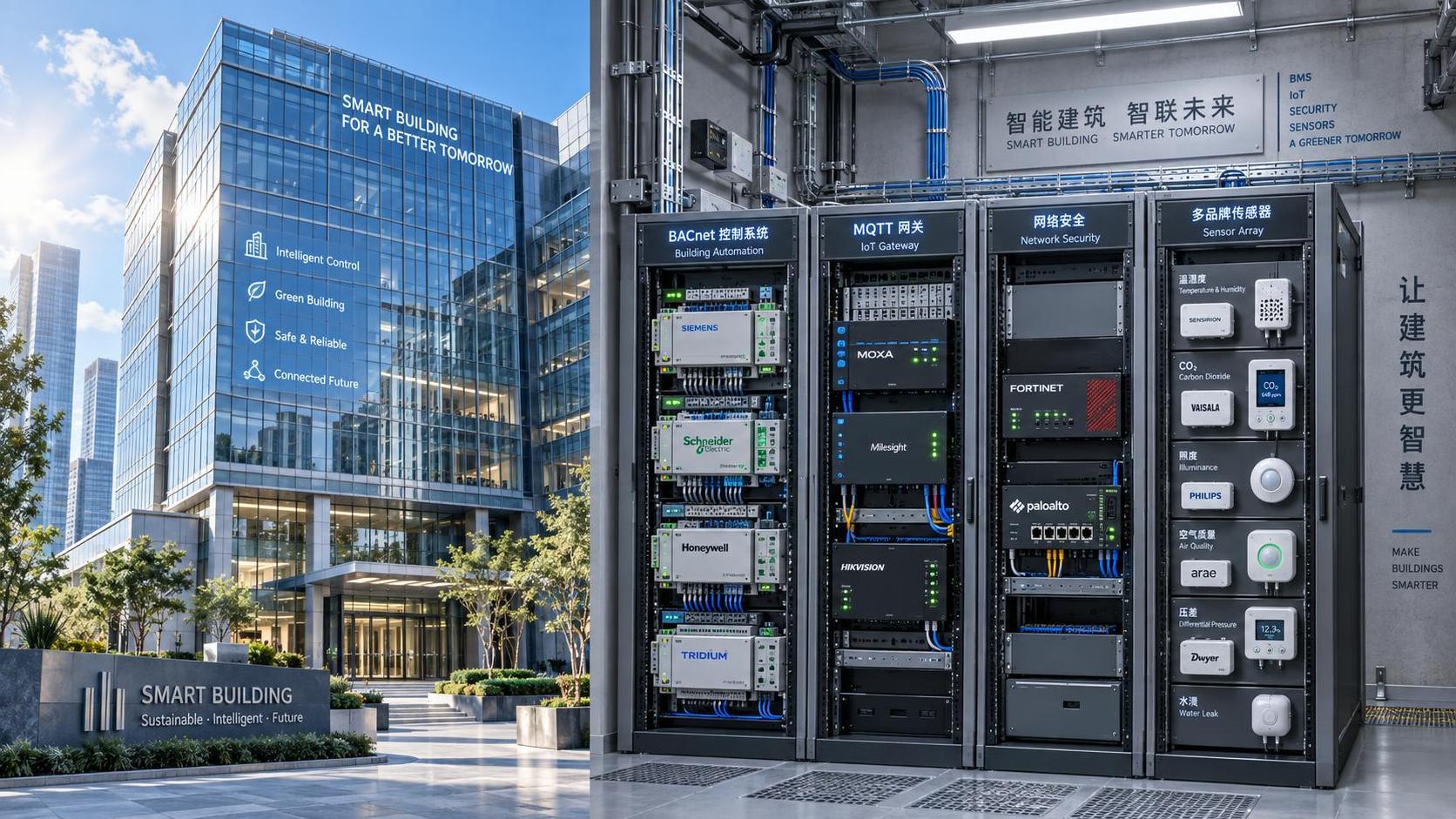
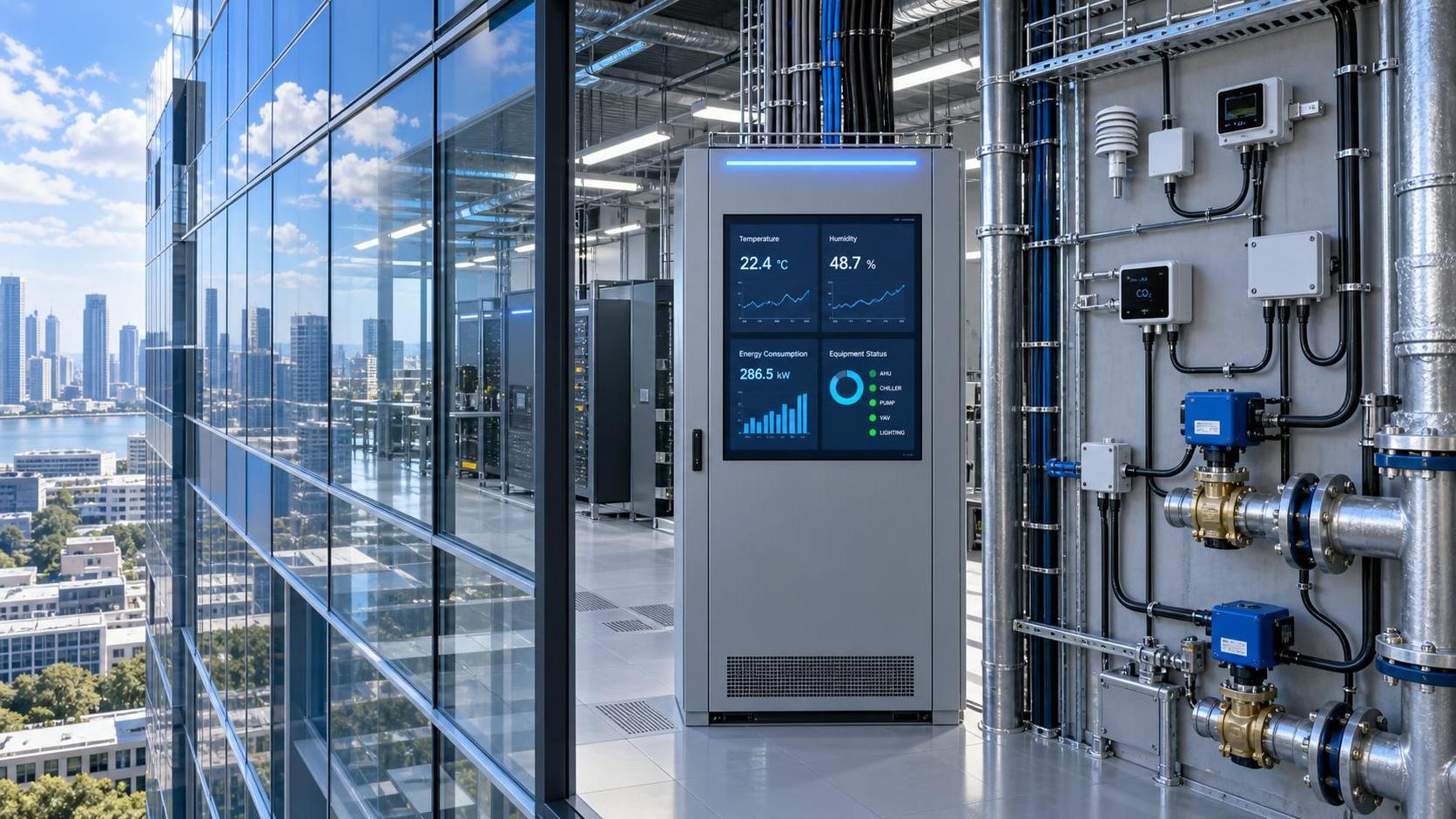
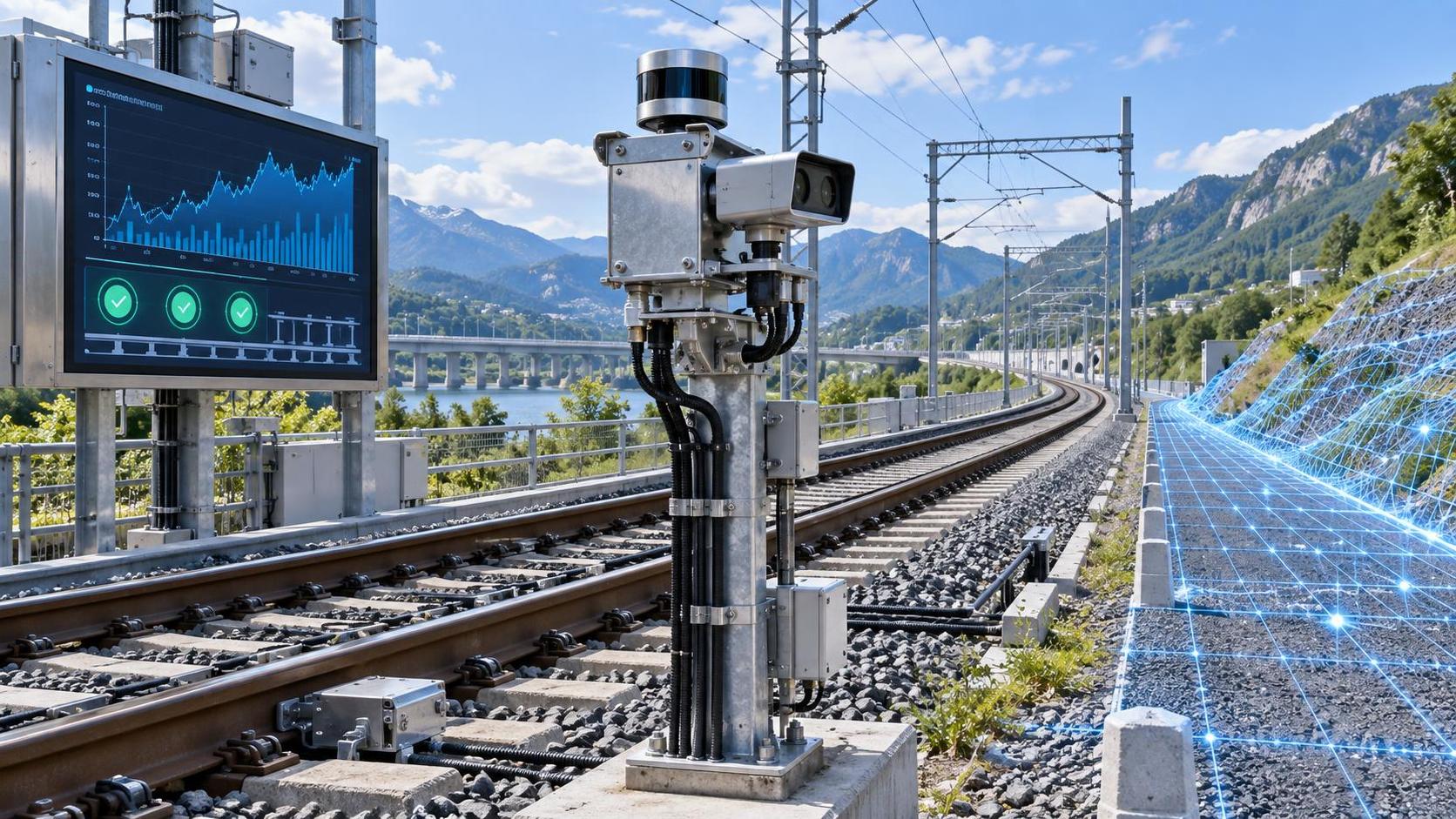
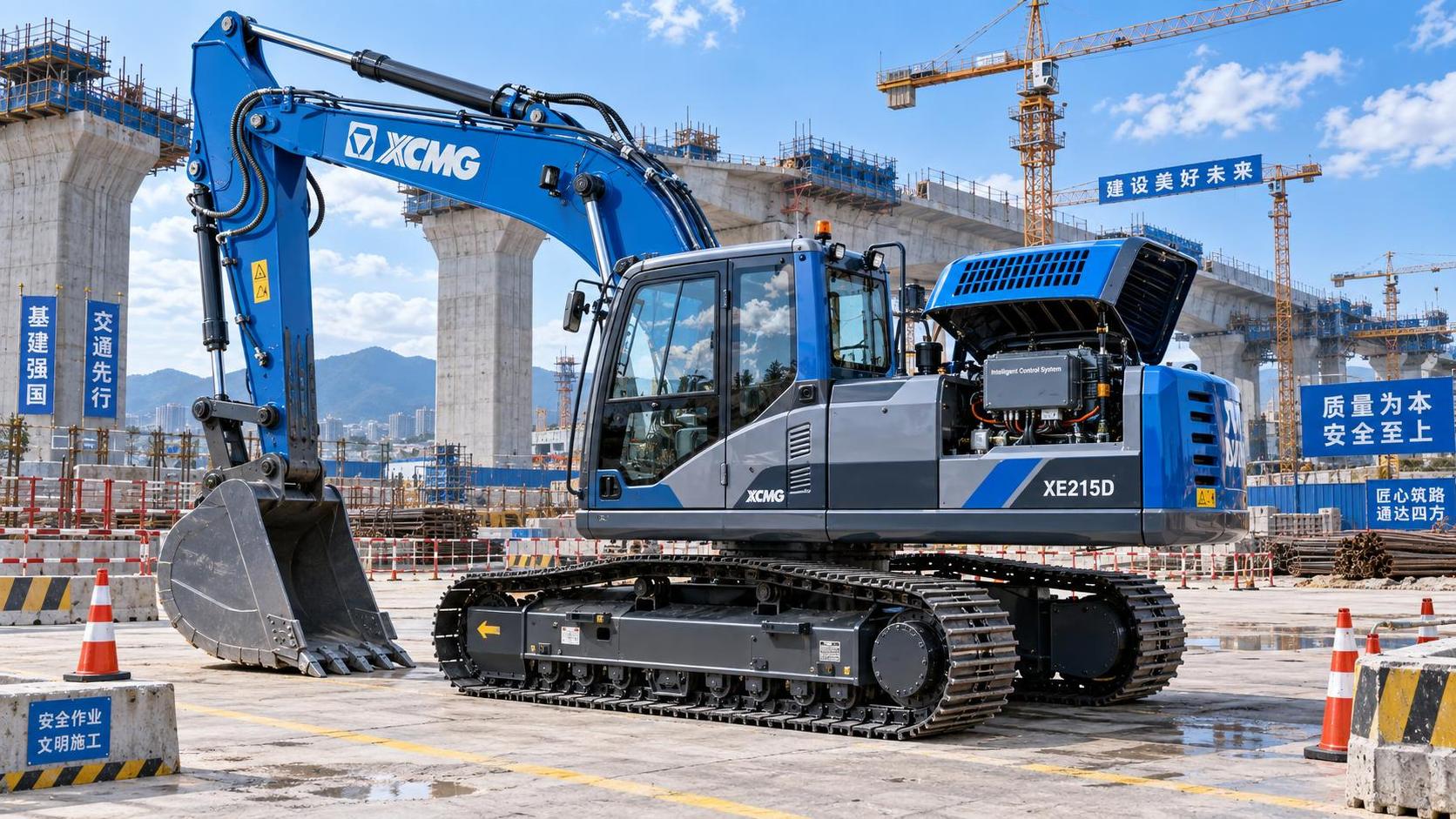
Across smart buildings, transport corridors, mining support systems, and specialized vehicles, the procurement value lies in measurable outcomes: fewer interventions, lower energy bills, longer asset life, and smoother regulatory alignment.
Which application scenarios deliver the strongest lifecycle savings?
Not every project gains in the same way. Procurement teams should map green engineering solutions to the operational profile of the asset, especially where energy demand, downtime cost, and maintenance access are critical.
The table below helps compare where green engineering solutions often create the most visible lifecycle cost advantages across GIUT’s five focus sectors.
The strongest savings usually appear in assets with high run hours, expensive downtime, or difficult maintenance access. In these scenarios, a modest premium at procurement stage can produce a much larger return during operations.
How to compare green engineering solutions beyond upfront price
Buyers often receive proposals that look similar in technical summary but perform very differently in the field. A structured comparison model prevents procurement from selecting an option that is cheaper on paper but costlier over time.
Core comparison factors
- Energy profile: Check expected consumption under actual load conditions, not ideal laboratory assumptions.
- Material durability: Compare corrosion behavior, weather resistance, abrasion tolerance, and replacement cycles.
- Maintainability: Review access points, spare parts availability, digital diagnostics, and required technician skill levels.
- Integration risk: Confirm compatibility with existing controls, data platforms, utility interfaces, and site conditions.
- Compliance pathway: Verify whether the solution supports local environmental, safety, and reporting requirements.
This procurement comparison table can be used during bid evaluation for green engineering solutions across building, transport, and industrial infrastructure projects.
A disciplined evaluation matrix also helps internal alignment. Engineering, finance, operations, and sustainability teams can compare options using the same criteria instead of debating only initial capex.
What technical signals indicate lower lifecycle cost?
Procurement teams do not need to replace engineers, but they should know which technical signals matter. Several indicators often separate genuinely cost-saving green engineering solutions from marketing claims.
Key technical indicators to review
- Load efficiency curves rather than single-point efficiency claims.
- Mean time between service interventions and ease of component replacement.
- Resistance to heat, dust, vibration, moisture, chemicals, or salt, depending on site conditions.
- Digital diagnostics, remote condition monitoring, and data export capability.
- Modularity for future upgrades instead of full-system replacement.
For example, a smart pump or motor package that performs well only at full load may disappoint in municipal or industrial settings with variable demand. Likewise, durable materials bring little value if maintenance access requires major shutdown each time a seal or sensor fails.
GIUT’s engineering-centered approach is relevant because performance must be interpreted in context. A rail signaling component, an underground mine ventilation system, and a smart building façade each face different failure modes, service conditions, and upgrade paths.
How should buyers build a procurement process for green engineering solutions?
A strong procurement process reduces the risk of buying a technically attractive solution that cannot be implemented smoothly. Green engineering solutions should be evaluated from concept stage through commissioning and after-sales support.
Recommended process
- Define asset objectives clearly, including service life target, efficiency goals, maintenance constraints, and reporting obligations.
- Request scenario-based supplier responses, not generic brochures. Ask for assumptions tied to local climate, load profile, and duty cycle.
- Score bids using weighted lifecycle criteria alongside purchase price, lead time, and technical compliance.
- Review installation and commissioning requirements early to avoid hidden civil, electrical, or software integration costs.
- Confirm training, maintenance documentation, remote support, and spare parts planning before contract award.
This is especially important in integrated urban and infrastructure projects, where one procurement decision can affect utility connections, data platforms, safety systems, and future expansion phases.
Standards, certification, and compliance: what should procurement verify?
Compliance mistakes can erase the financial benefit of green engineering solutions. Procurement should verify which standards are relevant to the asset category, jurisdiction, and operating environment before shortlisting suppliers.
Common areas to check
- Environmental management and reporting frameworks relevant to project owners or public tenders.
- Energy performance references for building systems, industrial equipment, or transport infrastructure.
- Electrical, fire safety, machinery safety, and emissions-related declarations where applicable.
- Material declarations, recyclability information, and hazardous substance restrictions if required by contract.
Procurement should also distinguish between a product being compliant and a project being compliant. A component may meet one standard, yet still require additional documentation, system-level integration testing, or local authority approval before acceptance.
Common mistakes that make green engineering solutions look expensive
Many buyers reject sustainable options too early because they compare only equipment price. In reality, several common mistakes distort the business case and make high-value solutions appear less competitive than they are.
Frequent procurement errors
- Ignoring partial-load operating conditions and using nominal efficiency only.
- Underestimating the cost of downtime, especially in rail, mining, and municipal service assets.
- Choosing systems without data integration, which creates future retrofit expense.
- Assuming all durable materials perform equally across humidity, chemical exposure, or vibration conditions.
- Treating sustainability documentation as optional until tender closing or final approval stage.
When these issues are addressed early, green engineering solutions become easier to justify to finance teams because the savings logic is tied to operations, not just environmental messaging.
FAQ: practical buyer questions about green engineering solutions
How do I know whether a green solution will really reduce lifecycle cost?
Ask suppliers for project-specific assumptions: annual operating hours, energy tariff basis, expected maintenance interval, major replacement components, and system life. If those assumptions are missing, the savings estimate is incomplete. A reliable comparison should include capex, opex, downtime, and likely retrofit cost.
Which projects benefit most from green engineering solutions?
Projects with long operating hours, difficult service access, strict utility budgets, or public accountability usually benefit the most. Examples include transport systems, municipal facilities, smart buildings, resource extraction infrastructure, and special-purpose fleets that idle heavily or run on repetitive duty cycles.
What should procurement request in an RFQ?
Request energy data under realistic load conditions, expected service intervals, spare part lead times, integration requirements, documentation list, and any standard references that apply. Also ask suppliers to identify installation constraints and training needs so hidden implementation cost is visible before award.
Are green engineering solutions always more expensive upfront?
Not always. Some options cost more initially because they use better controls, materials, or diagnostics. Others reduce cost through prefabrication, simplified maintenance, or lower utility infrastructure demand. The right comparison is total delivered and operated cost, not purchase price alone.
How early should we involve technical review?
As early as possible. Technical review should begin before tender release, especially in integrated projects involving buildings, grids, fleet systems, rail interfaces, or industrial utilities. Early review prevents specification gaps that later force change orders, delays, or non-compliant substitutions.
Why GIUT is a practical partner for procurement intelligence
GIUT operates at the intersection of heavy industry, infrastructure construction, and smart city systems. That matters for procurement because lifecycle cost is shaped by more than one product category. It is shaped by how construction methods, urban technology, transport assets, resource systems, and heavy equipment connect in the real world.
With an engineering-focused knowledge model spanning construction and smart buildings, urban tech and governance, mining and resource technology, railway systems, and special-purpose equipment, GIUT helps procurement teams ask better technical questions before cost problems emerge on site or in operation.
This perspective is especially valuable when buyers need to compare options across different stakeholders, from engineers and project managers to public-sector planners and maintenance teams. Green engineering solutions deliver the best results when procurement decisions are informed by full-system thinking.
Contact us for selection support, compliance review, and lifecycle-focused sourcing
If you are evaluating green engineering solutions for infrastructure, smart city, industrial, transport, or equipment projects, GIUT can support decision-making before you finalize specifications or issue a tender. This is useful when technical options look similar but lifecycle cost, integration risk, and compliance exposure differ significantly.
You can consult us on parameter confirmation, solution comparison, delivery cycle considerations, system integration questions, documentation and certification checkpoints, maintenance planning, and quotation alignment with long-term operating targets.
For procurement teams under pressure to control budget while improving resilience, a better question set leads to better sourcing outcomes. Connect with GIUT to review your project scenario, shortlist suitable green engineering solutions, and build a procurement path that supports both sustainability goals and lower lifecycle cost.
Get weekly intelligence in your inbox.
No noise. No sponsored content. Pure intelligence.
News Recommendations
 Sep 19, 2026How an electronics application guide helps prevent component mismatchHow an electronics application guide helps prevent component mismatch
 Sep 18, 2026When a resource allocation platform improves project deliveryWhen a resource allocation platform improves project delivery
 Sep 17, 2026What to compare when evaluating mineral processing equipment manufacturersWhat to compare when evaluating mineral processing equipment manufacturers
 Sep 16, 2026How mineral separation optimization can reduce concentrate lossesHow mineral separation optimization can reduce concentrate losses
 Sep 15, 2026How to assess lifecycle costs in urban tech procurementHow to assess lifecycle costs in urban tech procurement
 Sep 14, 2026Heavy industry technology trends reshaping capital investment prioritiesHeavy industry technology trends reshaping capital investment priorities
 Sep 14, 2026Global Industrial Equipment Procurement: How Top OEMs Qualify Suppliers for Mining & Infrastructure ProjectsGlobal Industrial Equipment Procurement: How Top OEMs Qualify Suppliers for Mining & Infrastructure Projects
 Sep 14, 2026Industrial & Mining Equipment Procurement: Balancing Local Sourcing, Lead Time, and Certification RequirementsIndustrial & Mining Equipment Procurement: Balancing Local Sourcing, Lead Time, and Certification Requirements
 Sep 14, 2026Infrastructure & Equipment Upgrades: What Procurement Teams Must Verify Before Signing Off on New ContractsInfrastructure & Equipment Upgrades: What Procurement Teams Must Verify Before Signing Off on New Contracts
 Sep 14, 2026Why Infrastructure Equipment Buyers Are Shifting from Catalog-Based to Capability-Based Supplier SelectionWhy Infrastructure Equipment Buyers Are Shifting from Catalog-Based to Capability-Based Supplier Selection
 Sep 14, 2026Process Automation Project Execution: How to Align Supplier Capabilities with PLC Integration, Cybersecurity & Commissioning MilestonesProcess Automation Project Execution: How to Align Supplier Capabilities with PLC Integration, Cybersecurity & Commissioning Milestones
 Sep 14, 2026Are intelligent traffic systems worth the investment for small cities?Are intelligent traffic systems worth the investment for small cities?
 Sep 14, 2026How do intelligent traffic systems handle sensor failures?How do intelligent traffic systems handle sensor failures?
 Sep 14, 2026What should I check before accepting a smart building system?What should I check before accepting a smart building system?
 Sep 14, 2026Is a smart building system worth the maintenance cost?Is a smart building system worth the maintenance cost?
 Sep 14, 2026What data is needed for reliable resource allocation planning?What data is needed for reliable resource allocation planning?
 Sep 14, 2026How can resource allocation software reduce equipment idle time?How can resource allocation software reduce equipment idle time?
 Sep 14, 2026How should smart devices be maintained in harsh outdoor conditions?How should smart devices be maintained in harsh outdoor conditions?
 Sep 14, 2026Do smart devices improve worker safety on construction sites?Do smart devices improve worker safety on construction sites?
 Sep 14, 2026What environmental risks must be assessed before deep-sea mining?What environmental risks must be assessed before deep-sea mining?
 Sep 14, 2026Is deep-sea mining equipment commercially viable in 2026?Is deep-sea mining equipment commercially viable in 2026?
 Sep 14, 2026What Inspection Checks Should Procurement Teams Perform Before Ordering Dredging Equipment in 2026?What Inspection Checks Should Procurement Teams Perform Before Ordering Dredging Equipment in 2026?
 Sep 13, 2026How to verify an industrial product information source before specifying equipmentHow to verify an industrial product information source before specifying equipment
 Sep 12, 2026Which intelligent traffic systems hardware fits an urban intersection?Which intelligent traffic systems hardware fits an urban intersection?
 Sep 11, 2026How pump capacity affects response coverage for municipal fire fighting vehiclesHow pump capacity affects response coverage for municipal fire fighting vehicles
 Sep 10, 2026What to verify before choosing a heavy industry equipment supplierWhat to verify before choosing a heavy industry equipment supplier
 Sep 09, 2026When do adaptive urban traffic control systems reduce corridor delays?When do adaptive urban traffic control systems reduce corridor delays?