How to Compare Heavy Industry Equipment Suppliers
Choosing a heavy industry equipment supplier shapes project cost, uptime, safety, and asset life. In sectors like construction, mining, rail, logistics, and urban infrastructure, supplier comparison must match the operating scenario.
A qualified heavy industry equipment supplier should be judged on production strength, engineering support, compliance, delivery control, lifecycle service, and digital capability. Price matters, but total value matters more.
This guide explains how to compare suppliers across real-world use cases. It helps turn broad market research into a practical sourcing framework with clearer benchmarks and fewer costly mistakes.
Compare suppliers differently when the operating environment changes
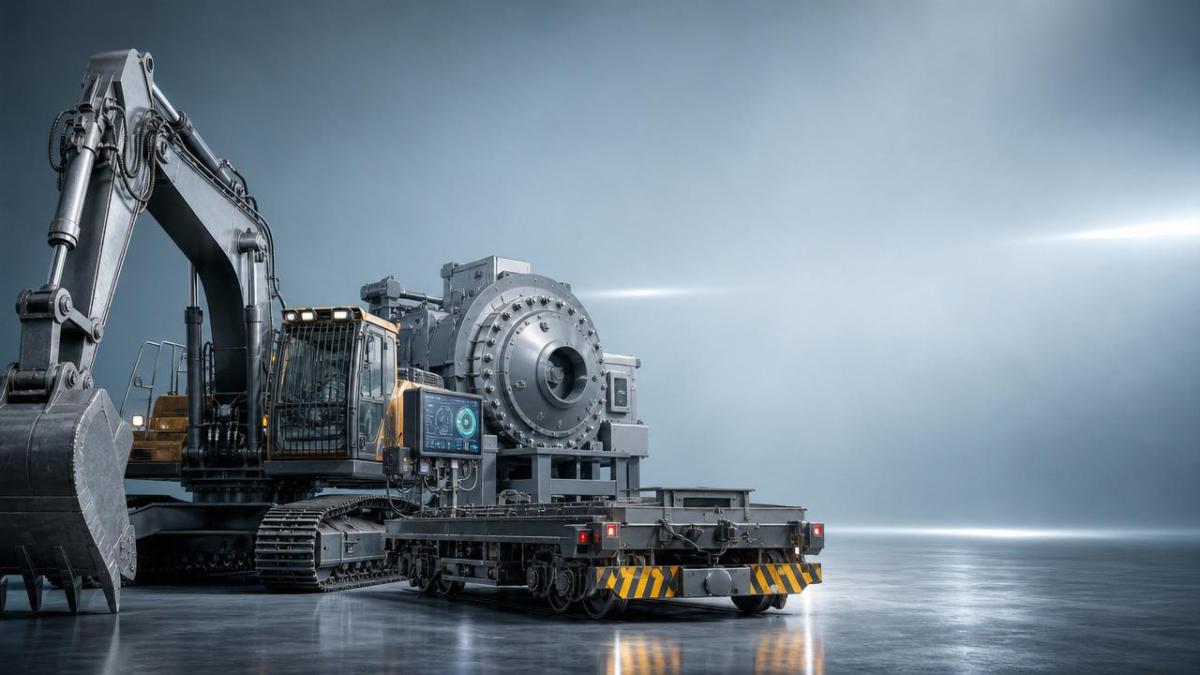
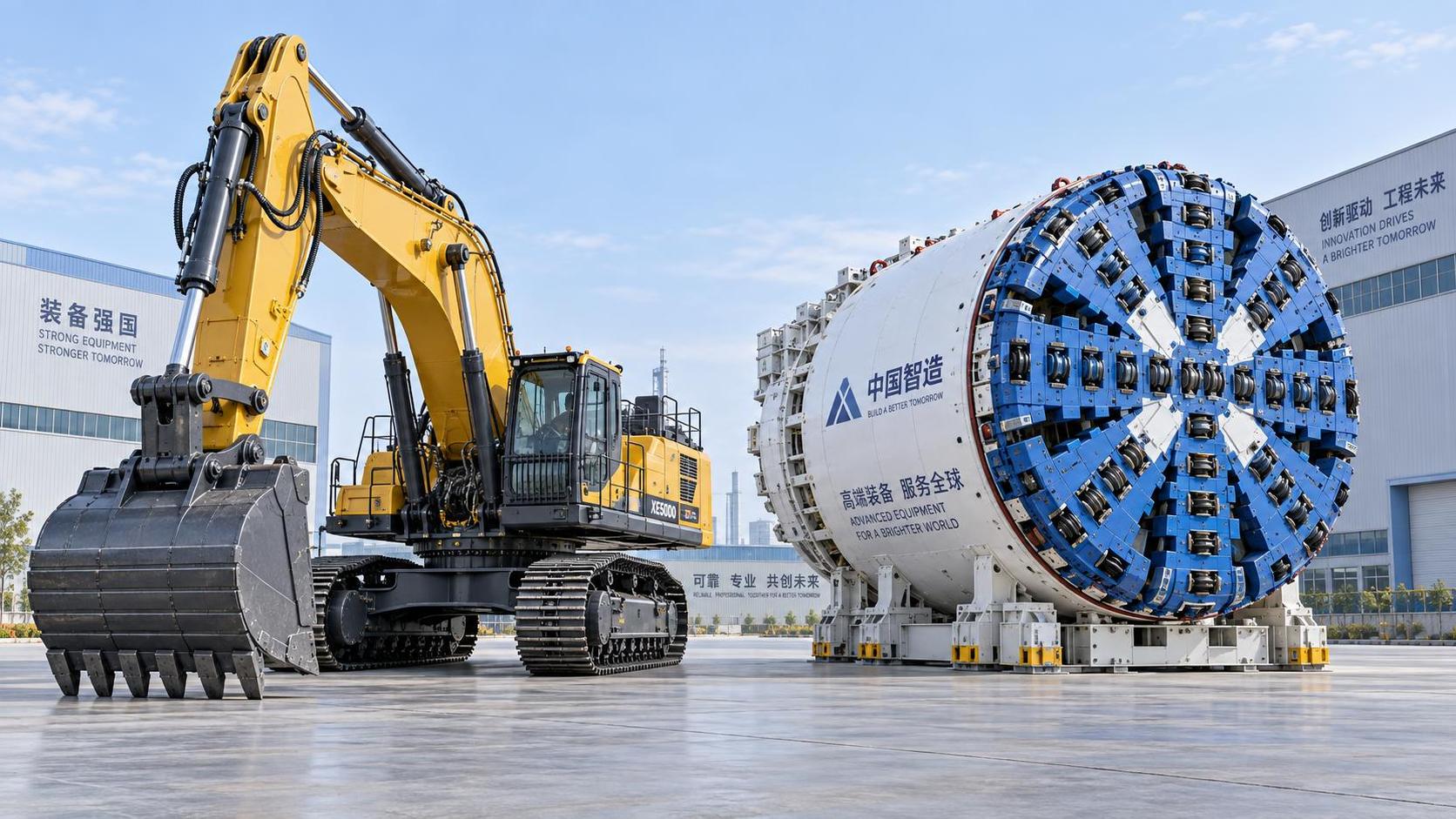
The best heavy industry equipment supplier for one project may fail in another. A tunnel project, a smart city upgrade, and a remote mining site require different response speeds, designs, and support systems.
Scenario-based comparison reduces risk. It reveals whether a supplier can deliver equipment that fits site conditions, operator skills, regulatory demands, and maintenance realities, not just technical brochure claims.
Why scenario judgment improves sourcing accuracy
Equipment used in dense urban areas may need low noise, emissions control, telematics, and compact dimensions. Equipment for mining may need reinforced structures, dust protection, and long maintenance intervals.
When comparing a heavy industry equipment supplier, start by mapping equipment demands to site conditions, utilization intensity, compliance standards, and downtime tolerance.
Scenario 1: Construction and smart building projects need balanced delivery and service
Construction projects often run on strict milestones. Delayed cranes, mixers, lifting platforms, or concrete systems can stop several trades at once and trigger contractual penalties.
Here, a heavy industry equipment supplier should prove production scheduling discipline, spare parts readiness, installation guidance, and operator training. Strong local service networks become a major decision factor.
Core judgment points for construction scenarios
- Lead time stability across multiple equipment categories
- Compliance with lifting, electrical, and jobsite safety standards
- Availability of commissioning teams and manuals
- Digital monitoring for fuel use, faults, and utilization
Scenario 2: Mining and resource projects require durability and lifecycle resilience
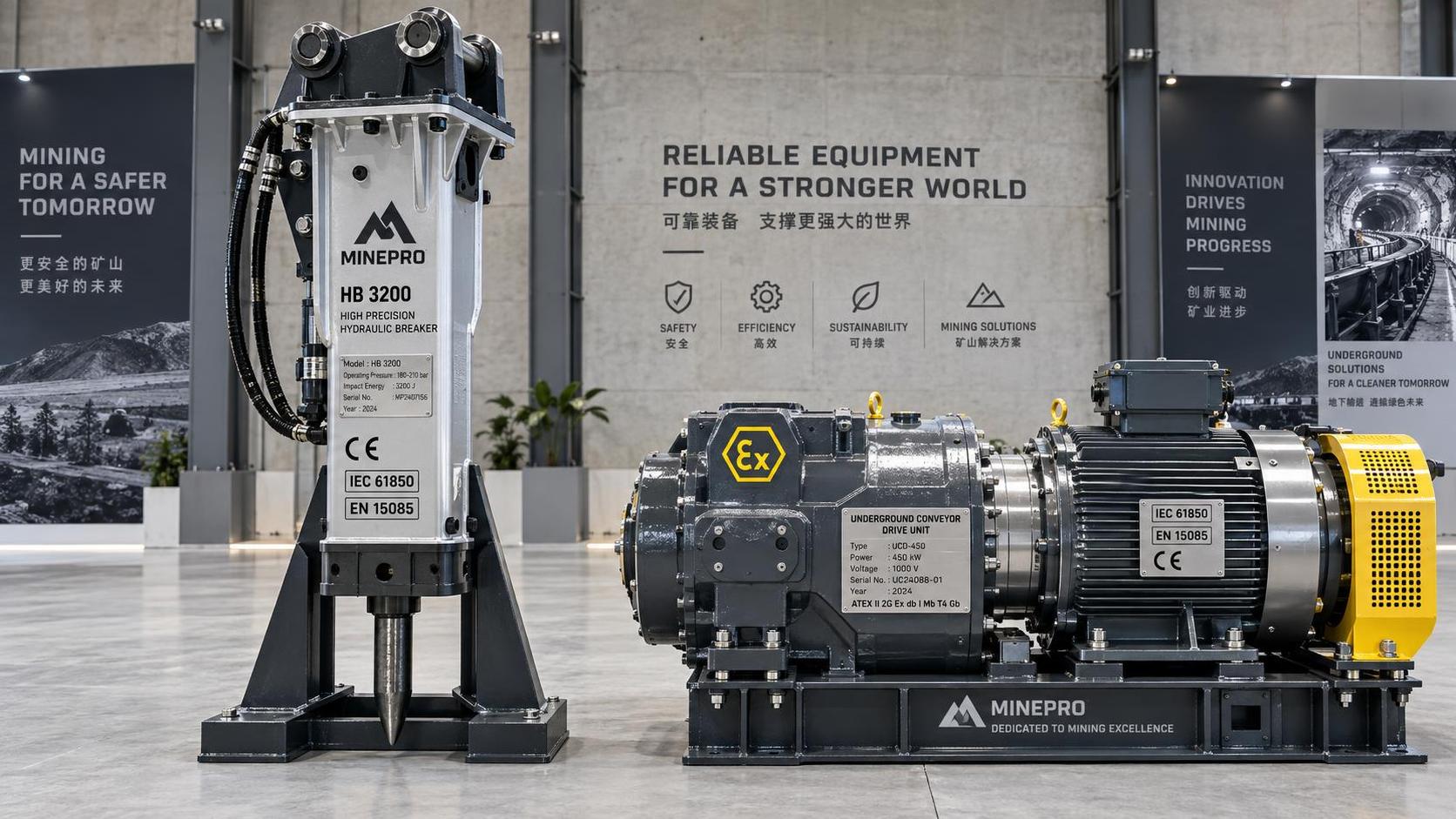
Remote mining sites punish weak equipment and weak suppliers. Long transport routes, abrasive materials, vibration, and heat can turn a low-price purchase into a costly operational burden.
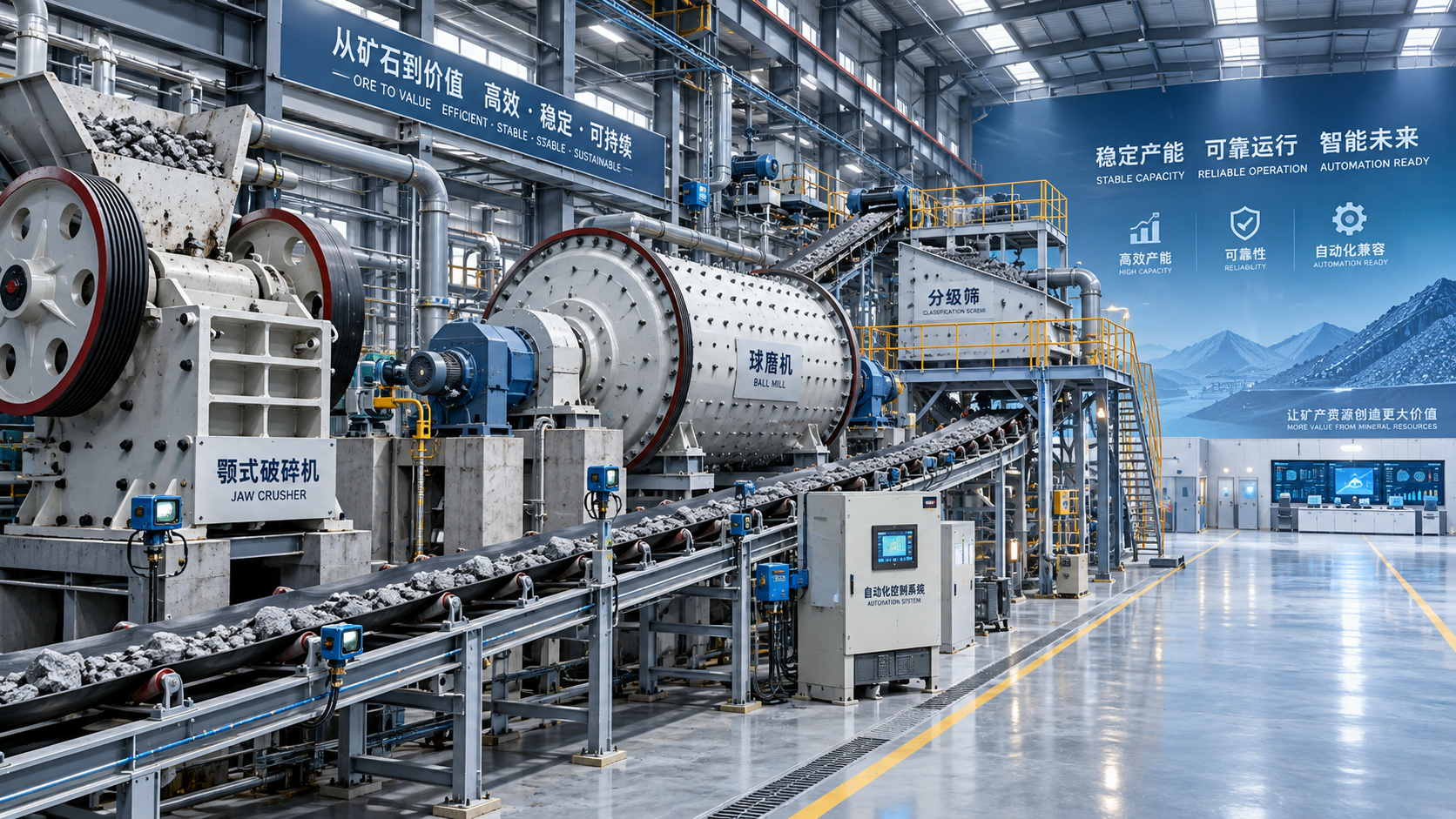
In this setting, a heavy industry equipment supplier should be compared on metallurgy, structural design, wear parts strategy, field repair support, and performance under continuous duty cycles.
Core judgment points for mining scenarios
- Evidence from similar mines, climates, and ore conditions
- Mean time between failures and service interval data
- On-site technician access and emergency spare logistics
- Power efficiency and total operating cost over time
Scenario 3: Rail and logistics systems depend on precision and compliance
Railway and logistics operations need reliable heavy equipment with predictable performance. Failure affects throughput, maintenance windows, safety routines, and sometimes public service continuity.
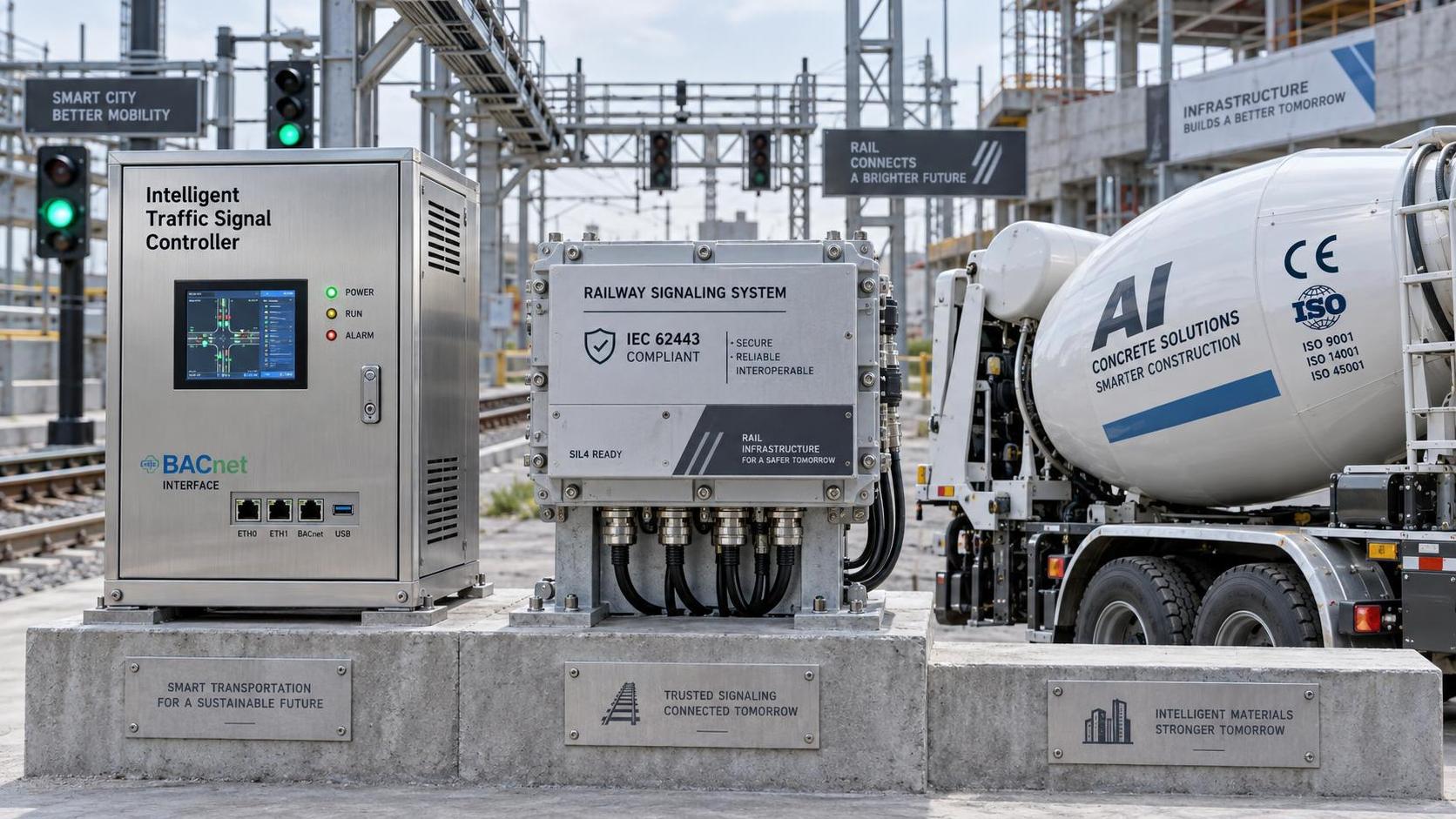
For this scenario, a heavy industry equipment supplier should show documented quality systems, traceability, repeatable tolerances, and strong integration with signaling, depot, or yard operations.
Core judgment points for rail and logistics scenarios
- Certification records and component traceability
- Precision manufacturing and testing procedures
- Support for maintenance planning and parts forecasting
- Compatibility with digital fleet or asset systems
Scenario 4: Urban tech and municipal fleets need smarter equipment decisions
Fire trucks, sanitation systems, utility vehicles, and smart city support equipment face public accountability. Noise, emissions, safety, and data integration often matter as much as mechanical output.
A heavy industry equipment supplier serving municipal or urban environments should offer telematics, safety interlocks, training systems, and faster service response in populated service areas.
Core judgment points for urban equipment scenarios
- Low-emission or electrified equipment options
- Data connectivity for fleet visibility and reporting
- Training for safety-sensitive public operations
- Ability to customize for local regulations and routes
How scenario needs change the way you compare a heavy industry equipment supplier
Different applications require different comparison weights. The table below helps translate broad supplier evaluation into scenario-specific decision logic.
Practical checks to compare suppliers before shortlisting
A strong heavy industry equipment supplier should pass more than a catalog review. Use structured checks to test whether claims hold under operational pressure.
1. Verify manufacturing capability
Review factory scale, core processes, welding quality, machining capacity, test rigs, and subcontractor dependence. A supplier with strong in-house control usually delivers more consistent equipment quality.
2. Confirm certifications and documentation
Check ISO systems, product certifications, material traceability, safety records, and inspection reports. For regulated sectors, missing paperwork can create major delays even if equipment quality is acceptable.
3. Test delivery discipline
Ask for recent delivery performance data, export experience, packaging standards, and milestone reporting. Reliable suppliers communicate risks early and manage shipping details with precision.
4. Evaluate after-sales structure
Compare warranty terms, spare part stock levels, response time commitments, and remote diagnostic tools. The best heavy industry equipment supplier often wins through post-sale execution.
5. Review technology strength
Look at automation, telematics, fuel efficiency, electrification options, and software interfaces. Technology readiness is increasingly important across infrastructure, smart city, and industrial modernization projects.
Scenario-fit recommendations for smarter supplier selection
- Choose weighted scoring models instead of one-price comparisons.
- Request references from projects with similar duty cycles and climates.
- Include service response time as a contractual metric.
- Assess spare part availability for two to five years ahead.
- Review digital compatibility with fleet, asset, or maintenance systems.
- Run factory audits or virtual inspections before final approval.
Common mistakes when comparing a heavy industry equipment supplier
One common error is overvaluing initial price and undervaluing downtime. Cheap equipment becomes expensive when service delays, wear failures, or missing parts reduce operating hours.
Another mistake is treating all references equally. A supplier experienced in urban utility fleets may not be ready for mining, rail maintenance, or high-cycle concrete operations.
Many evaluations also ignore integration needs. Modern projects increasingly require telematics, remote diagnostics, energy efficiency data, and interface compatibility with broader infrastructure systems.
Finally, incomplete contract terms create hidden exposure. Service obligations, parts lead times, acceptance tests, and training scope should be defined before order confirmation.
Take the next step with a structured comparison framework
To compare a heavy industry equipment supplier effectively, build a checklist around actual operating scenarios. Rank suppliers by fit, not just visibility, and validate every claim with evidence.
A strong evaluation process should combine technical review, compliance checks, lifecycle cost analysis, and service verification. That approach supports safer investments and more dependable infrastructure outcomes.
GIUT continues tracking heavy equipment trends, supplier capability shifts, smart infrastructure demands, and industrial technology upgrades. Use this perspective to make better sourcing decisions in a changing global market.
Get weekly intelligence in your inbox.
No noise. No sponsored content. Pure intelligence.
News Recommendations
 Sep 19, 2026How an electronics application guide helps prevent component mismatchHow an electronics application guide helps prevent component mismatch
 Sep 18, 2026When a resource allocation platform improves project deliveryWhen a resource allocation platform improves project delivery
 Sep 17, 2026What to compare when evaluating mineral processing equipment manufacturersWhat to compare when evaluating mineral processing equipment manufacturers
 Sep 16, 2026How mineral separation optimization can reduce concentrate lossesHow mineral separation optimization can reduce concentrate losses
 Sep 15, 2026How to assess lifecycle costs in urban tech procurementHow to assess lifecycle costs in urban tech procurement
 Sep 14, 2026Heavy industry technology trends reshaping capital investment prioritiesHeavy industry technology trends reshaping capital investment priorities
 Sep 14, 2026Global Industrial Equipment Procurement: How Top OEMs Qualify Suppliers for Mining & Infrastructure ProjectsGlobal Industrial Equipment Procurement: How Top OEMs Qualify Suppliers for Mining & Infrastructure Projects
 Sep 14, 2026Industrial & Mining Equipment Procurement: Balancing Local Sourcing, Lead Time, and Certification RequirementsIndustrial & Mining Equipment Procurement: Balancing Local Sourcing, Lead Time, and Certification Requirements
 Sep 14, 2026Infrastructure & Equipment Upgrades: What Procurement Teams Must Verify Before Signing Off on New ContractsInfrastructure & Equipment Upgrades: What Procurement Teams Must Verify Before Signing Off on New Contracts
 Sep 14, 2026Why Infrastructure Equipment Buyers Are Shifting from Catalog-Based to Capability-Based Supplier SelectionWhy Infrastructure Equipment Buyers Are Shifting from Catalog-Based to Capability-Based Supplier Selection
 Sep 14, 2026Process Automation Project Execution: How to Align Supplier Capabilities with PLC Integration, Cybersecurity & Commissioning MilestonesProcess Automation Project Execution: How to Align Supplier Capabilities with PLC Integration, Cybersecurity & Commissioning Milestones
 Sep 14, 2026Are intelligent traffic systems worth the investment for small cities?Are intelligent traffic systems worth the investment for small cities?
 Sep 14, 2026How do intelligent traffic systems handle sensor failures?How do intelligent traffic systems handle sensor failures?
 Sep 14, 2026What should I check before accepting a smart building system?What should I check before accepting a smart building system?
 Sep 14, 2026Is a smart building system worth the maintenance cost?Is a smart building system worth the maintenance cost?
 Sep 14, 2026What data is needed for reliable resource allocation planning?What data is needed for reliable resource allocation planning?
 Sep 14, 2026How can resource allocation software reduce equipment idle time?How can resource allocation software reduce equipment idle time?
 Sep 14, 2026How should smart devices be maintained in harsh outdoor conditions?How should smart devices be maintained in harsh outdoor conditions?
 Sep 14, 2026Do smart devices improve worker safety on construction sites?Do smart devices improve worker safety on construction sites?
 Sep 14, 2026What environmental risks must be assessed before deep-sea mining?What environmental risks must be assessed before deep-sea mining?
 Sep 14, 2026Is deep-sea mining equipment commercially viable in 2026?Is deep-sea mining equipment commercially viable in 2026?
 Sep 14, 2026What Inspection Checks Should Procurement Teams Perform Before Ordering Dredging Equipment in 2026?What Inspection Checks Should Procurement Teams Perform Before Ordering Dredging Equipment in 2026?
 Sep 13, 2026How to verify an industrial product information source before specifying equipmentHow to verify an industrial product information source before specifying equipment
 Sep 12, 2026Which intelligent traffic systems hardware fits an urban intersection?Which intelligent traffic systems hardware fits an urban intersection?
 Sep 11, 2026How pump capacity affects response coverage for municipal fire fighting vehiclesHow pump capacity affects response coverage for municipal fire fighting vehicles
 Sep 10, 2026What to verify before choosing a heavy industry equipment supplierWhat to verify before choosing a heavy industry equipment supplier
 Sep 09, 2026When do adaptive urban traffic control systems reduce corridor delays?When do adaptive urban traffic control systems reduce corridor delays?