Digital Cities: 2026 Infrastructure Priorities
As digital cities move from vision to implementation, 2026 will be shaped by infrastructure decisions that must deliver resilience, intelligence, and durable economic value. Capital is no longer flowing only to visible assets. It is moving toward connected systems, operational data layers, and platforms that help cities respond faster to growth, disruption, and climate pressure.
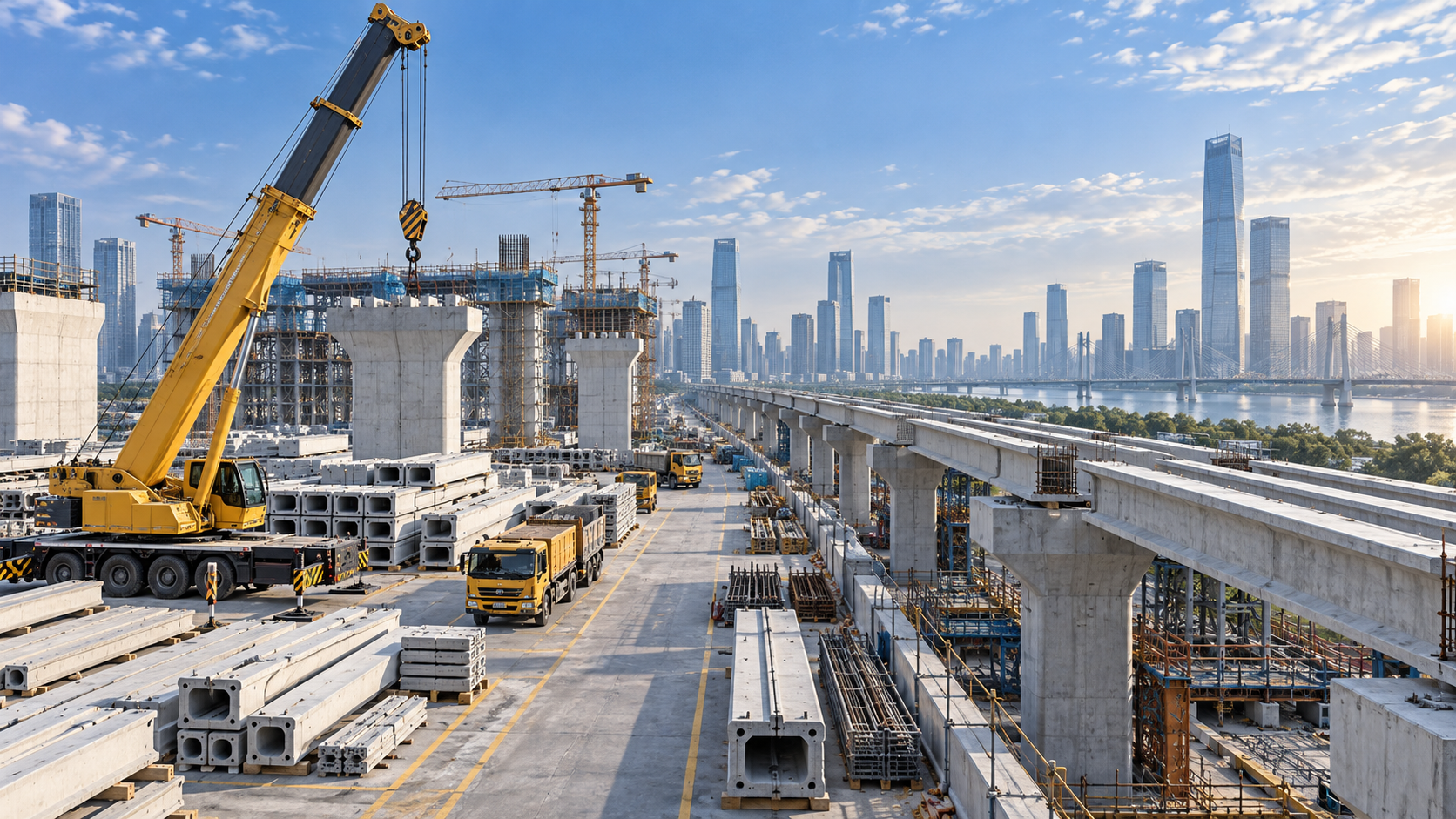
For the broader infrastructure sector, digital cities are no longer a niche theme. They now influence transport planning, power distribution, public safety, water management, logistics, and construction delivery. The most important question is not whether cities will digitize, but which infrastructure priorities will create practical returns by 2026.
Why 2026 marks a decisive shift for digital cities
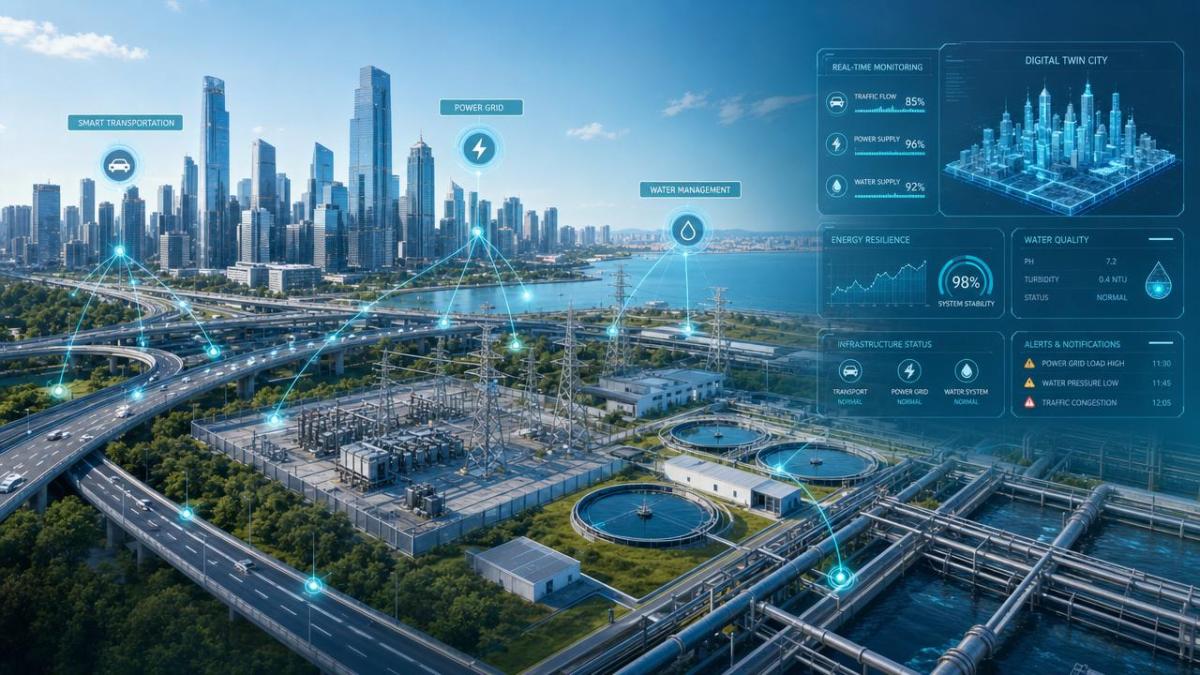
The digital cities agenda is entering a more disciplined phase. Early pilots focused on isolated applications, such as smart lighting or connected parking. In 2026, attention is shifting toward integrated urban systems that combine physical infrastructure with real-time intelligence.
Several signals confirm this shift. Cities are tightening resilience standards. Utilities are modernizing aging networks. Transport agencies are seeking predictive operations. Construction teams are using digital twins to reduce delivery risk. These signals point to one conclusion: digital cities now depend on backbone infrastructure, not just software overlays.
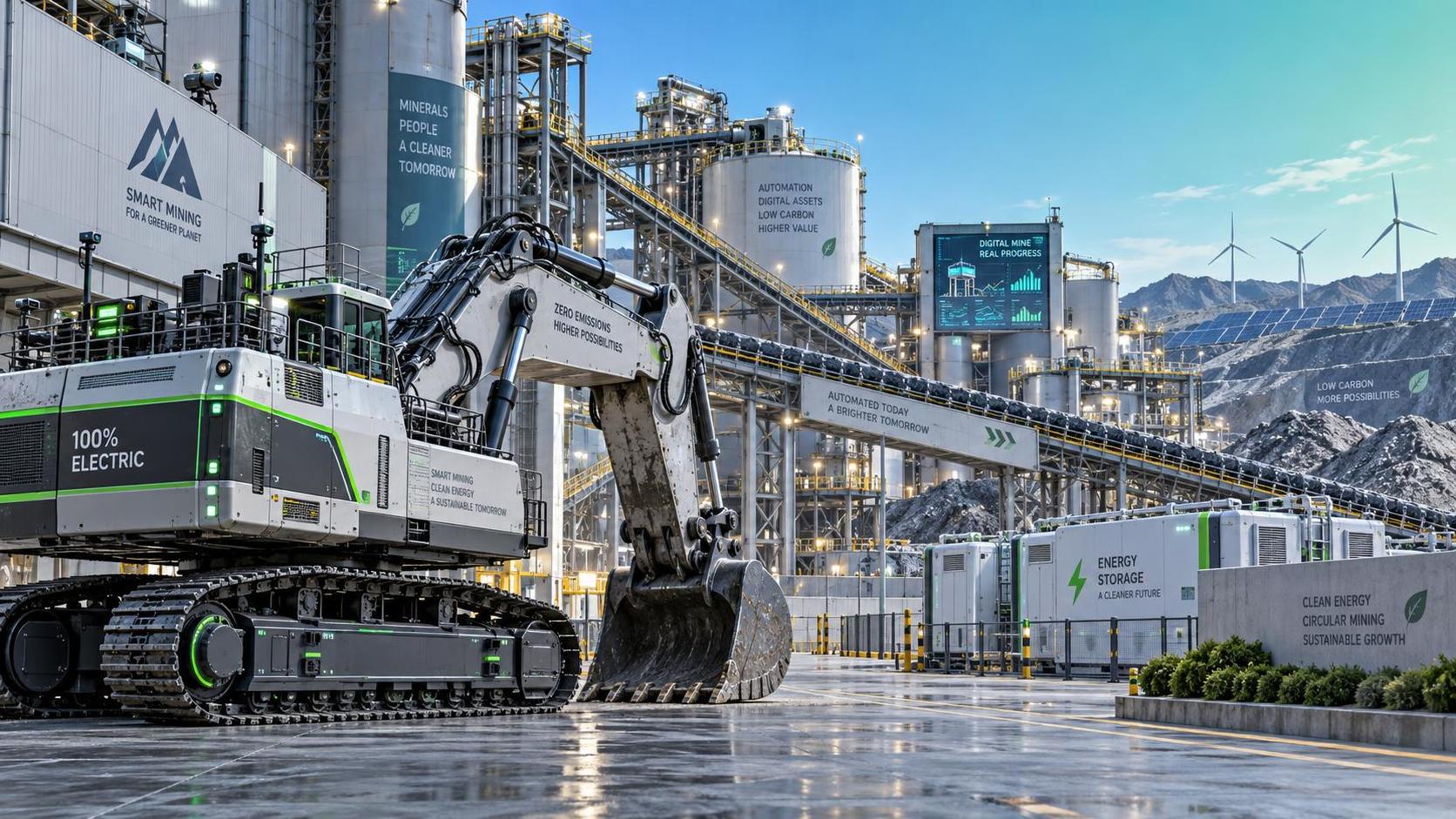
This matters across the comprehensive industry landscape. Construction, rail, mining logistics, heavy equipment, and urban technology increasingly share one requirement: infrastructure that can sense, communicate, optimize, and recover.
The strongest trend signals now reshaping urban infrastructure
The next wave of digital cities is being defined by convergence. Energy, mobility, communications, and public services can no longer be planned in separate silos. The strongest trend signals include the following changes.
- Critical infrastructure is being designed for both physical and cyber resilience.
- Urban transport systems are shifting from fixed schedules to adaptive control.
- Digital twin environments are moving from design tools to operational platforms.
- Smart grids are becoming central to electrification and load balancing.
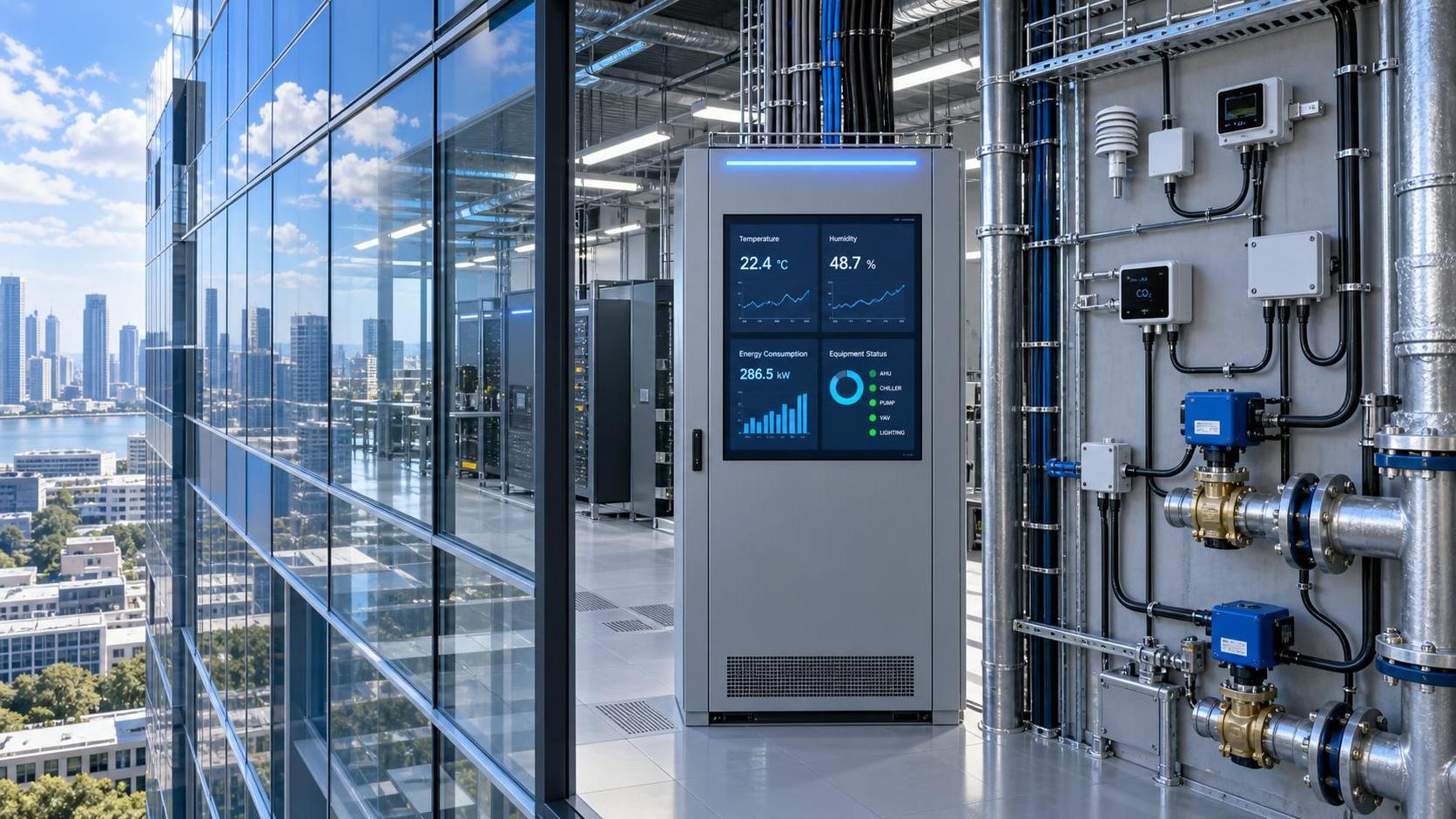
- Water, waste, and environmental systems are gaining sensor-based visibility.
- Data governance is becoming as important as concrete, steel, and cabling.
In practical terms, digital cities are prioritizing systems that reduce downtime, improve service predictability, and support lower-carbon operations. This creates a more strategic investment environment, where infrastructure value is judged by long-term performance rather than headline innovation.
What is driving these digital cities priorities
The momentum behind digital cities is not driven by one technology alone. It is the result of overlapping pressures from policy, economics, engineering, and public expectations. The table below summarizes the key drivers shaping 2026 priorities.
For digital cities, these drivers reinforce the need for infrastructure that can support continuous sensing, coordinated response, and measurable lifecycle improvements. That is why 2026 planning is increasingly centered on interoperable systems.
The infrastructure priorities most likely to define digital cities in 2026
1. Grid intelligence and energy resilience
Among all digital cities priorities, smart energy infrastructure stands out. Electrified transport, data-heavy buildings, and decentralized energy generation require grids that can monitor loads, reroute supply, and detect faults quickly.
Investment is moving toward substation automation, storage integration, microgrid capability, and demand-response software. In digital cities, resilient energy is not a support function. It is the operating core.
2. Adaptive mobility and traffic orchestration
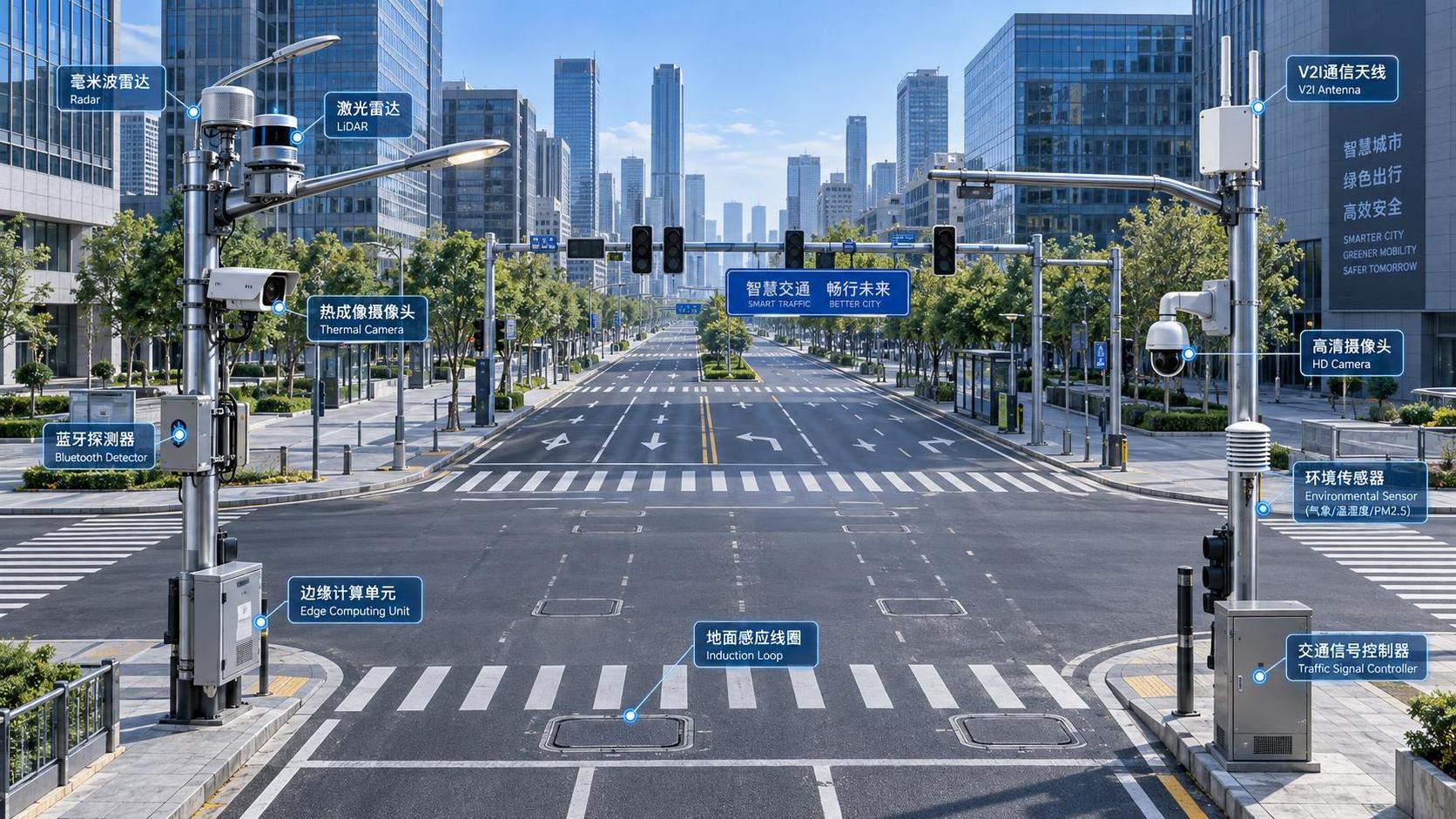
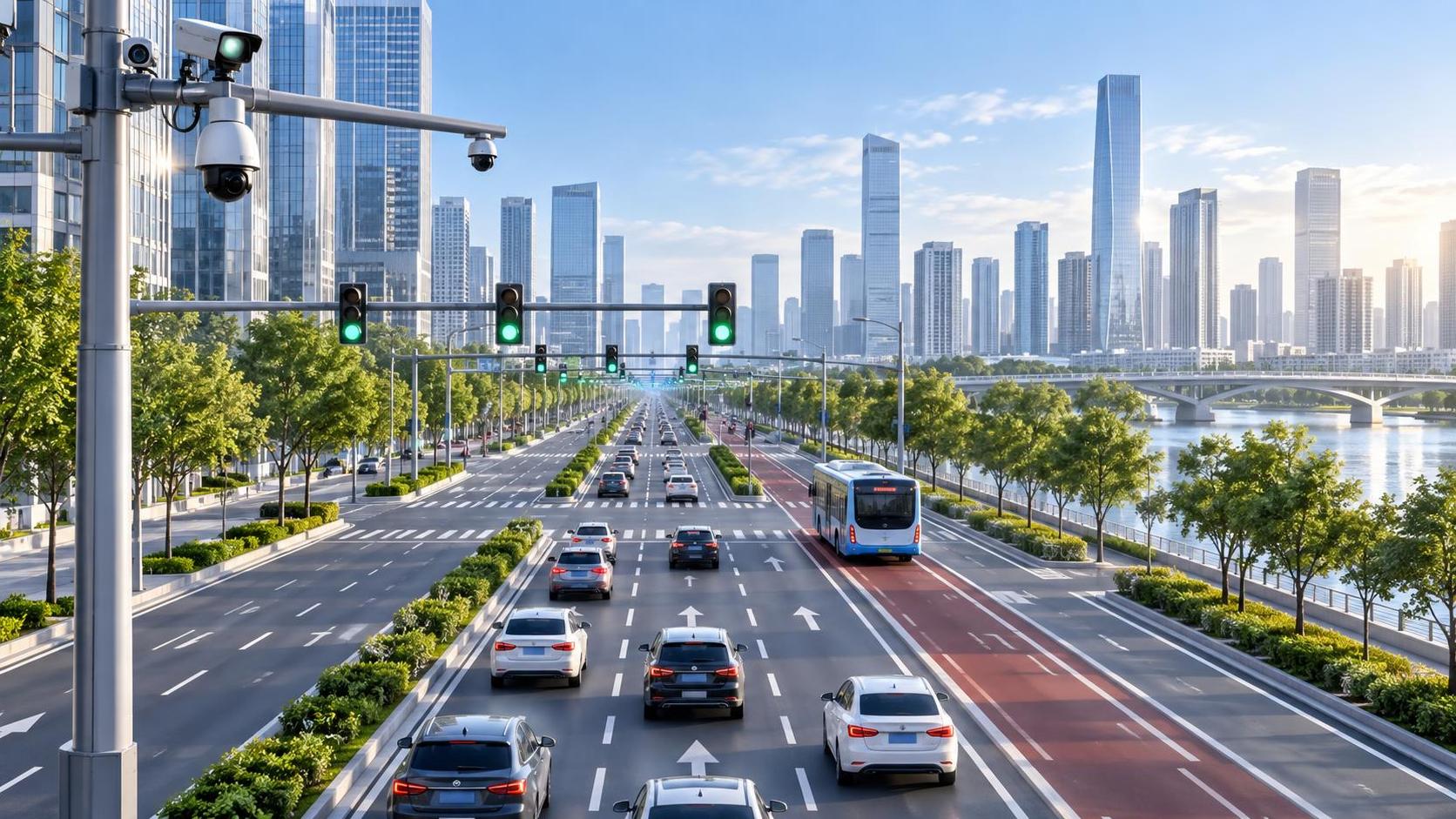
Transport systems in digital cities are becoming dynamic networks. Fixed-timing traffic lights, static route assumptions, and isolated ticketing systems cannot support rising urban complexity.
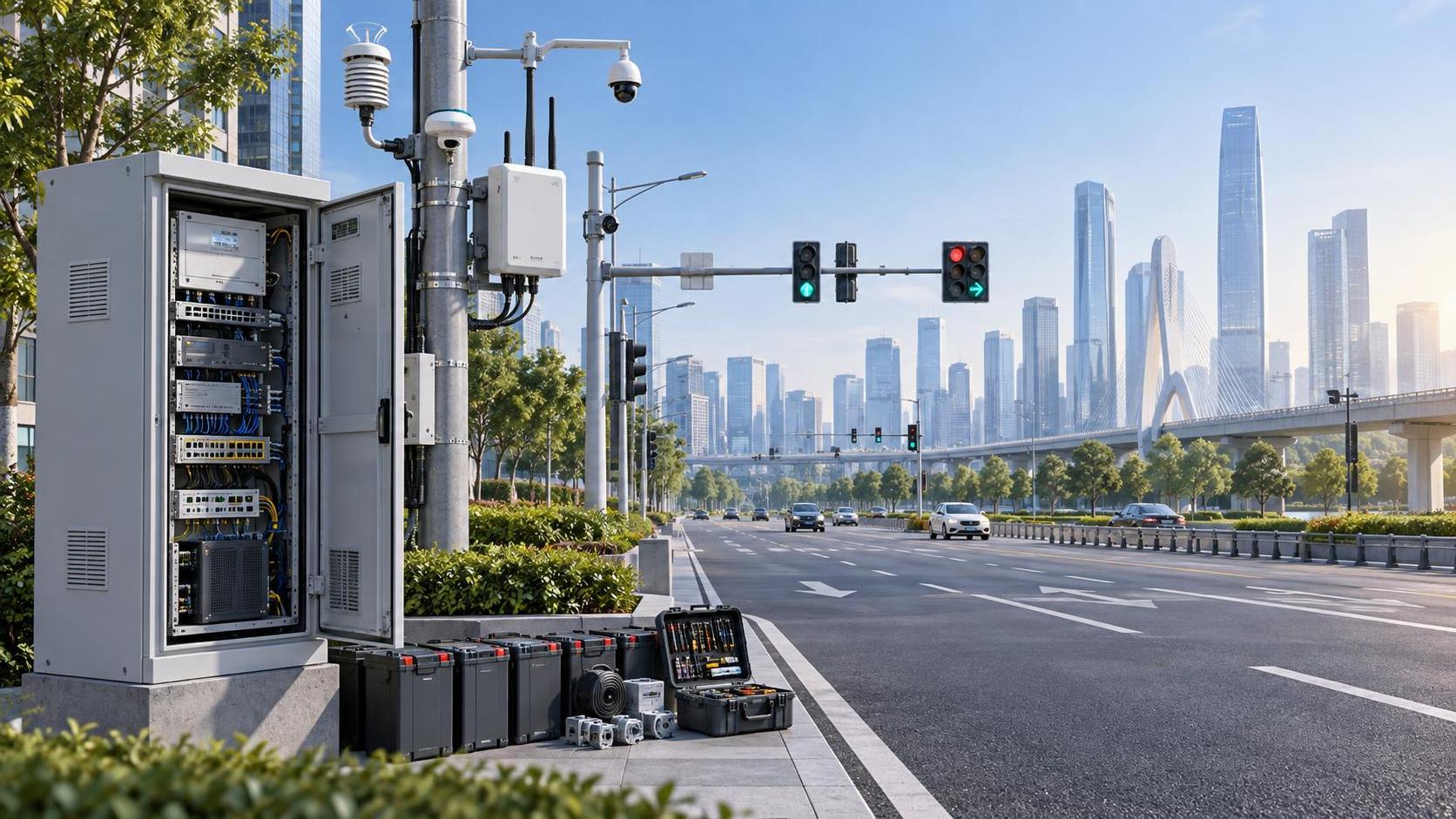
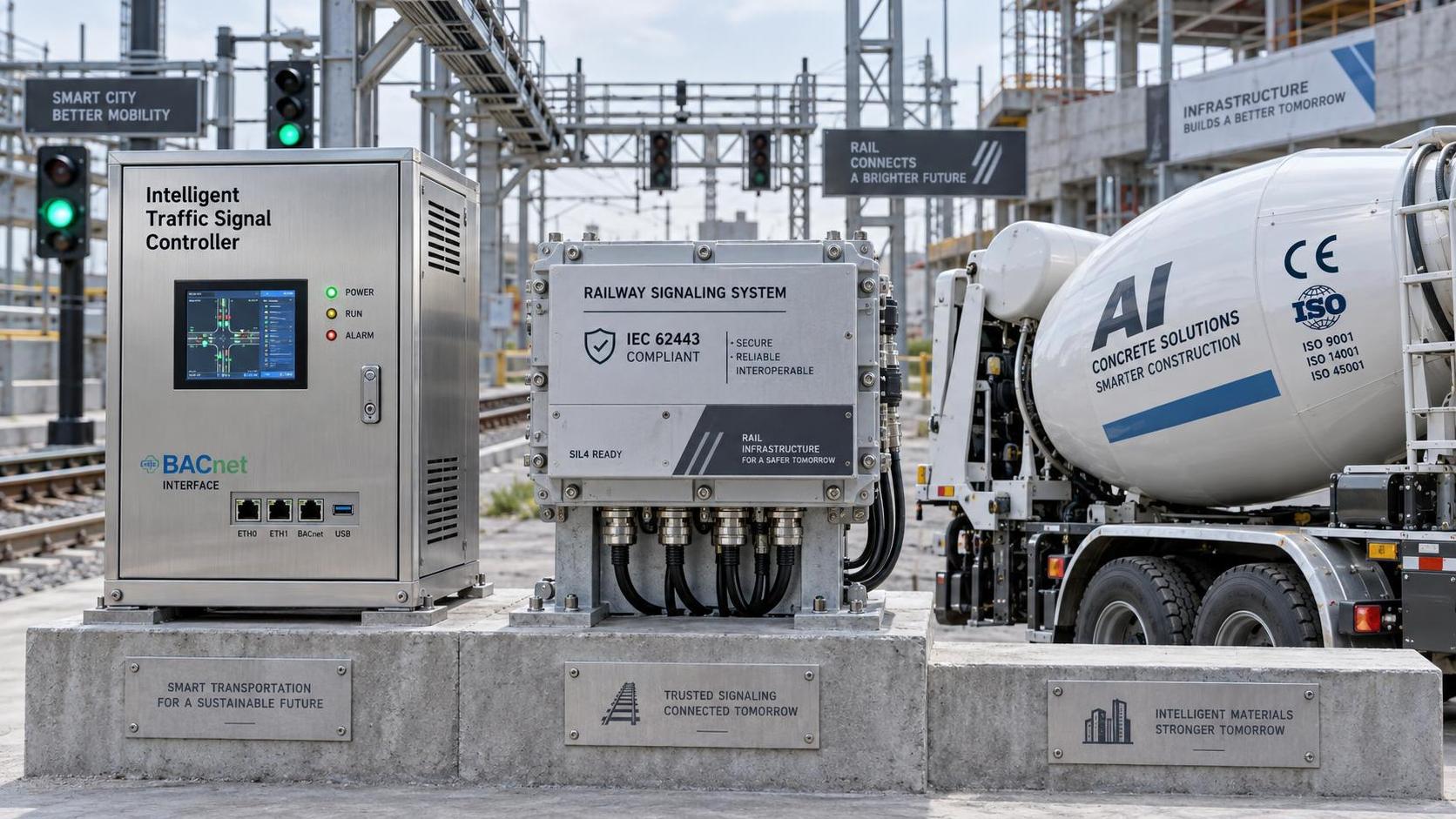
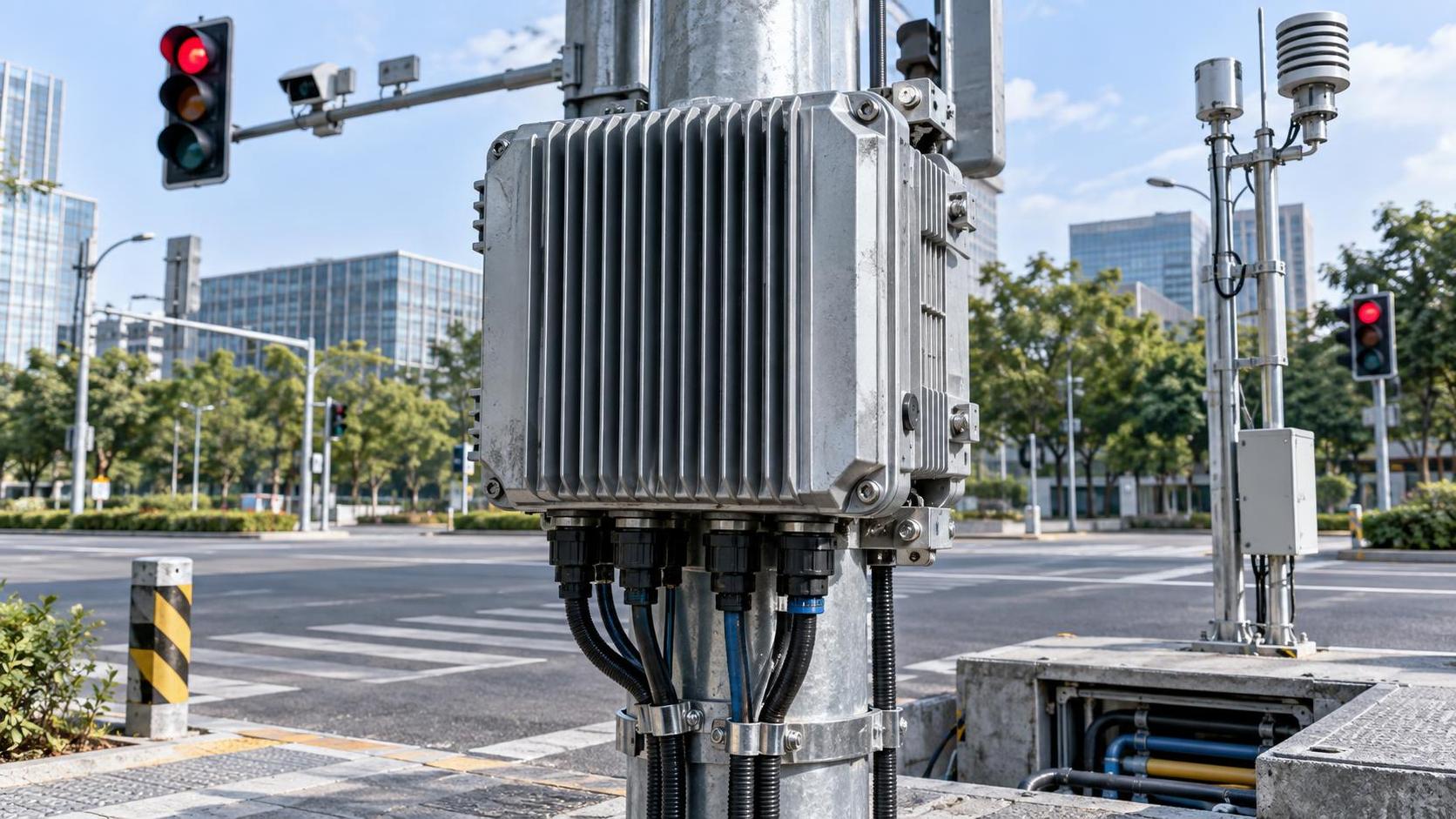
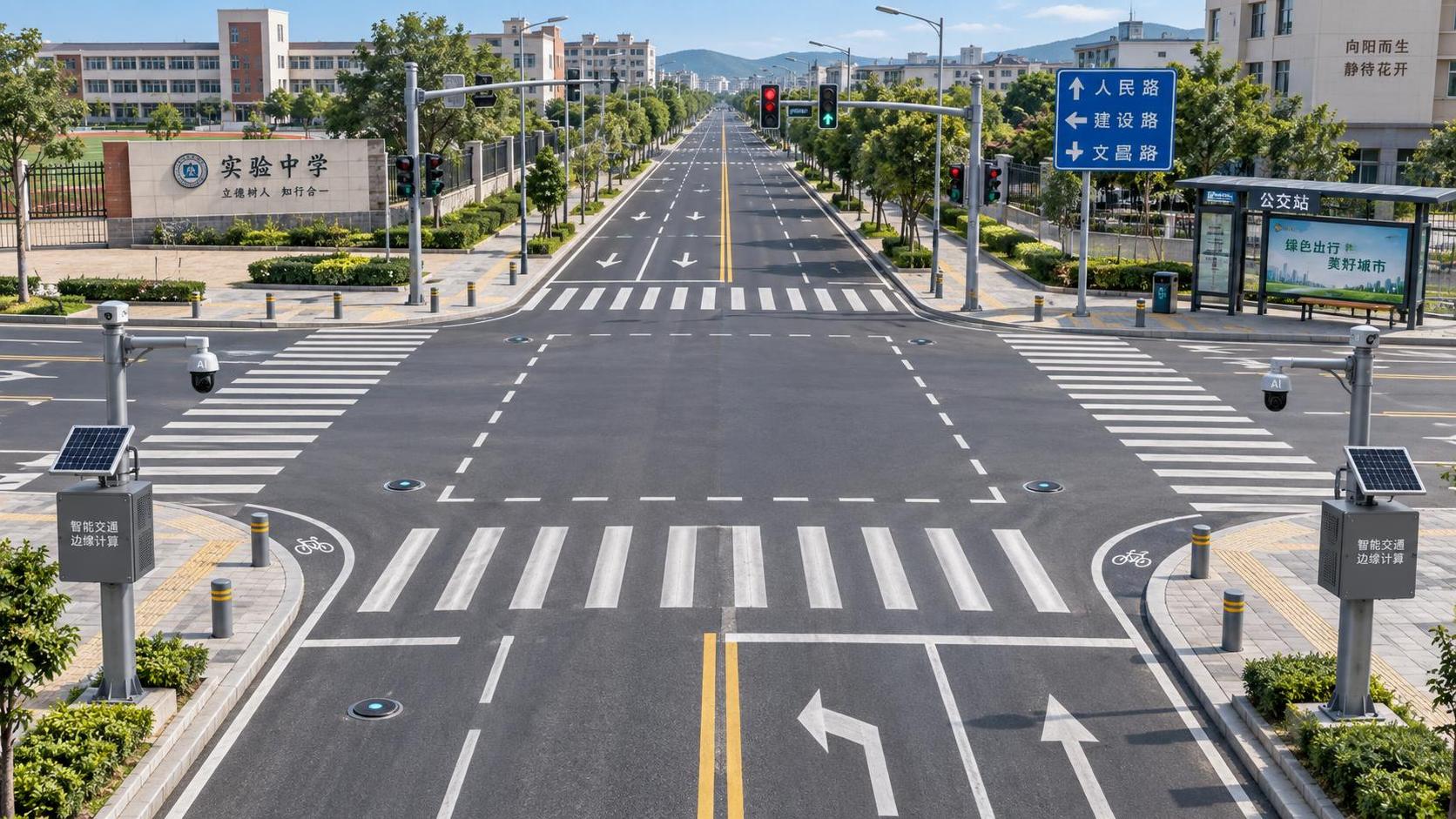
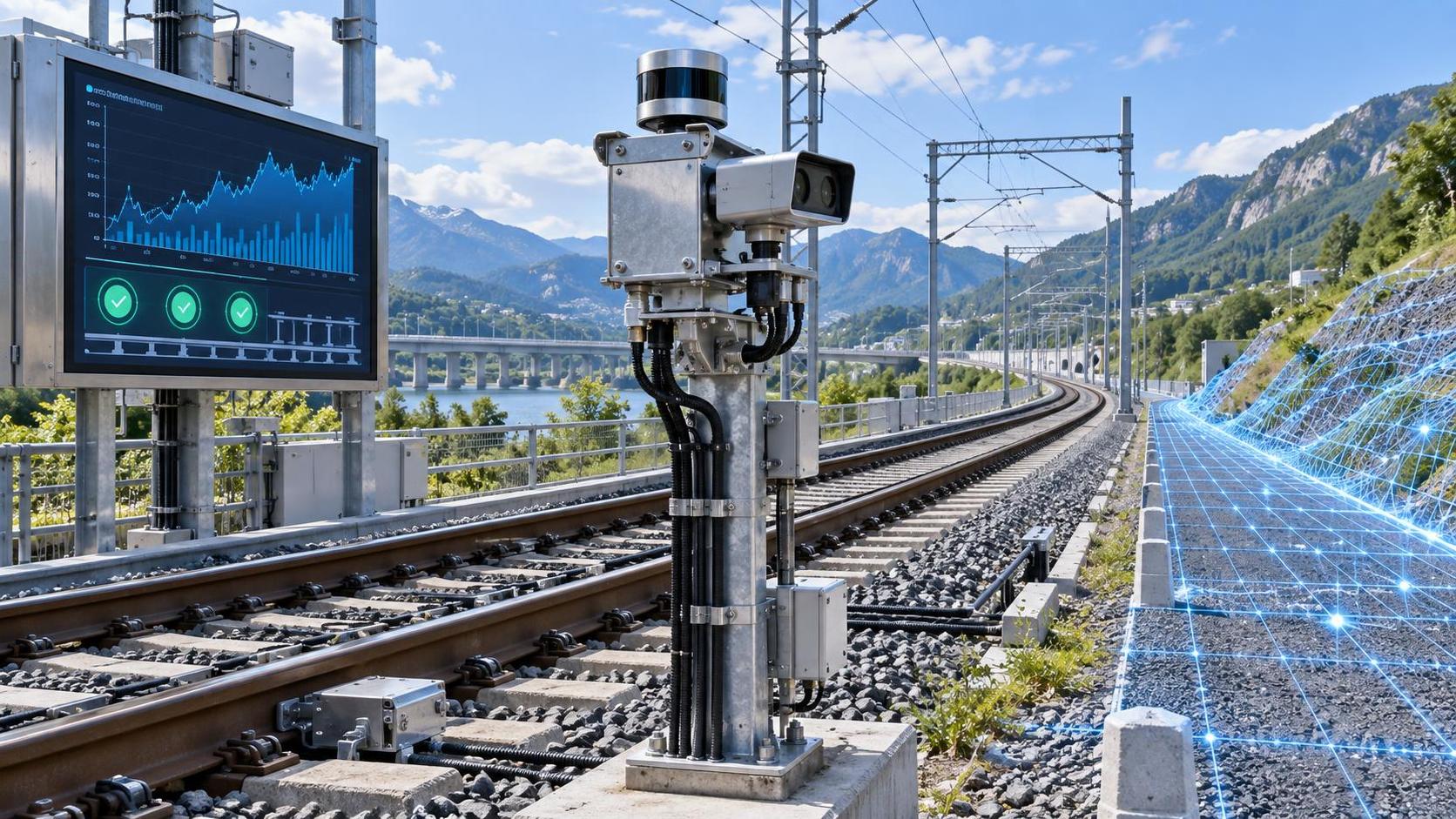
Priority projects include connected intersections, intelligent signaling, multimodal coordination, curbside management, and predictive rail maintenance. The goal is smoother movement with fewer delays and lower emissions.
3. Water, waste, and environmental visibility
Digital cities are also investing in less visible but essential networks. Smart metering, leak detection, stormwater analytics, and automated waste systems help cities prevent loss, reduce contamination, and improve service efficiency.
These systems become even more valuable when linked to geographic data, weather signals, and maintenance platforms. The result is better planning and faster intervention.
4. Digital twin-led asset management
Digital twin capability is becoming one of the most strategic layers in digital cities. It connects design models, sensor data, maintenance histories, and operational scenarios into one decision environment.
By 2026, the strongest use cases will focus on bridges, tunnels, transit corridors, public buildings, and utility networks. The value comes from better forecasting, not just visualization.
5. Secure urban data architecture
No digital cities strategy succeeds without trusted data infrastructure. Sensors, connected equipment, and control platforms create a large attack surface. At the same time, fragmented data limits operational value.
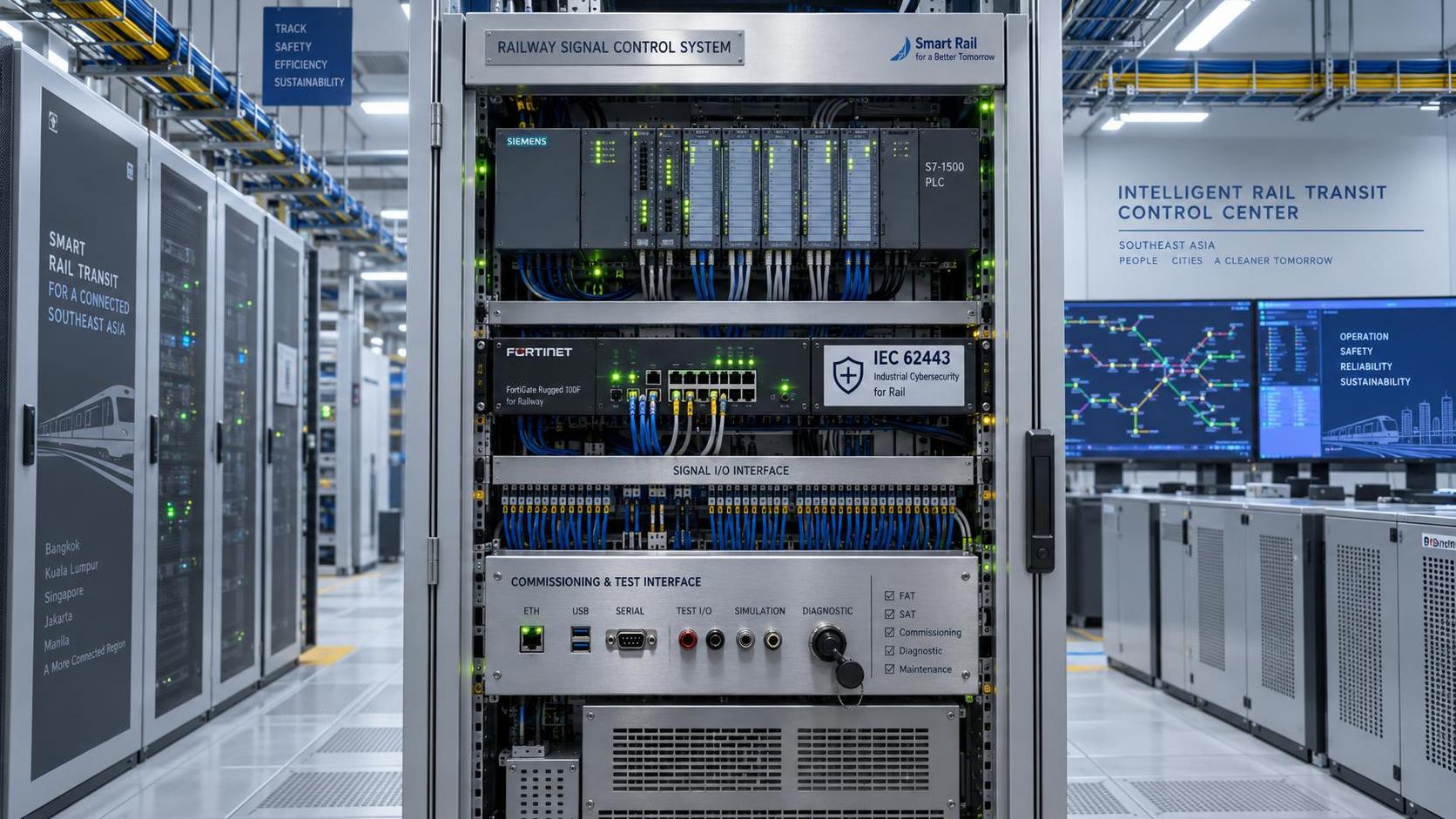
That is why 2026 priorities include cybersecurity by design, common data standards, edge processing, and governance rules for sharing information across departments and operators.
How these shifts affect delivery, operations, and investment choices
The rise of digital cities changes how infrastructure is specified, funded, and maintained. Delivery teams must coordinate civil works with software integration, communications hardware, and lifecycle data strategies from the earliest planning stages.
This creates new dependencies. A transport upgrade may require grid capacity planning. A smart building program may depend on urban data standards. A drainage project may need live monitoring and predictive analytics to justify funding.
Investment decisions are also changing. Digital cities reward phased deployment, measurable outcomes, and compatibility with future systems. Assets that cannot exchange data or support predictive maintenance may face shorter relevance cycles.
- Construction schedules must include systems integration milestones.
- Operations teams need stronger digital maintenance capabilities.
- Capital planning should evaluate lifecycle intelligence, not only upfront cost.
- Procurement frameworks must address interoperability and cyber risk.
What deserves close attention now
For organizations navigating digital cities, several focus areas deserve immediate attention. These points help separate durable infrastructure value from short-lived pilot activity.
- Prioritize backbone systems before consumer-facing applications.
- Set data ownership and governance rules early.
- Use open standards where long-term integration is expected.
- Design for resilience across both hardware and software layers.
- Measure carbon, downtime, and service performance together.
- Build upgrade paths for sensors, connectivity, and control platforms.
In digital cities, the most expensive mistake is often not underbuilding capacity. It is creating disconnected systems that cannot scale, share intelligence, or support cross-sector operations.
A practical framework for judging next-step priorities
A useful 2026 decision framework for digital cities should connect urgency with expandability. The following structure can support planning discussions.
This framework helps digital cities move from experimentation to disciplined delivery. It also aligns infrastructure strategy with measurable public and operational outcomes.
The next move for digital cities
By 2026, digital cities will be judged less by how many sensors they install and more by how effectively infrastructure systems work together. Energy resilience, adaptive mobility, digital twin operations, secure data architecture, and visible environmental networks are emerging as the clearest priorities.
The strongest path forward is practical: map critical assets, identify integration gaps, rank projects by resilience and lifecycle value, and build around interoperable standards. In digital cities, infrastructure leadership now depends on connecting the physical backbone with intelligent control.
For organizations tracking the evolution of digital cities across construction, urban technology, rail, logistics, and heavy equipment, the next step is to evaluate where existing assets can be upgraded into connected systems that sustain future growth.
Get weekly intelligence in your inbox.
No noise. No sponsored content. Pure intelligence.
News Recommendations
 Sep 19, 2026How an electronics application guide helps prevent component mismatchHow an electronics application guide helps prevent component mismatch
 Sep 18, 2026When a resource allocation platform improves project deliveryWhen a resource allocation platform improves project delivery
 Sep 17, 2026What to compare when evaluating mineral processing equipment manufacturersWhat to compare when evaluating mineral processing equipment manufacturers
 Sep 16, 2026How mineral separation optimization can reduce concentrate lossesHow mineral separation optimization can reduce concentrate losses
 Sep 15, 2026How to assess lifecycle costs in urban tech procurementHow to assess lifecycle costs in urban tech procurement
 Sep 14, 2026Heavy industry technology trends reshaping capital investment prioritiesHeavy industry technology trends reshaping capital investment priorities
 Sep 14, 2026Global Industrial Equipment Procurement: How Top OEMs Qualify Suppliers for Mining & Infrastructure ProjectsGlobal Industrial Equipment Procurement: How Top OEMs Qualify Suppliers for Mining & Infrastructure Projects
 Sep 14, 2026Industrial & Mining Equipment Procurement: Balancing Local Sourcing, Lead Time, and Certification RequirementsIndustrial & Mining Equipment Procurement: Balancing Local Sourcing, Lead Time, and Certification Requirements
 Sep 14, 2026Infrastructure & Equipment Upgrades: What Procurement Teams Must Verify Before Signing Off on New ContractsInfrastructure & Equipment Upgrades: What Procurement Teams Must Verify Before Signing Off on New Contracts
 Sep 14, 2026Why Infrastructure Equipment Buyers Are Shifting from Catalog-Based to Capability-Based Supplier SelectionWhy Infrastructure Equipment Buyers Are Shifting from Catalog-Based to Capability-Based Supplier Selection
 Sep 14, 2026Process Automation Project Execution: How to Align Supplier Capabilities with PLC Integration, Cybersecurity & Commissioning MilestonesProcess Automation Project Execution: How to Align Supplier Capabilities with PLC Integration, Cybersecurity & Commissioning Milestones
 Sep 14, 2026Are intelligent traffic systems worth the investment for small cities?Are intelligent traffic systems worth the investment for small cities?
 Sep 14, 2026How do intelligent traffic systems handle sensor failures?How do intelligent traffic systems handle sensor failures?
 Sep 14, 2026What should I check before accepting a smart building system?What should I check before accepting a smart building system?
 Sep 14, 2026Is a smart building system worth the maintenance cost?Is a smart building system worth the maintenance cost?
 Sep 14, 2026What data is needed for reliable resource allocation planning?What data is needed for reliable resource allocation planning?
 Sep 14, 2026How can resource allocation software reduce equipment idle time?How can resource allocation software reduce equipment idle time?
 Sep 14, 2026How should smart devices be maintained in harsh outdoor conditions?How should smart devices be maintained in harsh outdoor conditions?
 Sep 14, 2026Do smart devices improve worker safety on construction sites?Do smart devices improve worker safety on construction sites?
 Sep 14, 2026What environmental risks must be assessed before deep-sea mining?What environmental risks must be assessed before deep-sea mining?
 Sep 14, 2026Is deep-sea mining equipment commercially viable in 2026?Is deep-sea mining equipment commercially viable in 2026?
 Sep 14, 2026What Inspection Checks Should Procurement Teams Perform Before Ordering Dredging Equipment in 2026?What Inspection Checks Should Procurement Teams Perform Before Ordering Dredging Equipment in 2026?
 Sep 13, 2026How to verify an industrial product information source before specifying equipmentHow to verify an industrial product information source before specifying equipment
 Sep 12, 2026Which intelligent traffic systems hardware fits an urban intersection?Which intelligent traffic systems hardware fits an urban intersection?
 Sep 11, 2026How pump capacity affects response coverage for municipal fire fighting vehiclesHow pump capacity affects response coverage for municipal fire fighting vehicles
 Sep 10, 2026What to verify before choosing a heavy industry equipment supplierWhat to verify before choosing a heavy industry equipment supplier
 Sep 09, 2026When do adaptive urban traffic control systems reduce corridor delays?When do adaptive urban traffic control systems reduce corridor delays?