Physical World Transformation: Key 2026 Signals
Physical world transformation is accelerating as infrastructure, urban systems, resource technologies, and industrial equipment converge with intelligence and sustainability. For researchers tracking the key 2026 signals, this article highlights the shifts redefining how cities are built, governed, and connected—offering a sharper view of the forces shaping the next phase of global development.
For B2B information researchers, the challenge is no longer finding headlines. It is filtering signal from noise across construction, smart governance, mining technology, rail logistics, and specialized equipment. In 2026, physical world transformation will be defined by how these sectors integrate data, automation, resilience, and carbon discipline into practical deployment models.
GIUT’s cross-sector perspective matters here because the physical world does not evolve in isolated verticals. A smart rail corridor depends on grid stability, digital maintenance, prefabricated stations, mineral supply chains, and intelligent heavy machinery. Researchers need frameworks that connect these layers, not fragmented trend lists.
The 2026 Infrastructure Signals Reshaping the Physical World

The first major signal is convergence. In the past, infrastructure programs often ran in 3 to 5 separate procurement streams: civil works, energy, controls, mobility, and maintenance. By 2026, more owners are evaluating integrated delivery models where digital systems are specified from phase 1 rather than retrofitted in year 3 or year 5.
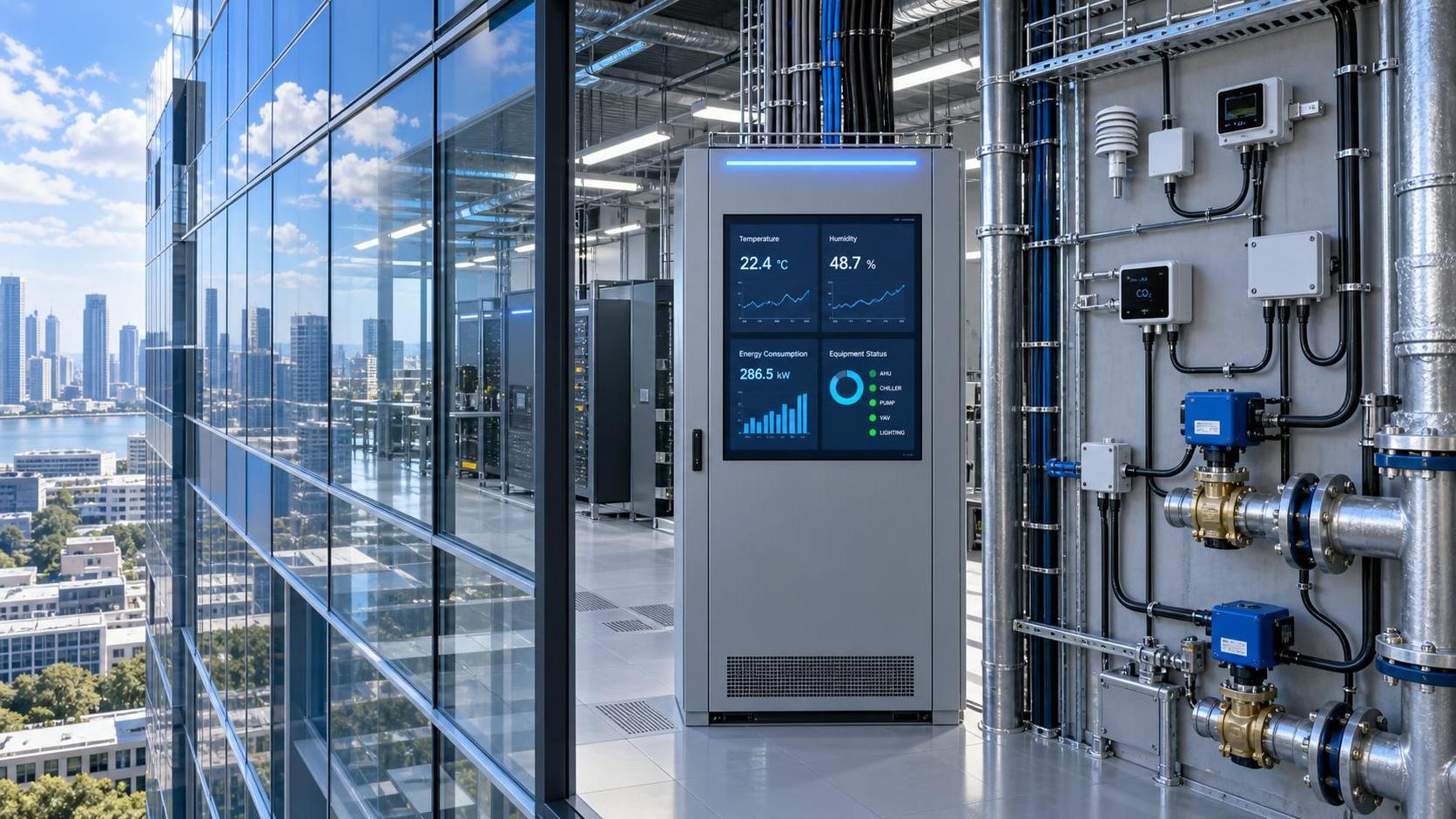
The second signal is operational intelligence. Digital twins, predictive maintenance layers, sensor networks, and AI-assisted asset management are moving from pilot status into standard evaluation criteria. In many projects, data refresh intervals of 5 to 15 minutes are now considered acceptable for municipal monitoring, while critical transport and industrial assets may require near-real-time visibility under 60 seconds.
1. Construction is shifting from volume to precision
Physical world transformation in construction is increasingly measured by schedule reliability, labor efficiency, and lifecycle traceability rather than gross build speed alone. Prefabrication rates in many large urban projects now target 20% to 60% depending on structure type, local codes, and logistics readiness.
Smart jobsites are also becoming more standardized. Common deployment elements include 4 to 6 camera zones, equipment telematics, RFID-based material tracking, and digital inspection logs. For researchers, this means future competitiveness depends on interoperability between field execution systems and owner-side asset platforms.
Why this matters for project owners
- Lower rework risk through earlier clash detection and model coordination
- Better labor planning in markets facing 10% to 25% skilled workforce gaps
- Improved handover quality with digital records tied to asset maintenance needs
2. Urban systems are becoming service platforms, not static utilities
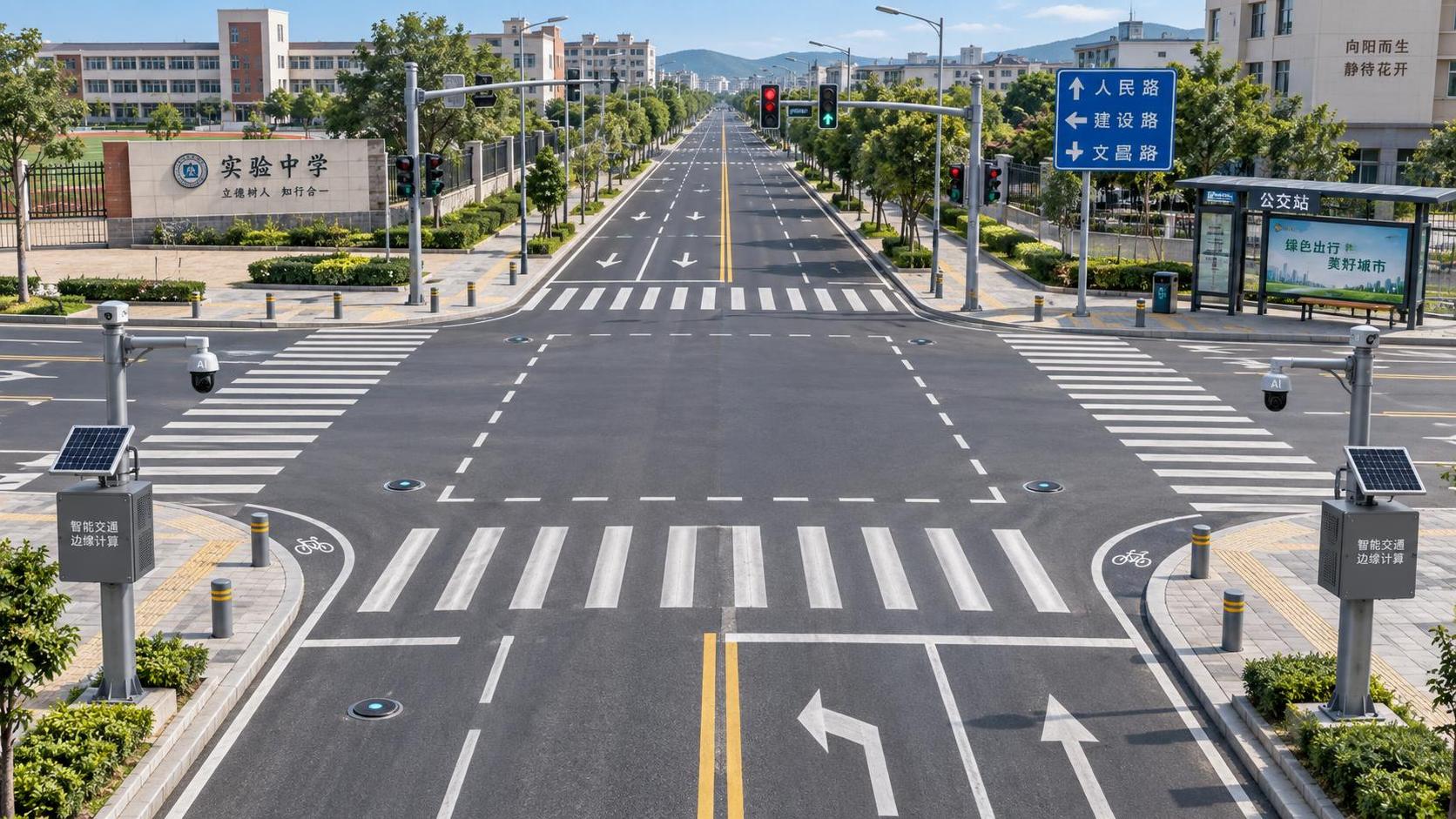
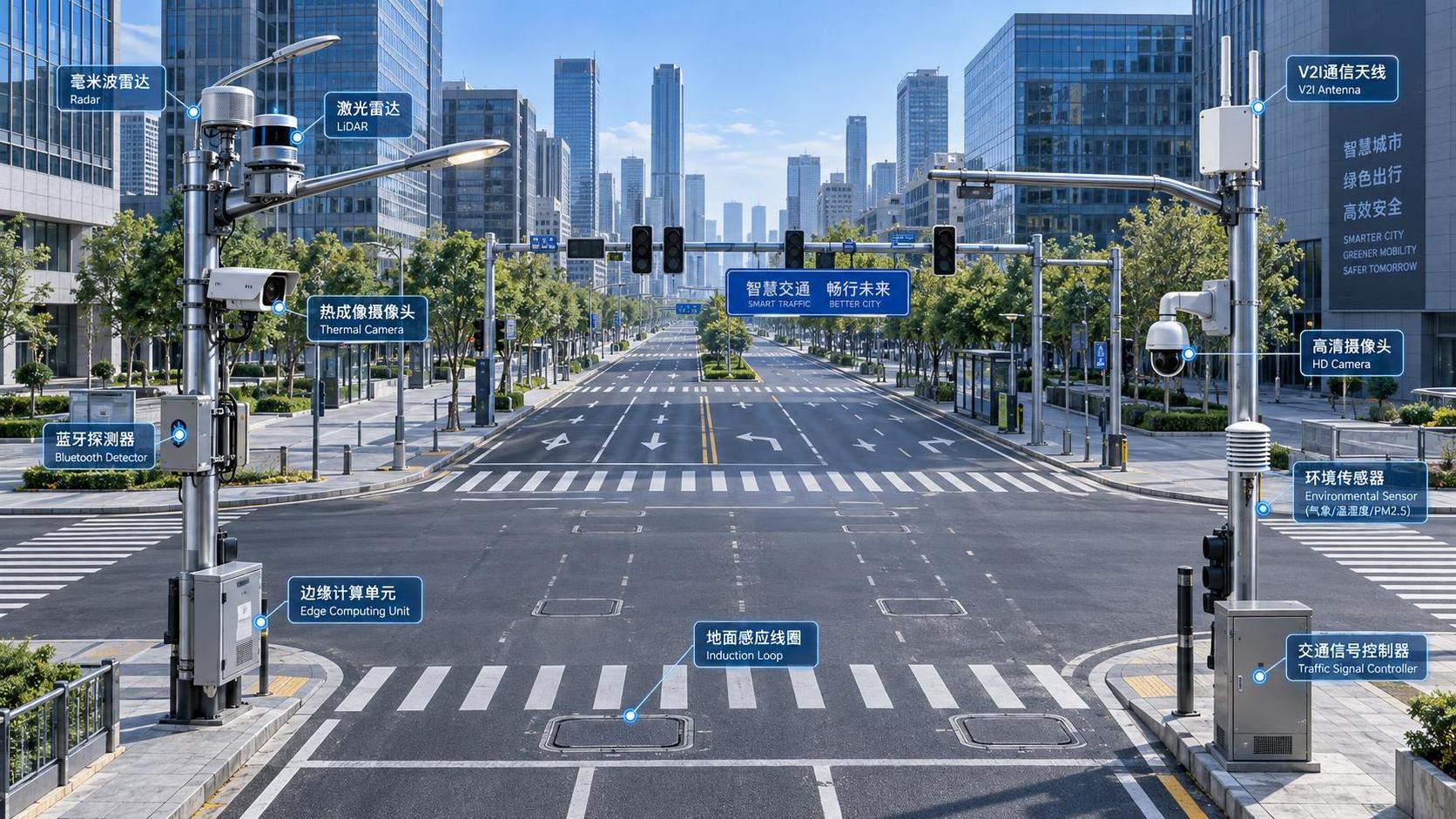
The next signal is the redesign of urban infrastructure around responsiveness. Smart grids, adaptive traffic systems, and automated waste collection are no longer separate modernization projects. They increasingly sit under a common governance logic: use data to reduce response time, optimize resource allocation, and increase resilience under variable demand.
In practical terms, city operators are comparing systems by outage response windows, sensor density, interoperability standards, and maintenance cycles. A traffic control platform may be reviewed on 24/7 uptime expectations, 2 to 4 hour incident response targets, and compatibility with existing CCTV, signal controllers, and edge devices.
The table below outlines how the strongest 2026 signals map across GIUT’s five strategic sectors and what researchers should watch when assessing physical world transformation.
The key takeaway is that physical world transformation is no longer a single-sector story. The strongest 2026 performers will be those that can connect civil assets, control systems, equipment data, and maintenance logic into one operating framework.
How Researchers Should Evaluate Platforms, Projects, and Suppliers
For information researchers supporting procurement, investment screening, or strategic planning, the most useful method is structured comparison. Many infrastructure vendors now claim intelligence, sustainability, and efficiency. Those labels only become meaningful when tested against deployment conditions, lifecycle cost, and integration readiness.
Four decision filters for physical world transformation
- Does the solution integrate with existing systems within 2 to 3 implementation phases?
- Can it show measurable operational value within 6 to 18 months after deployment?
- Are maintenance, training, and spare parts support defined for a 3 to 10 year asset horizon?
- Is the carbon and energy impact visible enough to support public or institutional reporting?
Common research mistakes
A frequent mistake is evaluating physical world transformation only through software features. In heavy industry and infrastructure, digital capability fails if it does not match environmental tolerance, operator workflow, maintenance skill levels, and network conditions. A second mistake is underestimating retrofitting complexity, especially in rail, mining, and municipal assets older than 10 to 20 years.
Another issue is focusing on capital expenditure without tracking operating implications. A lower-cost system may require more manual inspections, more downtime windows, or more frequent component replacement. For large infrastructure estates, these recurring burdens often matter more than the initial procurement line item.
The comparison below can help researchers build more defensible shortlists across solution categories tied to physical world transformation.
This table shows why selection quality improves when researchers compare deployment depth, not just features. In physical world transformation, integration, maintainability, and operating context are usually the deciding factors behind long-term value.
Sector-by-Sector Opportunities and Risk Points for 2026
Although the transformation logic is shared, each sector has its own deployment pressures. Researchers who understand these differences can produce more accurate market maps, supplier screens, and project risk assessments.
Construction and smart building
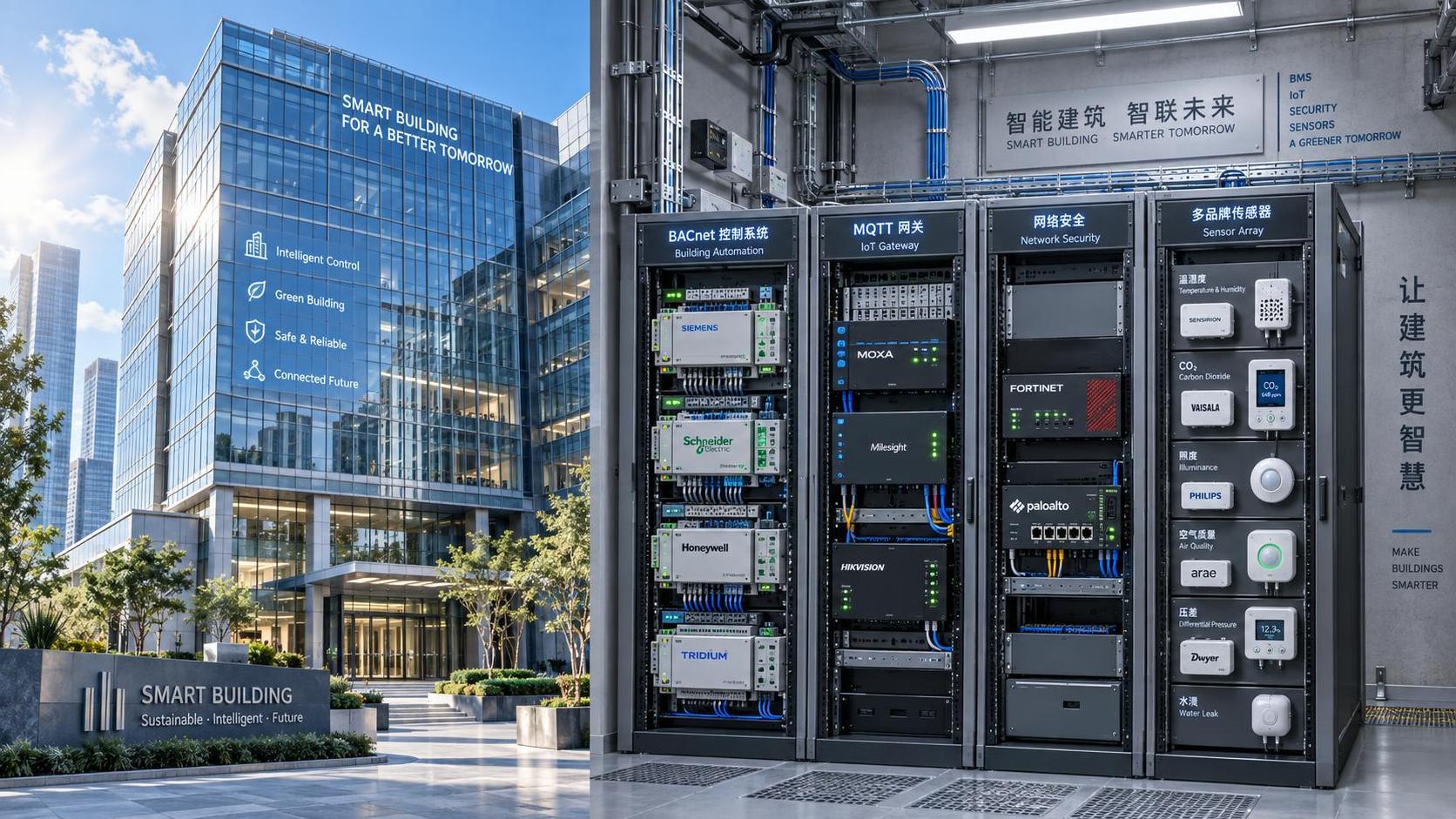
The opportunity lies in moving from fragmented delivery to model-driven execution. Owners are increasingly interested in 3-stage implementation paths: design coordination, digital field control, and lifecycle handover. Risk appears when model quality is poor, subcontractor adoption is weak, or prefabricated components face transport bottlenecks over distances above 150 to 300 kilometers.
Urban tech and smart governance
Cities want systems that reduce congestion, outage time, and service fragmentation. Yet the risk is governance complexity. A city may have 5 or more departments managing roads, power, sanitation, safety, and communications. Without clear data ownership and operating protocols, platform consolidation can stall even when the technology is mature.
Mining and resource technology
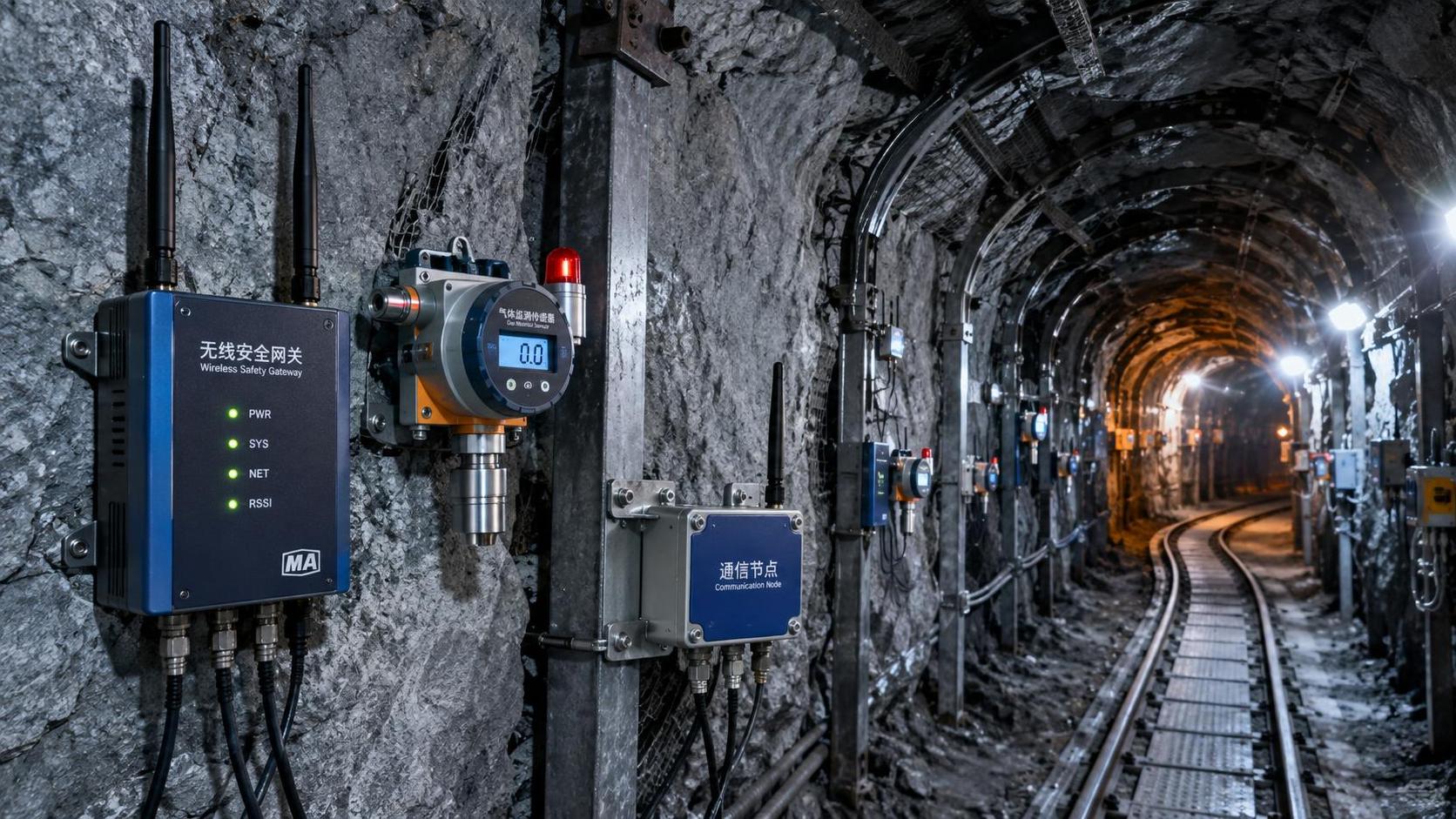
In mining, physical world transformation is strongly linked to safety and labor exposure reduction. Remote operations, vehicle monitoring, and environmental sensing can improve control in high-risk zones. However, site conditions vary sharply by depth, humidity, dust load, and communications stability. Researchers should review whether a solution performs under continuous operation cycles of 16 to 24 hours per day.
Railway and logistics arteries
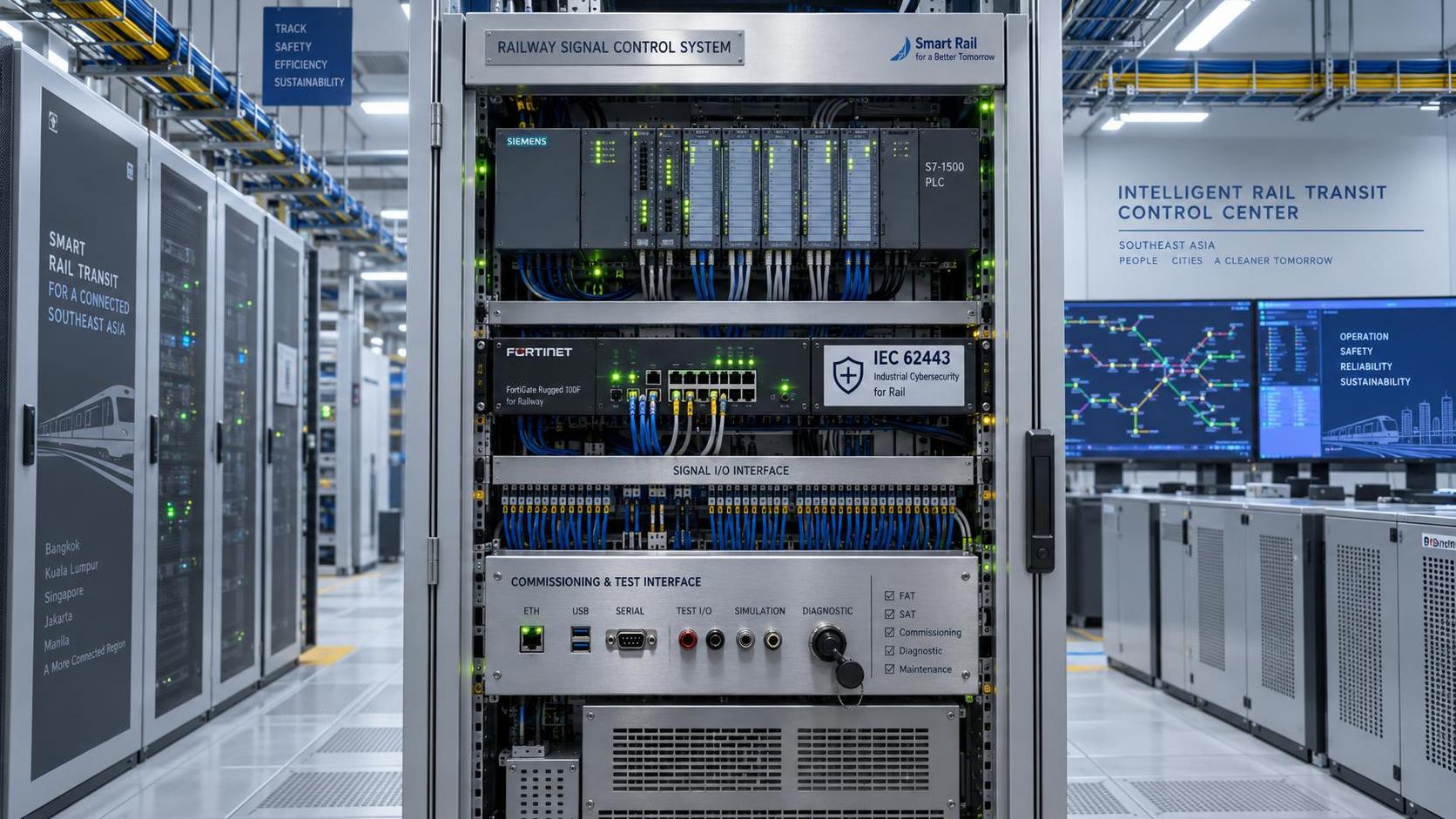
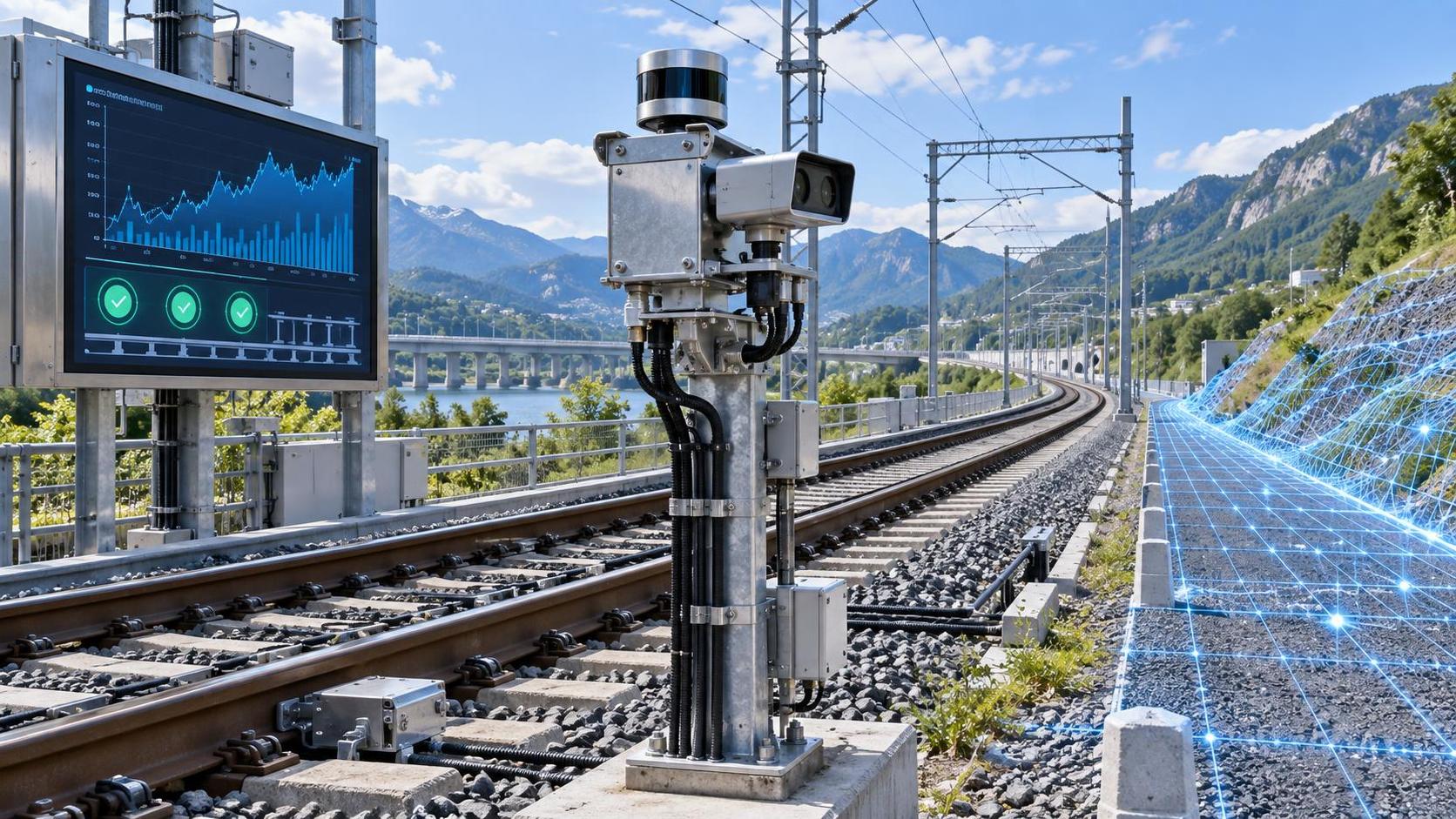
Rail systems are shifting toward predictive maintenance and corridor-level visibility. Asset owners are prioritizing track health monitoring, signaling reliability, and depot optimization. The risk is not only technical but organizational: maintenance teams, operators, and control centers often use different data environments, creating response delays unless the architecture is unified.
Special purpose vehicles and heavy equipment
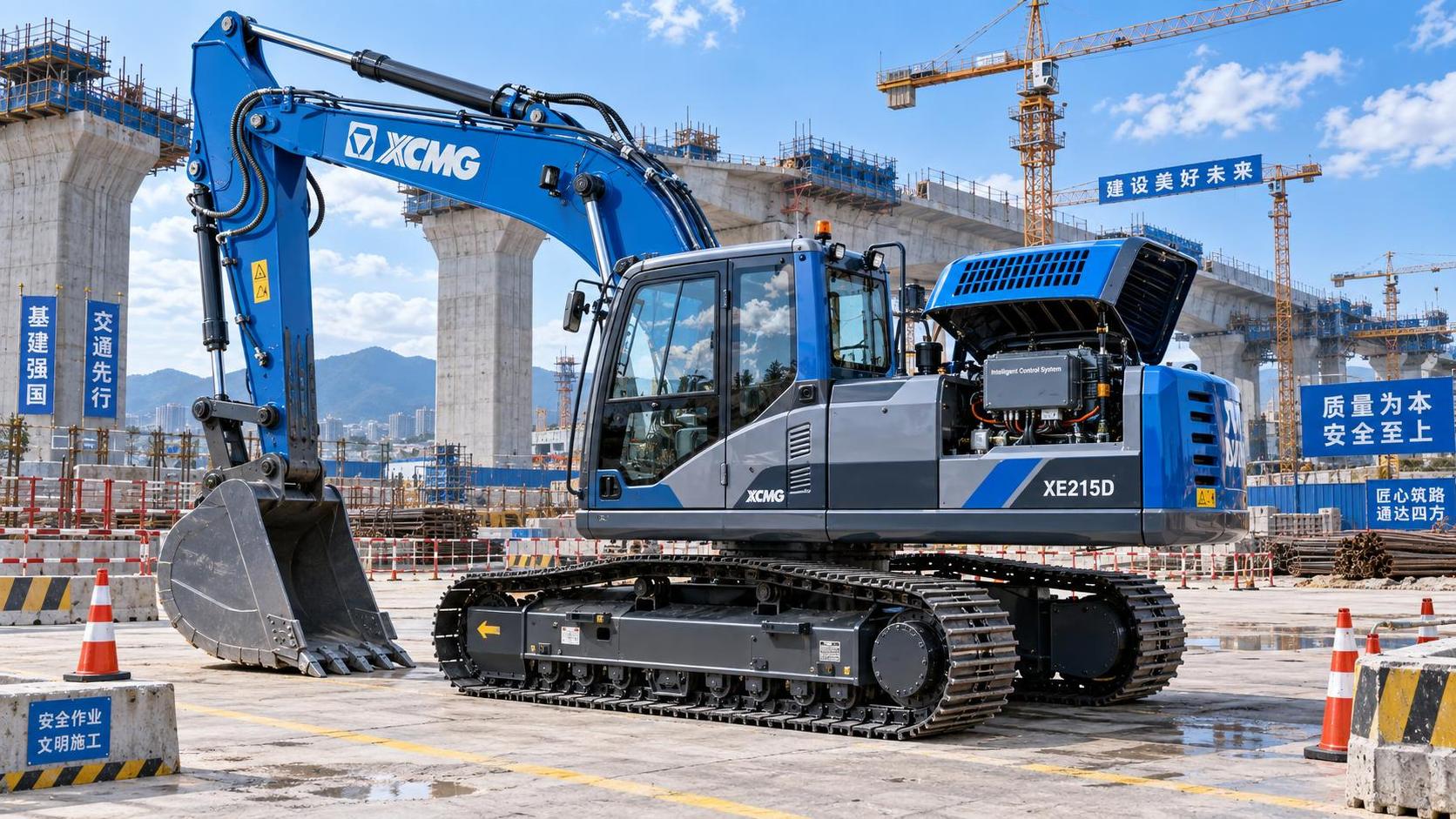
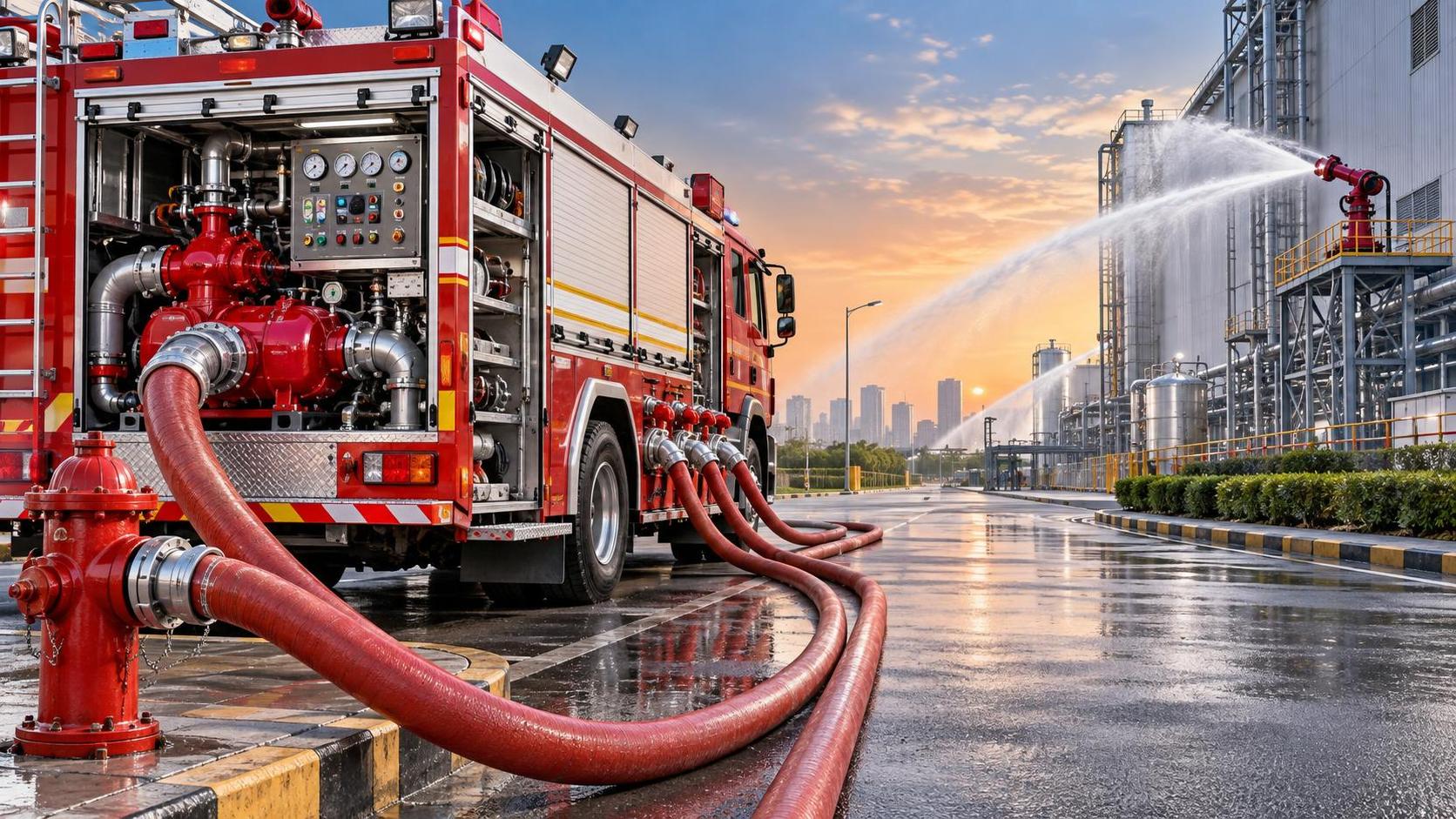
For fire trucks, cranes, mixers, and other specialized units, the strongest 2026 opportunity is intelligent upgrading without losing rugged field reliability. Buyers increasingly ask for telematics, operator-assist features, and maintenance diagnostics. A practical benchmark is whether the system can reduce unscheduled downtime events or shorten fault identification from several hours to less than 30 minutes.
From Trend Watching to Action: A Practical Research Framework
To move from observation to actionable insight, researchers should build an evaluation process that aligns technical signals with decision use cases. Physical world transformation is best assessed through repeatable criteria that can be applied across multiple geographies and asset classes.
A 5-step framework for 2026 research
- Define the asset scope: building, corridor, city system, extraction site, or equipment fleet.
- Identify the top 3 value drivers: cost, resilience, carbon, safety, or throughput.
- Map the digital layer: sensors, connectivity, data platform, analytics, and control logic.
- Test implementation constraints: workforce readiness, retrofitting limits, service coverage, and capital timing.
- Compare vendors or programs using the same 4 to 6 operational metrics.
What to ask during supplier or platform review
- What are the normal commissioning and training timelines?
- Which data formats, protocols, or third-party systems are supported?
- What are the recommended inspection intervals and spare parts assumptions?
- How does the solution perform in high-load, outdoor, or industrial conditions?
- What KPIs can typically be measured in the first 90 to 180 days?
For organizations following global infrastructure markets, the most valuable research will connect engineering realities with governance, sustainability, and operational performance. That is where GIUT’s integrated lens adds value: not by treating the built environment as a static inventory, but as a living system where physical assets and intelligent control are increasingly inseparable.
The 2026 signals are clear. Physical world transformation will favor projects, platforms, and suppliers that can link construction precision, smart urban management, resource efficiency, logistics reliability, and connected equipment into one coherent infrastructure strategy. If you are evaluating market direction, supplier capability, or deployment priorities, now is the right time to refine your criteria and benchmark future-ready solutions.
To explore deeper sector intelligence, compare solution pathways, or discuss a customized research perspective, contact GIUT to get tailored insights, consult project-specific details, and learn more about practical infrastructure solutions.
Get weekly intelligence in your inbox.
No noise. No sponsored content. Pure intelligence.
News Recommendations
 Sep 19, 2026How an electronics application guide helps prevent component mismatchHow an electronics application guide helps prevent component mismatch
 Sep 18, 2026When a resource allocation platform improves project deliveryWhen a resource allocation platform improves project delivery
 Sep 17, 2026What to compare when evaluating mineral processing equipment manufacturersWhat to compare when evaluating mineral processing equipment manufacturers
 Sep 16, 2026How mineral separation optimization can reduce concentrate lossesHow mineral separation optimization can reduce concentrate losses
 Sep 15, 2026How to assess lifecycle costs in urban tech procurementHow to assess lifecycle costs in urban tech procurement
 Sep 14, 2026Heavy industry technology trends reshaping capital investment prioritiesHeavy industry technology trends reshaping capital investment priorities
 Sep 14, 2026Why Infrastructure Equipment Buyers Are Shifting from Catalog-Based to Capability-Based Supplier SelectionWhy Infrastructure Equipment Buyers Are Shifting from Catalog-Based to Capability-Based Supplier Selection
 Sep 14, 2026Process Automation Project Execution: How to Align Supplier Capabilities with PLC Integration, Cybersecurity & Commissioning MilestonesProcess Automation Project Execution: How to Align Supplier Capabilities with PLC Integration, Cybersecurity & Commissioning Milestones
 Sep 14, 2026Are intelligent traffic systems worth the investment for small cities?Are intelligent traffic systems worth the investment for small cities?
 Sep 14, 2026How do intelligent traffic systems handle sensor failures?How do intelligent traffic systems handle sensor failures?
 Sep 14, 2026What should I check before accepting a smart building system?What should I check before accepting a smart building system?
 Sep 14, 2026Is a smart building system worth the maintenance cost?Is a smart building system worth the maintenance cost?
 Sep 14, 2026What data is needed for reliable resource allocation planning?What data is needed for reliable resource allocation planning?
 Sep 14, 2026How can resource allocation software reduce equipment idle time?How can resource allocation software reduce equipment idle time?
 Sep 14, 2026How should smart devices be maintained in harsh outdoor conditions?How should smart devices be maintained in harsh outdoor conditions?
 Sep 14, 2026Do smart devices improve worker safety on construction sites?Do smart devices improve worker safety on construction sites?
 Sep 14, 2026What environmental risks must be assessed before deep-sea mining?What environmental risks must be assessed before deep-sea mining?
 Sep 14, 2026Is deep-sea mining equipment commercially viable in 2026?Is deep-sea mining equipment commercially viable in 2026?
 Sep 14, 2026What Inspection Checks Should Procurement Teams Perform Before Ordering Dredging Equipment in 2026?What Inspection Checks Should Procurement Teams Perform Before Ordering Dredging Equipment in 2026?
 Sep 13, 2026How to verify an industrial product information source before specifying equipmentHow to verify an industrial product information source before specifying equipment
 Sep 12, 2026Which intelligent traffic systems hardware fits an urban intersection?Which intelligent traffic systems hardware fits an urban intersection?
 Sep 11, 2026How pump capacity affects response coverage for municipal fire fighting vehiclesHow pump capacity affects response coverage for municipal fire fighting vehicles
 Sep 10, 2026What to verify before choosing a heavy industry equipment supplierWhat to verify before choosing a heavy industry equipment supplier
 Sep 09, 2026When do adaptive urban traffic control systems reduce corridor delays?When do adaptive urban traffic control systems reduce corridor delays?
 Sep 08, 2026When logistics technology solutions in North America reduce delivery delaysWhen logistics technology solutions in North America reduce delivery delays
 Sep 07, 2026How reliable are wireless mining safety systems in underground mines?How reliable are wireless mining safety systems in underground mines?
 Sep 07, 2026How to assess a smart lighting technology platform for interoperabilityHow to assess a smart lighting technology platform for interoperability