Smart Building Maintenance Tech: What Cuts Downtime
For after-sales maintenance teams, reducing downtime is no longer just about fixing faults faster—it depends on using the right maintenance technologies for smart buildings. From predictive diagnostics to connected monitoring and automated alerts, today’s tools help technicians spot risks early, plan service efficiently, and keep critical systems running with fewer disruptions.
The core search intent behind “Smart Building Maintenance Tech: What Cuts Downtime” is practical and direct. Readers want to know which technologies actually reduce outages, repeat faults, and emergency callouts in real building operations.
For after-sales maintenance personnel, the biggest concern is not theory. It is how to detect problems earlier, respond faster, avoid unnecessary site visits, and maintain service quality across HVAC, power, elevators, lighting, security, and BMS-connected assets.
The most useful content, therefore, is specific guidance on tools, use cases, decision criteria, and workflow impact. Broad smart building trends matter less than clear explanations of what helps technicians diagnose issues, prioritize work orders, and prevent downtime.
This article focuses on the maintenance technologies for smart buildings that have the strongest operational impact. It also explains where they work best, what problems they solve, and how after-sales teams can apply them without overcomplicating daily service.
Which maintenance technologies for smart buildings reduce downtime the most?
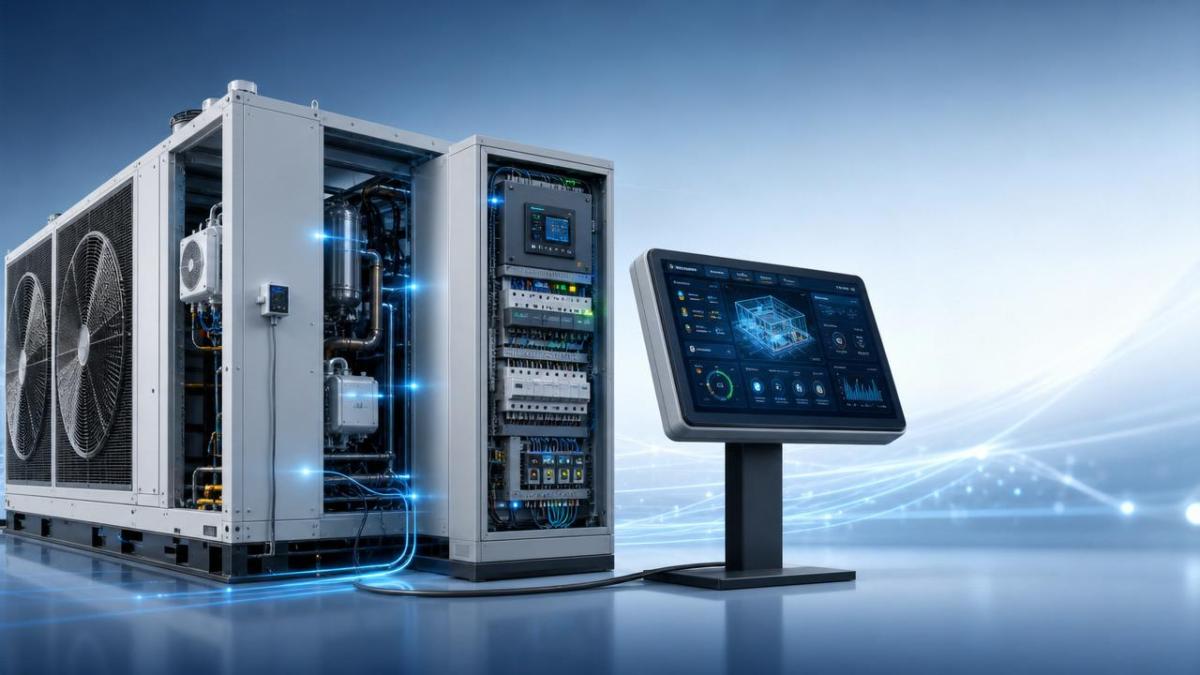
The short answer is that downtime drops fastest when maintenance teams combine visibility, early warning, and structured response. No single tool solves everything, but several technologies consistently improve uptime when used together.
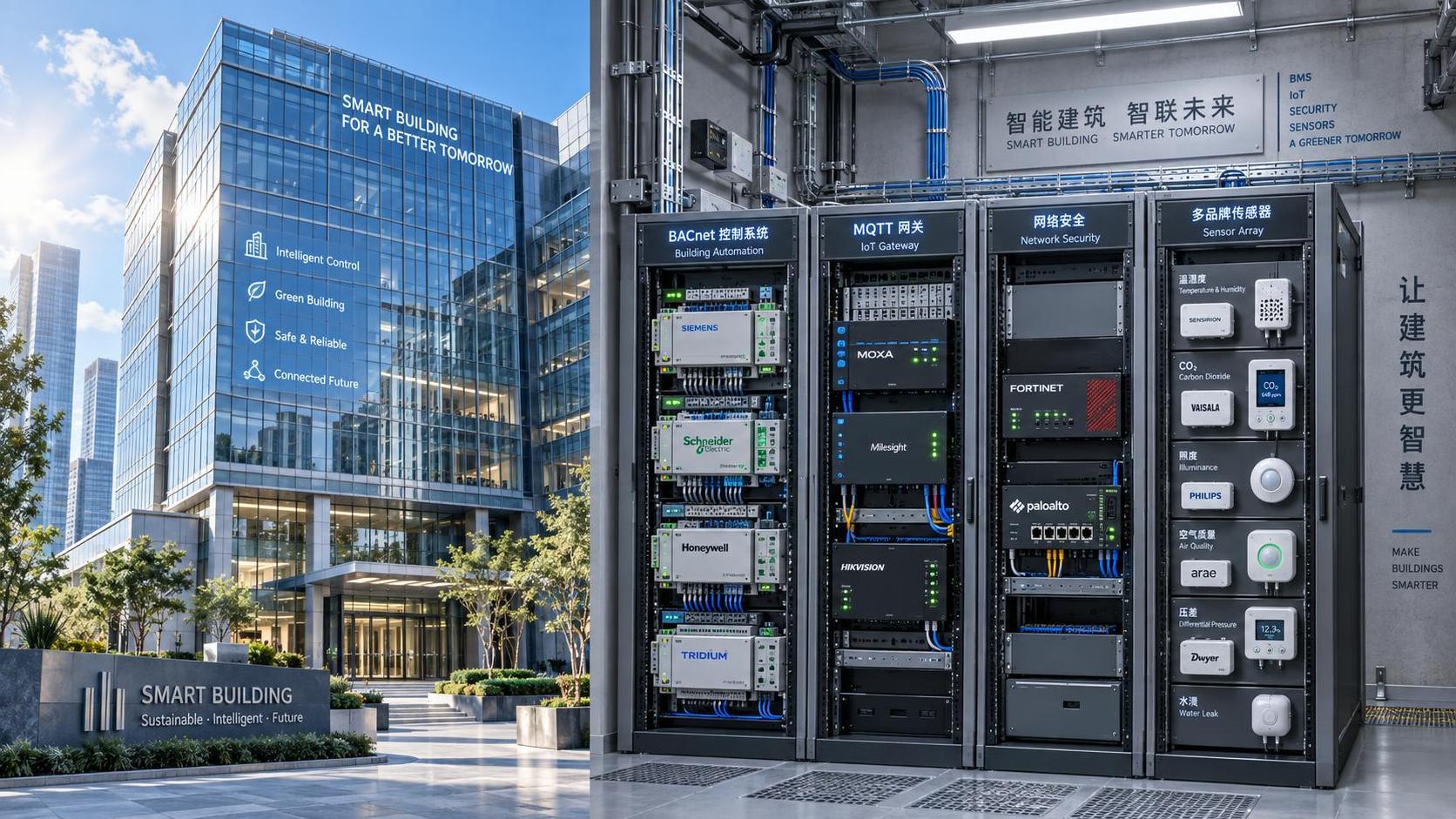
The most effective group includes IoT sensors, building management system analytics, predictive maintenance software, remote diagnostics, mobile field service tools, automated alerts, and digital asset records. These technologies shorten the path from symptom to action.
In many buildings, downtime is prolonged not by the fault itself, but by delayed detection, incomplete fault data, and slow coordination. Smart maintenance technology helps remove those gaps before they become service interruptions.
For after-sales teams, the real value is not just automation. It is being able to identify whether a problem is urgent, what component is failing, what parts may be needed, and whether the issue can be resolved remotely.
That is why the best maintenance technologies for smart buildings do three things well. They detect anomalies early, connect equipment data to service decisions, and support technicians with accurate information before and during the job.
Why traditional reactive maintenance keeps creating avoidable downtime
Reactive maintenance still dominates in many facilities. Teams wait for alarms, tenant complaints, or visible equipment failure before dispatching a technician. This may seem straightforward, but it often increases both downtime and maintenance cost.
When maintenance starts only after a failure, technicians often arrive without enough context. They may know that an air handling unit stopped, but not whether the root cause is vibration, controls failure, sensor drift, power quality, or clogged filters.
This creates a chain of delays. First comes diagnosis on site. Then comes parts verification, escalation, return visits, and communication with building operators. Each step stretches the outage, even when the final repair is relatively simple.
Reactive workflows also make planning difficult. Emergency jobs interrupt scheduled preventive tasks, technicians spend more time traveling, and repeat failures become common because underlying patterns were never captured or analyzed properly.
Smart building environments are too data-rich for purely reactive service. If systems already generate performance signals, alarms, and usage trends, after-sales teams should use that data to reduce failures before occupants notice them.
How predictive diagnostics helps teams find faults before systems go down
Predictive diagnostics is one of the most valuable maintenance technologies for smart buildings because it shifts work from failure response to risk prevention. Instead of waiting for breakdowns, teams monitor patterns that suggest degradation.
Common examples include rising motor temperature, abnormal vibration, unstable current draw, excessive runtime, poor valve response, pressure imbalance, and recurring control overrides. These signals often appear well before a major service interruption.
For HVAC systems, predictive diagnostics can flag fan wear, refrigerant issues, filter blockage, or inefficient cycling. For electrical systems, it can reveal load imbalance, overheating, or battery degradation in backup power units.
The benefit for technicians is better prioritization. Not every alarm deserves the same urgency, but predictive systems can rank issues by failure likelihood and operational impact. That means teams focus attention where downtime risk is highest.
It also improves parts and labor planning. If diagnostics indicate likely bearing failure or sensor instability, technicians can arrive prepared. Fewer surprise conditions mean fewer second visits and less time with equipment offline.
What remote monitoring changes for after-sales maintenance teams
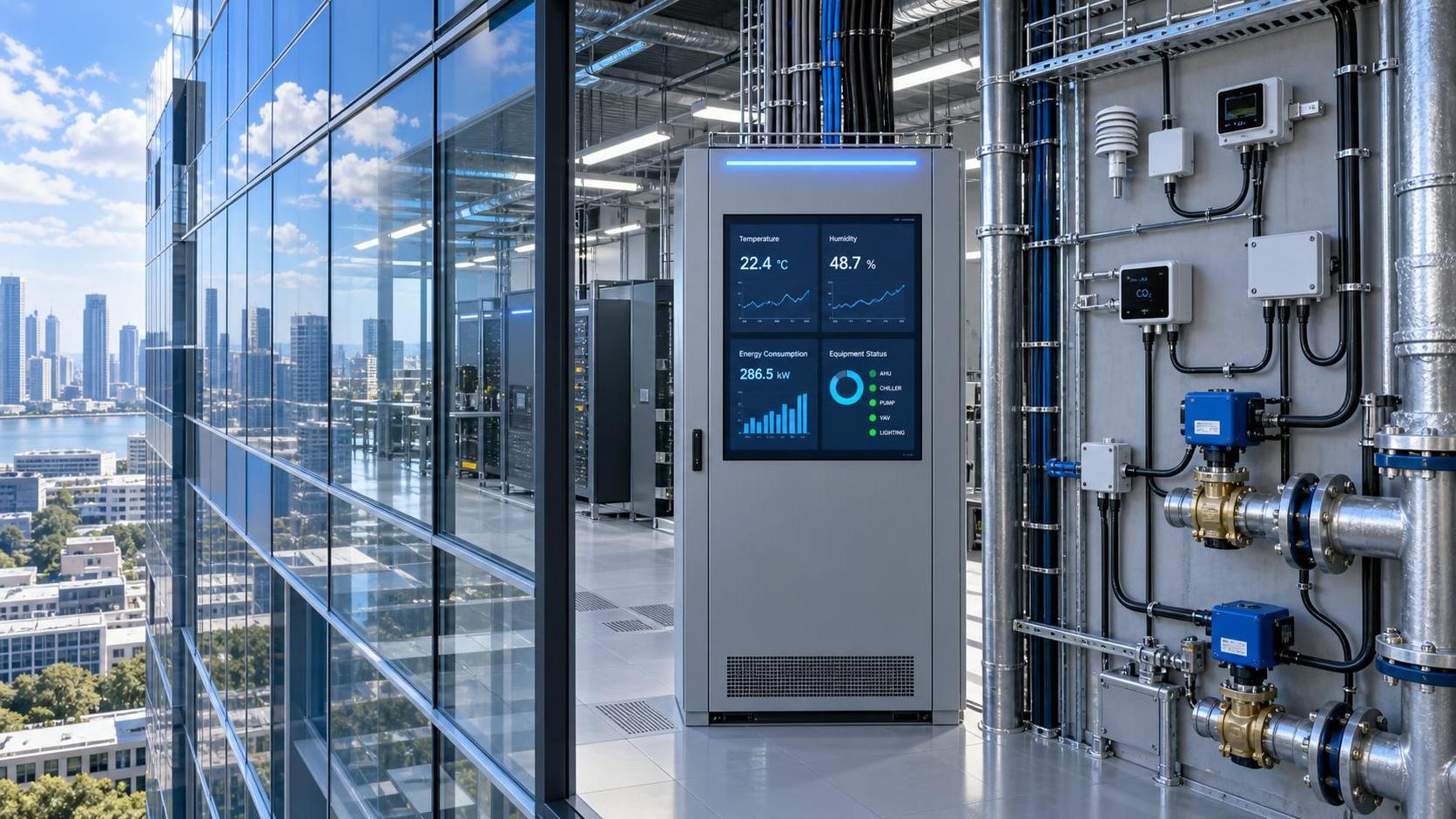
Remote monitoring gives maintenance personnel continuous visibility into building systems without requiring constant physical inspection. This is especially valuable for portfolios with multiple sites, limited staffing, or assets spread across large facilities.
Instead of learning about issues only through complaints or catastrophic alarms, teams can review live and historical data from HVAC, chillers, pumps, lighting systems, elevators, access control, and power infrastructure.
This changes response strategy in a practical way. Technicians can verify whether a reported issue is active, intermittent, localized, or already resolved. They can also compare current values with historical baselines to narrow the probable cause.
Remote monitoring also helps avoid unnecessary dispatches. Some faults are triggered by temporary conditions, control conflicts, or operator settings. If these can be identified and corrected remotely, downtime is reduced without a truck roll.
For after-sales organizations, this has a strong productivity effect. Skilled technicians spend less time on low-value travel and more time on interventions that genuinely require on-site expertise and physical repair.
Why BMS integration matters more than adding isolated smart devices
Many buildings already have smart equipment, but downtime remains high because data sits in separate systems. One platform tracks HVAC alarms, another handles access control, and another stores service history. The result is fragmented maintenance decisions.
Building management system integration helps solve that problem. When maintenance teams can see equipment status, alarm context, trend logs, and control relationships in one environment, troubleshooting becomes faster and more accurate.
For example, a cooling complaint may not be caused by the chiller itself. It could relate to occupancy schedules, damper behavior, a failed sensor, or a power event. Integrated visibility makes those cross-system relationships easier to identify.
This reduces downtime because technicians spend less time treating symptoms. They can trace the issue through connected systems and determine whether the root cause is mechanical, electrical, controls-related, or operational.
For smart buildings, isolated sensors provide fragments of insight. Integrated systems provide maintainable context. That distinction is critical when after-sales teams must restore service quickly under real-world time pressure.
How automated alerts improve response speed without overwhelming technicians
Automated alerts are useful only when they are configured intelligently. Too many buildings produce alarm floods, where every minor variation generates a notification. This does not reduce downtime; it creates fatigue and slows real response.
The best alerting strategies filter events by severity, persistence, asset criticality, and business impact. A brief fluctuation may need logging, while repeated temperature drift in a server room requires immediate action.
Good alert design also includes escalation rules. If a first responder does not acknowledge an issue within a set period, the system should route it to the next level. This prevents important alarms from being lost in busy service queues.
For after-sales maintenance teams, automated alerts are most effective when paired with actionable detail. A message should identify the asset, likely failure mode, relevant readings, and recent fault history, not simply announce that a fault exists.
That level of detail cuts downtime because the technician begins diagnosis before arriving. Instead of starting from zero, the team starts with evidence, probable cause, and response priority already established.
Which mobile and field service tools make technicians more effective on site
Once a technician reaches the asset, mobile tools often determine whether the issue is resolved in one visit or turns into a repeat call. Field access to manuals, wiring diagrams, trend data, and service history saves critical time.
Mobile work order apps also improve coordination. Technicians can receive updates, upload photos, log measurements, request approval, and close tasks in real time. This prevents information gaps between the field and the service desk.
Another advantage is standardized troubleshooting. Digital checklists guide technicians through proven diagnostic steps, reducing inconsistency between team members and lowering the risk of overlooking root causes during urgent repairs.
For after-sales teams managing smart systems, mobile access to connected asset data is especially important. Knowing recent alarm sequences, firmware changes, or prior interventions can explain why the same fault keeps returning.
These tools may seem administrative at first, but they directly affect uptime. Better field information leads to faster diagnosis, cleaner handoffs, and more reliable first-time fix performance across complex building environments.
How digital twins and asset history support faster root-cause analysis
Digital twins are often discussed in strategic terms, but they also have practical maintenance value. A digital twin links physical assets with operational data, configuration details, and performance history in a structured model.
For after-sales personnel, this helps in two ways. First, it improves asset context. Teams can see how a component fits into the larger system. Second, it preserves knowledge across repeated service events and staff changes.
If a pump repeatedly trips under certain load conditions, a digital asset record can reveal the pattern. If an AHU problem began after a controls update, that timeline can be traced instead of guessed during the next failure.
Asset history is especially useful when buildings contain many similar devices. Technicians can compare failure behavior across units, identify weak components, and determine whether a recurring issue is isolated or systemic.
This reduces downtime because root-cause analysis becomes evidence-based. Teams stop relying on memory alone and start making service decisions from operational patterns, configuration history, and known failure relationships.
What should after-sales teams look for when choosing maintenance technologies for smart buildings?
Not every platform with “smart” branding will help field maintenance. After-sales teams should evaluate technologies based on service outcomes, not just dashboard features. The main question is simple: does this tool make faults easier to prevent or resolve?
Start with asset compatibility. The system should connect to the building’s actual equipment, protocols, and control layers. If integration is weak, the team may still end up chasing faults across disconnected screens and spreadsheets.
Next, look at diagnostic quality. Can the platform show trends, thresholds, event sequences, and probable causes? Simple alarm forwarding is not enough. Technicians need context that supports real troubleshooting decisions.
Usability also matters. If alerts are confusing, mobile access is poor, or workflows are too complex, adoption will fail. A useful system should fit technician behavior under time pressure, not force unnecessary administrative steps.
Finally, measure value through operational indicators: mean time to detect, mean time to repair, first-time fix rate, repeat call frequency, and unplanned downtime hours. These metrics show whether the technology delivers practical maintenance improvement.
Where the biggest downtime gains usually appear first
In most smart buildings, the earliest gains come from high-impact, failure-prone systems. HVAC, electrical distribution, backup power, water pumps, and life-safety-linked assets usually offer the clearest return from better maintenance technology.
These systems affect occupant comfort, compliance, and business continuity. A small fault in a critical air handling unit or power subsystem can disrupt a much larger area than its physical size suggests.
After-sales teams should also watch assets with frequent nuisance alarms or repeat service history. These often indicate hidden inefficiencies in monitoring, controls tuning, or maintenance workflow rather than purely mechanical failure.
Another good starting point is equipment that is difficult to inspect manually. Remote monitoring and predictive analytics are particularly useful where access is limited, site coverage is broad, or service windows are constrained.
By targeting these areas first, teams can prove the value of maintenance technologies for smart buildings quickly, improve uptime where it matters most, and build a stronger case for wider deployment.
Conclusion: the best downtime reduction comes from earlier visibility and better action
For after-sales maintenance teams, cutting downtime is rarely about one dramatic innovation. It usually comes from better visibility, earlier detection, stronger prioritization, and better-prepared service execution across connected building systems.
The most effective maintenance technologies for smart buildings are the ones that help teams act before a fault becomes an outage. Predictive diagnostics, remote monitoring, BMS integration, automated alerts, mobile tools, and digital asset records all support that goal.
If you are evaluating where to invest effort first, focus on technologies that improve real maintenance decisions. Can they help your team detect earlier, diagnose faster, dispatch smarter, and fix more in a single visit?
That is the standard that matters. In smart building operations, downtime falls when data becomes usable, workflows become connected, and after-sales technicians gain the tools to solve problems before they spread.
Get weekly intelligence in your inbox.
No noise. No sponsored content. Pure intelligence.
News Recommendations
 Sep 19, 2026How an electronics application guide helps prevent component mismatchHow an electronics application guide helps prevent component mismatch
 Sep 18, 2026When a resource allocation platform improves project deliveryWhen a resource allocation platform improves project delivery
 Sep 17, 2026What to compare when evaluating mineral processing equipment manufacturersWhat to compare when evaluating mineral processing equipment manufacturers
 Sep 16, 2026How mineral separation optimization can reduce concentrate lossesHow mineral separation optimization can reduce concentrate losses
 Sep 15, 2026How to assess lifecycle costs in urban tech procurementHow to assess lifecycle costs in urban tech procurement
 Sep 14, 2026Heavy industry technology trends reshaping capital investment prioritiesHeavy industry technology trends reshaping capital investment priorities
 Sep 14, 2026Global Industrial Equipment Procurement: How Top OEMs Qualify Suppliers for Mining & Infrastructure ProjectsGlobal Industrial Equipment Procurement: How Top OEMs Qualify Suppliers for Mining & Infrastructure Projects
 Sep 14, 2026Industrial & Mining Equipment Procurement: Balancing Local Sourcing, Lead Time, and Certification RequirementsIndustrial & Mining Equipment Procurement: Balancing Local Sourcing, Lead Time, and Certification Requirements
 Sep 14, 2026Infrastructure & Equipment Upgrades: What Procurement Teams Must Verify Before Signing Off on New ContractsInfrastructure & Equipment Upgrades: What Procurement Teams Must Verify Before Signing Off on New Contracts
 Sep 14, 2026Why Infrastructure Equipment Buyers Are Shifting from Catalog-Based to Capability-Based Supplier SelectionWhy Infrastructure Equipment Buyers Are Shifting from Catalog-Based to Capability-Based Supplier Selection
 Sep 14, 2026Process Automation Project Execution: How to Align Supplier Capabilities with PLC Integration, Cybersecurity & Commissioning MilestonesProcess Automation Project Execution: How to Align Supplier Capabilities with PLC Integration, Cybersecurity & Commissioning Milestones
 Sep 14, 2026Are intelligent traffic systems worth the investment for small cities?Are intelligent traffic systems worth the investment for small cities?
 Sep 14, 2026How do intelligent traffic systems handle sensor failures?How do intelligent traffic systems handle sensor failures?
 Sep 14, 2026What should I check before accepting a smart building system?What should I check before accepting a smart building system?
 Sep 14, 2026Is a smart building system worth the maintenance cost?Is a smart building system worth the maintenance cost?
 Sep 14, 2026What data is needed for reliable resource allocation planning?What data is needed for reliable resource allocation planning?
 Sep 14, 2026How can resource allocation software reduce equipment idle time?How can resource allocation software reduce equipment idle time?
 Sep 14, 2026How should smart devices be maintained in harsh outdoor conditions?How should smart devices be maintained in harsh outdoor conditions?
 Sep 14, 2026Do smart devices improve worker safety on construction sites?Do smart devices improve worker safety on construction sites?
 Sep 14, 2026What environmental risks must be assessed before deep-sea mining?What environmental risks must be assessed before deep-sea mining?
 Sep 14, 2026Is deep-sea mining equipment commercially viable in 2026?Is deep-sea mining equipment commercially viable in 2026?
 Sep 14, 2026What Inspection Checks Should Procurement Teams Perform Before Ordering Dredging Equipment in 2026?What Inspection Checks Should Procurement Teams Perform Before Ordering Dredging Equipment in 2026?
 Sep 13, 2026How to verify an industrial product information source before specifying equipmentHow to verify an industrial product information source before specifying equipment
 Sep 12, 2026Which intelligent traffic systems hardware fits an urban intersection?Which intelligent traffic systems hardware fits an urban intersection?
 Sep 11, 2026How pump capacity affects response coverage for municipal fire fighting vehiclesHow pump capacity affects response coverage for municipal fire fighting vehicles
 Sep 10, 2026What to verify before choosing a heavy industry equipment supplierWhat to verify before choosing a heavy industry equipment supplier
 Sep 09, 2026When do adaptive urban traffic control systems reduce corridor delays?When do adaptive urban traffic control systems reduce corridor delays?