Top Risks When Choosing Construction Companies
Choosing among infrastructure construction companies involves more than comparing bids or checking delivery promises.
A weak contractor can trigger schedule overruns, safety incidents, claims, design conflicts, and long-term operational losses.
In large infrastructure programs, early selection mistakes often multiply across procurement, execution, compliance, and maintenance.
That is why due diligence on infrastructure construction companies must assess capability, governance, resilience, and lifecycle performance.
The following guide explains the top risks, current industry signals, practical review points, and safer evaluation steps.
Understanding the Risk Profile of Infrastructure Construction Companies
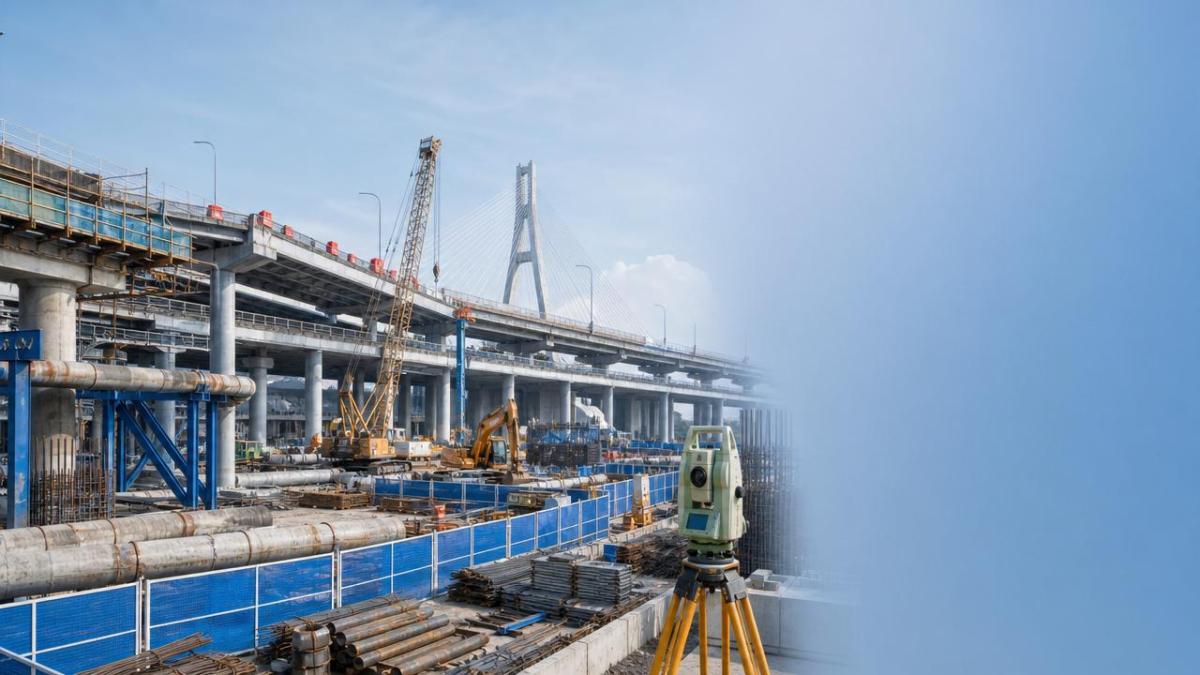
Infrastructure construction companies differ from general builders because projects usually involve public standards, complex interfaces, and strict asset performance requirements.
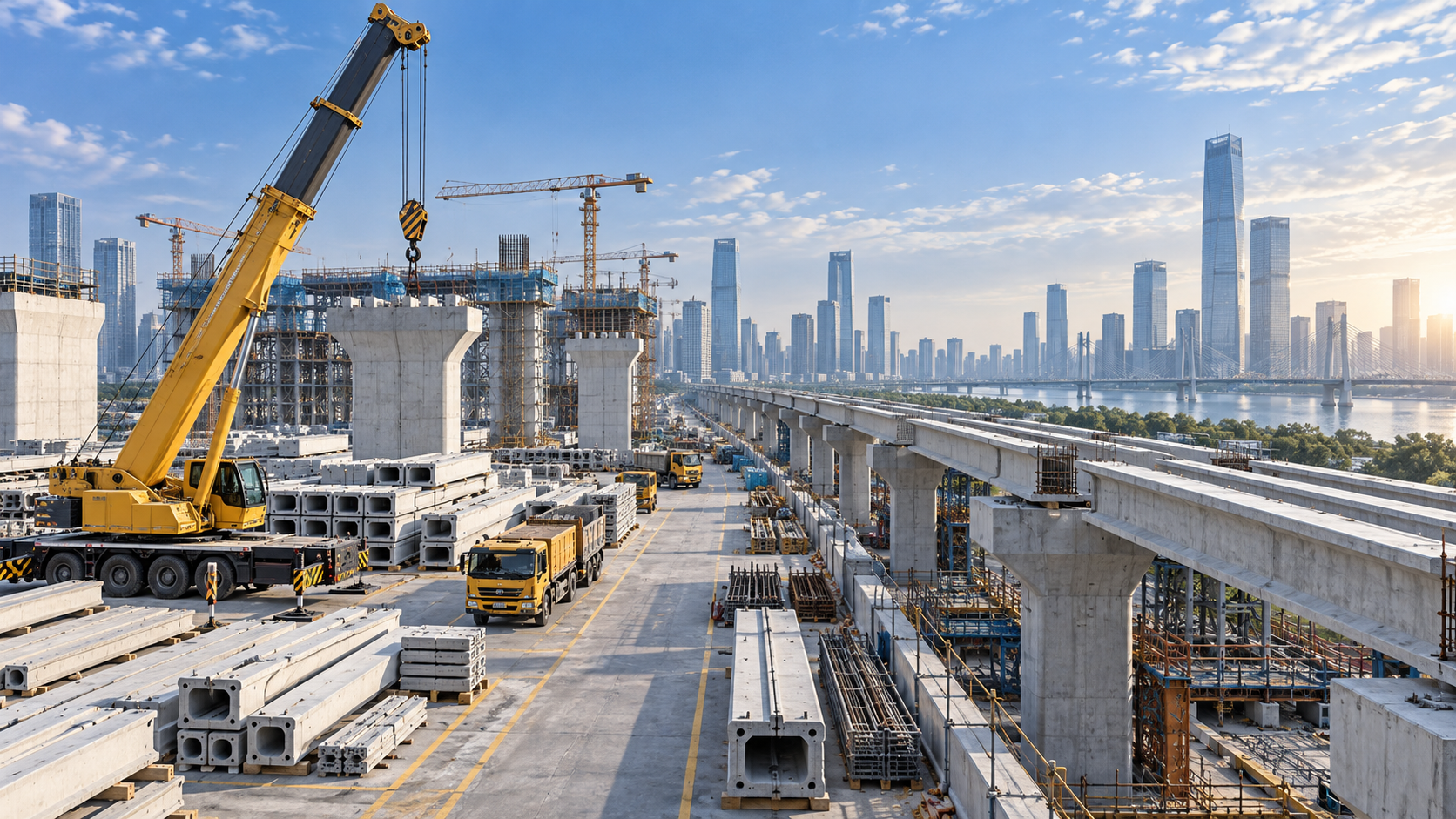
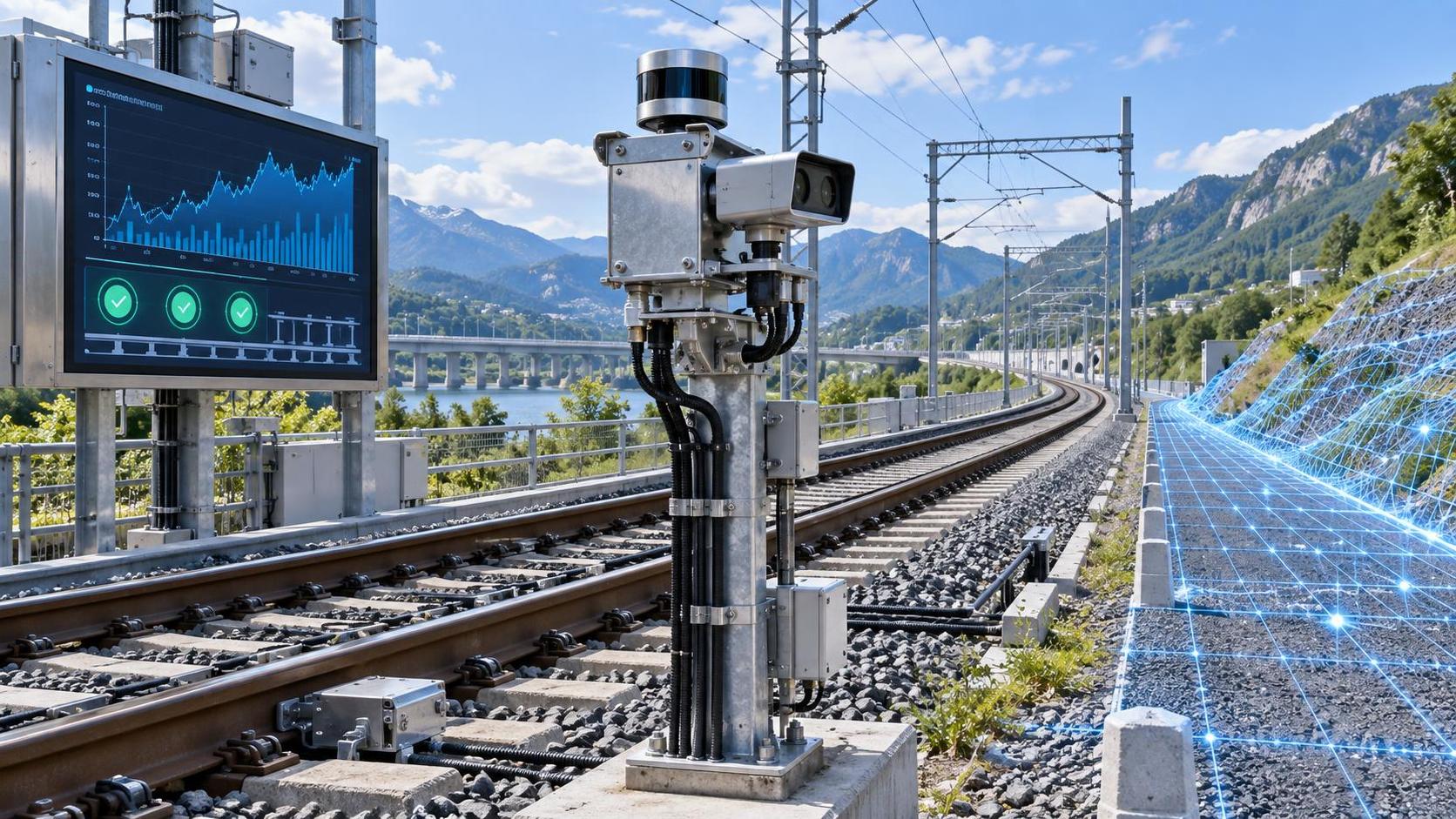
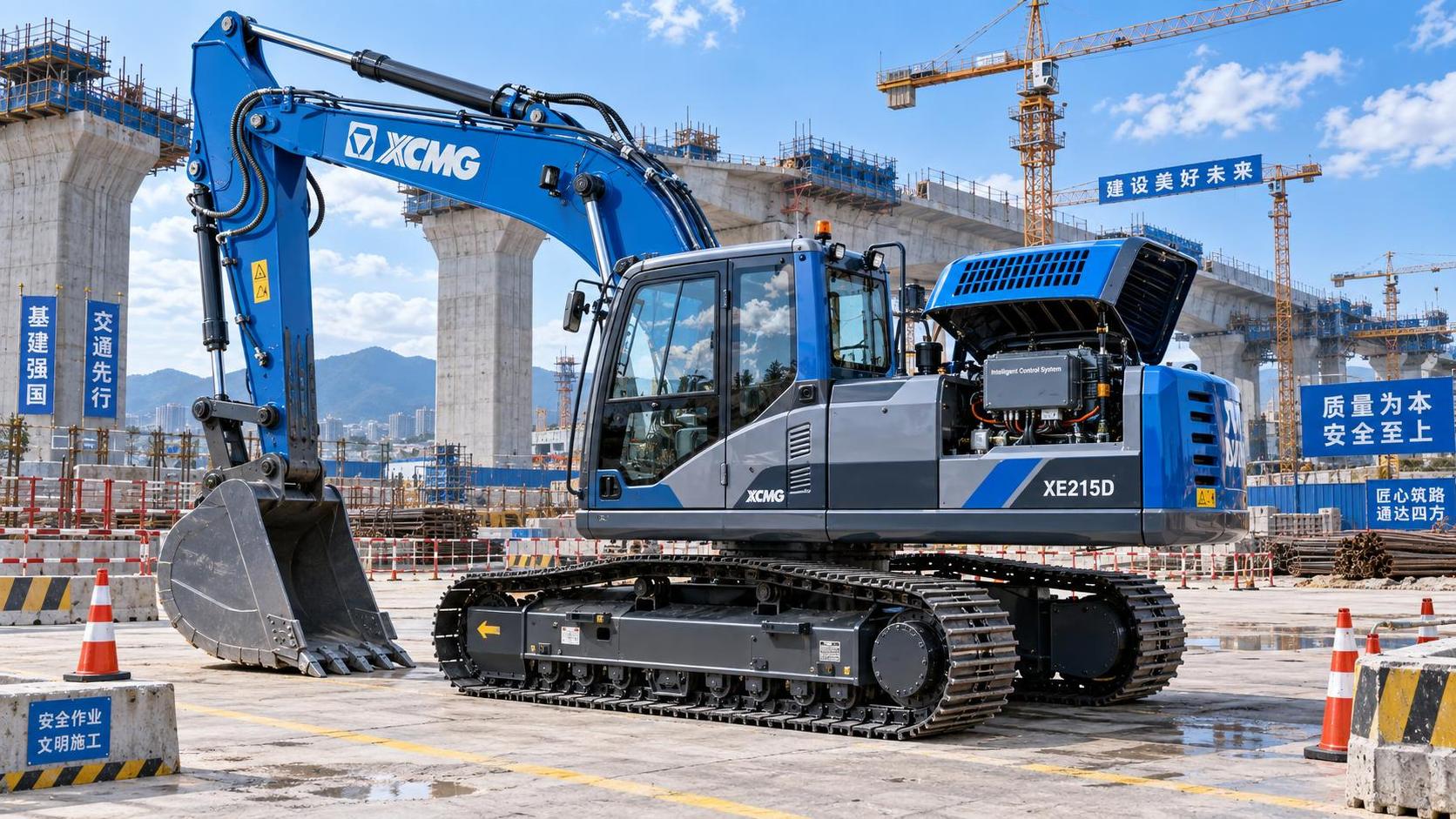
These firms may work across roads, bridges, rail systems, utilities, energy networks, ports, industrial facilities, and smart urban infrastructure.
Risk rises when selection focuses only on headline price, brand visibility, or a polished proposal.
A reliable review should test whether infrastructure construction companies can manage engineering complexity from planning through commissioning.
It should also confirm how they control subcontractors, quality systems, digital workflows, safety culture, and post-handover obligations.
Core risk dimensions
- Technical fit for the project scope
- Financial strength and cash flow resilience
- Regulatory compliance and licensing status
- Safety performance and incident history
- Supply chain and subcontractor control
- Schedule governance and reporting discipline
- Lifecycle quality and maintenance readiness
Industry Signals Shaping Contractor Selection
Today, infrastructure construction companies operate under tighter scrutiny than in previous cycles.
Rising material volatility, labor shortages, carbon rules, cybersecurity concerns, and digital project controls have changed selection criteria.
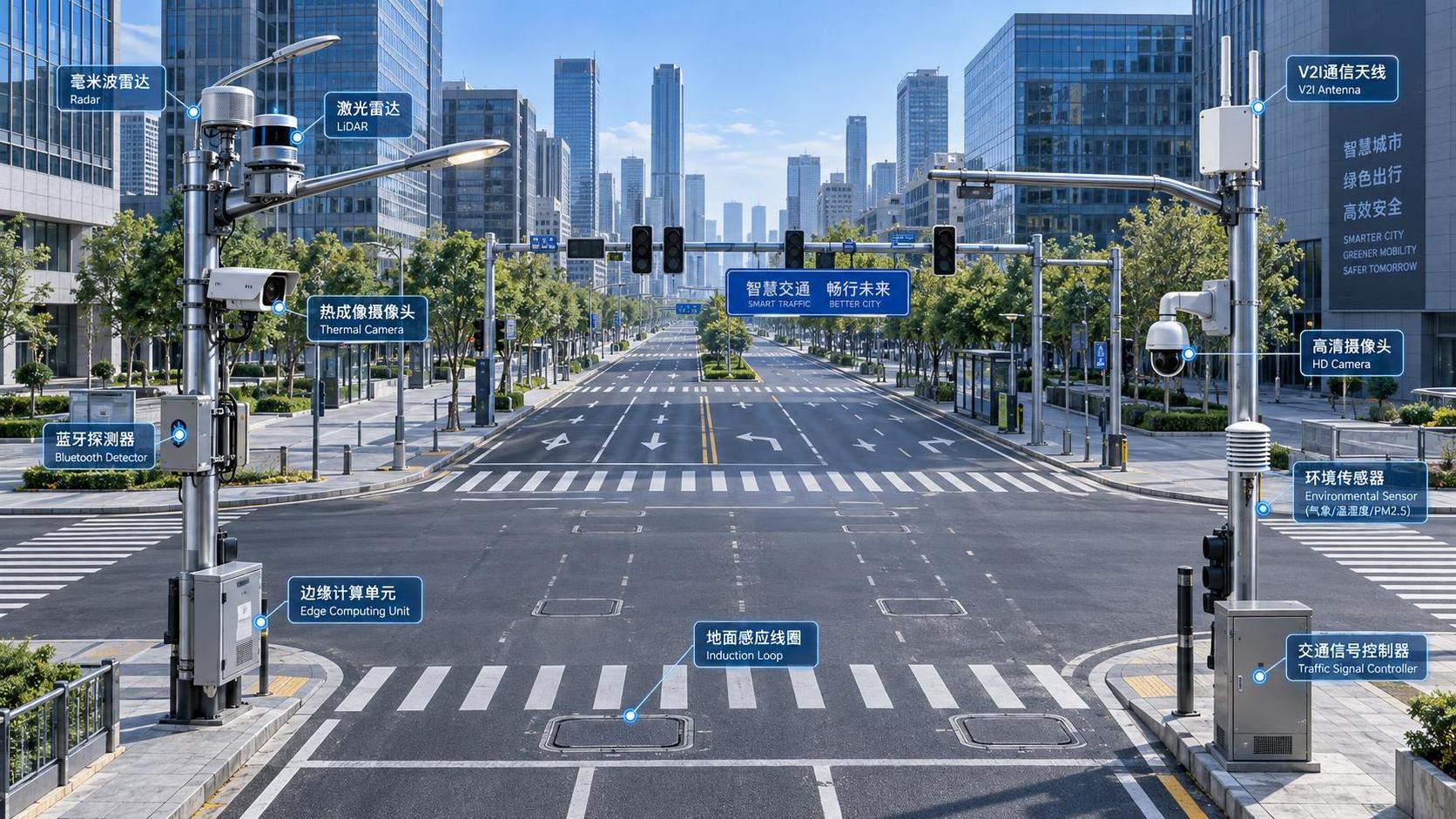
Smart city programs also demand stronger systems integration between civil works, sensors, communications, and control platforms.
These signals make it essential to compare infrastructure construction companies on evidence, not assumptions.
Top Risks When Choosing Construction Partners
The largest failures usually come from predictable weaknesses that were visible before contract award.
1. Hidden compliance gaps
Some infrastructure construction companies appear qualified but hold incomplete permits, outdated certifications, or weak environmental reporting procedures.
Missing compliance controls can stop work, trigger fines, or damage project legitimacy.
2. Weak financial stability
Low bids can hide cash flow stress, overextended debt, or dependence on delayed receivables.
Financially weak construction companies may slow procurement, underpay subcontractors, or abandon difficult phases.
3. Poor project control systems
Without disciplined planning, change tracking, and earned progress monitoring, delays spread across all packages.
This risk is common where reporting is manual, fragmented, or dependent on individuals instead of systems.
4. Limited technical capacity
A contractor may have general civil experience but lack proven ability in tunneling, marine works, utilities integration, or smart infrastructure deployment.
Capability gaps often surface after mobilization, when redesign and specialist sourcing become expensive.
5. Unsafe operating culture
Safety statistics matter, but culture matters more.
If infrastructure construction companies treat safety as paperwork, incident risk remains high despite formal policies.
6. Overreliance on subcontractors
Extensive outsourcing can work well, but only with clear supervision, interface management, and quality accountability.
Otherwise, fragmented control leads to defects, claims, and handover disputes.
7. Weak digital and documentation practices
Modern infrastructure assets require accurate records, traceable inspections, and coordinated models.
Poor document control undermines approvals, maintenance planning, and future upgrades.
Why These Risks Matter for Long-Term Business Value
Contractor risk is not limited to construction delay.
It shapes asset reliability, lifecycle cost, community acceptance, and future expansion flexibility.
Choosing the right infrastructure construction companies protects both delivery performance and operational continuity.
- Fewer change orders and dispute events
- Better quality at commissioning and handover
- Lower exposure to regulatory interruption
- Improved resilience under material or labor stress
- Stronger data for maintenance and asset management
For integrated urban projects, these advantages become even more important because infrastructure systems influence mobility, utilities, safety, and public trust.
Typical Contractor Categories and Risk Patterns
Not all infrastructure construction companies carry the same strengths or weaknesses.
A practical comparison starts by identifying the contractor type and its common risk profile.
Practical Due Diligence Measures Before Selection
A structured review process helps separate credible infrastructure construction companies from high-risk bidders.
Document verification
- Confirm licenses, insurance, litigation history, and regulatory status
- Review audited statements and banking support
- Check safety records over multiple years
- Assess environmental and quality certifications
Capability validation
- Compare project references with similar complexity
- Interview proposed leaders, not only sales teams
- Inspect digital reporting tools and sample dashboards
- Review subcontractor governance procedures
Execution testing
Request a preliminary delivery strategy, risk register, procurement plan, and interface map.
Strong construction companies can explain how they will control uncertainty before it appears on site.
Decision Criteria for More Reliable Outcomes
Selection should balance cost with execution reliability, technical maturity, and governance quality.
This approach is especially important when evaluating infrastructure construction companies for long-life public or industrial assets.
- Score bids against weighted technical and operational criteria.
- Use reference checks focused on delays, disputes, and defect closure.
- Require visibility into key staff availability and equipment resources.
- Test how the firm manages changes, claims, and stakeholder communication.
- Review lifecycle support, documentation standards, and handover readiness.
The best choice is rarely the lowest number on the first page of a proposal.
It is the partner most likely to deliver safely, transparently, and consistently under real project pressure.
Next-Step Evaluation Framework
Before shortlisting infrastructure construction companies, create a simple review matrix covering compliance, finance, technical fit, safety, digital controls, and lifecycle quality.
Then validate every claim with documents, interviews, and reference evidence.
Where project complexity is high, include independent technical review and site audits.
A disciplined process reduces avoidable risk and improves confidence in contractor selection.
For infrastructure projects, careful evaluation is not an administrative step.
It is a direct safeguard for timeline certainty, asset performance, and sustainable long-term value.
Get weekly intelligence in your inbox.
No noise. No sponsored content. Pure intelligence.
News Recommendations
 Sep 19, 2026How an electronics application guide helps prevent component mismatchHow an electronics application guide helps prevent component mismatch
 Sep 18, 2026When a resource allocation platform improves project deliveryWhen a resource allocation platform improves project delivery
 Sep 17, 2026What to compare when evaluating mineral processing equipment manufacturersWhat to compare when evaluating mineral processing equipment manufacturers
 Sep 16, 2026How mineral separation optimization can reduce concentrate lossesHow mineral separation optimization can reduce concentrate losses
 Sep 15, 2026How to assess lifecycle costs in urban tech procurementHow to assess lifecycle costs in urban tech procurement
 Sep 14, 2026Heavy industry technology trends reshaping capital investment prioritiesHeavy industry technology trends reshaping capital investment priorities
 Sep 14, 2026Global Industrial Equipment Procurement: How Top OEMs Qualify Suppliers for Mining & Infrastructure ProjectsGlobal Industrial Equipment Procurement: How Top OEMs Qualify Suppliers for Mining & Infrastructure Projects
 Sep 14, 2026Industrial & Mining Equipment Procurement: Balancing Local Sourcing, Lead Time, and Certification RequirementsIndustrial & Mining Equipment Procurement: Balancing Local Sourcing, Lead Time, and Certification Requirements
 Sep 14, 2026Infrastructure & Equipment Upgrades: What Procurement Teams Must Verify Before Signing Off on New ContractsInfrastructure & Equipment Upgrades: What Procurement Teams Must Verify Before Signing Off on New Contracts
 Sep 14, 2026Why Infrastructure Equipment Buyers Are Shifting from Catalog-Based to Capability-Based Supplier SelectionWhy Infrastructure Equipment Buyers Are Shifting from Catalog-Based to Capability-Based Supplier Selection
 Sep 14, 2026Process Automation Project Execution: How to Align Supplier Capabilities with PLC Integration, Cybersecurity & Commissioning MilestonesProcess Automation Project Execution: How to Align Supplier Capabilities with PLC Integration, Cybersecurity & Commissioning Milestones
 Sep 14, 2026Are intelligent traffic systems worth the investment for small cities?Are intelligent traffic systems worth the investment for small cities?
 Sep 14, 2026How do intelligent traffic systems handle sensor failures?How do intelligent traffic systems handle sensor failures?
 Sep 14, 2026What should I check before accepting a smart building system?What should I check before accepting a smart building system?
 Sep 14, 2026Is a smart building system worth the maintenance cost?Is a smart building system worth the maintenance cost?
 Sep 14, 2026What data is needed for reliable resource allocation planning?What data is needed for reliable resource allocation planning?
 Sep 14, 2026How can resource allocation software reduce equipment idle time?How can resource allocation software reduce equipment idle time?
 Sep 14, 2026How should smart devices be maintained in harsh outdoor conditions?How should smart devices be maintained in harsh outdoor conditions?
 Sep 14, 2026Do smart devices improve worker safety on construction sites?Do smart devices improve worker safety on construction sites?
 Sep 14, 2026What environmental risks must be assessed before deep-sea mining?What environmental risks must be assessed before deep-sea mining?
 Sep 14, 2026Is deep-sea mining equipment commercially viable in 2026?Is deep-sea mining equipment commercially viable in 2026?
 Sep 14, 2026What Inspection Checks Should Procurement Teams Perform Before Ordering Dredging Equipment in 2026?What Inspection Checks Should Procurement Teams Perform Before Ordering Dredging Equipment in 2026?
 Sep 13, 2026How to verify an industrial product information source before specifying equipmentHow to verify an industrial product information source before specifying equipment
 Sep 12, 2026Which intelligent traffic systems hardware fits an urban intersection?Which intelligent traffic systems hardware fits an urban intersection?
 Sep 11, 2026How pump capacity affects response coverage for municipal fire fighting vehiclesHow pump capacity affects response coverage for municipal fire fighting vehicles
 Sep 10, 2026What to verify before choosing a heavy industry equipment supplierWhat to verify before choosing a heavy industry equipment supplier
 Sep 09, 2026When do adaptive urban traffic control systems reduce corridor delays?When do adaptive urban traffic control systems reduce corridor delays?