Mining Technology Equipment: What to Compare First
Choosing mining technology equipment is not just about price—it is about matching performance, safety, reliability, and lifecycle value to your operation. For procurement teams, the first comparison should focus on the factors that directly affect productivity and risk. This guide outlines what to evaluate first so you can make smarter, faster, and more cost-effective buying decisions.
What should procurement teams compare first in mining technology equipment?
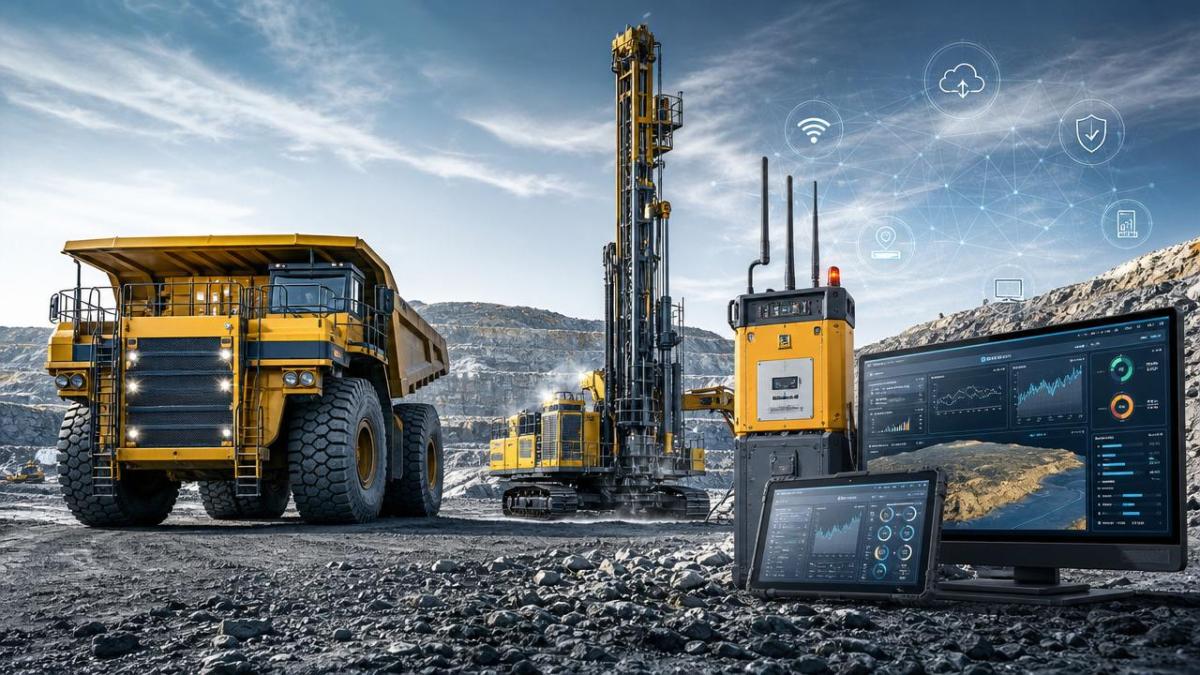
When buyers start comparing mining technology equipment, the most common mistake is to begin with unit price. In mining, a lower purchase price can quickly be erased by higher fuel use, poor uptime, slower cycle times, difficult maintenance, or weak safety integration.
The first comparison should focus on operational fit. That means asking whether the equipment matches the ore body, production target, site conditions, operator skill level, and compliance environment. Procurement decisions become stronger when technical and commercial evaluation happen together, not in separate stages.
For purchasing teams in heavy industry, GIUT’s cross-sector perspective is useful because mining equipment decisions rarely stand alone. Power supply, site roads, workshop capacity, digital monitoring, transport links, and sustainability targets all shape what “best value” actually means.
- Compare productivity under your real duty cycle, not only under laboratory or brochure conditions.
- Check safety systems, failure modes, and maintenance access before discussing optional features.
- Review spare parts availability, local technical support, and diagnostic capability early in the process.
- Estimate lifecycle cost over expected operating hours instead of comparing initial quotations alone.
Which mining technology equipment criteria have the biggest impact on output and risk?
The most valuable comparison framework combines production, reliability, safety, and integration. Procurement teams often need a short list of factors that can quickly separate suitable equipment from technically attractive but commercially weak options.
The table below gives a practical first-pass evaluation model for mining technology equipment in surface and underground projects. It helps buyers identify which metrics deserve early weighting during vendor review.
This framework shows why mining technology equipment should be compared as a system choice rather than a single asset purchase. A machine that fits site conditions and data workflows usually delivers better lifecycle value than a cheaper machine with limited support and weak integration.
Start with the production bottleneck
Ask which part of the mining chain is limiting output today. It may be drilling speed, loading efficiency, haul road congestion, dewatering, ventilation dependency, or fragmentation inconsistency. The right mining technology equipment should relieve that bottleneck first.
Then measure downtime exposure
Some equipment categories generate disproportionate production loss when unavailable. If a single unit can stop an entire sequence, uptime support and backup planning deserve a higher procurement weight than list price savings.
How do application scenarios change equipment selection?
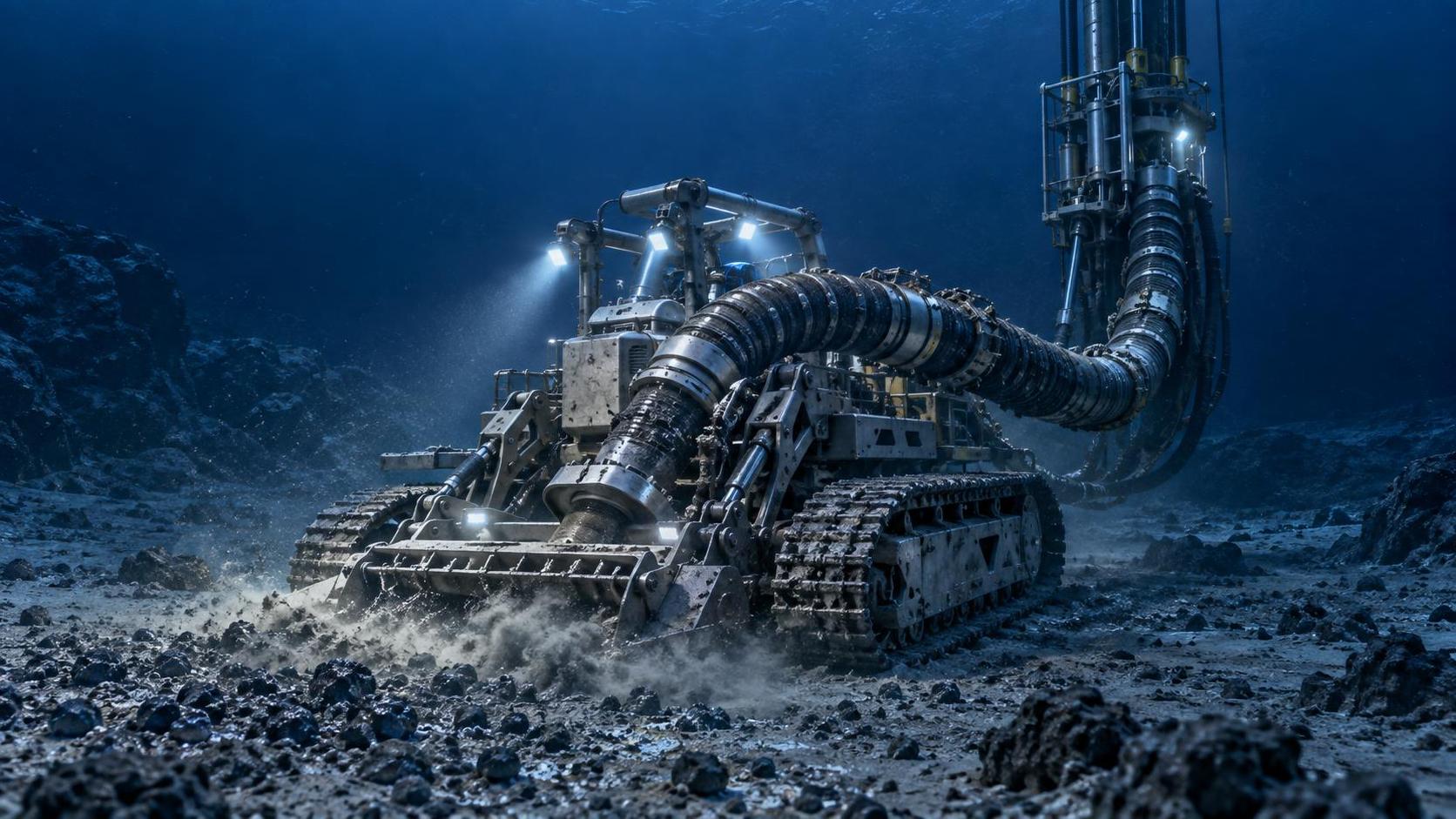
Not all mining technology equipment performs equally across surface mining, underground hard rock, coal operations, deep-sea resource projects, or remote greenfield developments. Buyers need to compare equipment against scenario-specific constraints, not just generic catalog performance.
The following table maps common procurement priorities to typical mining environments. It can help teams narrow supplier discussions faster and avoid over-specification or hidden operating mismatches.
This comparison matters because the same mining technology equipment category can deliver very different returns depending on site layout and infrastructure maturity. GIUT’s integrated view of construction access, power systems, logistics, and digital governance is especially relevant for complex or rapidly scaling projects.
Surface mines
In surface operations, fleet coordination, road conditions, and loading-match efficiency usually matter more than isolated machine specifications. Buyers should compare how loaders, trucks, drills, and dispatch systems work together under expected production schedules.
Underground mines
Underground selection is often constrained by ventilation, heat, visibility, and space. Compact dimensions, low-emission or electrified options, and automation features can materially improve safety and operating continuity.
Which technical performance indicators deserve the closest review?
Mining technology equipment brochures often highlight headline output figures, but procurement teams should dig deeper into usable performance. The real question is not the maximum number on paper. It is the stable output level the equipment can maintain in your operating environment.
- Powertrain efficiency: Review energy consumption per ton moved, drilled, or processed rather than only installed power.
- Duty cycle stability: Confirm whether output remains consistent across shifts, temperature swings, and variable material hardness.
- Availability metrics: Ask for maintenance intervals, common wear parts, and typical causes of unscheduled stoppages.
- Control precision: For automated or semi-automated systems, compare sensor accuracy, interface clarity, and alarm response logic.
- Integration capability: Determine whether the equipment can export operating data to fleet management, maintenance planning, or enterprise reporting tools.
For procurement specialists, technical performance should always be translated into operating outcomes. Better cooling capacity means more stable uptime in high heat. Better maintainability means shorter service stops. Better sensing and reporting mean fewer hidden losses and faster management decisions.
How should buyers compare lifecycle cost instead of upfront price?
A rigorous mining technology equipment purchase compares total cost of ownership over the expected service life. This includes acquisition, commissioning, fuel or power, maintenance labor, consumables, spare parts, operator training, software support, and downtime cost.
The table below offers a practical structure for cost comparison during procurement. It is especially useful when two suppliers appear close on quotation but differ significantly in operating support or long-term efficiency.
This method helps procurement teams justify decisions internally. Finance teams see a clearer cost model, operations teams see productivity impact, and maintenance teams can validate service assumptions before purchase orders are issued.
When does a premium option make sense?
A higher-priced mining technology equipment option usually makes sense when production losses from downtime are severe, labor is limited, site access is remote, or compliance penalties are high. In these conditions, reliability and support can outweigh acquisition savings.
What standards, safety, and compliance points should not be overlooked?
Mining equipment procurement is often delayed not by pricing disputes, but by missing documentation, unclear certification scope, or weak safety validation. Buyers should confirm the applicable regional regulations and operating standards early, especially for electrical systems, emissions, braking, guarding, and monitoring functions.
- Request clear documentation for safety systems, operating limitations, inspection procedures, and maintenance requirements.
- Confirm whether emissions, electrical protection, and fire-related requirements align with the mine’s jurisdiction and environment.
- Check whether onboard monitoring, alarms, and emergency controls support site risk management procedures.
- Verify training scope for operators and technicians, especially when automation or digital systems are included.
In many projects, compliance should be treated as a procurement filter, not a final checklist item. That approach reduces redesign, retesting, and delayed commissioning later in the project timeline.
What buying mistakes are most common with mining technology equipment?
Mistake 1: Comparing quotations without a common duty profile
Different suppliers may price equipment based on different assumptions about material density, operating hours, ambient temperature, shift pattern, or maintenance access. Without a common duty profile, the comparison is misleading from the start.
Mistake 2: Treating digital functions as optional extras only
Telemetry, alerts, performance logs, and remote diagnostics may look secondary during budgeting. In practice, they often improve dispatch decisions, maintenance timing, and root-cause analysis, especially across large or distributed sites.
Mistake 3: Ignoring service logistics
A capable machine with weak parts support can become a liability in remote mining projects. Procurement teams should ask where critical parts are stocked, what lead times apply, and which repairs require factory involvement.
Mistake 4: Overbuying capacity
Larger or more complex mining technology equipment is not always better. Oversized equipment can create underutilization, higher fuel burn, more difficult maintenance, and mismatch with haul roads, tunnels, or processing capacity.
FAQ: What do procurement teams ask most often?
How do I shortlist mining technology equipment suppliers quickly?
Begin with five filters: operating fit, reliability support, safety documentation, digital compatibility, and lifecycle cost clarity. If a supplier cannot answer these areas with specific and consistent detail, they should not move to the final evaluation stage.
What matters more, capacity or reliability?
If the equipment sits in a critical production path, reliability usually matters more. A slightly lower-capacity unit with better uptime can generate more annual output than a higher-capacity unit with frequent interruptions.
Is electrified mining technology equipment always the better choice?
Not always. Electrified options can reduce emissions and ventilation burden, especially underground, but buyers must assess charging strategy, power infrastructure, maintenance capability, and operating profile. The right answer depends on site readiness, not trend alone.
How long should delivery and commissioning planning take?
It varies by equipment type, customization level, transport route, and documentation readiness. Procurement teams should ask for a milestone-based schedule covering manufacturing, inspection, shipment, site preparation, commissioning, training, and parts stocking before startup.
Why work with GIUT when evaluating mining technology equipment?
Mining technology equipment choices affect more than one purchase cycle. They influence mine planning, infrastructure design, energy use, maintenance strategy, transport efficiency, and safety governance. GIUT approaches these decisions from an integrated infrastructure and heavy-industry perspective rather than a narrow product view.
Because GIUT tracks mining and resource technology alongside construction, logistics arteries, urban systems, and special-purpose equipment, procurement teams can evaluate equipment choices in context. That is especially valuable when a project involves remote access, utility constraints, digital transformation goals, or phased capacity expansion.
- We can help clarify core technical parameters before supplier comparison begins.
- We can support equipment selection logic based on site conditions, output targets, and risk priorities.
- We can help structure discussions around delivery timing, commissioning readiness, and support expectations.
- We can help organize compliance questions, documentation checkpoints, and digital integration needs.
If you are comparing mining technology equipment for a new project, fleet renewal, or productivity upgrade, contact GIUT to discuss parameter confirmation, selection criteria, delivery planning, customization scope, certification questions, sample documentation, or quotation communication. A more disciplined first comparison usually leads to a faster and lower-risk procurement outcome.
Get weekly intelligence in your inbox.
No noise. No sponsored content. Pure intelligence.
News Recommendations
 Sep 19, 2026How an electronics application guide helps prevent component mismatchHow an electronics application guide helps prevent component mismatch
 Sep 18, 2026When a resource allocation platform improves project deliveryWhen a resource allocation platform improves project delivery
 Sep 17, 2026What to compare when evaluating mineral processing equipment manufacturersWhat to compare when evaluating mineral processing equipment manufacturers
 Sep 16, 2026How mineral separation optimization can reduce concentrate lossesHow mineral separation optimization can reduce concentrate losses
 Sep 15, 2026How to assess lifecycle costs in urban tech procurementHow to assess lifecycle costs in urban tech procurement
 Sep 14, 2026Heavy industry technology trends reshaping capital investment prioritiesHeavy industry technology trends reshaping capital investment priorities
 Sep 14, 2026Global Industrial Equipment Procurement: How Top OEMs Qualify Suppliers for Mining & Infrastructure ProjectsGlobal Industrial Equipment Procurement: How Top OEMs Qualify Suppliers for Mining & Infrastructure Projects
 Sep 14, 2026Industrial & Mining Equipment Procurement: Balancing Local Sourcing, Lead Time, and Certification RequirementsIndustrial & Mining Equipment Procurement: Balancing Local Sourcing, Lead Time, and Certification Requirements
 Sep 14, 2026Infrastructure & Equipment Upgrades: What Procurement Teams Must Verify Before Signing Off on New ContractsInfrastructure & Equipment Upgrades: What Procurement Teams Must Verify Before Signing Off on New Contracts
 Sep 14, 2026Why Infrastructure Equipment Buyers Are Shifting from Catalog-Based to Capability-Based Supplier SelectionWhy Infrastructure Equipment Buyers Are Shifting from Catalog-Based to Capability-Based Supplier Selection
 Sep 14, 2026Process Automation Project Execution: How to Align Supplier Capabilities with PLC Integration, Cybersecurity & Commissioning MilestonesProcess Automation Project Execution: How to Align Supplier Capabilities with PLC Integration, Cybersecurity & Commissioning Milestones
 Sep 14, 2026Are intelligent traffic systems worth the investment for small cities?Are intelligent traffic systems worth the investment for small cities?
 Sep 14, 2026How do intelligent traffic systems handle sensor failures?How do intelligent traffic systems handle sensor failures?
 Sep 14, 2026What should I check before accepting a smart building system?What should I check before accepting a smart building system?
 Sep 14, 2026Is a smart building system worth the maintenance cost?Is a smart building system worth the maintenance cost?
 Sep 14, 2026What data is needed for reliable resource allocation planning?What data is needed for reliable resource allocation planning?
 Sep 14, 2026How can resource allocation software reduce equipment idle time?How can resource allocation software reduce equipment idle time?
 Sep 14, 2026How should smart devices be maintained in harsh outdoor conditions?How should smart devices be maintained in harsh outdoor conditions?
 Sep 14, 2026Do smart devices improve worker safety on construction sites?Do smart devices improve worker safety on construction sites?
 Sep 14, 2026What environmental risks must be assessed before deep-sea mining?What environmental risks must be assessed before deep-sea mining?
 Sep 14, 2026Is deep-sea mining equipment commercially viable in 2026?Is deep-sea mining equipment commercially viable in 2026?
 Sep 14, 2026What Inspection Checks Should Procurement Teams Perform Before Ordering Dredging Equipment in 2026?What Inspection Checks Should Procurement Teams Perform Before Ordering Dredging Equipment in 2026?
 Sep 13, 2026How to verify an industrial product information source before specifying equipmentHow to verify an industrial product information source before specifying equipment
 Sep 12, 2026Which intelligent traffic systems hardware fits an urban intersection?Which intelligent traffic systems hardware fits an urban intersection?
 Sep 11, 2026How pump capacity affects response coverage for municipal fire fighting vehiclesHow pump capacity affects response coverage for municipal fire fighting vehicles
 Sep 10, 2026What to verify before choosing a heavy industry equipment supplierWhat to verify before choosing a heavy industry equipment supplier
 Sep 09, 2026When do adaptive urban traffic control systems reduce corridor delays?When do adaptive urban traffic control systems reduce corridor delays?