Intelligent Transportation Trends Shaping Urban Traffic in 2026
As cities prepare for mounting congestion, carbon targets, and real-time mobility demands, intelligent transportation is becoming central to urban planning in 2026. AI traffic control, connected corridors, and shared data platforms are changing how mobility systems are planned and managed.
For infrastructure, logistics, urban governance, and smart city development, intelligent transportation now connects physical assets with digital decision systems. The result is faster traffic response, safer streets, and better use of public investment.
What makes intelligent transportation a defining urban priority in 2026?
Intelligent transportation is no longer limited to smart signals or traffic cameras. In 2026, it describes an integrated system linking roads, vehicles, control centers, transit networks, and environmental data.
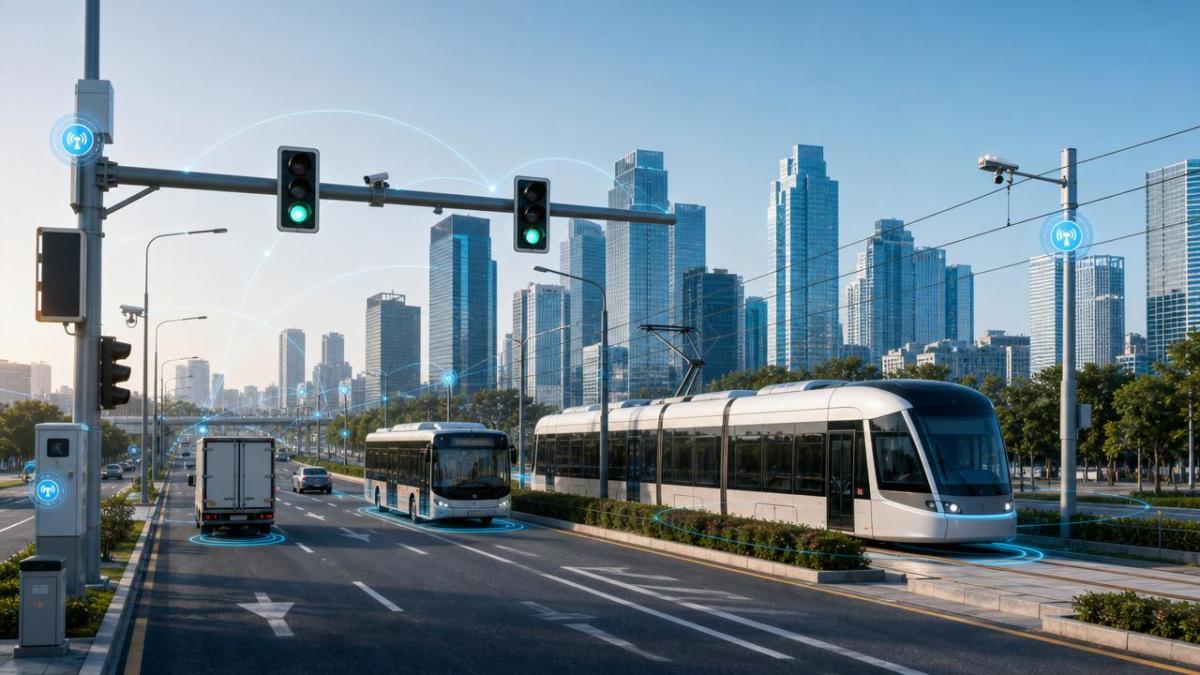
Three pressures are accelerating adoption. Cities must reduce congestion, meet emissions goals, and manage mobility demand with tighter budgets. Traditional road expansion alone cannot solve these constraints.
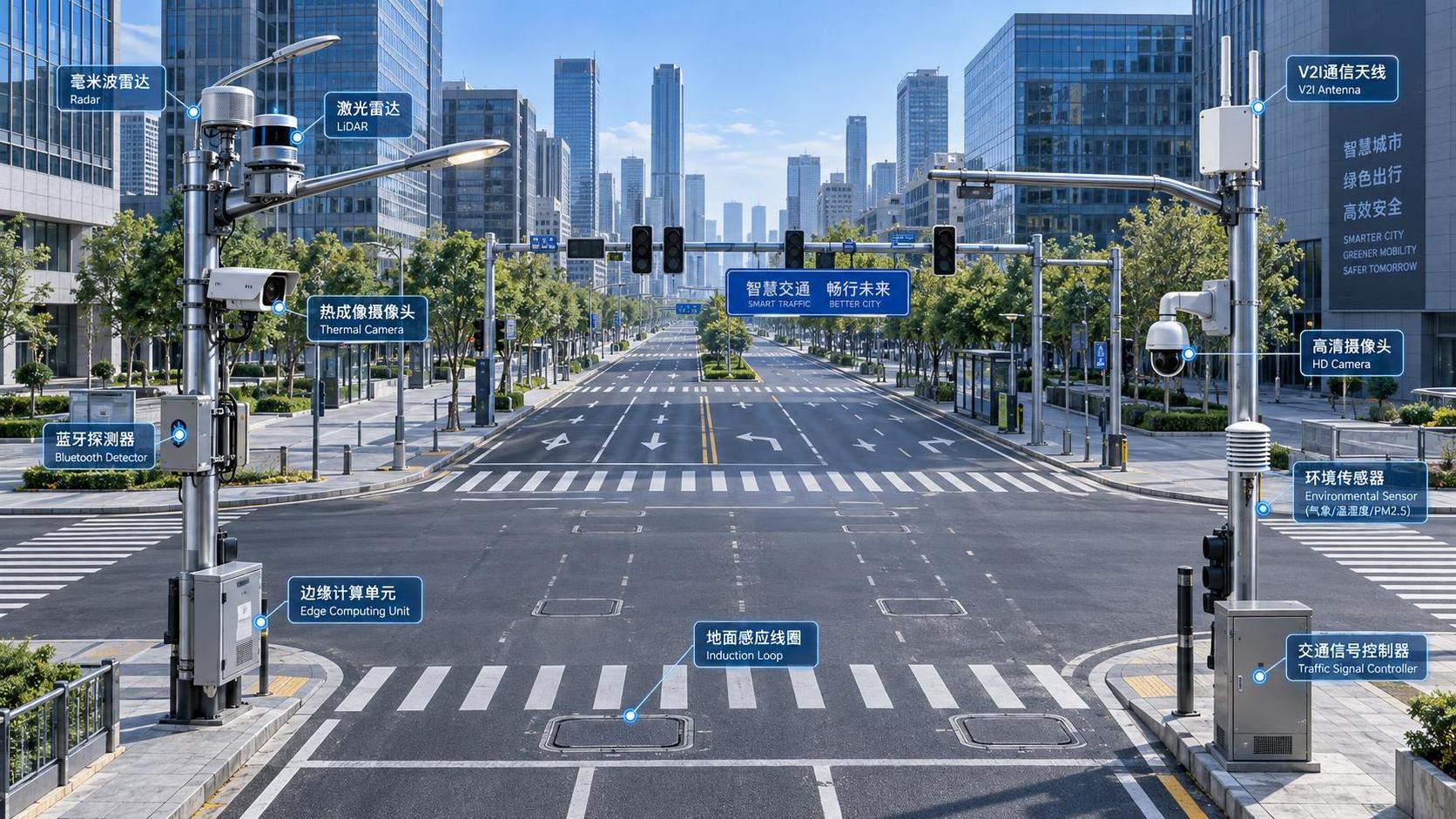
At the same time, data quality has improved. Sensors, connected intersections, public transit feeds, and edge computing now support faster operational decisions across urban traffic networks.
This shift matters across the broader infrastructure economy. Road operators, building planners, rail coordinators, and emergency services increasingly depend on intelligent transportation for system-wide efficiency.
Why is 2026 different from earlier smart traffic phases?
Earlier projects often focused on isolated devices. Many cities deployed cameras, detectors, or smart parking tools without full interoperability. That created data silos and limited long-term value.
In 2026, the stronger trend is platform integration. Intelligent transportation increasingly combines traffic control, public transport scheduling, incident detection, freight routing, and carbon tracking.
- AI models optimize signal timing in real time.
- Digital twins simulate corridor changes before construction.
- Vehicle-to-infrastructure links improve safety and priority control.
- Multimodal data supports better planning beyond private cars.
Which intelligent transportation trends will shape urban traffic systems most?
Several trends stand out because they deliver measurable operational benefits and scale across sectors. The most important shifts involve prediction, coordination, electrification support, and resilient governance.
1. Predictive traffic management
Urban control centers are moving from reactive monitoring to predictive intervention. Intelligent transportation platforms can now forecast congestion, incidents, and queue spillback before breakdown happens.
This helps agencies adjust signal timing, lane control, and bus priority earlier. It also supports emergency routing and event traffic planning with better confidence.
2. Connected infrastructure
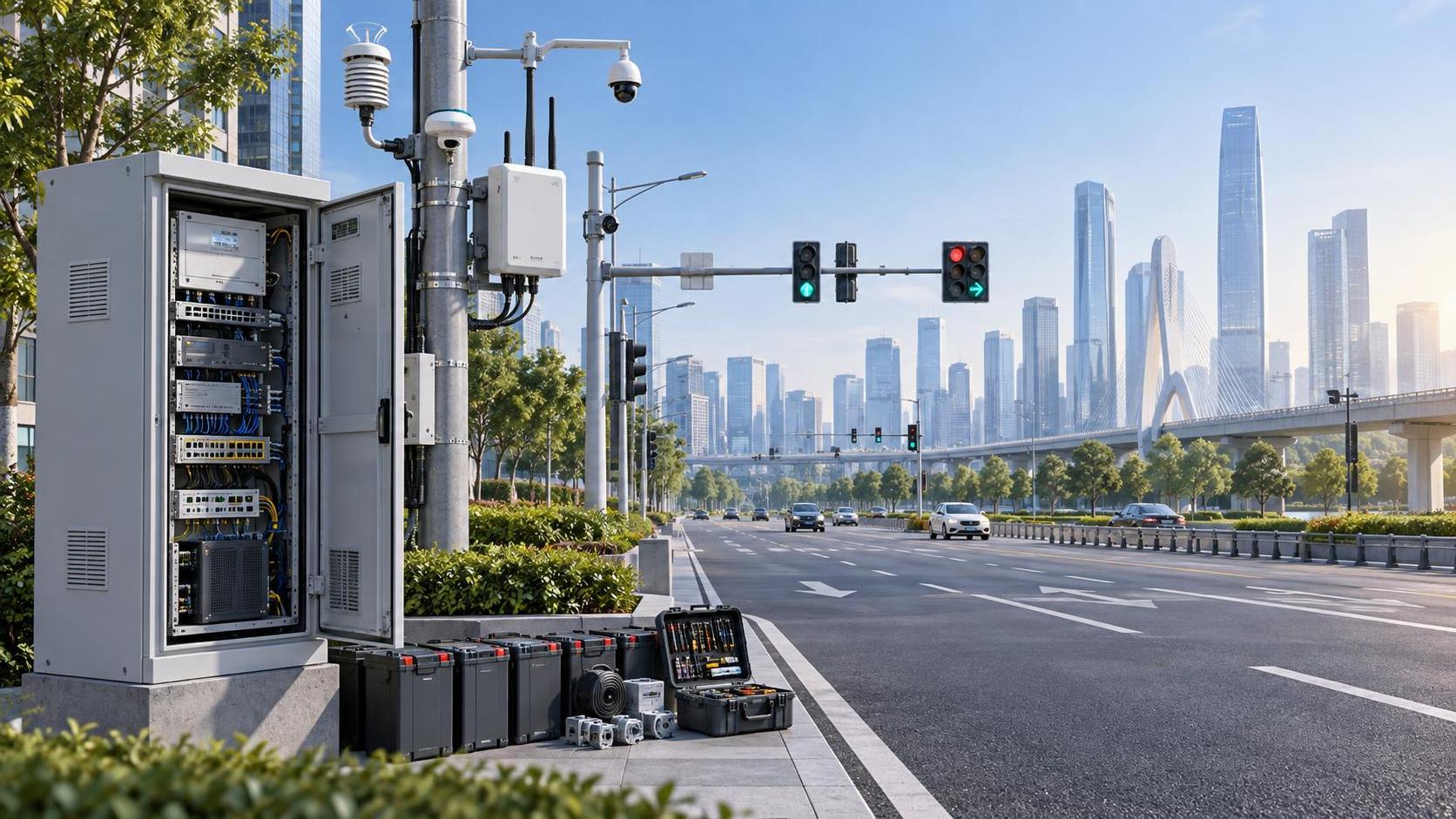
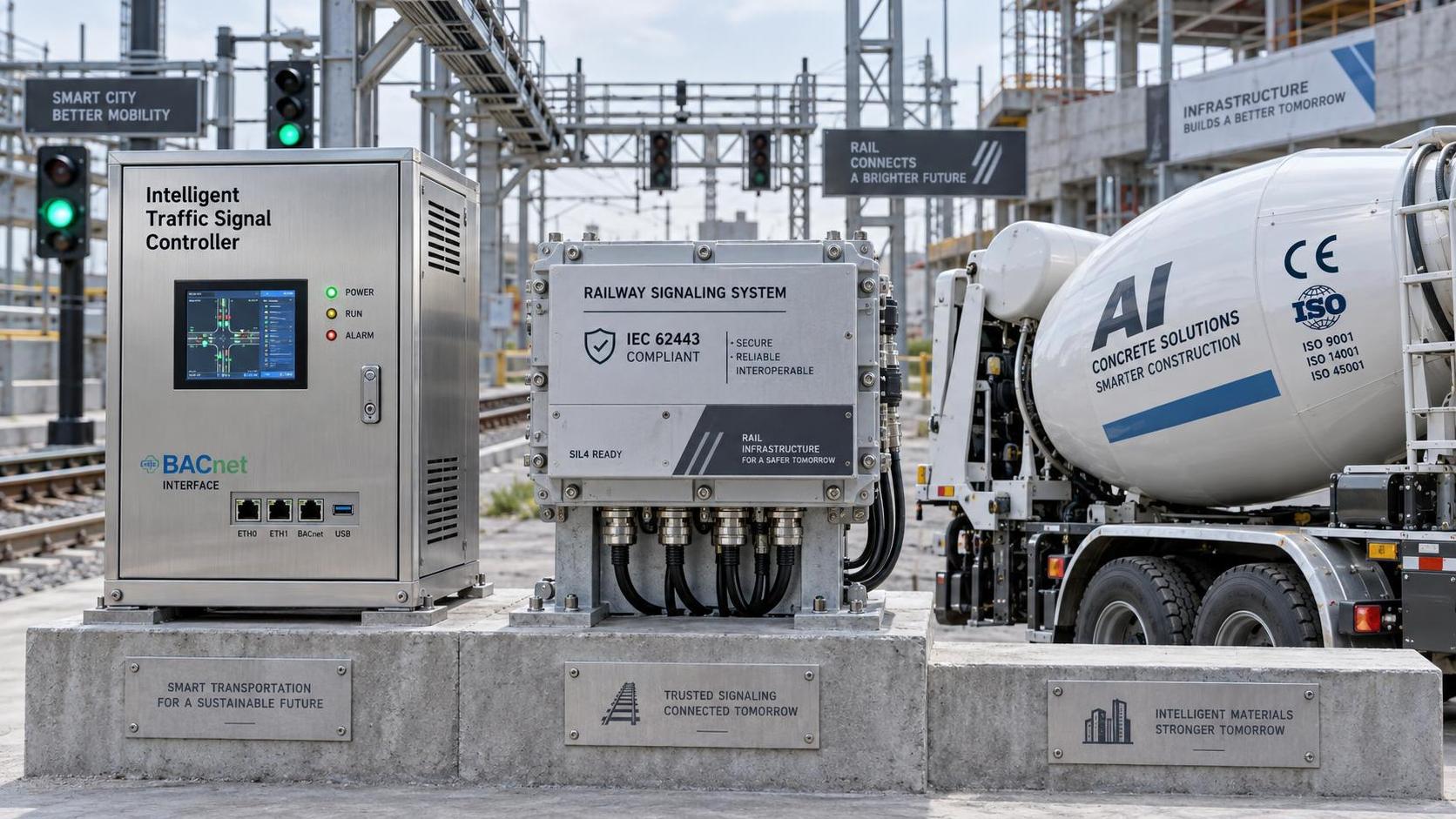
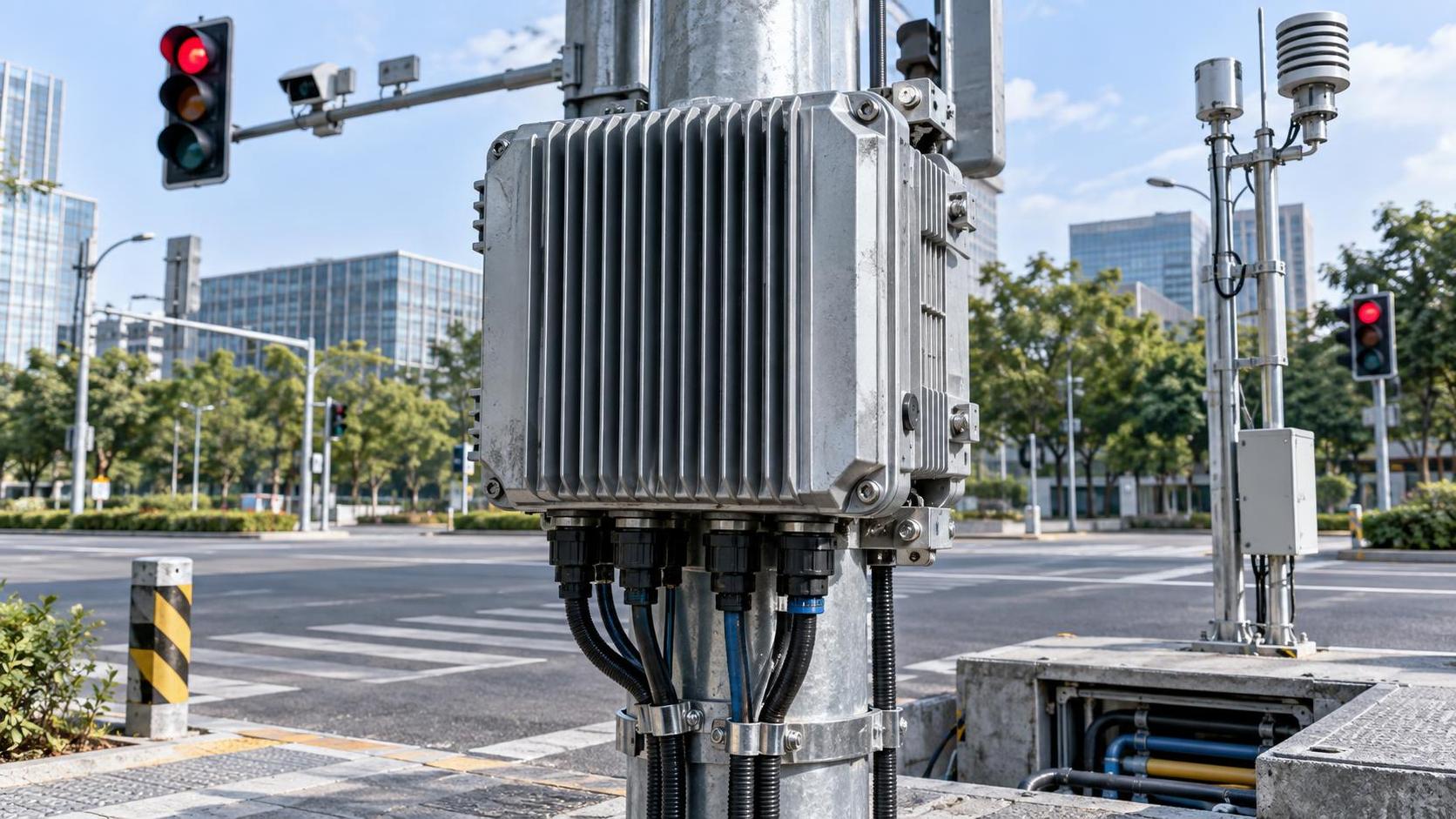
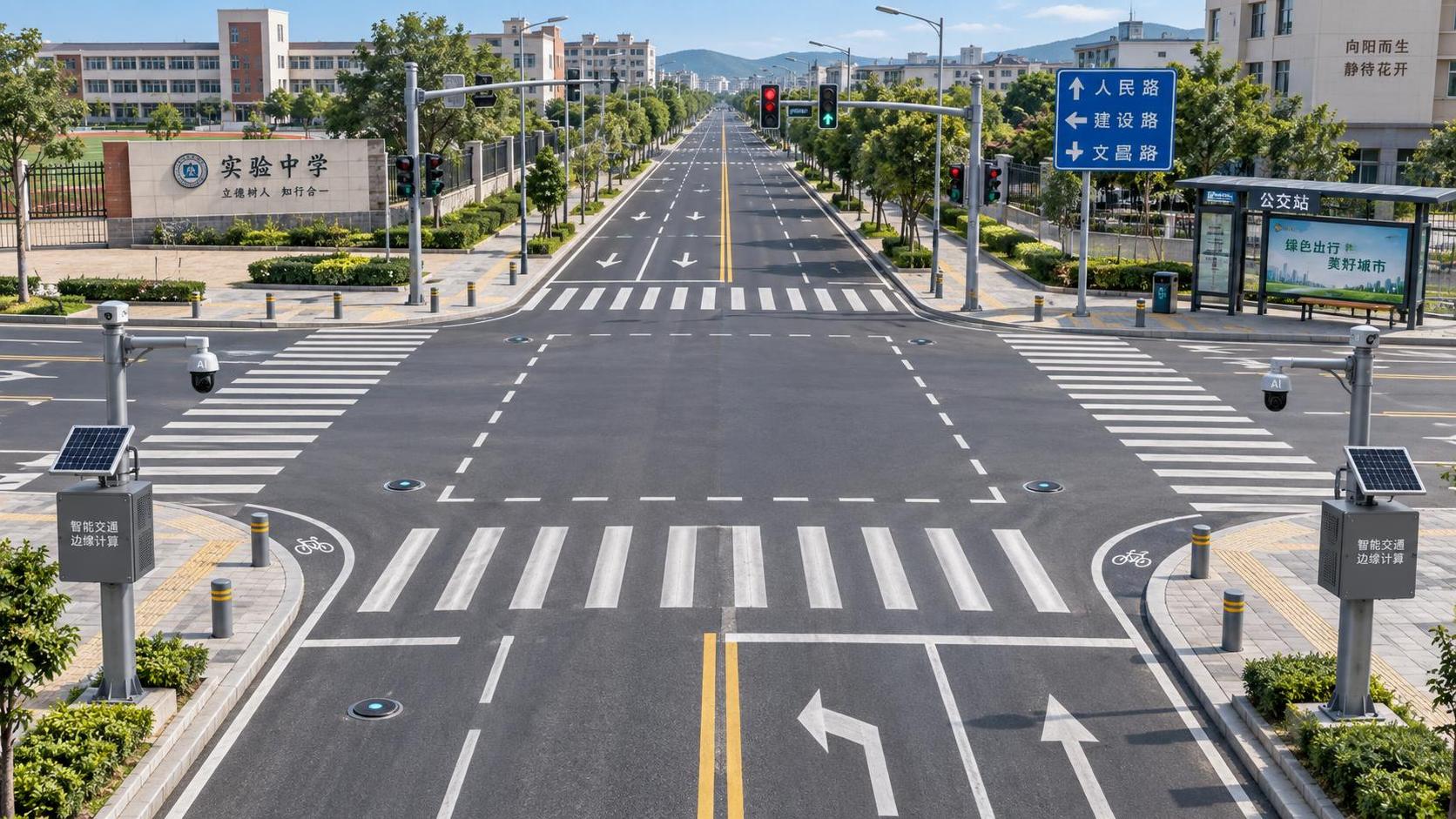
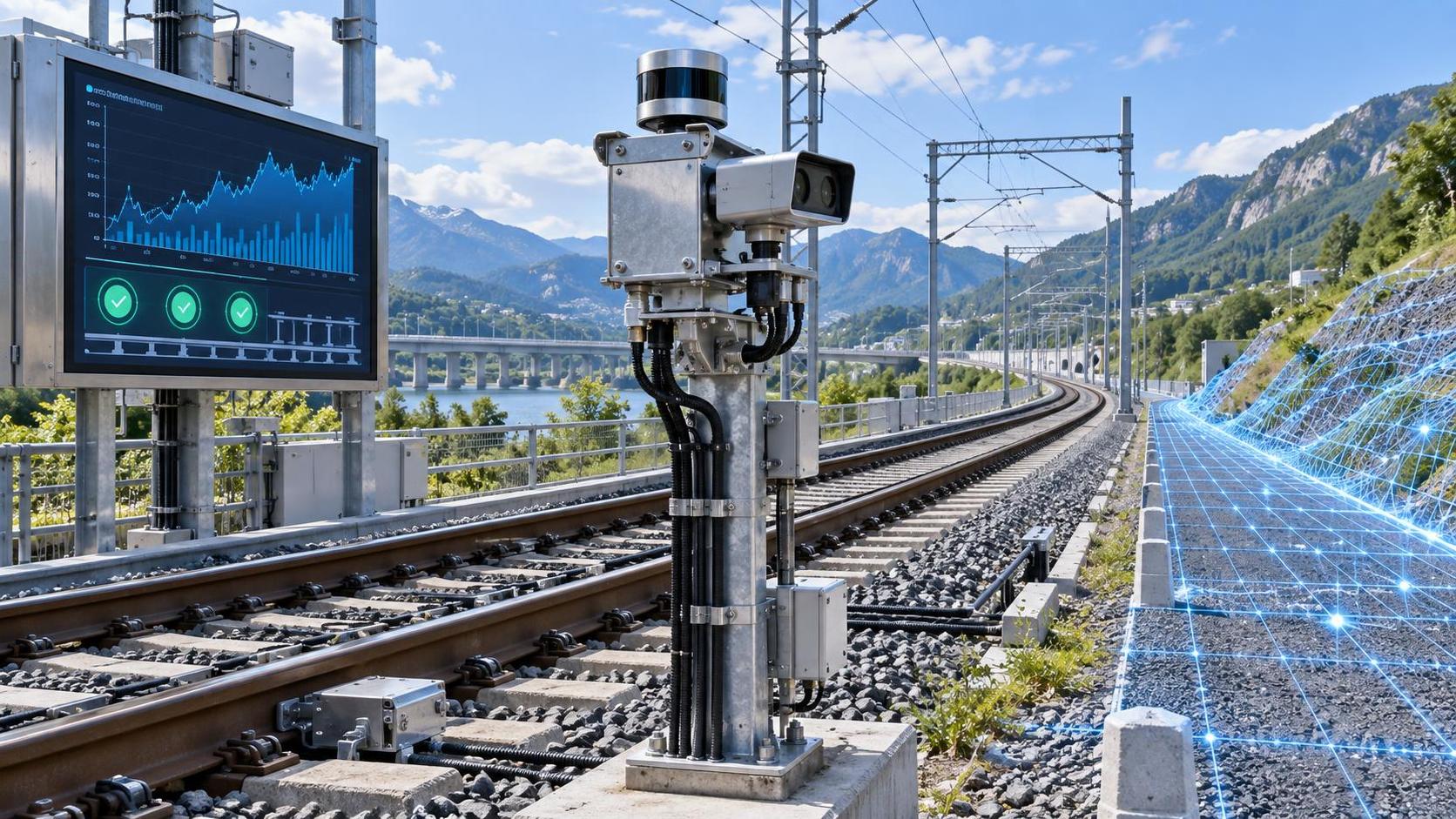
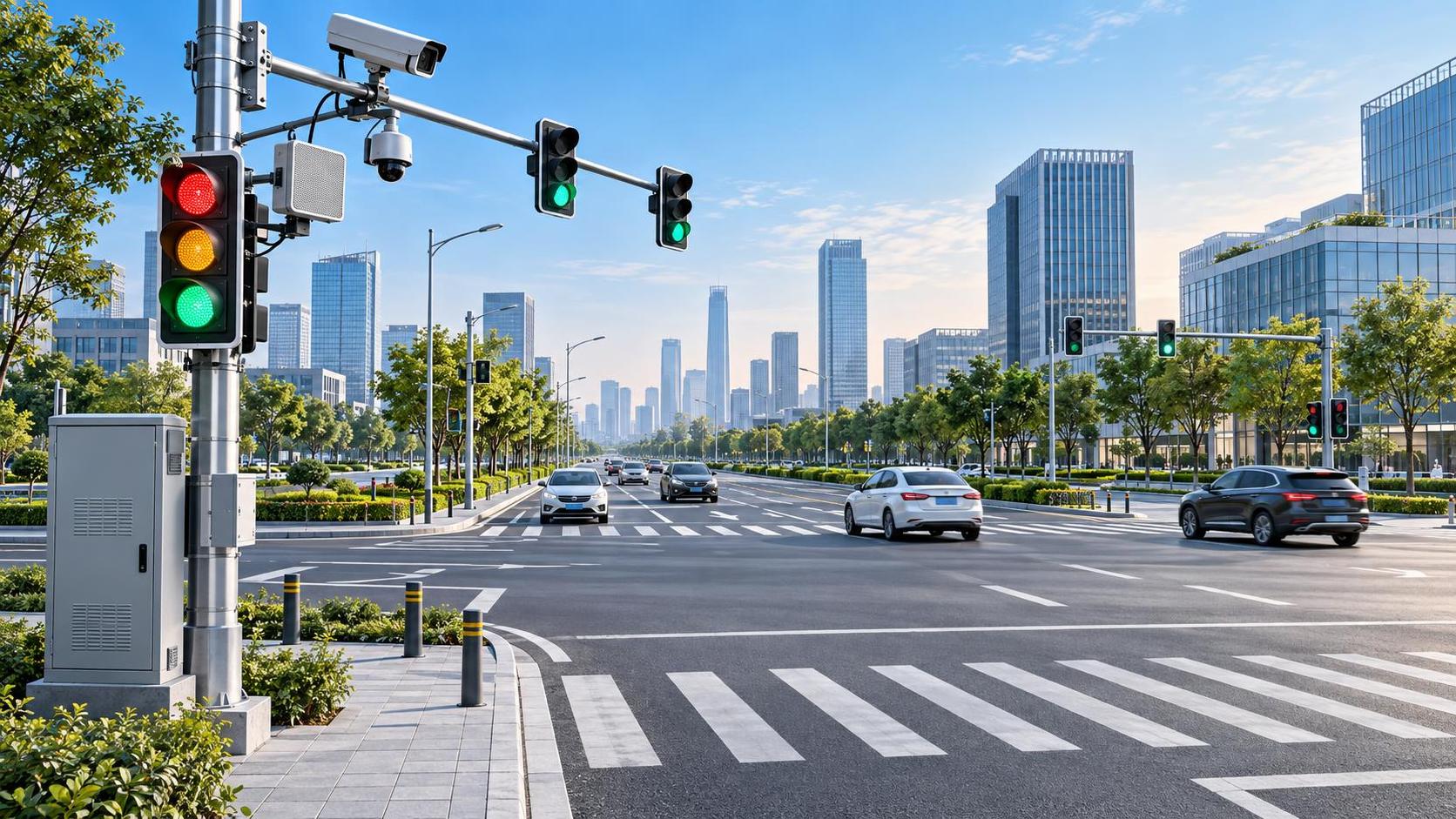
Connected intersections, roadside units, and smart corridors are becoming more common. These assets allow intelligent transportation systems to exchange data with vehicles and central platforms.
The near-term value is practical. Cities can improve pedestrian safety, transit priority, and freight movement without waiting for full vehicle automation.
3. Multimodal mobility orchestration
Urban traffic is no longer judged only by car speed. Intelligent transportation in 2026 increasingly measures how well people and goods move across buses, rail, bikes, walking routes, and delivery networks.
Integrated platforms make transfer points clearer and service changes easier to coordinate. This improves reliability while reducing dependency on private vehicles.
4. Carbon-aware traffic operations
Climate targets are reshaping traffic policy. Intelligent transportation now supports low-emission zones, EV charging coordination, and route optimization that considers fuel use and idle time.
This matters especially in dense districts where freight, buses, and construction traffic overlap. Cleaner flow is becoming a design requirement, not a branding feature.
Where does intelligent transportation create the clearest value across urban infrastructure?
The strongest value appears where multiple systems interact. Intelligent transportation performs best in corridors, districts, and nodes where traffic complexity creates economic and social costs.
High-demand urban corridors
Arterial roads with mixed traffic benefit from adaptive signals, bus priority, and incident alerts. These functions reduce recurring delay and improve travel time consistency.
Transit-oriented districts
Areas around rail stations and mixed-use developments need coordinated access management. Intelligent transportation supports smoother transfers, safer crossings, and better curb allocation.
Industrial and logistics zones
Freight bottlenecks affect ports, warehouses, rail yards, and construction supply chains. Intelligent transportation can align truck windows, signal priority, and gate access with real-time conditions.
Emergency and resilience planning
Floods, heat waves, accidents, and public events all pressure city networks. Intelligent transportation improves response by linking sensors, route controls, and command dashboards.
How should cities judge intelligent transportation solutions instead of chasing hype?
A common mistake is buying visible technology before defining operational outcomes. Intelligent transportation should be selected by mobility goals, data readiness, and maintenance capacity.
What should be checked first?
- Whether existing signal, transit, and sensor data can be integrated.
- Whether the platform supports open standards and future upgrades.
- Whether KPIs include safety, reliability, and emissions, not only speed.
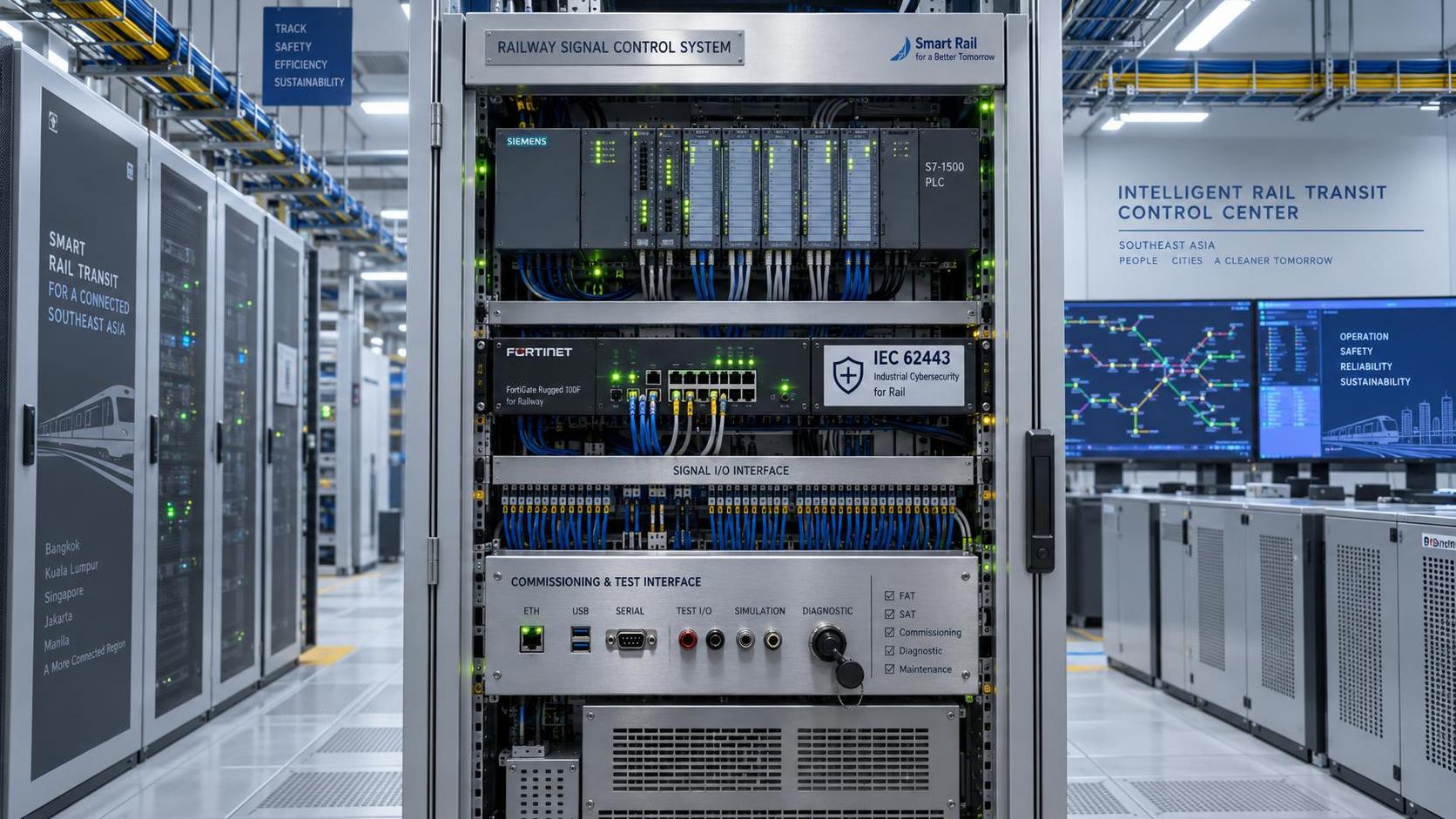
- Whether field maintenance and cybersecurity are funded.
Decision quality improves when digital tools are reviewed alongside civil engineering plans. Intelligent transportation works best when road design, utilities, power access, and governance responsibilities are aligned.
What separates scalable systems from pilot projects?
Scalable systems have clear interfaces, accountable ownership, and repeatable deployment rules. Pilot projects often fail when they rely on custom integration or isolated vendor ecosystems.
For 2026 planning, intelligent transportation should be evaluated as long-life infrastructure with software layers, not as standalone gadgets.
What risks, costs, and implementation barriers need attention?
Intelligent transportation can deliver strong returns, but implementation is rarely frictionless. The main barriers usually involve fragmented data, procurement delays, workforce gaps, and unclear governance.
Key risks to watch
- Poor data quality can distort traffic decisions.
- Cybersecurity weaknesses can disrupt critical mobility services.
- Short-term pilots may not justify lifecycle costs.
- Over-automation can reduce operator trust if logic is opaque.
Cost planning should include communications networks, roadside equipment, software licensing, integration, training, and upgrades. Ignoring operating expenditure creates avoidable performance decline later.
Implementation also depends on institutional coordination. Traffic agencies, transit operators, utilities, and emergency teams need shared rules for data use and incident response.
What should the next step be for 2026 intelligent transportation planning?
The most effective starting point is a corridor-by-corridor assessment. Review congestion patterns, safety risks, transit interaction, freight demand, and data availability before setting technology priorities.
Then build a phased roadmap. Early actions may include signal upgrades, sensor integration, and unified dashboards. Later phases can add predictive analytics, digital twins, and connected infrastructure.
For the wider infrastructure sector, intelligent transportation should be treated as a strategic operating layer for urban systems. It supports smarter roads, stronger logistics, cleaner growth, and more resilient governance.
In 2026, the cities that benefit most from intelligent transportation will be those that connect engineering, data, and policy into one practical mobility framework. That is where urban traffic improvement becomes sustainable.
To move forward, define the target corridor, audit the data stack, identify integration gaps, and set outcome-based KPIs. Intelligent transportation succeeds when planning is disciplined, measurable, and built for long-term urban value.
Get weekly intelligence in your inbox.
No noise. No sponsored content. Pure intelligence.
News Recommendations
 Sep 19, 2026How an electronics application guide helps prevent component mismatchHow an electronics application guide helps prevent component mismatch
 Sep 18, 2026When a resource allocation platform improves project deliveryWhen a resource allocation platform improves project delivery
 Sep 17, 2026What to compare when evaluating mineral processing equipment manufacturersWhat to compare when evaluating mineral processing equipment manufacturers
 Sep 16, 2026How mineral separation optimization can reduce concentrate lossesHow mineral separation optimization can reduce concentrate losses
 Sep 15, 2026How to assess lifecycle costs in urban tech procurementHow to assess lifecycle costs in urban tech procurement
 Sep 14, 2026Heavy industry technology trends reshaping capital investment prioritiesHeavy industry technology trends reshaping capital investment priorities
 Sep 14, 2026Global Industrial Equipment Procurement: How Top OEMs Qualify Suppliers for Mining & Infrastructure ProjectsGlobal Industrial Equipment Procurement: How Top OEMs Qualify Suppliers for Mining & Infrastructure Projects
 Sep 14, 2026Industrial & Mining Equipment Procurement: Balancing Local Sourcing, Lead Time, and Certification RequirementsIndustrial & Mining Equipment Procurement: Balancing Local Sourcing, Lead Time, and Certification Requirements
 Sep 14, 2026Infrastructure & Equipment Upgrades: What Procurement Teams Must Verify Before Signing Off on New ContractsInfrastructure & Equipment Upgrades: What Procurement Teams Must Verify Before Signing Off on New Contracts
 Sep 14, 2026Why Infrastructure Equipment Buyers Are Shifting from Catalog-Based to Capability-Based Supplier SelectionWhy Infrastructure Equipment Buyers Are Shifting from Catalog-Based to Capability-Based Supplier Selection
 Sep 14, 2026Process Automation Project Execution: How to Align Supplier Capabilities with PLC Integration, Cybersecurity & Commissioning MilestonesProcess Automation Project Execution: How to Align Supplier Capabilities with PLC Integration, Cybersecurity & Commissioning Milestones
 Sep 14, 2026Are intelligent traffic systems worth the investment for small cities?Are intelligent traffic systems worth the investment for small cities?
 Sep 14, 2026How do intelligent traffic systems handle sensor failures?How do intelligent traffic systems handle sensor failures?
 Sep 14, 2026What should I check before accepting a smart building system?What should I check before accepting a smart building system?
 Sep 14, 2026Is a smart building system worth the maintenance cost?Is a smart building system worth the maintenance cost?
 Sep 14, 2026What data is needed for reliable resource allocation planning?What data is needed for reliable resource allocation planning?
 Sep 14, 2026How can resource allocation software reduce equipment idle time?How can resource allocation software reduce equipment idle time?
 Sep 14, 2026How should smart devices be maintained in harsh outdoor conditions?How should smart devices be maintained in harsh outdoor conditions?
 Sep 14, 2026Do smart devices improve worker safety on construction sites?Do smart devices improve worker safety on construction sites?
 Sep 14, 2026What environmental risks must be assessed before deep-sea mining?What environmental risks must be assessed before deep-sea mining?
 Sep 14, 2026Is deep-sea mining equipment commercially viable in 2026?Is deep-sea mining equipment commercially viable in 2026?
 Sep 14, 2026What Inspection Checks Should Procurement Teams Perform Before Ordering Dredging Equipment in 2026?What Inspection Checks Should Procurement Teams Perform Before Ordering Dredging Equipment in 2026?
 Sep 13, 2026How to verify an industrial product information source before specifying equipmentHow to verify an industrial product information source before specifying equipment
 Sep 12, 2026Which intelligent traffic systems hardware fits an urban intersection?Which intelligent traffic systems hardware fits an urban intersection?
 Sep 11, 2026How pump capacity affects response coverage for municipal fire fighting vehiclesHow pump capacity affects response coverage for municipal fire fighting vehicles
 Sep 10, 2026What to verify before choosing a heavy industry equipment supplierWhat to verify before choosing a heavy industry equipment supplier
 Sep 09, 2026When do adaptive urban traffic control systems reduce corridor delays?When do adaptive urban traffic control systems reduce corridor delays?