Urban Traffic Control Upgrades That Cut Delays
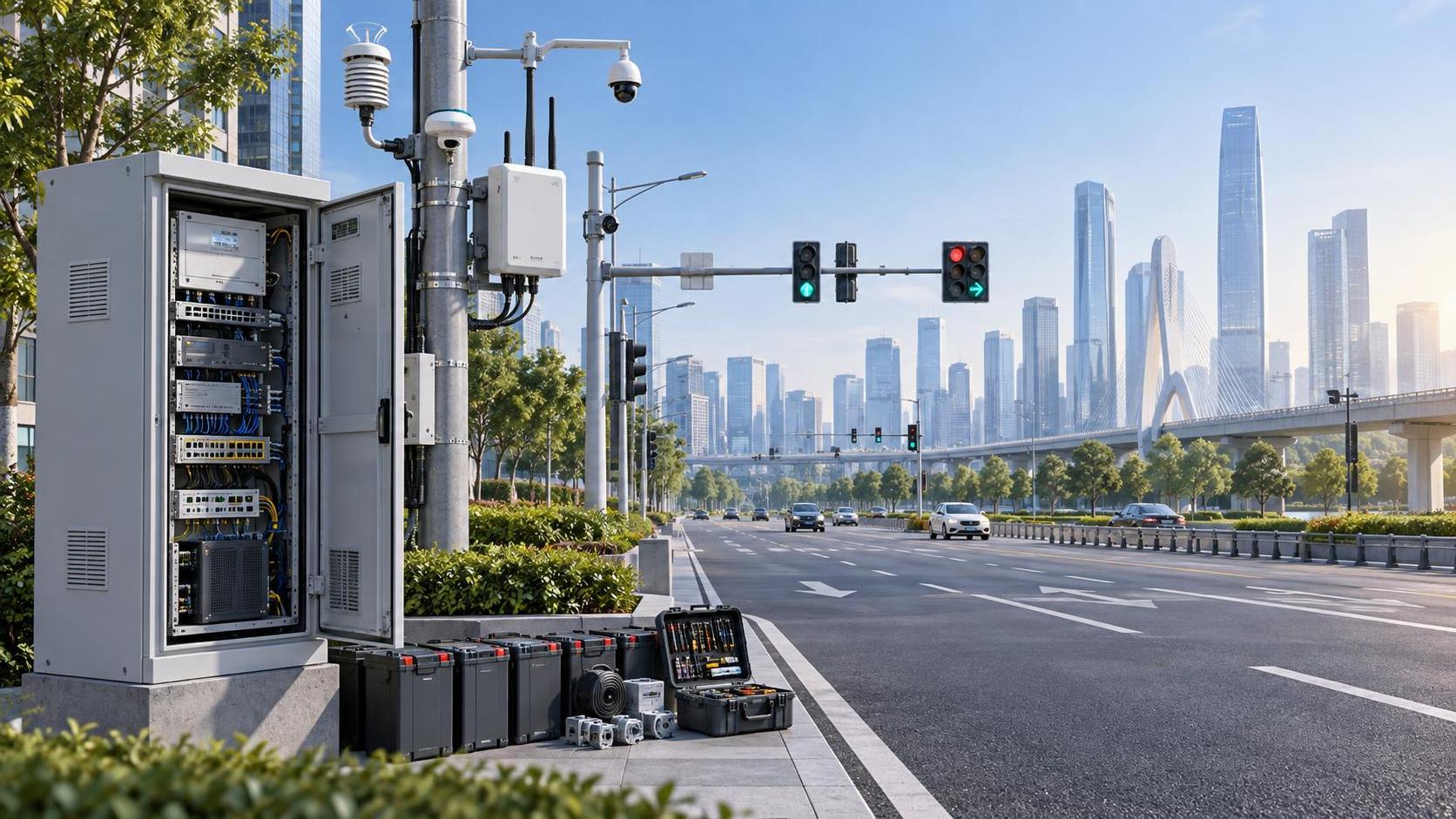
Urban traffic control upgrades are moving from isolated signal timing changes to connected, data-driven network management. Cities now face tighter road space, higher delivery volumes, and stronger safety demands.
In that environment, better urban traffic control can cut delay minutes, reduce stop-and-go waves, and improve travel reliability. The most effective upgrades often optimize existing assets before expensive road expansion begins.
For infrastructure platforms like GIUT, this shift matters because urban traffic control now links governance, energy efficiency, public safety, and digital infrastructure into one operating system.
Why urban traffic control is entering a faster upgrade cycle
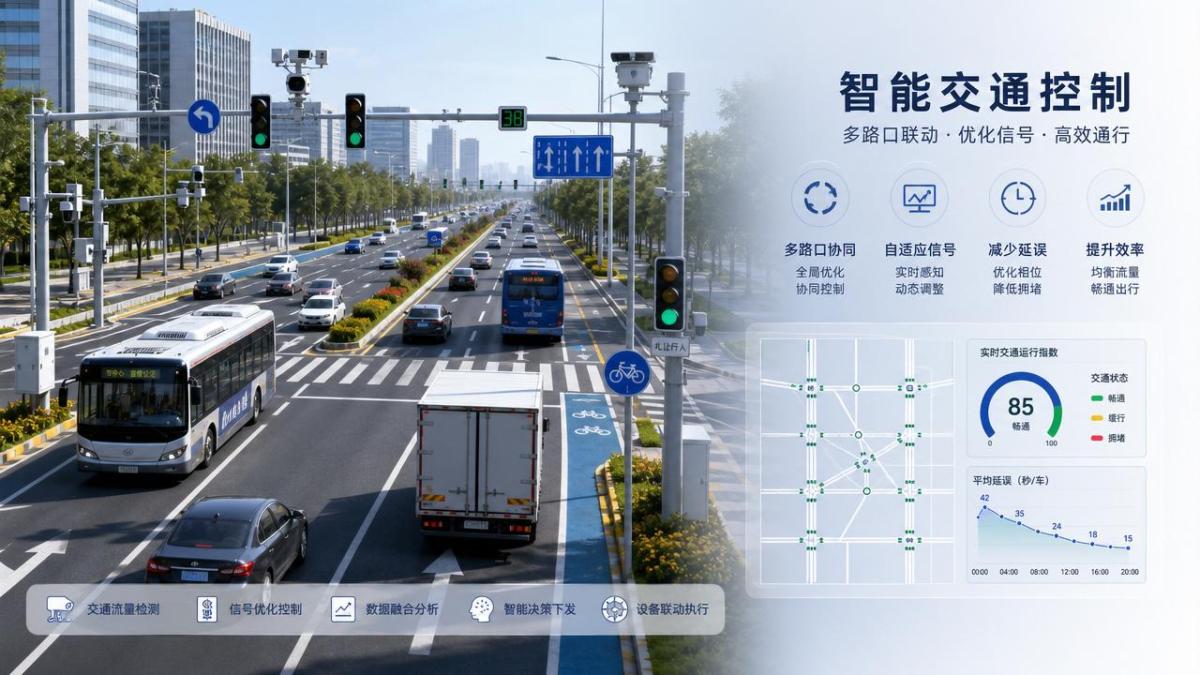
The old model relied on fixed plans and periodic field reviews. That approach worked when traffic patterns were stable. Today, demand changes by hour, weather, event, and freight flow.
Urban traffic control is also under pressure from smart city programs. Operators are expected to share data across transit, emergency response, road maintenance, and environmental monitoring.
Another clear signal is the rise of mixed mobility. Buses, bikes, pedestrians, ride-hailing vehicles, and delivery fleets compete for intersection capacity. Signal logic must respond more dynamically than before.
At the same time, cities want measurable returns. They need upgrades that reduce delays, improve corridor throughput, and support carbon reduction goals without rebuilding the network from scratch.
The strongest trend signals are coming from real-time operations
The market is shifting from standalone junction control toward corridor and area-wide coordination. That means urban traffic control decisions increasingly depend on live data and predictive logic.
Key trend signals now visible across networks
- Adaptive signal control is replacing fixed-time plans on high-pressure corridors.
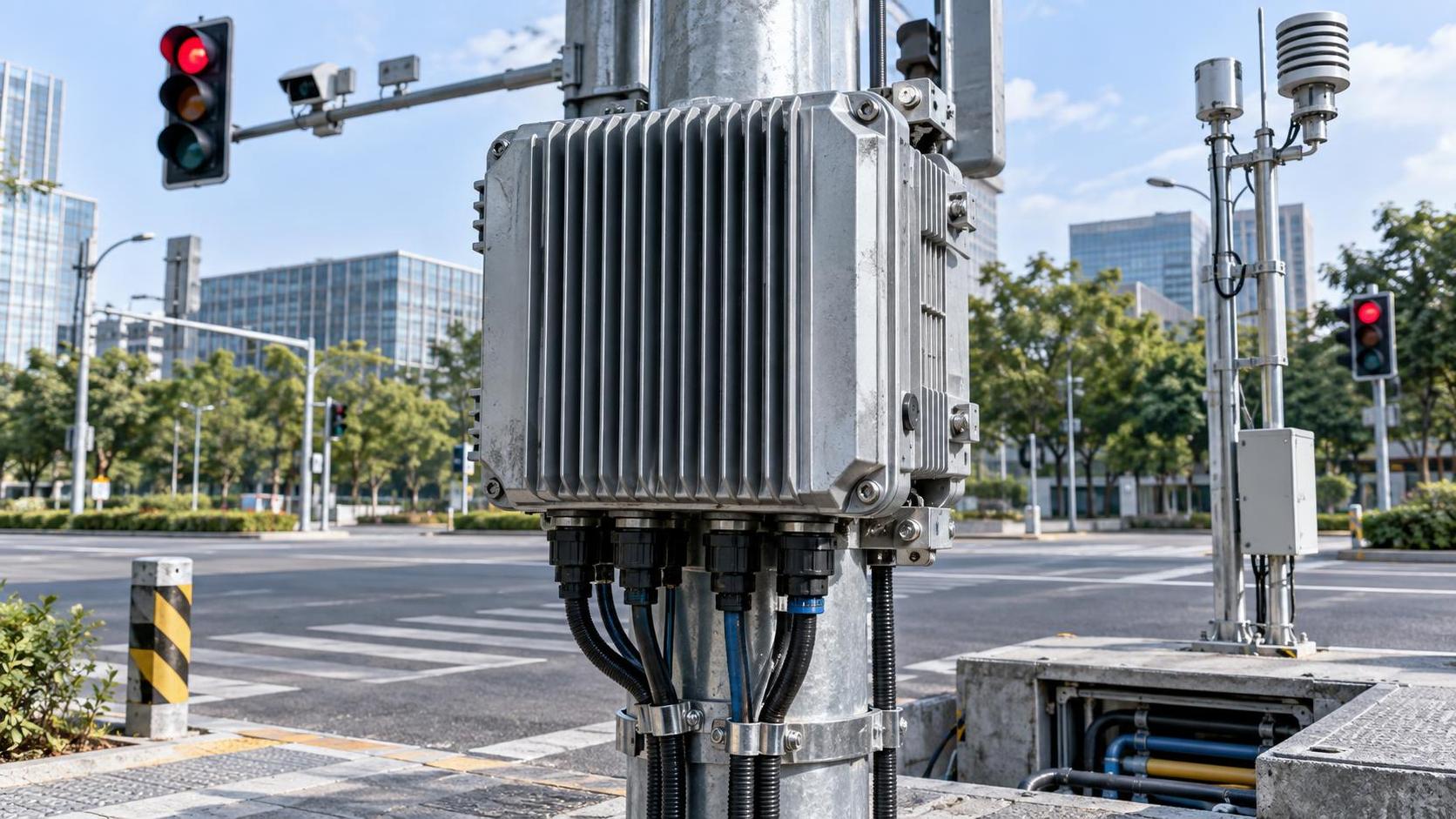
- Edge devices and cloud platforms are shortening response time to incidents.
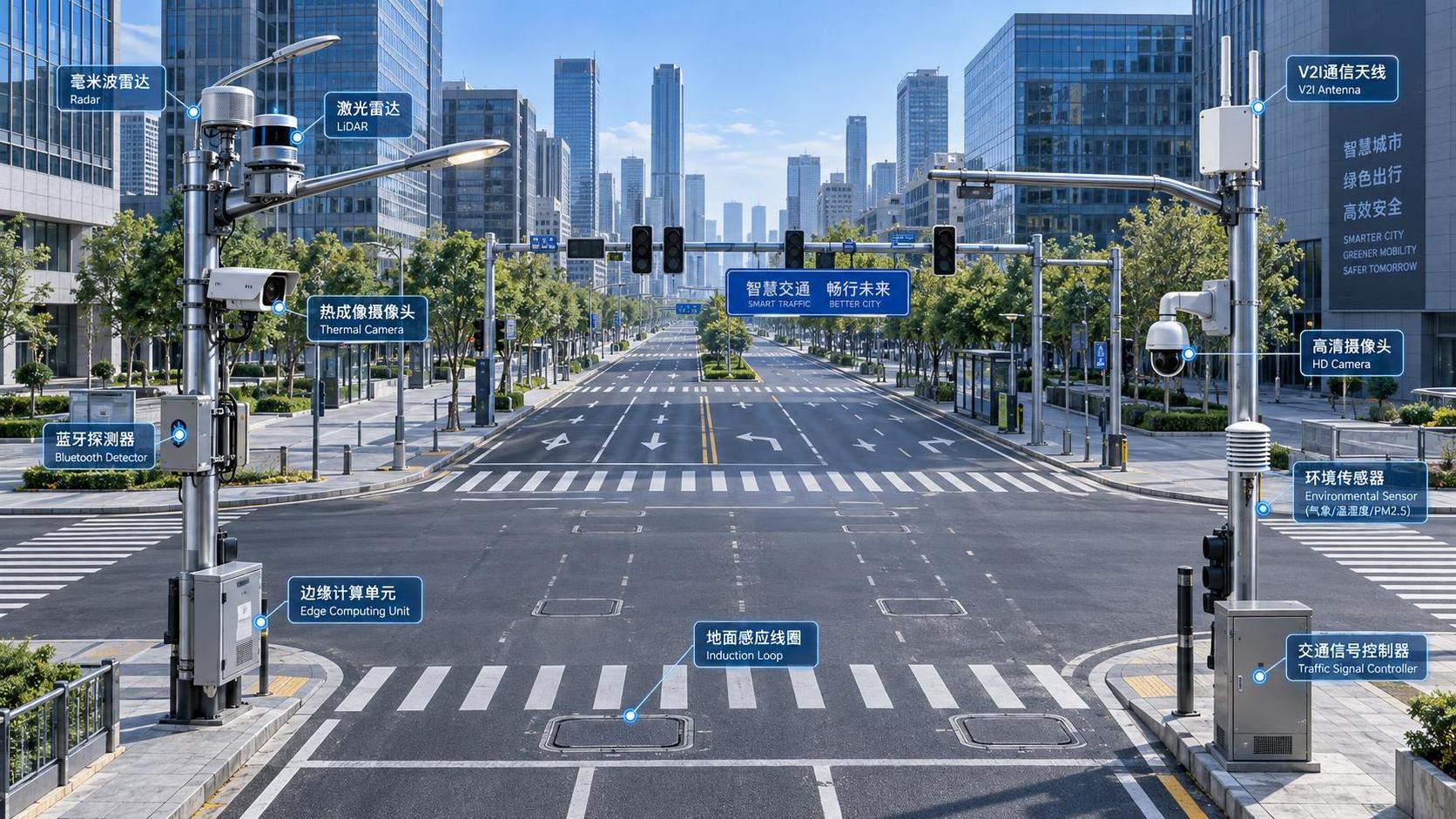
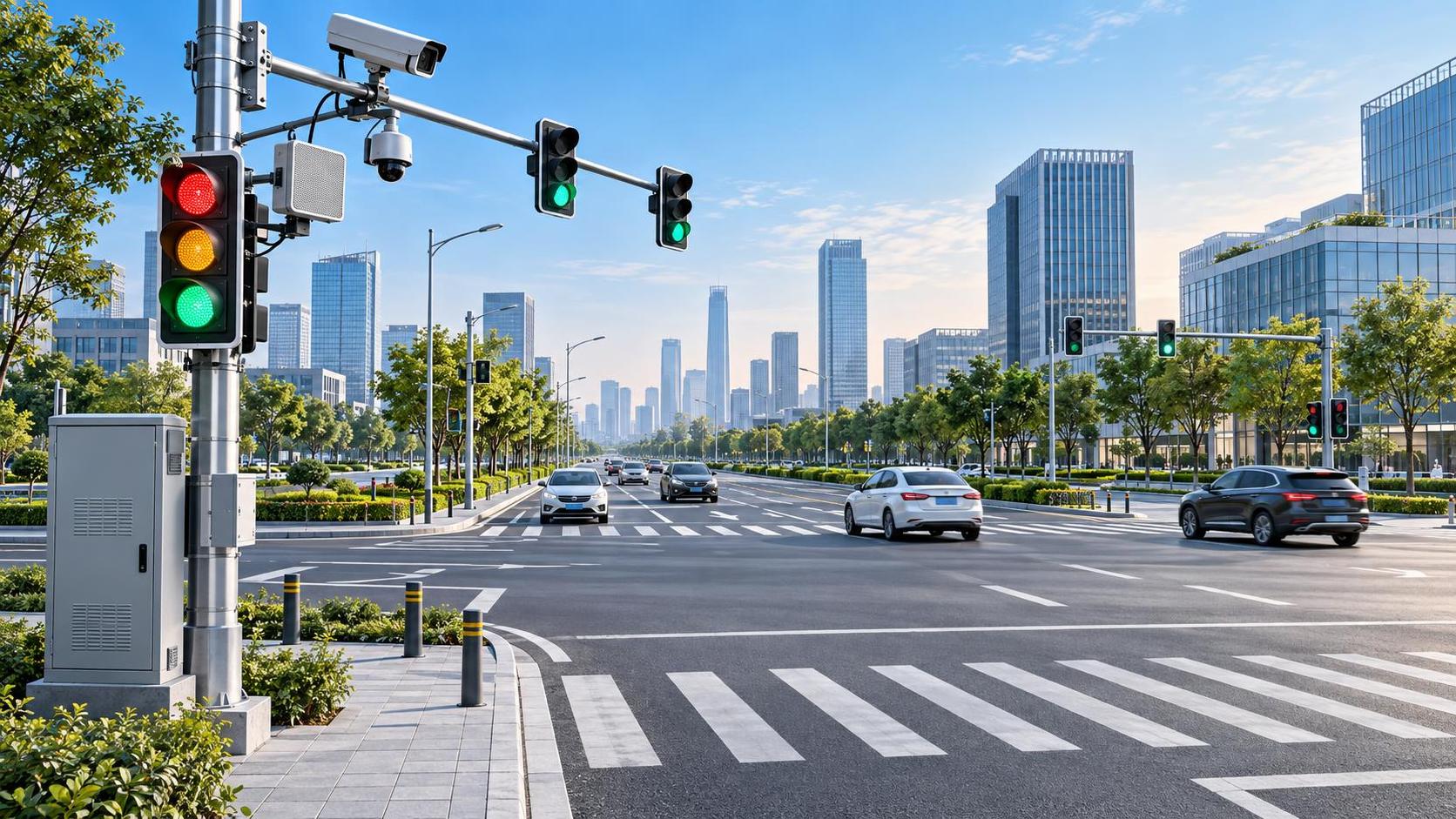
- Video analytics is improving vehicle, pedestrian, and queue detection quality.
- Transit signal priority is gaining importance in congested urban cores.
- Performance dashboards are turning urban traffic control into a KPI-driven function.
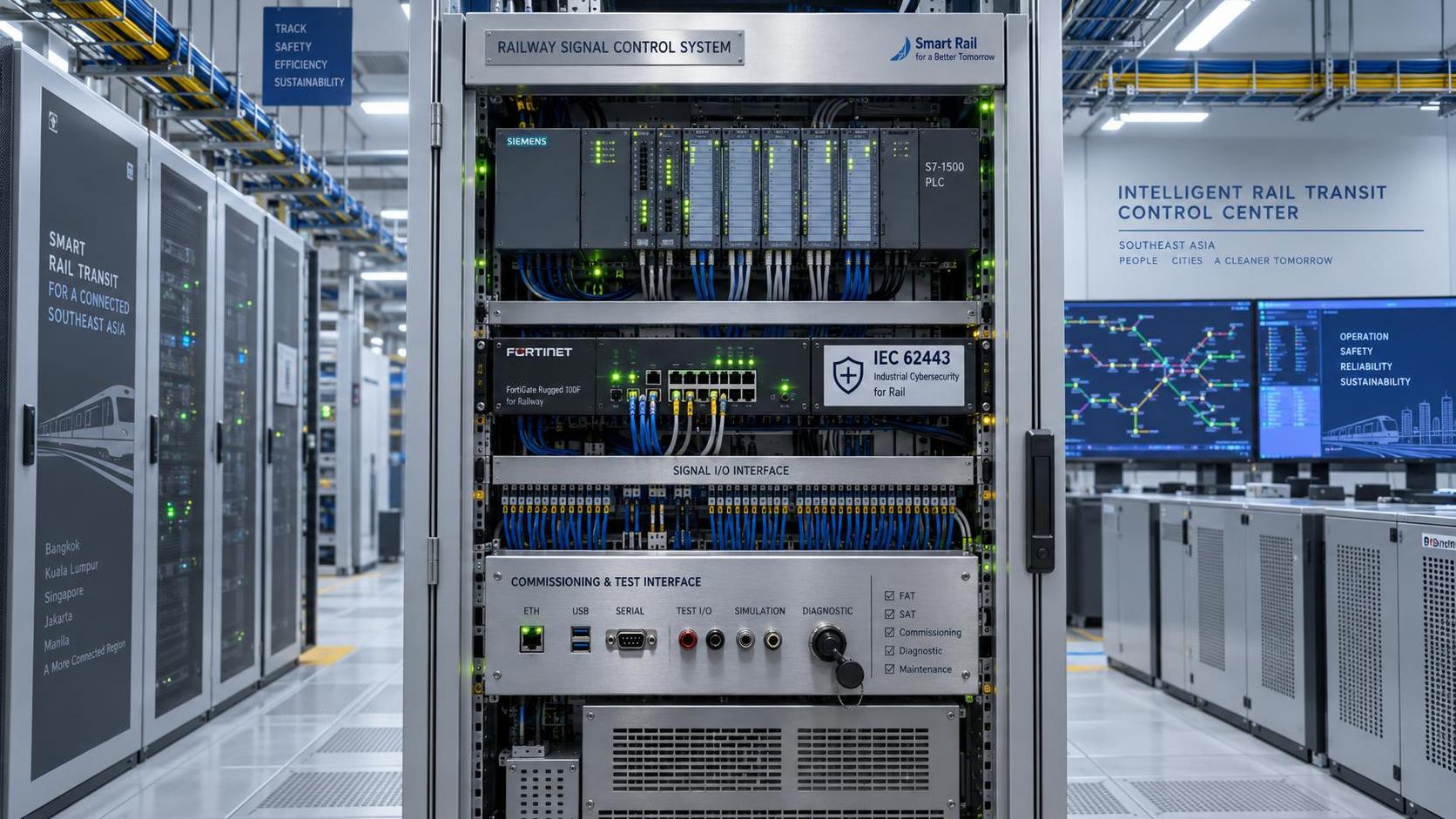
- Cybersecurity and interoperability are becoming part of every upgrade decision.
These signals show a broader industry direction. Urban traffic control is no longer just about changing green times. It is about managing a living transport network with continuous feedback.
What is driving the push toward smarter urban traffic control
Several forces are pushing upgrades at the same time. Some are technical. Others come from governance, budget pressure, public expectations, and sustainability targets.
This combination explains why upgrade plans are accelerating. Urban traffic control now delivers value not only to transport departments, but also to wider infrastructure and sustainability strategies.
Where delay reduction is most likely to come from first
Not every upgrade produces the same impact. In many networks, the first gains come from better coordination, cleaner detection data, and faster response to disruptions rather than full system replacement.
High-value upgrade paths
- Retiming coordinated corridors with current travel demand data.
- Adding adaptive control at intersections with unstable queues.
- Replacing weak loop detection with video or multi-sensor coverage.
- Linking traffic management centers to incident and event feeds.
- Prioritizing buses and emergency vehicles on critical routes.
- Using performance analytics to identify recurring bottlenecks.
These actions help urban traffic control cut lost time at the network level. They also improve consistency, which often matters more to road users than a single top speed improvement.
How the shift affects infrastructure operations beyond intersections
Urban traffic control upgrades influence more than signals. They affect construction staging, logistics timing, public transport reliability, road safety programs, and even maintenance scheduling.
For urban governance, better control supports stronger incident visibility. Operators can spot queue spillback earlier, adjust timing plans faster, and coordinate field actions with fewer delays.
For infrastructure planners, traffic data from upgraded systems creates a more accurate picture of corridor stress. That helps prioritize capital projects based on operational evidence, not only static counts.
For sustainability programs, urban traffic control helps reduce unnecessary idling and acceleration cycles. Those gains may appear small per vehicle, but citywide effects can become significant.
Typical cross-functional impacts
- More reliable bus operations on congested corridors
- Safer pedestrian phases at complex junctions
- Better freight movement through industrial and port links
- Improved event traffic handling near large venues
- Stronger support for emergency access routes
What should be checked before any urban traffic control upgrade begins
Many projects underperform because they start with technology selection before defining the operating problem. A solid urban traffic control upgrade begins with diagnosis, not procurement.
Core checkpoints that deserve attention
- Confirm whether delays come from timing, geometry, incidents, or demand imbalance.
- Check detector health, communication stability, and controller compatibility.
- Define corridor-level KPIs such as delay, stops, travel time, and queue length.
- Review pedestrian, transit, and freight needs before optimizing vehicle flow only.
- Assess cybersecurity, data ownership, and system integration risks.
- Set a phased deployment plan with test periods and measurable outcomes.
This disciplined approach keeps urban traffic control investments focused on operational value. It also reduces the risk of buying tools that add dashboards without improving field performance.
A practical decision framework for the next phase
Cities and infrastructure teams can treat urban traffic control as a staged modernization program. The best path usually combines quick wins with a longer digital foundation.
The wider lesson is clear. Urban traffic control works best when treated as critical infrastructure intelligence, not as a narrow roadside equipment project.
A practical next step is to map the top ten delay locations, compare current control logic with actual demand, and build a phased upgrade list tied to measurable corridor outcomes.
As urban networks become more connected and resource-sensitive, strong urban traffic control will remain one of the fastest ways to improve mobility, safety, and operational efficiency at city scale.
Get weekly intelligence in your inbox.
No noise. No sponsored content. Pure intelligence.
News Recommendations
 Sep 19, 2026How an electronics application guide helps prevent component mismatchHow an electronics application guide helps prevent component mismatch
 Sep 18, 2026When a resource allocation platform improves project deliveryWhen a resource allocation platform improves project delivery
 Sep 17, 2026What to compare when evaluating mineral processing equipment manufacturersWhat to compare when evaluating mineral processing equipment manufacturers
 Sep 16, 2026How mineral separation optimization can reduce concentrate lossesHow mineral separation optimization can reduce concentrate losses
 Sep 15, 2026How to assess lifecycle costs in urban tech procurementHow to assess lifecycle costs in urban tech procurement
 Sep 14, 2026Heavy industry technology trends reshaping capital investment prioritiesHeavy industry technology trends reshaping capital investment priorities
 Sep 14, 2026Global Industrial Equipment Procurement: How Top OEMs Qualify Suppliers for Mining & Infrastructure ProjectsGlobal Industrial Equipment Procurement: How Top OEMs Qualify Suppliers for Mining & Infrastructure Projects
 Sep 14, 2026Industrial & Mining Equipment Procurement: Balancing Local Sourcing, Lead Time, and Certification RequirementsIndustrial & Mining Equipment Procurement: Balancing Local Sourcing, Lead Time, and Certification Requirements
 Sep 14, 2026Infrastructure & Equipment Upgrades: What Procurement Teams Must Verify Before Signing Off on New ContractsInfrastructure & Equipment Upgrades: What Procurement Teams Must Verify Before Signing Off on New Contracts
 Sep 14, 2026Why Infrastructure Equipment Buyers Are Shifting from Catalog-Based to Capability-Based Supplier SelectionWhy Infrastructure Equipment Buyers Are Shifting from Catalog-Based to Capability-Based Supplier Selection
 Sep 14, 2026Process Automation Project Execution: How to Align Supplier Capabilities with PLC Integration, Cybersecurity & Commissioning MilestonesProcess Automation Project Execution: How to Align Supplier Capabilities with PLC Integration, Cybersecurity & Commissioning Milestones
 Sep 14, 2026Are intelligent traffic systems worth the investment for small cities?Are intelligent traffic systems worth the investment for small cities?
 Sep 14, 2026How do intelligent traffic systems handle sensor failures?How do intelligent traffic systems handle sensor failures?
 Sep 14, 2026What should I check before accepting a smart building system?What should I check before accepting a smart building system?
 Sep 14, 2026Is a smart building system worth the maintenance cost?Is a smart building system worth the maintenance cost?
 Sep 14, 2026What data is needed for reliable resource allocation planning?What data is needed for reliable resource allocation planning?
 Sep 14, 2026How can resource allocation software reduce equipment idle time?How can resource allocation software reduce equipment idle time?
 Sep 14, 2026How should smart devices be maintained in harsh outdoor conditions?How should smart devices be maintained in harsh outdoor conditions?
 Sep 14, 2026Do smart devices improve worker safety on construction sites?Do smart devices improve worker safety on construction sites?
 Sep 14, 2026What environmental risks must be assessed before deep-sea mining?What environmental risks must be assessed before deep-sea mining?
 Sep 14, 2026Is deep-sea mining equipment commercially viable in 2026?Is deep-sea mining equipment commercially viable in 2026?
 Sep 14, 2026What Inspection Checks Should Procurement Teams Perform Before Ordering Dredging Equipment in 2026?What Inspection Checks Should Procurement Teams Perform Before Ordering Dredging Equipment in 2026?
 Sep 13, 2026How to verify an industrial product information source before specifying equipmentHow to verify an industrial product information source before specifying equipment
 Sep 12, 2026Which intelligent traffic systems hardware fits an urban intersection?Which intelligent traffic systems hardware fits an urban intersection?
 Sep 11, 2026How pump capacity affects response coverage for municipal fire fighting vehiclesHow pump capacity affects response coverage for municipal fire fighting vehicles
 Sep 10, 2026What to verify before choosing a heavy industry equipment supplierWhat to verify before choosing a heavy industry equipment supplier
 Sep 09, 2026When do adaptive urban traffic control systems reduce corridor delays?When do adaptive urban traffic control systems reduce corridor delays?