Railway Maintenance Costs: What Drives Budget Overruns
For finance decision-makers, railway maintenance is not just an operational necessity—it is a major budget variable with long-term consequences.
From aging assets and labor shortages to signaling upgrades and unplanned track failures, many issues push spending above forecast.
Understanding railway maintenance cost drivers helps organizations control overruns, protect service reliability, and improve long-term asset returns.
In a broader infrastructure context, railway maintenance also affects logistics efficiency, urban mobility, safety performance, and sustainability goals.
Railway Maintenance Cost Structure and Core Definitions
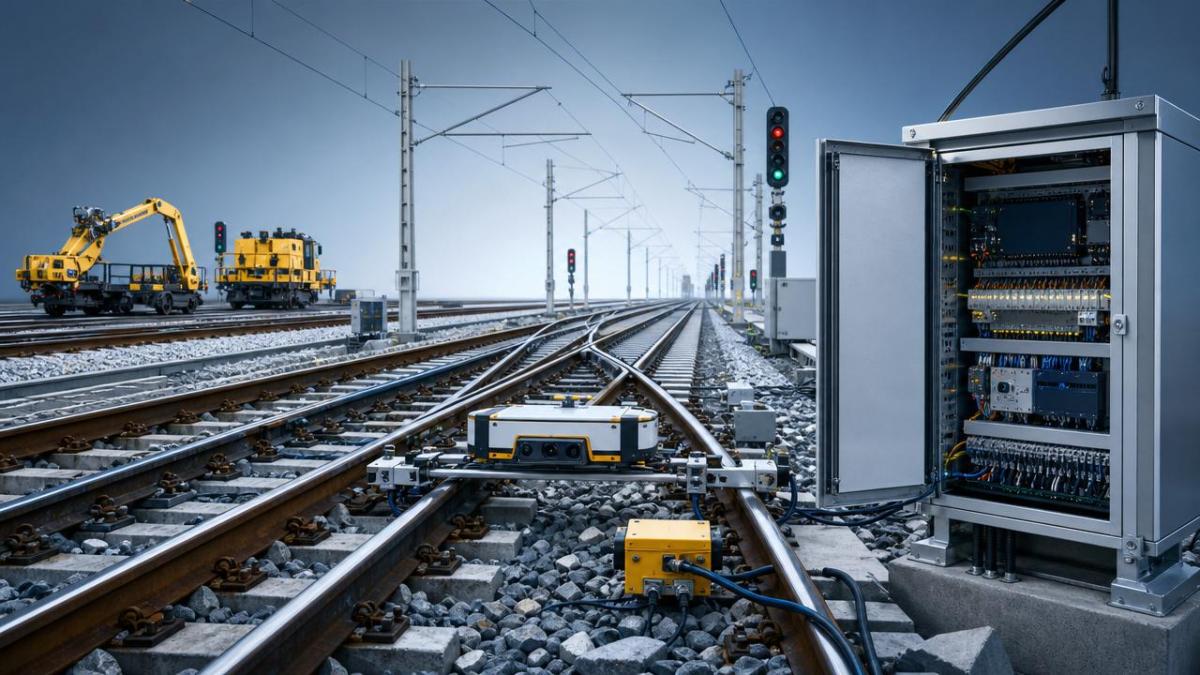
Railway maintenance covers inspections, repairs, renewals, emergency response, and system upgrades across track, signaling, power, structures, and rolling interfaces.
Routine work includes tamping, rail grinding, ballast cleaning, drainage upkeep, vegetation control, and scheduled component replacement.
Corrective work addresses defects after detection, while reactive work follows incidents, failures, or weather-related damage.
Capital renewals sit between maintenance and expansion. They often involve major track sections, interlockings, bridges, overhead lines, or communications systems.
Budget overruns appear when actual railway maintenance spending exceeds planned labor, material, contractor, equipment, possession, or risk allowances.
The largest mistake is treating railway maintenance as a single line item instead of a portfolio of assets with different failure curves.
Track geometry, axle loads, climate exposure, traffic density, and network age all influence cost behavior differently.
Main cost buckets in railway maintenance
- Direct labor, overtime, and specialist crew availability
- Rails, sleepers, fasteners, ballast, cables, relays, and electronic parts
- Track machines, diagnostic systems, access vehicles, and fuel
- Contractor services, safety compliance, and temporary traffic management
- Possession windows, service disruption costs, and contingency reserves
Current Industry Pressures Increasing Railway Maintenance Costs
Across the global infrastructure sector, railway maintenance faces combined pressure from aging networks and rising performance expectations.
Many rail systems were built for lower traffic intensity and older signaling architectures. Today they support faster, heavier, and more frequent movement.
This mismatch accelerates wear, shortens intervention cycles, and increases the cost of maintaining safe operations.
These pressures show why railway maintenance is now a strategic infrastructure issue, not only a technical one.
What Commonly Drives Railway Maintenance Budget Overruns
Most railway maintenance overruns do not come from one event. They emerge from interacting technical, operational, and commercial factors.
1. Asset age and deferred renewals
When renewals are delayed, maintenance teams spend more on repetitive fixes. Short-term savings later become expensive recurring interventions.
Old bridges, switches, and signaling rooms often require custom work, which reduces productivity and raises procurement costs.
2. Incomplete asset data
Poor records create false assumptions about condition, remaining life, and intervention scope.
Crews arrive expecting light repair, then discover hidden corrosion, drainage collapse, cable degradation, or subgrade weakness.
3. Access and possession constraints
Railway maintenance depends on track access windows. Limited possession time increases night shifts, fragmented work, and re-mobilization costs.
If possessions are cancelled because of traffic priority, labor and equipment costs remain while output falls.
4. Labor scarcity and specialist dependency
Signal testers, welders, track machine operators, and safety-certified supervisors are often in short supply.
This drives premium rates, subcontracting, and overtime, especially during peak renewal seasons.
5. Material price volatility
Steel, copper, concrete products, and electronic components can shift sharply in price.
Even minor inflation changes become large budget gaps across long track sections or network-wide programs.
6. Signaling and system integration complexity
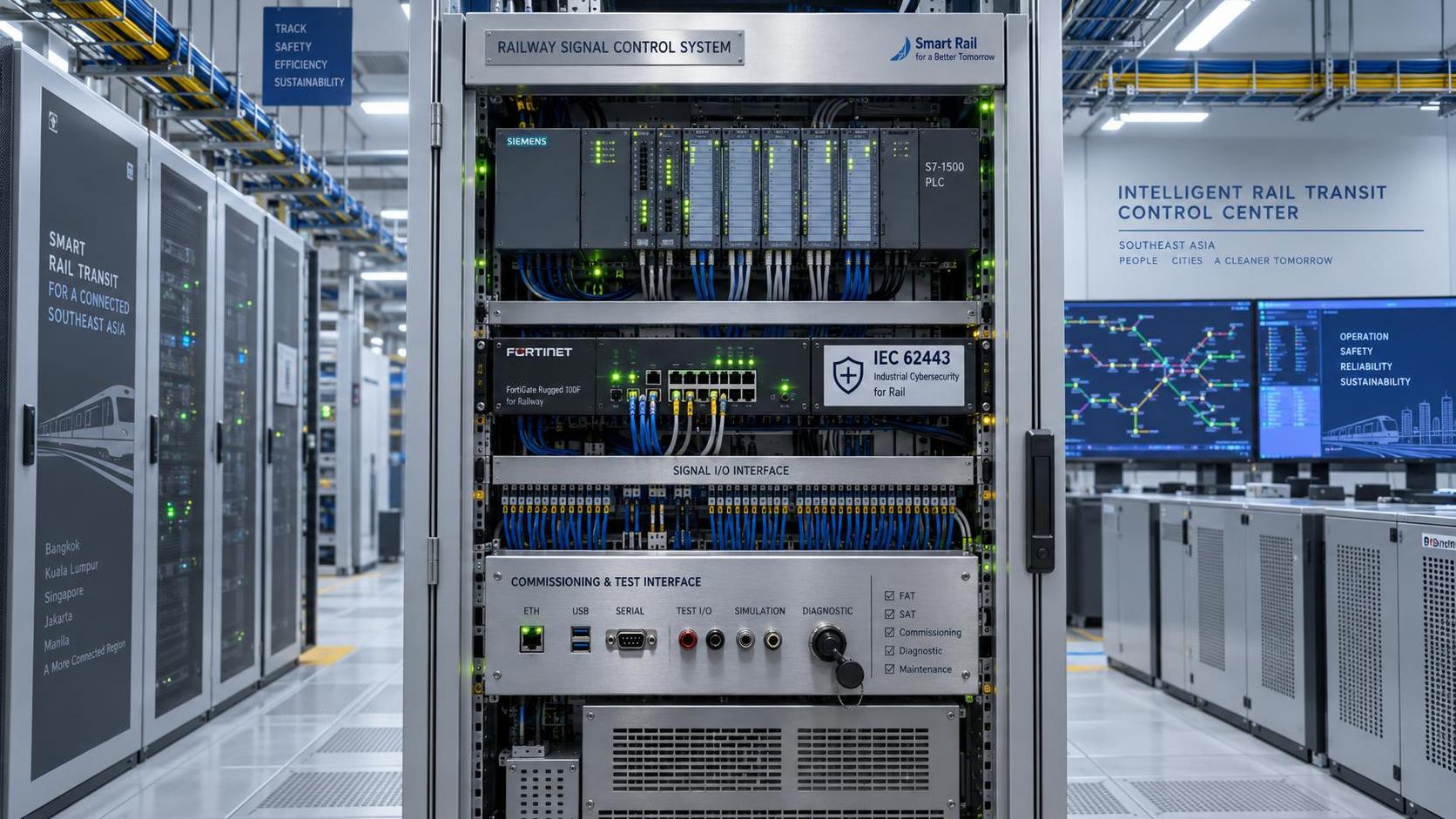
Modern railway maintenance increasingly includes software, communications, sensors, and cyber-secure interfaces.
Testing, commissioning, and compatibility checks can exceed estimates, especially in mixed legacy environments.
7. Weather and ground conditions
Heat causes rail stress. Rain weakens embankments. Freeze-thaw cycles damage drainage and foundations.
Such risks often sit underfunded in baseline railway maintenance budgets.
Why Better Railway Maintenance Control Creates Business Value
Effective railway maintenance control protects more than annual budgets. It improves reliability, safety, asset life, and network capacity.
For freight corridors, fewer failures support on-time delivery and stronger logistics performance.
For urban and intercity systems, stable railway maintenance reduces service disruption, reputational damage, and passenger compensation exposure.
At the infrastructure portfolio level, stronger cost visibility improves capital planning and helps compare renewal timing against continued repair.
- Lower emergency repair frequency
- More accurate life-cycle costing
- Better prioritization of high-risk assets
- Improved resilience under climate and traffic pressure
- Stronger alignment between operations and investment plans
Typical Railway Maintenance Cost Profiles by Asset Type
Not all railway maintenance behaves the same. Asset categories have different risk patterns, inspection needs, and overrun triggers.
Practical Measures to Reduce Railway Maintenance Overruns
The most effective railway maintenance strategy combines asset intelligence, planning discipline, and procurement control.
Strengthen asset condition visibility
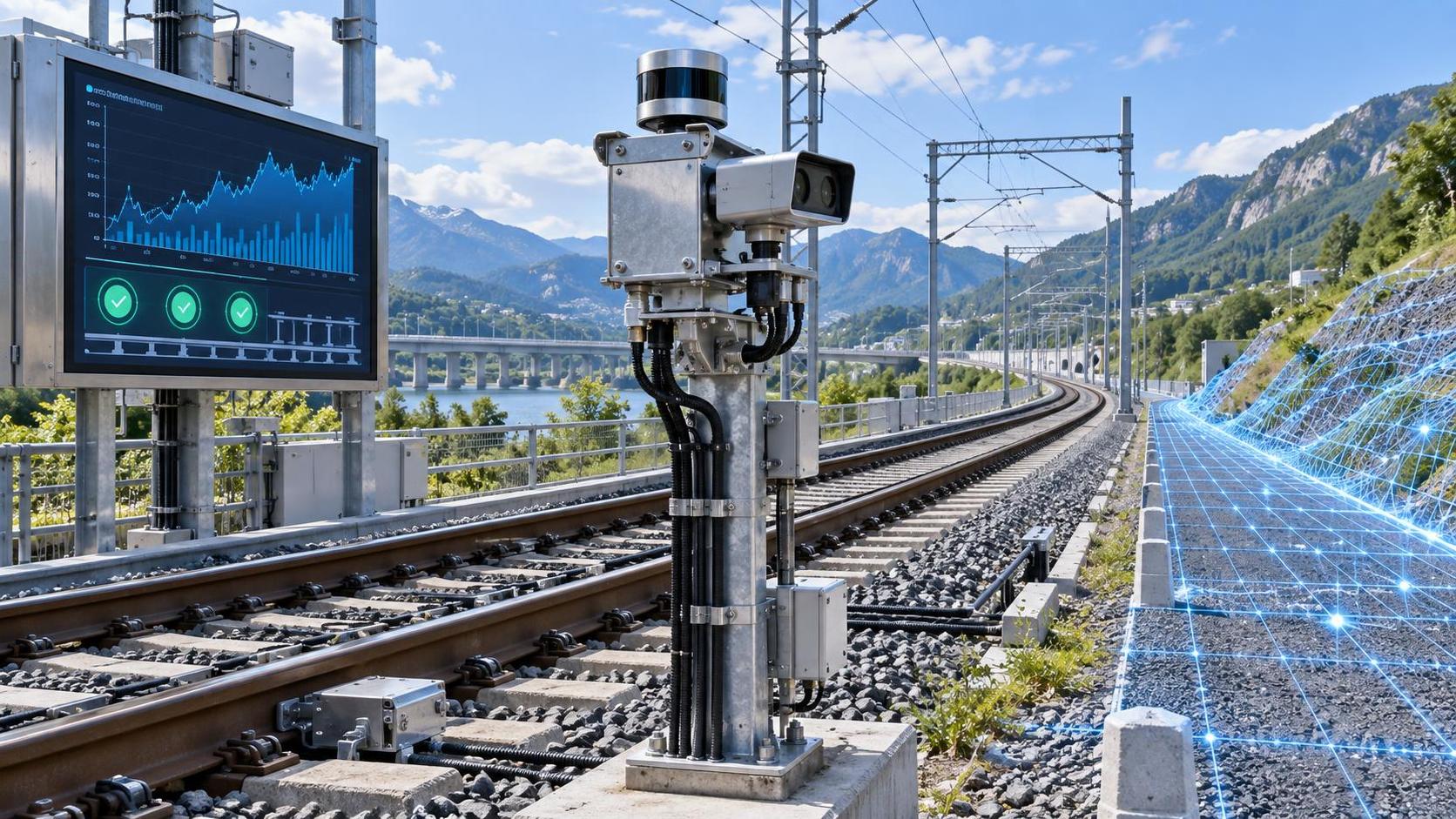
Use inspection data, geometry cars, wayside monitoring, and digital records to identify deterioration before failure escalates cost.
Separate maintenance from renewal decisions
Create clear thresholds for continued repair versus replacement. This avoids repeatedly funding assets that have passed economic life.
Improve possession planning
Bundle tasks by corridor, align contractor schedules, and protect access windows through earlier operational coordination.
Build realistic contingency models
Contingency should reflect ground risk, asset uncertainty, weather exposure, and interface complexity rather than flat percentages.
Use supplier and labor strategies proactively
Framework agreements, long-lead ordering, and workforce development reduce volatility in railway maintenance delivery.
- Map assets by condition, criticality, and failure consequence.
- Review repeated corrective jobs for hidden renewal needs.
- Track unit costs by asset type, crew, and possession window.
- Model climate and disruption risk into annual plans.
- Update budgets using live field feedback, not static assumptions.
A More Predictive Approach to Railway Maintenance Planning
Budget overruns in railway maintenance are rarely random. They usually reflect weak asset visibility, delayed renewals, access limits, and underestimated execution risk.
A more predictive railway maintenance approach links engineering evidence with financial planning and network operations.
That means better condition data, clearer intervention thresholds, stronger contingency logic, and tighter control of labor and material exposure.
Organizations that manage railway maintenance this way can reduce surprise costs while improving resilience across the wider infrastructure system.
The practical next step is to audit the top recurring overrun sources, compare them by asset class, and rebuild future budgets around evidence-based risk.
Get weekly intelligence in your inbox.
No noise. No sponsored content. Pure intelligence.
News Recommendations
 Sep 19, 2026How an electronics application guide helps prevent component mismatchHow an electronics application guide helps prevent component mismatch
 Sep 18, 2026When a resource allocation platform improves project deliveryWhen a resource allocation platform improves project delivery
 Sep 17, 2026What to compare when evaluating mineral processing equipment manufacturersWhat to compare when evaluating mineral processing equipment manufacturers
 Sep 16, 2026How mineral separation optimization can reduce concentrate lossesHow mineral separation optimization can reduce concentrate losses
 Sep 15, 2026How to assess lifecycle costs in urban tech procurementHow to assess lifecycle costs in urban tech procurement
 Sep 14, 2026Heavy industry technology trends reshaping capital investment prioritiesHeavy industry technology trends reshaping capital investment priorities
 Sep 14, 2026Global Industrial Equipment Procurement: How Top OEMs Qualify Suppliers for Mining & Infrastructure ProjectsGlobal Industrial Equipment Procurement: How Top OEMs Qualify Suppliers for Mining & Infrastructure Projects
 Sep 14, 2026Industrial & Mining Equipment Procurement: Balancing Local Sourcing, Lead Time, and Certification RequirementsIndustrial & Mining Equipment Procurement: Balancing Local Sourcing, Lead Time, and Certification Requirements
 Sep 14, 2026Infrastructure & Equipment Upgrades: What Procurement Teams Must Verify Before Signing Off on New ContractsInfrastructure & Equipment Upgrades: What Procurement Teams Must Verify Before Signing Off on New Contracts
 Sep 14, 2026Why Infrastructure Equipment Buyers Are Shifting from Catalog-Based to Capability-Based Supplier SelectionWhy Infrastructure Equipment Buyers Are Shifting from Catalog-Based to Capability-Based Supplier Selection
 Sep 14, 2026Process Automation Project Execution: How to Align Supplier Capabilities with PLC Integration, Cybersecurity & Commissioning MilestonesProcess Automation Project Execution: How to Align Supplier Capabilities with PLC Integration, Cybersecurity & Commissioning Milestones
 Sep 14, 2026Are intelligent traffic systems worth the investment for small cities?Are intelligent traffic systems worth the investment for small cities?
 Sep 14, 2026How do intelligent traffic systems handle sensor failures?How do intelligent traffic systems handle sensor failures?
 Sep 14, 2026What should I check before accepting a smart building system?What should I check before accepting a smart building system?
 Sep 14, 2026Is a smart building system worth the maintenance cost?Is a smart building system worth the maintenance cost?
 Sep 14, 2026What data is needed for reliable resource allocation planning?What data is needed for reliable resource allocation planning?
 Sep 14, 2026How can resource allocation software reduce equipment idle time?How can resource allocation software reduce equipment idle time?
 Sep 14, 2026How should smart devices be maintained in harsh outdoor conditions?How should smart devices be maintained in harsh outdoor conditions?
 Sep 14, 2026Do smart devices improve worker safety on construction sites?Do smart devices improve worker safety on construction sites?
 Sep 14, 2026What environmental risks must be assessed before deep-sea mining?What environmental risks must be assessed before deep-sea mining?
 Sep 14, 2026Is deep-sea mining equipment commercially viable in 2026?Is deep-sea mining equipment commercially viable in 2026?
 Sep 14, 2026What Inspection Checks Should Procurement Teams Perform Before Ordering Dredging Equipment in 2026?What Inspection Checks Should Procurement Teams Perform Before Ordering Dredging Equipment in 2026?
 Sep 13, 2026How to verify an industrial product information source before specifying equipmentHow to verify an industrial product information source before specifying equipment
 Sep 12, 2026Which intelligent traffic systems hardware fits an urban intersection?Which intelligent traffic systems hardware fits an urban intersection?
 Sep 11, 2026How pump capacity affects response coverage for municipal fire fighting vehiclesHow pump capacity affects response coverage for municipal fire fighting vehicles
 Sep 10, 2026What to verify before choosing a heavy industry equipment supplierWhat to verify before choosing a heavy industry equipment supplier
 Sep 09, 2026When do adaptive urban traffic control systems reduce corridor delays?When do adaptive urban traffic control systems reduce corridor delays?