Maintenance Technologies That Extend Asset Life Without Overhaul
For operators and frontline users, extending equipment life is no longer only about major rebuilds. Today’s maintenance technologies make it possible to reduce wear, prevent unexpected failures, and keep critical assets running longer with less disruption.
Across infrastructure, transport, mining, construction, and heavy equipment fleets, the real question is not whether maintenance matters. It is which practical methods can slow degradation, improve uptime, and avoid overhaul as long as safely possible.
The core search intent behind maintenance technologies is highly practical. Users want to know which tools, systems, and daily routines actually extend asset life, what warning signs to watch, and how to apply these methods in real operations.
For frontline teams, the biggest concerns are usually clear: fewer breakdowns, simpler inspections, less unplanned downtime, safer work, and confidence that maintenance actions are worth the effort.
The most useful answer is not a long theory of asset management. It is a field-level guide to the maintenance technologies that help operators detect wear early, act before failure, and preserve equipment condition without waiting for a major rebuild.
What Operators Need to Know First: Overhaul Is Not the Only Way to Extend Asset Life
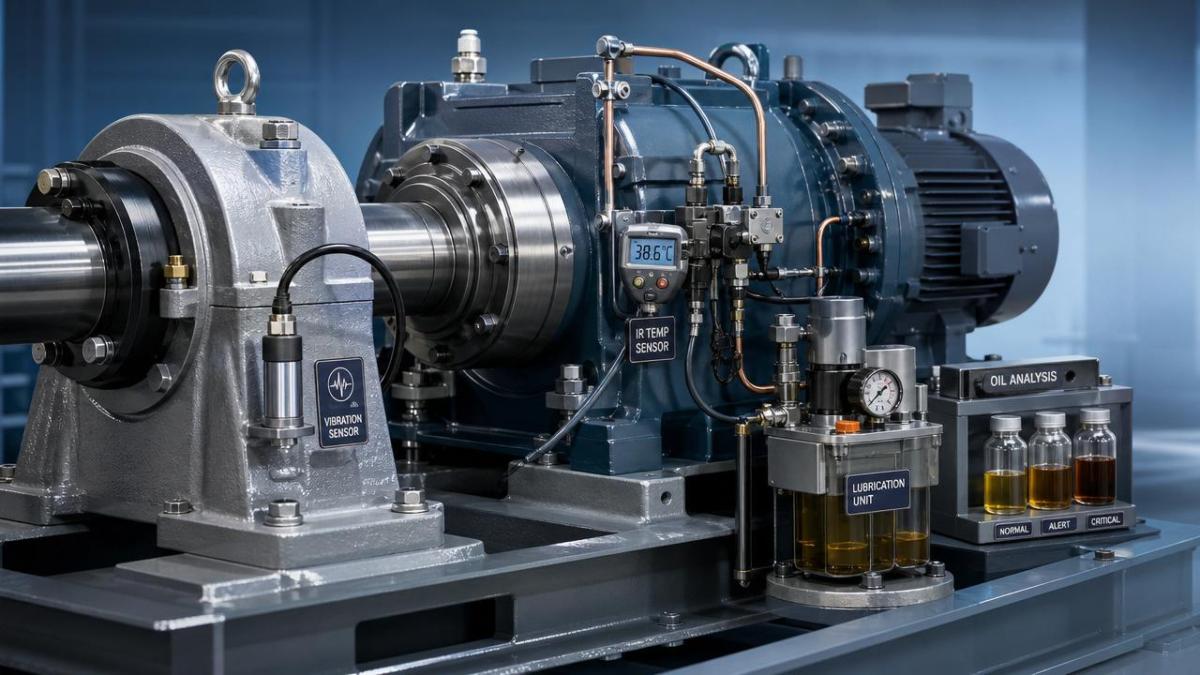
Many assets do not fail suddenly because they are old. They fail because small, detectable problems go untreated until they become structural, mechanical, hydraulic, or electrical damage.
That is why modern maintenance technologies focus on early detection and controlled intervention. If teams can identify abnormal heat, vibration, contamination, misalignment, or lubrication breakdown early, they can often stop the damage chain.
For operators, this changes the daily mindset. Maintenance is no longer just a scheduled service or a repair after failure. It becomes a continuous process of observing condition, confirming trends, and responding before wear turns into loss.
In practical terms, extending asset life without overhaul usually depends on five things: condition visibility, contamination control, precision maintenance, smarter scheduling, and operator-led inspection discipline.
When these elements are in place, equipment often runs longer between major interventions. More importantly, it runs more predictably, which matters just as much as raw lifespan in infrastructure and heavy industry.
Which Maintenance Technologies Deliver the Biggest Life-Extension Impact?
Not every technology has the same value for frontline use. The most effective maintenance technologies are usually the ones that reveal hidden deterioration early and support fast, targeted corrective action.
Condition monitoring is one of the most important. Sensors and handheld tools can track vibration, temperature, pressure, current, noise, and fluid condition to show whether a machine is still operating within a healthy range.
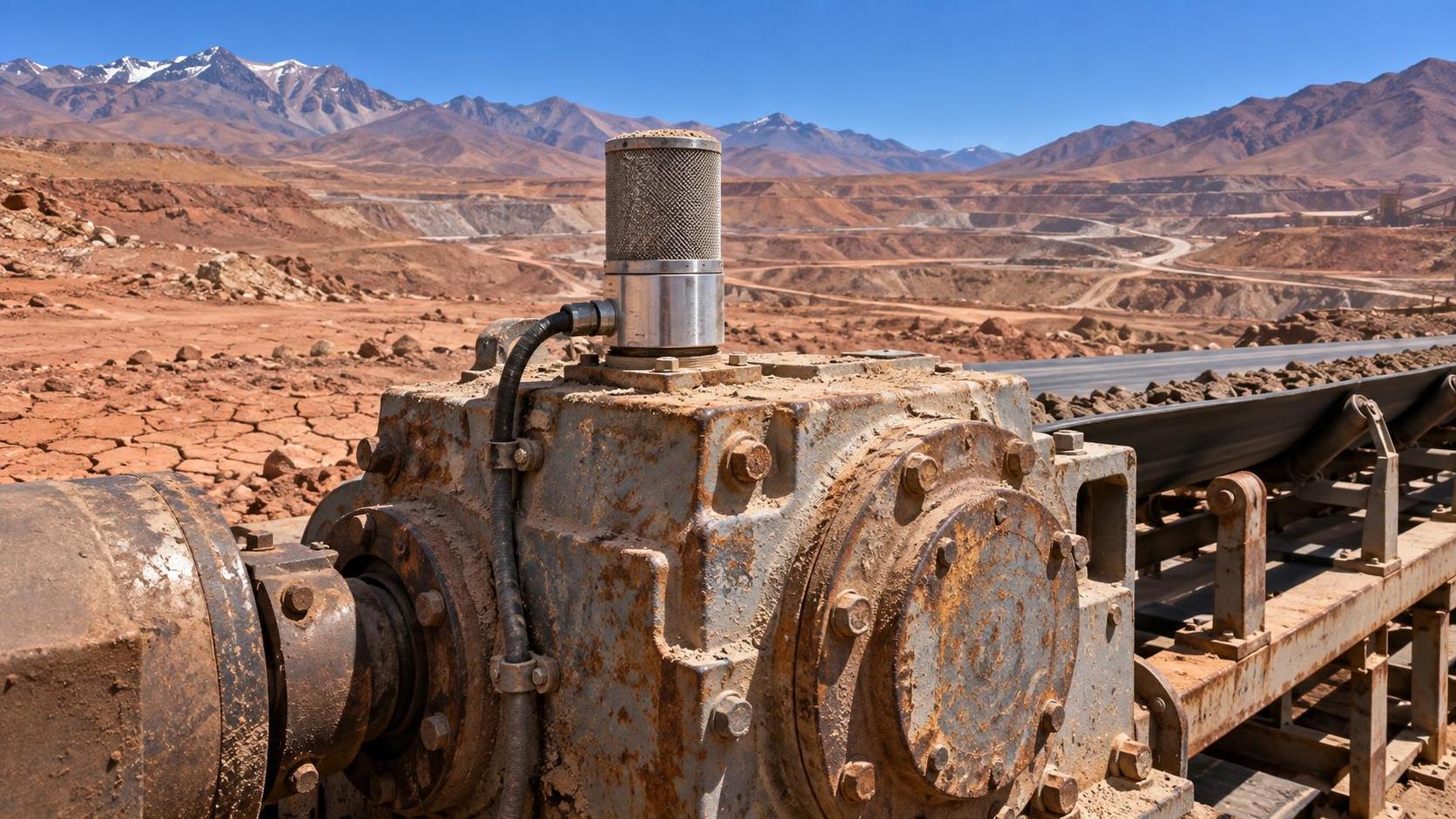
Vibration monitoring is especially useful for rotating equipment such as motors, pumps, fans, gearboxes, rail components, conveyors, and crushers. It helps detect imbalance, misalignment, looseness, bearing damage, and gear wear before severe failure develops.
Thermal monitoring, including infrared inspection, is another high-value method. Excess heat often reveals friction, poor electrical connections, overloaded circuits, blocked cooling paths, failing bearings, or hydraulic inefficiencies.
Oil analysis is equally powerful for heavy assets. It shows whether lubricants are degrading, whether contamination is entering the system, and whether internal components are shedding wear metals.
Ultrasound tools also deserve more attention on the frontline. They help teams find compressed air leaks, steam trap faults, lubrication issues, and early-stage bearing defects that may not yet be visible in standard checks.
For hydraulics and fluid power systems, pressure and flow diagnostics can reveal leakage, internal bypassing, pump wear, filter blockage, or valve performance issues. These problems often reduce performance long before total failure occurs.
In electrically driven systems, motor current analysis and power quality monitoring help detect overload, rotor issues, insulation stress, or supply instability. These tools are increasingly useful where energy efficiency and reliability must improve together.
The strongest life-extension results usually come from combining several technologies instead of relying on only one signal. A rising temperature trend means more when paired with abnormal vibration and contaminated oil.
How Predictive Maintenance Helps You Intervene Earlier and More Precisely
Predictive maintenance is often discussed as a management strategy, but for operators it is most valuable as a practical decision tool. It helps answer a simple question: act now, monitor further, or keep running?
Instead of replacing parts only by calendar intervals, predictive methods use actual condition data. This reduces unnecessary part changes while also preventing the dangerous habit of waiting until failure becomes obvious.
For example, a bearing may still sound normal to the human ear while vibration patterns already show developing defects. Replacing it at that stage is far less disruptive than repairing a shaft, housing, or downstream damaged components later.
Predictive maintenance also supports better planning. If data shows a component is degrading but still stable, teams can align replacement with shift patterns, access windows, spare parts availability, or route maintenance schedules.
This is especially valuable in rail systems, mining lines, construction fleets, pumps, cranes, mixers, and municipal infrastructure, where shutdown timing can affect wider operations, not only one machine.
However, predictive maintenance only works when data leads to action. Collecting readings without clear thresholds, review routines, and responsibility can create a false sense of control.
Operators benefit most when predictive servicing is tied to practical triggers: temperature above baseline, abnormal vibration trend, drop in lubrication quality, repeated alarm history, or visible wear progression confirmed during inspection.
Why Lubrication Control and Cleanliness Often Matter More Than Complex Technology
Advanced systems are useful, but many assets lose life because of basic lubrication failures. Wrong lubricant, over-greasing, under-greasing, dirty transfer methods, and missed intervals can shorten equipment life faster than age alone.
Lubrication technology has improved significantly. Automatic lubrication systems, condition-based greasing tools, sealed transfer containers, filtration carts, and lubricant identification programs all reduce human error and contamination risk.
Cleanliness control is critical because particles, moisture, and chemical contamination accelerate wear across bearings, hydraulic pumps, valves, cylinders, and gear systems. Once contamination circulates, the machine can wear from the inside out.
Even simple upgrades can extend service life meaningfully: better breathers on reservoirs, cleaner fill points, dedicated grease types, filtered top-ups, and routine oil sampling from correct locations.
For operators, the key lesson is straightforward. If lubrication is poor, no amount of digital monitoring will fully protect the asset. Good condition data cannot compensate for bad maintenance fundamentals.
When lubrication control improves, friction drops, heat stabilizes, wear rates slow, and the whole machine operates under less stress. This is one of the most cost-effective ways to delay overhaul.
Precision Maintenance: Small Corrections That Prevent Big Damage
Many machines suffer not because their design life is exhausted, but because they operate under constant small errors. Misalignment, imbalance, soft foot, belt tension problems, loose fasteners, and poor installation all increase wear every hour.
Precision maintenance technologies help correct these hidden issues. Laser alignment tools, balancing instruments, torque verification devices, and digital setup aids reduce the chronic stresses that shorten component life.
For rotating assets, proper alignment is especially important. Even slight shaft misalignment can increase vibration, bearing load, seal wear, and energy consumption, gradually damaging multiple connected components.
In heavy mobile equipment, undercarriage alignment, tire pressure monitoring, suspension checks, and structural inspection can similarly prevent uneven loads that accelerate fatigue and reduce useful life.
Operators may not perform every precision task themselves, but they often notice the first signs: abnormal noise after installation, repeat seal failures, unusual heat at couplings, uneven wear patterns, or persistent loosening.
Reporting these issues early is part of life-extension maintenance. A machine that repeatedly “needs adjustment” is usually signaling a deeper precision problem that should not be normalized.
What Daily Frontline Routines Actually Make These Technologies Work?
Even the best maintenance technologies fail when frontline routines are weak. Asset life is extended by disciplined use, not by purchasing tools alone.
First, operators need a reliable inspection route. This should include consistent checks of sound, temperature feel zones, leakage, contamination, vibration behavior, lubrication points, fasteners, alarms, and performance response.
Second, abnormality reporting must be simple and specific. “Machine not normal” is not useful. “Hydraulic pump louder than usual at warm-up, small metal particles in drain tray, temperature reading six degrees above baseline” is actionable.
Third, teams should compare equipment to its own normal condition, not to memory alone. Baseline readings, trend charts, and repeat inspection points help distinguish true degradation from normal variation.
Fourth, operators need feedback. If they report early warning signs but never hear what was found, reporting quality usually declines. Closing the loop builds better observation habits over time.
Finally, maintenance and operations should agree on intervention thresholds. If one team wants immediate stoppage and another ignores early warnings, technology data will create conflict instead of value.
How to Judge Whether a Maintenance Technology Is Worth Using
Frontline users do not need every new tool. They need technologies that match failure risk, equipment criticality, skill level, and site conditions.
A useful technology should do at least one of three things clearly: reveal a problem earlier, reduce maintenance error, or help schedule intervention with less disruption.
It should also be practical in the real environment. Dust, vibration, weather exposure, access limits, poor connectivity, and shift turnover can make some systems harder to use than vendors suggest.
Ease of interpretation matters too. If the output is too complex for the site team, the tool may produce data but not better decisions. The best systems often present simple trends, alerts, and clear next-step guidance.
Another good test is repeatability. Can different users collect comparable readings? If results vary too much because of technique, setup, or inconsistent routes, trust in the system will decline.
Operators should also consider response speed. Some technologies are best for strategic trending, while others support immediate troubleshooting. Both are useful, but they solve different problems.
Common Mistakes That Shorten Asset Life Even When Technology Is Available
One common mistake is treating alarms as background noise. If warning thresholds trigger too often without review, teams become desensitized and real deterioration may be missed.
Another mistake is relying only on scheduled intervals. Time-based servicing still has value, but when it ignores actual condition, teams may miss rapidly developing faults or replace healthy parts too early.
Over-maintenance is also a real risk. Excessive disassembly, incorrect greasing, unnecessary adjustment, and poor reassembly can introduce defects that were not present before the work began.
Data fragmentation causes problems as well. If inspection notes, sensor data, lubrication records, and repair history are stored separately, it becomes harder to see the pattern behind repeated failures.
Finally, many sites underuse operator knowledge. Frontline users often detect subtle changes first, but if maintenance systems value only formal sensor data, important early warnings may be overlooked.
The Practical Bottom Line for Extending Asset Life Without Overhaul
The most effective maintenance technologies are not only advanced digital systems. They are the combined methods that help teams see wear sooner, control contamination, correct small faults, and act before damage escalates.
For operators, the goal is not to turn every machine into a data project. It is to keep equipment stable, safe, and reliable for longer through better observation, better servicing, and smarter intervention timing.
Condition monitoring, predictive maintenance, lubrication control, fluid analysis, thermal inspection, ultrasound, and precision maintenance all play strong roles when matched to real asset risks.
In heavy industry and infrastructure environments, asset life is often won or lost in the small details of daily care. That is why maintenance technologies matter most when they support frontline judgment instead of replacing it.
If your team wants to extend equipment life without overhaul, start with the basics that prevent hidden damage, then add the technologies that improve visibility and timing. That approach delivers longer service life, lower disruption, and more confident operations.
Get weekly intelligence in your inbox.
No noise. No sponsored content. Pure intelligence.
News Recommendations
 Sep 19, 2026How an electronics application guide helps prevent component mismatchHow an electronics application guide helps prevent component mismatch
 Sep 18, 2026When a resource allocation platform improves project deliveryWhen a resource allocation platform improves project delivery
 Sep 17, 2026What to compare when evaluating mineral processing equipment manufacturersWhat to compare when evaluating mineral processing equipment manufacturers
 Sep 16, 2026How mineral separation optimization can reduce concentrate lossesHow mineral separation optimization can reduce concentrate losses
 Sep 15, 2026How to assess lifecycle costs in urban tech procurementHow to assess lifecycle costs in urban tech procurement
 Sep 14, 2026Heavy industry technology trends reshaping capital investment prioritiesHeavy industry technology trends reshaping capital investment priorities
 Sep 14, 2026Global Industrial Equipment Procurement: How Top OEMs Qualify Suppliers for Mining & Infrastructure ProjectsGlobal Industrial Equipment Procurement: How Top OEMs Qualify Suppliers for Mining & Infrastructure Projects
 Sep 14, 2026Industrial & Mining Equipment Procurement: Balancing Local Sourcing, Lead Time, and Certification RequirementsIndustrial & Mining Equipment Procurement: Balancing Local Sourcing, Lead Time, and Certification Requirements
 Sep 14, 2026Infrastructure & Equipment Upgrades: What Procurement Teams Must Verify Before Signing Off on New ContractsInfrastructure & Equipment Upgrades: What Procurement Teams Must Verify Before Signing Off on New Contracts
 Sep 14, 2026Why Infrastructure Equipment Buyers Are Shifting from Catalog-Based to Capability-Based Supplier SelectionWhy Infrastructure Equipment Buyers Are Shifting from Catalog-Based to Capability-Based Supplier Selection
 Sep 14, 2026Process Automation Project Execution: How to Align Supplier Capabilities with PLC Integration, Cybersecurity & Commissioning MilestonesProcess Automation Project Execution: How to Align Supplier Capabilities with PLC Integration, Cybersecurity & Commissioning Milestones
 Sep 14, 2026Are intelligent traffic systems worth the investment for small cities?Are intelligent traffic systems worth the investment for small cities?
 Sep 14, 2026How do intelligent traffic systems handle sensor failures?How do intelligent traffic systems handle sensor failures?
 Sep 14, 2026What should I check before accepting a smart building system?What should I check before accepting a smart building system?
 Sep 14, 2026Is a smart building system worth the maintenance cost?Is a smart building system worth the maintenance cost?
 Sep 14, 2026What data is needed for reliable resource allocation planning?What data is needed for reliable resource allocation planning?
 Sep 14, 2026How can resource allocation software reduce equipment idle time?How can resource allocation software reduce equipment idle time?
 Sep 14, 2026How should smart devices be maintained in harsh outdoor conditions?How should smart devices be maintained in harsh outdoor conditions?
 Sep 14, 2026Do smart devices improve worker safety on construction sites?Do smart devices improve worker safety on construction sites?
 Sep 14, 2026What environmental risks must be assessed before deep-sea mining?What environmental risks must be assessed before deep-sea mining?
 Sep 14, 2026Is deep-sea mining equipment commercially viable in 2026?Is deep-sea mining equipment commercially viable in 2026?
 Sep 14, 2026What Inspection Checks Should Procurement Teams Perform Before Ordering Dredging Equipment in 2026?What Inspection Checks Should Procurement Teams Perform Before Ordering Dredging Equipment in 2026?
 Sep 13, 2026How to verify an industrial product information source before specifying equipmentHow to verify an industrial product information source before specifying equipment
 Sep 12, 2026Which intelligent traffic systems hardware fits an urban intersection?Which intelligent traffic systems hardware fits an urban intersection?
 Sep 11, 2026How pump capacity affects response coverage for municipal fire fighting vehiclesHow pump capacity affects response coverage for municipal fire fighting vehicles
 Sep 10, 2026What to verify before choosing a heavy industry equipment supplierWhat to verify before choosing a heavy industry equipment supplier
 Sep 09, 2026When do adaptive urban traffic control systems reduce corridor delays?When do adaptive urban traffic control systems reduce corridor delays?