Special Purpose Vehicles: Key Safety Checks Before Purchase
Before committing to a purchase, safety checks should come before price discussions. A special purpose vehicle works in demanding environments, where failure can stop operations and create serious liability.
That is why reviewing a special purpose vehicles manufacturer requires more than reading a brochure. Structural safety, compliance history, serviceability, and operating fit all shape long-term value.
This guide explains the most important questions to ask before approval. It helps reduce technical risk, improve purchase confidence, and support dependable field performance across infrastructure, logistics, mining, and urban service applications.
What should be checked first when assessing a special purpose vehicles manufacturer?
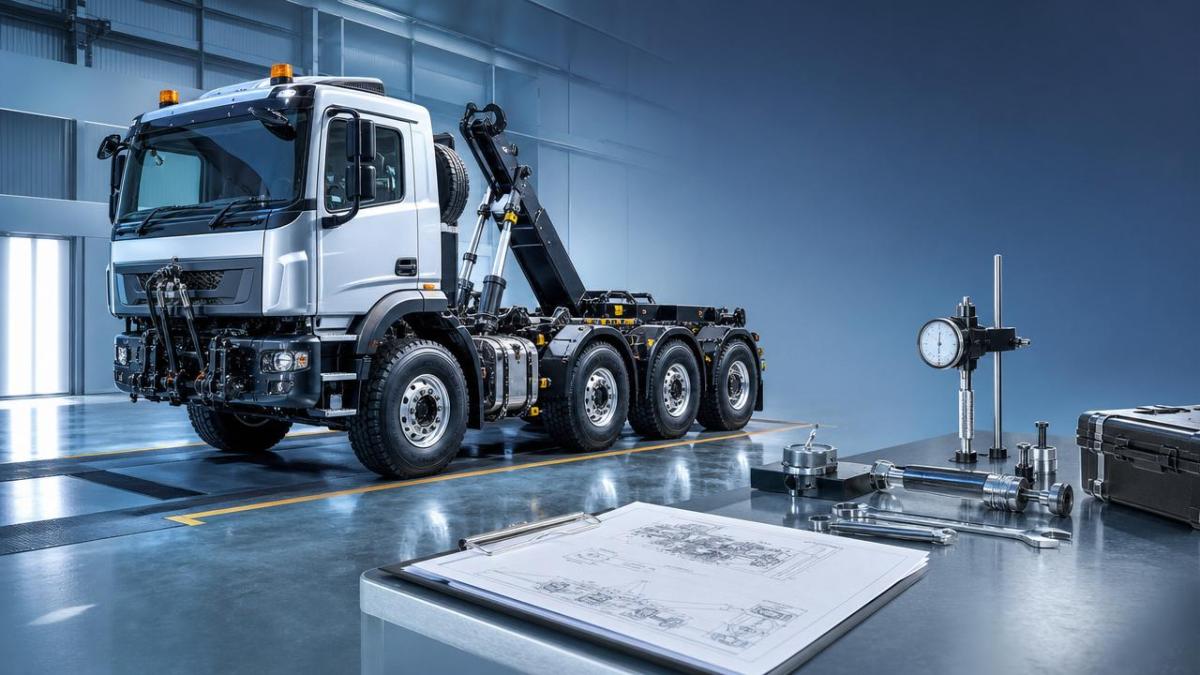
The first step is confirming whether the special purpose vehicles manufacturer has real engineering depth. Marketing claims matter less than build consistency, traceable materials, and proven safety processes.
Start with the vehicle frame and body structure. Weld quality, corrosion protection, subframe alignment, and reinforcement points should match the intended duty cycle.
Review certification records carefully. Compliance with local transport, fire safety, lifting, pressure, electrical, or hazardous material standards should be documented, current, and easy to verify.
A reliable special purpose vehicles manufacturer should also provide detailed technical drawings, load calculations, test reports, and inspection procedures. Missing documents often signal weak quality discipline.
- Chassis source and compatibility with mounted equipment
- Material grade certificates and corrosion treatment records
- Factory testing scope, including braking and stability checks
- Serial number traceability for critical components
- Warranty terms covering structural and hydraulic systems
Which structural and mechanical safety points matter most before purchase?
Structural and mechanical review should focus on failure points under real working loads. A vehicle may look strong at rest but still perform poorly during repetitive heavy-duty operation.
Begin with load-bearing design. Axle ratings, gross vehicle weight, center of gravity, and body distribution must support safe movement, braking, and turning under full payload.
Braking performance deserves special attention. Check service brakes, parking brakes, emergency systems, ABS, and brake heat tolerance, especially for vehicles operating on slopes or congested sites.
Suspension and steering systems must suit the working environment. Poor suspension matching can reduce stability, accelerate tire wear, and weaken control on uneven roads or construction surfaces.
Hydraulic systems should be inspected for pressure stability, hose routing, leak protection, and emergency lock features. This is critical for cranes, lifts, mixers, and municipal service vehicles.
Electrical safety is another major checkpoint. Wiring harnesses, battery isolation, controller protection, lighting visibility, and alarm systems should all meet operational safety standards.
Core mechanical inspection checklist
- Frame weld penetration and reinforcement consistency
- Axle, tire, and rim ratings versus full working loads
- Brake response distance under loaded conditions
- Outrigger, boom, or tank mounting stability where applicable
- Hydraulic seals, pressure retention, and emergency cutoff function
- Cab visibility, warning signals, and operator protection features
How can compliance records and maintenance history reduce purchase risk?
A strong compliance record often reveals more than a sales presentation. It shows whether the special purpose vehicles manufacturer follows repeatable controls rather than one-time showcase assembly.
Ask for audit history, defect logs, recall data, and corrective action reports. Consistent documentation indicates that issues are identified, traced, and solved through formal systems.
If evaluating used or fleet-return units, maintenance history becomes essential. Preventive service intervals, parts replacement records, and downtime patterns reveal hidden lifecycle costs.
Review service support capability as well. A special purpose vehicles manufacturer with weak parts availability can turn minor failures into long operational interruptions.
Field service networks, remote diagnostics, and technician training resources should be considered part of safety planning. Delayed repairs can compromise both compliance and operational continuity.
How do application scenarios change the safety evaluation?
Not every vehicle faces the same safety demands. A road sweeper in dense urban traffic needs different controls than a mine service truck or a concrete mixer on rough terrain.
Application fit should be checked before comparing prices. The right special purpose vehicles manufacturer will adapt design details to climate, road quality, load variation, and daily operating intensity.
For urban service vehicles, visibility, turning radius, noise control, and pedestrian warning systems are crucial. For infrastructure sites, underbody protection and high-load endurance may matter more.
Mining and remote logistics applications require sealed electrical systems, durable suspension, stronger filtration, and easier field maintenance. Water, dust, vibration, and long duty hours accelerate wear.
Cold or coastal regions also change the review process. Anti-corrosion treatment, fluid performance, battery reliability, and startup behavior should be tested against local conditions.
Questions that connect design to application
- Will the vehicle run mostly on highways, worksites, or mixed routes?
- Does the mounted equipment shift the center of gravity during use?
- How often will full-load starts, stops, or elevation changes occur?
- Are local regulations stricter for noise, emissions, or safety signage?
- Can the service team support the vehicle in the target region?
What mistakes should be avoided when comparing suppliers?
One common mistake is focusing only on initial purchase cost. A lower quote may hide weaker steel grades, reduced test scope, limited documentation, or shorter component life.
Another error is treating all special purpose vehicles manufacturer options as interchangeable. Similar dimensions do not guarantee equal stability, reliability, or compliance performance.
Skipping a factory audit is also risky. Production discipline, welding control, storage practices, and final inspection routines are easier to judge on-site than through digital catalogs.
Many teams also overlook operator usability. Poor control layout, limited sightlines, and difficult maintenance access can increase unsafe behavior even when the base machine meets standards.
Finally, avoid accepting vague specifications. A capable special purpose vehicles manufacturer should define performance metrics, testing conditions, and acceptance criteria with precision.
How can a final pre-purchase checklist improve decision quality?
A final checklist turns technical review into a consistent approval process. It helps compare each special purpose vehicles manufacturer using the same safety and performance standards.
The checklist should combine static inspection, document review, dynamic testing, and support evaluation. Each item should be rated against acceptance thresholds, not general impressions.
Whenever possible, request a witnessed test. Braking, turning, load handling, hydraulic movement, and emergency stop performance should be observed under realistic operating conditions.
It is also useful to record unresolved risks before signing. Open issues should have owners, deadlines, and corrective commitments included in the commercial agreement.
Recommended final checklist
- Confirm chassis, body, and mounted system compatibility.
- Verify certificates, test reports, and legal approvals.
- Inspect structure, brakes, hydraulics, steering, and electrical safety.
- Review maintenance logic and spare parts availability.
- Test the vehicle in a realistic duty scenario.
- Document acceptance criteria and post-delivery support obligations.
Choosing a special purpose vehicles manufacturer should be treated as a safety-critical decision, not a routine equipment purchase. The strongest option is the one that proves reliability through engineering, records, and support.
Use a structured review process, compare evidence instead of promises, and test for the actual operating environment. That approach reduces risk, protects uptime, and strengthens long-term asset performance.
For complex fleets and infrastructure applications, the next step is simple: build a standardized inspection framework and apply it to every candidate special purpose vehicles manufacturer before final approval.
Get weekly intelligence in your inbox.
No noise. No sponsored content. Pure intelligence.
News Recommendations
 Sep 19, 2026How an electronics application guide helps prevent component mismatchHow an electronics application guide helps prevent component mismatch
 Sep 18, 2026When a resource allocation platform improves project deliveryWhen a resource allocation platform improves project delivery
 Sep 17, 2026What to compare when evaluating mineral processing equipment manufacturersWhat to compare when evaluating mineral processing equipment manufacturers
 Sep 16, 2026How mineral separation optimization can reduce concentrate lossesHow mineral separation optimization can reduce concentrate losses
 Sep 15, 2026How to assess lifecycle costs in urban tech procurementHow to assess lifecycle costs in urban tech procurement
 Sep 14, 2026Heavy industry technology trends reshaping capital investment prioritiesHeavy industry technology trends reshaping capital investment priorities
 Sep 14, 2026Global Industrial Equipment Procurement: How Top OEMs Qualify Suppliers for Mining & Infrastructure ProjectsGlobal Industrial Equipment Procurement: How Top OEMs Qualify Suppliers for Mining & Infrastructure Projects
 Sep 14, 2026Industrial & Mining Equipment Procurement: Balancing Local Sourcing, Lead Time, and Certification RequirementsIndustrial & Mining Equipment Procurement: Balancing Local Sourcing, Lead Time, and Certification Requirements
 Sep 14, 2026Infrastructure & Equipment Upgrades: What Procurement Teams Must Verify Before Signing Off on New ContractsInfrastructure & Equipment Upgrades: What Procurement Teams Must Verify Before Signing Off on New Contracts
 Sep 14, 2026Why Infrastructure Equipment Buyers Are Shifting from Catalog-Based to Capability-Based Supplier SelectionWhy Infrastructure Equipment Buyers Are Shifting from Catalog-Based to Capability-Based Supplier Selection
 Sep 14, 2026Process Automation Project Execution: How to Align Supplier Capabilities with PLC Integration, Cybersecurity & Commissioning MilestonesProcess Automation Project Execution: How to Align Supplier Capabilities with PLC Integration, Cybersecurity & Commissioning Milestones
 Sep 14, 2026Are intelligent traffic systems worth the investment for small cities?Are intelligent traffic systems worth the investment for small cities?
 Sep 14, 2026How do intelligent traffic systems handle sensor failures?How do intelligent traffic systems handle sensor failures?
 Sep 14, 2026What should I check before accepting a smart building system?What should I check before accepting a smart building system?
 Sep 14, 2026Is a smart building system worth the maintenance cost?Is a smart building system worth the maintenance cost?
 Sep 14, 2026What data is needed for reliable resource allocation planning?What data is needed for reliable resource allocation planning?
 Sep 14, 2026How can resource allocation software reduce equipment idle time?How can resource allocation software reduce equipment idle time?
 Sep 14, 2026How should smart devices be maintained in harsh outdoor conditions?How should smart devices be maintained in harsh outdoor conditions?
 Sep 14, 2026Do smart devices improve worker safety on construction sites?Do smart devices improve worker safety on construction sites?
 Sep 14, 2026What environmental risks must be assessed before deep-sea mining?What environmental risks must be assessed before deep-sea mining?
 Sep 14, 2026Is deep-sea mining equipment commercially viable in 2026?Is deep-sea mining equipment commercially viable in 2026?
 Sep 14, 2026What Inspection Checks Should Procurement Teams Perform Before Ordering Dredging Equipment in 2026?What Inspection Checks Should Procurement Teams Perform Before Ordering Dredging Equipment in 2026?
 Sep 13, 2026How to verify an industrial product information source before specifying equipmentHow to verify an industrial product information source before specifying equipment
 Sep 12, 2026Which intelligent traffic systems hardware fits an urban intersection?Which intelligent traffic systems hardware fits an urban intersection?
 Sep 11, 2026How pump capacity affects response coverage for municipal fire fighting vehiclesHow pump capacity affects response coverage for municipal fire fighting vehicles
 Sep 10, 2026What to verify before choosing a heavy industry equipment supplierWhat to verify before choosing a heavy industry equipment supplier
 Sep 09, 2026When do adaptive urban traffic control systems reduce corridor delays?When do adaptive urban traffic control systems reduce corridor delays?