Mine Safety Systems: Common Gaps That Raise Site Risk
Even advanced operations can carry hidden weaknesses in mine safety systems. A site may appear compliant, yet still face serious exposure.
Those gaps often sit between equipment, people, data, and decision-making. When they align, incidents, shutdowns, and legal consequences become far more likely.
For infrastructure, mining, and urban development stakeholders, stronger mine safety systems support continuity, resilience, and public trust. They also protect productivity in increasingly automated operations.
This article explores the most common gaps that raise site risk, why they are becoming more visible, and what actions can reduce exposure.
Mine safety systems are under new pressure from deeper, faster, and smarter operations
Mining is changing quickly. Sites are going deeper, using more connected equipment, and operating with tighter production expectations than before.
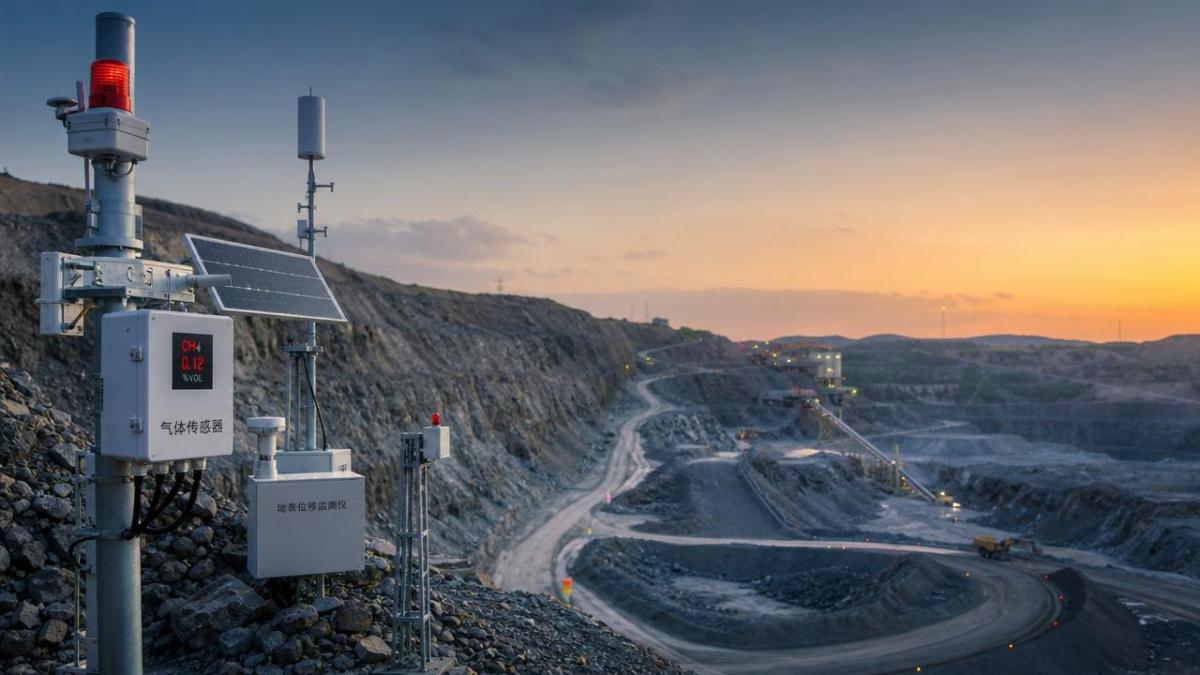
That shift increases complexity across ventilation, communications, tracking, geotechnical monitoring, and emergency response. Traditional controls often struggle to keep pace.
Modern mine safety systems must now manage physical hazards and digital dependencies together. A failure in either layer can raise overall site risk.
At the same time, regulators, insurers, investors, and nearby communities expect more transparent safety performance. Compliance alone is no longer enough.
The trend signals are clear: common safety gaps are becoming easier to detect
Several signals show why mine safety systems are receiving closer scrutiny across the broader industrial landscape.
- More sites are adopting real-time monitoring, exposing weak data quality and delayed response habits.
- Remote and autonomous equipment increases reliance on stable communications and accurate positioning.
- Climate variability affects water ingress, slope stability, dust movement, and heat stress conditions.
- Contractor-heavy workforces can create inconsistent safety routines across shifts and work zones.
- Board-level ESG oversight is pushing for stronger evidence of operational risk control.
These signals matter beyond mining. Rail projects, tunnels, heavy construction, and industrial logistics face similar safety integration challenges.
Why mine safety systems still develop critical weak points
The biggest failures rarely come from one missing device. They usually emerge from fragmented governance and uneven execution.
When these factors overlap, mine safety systems may look complete on paper while remaining fragile in real conditions.
The most common gaps that raise site risk are operational, technical, and organizational
1. Incomplete hazard detection coverage
Some mine safety systems monitor gas but miss dust, heat, vibration, water, or ground movement interactions. Blind spots grow in transitional areas.
Coverage gaps are especially dangerous in shafts, haul roads, temporary headings, and contractor zones where conditions change quickly.
2. Poor system integration
Alarms, tracking, ventilation, communications, and dispatch platforms often operate separately. That delays interpretation during fast-moving incidents.
Integrated mine safety systems allow teams to connect location, exposure, and response actions in one operational picture.
3. Alarm fatigue and low signal trust
Too many non-critical alerts teach workers to ignore warnings. Poor calibration and inconsistent thresholds make this worse.
A delayed reaction to one valid alert can turn a manageable event into a severe incident.
4. Weak inspection and maintenance discipline
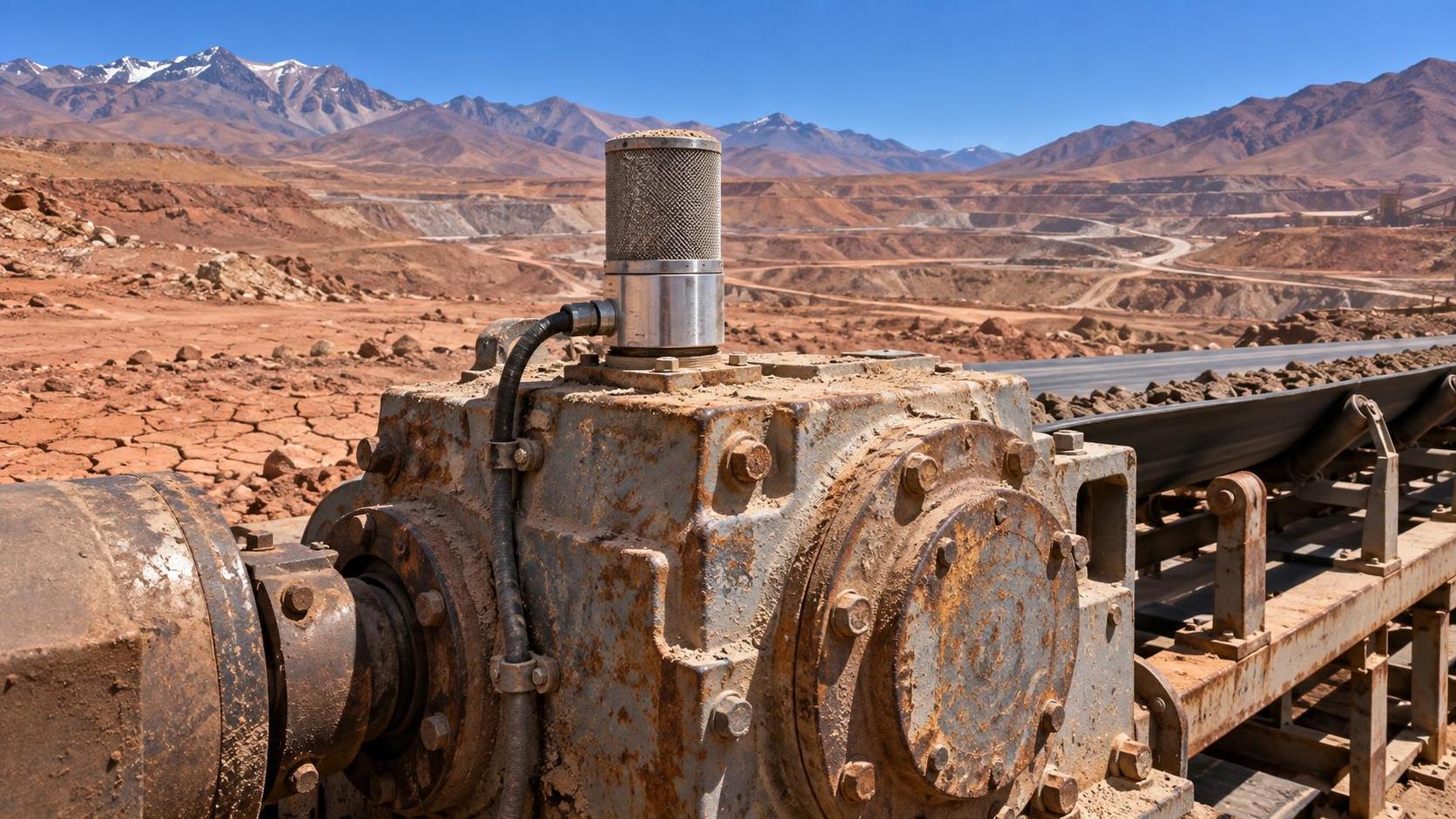
Mine safety systems fail quietly when sensors drift, batteries degrade, cables loosen, or software updates are postponed.
Routine verification must cover function, placement, redundancy, and record accuracy, not just visible hardware condition.
5. Emergency plans disconnected from real site conditions
Evacuation maps and refuge strategies may not reflect current layouts, mobile assets, or staffing patterns.
If emergency procedures are not linked to live mine safety systems, response speed and accountability suffer.
6. Limited contractor alignment
Third-party crews may use different devices, reporting routines, or permit practices. That creates dangerous inconsistency.
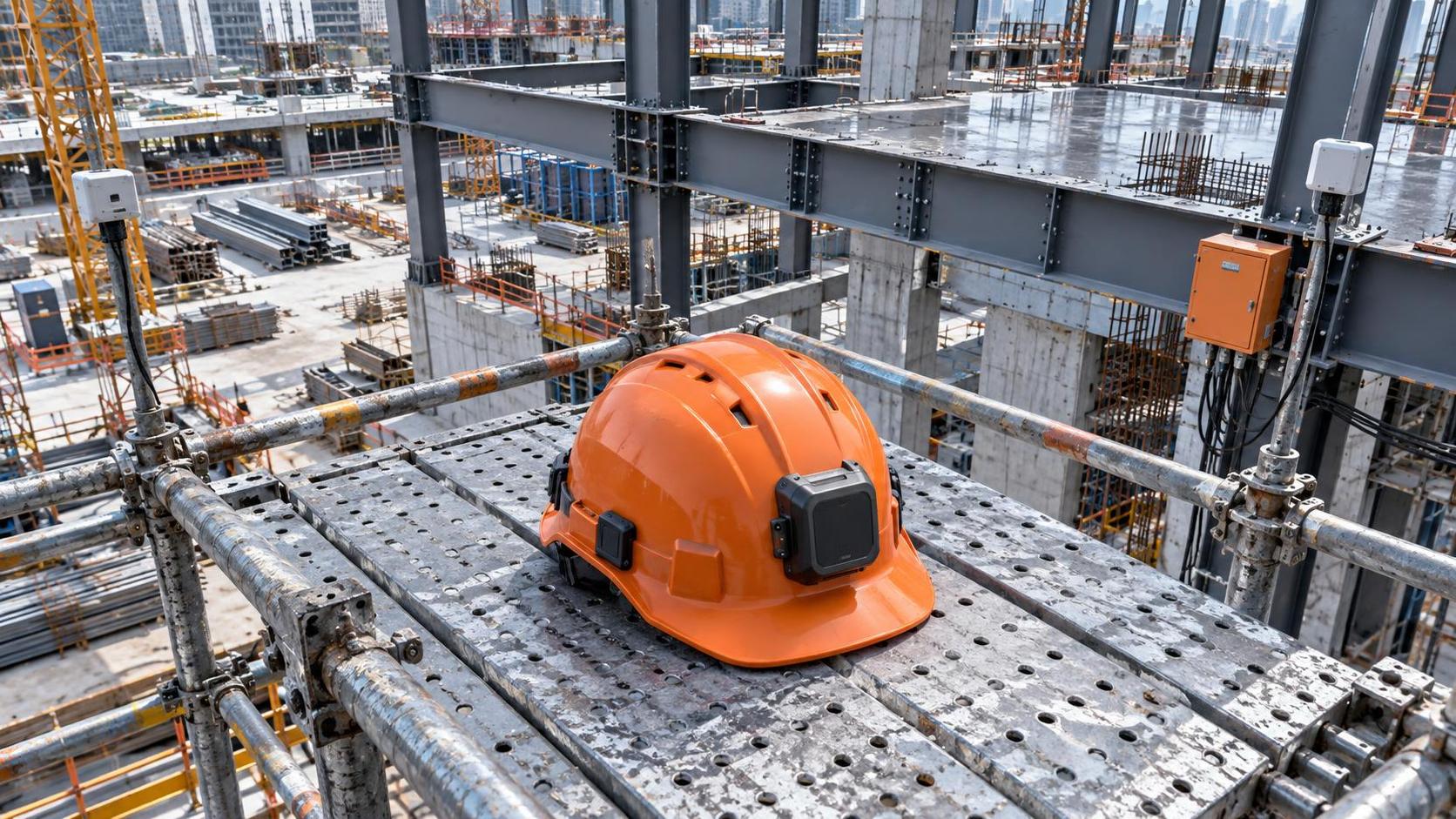
Strong mine safety systems require the same visibility and response standards across every company working on site.
These gaps affect more than safety performance
Weak mine safety systems can trigger wider operational and financial consequences. The impact extends across multiple business functions.
- Production loss from stoppages, investigations, and restricted access areas.
- Higher insurance costs and stronger scrutiny from lenders or partners.
- Regulatory findings tied to documentation gaps or delayed corrective actions.
- Reputation damage affecting project approvals and community confidence.
- Reduced value from automation investments if supporting controls remain weak.
For integrated infrastructure groups, one mining incident can also affect transport schedules, processing assets, and downstream supply obligations.
What deserves closer attention now in mine safety systems
The priority is not simply buying more technology. It is closing the highest-risk gaps with measurable control strength.
- Map every critical hazard to a detection, alert, response, and verification mechanism.
- Review whether mine safety systems cover temporary work areas and changing layouts.
- Test integration between tracking, ventilation, communications, and command systems.
- Measure alarm quality, not only alarm volume.
- Audit contractor participation in drills, permits, and incident reporting.
- Verify maintenance intervals against operating conditions, not calendar assumptions.
- Protect operational technology from cyber disruption and unauthorized changes.
These checkpoints help transform mine safety systems from compliance tools into active risk-control infrastructure.
A practical response framework can reduce exposure faster
Stronger mine safety systems begin with disciplined next steps
The best time to review mine safety systems is before a warning becomes an incident. Small weaknesses compound under operational pressure.
Start with a structured gap review, using current site conditions rather than legacy assumptions. Compare design intent with field reality.
Then prioritize fixes that improve visibility, integration, maintenance assurance, and emergency readiness. Those actions usually deliver the fastest risk reduction.
As GIUT continues tracking mining and infrastructure technology, one pattern remains clear: resilient operations depend on mine safety systems that are tested, connected, and actively managed.
If risk signals are increasing on site, treat that as a decision point. Review the gaps now, strengthen the controls, and build safer long-term performance.
Get weekly intelligence in your inbox.
No noise. No sponsored content. Pure intelligence.
News Recommendations
 Sep 19, 2026How an electronics application guide helps prevent component mismatchHow an electronics application guide helps prevent component mismatch
 Sep 18, 2026When a resource allocation platform improves project deliveryWhen a resource allocation platform improves project delivery
 Sep 17, 2026What to compare when evaluating mineral processing equipment manufacturersWhat to compare when evaluating mineral processing equipment manufacturers
 Sep 16, 2026How mineral separation optimization can reduce concentrate lossesHow mineral separation optimization can reduce concentrate losses
 Sep 15, 2026How to assess lifecycle costs in urban tech procurementHow to assess lifecycle costs in urban tech procurement
 Sep 14, 2026Heavy industry technology trends reshaping capital investment prioritiesHeavy industry technology trends reshaping capital investment priorities
 Sep 14, 2026Global Industrial Equipment Procurement: How Top OEMs Qualify Suppliers for Mining & Infrastructure ProjectsGlobal Industrial Equipment Procurement: How Top OEMs Qualify Suppliers for Mining & Infrastructure Projects
 Sep 14, 2026Industrial & Mining Equipment Procurement: Balancing Local Sourcing, Lead Time, and Certification RequirementsIndustrial & Mining Equipment Procurement: Balancing Local Sourcing, Lead Time, and Certification Requirements
 Sep 14, 2026Infrastructure & Equipment Upgrades: What Procurement Teams Must Verify Before Signing Off on New ContractsInfrastructure & Equipment Upgrades: What Procurement Teams Must Verify Before Signing Off on New Contracts
 Sep 14, 2026Why Infrastructure Equipment Buyers Are Shifting from Catalog-Based to Capability-Based Supplier SelectionWhy Infrastructure Equipment Buyers Are Shifting from Catalog-Based to Capability-Based Supplier Selection
 Sep 14, 2026Process Automation Project Execution: How to Align Supplier Capabilities with PLC Integration, Cybersecurity & Commissioning MilestonesProcess Automation Project Execution: How to Align Supplier Capabilities with PLC Integration, Cybersecurity & Commissioning Milestones
 Sep 14, 2026Are intelligent traffic systems worth the investment for small cities?Are intelligent traffic systems worth the investment for small cities?
 Sep 14, 2026How do intelligent traffic systems handle sensor failures?How do intelligent traffic systems handle sensor failures?
 Sep 14, 2026What should I check before accepting a smart building system?What should I check before accepting a smart building system?
 Sep 14, 2026Is a smart building system worth the maintenance cost?Is a smart building system worth the maintenance cost?
 Sep 14, 2026What data is needed for reliable resource allocation planning?What data is needed for reliable resource allocation planning?
 Sep 14, 2026How can resource allocation software reduce equipment idle time?How can resource allocation software reduce equipment idle time?
 Sep 14, 2026How should smart devices be maintained in harsh outdoor conditions?How should smart devices be maintained in harsh outdoor conditions?
 Sep 14, 2026Do smart devices improve worker safety on construction sites?Do smart devices improve worker safety on construction sites?
 Sep 14, 2026What environmental risks must be assessed before deep-sea mining?What environmental risks must be assessed before deep-sea mining?
 Sep 14, 2026Is deep-sea mining equipment commercially viable in 2026?Is deep-sea mining equipment commercially viable in 2026?
 Sep 14, 2026What Inspection Checks Should Procurement Teams Perform Before Ordering Dredging Equipment in 2026?What Inspection Checks Should Procurement Teams Perform Before Ordering Dredging Equipment in 2026?
 Sep 13, 2026How to verify an industrial product information source before specifying equipmentHow to verify an industrial product information source before specifying equipment
 Sep 12, 2026Which intelligent traffic systems hardware fits an urban intersection?Which intelligent traffic systems hardware fits an urban intersection?
 Sep 11, 2026How pump capacity affects response coverage for municipal fire fighting vehiclesHow pump capacity affects response coverage for municipal fire fighting vehicles
 Sep 10, 2026What to verify before choosing a heavy industry equipment supplierWhat to verify before choosing a heavy industry equipment supplier
 Sep 09, 2026When do adaptive urban traffic control systems reduce corridor delays?When do adaptive urban traffic control systems reduce corridor delays?