Deep-Sea Mining Technology: Environmental Risk Checkpoints
Deep-sea mining technology is moving from concept studies to pilot-scale deployment across critical mineral supply chains. Yet environmental risk checkpoints remain the real gatekeepers of project credibility.
In subsea extraction, technical performance alone is not enough. Sediment control, habitat protection, equipment stability, and compliance verification must be designed into every operational phase.
For infrastructure, mining, and urban intelligence sectors, this topic matters beyond geology. It connects resource security, engineering governance, ESG reporting, and long-term public trust.
Foundational View of Deep-Sea Mining Technology
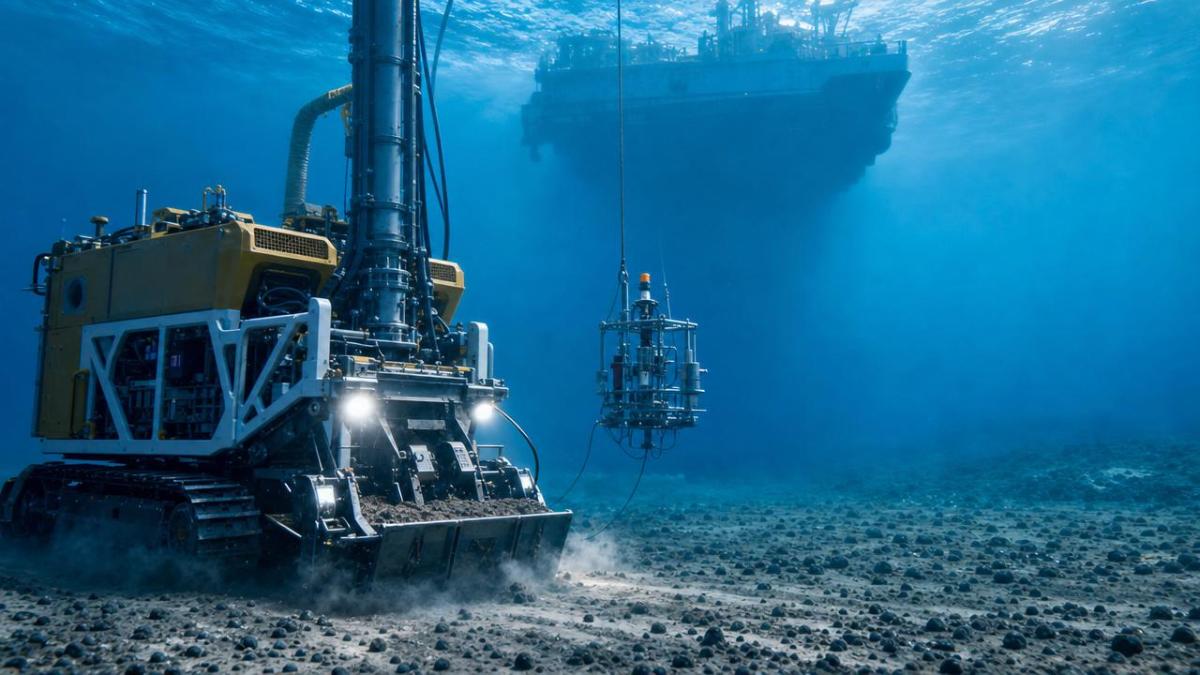
Deep-sea mining technology refers to systems used to locate, collect, lift, and process seabed mineral resources. These resources often include polymetallic nodules, seafloor massive sulfides, and cobalt-rich crusts.
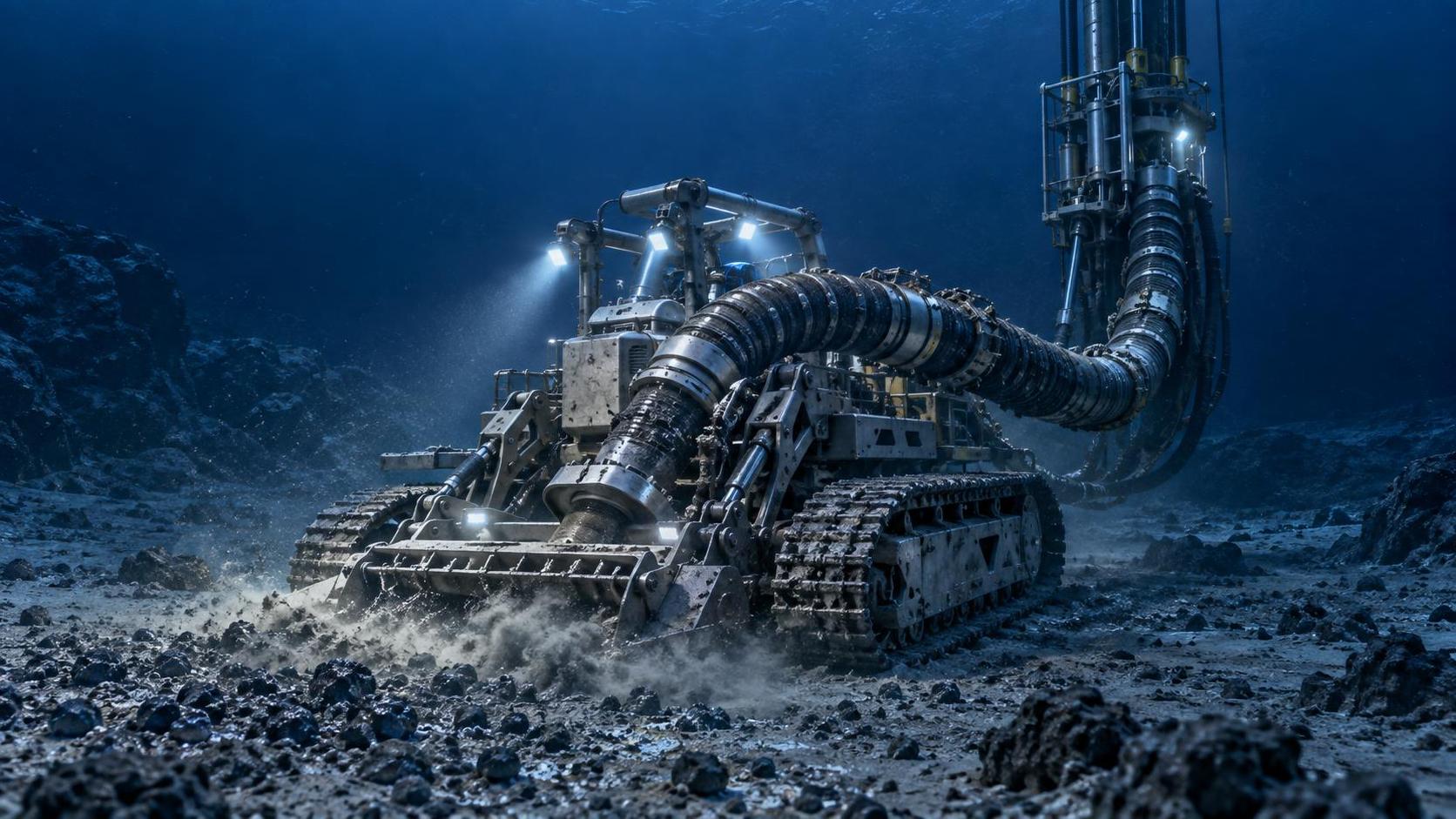
Most project architectures combine survey platforms, subsea crawlers, riser and lifting systems, surface vessels, and environmental monitoring networks. Each interface creates a possible failure or impact point.
Unlike land mining, the seabed operating environment is remote, high-pressure, low-visibility, and biologically sensitive. That makes baseline data and risk checkpoints central to engineering decisions.
The main checkpoint logic is simple. If a risk cannot be measured, it cannot be controlled. If it cannot be controlled, it should not enter commercial-scale production.
Core system elements
- Geophysical and biological baseline survey tools
- Seabed collection vehicles and cutting heads
- Riser transport and dewatering systems
- Dynamic positioning support vessels
- Water column and sediment plume sensors
- Compliance, telemetry, and audit data platforms
Industry Context and Current Risk Attention Points
The rise of battery minerals, grid expansion, and digital infrastructure has intensified interest in deep-sea mining technology. However, regulatory and environmental scrutiny is rising just as fast.
This tension defines the sector. Resource potential is high, but ecological uncertainty remains significant. As a result, environmental checkpoints now shape financing, licensing, and deployment timelines.
For GIUT-aligned sectors, the issue extends into infrastructure planning. Ports, processing hubs, logistics routes, and power systems all depend on whether subsea mineral projects can meet measurable risk standards.
Environmental Risk Checkpoints Across the Project Lifecycle
Effective deep-sea mining technology requires checkpoints before, during, and after extraction. A lifecycle approach reduces blind spots and supports defensible operational decisions.
1. Baseline habitat characterization
The first checkpoint is ecological mapping. Teams need robust data on benthic species, microbial communities, currents, sediment chemistry, and seasonal variation before intervention begins.
Without this benchmark, later impact claims have weak credibility. Baseline gaps can also produce poor mine planning, especially in biologically dense or geologically unstable zones.
2. Sediment plume control
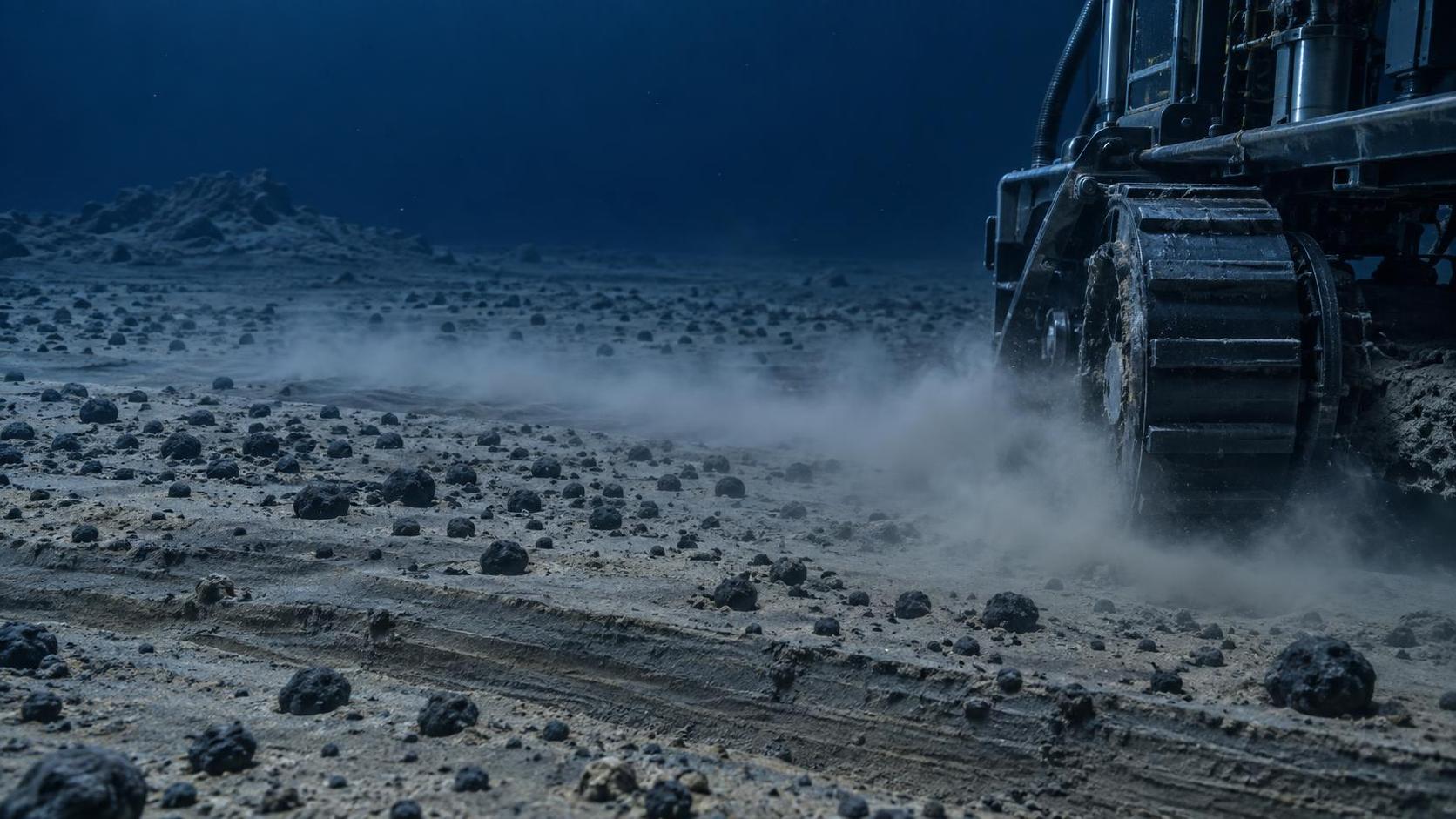
Sediment plumes are among the most discussed risks in deep-sea mining technology. Disturbed particles can affect filter feeders, reduce visibility, and alter nearby habitats over broad areas.
Key control points include collector head design, pump rate discipline, discharge depth planning, and real-time plume modeling linked to sensor feedback.
3. Noise, vibration, and light disturbance
Subsea equipment introduces acoustic and mechanical stress into deep environments. Monitoring should track equipment noise signatures, vibration transfer, and artificial lighting effects near active work fronts.
4. Water quality and contaminant release
Another checkpoint concerns dissolved metals, turbidity, and unexpected chemical mobilization. Sampling plans should cover the seabed, water column, and discharge streams using repeatable protocols.
5. Equipment reliability and fail-safe design
Deep-sea mining technology operates far from easy repair access. Failure of pumps, umbilicals, thrusters, or riser joints can create environmental exposure and serious recovery delays.
This checkpoint should verify redundancy, leak prevention, emergency shutdown logic, retrieval capability, and maintenance intervals based on real subsea duty cycles.
6. Post-operation recovery verification
Risk control does not end when extraction stops. Recovery surveys should evaluate recolonization patterns, seabed morphology changes, and delayed plume effects over defined monitoring windows.
Operational and Business Value of Strong Checkpoint Design
Environmental checkpoints are often seen as constraints. In practice, they improve project resilience and decision quality across engineering, finance, and stakeholder communication.
- They reduce shutdown risk caused by unmanaged impacts.
- They improve equipment configuration through real environmental feedback.
- They support permit defensibility and disclosure transparency.
- They strengthen long-term confidence in deep-sea mining technology.
For integrated infrastructure ecosystems, validated subsea extraction also affects downstream planning. Smelters, transport corridors, strategic material storage, and energy-intensive processing all benefit from reduced uncertainty.
Typical Checkpoint Scenarios in Deep-Sea Mining Technology
Not all sites or methods create the same profile. Checkpoints should be adjusted to deposit type, depth, equipment pathway, and receiving environment.
Practical Recommendations for Risk Control Execution
A strong checkpoint framework for deep-sea mining technology should be operational, not symbolic. The following practices are widely useful across complex subsea programs.
- Define measurable threshold values before mobilization.
- Link environmental sensors directly to operational control rooms.
- Use digital twin models to compare expected and live plume behavior.
- Stress-test recovery procedures for stuck or damaged subsea equipment.
- Separate baseline science teams from production performance incentives.
- Maintain structured logs for audits, trend analysis, and incident learning.
It is also wise to build phased decision gates. Early surveys, pilot runs, and commercial expansion should each require independent checkpoint review.
That staged model helps prevent premature scale-up. It also aligns deep-sea mining technology with modern expectations for traceability, resilience, and environmental discipline.
Next-Step Direction for Responsible Deployment
Deep-sea mining technology will remain strategically relevant as mineral demand rises. Its future, however, depends on whether environmental risk checkpoints are treated as core engineering infrastructure.
The most credible path forward is clear. Start with high-quality baseline intelligence, deploy measurable control thresholds, verify equipment reliability, and maintain transparent compliance records throughout operations.
For GIUT readers tracking mining, logistics, and smart infrastructure, this is the practical lens to apply: judge subsea resource projects by checkpoint maturity, not resource promises alone.
When deep-sea mining technology is evaluated through disciplined environmental checkpoints, the sector gains a stronger basis for safer extraction, better governance, and more sustainable infrastructure planning.
Get weekly intelligence in your inbox.
No noise. No sponsored content. Pure intelligence.
News Recommendations
 Sep 19, 2026How an electronics application guide helps prevent component mismatchHow an electronics application guide helps prevent component mismatch
 Sep 18, 2026When a resource allocation platform improves project deliveryWhen a resource allocation platform improves project delivery
 Sep 17, 2026What to compare when evaluating mineral processing equipment manufacturersWhat to compare when evaluating mineral processing equipment manufacturers
 Sep 16, 2026How mineral separation optimization can reduce concentrate lossesHow mineral separation optimization can reduce concentrate losses
 Sep 15, 2026How to assess lifecycle costs in urban tech procurementHow to assess lifecycle costs in urban tech procurement
 Sep 14, 2026Heavy industry technology trends reshaping capital investment prioritiesHeavy industry technology trends reshaping capital investment priorities
 Sep 14, 2026Global Industrial Equipment Procurement: How Top OEMs Qualify Suppliers for Mining & Infrastructure ProjectsGlobal Industrial Equipment Procurement: How Top OEMs Qualify Suppliers for Mining & Infrastructure Projects
 Sep 14, 2026Industrial & Mining Equipment Procurement: Balancing Local Sourcing, Lead Time, and Certification RequirementsIndustrial & Mining Equipment Procurement: Balancing Local Sourcing, Lead Time, and Certification Requirements
 Sep 14, 2026Infrastructure & Equipment Upgrades: What Procurement Teams Must Verify Before Signing Off on New ContractsInfrastructure & Equipment Upgrades: What Procurement Teams Must Verify Before Signing Off on New Contracts
 Sep 14, 2026Why Infrastructure Equipment Buyers Are Shifting from Catalog-Based to Capability-Based Supplier SelectionWhy Infrastructure Equipment Buyers Are Shifting from Catalog-Based to Capability-Based Supplier Selection
 Sep 14, 2026Process Automation Project Execution: How to Align Supplier Capabilities with PLC Integration, Cybersecurity & Commissioning MilestonesProcess Automation Project Execution: How to Align Supplier Capabilities with PLC Integration, Cybersecurity & Commissioning Milestones
 Sep 14, 2026Are intelligent traffic systems worth the investment for small cities?Are intelligent traffic systems worth the investment for small cities?
 Sep 14, 2026How do intelligent traffic systems handle sensor failures?How do intelligent traffic systems handle sensor failures?
 Sep 14, 2026What should I check before accepting a smart building system?What should I check before accepting a smart building system?
 Sep 14, 2026Is a smart building system worth the maintenance cost?Is a smart building system worth the maintenance cost?
 Sep 14, 2026What data is needed for reliable resource allocation planning?What data is needed for reliable resource allocation planning?
 Sep 14, 2026How can resource allocation software reduce equipment idle time?How can resource allocation software reduce equipment idle time?
 Sep 14, 2026How should smart devices be maintained in harsh outdoor conditions?How should smart devices be maintained in harsh outdoor conditions?
 Sep 14, 2026Do smart devices improve worker safety on construction sites?Do smart devices improve worker safety on construction sites?
 Sep 14, 2026What environmental risks must be assessed before deep-sea mining?What environmental risks must be assessed before deep-sea mining?
 Sep 14, 2026Is deep-sea mining equipment commercially viable in 2026?Is deep-sea mining equipment commercially viable in 2026?
 Sep 14, 2026What Inspection Checks Should Procurement Teams Perform Before Ordering Dredging Equipment in 2026?What Inspection Checks Should Procurement Teams Perform Before Ordering Dredging Equipment in 2026?
 Sep 13, 2026How to verify an industrial product information source before specifying equipmentHow to verify an industrial product information source before specifying equipment
 Sep 12, 2026Which intelligent traffic systems hardware fits an urban intersection?Which intelligent traffic systems hardware fits an urban intersection?
 Sep 11, 2026How pump capacity affects response coverage for municipal fire fighting vehiclesHow pump capacity affects response coverage for municipal fire fighting vehicles
 Sep 10, 2026What to verify before choosing a heavy industry equipment supplierWhat to verify before choosing a heavy industry equipment supplier
 Sep 09, 2026When do adaptive urban traffic control systems reduce corridor delays?When do adaptive urban traffic control systems reduce corridor delays?