Civil Engineering Technology Trends Shaping Safer Infrastructure in 2026
As infrastructure risks grow more complex, civil engineering technology is becoming the decisive force behind safer, smarter, and more resilient projects in 2026. For organizations shaping transport, utilities, buildings, and public assets, these trends now influence cost control, compliance, operational continuity, and long-term asset performance across the full infrastructure lifecycle.
Why a Checklist Matters for Civil Engineering Technology Decisions

New tools are entering the market faster than many project governance models can absorb. Without a structured review process, teams may overinvest in attractive software, while missing the technologies that truly reduce structural risk, improve site safety, and strengthen maintenance planning.
A checklist approach helps compare innovation against measurable outcomes. It also aligns engineering, digital operations, procurement, compliance, and urban infrastructure strategy under one decision framework, which is essential in a cross-sector environment.
Core Checklist: Civil Engineering Technology Trends Shaping Safer Infrastructure in 2026
- Prioritize digital twin platforms that connect design, construction, inspection, and maintenance data into one live asset model for faster risk detection and smarter lifecycle decisions.
- Deploy AI-assisted structural monitoring to identify vibration anomalies, crack growth, settlement changes, and load stress before failure becomes visible or operationally disruptive.
- Adopt BIM-to-field workflows that push approved models to crews, survey devices, and quality teams, reducing interpretation errors and rework on complex infrastructure sites.
- Integrate drone, LiDAR, and photogrammetry surveys to improve terrain mapping, bridge inspection, progress validation, and hazard assessment in difficult or high-risk environments.
- Use smart materials and sensor-enabled concrete where durability, corrosion resistance, and real-time performance feedback directly affect safety, maintenance costs, and service continuity.
- Expand prefabrication and modular construction for repeatable structural elements, because factory-controlled production usually improves consistency, traceability, and worker safety.
- Evaluate geotechnical data platforms that combine soil models, groundwater data, and historical performance to reduce foundation uncertainty and excavation-related incidents.
- Standardize predictive maintenance systems that turn inspection history, sensor inputs, and operational loads into repair schedules before degradation creates emergency interventions.
- Strengthen cybersecurity for connected infrastructure systems, especially where smart bridges, tunnels, rail corridors, or utility networks rely on cloud-based monitoring architecture.
- Measure carbon and resilience together, ensuring every civil engineering technology investment supports both decarbonization goals and climate adaptation requirements.
How These Civil Engineering Technology Trends Apply Across Infrastructure Scenarios
Transport Infrastructure
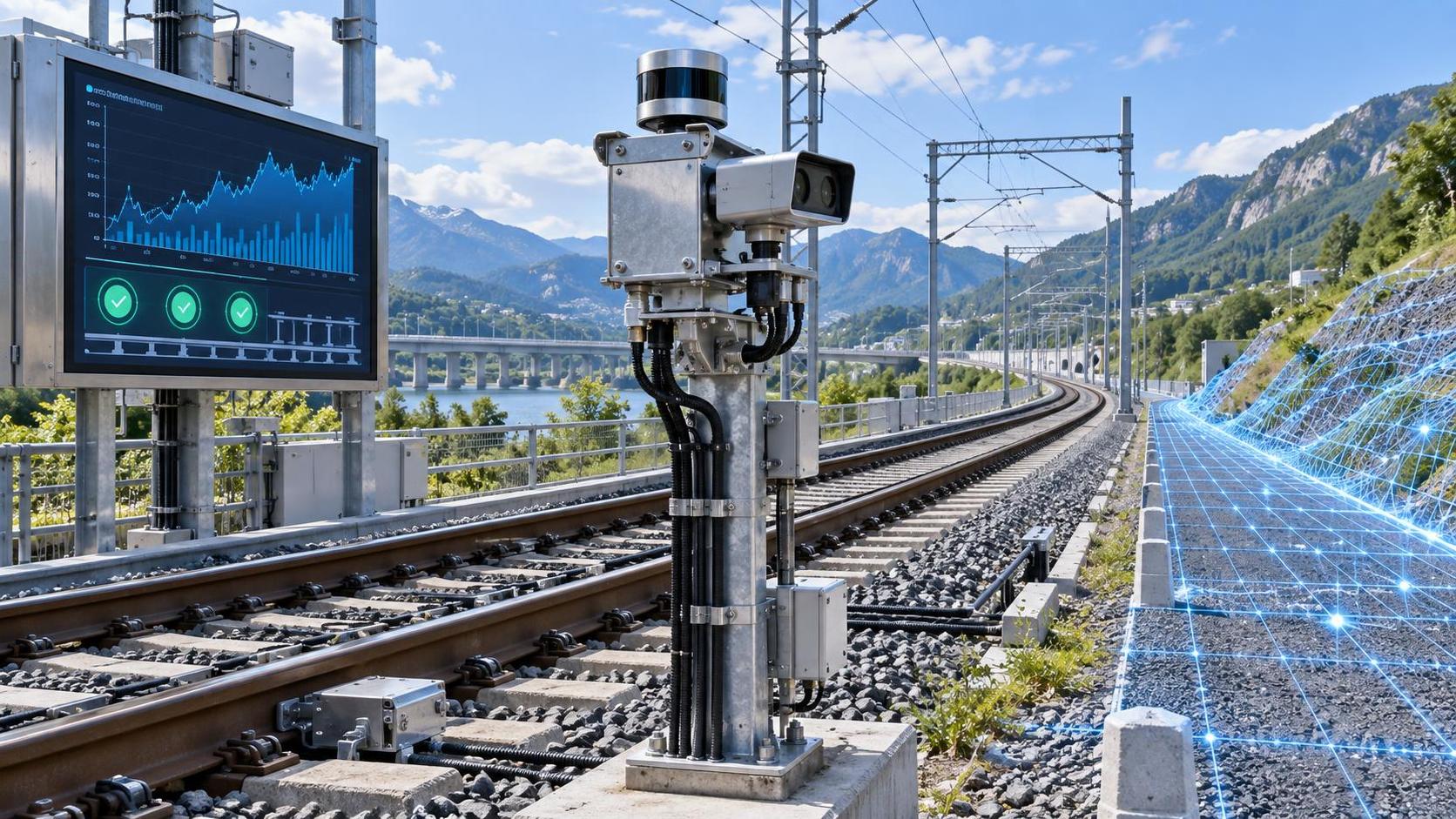
Roads, bridges, tunnels, and rail systems face heavier loads, tighter uptime demands, and growing climate exposure. Here, civil engineering technology creates value when it shortens inspection cycles and improves intervention timing.
Digital twins, drone inspection, and predictive analytics are especially useful for asset-heavy corridors. They help verify structural condition without excessive closures, while supporting safer maintenance planning in traffic-sensitive environments.
Urban Buildings and Smart Districts
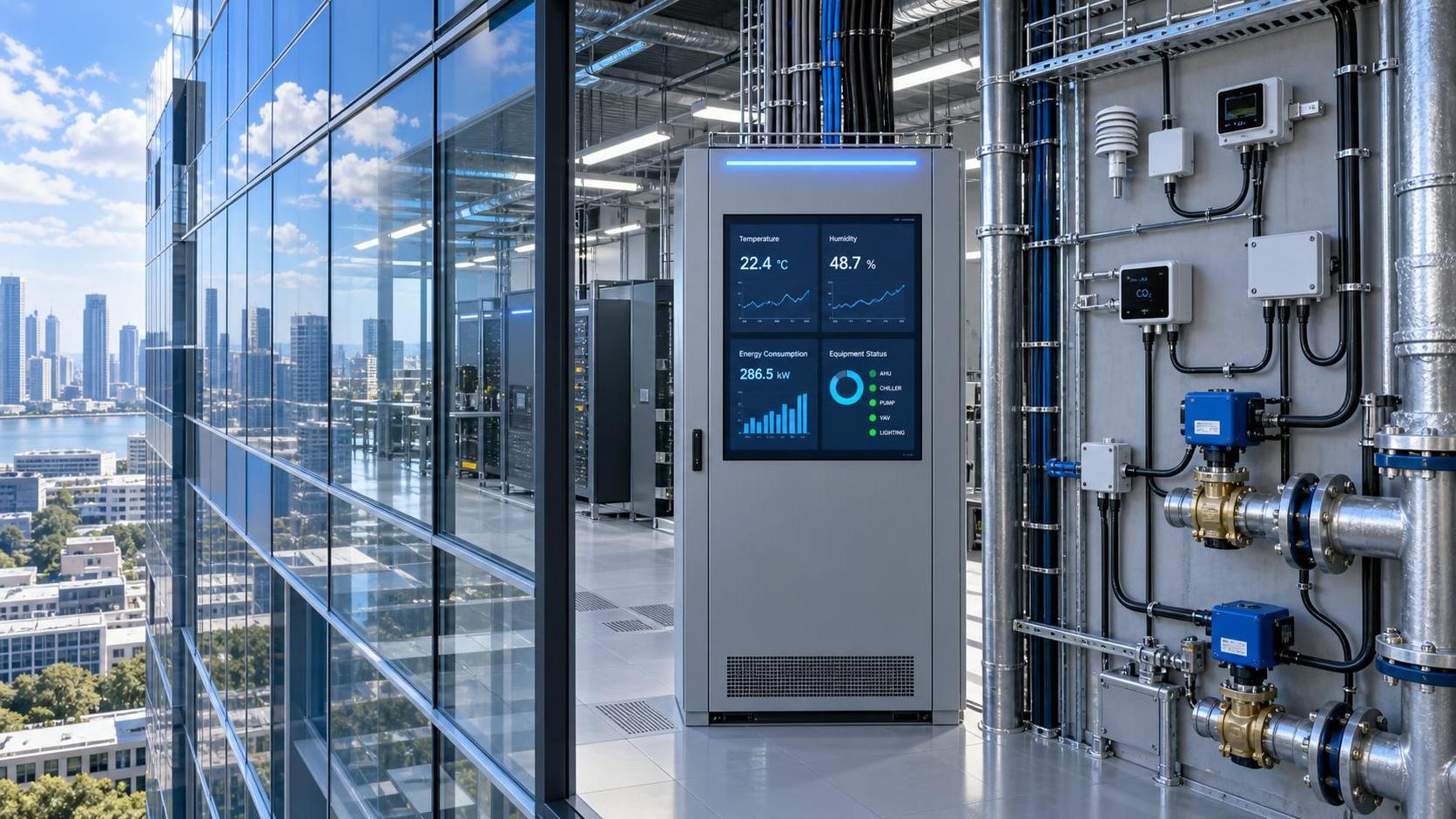
In dense urban construction, the best civil engineering technology solutions reduce disruption while improving precision. BIM-connected coordination, modular systems, and embedded sensors help manage interfaces across structure, energy, water, and mobility systems.
These technologies also support smart governance goals. Better construction data can feed future operations, enabling safer buildings, more efficient inspections, and stronger resilience planning at district scale.
Water, Energy, and Utility Networks
Pipelines, treatment plants, retaining structures, and grid-related civil works often fail quietly before they fail visibly. That makes sensing, remote inspection, and condition-based maintenance highly valuable.
For utilities, civil engineering technology should be assessed not only on build quality, but also on how well it supports operational continuity, regulatory reporting, and asset renewal forecasting.
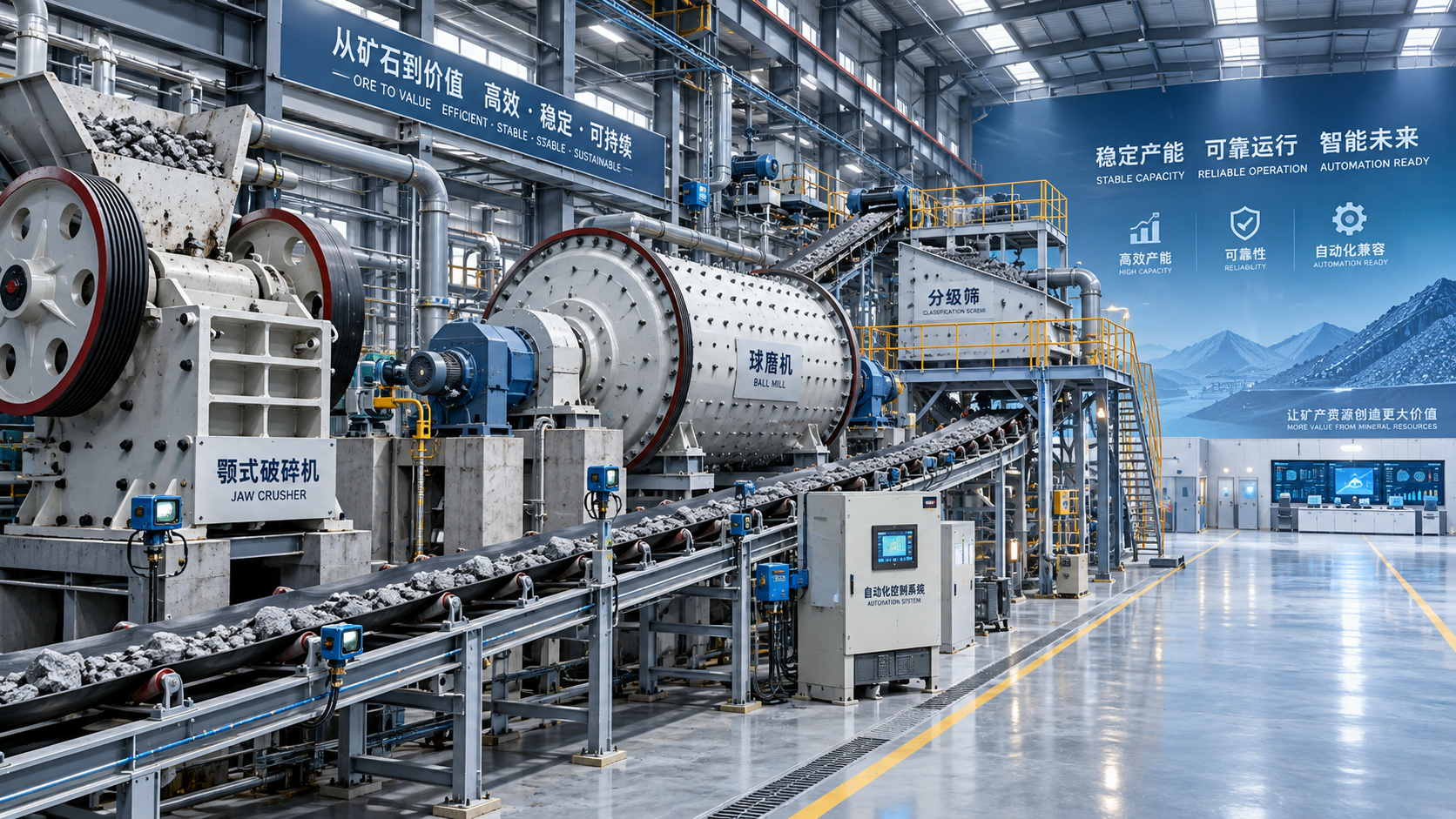
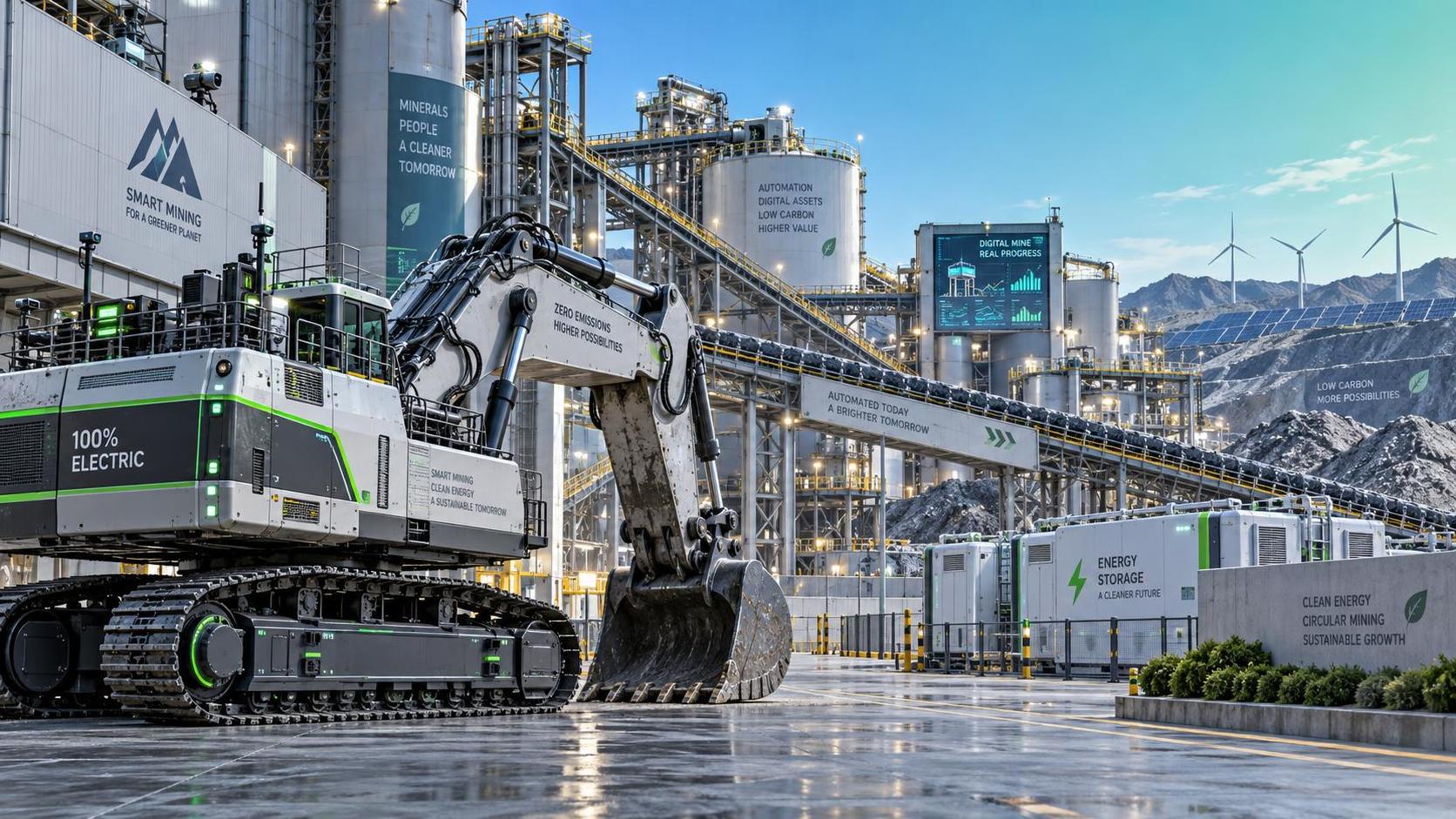
Mining, Industrial, and Heavy Equipment Environments
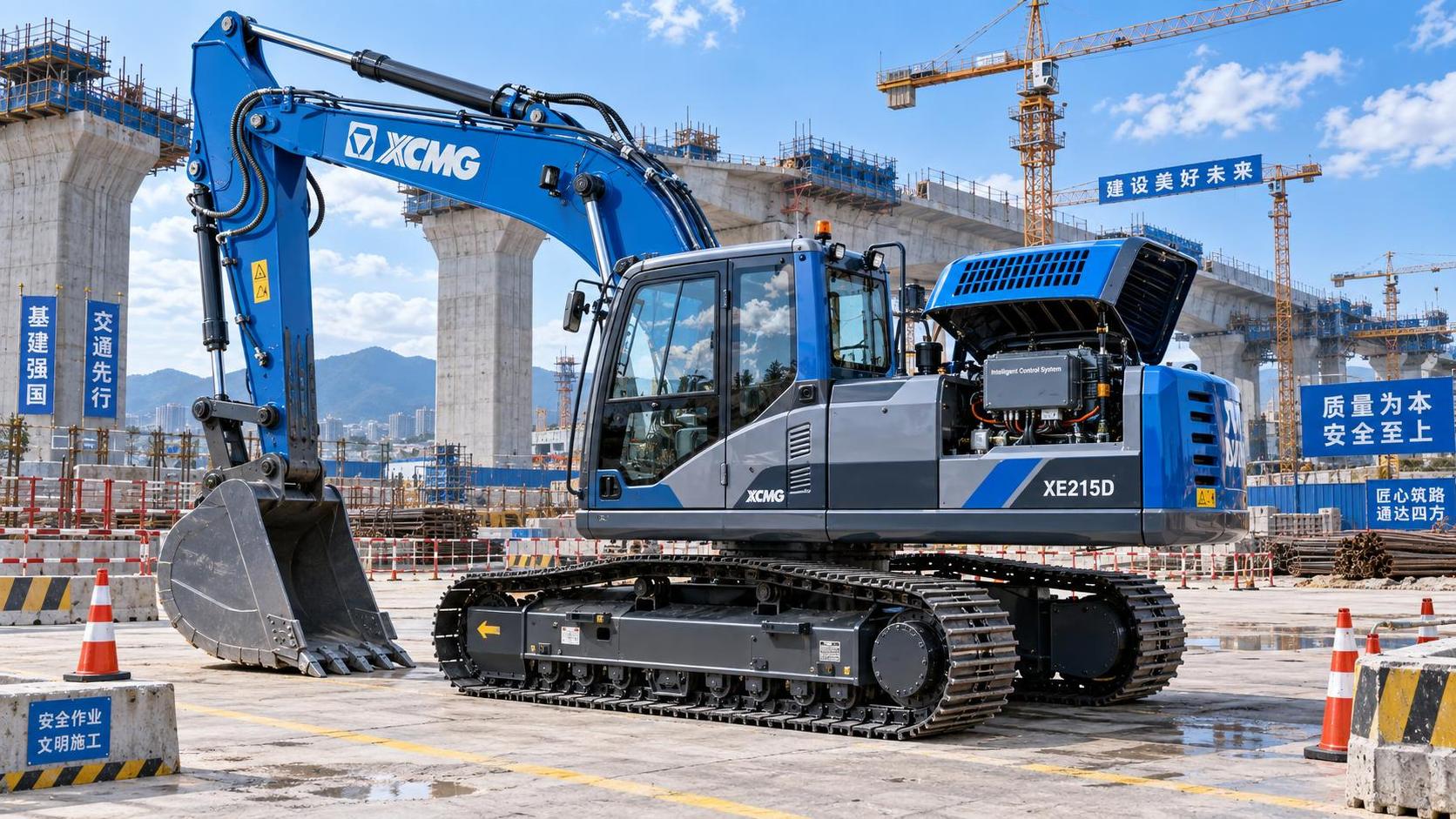
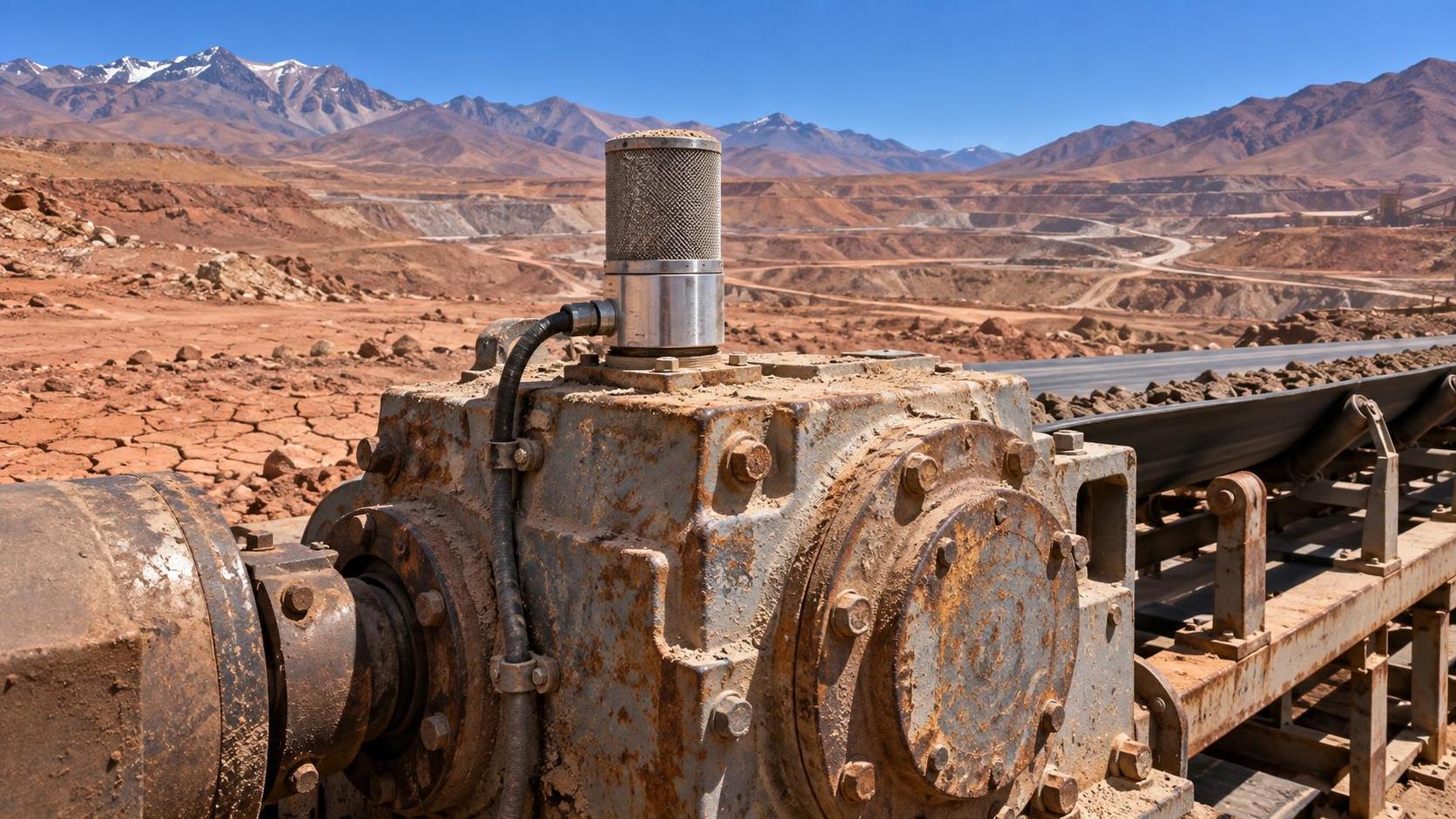
Remote, high-load, and hazard-prone sites require robust engineering intelligence. Geotechnical analytics, slope monitoring, autonomous survey tools, and machine-linked site data improve both infrastructure safety and production reliability.
In these settings, civil engineering technology must integrate with heavy equipment operations, environmental controls, and emergency response systems, not function as an isolated digital layer.
Commonly Overlooked Risks When Evaluating Civil Engineering Technology
Ignoring Data Interoperability
A strong tool can still fail strategically if it cannot exchange data with BIM platforms, GIS systems, CMMS software, or asset management databases. Fragmented workflows reduce the safety value of digital investment.
Overlooking Field Adoption
If site teams cannot use the platform under real project conditions, the promised gains will not materialize. Interfaces, device compatibility, offline access, and reporting speed matter as much as advanced analytics.
Treating Compliance as a Final-Step Task
Safety, environmental, and design-code obligations should be built into technology selection from the beginning. Retrofitting compliance later often delays delivery and creates avoidable documentation gaps.
Chasing Innovation Without Lifecycle Metrics
Some organizations buy impressive systems without defining how they will track downtime reduction, defect prevention, asset life extension, or maintenance savings. Without metrics, innovation becomes difficult to justify.
Practical Execution Steps for 2026
- Map your highest-risk asset classes first, then match each risk category with the most relevant civil engineering technology capability.
- Run pilot programs on one corridor, facility, or district before scaling platform decisions across the full infrastructure portfolio.
- Define success using measurable indicators such as inspection speed, rework reduction, incident frequency, and asset condition accuracy.
- Require open data standards and integration pathways during procurement to prevent future lock-in and digital fragmentation.
- Connect sustainability reviews with structural resilience planning so that low-carbon choices also support safer long-term performance.
Summary and Next Action
The most important civil engineering technology trends in 2026 are not defined by novelty alone. Their value lies in measurable safety gains, stronger data continuity, lower lifecycle costs, and better resilience across transport, urban, industrial, and utility infrastructure.
Start with a shortlist built around digital twins, predictive monitoring, BIM-connected delivery, geotechnical intelligence, and condition-based maintenance. Then test each option against integration, compliance, usability, and long-term asset outcomes.
For organizations tracking the future of infrastructure, this disciplined approach turns civil engineering technology from a trend topic into a practical framework for building safer infrastructure in 2026 and beyond.
Get weekly intelligence in your inbox.
No noise. No sponsored content. Pure intelligence.
News Recommendations
 Sep 19, 2026How an electronics application guide helps prevent component mismatchHow an electronics application guide helps prevent component mismatch
 Sep 18, 2026When a resource allocation platform improves project deliveryWhen a resource allocation platform improves project delivery
 Sep 17, 2026What to compare when evaluating mineral processing equipment manufacturersWhat to compare when evaluating mineral processing equipment manufacturers
 Sep 16, 2026How mineral separation optimization can reduce concentrate lossesHow mineral separation optimization can reduce concentrate losses
 Sep 15, 2026How to assess lifecycle costs in urban tech procurementHow to assess lifecycle costs in urban tech procurement
 Sep 14, 2026Heavy industry technology trends reshaping capital investment prioritiesHeavy industry technology trends reshaping capital investment priorities
 Sep 14, 2026Global Industrial Equipment Procurement: How Top OEMs Qualify Suppliers for Mining & Infrastructure ProjectsGlobal Industrial Equipment Procurement: How Top OEMs Qualify Suppliers for Mining & Infrastructure Projects
 Sep 14, 2026Industrial & Mining Equipment Procurement: Balancing Local Sourcing, Lead Time, and Certification RequirementsIndustrial & Mining Equipment Procurement: Balancing Local Sourcing, Lead Time, and Certification Requirements
 Sep 14, 2026Infrastructure & Equipment Upgrades: What Procurement Teams Must Verify Before Signing Off on New ContractsInfrastructure & Equipment Upgrades: What Procurement Teams Must Verify Before Signing Off on New Contracts
 Sep 14, 2026Why Infrastructure Equipment Buyers Are Shifting from Catalog-Based to Capability-Based Supplier SelectionWhy Infrastructure Equipment Buyers Are Shifting from Catalog-Based to Capability-Based Supplier Selection
 Sep 14, 2026Process Automation Project Execution: How to Align Supplier Capabilities with PLC Integration, Cybersecurity & Commissioning MilestonesProcess Automation Project Execution: How to Align Supplier Capabilities with PLC Integration, Cybersecurity & Commissioning Milestones
 Sep 14, 2026Are intelligent traffic systems worth the investment for small cities?Are intelligent traffic systems worth the investment for small cities?
 Sep 14, 2026How do intelligent traffic systems handle sensor failures?How do intelligent traffic systems handle sensor failures?
 Sep 14, 2026What should I check before accepting a smart building system?What should I check before accepting a smart building system?
 Sep 14, 2026Is a smart building system worth the maintenance cost?Is a smart building system worth the maintenance cost?
 Sep 14, 2026What data is needed for reliable resource allocation planning?What data is needed for reliable resource allocation planning?
 Sep 14, 2026How can resource allocation software reduce equipment idle time?How can resource allocation software reduce equipment idle time?
 Sep 14, 2026How should smart devices be maintained in harsh outdoor conditions?How should smart devices be maintained in harsh outdoor conditions?
 Sep 14, 2026Do smart devices improve worker safety on construction sites?Do smart devices improve worker safety on construction sites?
 Sep 14, 2026What environmental risks must be assessed before deep-sea mining?What environmental risks must be assessed before deep-sea mining?
 Sep 14, 2026Is deep-sea mining equipment commercially viable in 2026?Is deep-sea mining equipment commercially viable in 2026?
 Sep 14, 2026What Inspection Checks Should Procurement Teams Perform Before Ordering Dredging Equipment in 2026?What Inspection Checks Should Procurement Teams Perform Before Ordering Dredging Equipment in 2026?
 Sep 13, 2026How to verify an industrial product information source before specifying equipmentHow to verify an industrial product information source before specifying equipment
 Sep 12, 2026Which intelligent traffic systems hardware fits an urban intersection?Which intelligent traffic systems hardware fits an urban intersection?
 Sep 11, 2026How pump capacity affects response coverage for municipal fire fighting vehiclesHow pump capacity affects response coverage for municipal fire fighting vehicles
 Sep 10, 2026What to verify before choosing a heavy industry equipment supplierWhat to verify before choosing a heavy industry equipment supplier
 Sep 09, 2026When do adaptive urban traffic control systems reduce corridor delays?When do adaptive urban traffic control systems reduce corridor delays?