2026 Infrastructure Construction Projects: Cost Risks and Delivery Delays
In 2026, infrastructure construction projects face mounting pressure from volatile material prices, labor shortages, regulatory shifts, and supply chain disruptions. For teams responsible for delivery, cost control and schedule certainty now shape project viability. This article explains where overruns begin, how delays compound, and which practical checks can strengthen resilience across planning, procurement, execution, and handover.
Why Infrastructure Construction Projects Need a Checklist Mindset in 2026
Large infrastructure construction projects rarely fail from a single event. They slip when many small assumptions remain untested across design, contracting, logistics, workforce planning, and approvals.
A checklist mindset reduces blind spots. It turns risk review into a repeatable operating discipline, especially when inflation, permitting changes, and supplier fragility evolve faster than baseline schedules.
For transport links, utilities, industrial corridors, and smart city assets, structured review also improves communication between engineering, finance, legal, field execution, and public stakeholders.
Core Checklist for Cost Risks and Delivery Delays
- Validate quantity takeoffs against current design maturity, site conditions, and utility conflicts before freezing budgets for infrastructure construction projects with tight funding windows.
- Stress-test material price assumptions using indexed scenarios for steel, cement, copper, fuel, and asphalt rather than relying on a single procurement estimate.
- Map critical suppliers by tier, lead time, geography, and substitution limits to identify where one delayed component can disrupt the entire construction sequence.
- Recheck labor availability by trade, shift pattern, certification need, and local wage pressure before committing to aggressive installation milestones.
- Align contract packaging with execution logic so interfaces between civil, mechanical, electrical, and digital systems do not create hidden claims exposure.
- Review permit dependencies in date order, including environmental clearance, traffic diversion approval, land access, and grid connection authorization.
- Quantify weather sensitivity by work package, not by project average, because excavation, paving, lifting, and concrete curing respond differently to climate volatility.
- Build schedule buffers around testing, commissioning, and third-party inspections, where infrastructure construction projects often lose time after physical completion.
- Track change orders weekly and separate necessary scope evolution from preventable redesign caused by incomplete surveys or late stakeholder decisions.
- Use cash-flow visibility to detect payment lag, retention pressure, and financing gaps that can weaken contractor performance long before formal delay notices appear.
- Verify digital reporting from site diaries, drone progress scans, and procurement dashboards so executive decisions reflect actual field conditions.
- Prepare contingency actions for transport disruption, customs delay, utility relocation, and equipment failure instead of treating them as exceptional events.
How These Risks Appear Across Different Project Scenarios
Transport and Railway Corridors
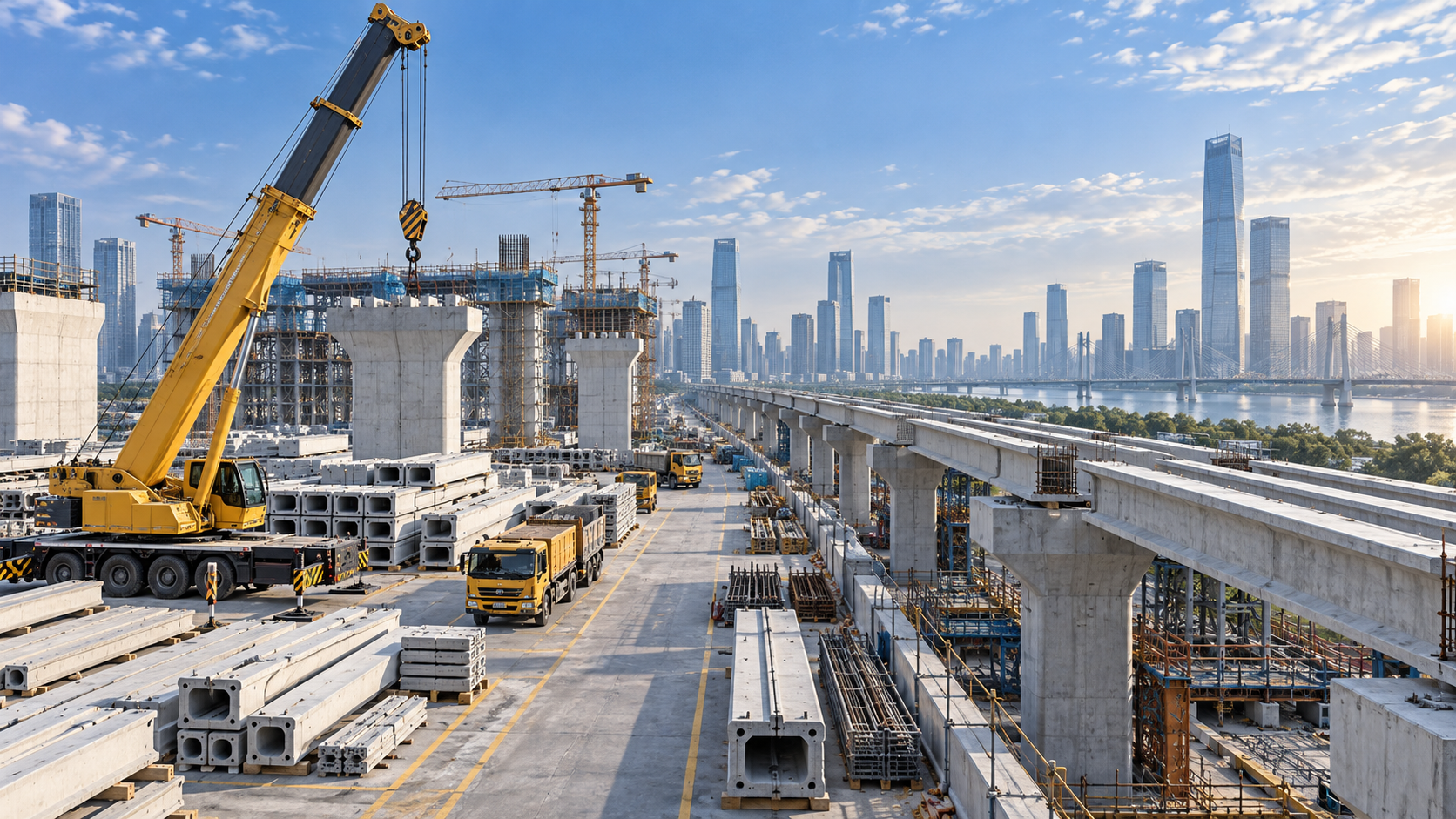
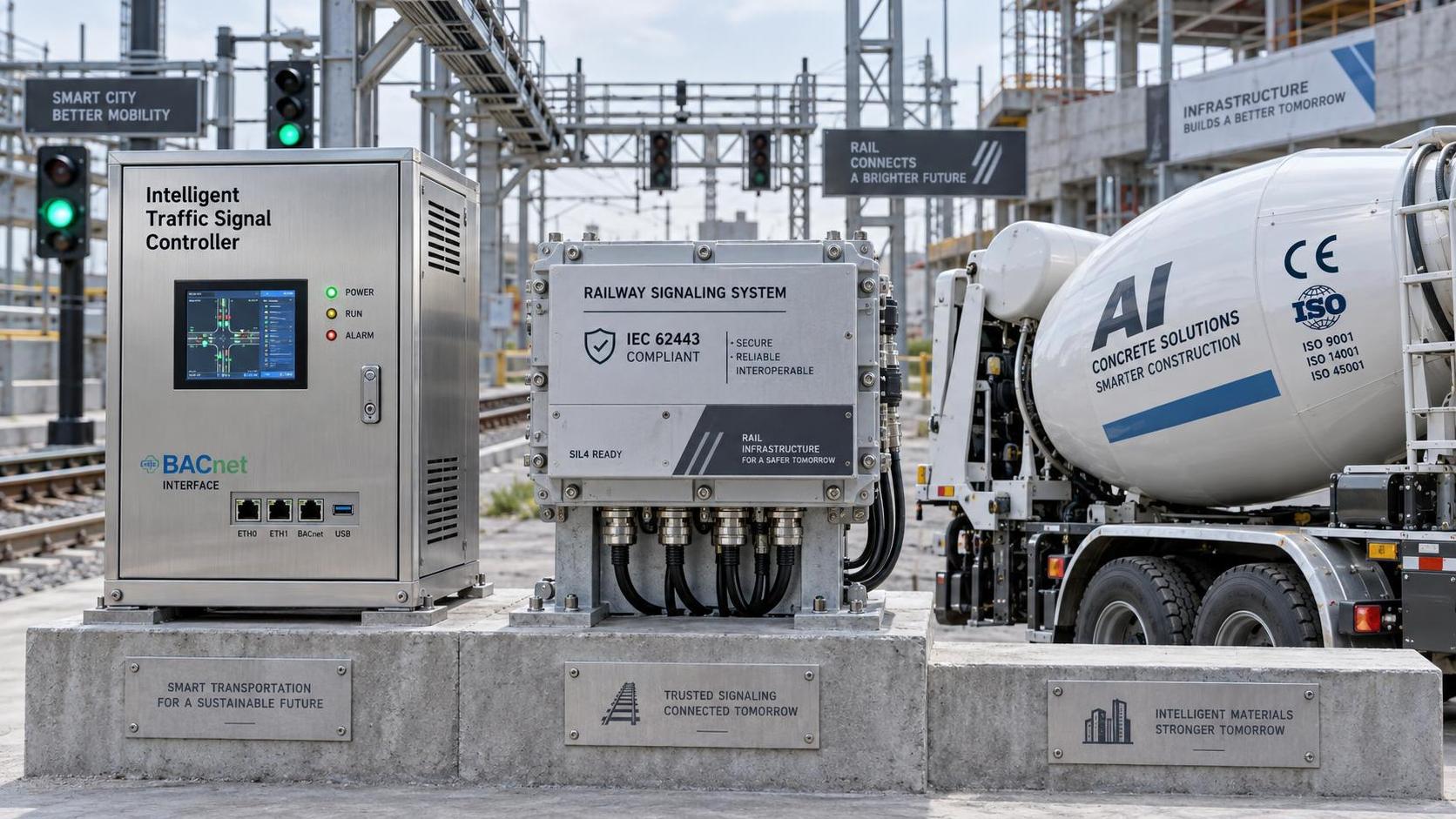
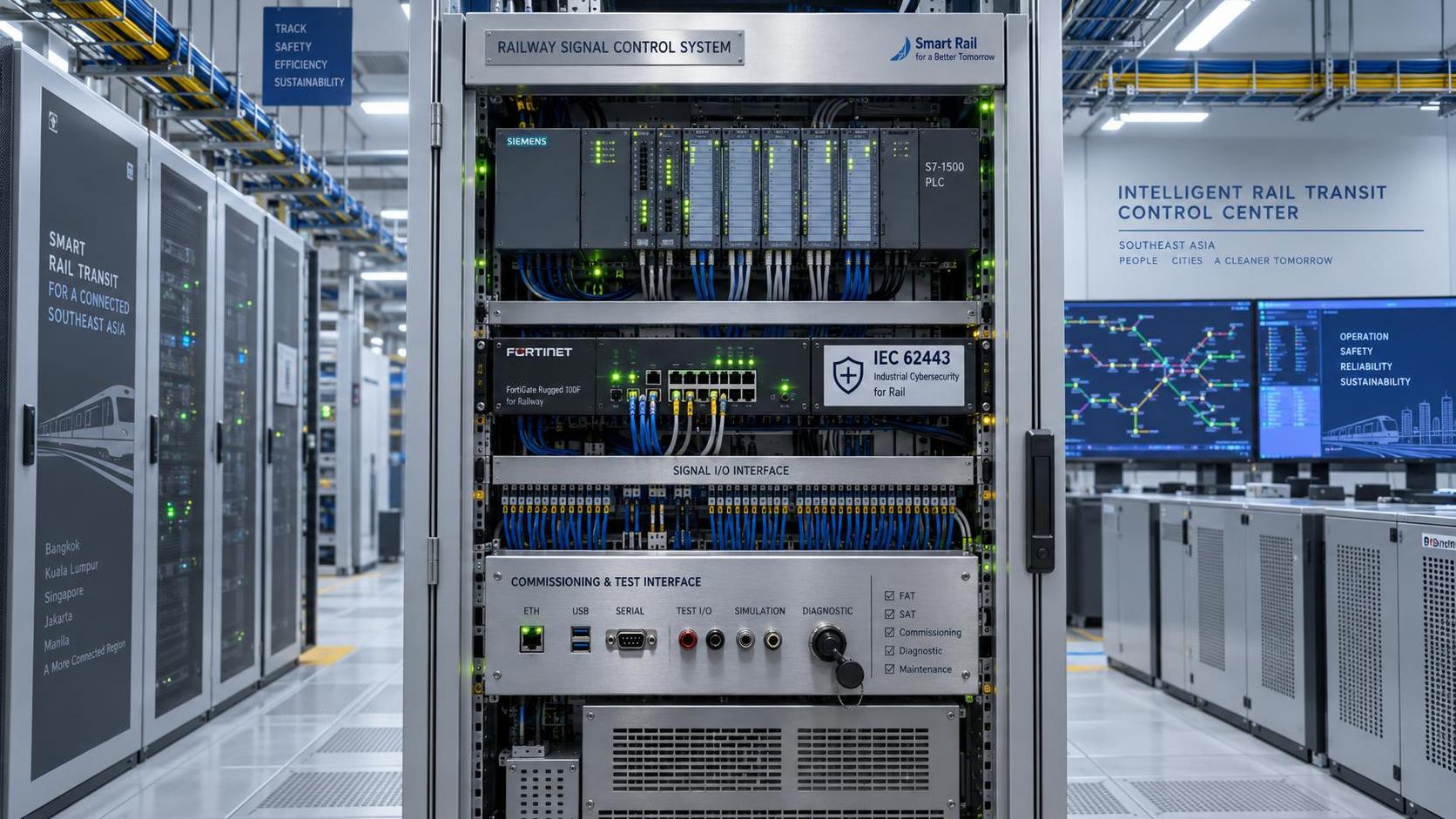
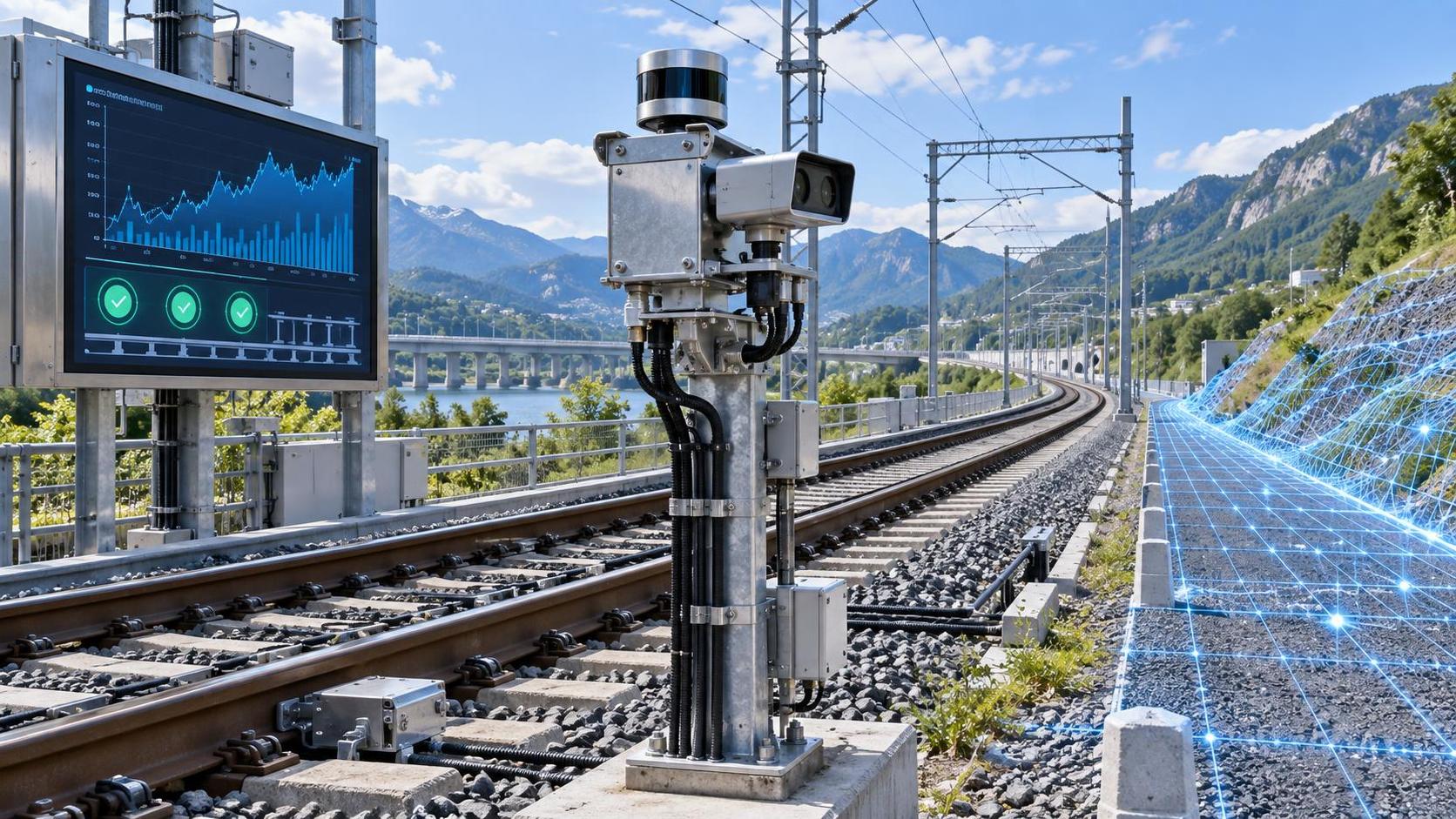
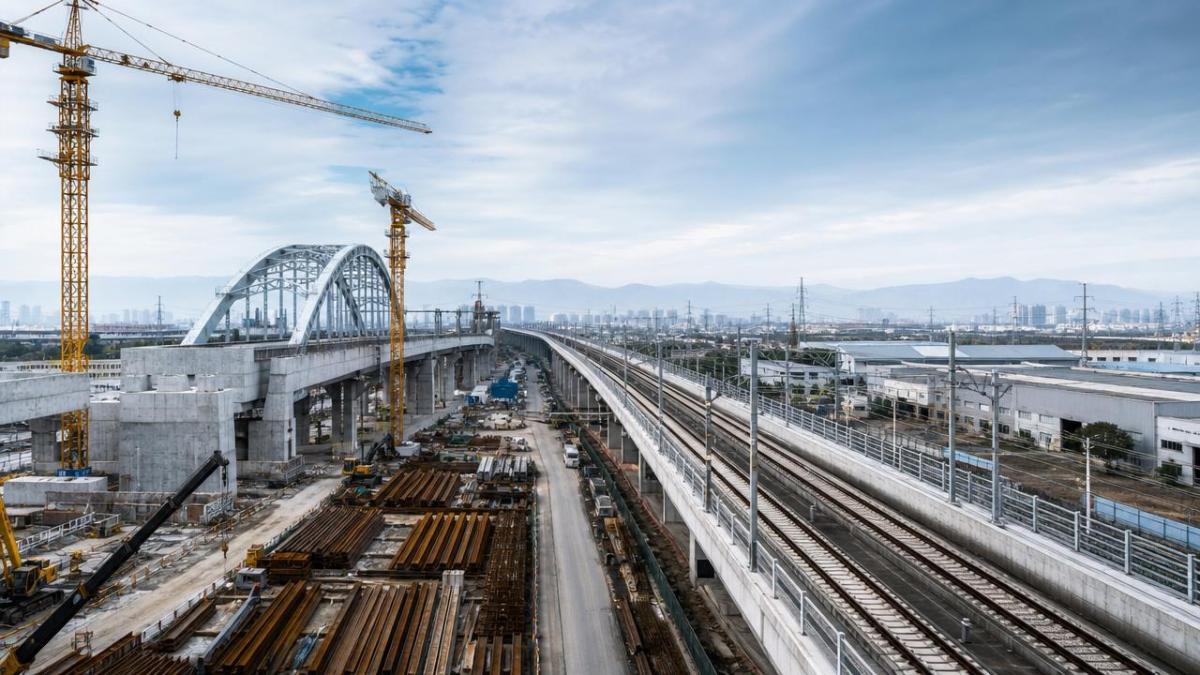
In rail and highway programs, delays often start with land access, relocation of existing utilities, and signaling or control system integration. Civil works may advance, while specialist systems lag behind.
For these infrastructure construction projects, interface management matters as much as engineering capacity. A missed possession window or incomplete testing plan can erase months of schedule gains.
Urban Utilities and Smart City Assets
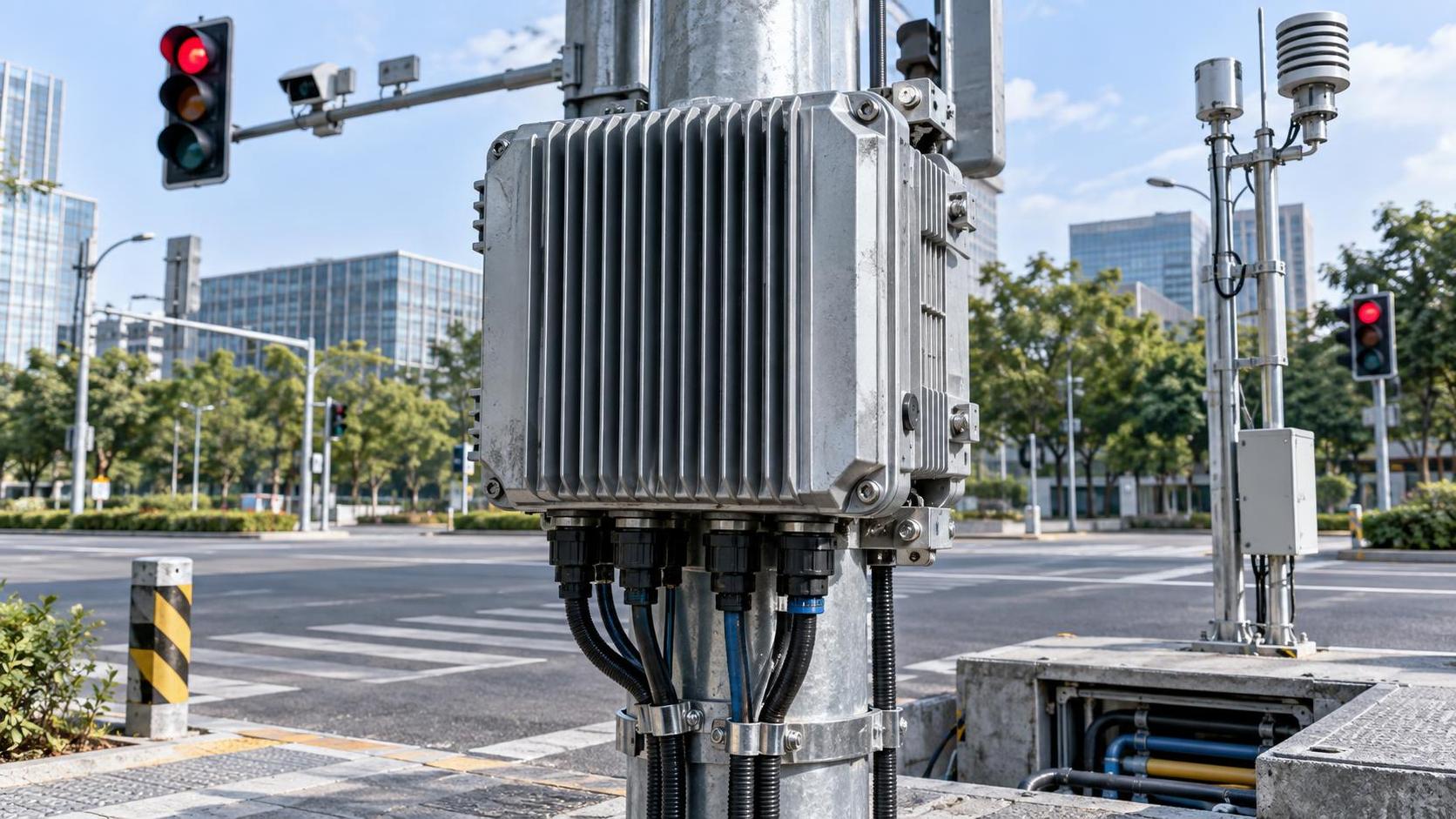
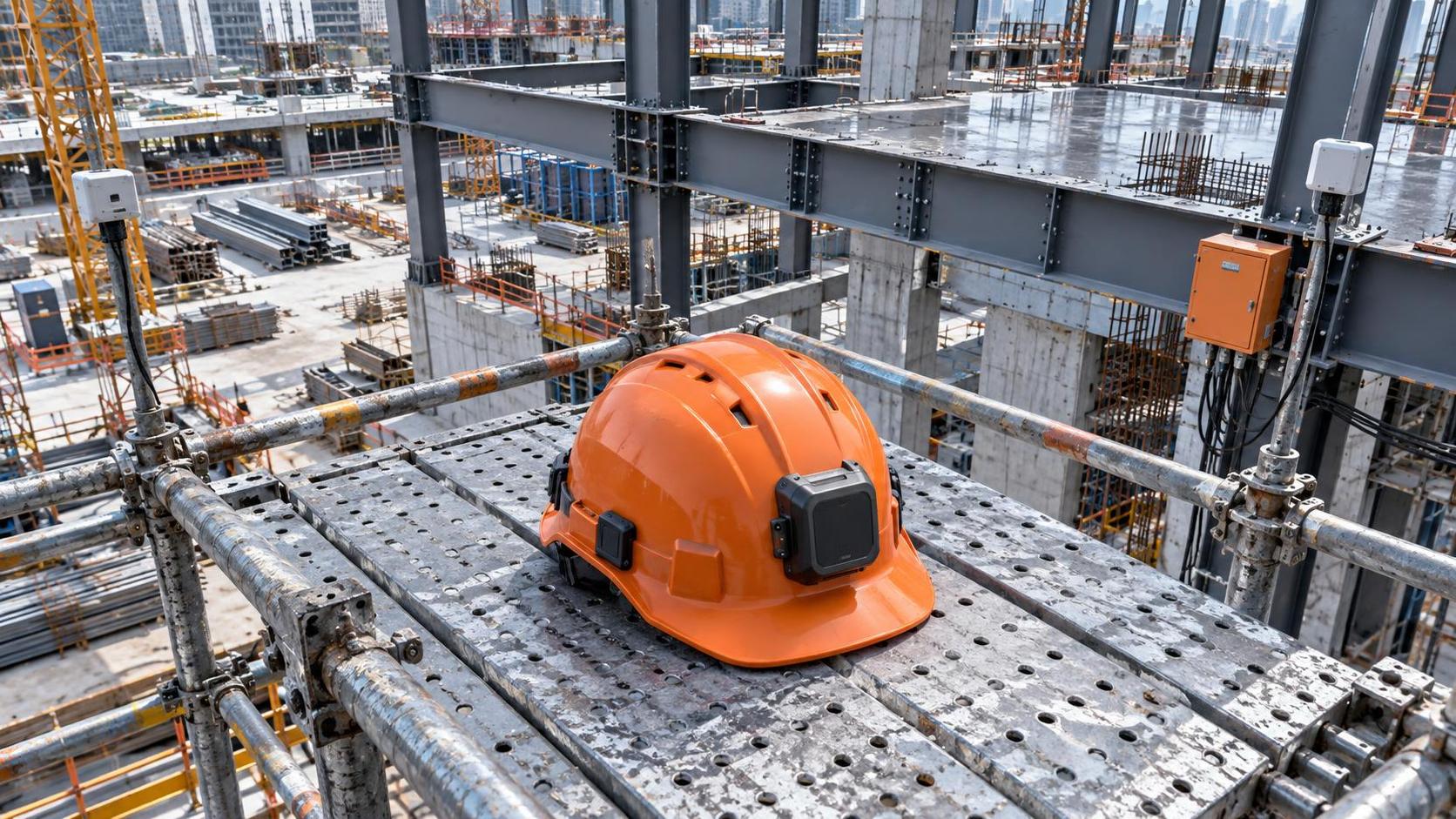
Water networks, district energy systems, smart grids, and traffic platforms face dense stakeholder environments. Public agencies, telecom providers, software vendors, and residents all influence timing.
Here, cost risks often come from redesign after field discovery. Legacy assets may differ from records, forcing rerouting, trench redesign, or hardware changes after procurement has started.
Industrial and Resource Infrastructure
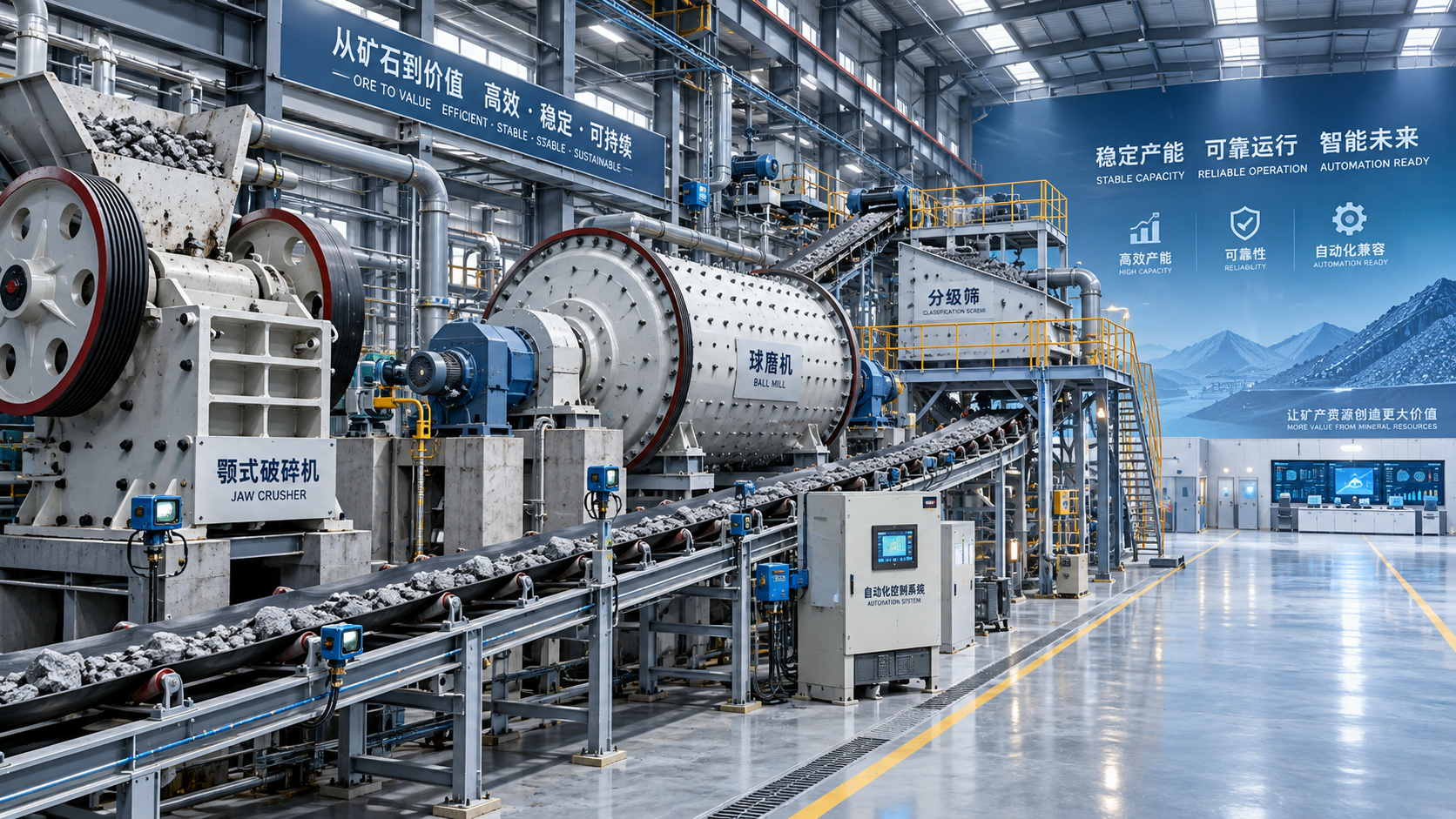
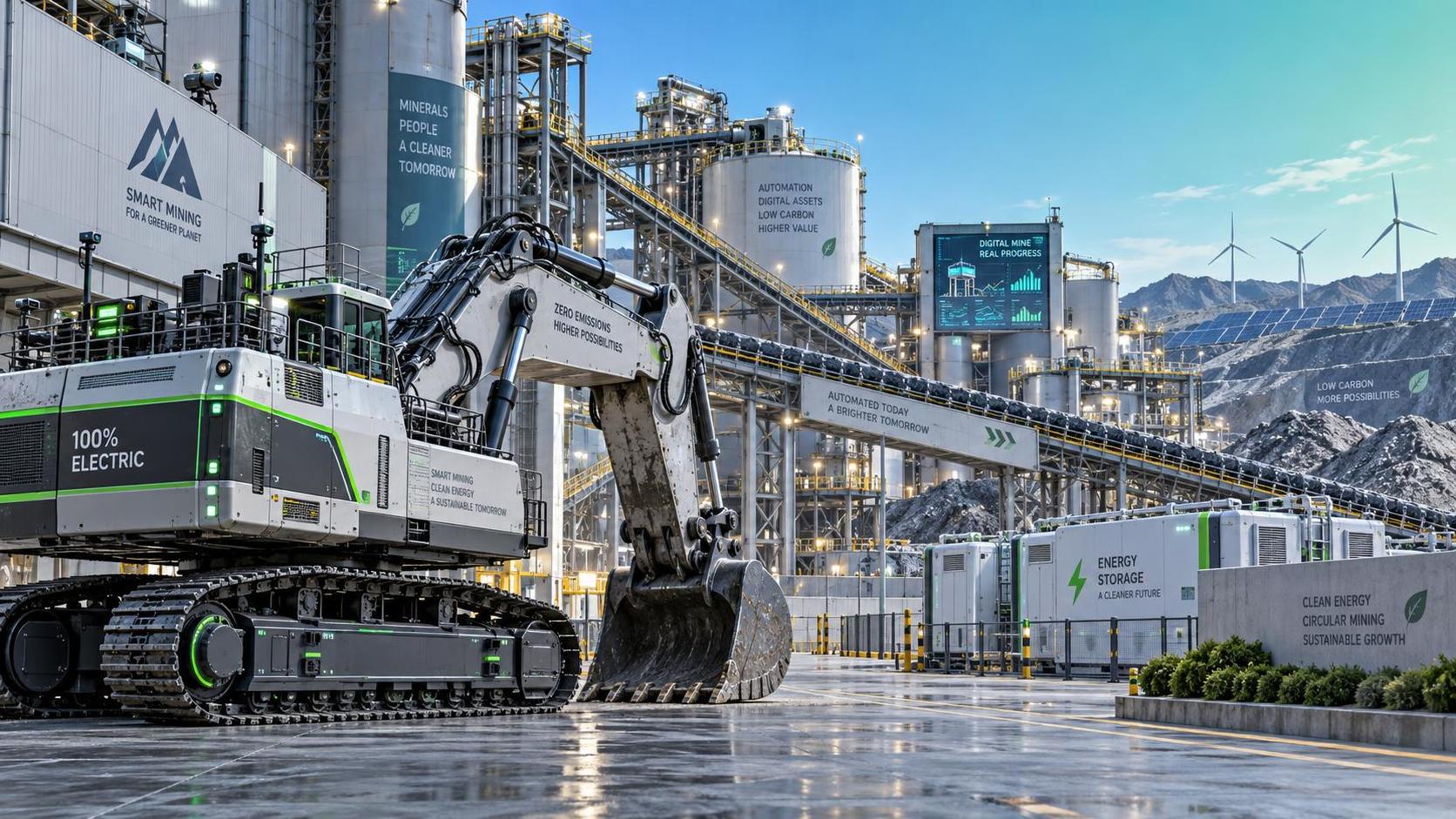
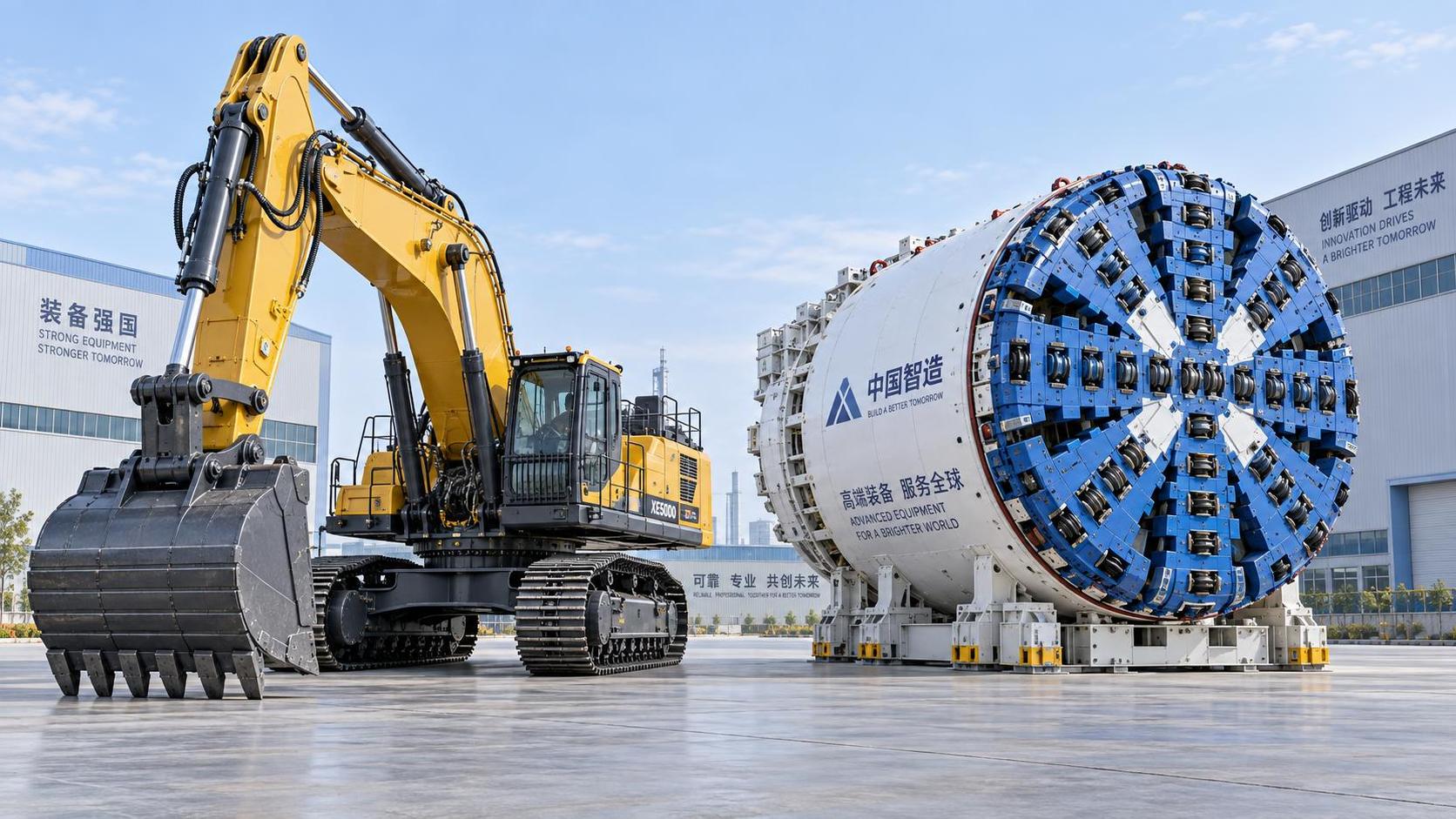
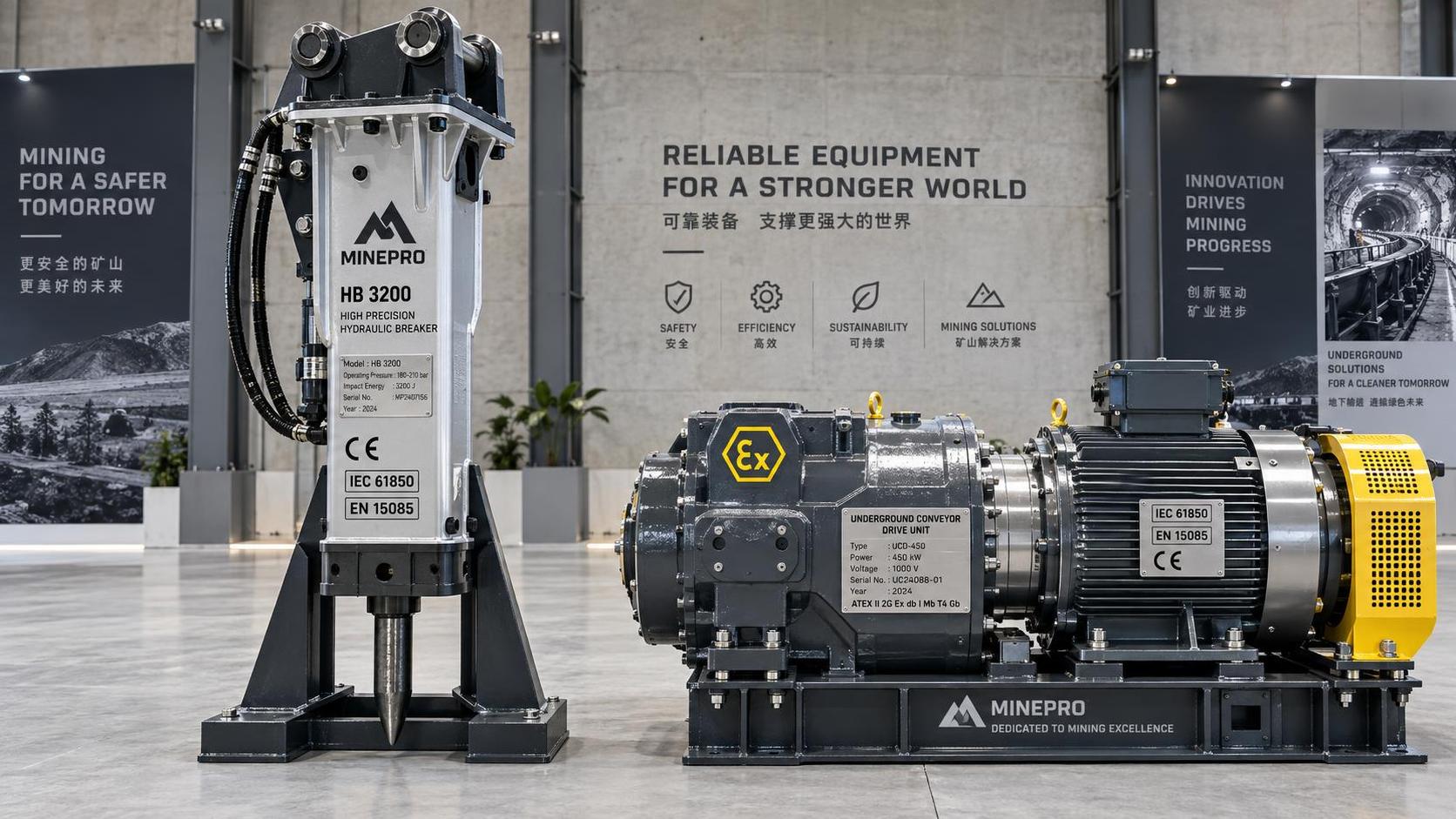
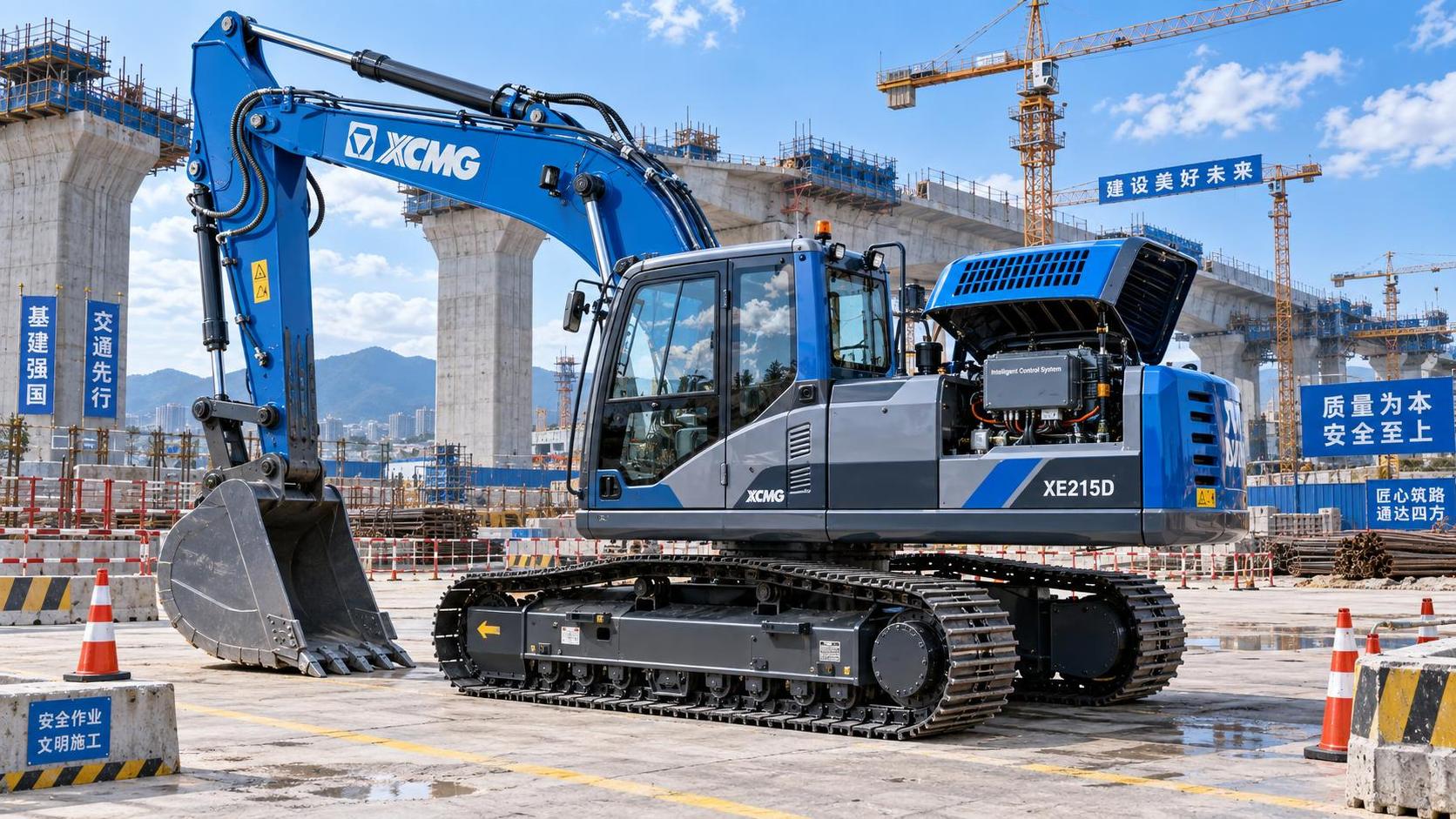
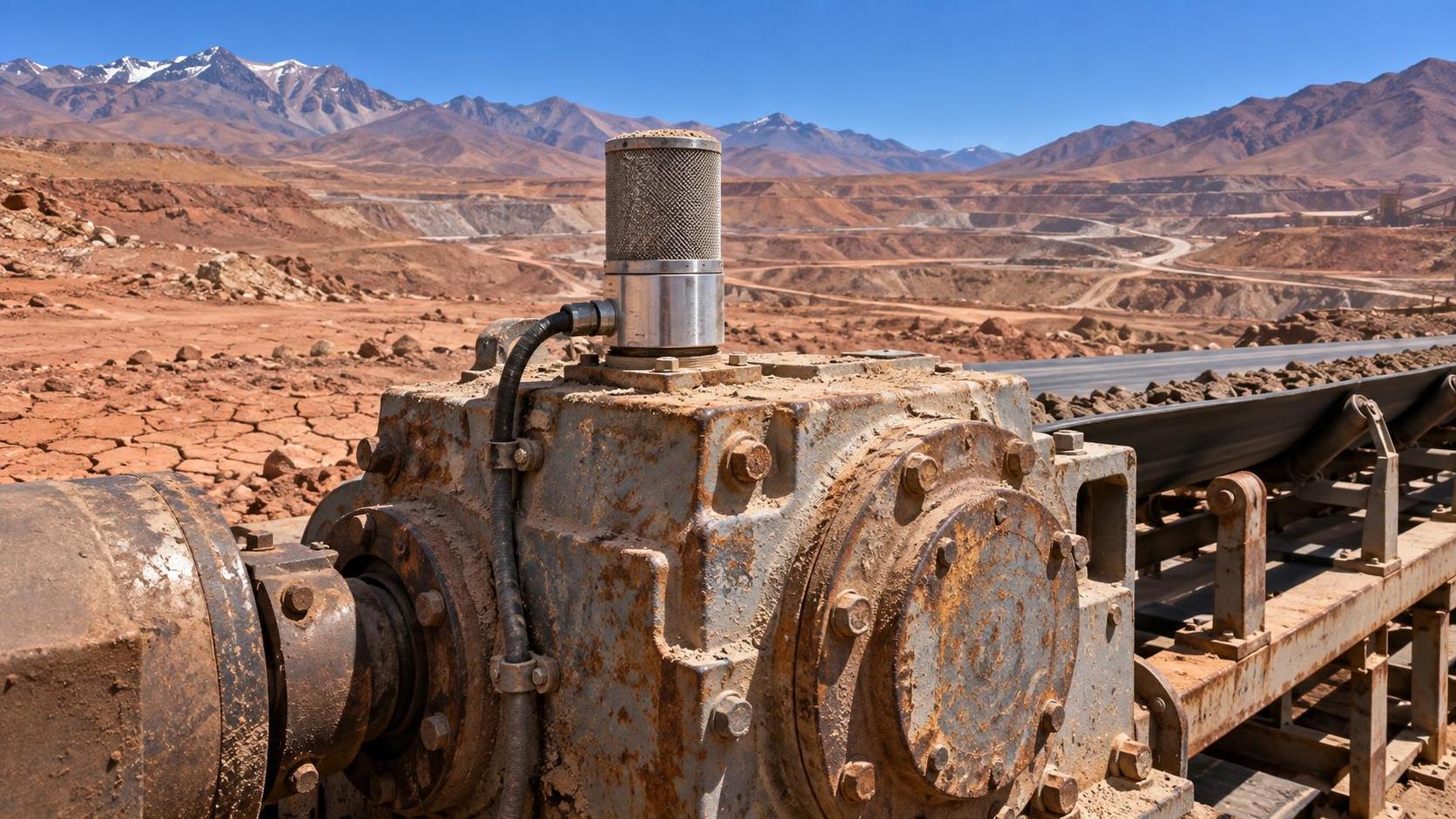
Mining facilities, logistics terminals, and heavy equipment yards depend on specialized machinery, remote access, and high-capacity utilities. Long-lead items create cost exposure early in the project lifecycle.
These infrastructure construction projects also face greater commissioning risk. Mechanical completion does not guarantee production readiness when controls, safety systems, and operator training remain unfinished.
Commonly Overlooked Risk Triggers
Incomplete Ground Intelligence
Poor geotechnical data drives major cost growth. Unexpected rock profiles, groundwater behavior, or contamination can alter temporary works, foundation design, and dewatering strategy.
Underestimated Interface Costs
Many budgets capture direct construction costs but miss the price of coordination. Temporary access changes, protection works, shutdown management, and integrated testing often sit outside optimistic estimates.
Late Regulatory Interpretation
Rules may not change, yet enforcement can. A stricter interpretation of emissions, safety setbacks, or digital compliance can force redesign after contracts are signed.
Schedule Logic That Ignores Field Reality
A schedule may look robust on paper but fail on site. If access roads, crane positions, weather windows, or night-work restrictions are ignored, reported float becomes unusable.
Fragmented Data and Slow Escalation
Infrastructure construction projects lose time when procurement, engineering, and field updates are stored in separate systems. Decisions then arrive after the critical path has already shifted.
Practical Execution Moves That Improve Delivery Certainty
- Run a 30-day rolling risk review tied to cost codes, critical path activities, and procurement milestones.
- Link commercial reporting with field progress so earned value reflects installed work, not invoiced assumptions.
- Create trigger thresholds for escalation, such as supplier delay days, labor variance, or permit slippage.
- Sequence early procurement for scarce components while preserving approved technical alternatives where possible.
- Use constructability reviews before mobilization to remove avoidable clashes between design intent and site method.
- Reserve commissioning time as a managed phase, not as leftover days after construction completion.
It is also useful to define one source of truth for schedule, cost, risk, and document control. When infrastructure construction projects rely on fragmented reporting, corrective action starts too late.
Short decision cycles matter. Weekly governance is often more valuable than monthly presentations, because price movements and field constraints can escalate within days.
Summary and Next-Step Action Guide
In 2026, infrastructure construction projects must be managed with sharper discipline than in previous cycles. Cost risks and delivery delays are now interconnected, driven by procurement volatility, workforce pressure, regulatory timing, and interface complexity.
The most effective response is not a larger contingency alone. It is a checklist-driven system that verifies assumptions early, tracks weak signals continuously, and links commercial and site decisions in real time.
Start by reviewing one active project against the checklist above. Reassess quantity accuracy, supplier exposure, permit sequencing, labor constraints, and commissioning readiness. Then convert findings into dated actions, named owners, and measurable triggers.
For organizations shaping the future of heavy industry, transport, utilities, and smart cities, stronger controls on infrastructure construction projects are not only defensive. They are a strategic advantage in delivering resilient assets with greater certainty.
Get weekly intelligence in your inbox.
No noise. No sponsored content. Pure intelligence.
News Recommendations
 Sep 19, 2026How an electronics application guide helps prevent component mismatchHow an electronics application guide helps prevent component mismatch
 Sep 18, 2026When a resource allocation platform improves project deliveryWhen a resource allocation platform improves project delivery
 Sep 17, 2026What to compare when evaluating mineral processing equipment manufacturersWhat to compare when evaluating mineral processing equipment manufacturers
 Sep 16, 2026How mineral separation optimization can reduce concentrate lossesHow mineral separation optimization can reduce concentrate losses
 Sep 15, 2026How to assess lifecycle costs in urban tech procurementHow to assess lifecycle costs in urban tech procurement
 Sep 14, 2026Heavy industry technology trends reshaping capital investment prioritiesHeavy industry technology trends reshaping capital investment priorities
 Sep 14, 2026Global Industrial Equipment Procurement: How Top OEMs Qualify Suppliers for Mining & Infrastructure ProjectsGlobal Industrial Equipment Procurement: How Top OEMs Qualify Suppliers for Mining & Infrastructure Projects
 Sep 14, 2026Industrial & Mining Equipment Procurement: Balancing Local Sourcing, Lead Time, and Certification RequirementsIndustrial & Mining Equipment Procurement: Balancing Local Sourcing, Lead Time, and Certification Requirements
 Sep 14, 2026Infrastructure & Equipment Upgrades: What Procurement Teams Must Verify Before Signing Off on New ContractsInfrastructure & Equipment Upgrades: What Procurement Teams Must Verify Before Signing Off on New Contracts
 Sep 14, 2026Why Infrastructure Equipment Buyers Are Shifting from Catalog-Based to Capability-Based Supplier SelectionWhy Infrastructure Equipment Buyers Are Shifting from Catalog-Based to Capability-Based Supplier Selection
 Sep 14, 2026Process Automation Project Execution: How to Align Supplier Capabilities with PLC Integration, Cybersecurity & Commissioning MilestonesProcess Automation Project Execution: How to Align Supplier Capabilities with PLC Integration, Cybersecurity & Commissioning Milestones
 Sep 14, 2026Are intelligent traffic systems worth the investment for small cities?Are intelligent traffic systems worth the investment for small cities?
 Sep 14, 2026How do intelligent traffic systems handle sensor failures?How do intelligent traffic systems handle sensor failures?
 Sep 14, 2026What should I check before accepting a smart building system?What should I check before accepting a smart building system?
 Sep 14, 2026Is a smart building system worth the maintenance cost?Is a smart building system worth the maintenance cost?
 Sep 14, 2026What data is needed for reliable resource allocation planning?What data is needed for reliable resource allocation planning?
 Sep 14, 2026How can resource allocation software reduce equipment idle time?How can resource allocation software reduce equipment idle time?
 Sep 14, 2026How should smart devices be maintained in harsh outdoor conditions?How should smart devices be maintained in harsh outdoor conditions?
 Sep 14, 2026Do smart devices improve worker safety on construction sites?Do smart devices improve worker safety on construction sites?
 Sep 14, 2026What environmental risks must be assessed before deep-sea mining?What environmental risks must be assessed before deep-sea mining?
 Sep 14, 2026Is deep-sea mining equipment commercially viable in 2026?Is deep-sea mining equipment commercially viable in 2026?
 Sep 14, 2026What Inspection Checks Should Procurement Teams Perform Before Ordering Dredging Equipment in 2026?What Inspection Checks Should Procurement Teams Perform Before Ordering Dredging Equipment in 2026?
 Sep 13, 2026How to verify an industrial product information source before specifying equipmentHow to verify an industrial product information source before specifying equipment
 Sep 12, 2026Which intelligent traffic systems hardware fits an urban intersection?Which intelligent traffic systems hardware fits an urban intersection?
 Sep 11, 2026How pump capacity affects response coverage for municipal fire fighting vehiclesHow pump capacity affects response coverage for municipal fire fighting vehicles
 Sep 10, 2026What to verify before choosing a heavy industry equipment supplierWhat to verify before choosing a heavy industry equipment supplier
 Sep 09, 2026When do adaptive urban traffic control systems reduce corridor delays?When do adaptive urban traffic control systems reduce corridor delays?