Smart Grids Technology: Where ROI Is Improving Fast
For finance-led infrastructure strategies, smart grids technology is no longer a distant modernization story. It is becoming a near-term value driver across utilities, transit systems, campuses, ports, and industrial zones.
Lower device costs, better analytics, and tighter energy resilience requirements are changing project economics. What once depended on long depreciation cycles now often shows measurable gains in reliability, loss reduction, and operating efficiency.
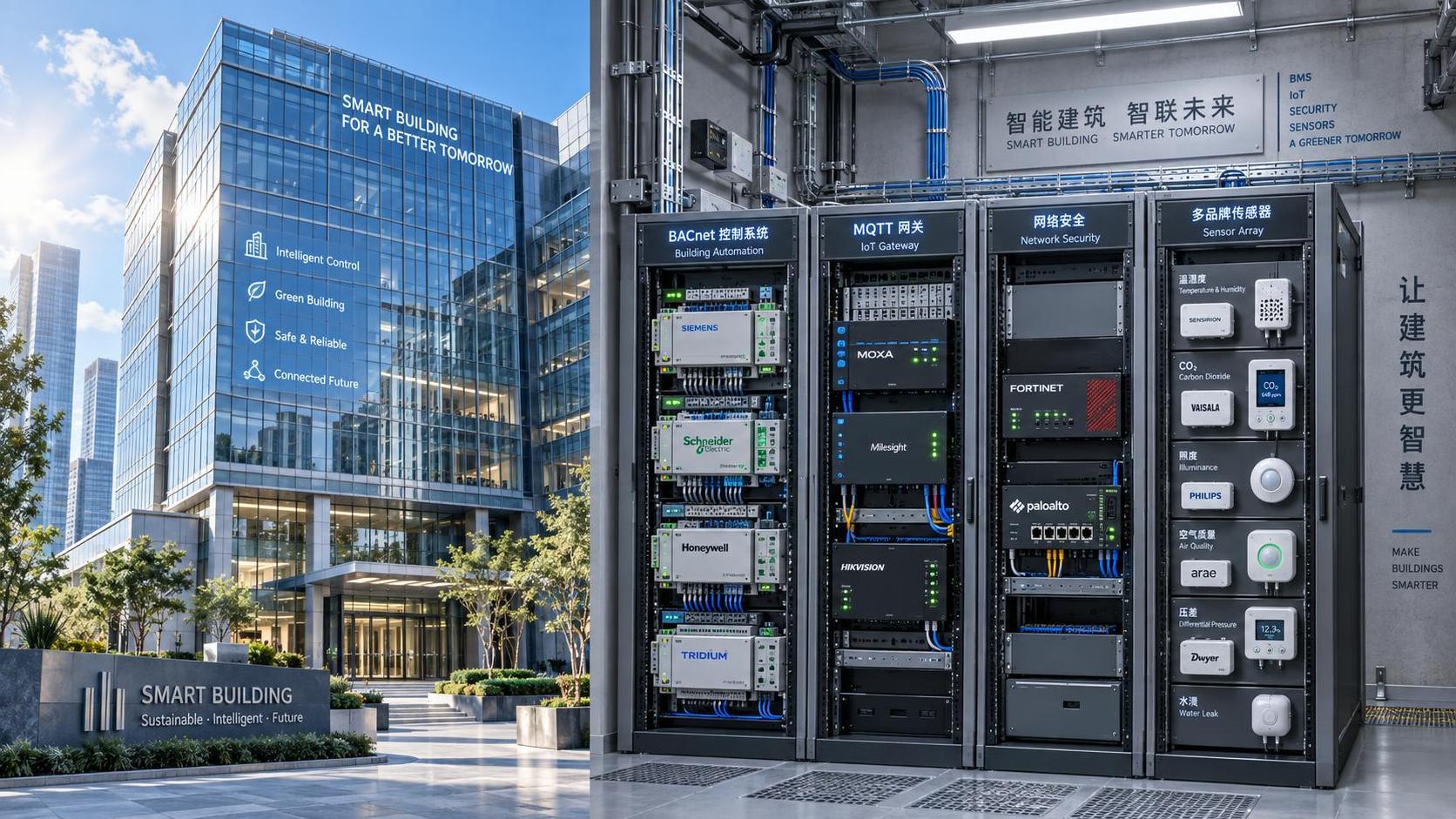
In the broader infrastructure landscape, this matters beyond electricity. Grid intelligence now supports smart governance, electric mobility, digital buildings, and carbon management across interconnected urban systems.
Why smart grids technology is entering a faster ROI phase

The economics of smart grids technology have improved because both capital intensity and implementation risk are falling. At the same time, the financial value of resilience is rising.
Extreme weather, urban electrification, and distributed energy adoption have exposed the cost of outdated grid operations. Manual monitoring and delayed fault isolation now carry a higher penalty than before.
Smart grid investments also benefit from adjacent digital maturity. Many operators already use cloud platforms, edge devices, GIS, and industrial IoT, reducing integration friction.
As a result, smart grids technology is moving from experimental deployment toward scalable financial logic. The strongest cases are not abstract. They are operational, measurable, and increasingly repeatable.
The clearest market signals behind improving returns
Several signals show why smart grids technology is gaining momentum across the comprehensive infrastructure sector.
- Advanced metering costs have declined while data quality has improved.
- Distribution automation software is more modular and easier to deploy.
- Battery storage and distributed generation require smarter balancing tools.
- Regulators increasingly reward reliability, flexibility, and efficiency outcomes.
- Cybersecurity frameworks are maturing, reducing adoption hesitation.
- Electrified transport and smart buildings create stronger load management value.
These signals matter because ROI in smart grids technology rarely depends on one benefit alone. Returns typically come from stacked value streams across operations, planning, and service continuity.
Where smart grids technology delivers the fastest payback today
Not every use case matures at the same pace. The most attractive opportunities usually combine visible inefficiency, frequent operational events, and clear baseline data.
1. Outage detection and fault isolation
Automated detection and switching can reduce outage duration, truck rolls, and service disruption costs. In dense urban grids, the avoided economic loss can materially improve project payback.
2. Distribution loss reduction
Sensors, analytics, and feeder visibility help identify technical losses, overloaded assets, and theft patterns. Even small percentage improvements can create meaningful financial returns at scale.
3. Peak load management
When smart grids technology supports demand response, pricing signals, and flexible load control, operators can defer network expansion and reduce expensive peak procurement.
4. Renewable and storage integration
Variable generation creates balancing challenges. Smart grid controls improve dispatch visibility, voltage management, and local flexibility, raising the value of solar, wind, and storage assets.
5. Industrial and campus energy orchestration
Large sites gain from real-time load insight, microgrid coordination, and reliability optimization. These environments often have concentrated energy spend, making payback easier to capture.
What is driving the ROI improvement in practical terms
How the trend affects infrastructure, cities, and industrial systems
Smart grids technology now influences multiple layers of the physical world. It no longer sits only inside utility modernization plans.
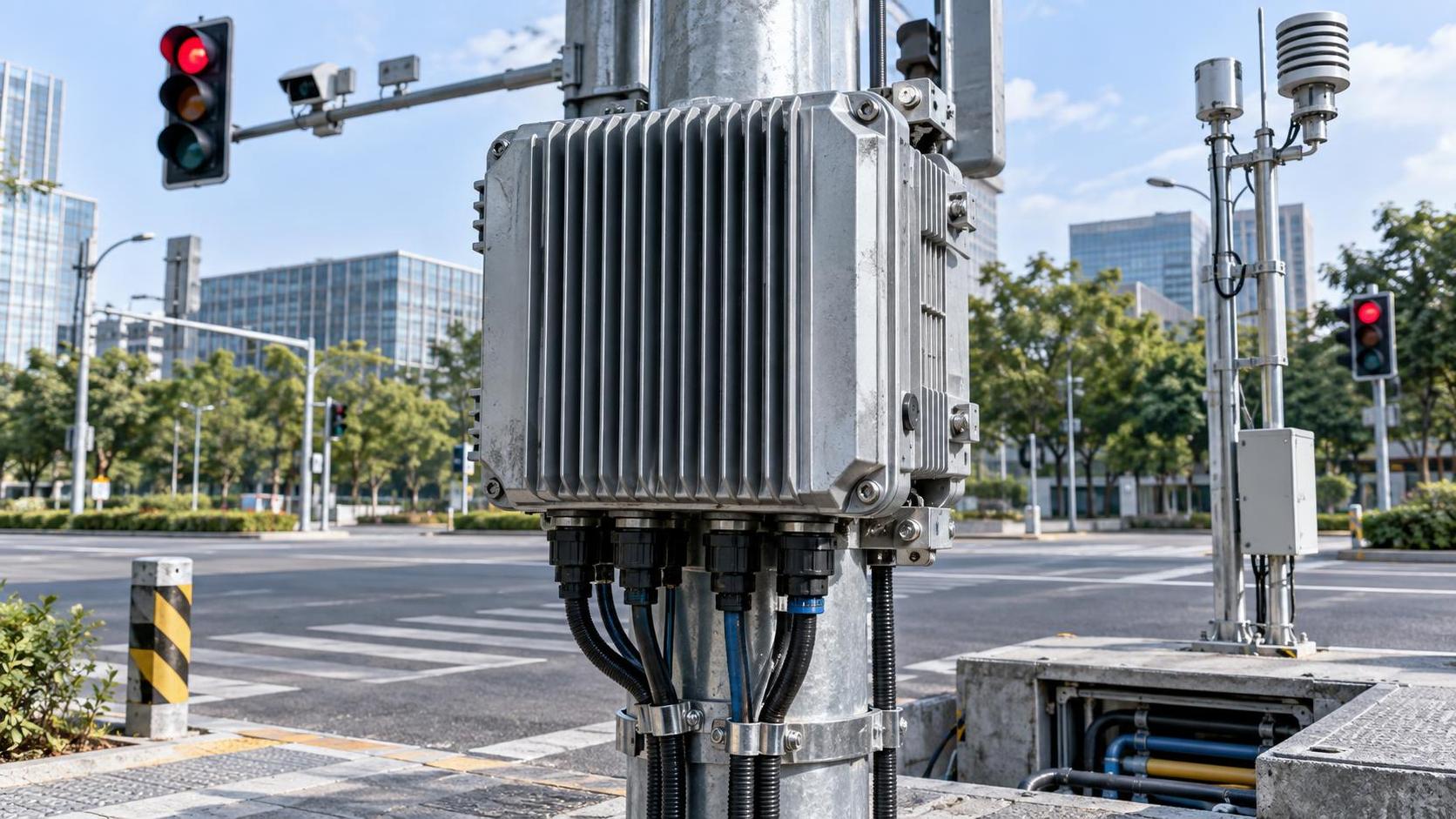
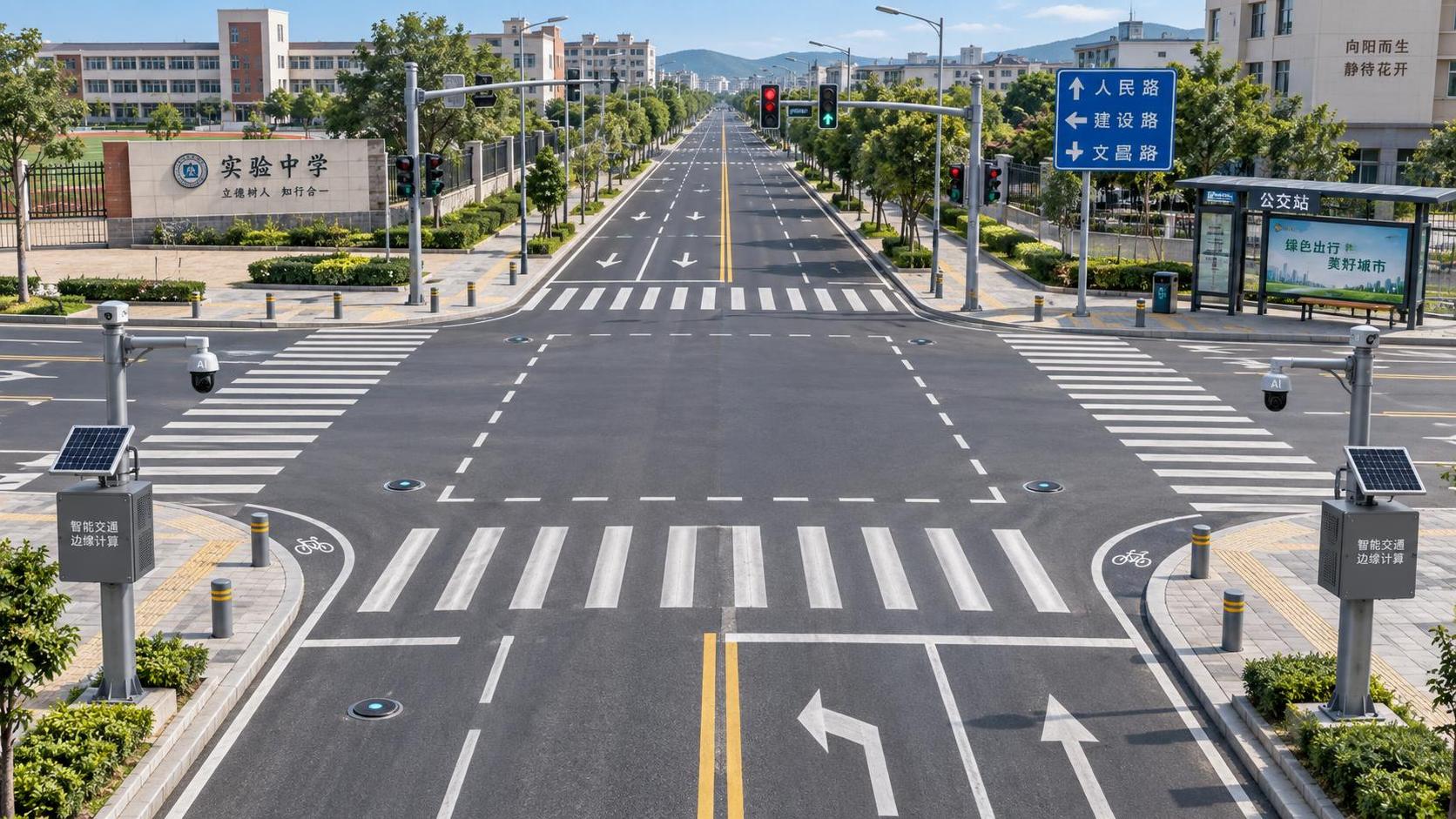
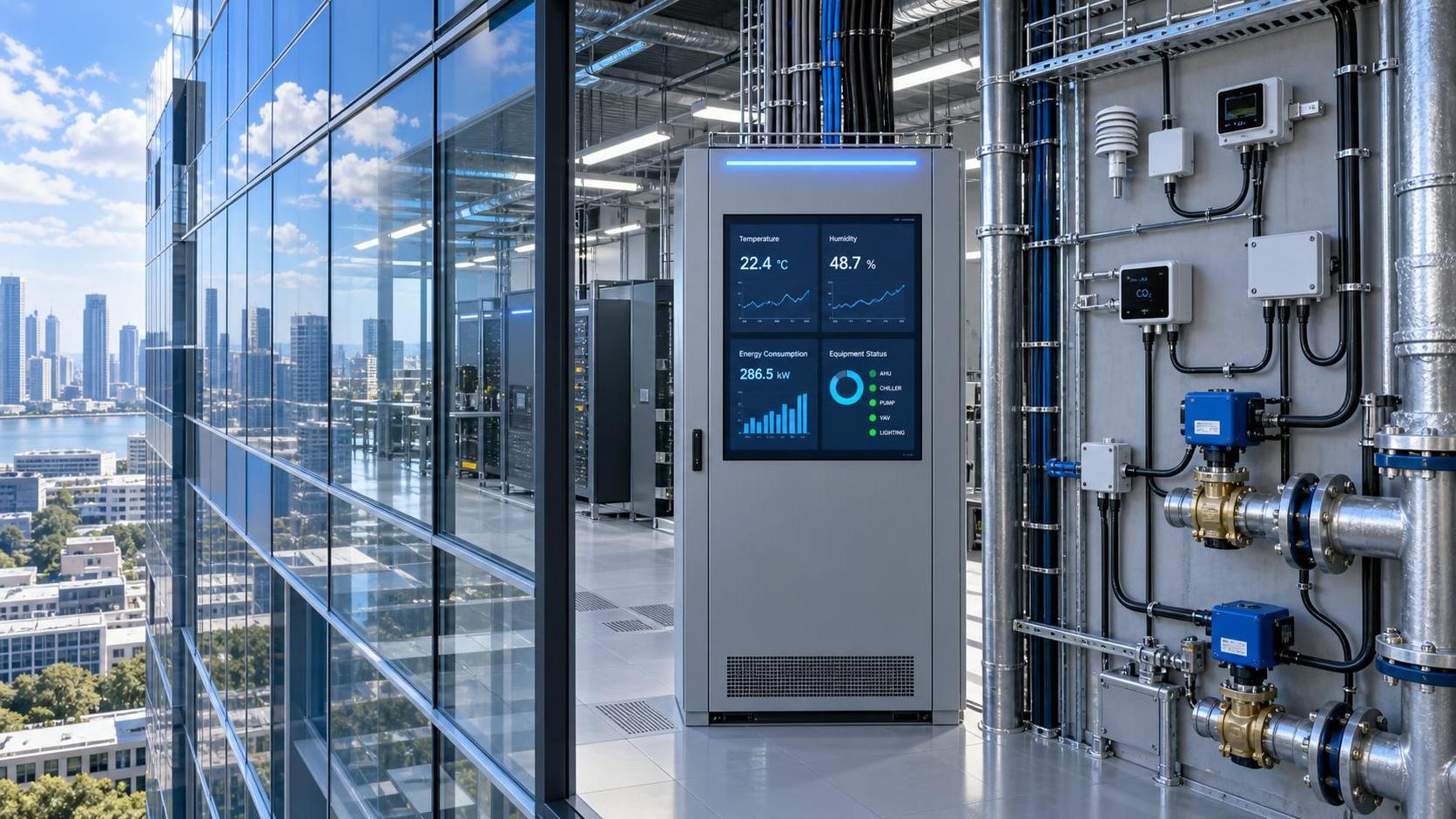
In smart cities, grid intelligence supports EV charging coordination, traffic power continuity, public building efficiency, and digital emergency response. Energy visibility becomes a governance capability, not just a utility function.
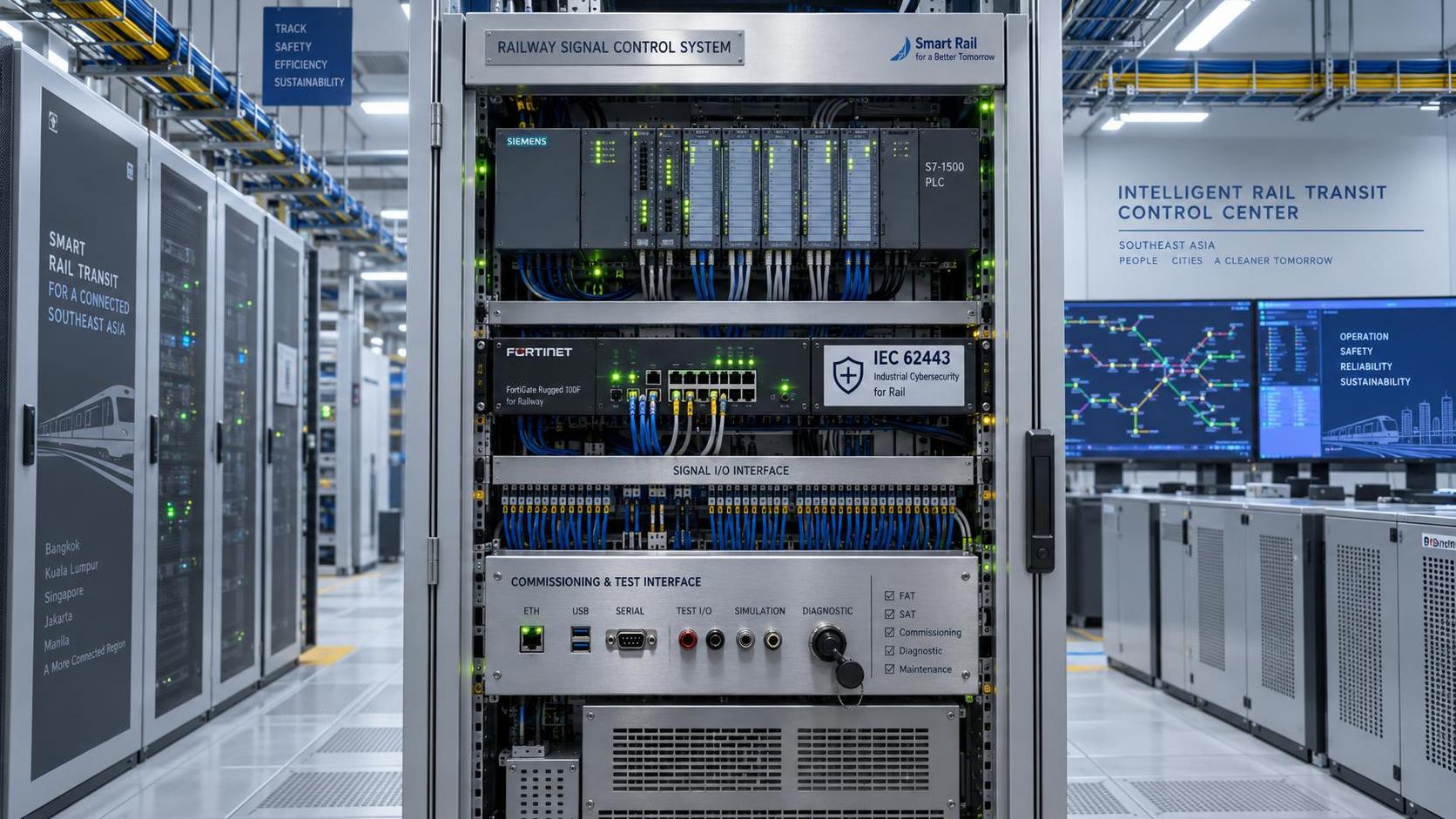
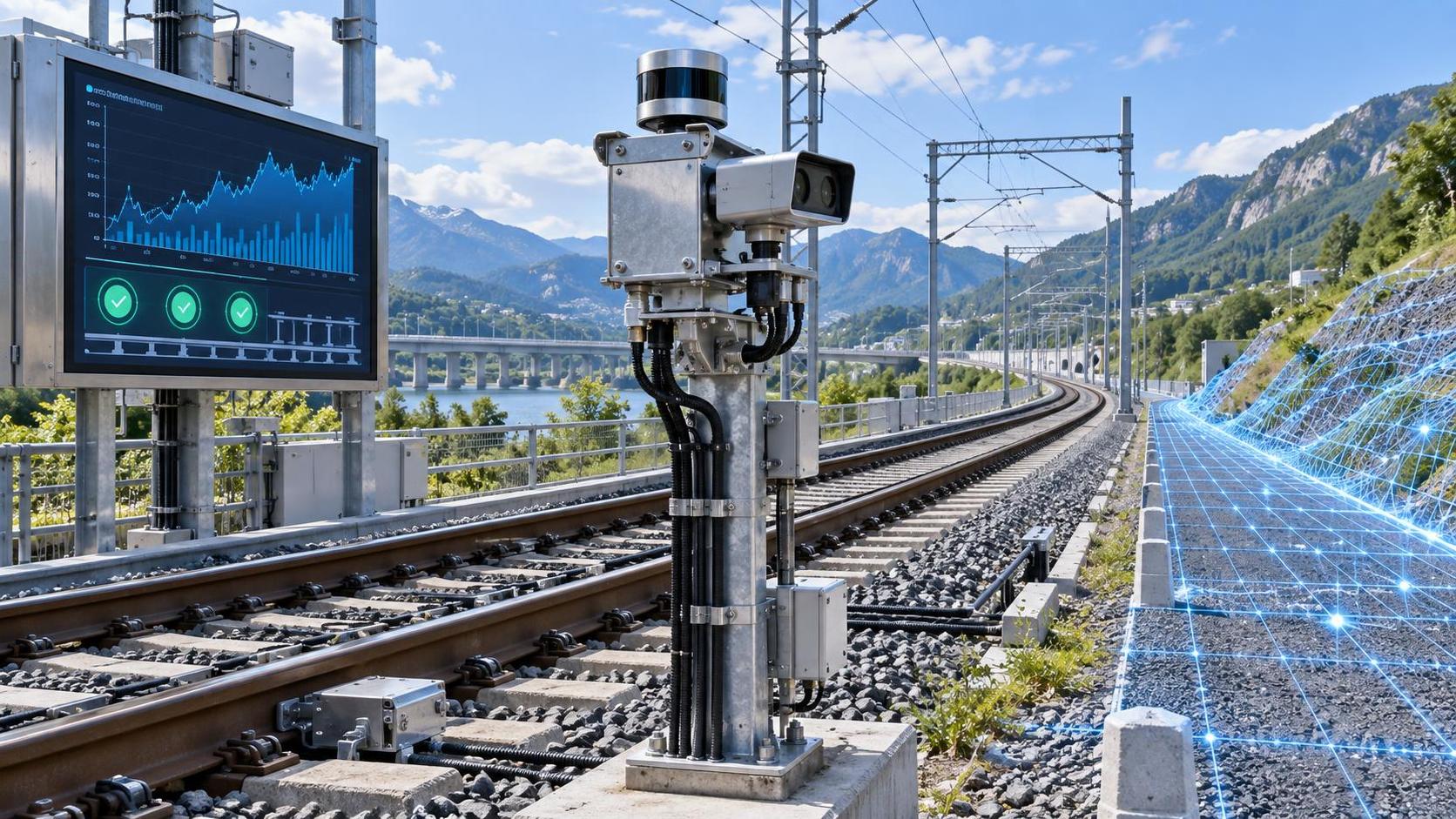
In transport and logistics corridors, it improves traction power reliability, terminal resilience, and maintenance planning. For rail, ports, and airports, this can reduce downtime across critical assets.
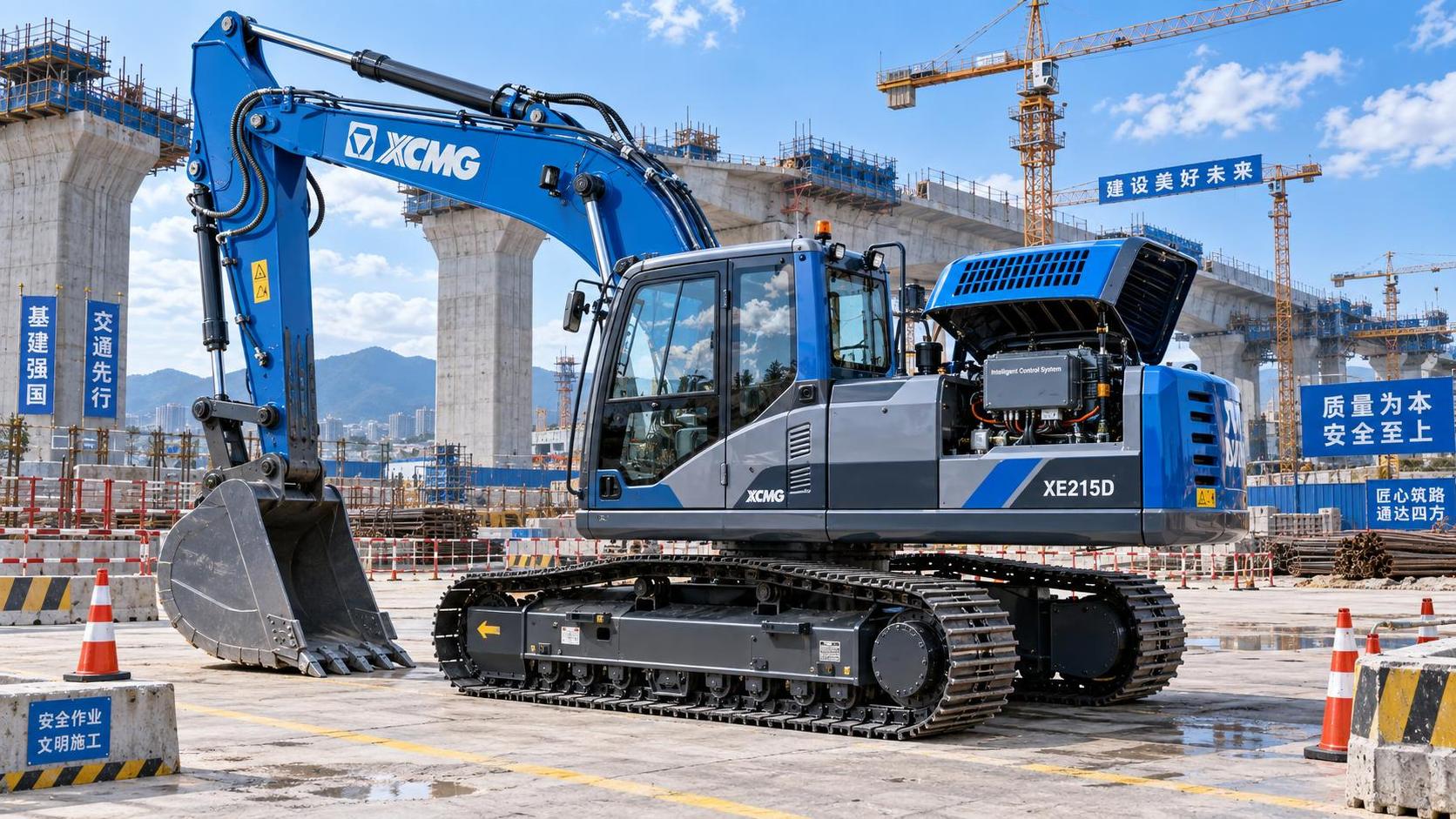
In mining, construction, and heavy equipment environments, smart grids technology helps manage remote loads, integrate onsite generation, and stabilize operations where outages carry high productivity costs.
- Utilities gain better asset utilization and service quality metrics.
- Municipal systems gain stronger resilience for essential services.
- Industrial sites gain lower energy waste and fewer disruptions.
- Infrastructure investors gain more transparent performance data.
Which cost and risk factors still shape the investment case
Faster ROI does not mean automatic success. Strong business cases for smart grids technology still depend on disciplined evaluation of cost, complexity, and execution risk.
Capital scope
Costs often include meters, sensors, communications, software licenses, integration, cybersecurity, and workforce enablement. Partial budgeting can distort the return profile.
Data quality
Poor baseline data weakens forecasting and savings verification. Without a reliable pre-deployment benchmark, ROI discussions become less credible.
Interoperability
Legacy systems may limit value capture. Open standards and staged integration planning are essential when multiple vendors and asset generations are involved.
Cyber and governance exposure
Connected infrastructure expands the attack surface. Security architecture, access control, and data governance must be built into the financial model.
Regulatory timing
Some benefits depend on tariff design, incentive frameworks, or grid participation rules. Policy alignment can significantly affect timing of returns.
What to examine first when comparing smart grids technology investments
A practical review should focus on value concentration, deployment feasibility, and measurement discipline.
- Map the top three operational pain points by cost and frequency.
- Identify whether savings come from avoided loss, deferred capex, or reliability gains.
- Check where existing digital infrastructure can reduce implementation cost.
- Use phased deployment zones to validate assumptions before full rollout.
- Define KPIs early, including SAIDI, SAIFI, losses, peak demand, and truck-roll reduction.
- Stress-test cybersecurity, interoperability, and maintenance assumptions.
A simple framework for judging the next wave of returns
The near-term outlook for smart grids technology
The next phase of smart grids technology will likely reward targeted deployments over broad but shallow digitization. The best returns should come from areas with concentrated reliability risk and rising load complexity.
Projects linked to distributed energy, EV infrastructure, public facilities, and mission-critical industrial operations are especially likely to see stronger economics over the next several years.
For organizations shaping the future of physical infrastructure, the key shift is clear. Smart grids technology is becoming a foundational layer for sustainable, data-driven urban and industrial systems.
The next practical step is to audit one operating zone, quantify one high-cost reliability issue, and test one phased deployment model. That is often where the strongest ROI story begins.
Get weekly intelligence in your inbox.
No noise. No sponsored content. Pure intelligence.
News Recommendations
 Sep 19, 2026How an electronics application guide helps prevent component mismatchHow an electronics application guide helps prevent component mismatch
 Sep 18, 2026When a resource allocation platform improves project deliveryWhen a resource allocation platform improves project delivery
 Sep 17, 2026What to compare when evaluating mineral processing equipment manufacturersWhat to compare when evaluating mineral processing equipment manufacturers
 Sep 16, 2026How mineral separation optimization can reduce concentrate lossesHow mineral separation optimization can reduce concentrate losses
 Sep 15, 2026How to assess lifecycle costs in urban tech procurementHow to assess lifecycle costs in urban tech procurement
 Sep 14, 2026Heavy industry technology trends reshaping capital investment prioritiesHeavy industry technology trends reshaping capital investment priorities
 Sep 14, 2026Global Industrial Equipment Procurement: How Top OEMs Qualify Suppliers for Mining & Infrastructure ProjectsGlobal Industrial Equipment Procurement: How Top OEMs Qualify Suppliers for Mining & Infrastructure Projects
 Sep 14, 2026Industrial & Mining Equipment Procurement: Balancing Local Sourcing, Lead Time, and Certification RequirementsIndustrial & Mining Equipment Procurement: Balancing Local Sourcing, Lead Time, and Certification Requirements
 Sep 14, 2026Infrastructure & Equipment Upgrades: What Procurement Teams Must Verify Before Signing Off on New ContractsInfrastructure & Equipment Upgrades: What Procurement Teams Must Verify Before Signing Off on New Contracts
 Sep 14, 2026Why Infrastructure Equipment Buyers Are Shifting from Catalog-Based to Capability-Based Supplier SelectionWhy Infrastructure Equipment Buyers Are Shifting from Catalog-Based to Capability-Based Supplier Selection
 Sep 14, 2026Process Automation Project Execution: How to Align Supplier Capabilities with PLC Integration, Cybersecurity & Commissioning MilestonesProcess Automation Project Execution: How to Align Supplier Capabilities with PLC Integration, Cybersecurity & Commissioning Milestones
 Sep 14, 2026Are intelligent traffic systems worth the investment for small cities?Are intelligent traffic systems worth the investment for small cities?
 Sep 14, 2026How do intelligent traffic systems handle sensor failures?How do intelligent traffic systems handle sensor failures?
 Sep 14, 2026What should I check before accepting a smart building system?What should I check before accepting a smart building system?
 Sep 14, 2026Is a smart building system worth the maintenance cost?Is a smart building system worth the maintenance cost?
 Sep 14, 2026What data is needed for reliable resource allocation planning?What data is needed for reliable resource allocation planning?
 Sep 14, 2026How can resource allocation software reduce equipment idle time?How can resource allocation software reduce equipment idle time?
 Sep 14, 2026How should smart devices be maintained in harsh outdoor conditions?How should smart devices be maintained in harsh outdoor conditions?
 Sep 14, 2026Do smart devices improve worker safety on construction sites?Do smart devices improve worker safety on construction sites?
 Sep 14, 2026What environmental risks must be assessed before deep-sea mining?What environmental risks must be assessed before deep-sea mining?
 Sep 14, 2026Is deep-sea mining equipment commercially viable in 2026?Is deep-sea mining equipment commercially viable in 2026?
 Sep 14, 2026What Inspection Checks Should Procurement Teams Perform Before Ordering Dredging Equipment in 2026?What Inspection Checks Should Procurement Teams Perform Before Ordering Dredging Equipment in 2026?
 Sep 13, 2026How to verify an industrial product information source before specifying equipmentHow to verify an industrial product information source before specifying equipment
 Sep 12, 2026Which intelligent traffic systems hardware fits an urban intersection?Which intelligent traffic systems hardware fits an urban intersection?
 Sep 11, 2026How pump capacity affects response coverage for municipal fire fighting vehiclesHow pump capacity affects response coverage for municipal fire fighting vehicles
 Sep 10, 2026What to verify before choosing a heavy industry equipment supplierWhat to verify before choosing a heavy industry equipment supplier
 Sep 09, 2026When do adaptive urban traffic control systems reduce corridor delays?When do adaptive urban traffic control systems reduce corridor delays?