Resource Development Technology Solutions for Safer Extraction
For technical evaluators navigating modern extraction challenges, resource development technology solutions are redefining how safety, efficiency, and sustainability work together.
From intelligent monitoring to precision excavation, new systems reduce risk while improving output across mining, quarrying, energy minerals, and complex resource projects.
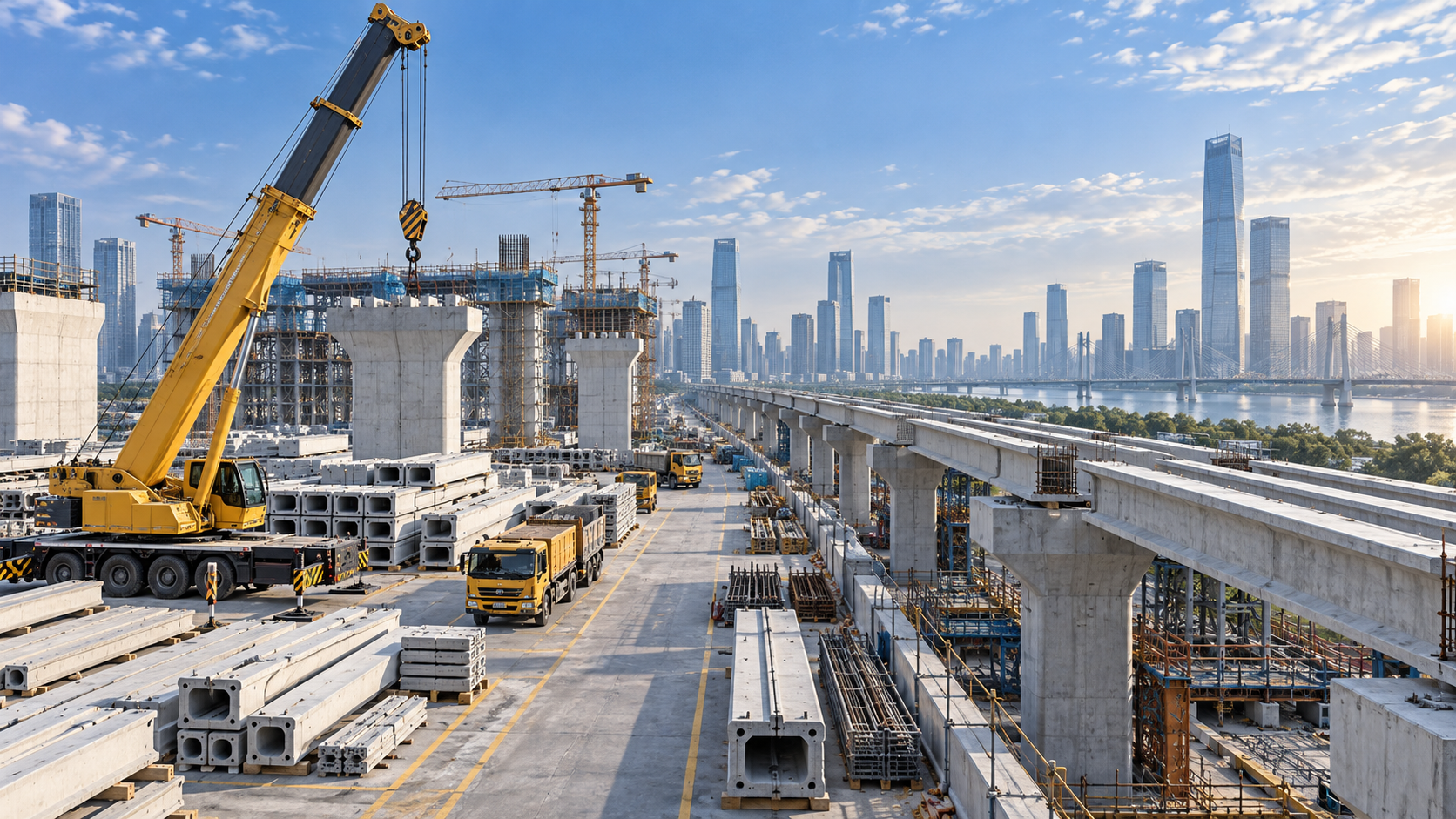
Within the broader infrastructure economy, these advances matter because extraction remains the first link in construction, transport, manufacturing, and urban development value chains.
This article examines how resource development technology solutions are evolving, what signals are shaping safer extraction, and which priorities now deserve close attention.
Safer extraction is becoming the defining benchmark for resource development technology solutions
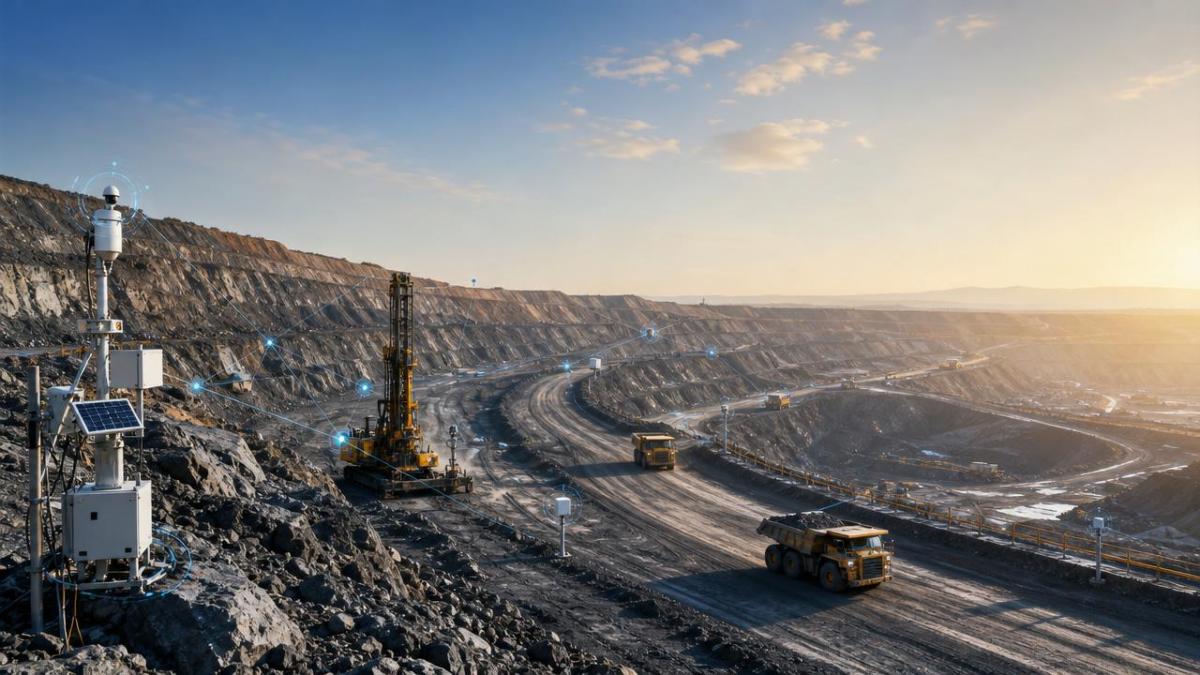
Extraction projects once focused mainly on output, equipment uptime, and ore recovery. Today, safety performance increasingly determines technical selection, financing confidence, and operational continuity.
That shift is visible across open-pit mines, underground operations, deep-resource exploration, and remote material sites exposed to unstable geology and climate stress.
Resource development technology solutions now integrate sensing, automation, analytics, and environmental controls rather than treating safety as a separate compliance layer.
This convergence reflects a broader industrial pattern. Infrastructure systems are becoming smarter, and extraction assets must operate with similar visibility, traceability, and resilience.
Several trend signals show why traditional extraction models are losing ground
The pressure is not coming from one source. It comes from risk exposure, labor constraints, tighter oversight, and rising demands for transparent operating data.
Key signals appearing across the sector
- More projects are moving into deeper, harder, and less predictable resource zones.
- Worksites are expected to maintain output with fewer people in high-risk areas.
- Operators need real-time data for ventilation, slope stability, equipment health, and worker location.
- Insurance, regulatory, and investor reviews increasingly examine safety technology maturity.
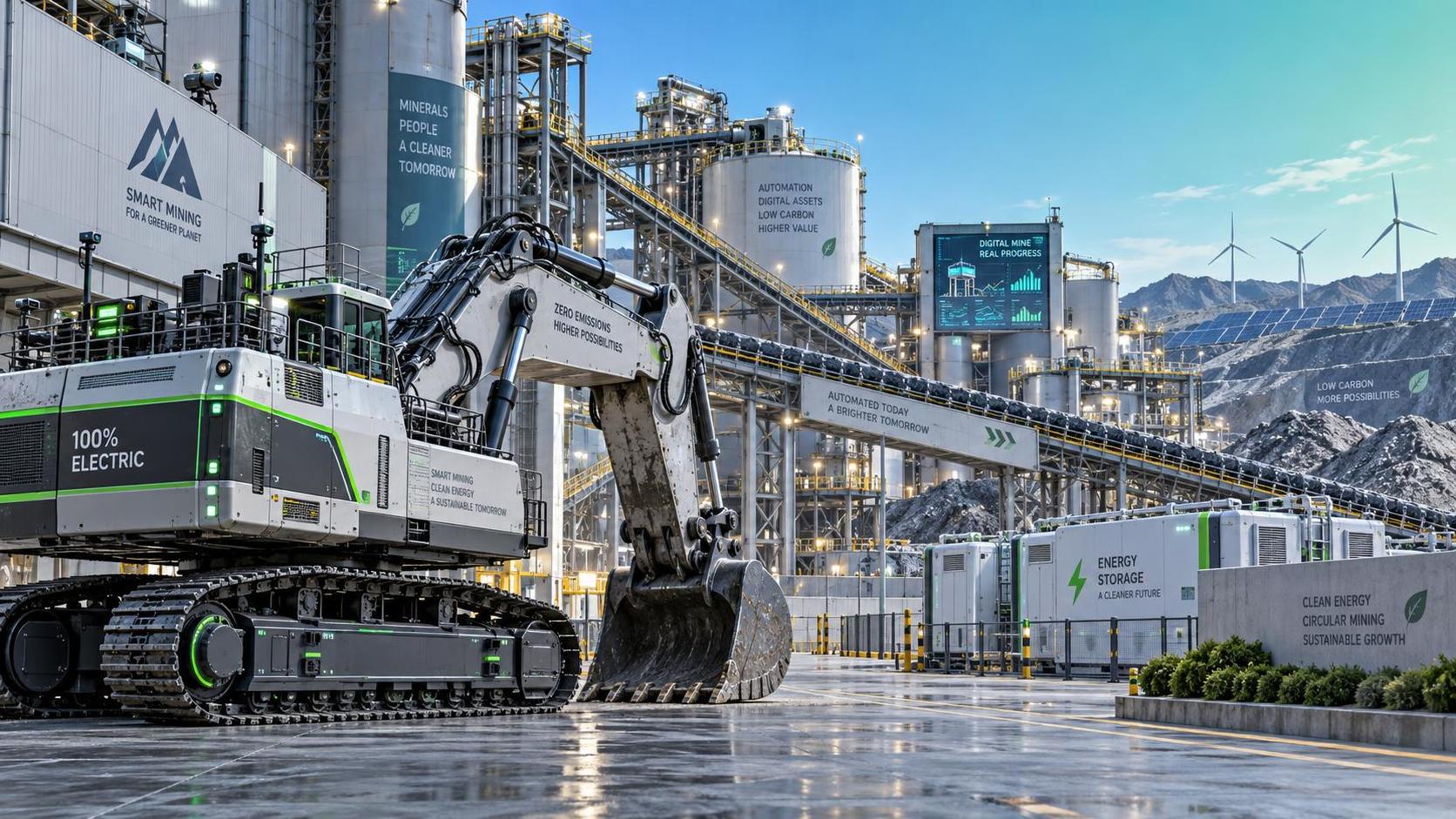
- Decarbonization goals are pushing cleaner, more efficient extraction methods.
As these signals intensify, resource development technology solutions are moving from optional optimization tools to core operational infrastructure.
The strongest drivers behind safer extraction are technological, operational, and strategic
Safer extraction does not depend on one device. It emerges from connected capabilities that improve prediction, control, and response quality.
Digital visibility is changing how extraction risk is identified and controlled
One of the biggest advances is the rise of continuous visibility. Sites no longer rely only on scheduled inspections or delayed incident reporting.
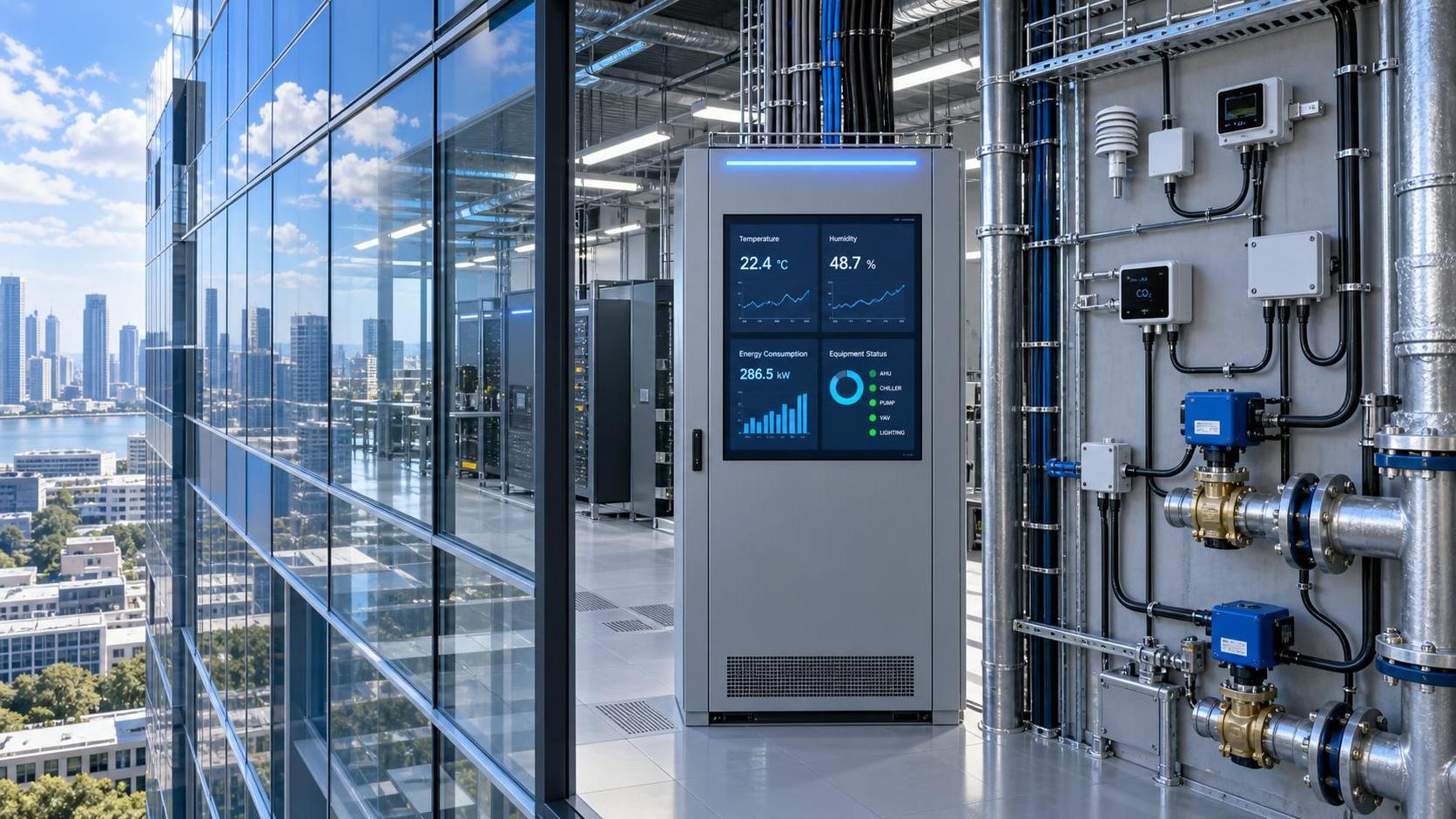
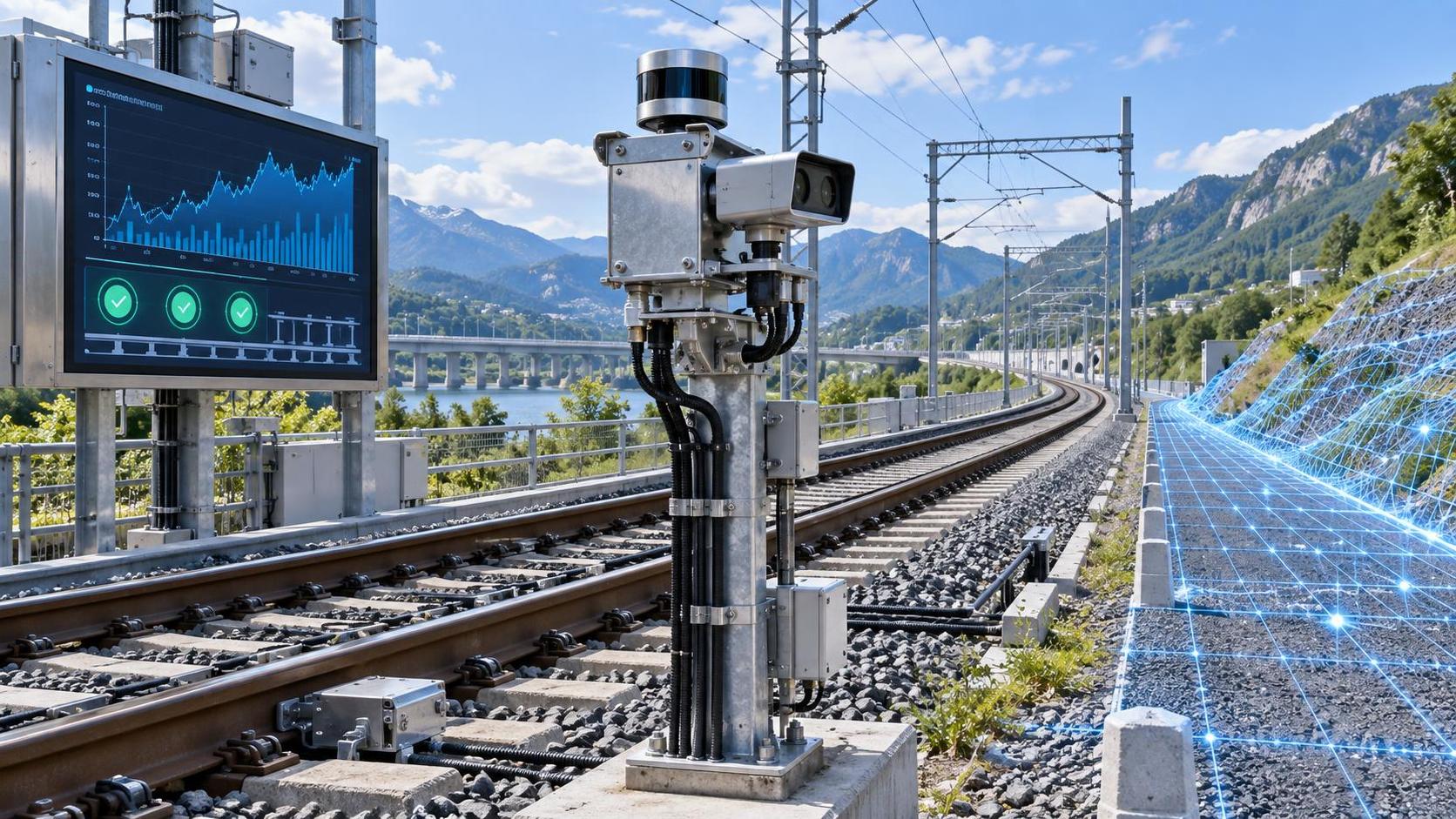
Modern resource development technology solutions use IoT networks, digital twins, and edge analytics to detect abnormal conditions before failure occurs.
High-value safety applications
- Ground movement monitoring for slope and tunnel stability
- Ventilation optimization with gas and airflow sensors
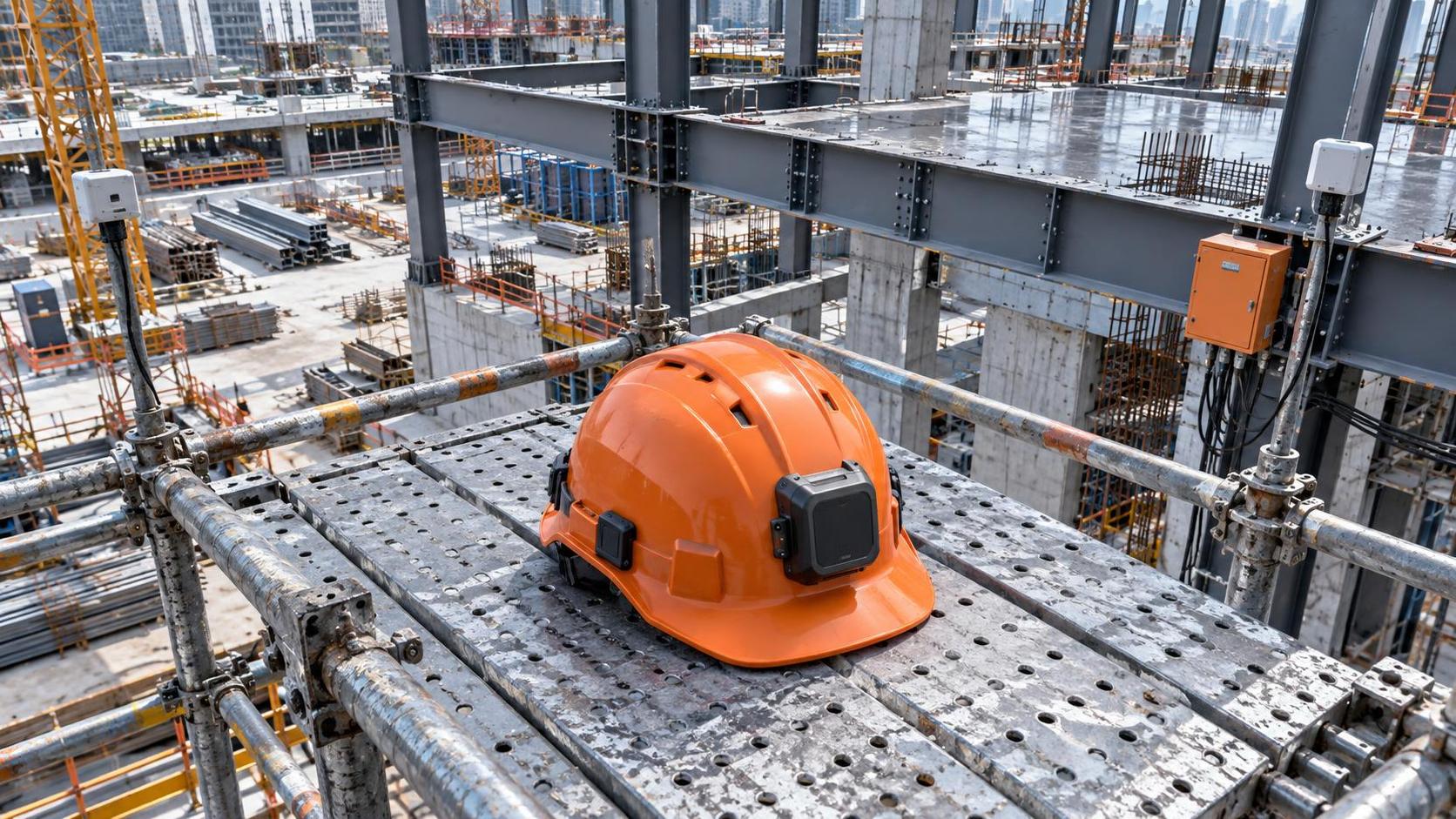
- Wearable tracking for personnel location and emergency response
- Predictive maintenance for pumps, drills, crushers, and haul systems
- Automated alerts linked to shutdown thresholds and evacuation protocols
These capabilities improve both routine management and rare-event preparedness, which is why digital monitoring now anchors many safer extraction programs.
Precision methods are reducing disturbance while improving operational confidence
Safer extraction also depends on how material is removed. Poor targeting can increase instability, overbreak, dust, waste volumes, and downstream handling risk.
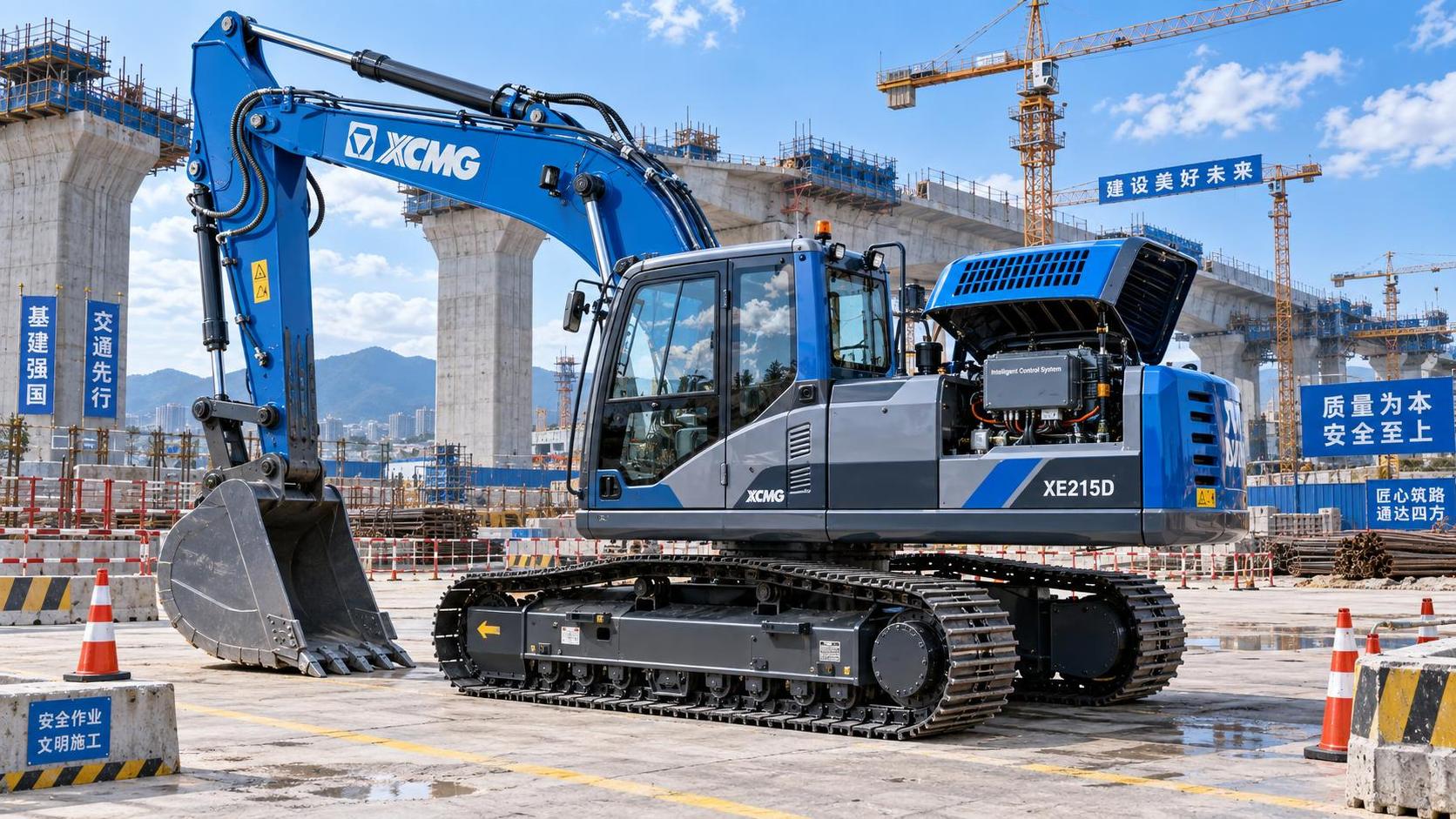
Advanced mapping, ore-body modeling, and machine guidance are making extraction sequences more exact and easier to verify.
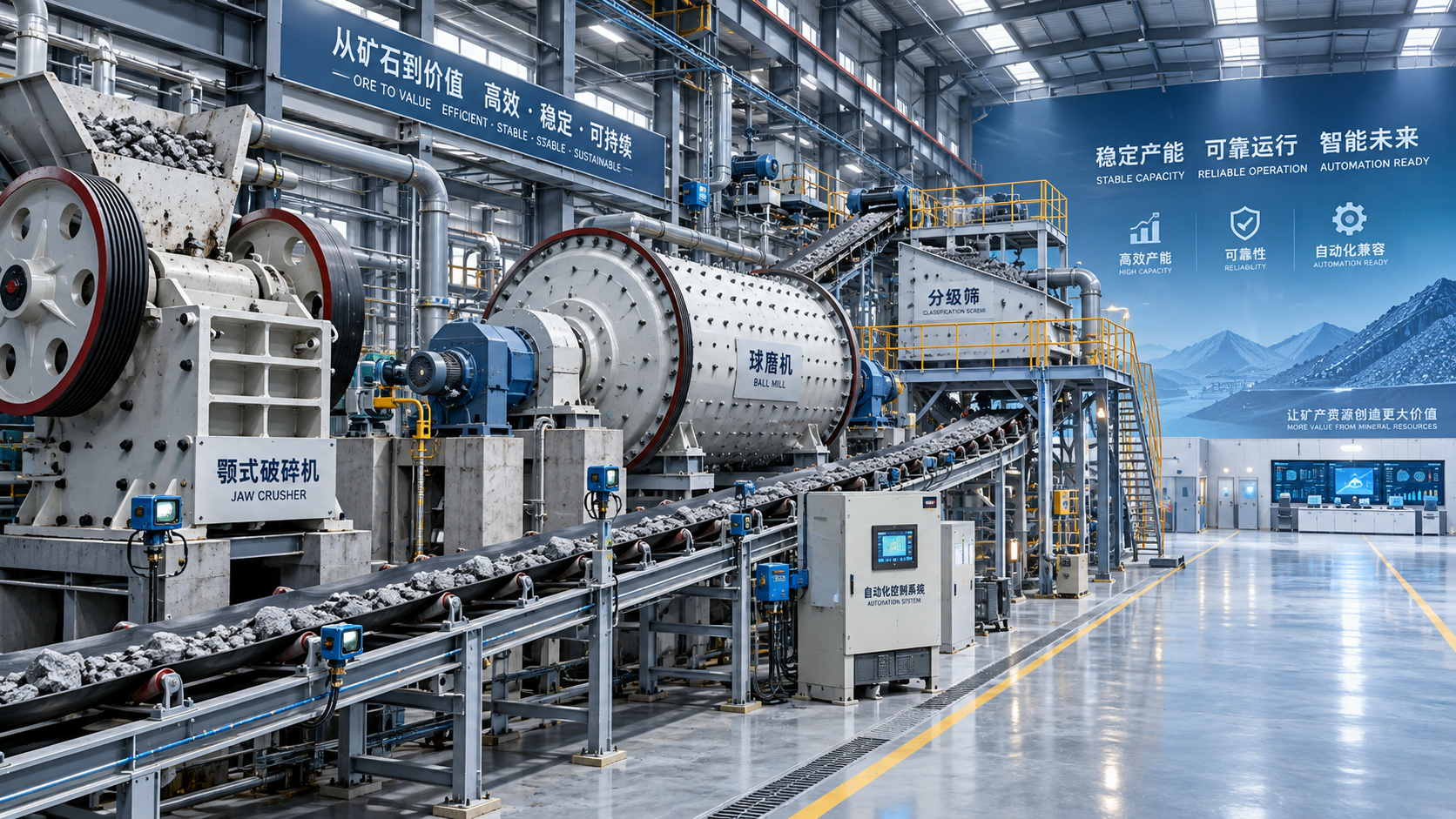
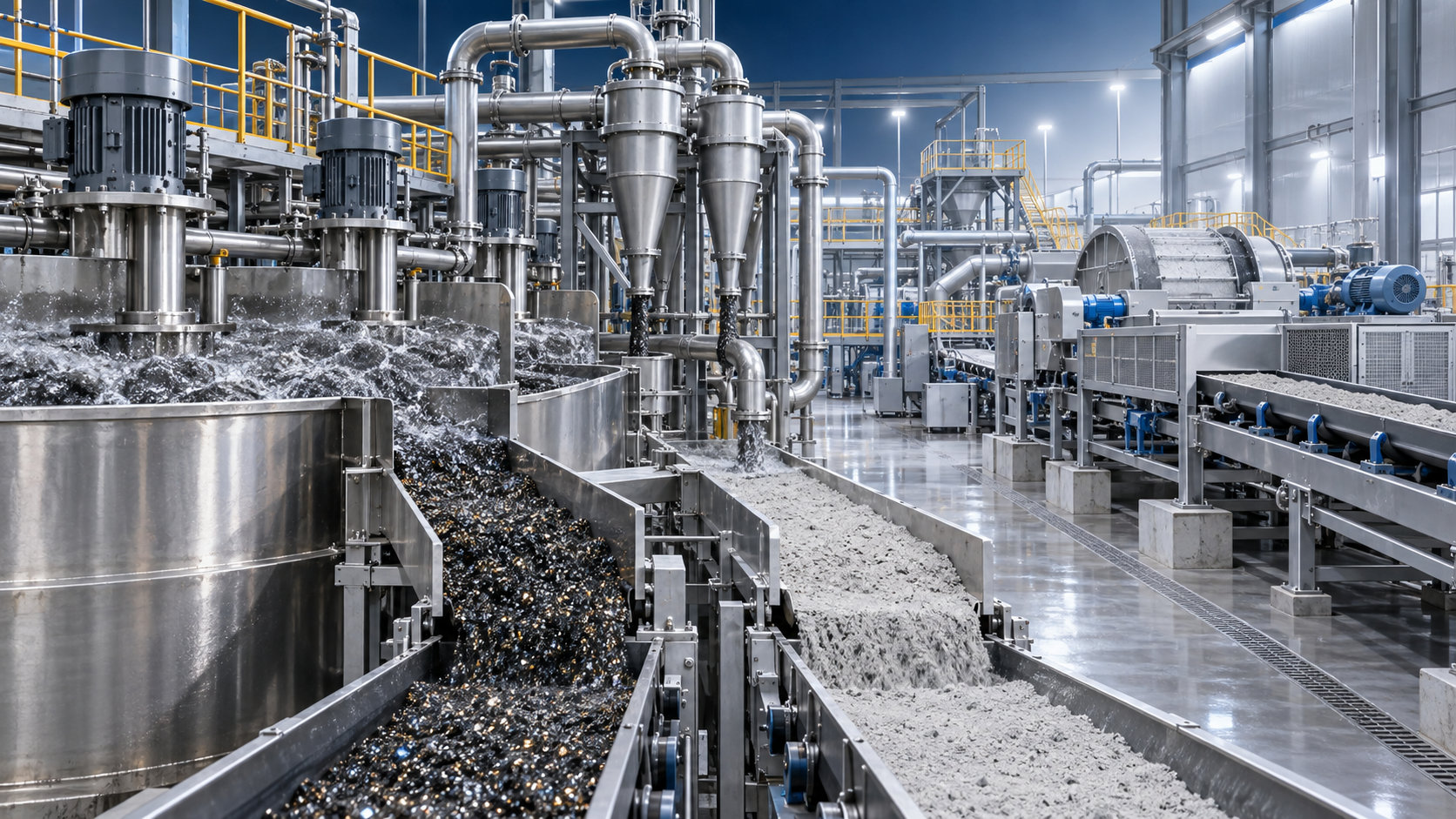
In practice, resource development technology solutions now support selective mining, optimized blast design, controlled fragmentation, and cleaner material separation.
That precision matters across the integrated industry landscape. Better extraction quality lowers transport inefficiency, processing stress, and equipment wear in later stages.
The impact extends beyond the pit, shaft, or processing edge
Safer extraction influences more than site operations. It affects infrastructure planning, equipment lifecycle management, environmental credibility, and project bankability.
Where the effects are most visible
- Engineering teams gain better planning data for roads, tunnels, and plant layouts.
- Heavy equipment fleets operate with fewer unplanned stoppages and safer maintenance windows.
- Urban and regional infrastructure projects receive more reliable raw material supply.
- Community and governance stakeholders see stronger accountability through traceable performance records.
This is why resource development technology solutions increasingly sit within a wider smart infrastructure discussion rather than a narrow extraction conversation.
The next priority is choosing solutions that strengthen resilience, not just add features
Not every system creates practical value. The strongest resource development technology solutions connect measurable risk reduction with operational usability.
Critical evaluation points
- Interoperability with existing fleet, SCADA, GIS, and maintenance platforms
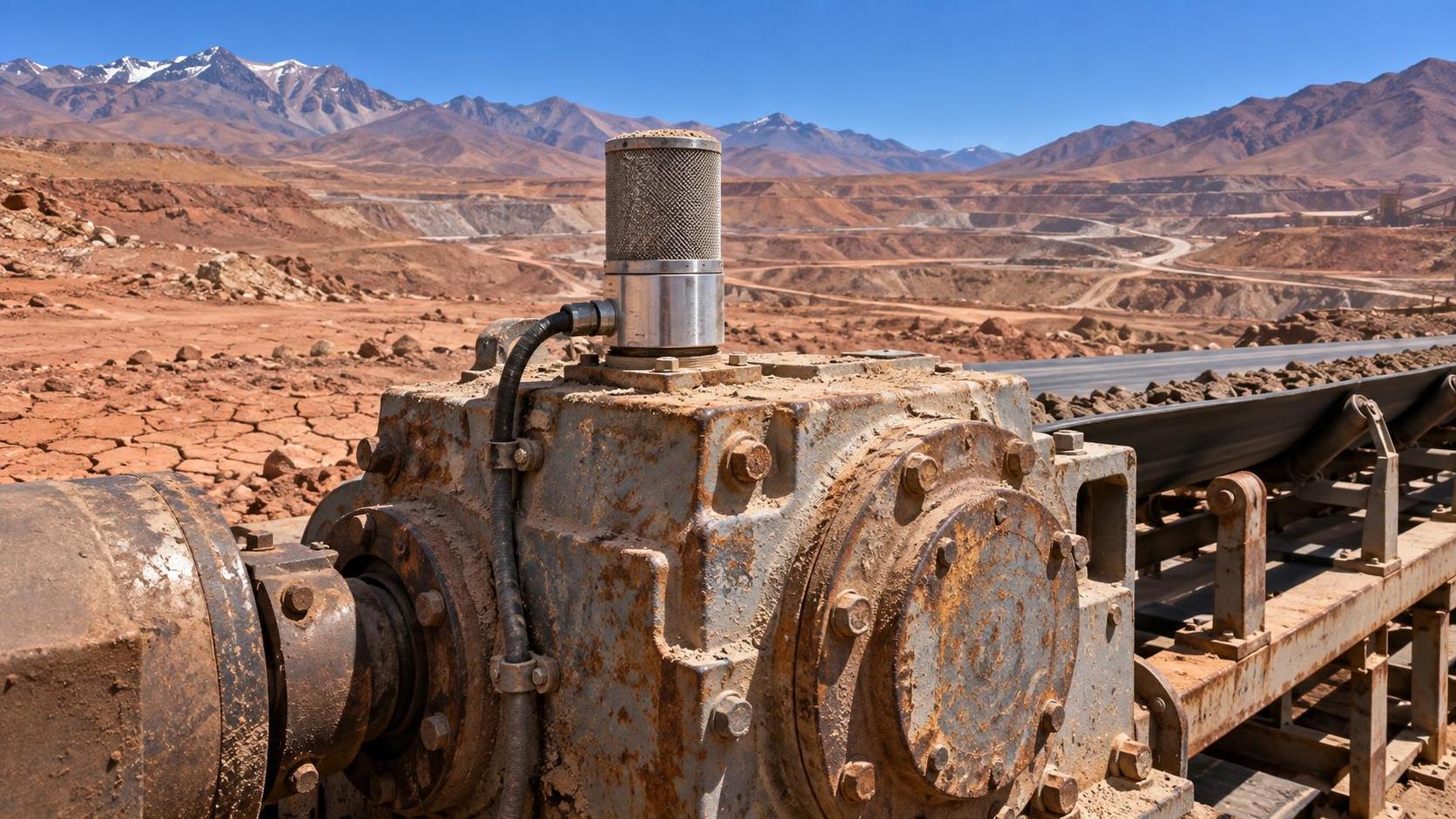
- Sensor reliability in dust, vibration, humidity, and remote conditions
- Alert quality that minimizes false alarms and escalation delays
- Cybersecurity for connected operational technology environments
- Training requirements for adoption across mixed technical skill levels
- Evidence of safety improvement, uptime gains, and lifecycle cost control
Solutions should be judged by field performance under pressure, not by dashboard complexity or isolated pilot results.
A phased response can turn technology investment into safer extraction outcomes
The most effective approach is staged deployment. Sites can improve safety faster by building from visibility to automation and then to predictive control.
What deserves immediate attention as the market continues to mature
The direction is clear. Safer extraction will increasingly depend on connected intelligence, remote capability, and disciplined integration across the asset lifecycle.
Resource development technology solutions that combine safety data, process control, and environmental accountability will likely define future project competitiveness.
Short-term wins usually come from better monitoring, clearer workflows, and targeted automation in the highest-risk zones.
Longer-term advantage comes from treating extraction as part of an intelligent infrastructure system, not an isolated industrial activity.
A practical next step is to align safety objectives with technology architecture
Begin with a site-level review of critical hazards, data blind spots, and failure points that interrupt safe production.
Then compare available resource development technology solutions against actual operating conditions, integration needs, and response requirements.
For organizations tracking infrastructure, mining, heavy equipment, and smart industrial systems, GIUT provides insight into the technologies shaping safer extraction at scale.
In a sector where risk, productivity, and sustainability now move together, stronger decisions start with clearer technical intelligence and a sharper view of what comes next.
Get weekly intelligence in your inbox.
No noise. No sponsored content. Pure intelligence.
News Recommendations
 Sep 19, 2026How an electronics application guide helps prevent component mismatchHow an electronics application guide helps prevent component mismatch
 Sep 18, 2026When a resource allocation platform improves project deliveryWhen a resource allocation platform improves project delivery
 Sep 17, 2026What to compare when evaluating mineral processing equipment manufacturersWhat to compare when evaluating mineral processing equipment manufacturers
 Sep 16, 2026How mineral separation optimization can reduce concentrate lossesHow mineral separation optimization can reduce concentrate losses
 Sep 15, 2026How to assess lifecycle costs in urban tech procurementHow to assess lifecycle costs in urban tech procurement
 Sep 14, 2026Heavy industry technology trends reshaping capital investment prioritiesHeavy industry technology trends reshaping capital investment priorities
 Sep 14, 2026Global Industrial Equipment Procurement: How Top OEMs Qualify Suppliers for Mining & Infrastructure ProjectsGlobal Industrial Equipment Procurement: How Top OEMs Qualify Suppliers for Mining & Infrastructure Projects
 Sep 14, 2026Industrial & Mining Equipment Procurement: Balancing Local Sourcing, Lead Time, and Certification RequirementsIndustrial & Mining Equipment Procurement: Balancing Local Sourcing, Lead Time, and Certification Requirements
 Sep 14, 2026Infrastructure & Equipment Upgrades: What Procurement Teams Must Verify Before Signing Off on New ContractsInfrastructure & Equipment Upgrades: What Procurement Teams Must Verify Before Signing Off on New Contracts
 Sep 14, 2026Why Infrastructure Equipment Buyers Are Shifting from Catalog-Based to Capability-Based Supplier SelectionWhy Infrastructure Equipment Buyers Are Shifting from Catalog-Based to Capability-Based Supplier Selection
 Sep 14, 2026Process Automation Project Execution: How to Align Supplier Capabilities with PLC Integration, Cybersecurity & Commissioning MilestonesProcess Automation Project Execution: How to Align Supplier Capabilities with PLC Integration, Cybersecurity & Commissioning Milestones
 Sep 14, 2026Are intelligent traffic systems worth the investment for small cities?Are intelligent traffic systems worth the investment for small cities?
 Sep 14, 2026How do intelligent traffic systems handle sensor failures?How do intelligent traffic systems handle sensor failures?
 Sep 14, 2026What should I check before accepting a smart building system?What should I check before accepting a smart building system?
 Sep 14, 2026Is a smart building system worth the maintenance cost?Is a smart building system worth the maintenance cost?
 Sep 14, 2026What data is needed for reliable resource allocation planning?What data is needed for reliable resource allocation planning?
 Sep 14, 2026How can resource allocation software reduce equipment idle time?How can resource allocation software reduce equipment idle time?
 Sep 14, 2026How should smart devices be maintained in harsh outdoor conditions?How should smart devices be maintained in harsh outdoor conditions?
 Sep 14, 2026Do smart devices improve worker safety on construction sites?Do smart devices improve worker safety on construction sites?
 Sep 14, 2026What environmental risks must be assessed before deep-sea mining?What environmental risks must be assessed before deep-sea mining?
 Sep 14, 2026Is deep-sea mining equipment commercially viable in 2026?Is deep-sea mining equipment commercially viable in 2026?
 Sep 14, 2026What Inspection Checks Should Procurement Teams Perform Before Ordering Dredging Equipment in 2026?What Inspection Checks Should Procurement Teams Perform Before Ordering Dredging Equipment in 2026?
 Sep 13, 2026How to verify an industrial product information source before specifying equipmentHow to verify an industrial product information source before specifying equipment
 Sep 12, 2026Which intelligent traffic systems hardware fits an urban intersection?Which intelligent traffic systems hardware fits an urban intersection?
 Sep 11, 2026How pump capacity affects response coverage for municipal fire fighting vehiclesHow pump capacity affects response coverage for municipal fire fighting vehicles
 Sep 10, 2026What to verify before choosing a heavy industry equipment supplierWhat to verify before choosing a heavy industry equipment supplier
 Sep 09, 2026When do adaptive urban traffic control systems reduce corridor delays?When do adaptive urban traffic control systems reduce corridor delays?