Digital Twin Technology in 2026: What Delivers Measurable Site Gains
In 2026, digital twin technology is moving beyond pilot projects to deliver measurable site gains in productivity, safety, asset visibility, and cost control. For enterprise decision-makers in infrastructure, construction, and urban systems, the real question is no longer whether to adopt it, but which use cases generate verifiable ROI and scalable operational impact.
Across construction sites, rail corridors, municipal networks, mines, and heavy equipment fleets, executive teams are under pressure to reduce rework, improve uptime, and make capital allocation decisions with better operational evidence. That is where digital twin technology is proving its value.
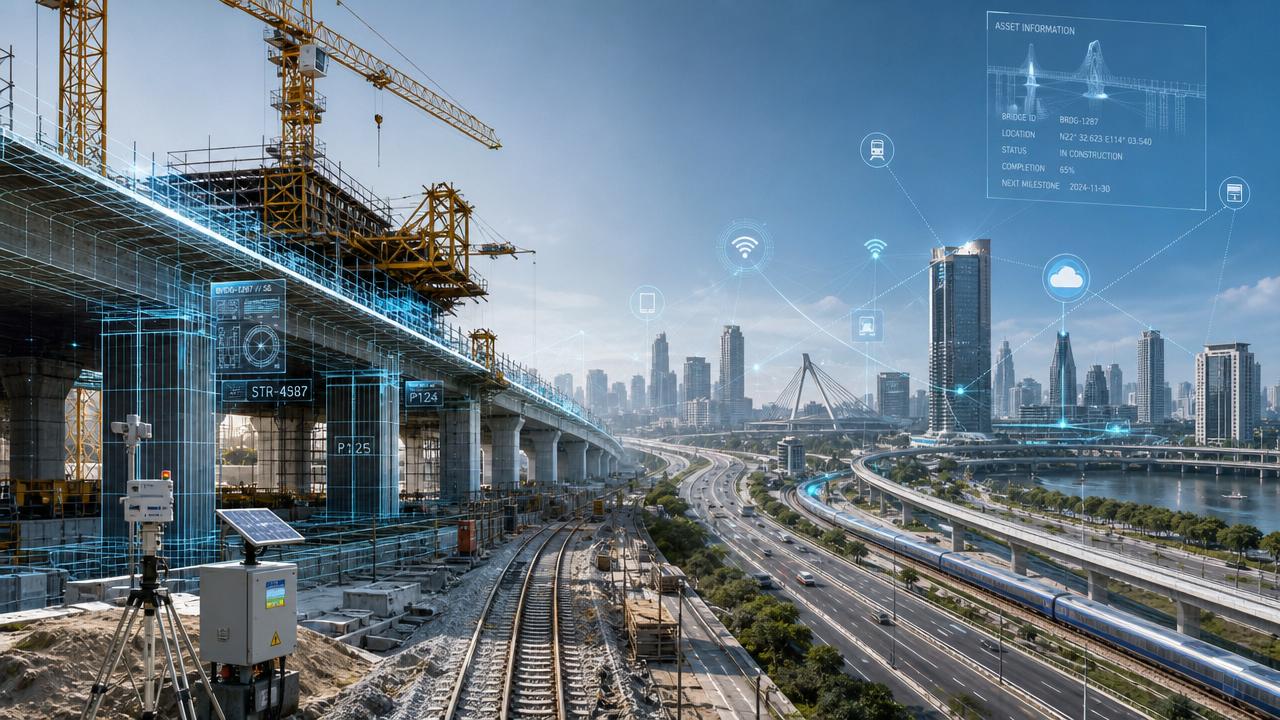
A mature digital twin is no longer just a 3D model. It is a connected operational layer that combines BIM, IoT data, GIS context, equipment telemetry, maintenance history, and workflow logic. When deployed well, it shortens decision cycles from weeks to days and turns fragmented site data into measurable action.
Why Digital Twin Technology Delivers Measurable Site Gains in 2026
In heavy industry and urban infrastructure, the largest gains rarely come from visualization alone. They come from linking design intent, field conditions, and live asset performance in one operating environment. That shift matters when a project spans 12 to 36 months, involves 5 to 20 major contractors, and carries high safety and downtime risks.
From static models to live operational intelligence
In 2026, enterprise buyers increasingly expect digital twin technology to support at least 4 functions: site progress tracking, safety monitoring, asset health visibility, and scenario simulation. Systems that only replicate geometry without integrating sensors, schedules, and maintenance data usually fail to generate board-level ROI.
For example, a smart jobsite twin may combine drone capture every 7 days, equipment telemetry updated every 15 minutes, and schedule synchronization once per shift. That operating rhythm allows managers to identify clashes, delays, and underused assets before they create downstream cost.
The business problems it solves first
- Rework caused by design-to-field mismatch, often detected too late in concrete, steel, or MEP installation phases.
- Low visibility across dispersed assets such as cranes, rail systems, pumping stations, or mine ventilation networks.
- Slow incident response when site events, alarms, and maintenance records sit in separate systems.
- Capital inefficiency when replacement and repair decisions are made without condition-based evidence.
Typical gain categories executives can measure
Decision-makers usually evaluate digital twin technology against 5 indicators: schedule adherence, labor productivity, incident frequency, equipment uptime, and lifecycle cost predictability. In practice, even a 3% to 8% improvement in one category can justify expansion when applied across large portfolios.
The table below outlines where measurable gains most often appear first in infrastructure and industrial settings.
The key takeaway is that measurable site gains come from integration depth, update frequency, and operational use. Digital twin technology creates value when site teams act on it daily, not when it is reviewed only in executive presentations.
High-ROI Use Cases Across Infrastructure, Urban Systems, and Heavy Industry
Not every deployment should start with the same scope. For enterprise portfolios, the strongest early returns usually come from use cases where downtime is expensive, workflows are repetitive, and data already exists in at least 2 or 3 systems. That makes digital twin technology easier to operationalize within the first 90 to 180 days.
Construction and smart building delivery
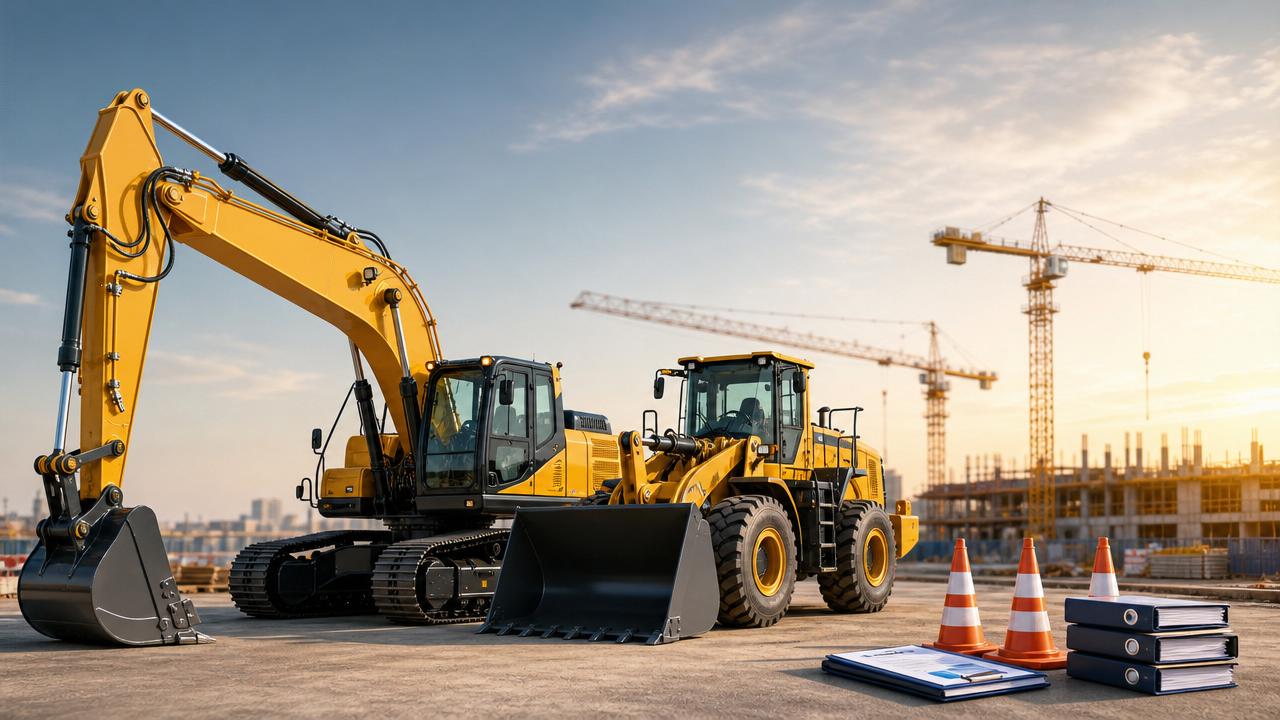
On large jobsites, digital twins help compare planned versus actual progress, validate prefabricated component installation, and detect sequencing risks. This is especially useful in projects with high MEP density, multi-trade interfaces, or modular delivery windows measured in hours rather than days.
A practical threshold is to prioritize packages that represent 20% of the schedule risk or 30% of rework exposure. Structural interfaces, facade installation, and plant-room coordination often fit that profile.
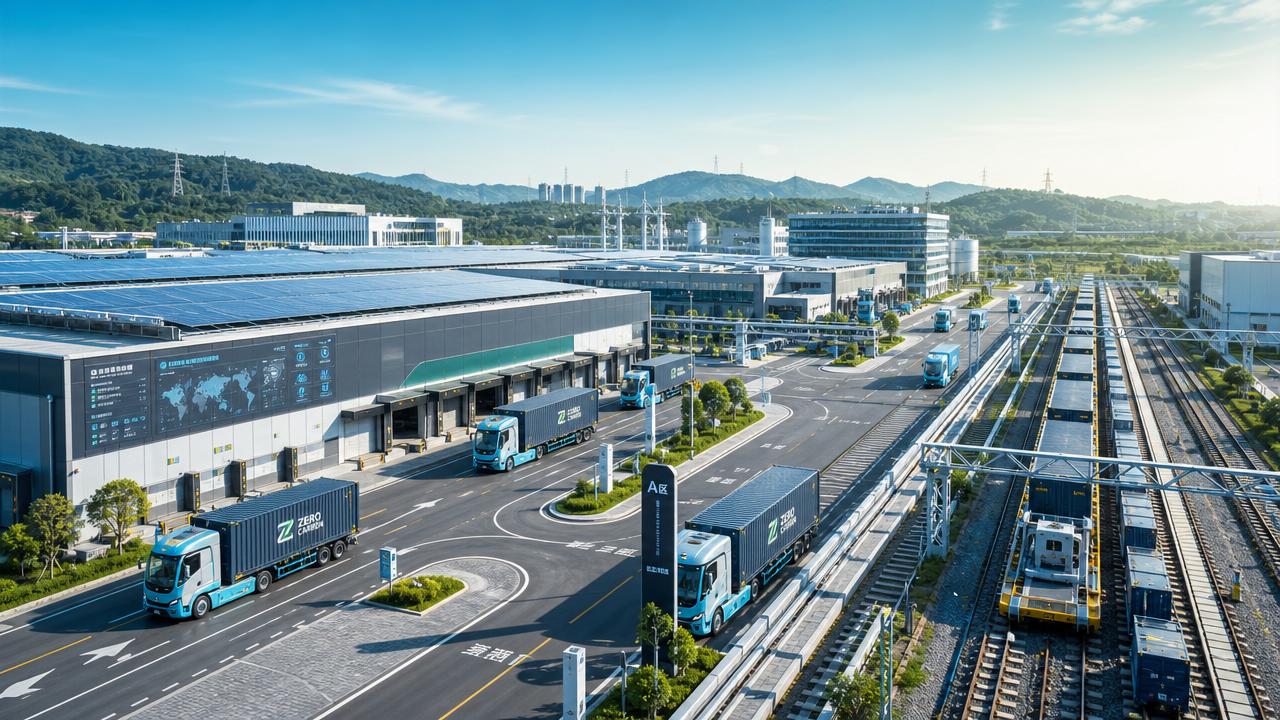
Railway, signaling, and logistics corridors
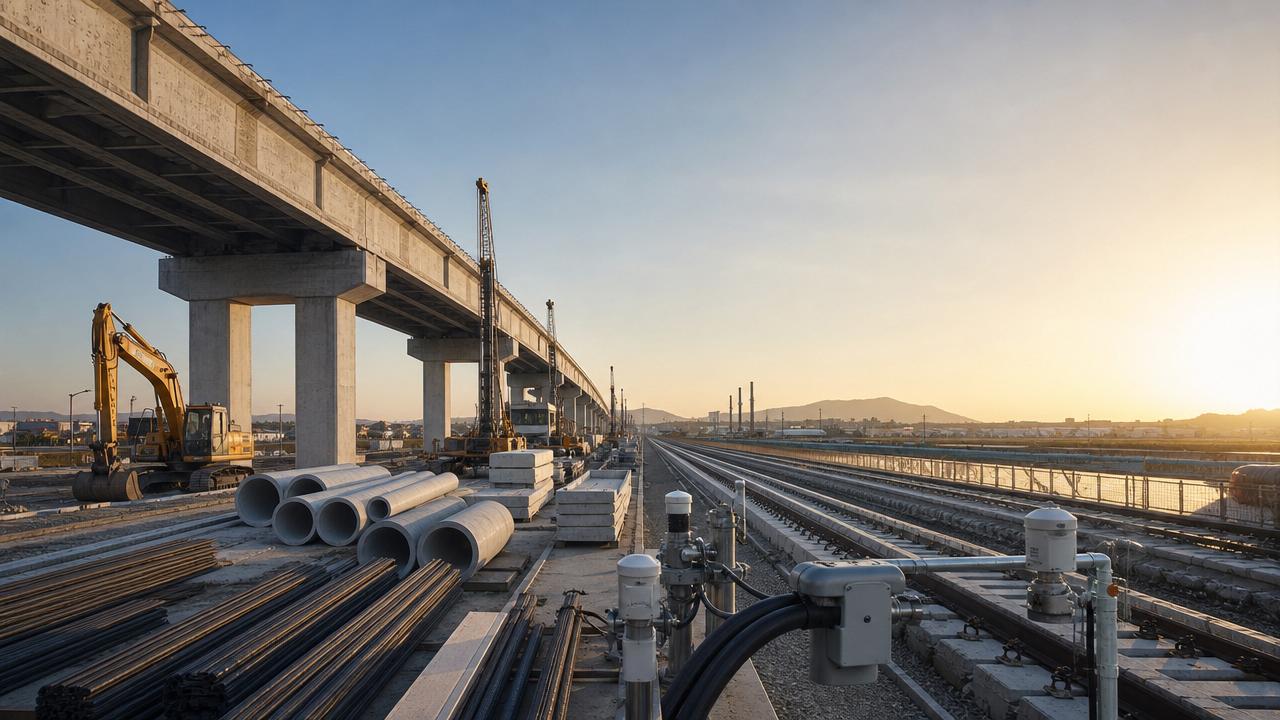
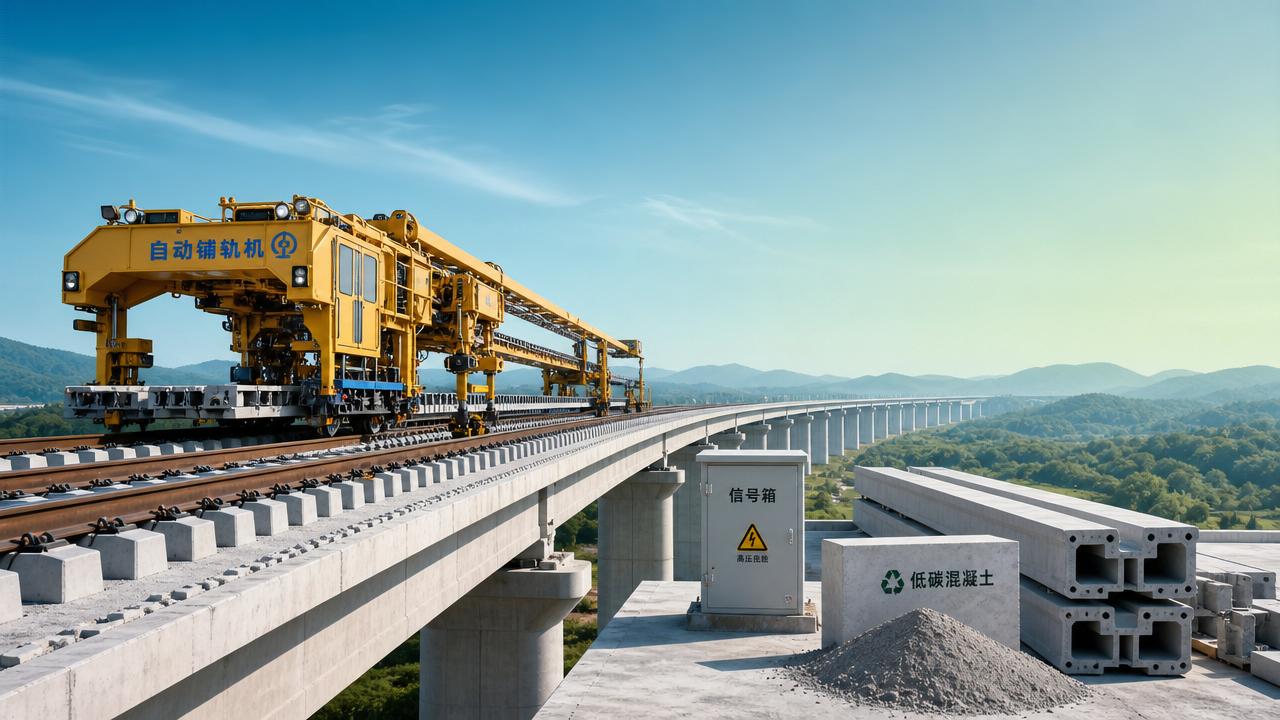
Rail environments benefit when digital twin technology consolidates track condition data, signaling status, maintenance windows, and rolling asset positions. The gain is not just visibility. It is better possession planning, fewer disruption conflicts, and more accurate intervention timing over 24-hour operating cycles.
For operators managing hundreds of kilometers, even a small reduction in unscheduled maintenance can protect timetable reliability and lower emergency crew deployment costs.
Mining, resource extraction, and site safety
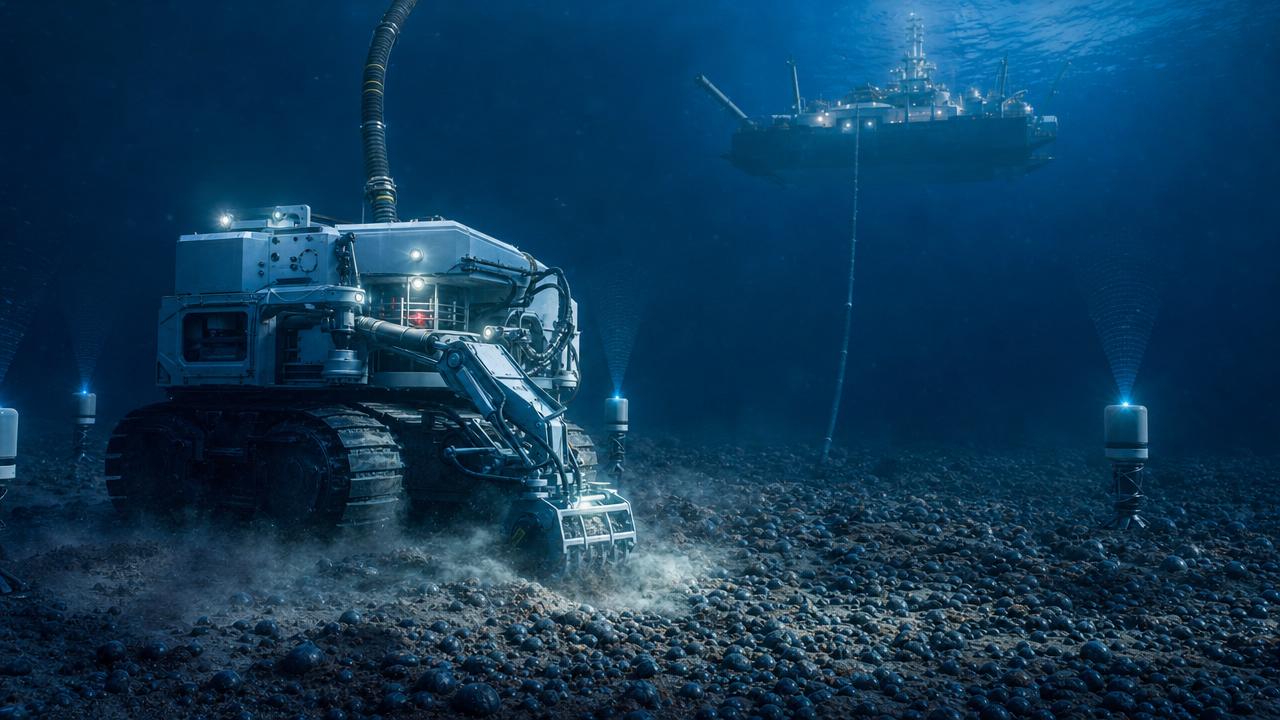
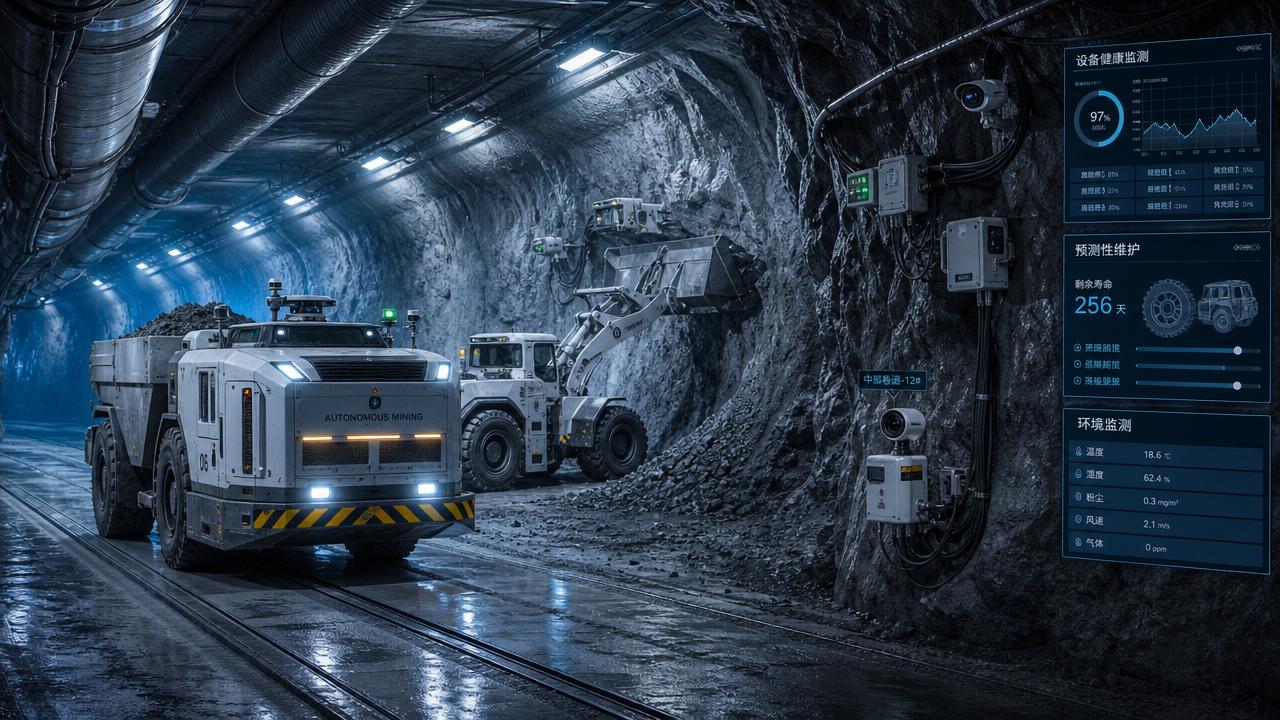
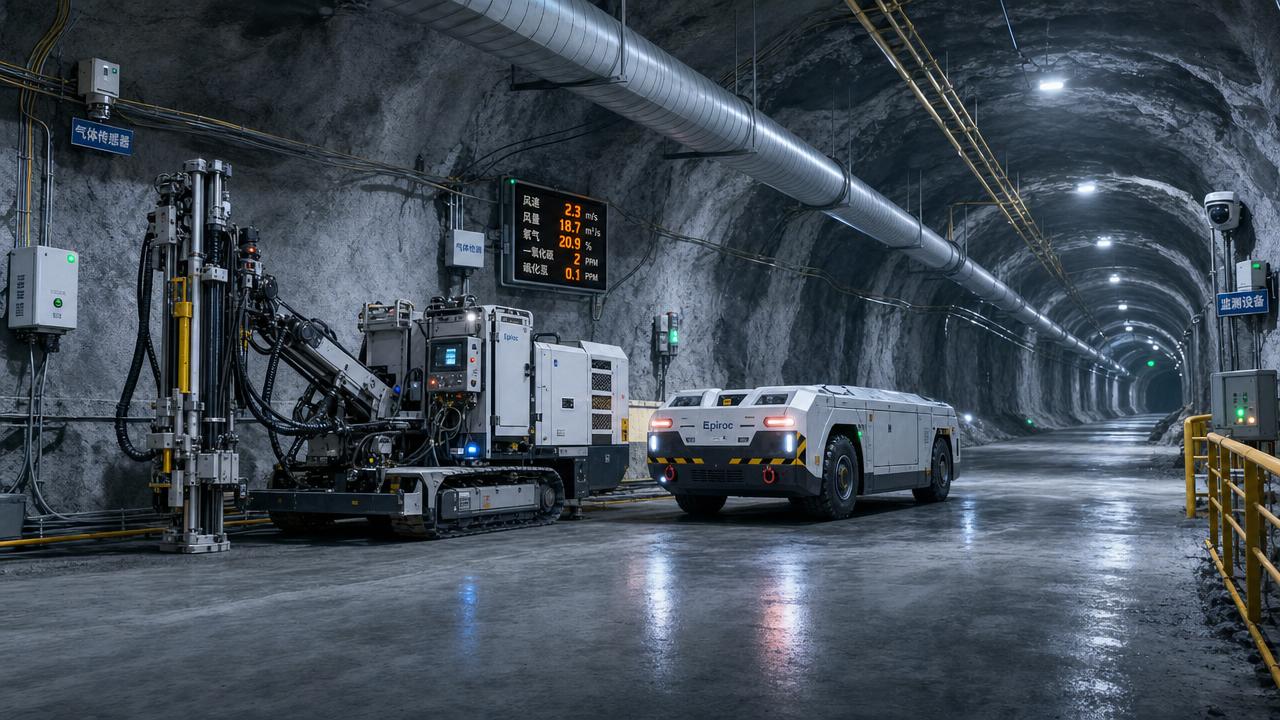
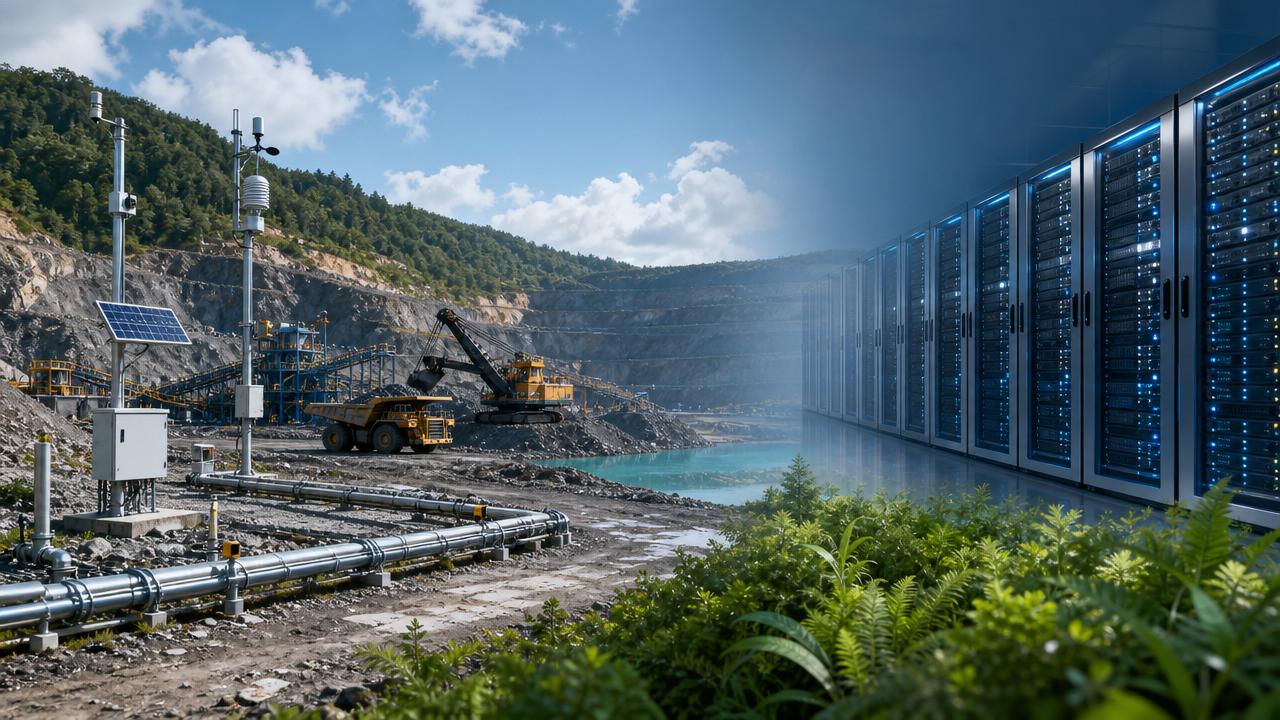
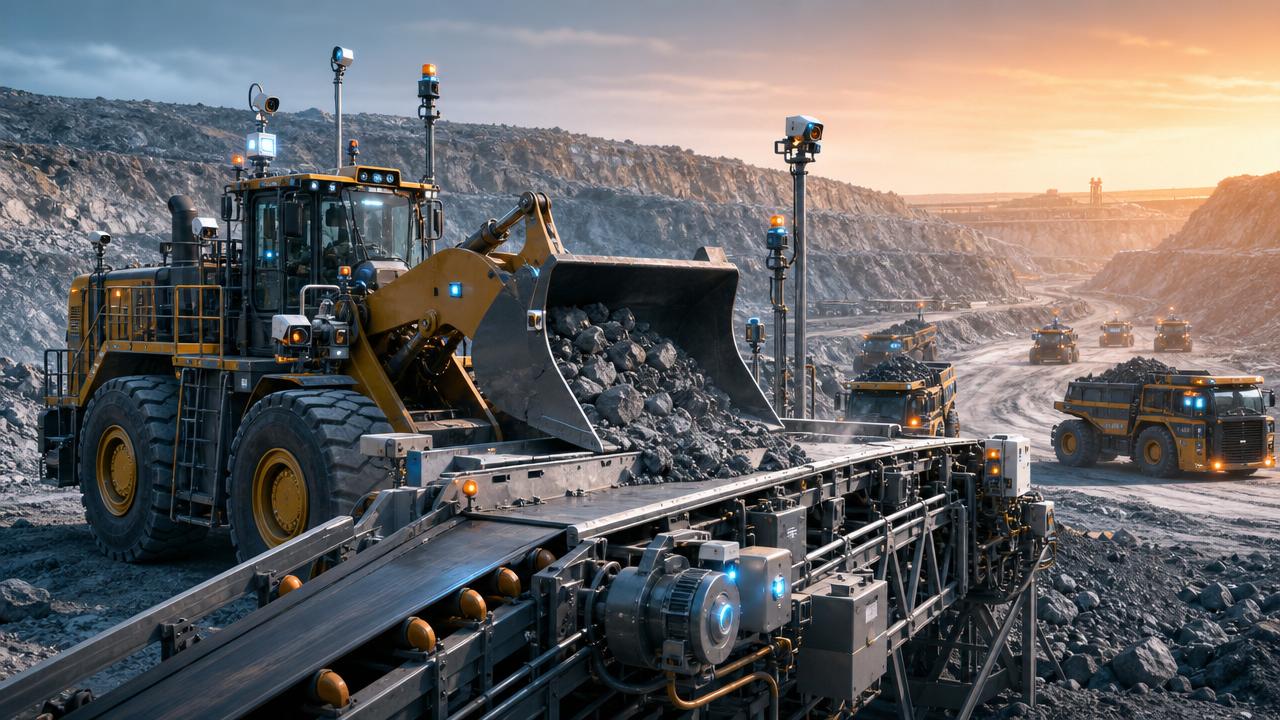
In mining and resource environments, the twin becomes a live risk interface. It can combine fleet paths, geotechnical data, ventilation conditions, equipment health, and restricted-area status. That supports decisions where safety windows may be measured in minutes and haulage losses can escalate quickly.
Urban utilities and smart governance
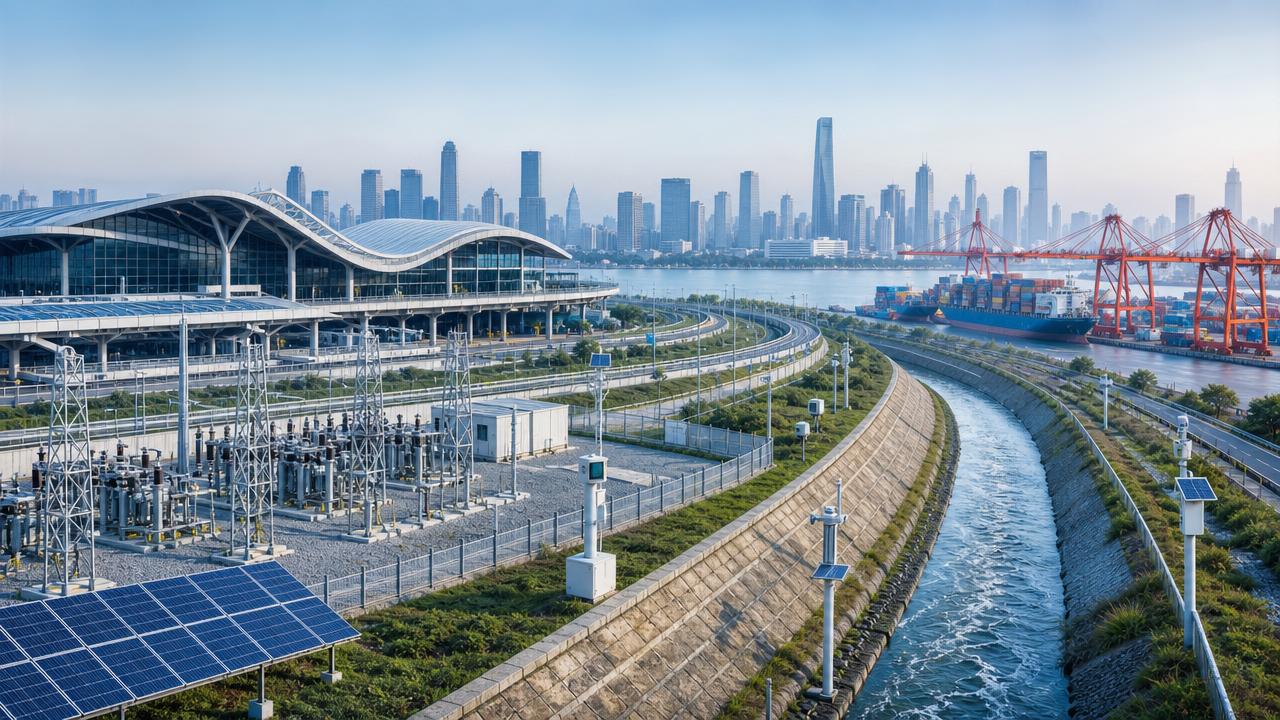
For cities and utilities, digital twin technology is most effective when used to manage interdependent systems: traffic, drainage, power, public safety, and waste flows. Instead of responding department by department, operators can model knock-on effects across a district, station, or utility zone.
The comparison below helps decision-makers identify which use cases typically move fastest from pilot to scale.
The most scalable route is usually to start with one high-friction process, prove value against 3 to 5 KPIs, then extend the same data architecture across adjacent assets or sites.
How Enterprise Buyers Should Evaluate Platforms, Integrations, and Delivery Risk
Many digital twin programs stall because procurement focuses on front-end visualization instead of operational fit. For enterprise decision-makers, selection should be based on integration, governance, and adoption. A polished dashboard has limited value if field teams still rely on spreadsheets and delayed reports.
Five evaluation criteria that matter most
- Data interoperability with BIM, GIS, IoT, SCADA, CMMS, ERP, or scheduling tools.
- Update frequency, including whether critical asset data refreshes in near real time or once per day.
- Role-based usability for executives, project managers, operators, and maintenance teams.
- Security, data ownership, and governance across contractors, authorities, and asset operators.
- Implementation path, including a 3-stage rollout rather than a high-risk big-bang deployment.
Questions to ask before signing
Buyers should ask how long it takes to connect the first 5 to 10 data sources, what level of model accuracy is needed for each use case, and which workflows will change within the first quarter. If the vendor cannot map benefits to specific operational routines, the rollout risk rises.
It is also important to separate strategic twins from experimental features. AI-based forecasting may be valuable, but if asset registers are incomplete or sensor uptime is below 95%, predictive outputs will not be reliable enough for critical operations.
Common mistakes in procurement and rollout
- Starting with a full-enterprise scope before proving one operational use case.
- Ignoring data governance between owner, EPC, operator, and service contractors.
- Assuming 3D visualization alone will drive adoption without workflow redesign.
- Failing to define baseline KPIs before implementation, making ROI impossible to verify.
A Practical Implementation Roadmap for 2026
The most effective digital twin technology programs follow a phased model. Instead of pursuing a perfect replica from day one, leading teams build around the decisions that need to improve first. That keeps scope controlled and makes value visible within 12 to 24 weeks.
Phase 1: Define the operating case
Start with one asset class, one site type, or one process bottleneck. Examples include tower crane utilization, rail maintenance planning, pumping station fault response, or mine fleet coordination. Define 3 to 5 KPIs and capture the current baseline over at least 4 weeks.
Phase 2: Connect the minimum viable data stack
A minimum viable twin typically requires geometry or spatial context, one operational data source, one maintenance or work-order source, and a refresh logic. This stack is often sufficient to support initial gains without waiting for enterprise-wide harmonization.
Phase 3: Embed decisions into daily operations
The twin should appear in routine site meetings, exception handling, dispatch planning, and maintenance reviews. If supervisors use it only for monthly reporting, the system becomes a presentation layer rather than an operational one.
Governance and scaling rules
Once the first deployment proves value, expansion should follow a repeatable pattern: standard data definitions, role permissions, device onboarding rules, and KPI logic. That structure supports scale across 3, 10, or 50 assets without rebuilding the architecture each time.
For organizations spanning infrastructure delivery and long-term operations, this is where digital twin technology becomes strategically important. It creates a continuous thread from planning to commissioning to maintenance, allowing one asset history instead of disconnected lifecycle records.
What Decision-Makers Should Do Next
In 2026, the strongest business case for digital twin technology is not based on novelty. It is based on measurable site gains, faster decisions, and lower uncertainty across complex physical systems. For infrastructure owners, contractors, utilities, and industrial operators, the priority is to select use cases where operational friction is already visible and data can be activated quickly.
Organizations that move first with a disciplined scope, a 90-day value target, and a clear governance model are far more likely to scale successfully than those pursuing oversized transformation programs. The opportunity is especially strong where construction, asset management, and urban operations increasingly intersect.
GIUT supports enterprise leaders with sector-focused insight across construction, smart urban systems, mining, rail infrastructure, and heavy equipment modernization. If you are assessing digital twin technology for measurable ROI, risk reduction, or portfolio-scale deployment, contact us to explore a tailored roadmap, compare viable use cases, and learn more solutions built for complex infrastructure environments.
Get weekly intelligence in your inbox.
No noise. No sponsored content. Pure intelligence.
News Recommendations
 Jun 01, 2026Infrastructure Encyclopedia: A Practical Guide to Core TermsInfrastructure Encyclopedia: A Practical Guide to Core Terms
 Jun 01, 2026Deep-Sea Mining Technology: Benefits and Safety RisksDeep-Sea Mining Technology: Benefits and Safety Risks
 Jun 01, 2026Fire Trucks: Specs That Matter for Urban ResponseFire Trucks: Specs That Matter for Urban Response
 Jun 01, 2026How to Evaluate a Heavy Industry Machinery ExporterHow to Evaluate a Heavy Industry Machinery Exporter
 Jun 01, 2026Infrastructure Construction Projects: Key Cost Risks in 2026Infrastructure Construction Projects: Key Cost Risks in 2026
 May 31, 2026Heavy Equipment Selection: Key Specs Before PurchaseHeavy Equipment Selection: Key Specs Before Purchase
 May 31, 2026Carbon Reduction Strategies That Lower Operating CostsCarbon Reduction Strategies That Lower Operating Costs
 May 31, 2026Carbon Reduction Standards: Compliance Risks to Check FirstCarbon Reduction Standards: Compliance Risks to Check First
 May 31, 2026Mining Technology Innovations That Cut Downtime UndergroundMining Technology Innovations That Cut Downtime Underground
 May 31, 2026How Logistics Arteries Shape Freight Cost Risk in 2026How Logistics Arteries Shape Freight Cost Risk in 2026
 May 30, 2026Heavy Industry Maintenance Costs: What Impacts ROIHeavy Industry Maintenance Costs: What Impacts ROI
 May 30, 2026Choosing Mining Technology Equipment for Safer ExtractionChoosing Mining Technology Equipment for Safer Extraction
 May 30, 2026High-Speed Rail Construction Trends to Watch in 2026High-Speed Rail Construction Trends to Watch in 2026
 May 30, 2026Cost Risks in Large Infrastructure Construction ProjectsCost Risks in Large Infrastructure Construction Projects
 May 30, 2026Digital Twin Use Cases in Infrastructure Construction ProjectsDigital Twin Use Cases in Infrastructure Construction Projects
 May 29, 2026Heavy Equipment for Construction: Buy or Lease?Heavy Equipment for Construction: Buy or Lease?
 May 29, 2026Resource Development Technology Solutions: Selection ChecklistResource Development Technology Solutions: Selection Checklist
 May 29, 2026Mining Technology Innovations That Cut DowntimeMining Technology Innovations That Cut Downtime
 May 29, 2026Global Infrastructure Risks Reshaping Project PlanningGlobal Infrastructure Risks Reshaping Project Planning
 May 29, 2026Smart Grids Solutions: 2026 Cost and Reliability TrendsSmart Grids Solutions: 2026 Cost and Reliability Trends
 May 28, 2026Smart Grids Technology: Cost vs ROI in 2026 UpgradesSmart Grids Technology: Cost vs ROI in 2026 Upgrades
 May 28, 2026Smart Building Technology Trends Shaping 2026 ProjectsSmart Building Technology Trends Shaping 2026 Projects
 May 28, 2026Cranes Supplier Checklist for Safer Lift PlanningCranes Supplier Checklist for Safer Lift Planning
 May 28, 2026Deep-Sea Mining Equipment: Key Reliability Risks in 2026Deep-Sea Mining Equipment: Key Reliability Risks in 2026
 May 28, 2026How to Compare a Heavy Equipment Manufacturer in 2026How to Compare a Heavy Equipment Manufacturer in 2026
 May 27, 2026Civil Engineering Projects: Budget Risks in Early PlanningCivil Engineering Projects: Budget Risks in Early Planning
 May 27, 2026Concrete Mixers for Construction: Costly Mistakes to AvoidConcrete Mixers for Construction: Costly Mistakes to Avoid