Deep-Sea Mining Equipment: Key Reliability Risks in 2026
As deep-sea mining equipment approaches commercial use in 2026, reliability is no longer a secondary engineering concern.
It is the main filter for technical evaluation, system approval, and offshore lifecycle planning.
In harsh subsea environments, a single weak component can trigger downtime, safety exposure, and major recovery expense.
This guide explains the key reliability risks in deep-sea mining equipment and how to assess them before deployment.
Why is reliability the defining issue for deep-sea mining equipment in 2026?
Deep-sea mining equipment operates where inspection, repair, and rescue are difficult, slow, and expensive.
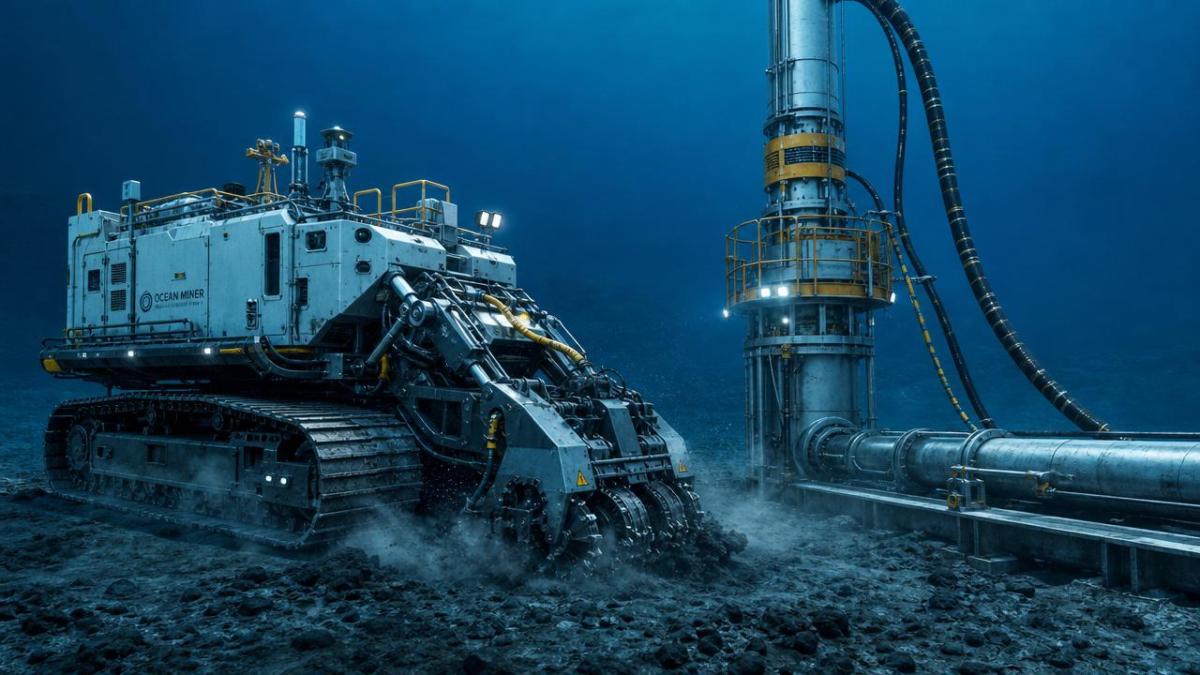
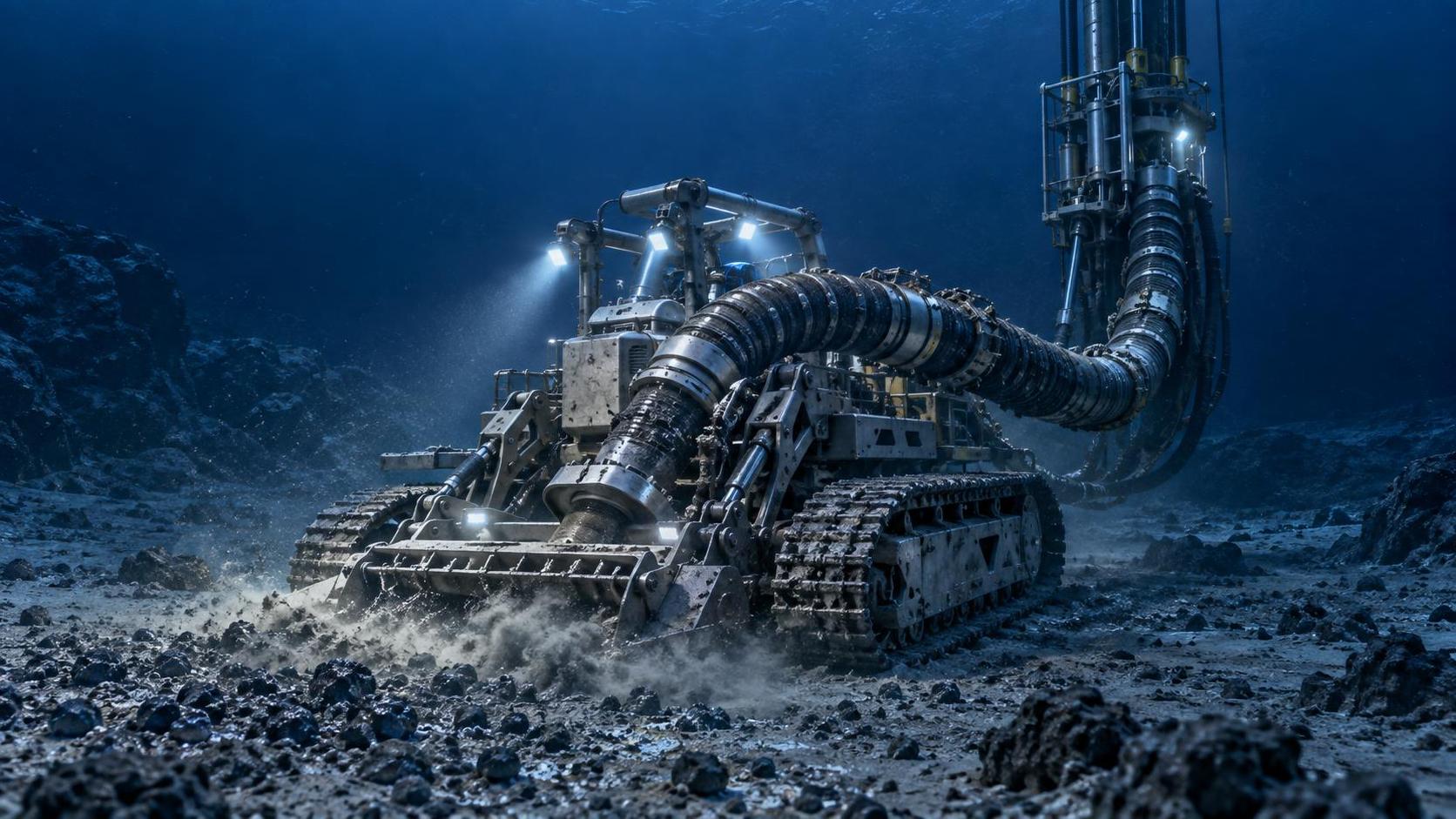
Unlike shallow-water machinery, subsea collectors, riser systems, crawler platforms, and seabed tools face constant hydrostatic pressure and corrosive exposure.
In 2026, reliability matters more because pilot programs are shifting toward longer missions and wider system integration.
Equipment is no longer tested only as a prototype.
It must perform as part of an operational chain that includes navigation, pumping, power supply, remote monitoring, and vessel coordination.
For deep-sea mining equipment, reliability affects six core outcomes:
- mission continuity
- personnel and environmental safety
- energy efficiency
- data quality for control systems
- maintenance interval planning
- total lifecycle cost
A machine can meet design output on paper and still fail practical review if its reliability evidence is weak.
What environmental stresses create the biggest failure risk?
The ocean floor combines multiple stresses that accelerate failure in deep-sea mining equipment.
These stresses rarely act alone.
They interact across structure, electronics, hydraulics, seals, and connectors.
1. Corrosion and material degradation
Saltwater, dissolved oxygen, and galvanic interaction can degrade exposed surfaces and hidden joints.
Corrosion is especially dangerous when different metals meet in fasteners, housings, and cable interfaces.
Protective coatings help, but long-duration abrasion can expose base material faster than expected.
2. Pressure fatigue and seal failure
Extreme pressure loads challenge housings, elastomers, and pressure compensation systems.
Repeated pressure cycling may produce microcracks, seal deformation, and fluid leakage.
For deep-sea mining equipment, a minor seal failure can disable sensors, drives, or communication modules.
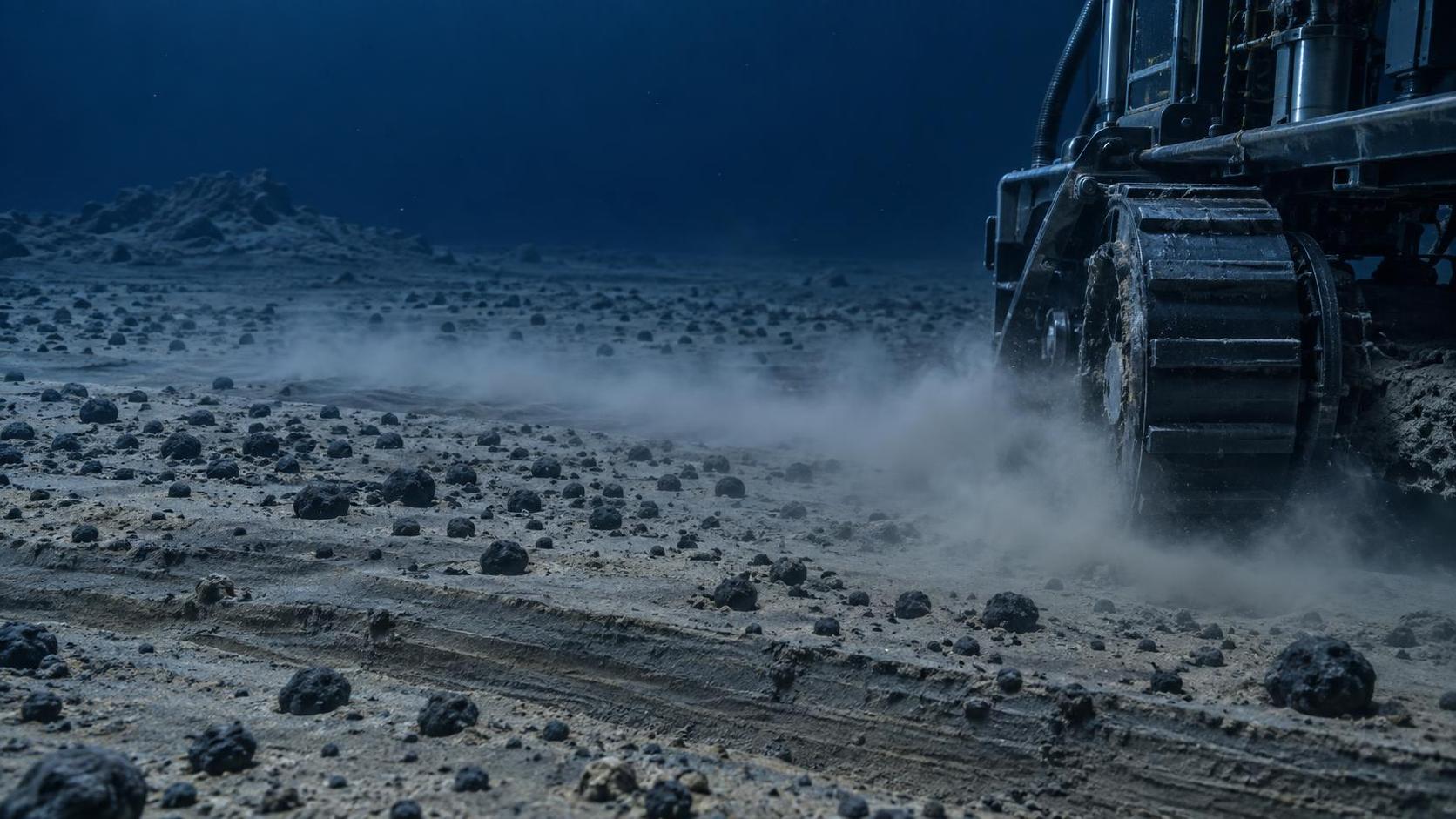
3. Sediment intrusion and abrasion
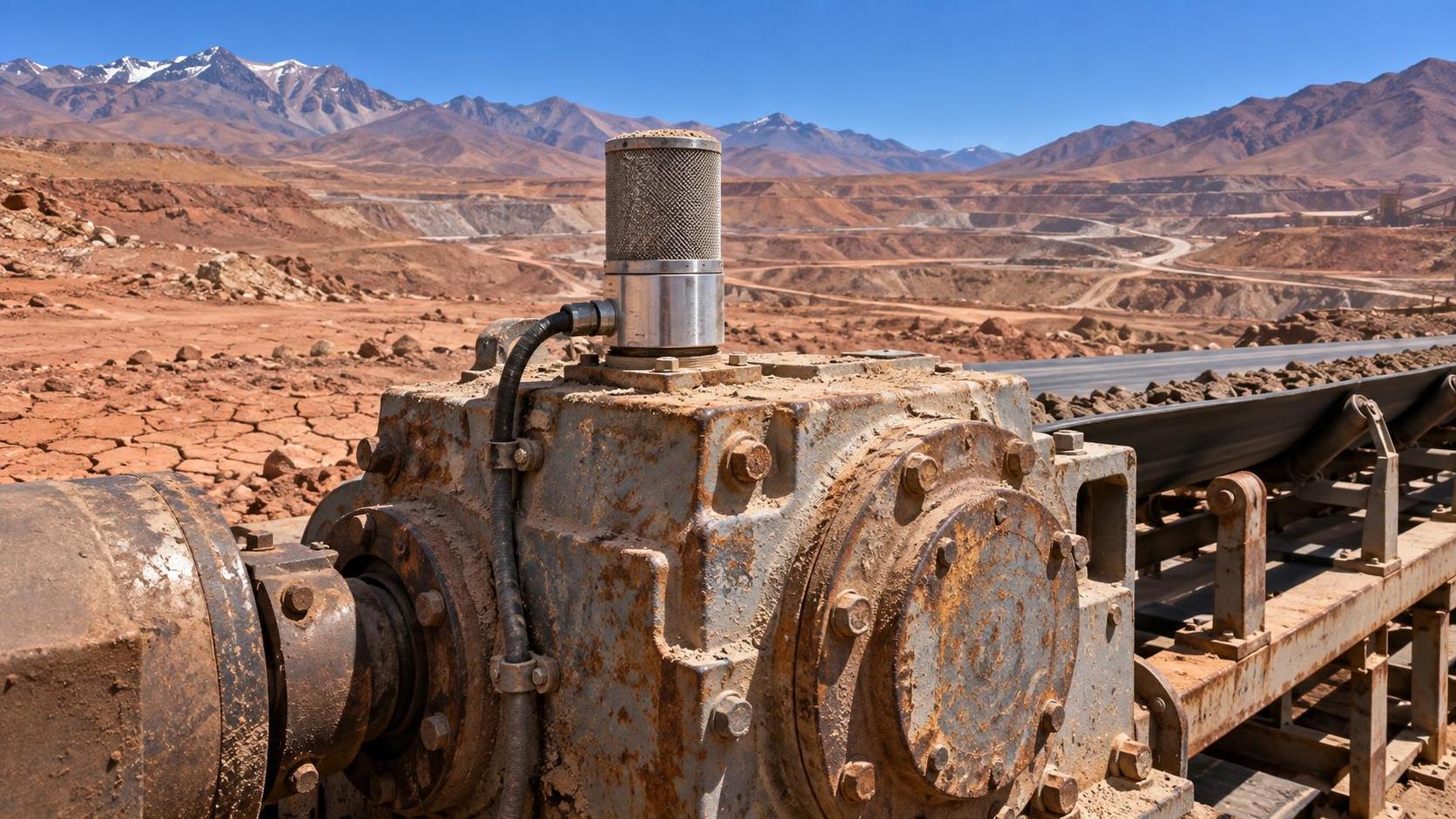
Seabed operations disturb fine particles that penetrate joints, clog filters, and wear moving components.
Pumps, tracks, suction heads, and articulation points are common abrasion hotspots.
4. Thermal and electrical instability
Cold seawater can improve cooling in some zones, yet create condensation and brittle behavior elsewhere.
Power fluctuation, insulation weakness, and wet-mate connector faults can disrupt entire subsea systems.
Which components of deep-sea mining equipment fail first in real operations?
Not all subsystems carry equal reliability risk.
Field reviews often show failures starting at interfaces rather than major structural frames.
The most vulnerable parts usually include:
- dynamic seals and pressure barriers
- subsea connectors and cable terminations
- hydraulic hoses and fittings
- thrusters and traction drives
- sensor arrays for depth, position, slurry flow, and equipment health
- control electronics inside supposedly protected enclosures
Sensor failure deserves special attention.
Modern deep-sea mining equipment depends on reliable feedback to control route accuracy, collection force, pump loading, and fault alarms.
When sensors drift, the machine may continue operating while hidden damage accumulates.
That makes data integrity as important as mechanical strength.
How should reliability be evaluated before selecting deep-sea mining equipment?
Selection should go beyond performance brochures and maximum output claims.
A stronger evaluation method is to examine proof of reliability under realistic subsea conditions.
Ask for evidence in five areas
- Pressure testing records across expected depth ranges.
- Corrosion and coating performance data from long-duration exposure.
- Redundancy design for power, sensing, and communication.
- Maintainability plans for recovery, replacement, and inspection.
- Failure mode analysis covering interface-level weaknesses.
Compare reliability, not just productivity
Two systems may offer similar collection rates, but differ greatly in uptime stability.
One may require more recovery cycles, spare parts, or subsea intervention.
That difference can dominate total project economics.
Check digital reliability architecture
Advanced deep-sea mining equipment increasingly uses predictive diagnostics and remote control logic.
The software layer should be reviewed with the same rigor as hardware.
Fault detection, fail-safe response, timestamp integrity, and communication loss behavior all matter.
What are the most common reliability mistakes during integration and operation?
Even well-designed deep-sea mining equipment can underperform if system integration is rushed.
Several mistakes appear repeatedly in offshore planning.
Ignoring interface compatibility
Voltage mismatch, connector inconsistency, and protocol conflict often create unstable subsea behavior.
Reliability must be tested at the full system level, not only by component certification.
Underestimating recovery and maintenance windows
A part that is cheap onshore may be very costly offshore if retrieval takes days.
Maintenance planning should factor weather delay, vessel dependency, and spare module accessibility.
Treating pilot results as fully scalable
Short trials may not reveal cumulative wear, cable fatigue, or software drift.
Longer duration testing is essential before large-scale deployment of deep-sea mining equipment.
Missing environmental monitoring links
Operational reliability is tied to environmental sensing.
Poor turbidity or plume monitoring can force shutdowns, even when core machinery remains functional.
How can a practical reliability review reduce cost and project risk?
A practical review turns reliability into measurable decision criteria.
This is especially useful across mining, marine engineering, digital infrastructure, and heavy equipment planning.
GIUT follows this broader industrial logic: engineering value depends on system resilience, data confidence, and sustainable operations.
A useful review also ranks risks by consequence, detectability, and recovery time.
That approach highlights where additional testing or redesign will create the biggest value.
What should be the next step before committing to deep-sea mining equipment?
Start with a structured reliability checklist tied to the exact mission profile.
Depth, seabed type, target production duration, power architecture, and recovery strategy should shape the review.
Then compare deep-sea mining equipment options using verified evidence instead of nominal specifications alone.
In 2026, reliable equipment will not simply last longer.
It will support safer offshore execution, stronger data integrity, and more predictable project economics.
For any organization studying subsea extraction systems, the smartest next move is clear:
review deep-sea mining equipment through the lens of failure prevention, maintainability, and whole-system resilience.
Get weekly intelligence in your inbox.
No noise. No sponsored content. Pure intelligence.
News Recommendations
 Sep 19, 2026How an electronics application guide helps prevent component mismatchHow an electronics application guide helps prevent component mismatch
 Sep 18, 2026When a resource allocation platform improves project deliveryWhen a resource allocation platform improves project delivery
 Sep 17, 2026What to compare when evaluating mineral processing equipment manufacturersWhat to compare when evaluating mineral processing equipment manufacturers
 Sep 16, 2026How mineral separation optimization can reduce concentrate lossesHow mineral separation optimization can reduce concentrate losses
 Sep 15, 2026How to assess lifecycle costs in urban tech procurementHow to assess lifecycle costs in urban tech procurement
 Sep 14, 2026Heavy industry technology trends reshaping capital investment prioritiesHeavy industry technology trends reshaping capital investment priorities
 Sep 14, 2026Global Industrial Equipment Procurement: How Top OEMs Qualify Suppliers for Mining & Infrastructure ProjectsGlobal Industrial Equipment Procurement: How Top OEMs Qualify Suppliers for Mining & Infrastructure Projects
 Sep 14, 2026Industrial & Mining Equipment Procurement: Balancing Local Sourcing, Lead Time, and Certification RequirementsIndustrial & Mining Equipment Procurement: Balancing Local Sourcing, Lead Time, and Certification Requirements
 Sep 14, 2026Infrastructure & Equipment Upgrades: What Procurement Teams Must Verify Before Signing Off on New ContractsInfrastructure & Equipment Upgrades: What Procurement Teams Must Verify Before Signing Off on New Contracts
 Sep 14, 2026Why Infrastructure Equipment Buyers Are Shifting from Catalog-Based to Capability-Based Supplier SelectionWhy Infrastructure Equipment Buyers Are Shifting from Catalog-Based to Capability-Based Supplier Selection
 Sep 14, 2026Process Automation Project Execution: How to Align Supplier Capabilities with PLC Integration, Cybersecurity & Commissioning MilestonesProcess Automation Project Execution: How to Align Supplier Capabilities with PLC Integration, Cybersecurity & Commissioning Milestones
 Sep 14, 2026Are intelligent traffic systems worth the investment for small cities?Are intelligent traffic systems worth the investment for small cities?
 Sep 14, 2026How do intelligent traffic systems handle sensor failures?How do intelligent traffic systems handle sensor failures?
 Sep 14, 2026What should I check before accepting a smart building system?What should I check before accepting a smart building system?
 Sep 14, 2026Is a smart building system worth the maintenance cost?Is a smart building system worth the maintenance cost?
 Sep 14, 2026What data is needed for reliable resource allocation planning?What data is needed for reliable resource allocation planning?
 Sep 14, 2026How can resource allocation software reduce equipment idle time?How can resource allocation software reduce equipment idle time?
 Sep 14, 2026How should smart devices be maintained in harsh outdoor conditions?How should smart devices be maintained in harsh outdoor conditions?
 Sep 14, 2026Do smart devices improve worker safety on construction sites?Do smart devices improve worker safety on construction sites?
 Sep 14, 2026What environmental risks must be assessed before deep-sea mining?What environmental risks must be assessed before deep-sea mining?
 Sep 14, 2026Is deep-sea mining equipment commercially viable in 2026?Is deep-sea mining equipment commercially viable in 2026?
 Sep 14, 2026What Inspection Checks Should Procurement Teams Perform Before Ordering Dredging Equipment in 2026?What Inspection Checks Should Procurement Teams Perform Before Ordering Dredging Equipment in 2026?
 Sep 13, 2026How to verify an industrial product information source before specifying equipmentHow to verify an industrial product information source before specifying equipment
 Sep 12, 2026Which intelligent traffic systems hardware fits an urban intersection?Which intelligent traffic systems hardware fits an urban intersection?
 Sep 11, 2026How pump capacity affects response coverage for municipal fire fighting vehiclesHow pump capacity affects response coverage for municipal fire fighting vehicles
 Sep 10, 2026What to verify before choosing a heavy industry equipment supplierWhat to verify before choosing a heavy industry equipment supplier
 Sep 09, 2026When do adaptive urban traffic control systems reduce corridor delays?When do adaptive urban traffic control systems reduce corridor delays?