Smart Grids Solutions: 2026 Cost and Reliability Trends
As power demand rises and urban infrastructure becomes more digital, enterprise leaders need a clearer view of how smart grids solutions will affect cost control, resilience, and long-term asset planning in 2026.
From AI-driven load forecasting to distributed energy integration and outage prevention, the next generation of grid intelligence is reshaping how cities, utilities, and industrial operators manage risk.
This guide outlines the cost and reliability trends that matter before investing in smarter, more adaptive energy infrastructure.
Why Smart Grids Solutions Need a Checklist in 2026
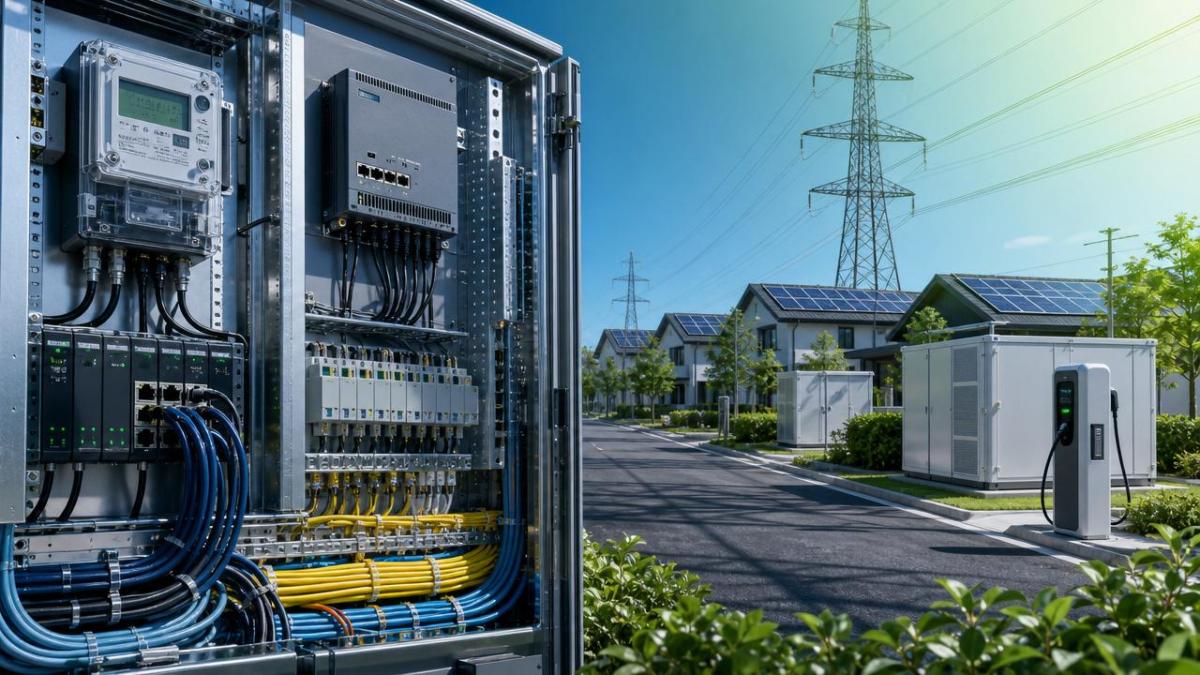
Electric networks are no longer passive delivery systems. They must support electric vehicles, rooftop solar, data centers, heat pumps, and automated industrial loads.
That shift makes smart grids solutions a strategic infrastructure decision, not a single technology purchase.
A checklist approach helps compare lifecycle cost, cybersecurity exposure, interoperability, reliability gains, and operational readiness across different smart grid programs.
It also prevents fragmented spending on sensors, software, meters, and control systems that cannot share data effectively.
In 2026, the strongest smart grids solutions will be judged by measurable resilience, flexible demand response, and reduced outage recovery time.
Core Cost Checklist for Smart Grids Solutions
Cost evaluation should move beyond initial hardware pricing. Smart grids solutions create value through avoided outages, deferred upgrades, lower losses, and better energy balancing.
- Calculate total ownership cost across sensors, communications, analytics platforms, cybersecurity tools, training, maintenance, and future software licensing obligations.
- Compare avoided outage costs with investment size, using historical downtime, customer impact, industrial production losses, and emergency repair expenses.
- Estimate savings from voltage optimization, transformer monitoring, line loss reduction, and automated switching before approving large-scale smart grids solutions.
- Check whether distributed energy management can defer substation expansion, cable reinforcement, or peak-capacity procurement during demand spikes.
- Model integration expenses for legacy SCADA, advanced metering infrastructure, geographic information systems, and enterprise asset management platforms.
- Include workforce transition costs, because dispatch teams, maintenance crews, and control room operators need practical digital grid training.
The lowest bid is rarely the lowest-risk option. Smart grids solutions must be priced against operating continuity and asset utilization.
Reliability Checklist for Grid Modernization
Reliability is the strongest business case for smart grids solutions in dense urban systems, industrial parks, hospitals, logistics hubs, and digital campuses.
- Prioritize fault detection, isolation, and service restoration to reduce outage duration across feeders, substations, and critical customer zones.
- Deploy predictive analytics on transformers, breakers, cables, and switchgear to identify degradation before failures create service interruptions.
- Validate communication redundancy through fiber, private wireless, cellular backup, or satellite links for emergency grid operations.
- Segment critical loads so hospitals, rail systems, water plants, and emergency facilities receive priority restoration during disturbances.
- Test cyber-physical incident response, including remote device isolation, manual override procedures, and secure restoration workflows.
- Track reliability metrics such as SAIDI, SAIFI, momentary interruptions, feeder health, and distributed generation hosting capacity.
Reliable smart grids solutions combine automation with human oversight. The goal is faster diagnosis, not blind dependence on algorithms.
2026 Technology Trends Shaping Smart Grids Solutions
AI Forecasting Becomes Operational Infrastructure
AI load forecasting is moving from planning departments into daily control room decisions. It improves demand response and renewable energy dispatch.
For smart grids solutions, the key is explainability. Operators need transparent models that show why load, voltage, or congestion risks are changing.
Distributed Energy Requires Active Coordination
Solar, batteries, microgrids, and electric vehicle chargers create two-way power flows. Traditional grid planning cannot manage that complexity alone.
Modern smart grids solutions should coordinate distributed energy resources through secure control signals, market rules, and real-time visibility.
Edge Computing Reduces Response Time
Edge devices process local grid data near feeders, substations, and industrial loads. This reduces latency when faults or voltage swings appear.
Edge-ready smart grids solutions are especially useful where cloud connectivity is unstable or restoration speed is mission critical.
Cybersecurity Becomes a Reliability Function
Cybersecurity is no longer separate from grid performance. A compromised device can affect switching logic, metering accuracy, and operator trust.
In 2026, strong smart grids solutions should include identity management, encrypted communications, asset inventories, and continuous anomaly detection.
Application Scenarios for Cost and Reliability Planning
Urban Distribution Networks
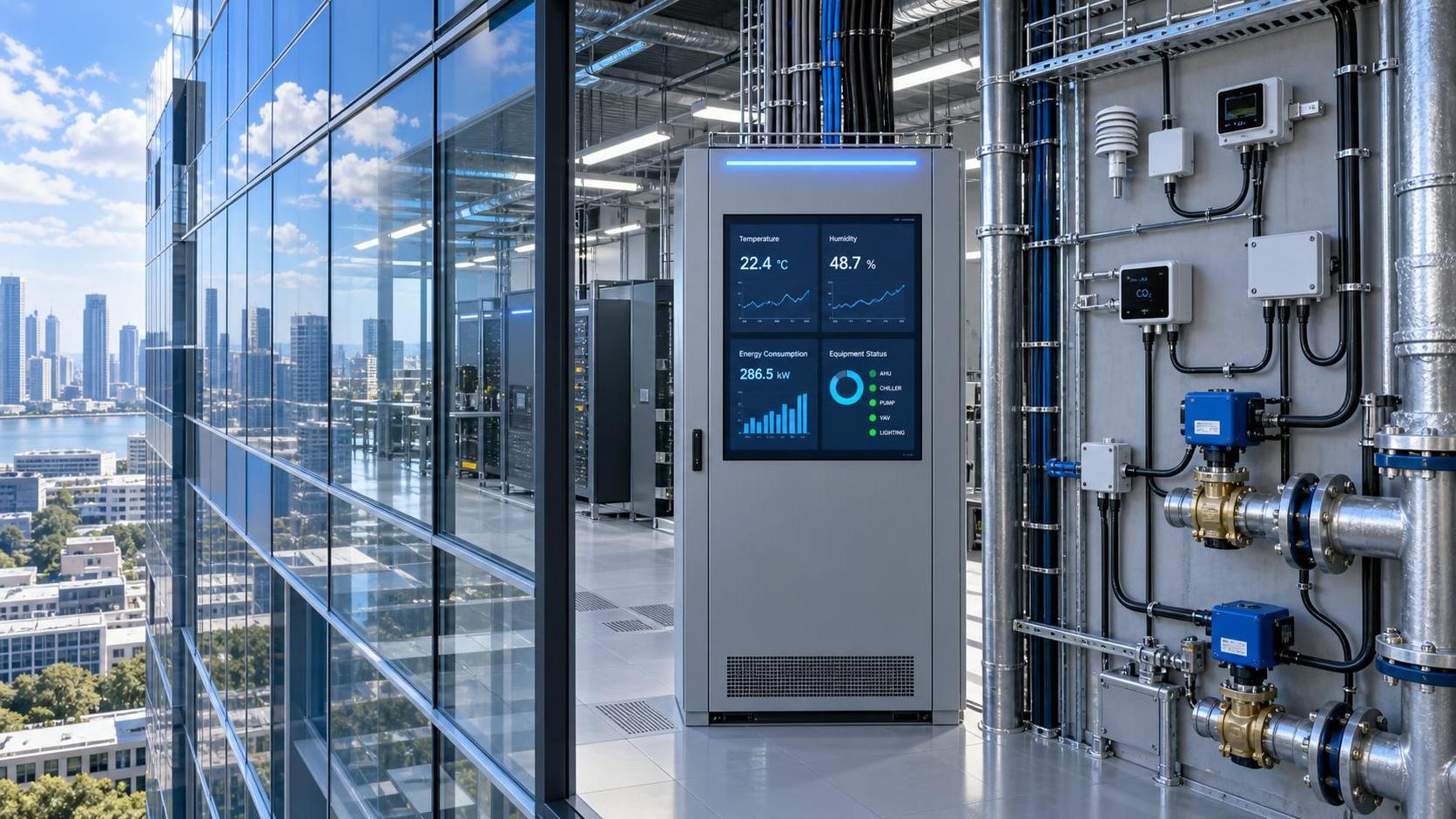
Cities face load growth from electrified transport, high-rise buildings, cooling demand, and digital public services.
Smart grids solutions help urban networks manage congestion, detect cable faults, and prioritize power for essential services during disruptions.
Industrial Parks and Manufacturing Zones
Industrial facilities need stable voltage, predictable energy costs, and fast restoration after faults.
Smart grids solutions can connect onsite generation, battery storage, power quality monitoring, and automated load shedding into one operating model.
Transport and Logistics Infrastructure
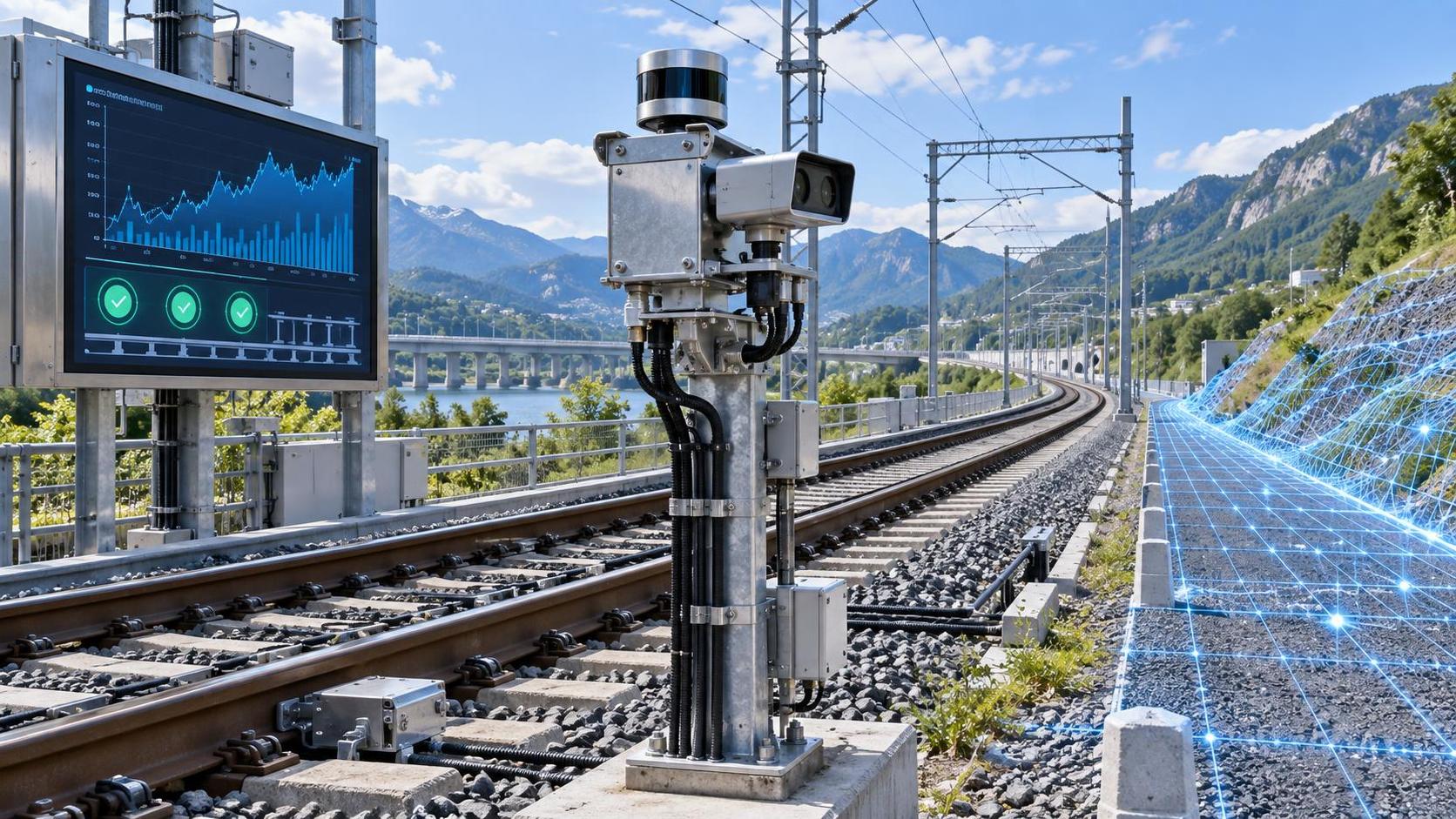
Rail systems, ports, airports, and logistics centers rely on continuous electricity for signaling, refrigeration, charging, lighting, and security.
Smart grids solutions improve visibility across critical nodes, supporting emergency restoration and energy optimization during peak operating periods.
Remote Resource and Mining Operations
Remote industrial sites often combine diesel generation, renewables, storage, and harsh environmental conditions.
Smart grids solutions help balance hybrid power assets, reduce fuel dependency, and detect equipment stress before downtime escalates.
Commonly Missed Risks in Smart Grids Solutions
Interoperability gaps: Many projects fail when field devices, control platforms, and enterprise systems cannot exchange clean, timely data.
Require open standards, documented APIs, and integration testing before expanding smart grids solutions beyond pilot zones.
Data quality problems: Forecasting and automation depend on accurate sensor readings, asset records, location data, and outage history.
Clean data governance should start before advanced analytics. Otherwise, smart grids solutions may amplify hidden operational errors.
Vendor lock-in: Proprietary systems can limit future upgrades, increase lifecycle costs, and reduce bargaining power.
Evaluate exit options, data ownership, device compatibility, and software portability before long-term smart grids solutions contracts are signed.
Insufficient field readiness: Digital tools underperform when crews lack mobile workflows, spare parts access, or updated switching procedures.
Operational readiness matters as much as technology. Smart grids solutions need drills, documentation, and clear accountability during incidents.
Practical Execution Guide for 2026 Investment Decisions
A staged roadmap reduces investment risk. It also proves value before committing to full network transformation.
- Start with a grid health assessment covering asset age, outage records, load growth, communication coverage, and cybersecurity maturity.
- Select pilot feeders or facilities where reliability improvement, renewable integration, or peak reduction can be measured clearly.
- Define financial metrics, including avoided outage losses, deferred capital expenditure, maintenance savings, and energy efficiency gains.
- Build a data architecture that connects meters, sensors, GIS, SCADA, weather data, and asset management systems.
- Run tabletop exercises for outage response, cyber incidents, communication failures, and manual control fallback scenarios.
- Scale smart grids solutions only after validating interoperability, operator acceptance, field performance, and measurable reliability improvement.
This sequence helps avoid expensive overbuild. It turns smart grids solutions into a controlled infrastructure modernization program.
Decision Indicators to Track Before Scaling
Scaling decisions should rely on evidence from the network, not marketing claims or isolated laboratory performance.
- Measure outage duration reduction and confirm whether automated restoration works under real feeder conditions.
- Track peak demand reduction from demand response, battery dispatch, voltage optimization, and flexible industrial loads.
- Review maintenance productivity through fewer truck rolls, better fault location, and improved asset failure prediction.
- Assess cybersecurity performance through patch compliance, access control, event monitoring, and incident response speed.
- Confirm that smart grids solutions support future electric vehicle charging, renewable expansion, and local resilience targets.
When these indicators improve together, grid modernization becomes financially defensible and operationally credible.
Summary and Action Path
In 2026, smart grids solutions will be evaluated by cost discipline, reliability outcomes, cybersecurity strength, and readiness for distributed energy.
The best path is not immediate full deployment. It is a structured program that connects technical capability with measurable infrastructure value.
Begin with asset diagnostics, choose high-impact pilot areas, set reliability and cost metrics, then scale proven smart grids solutions across priority networks.
This approach supports resilient cities, stable industrial operations, and smarter energy systems built for long-term sustainability.
Get weekly intelligence in your inbox.
No noise. No sponsored content. Pure intelligence.
News Recommendations
 Sep 19, 2026How an electronics application guide helps prevent component mismatchHow an electronics application guide helps prevent component mismatch
 Sep 18, 2026When a resource allocation platform improves project deliveryWhen a resource allocation platform improves project delivery
 Sep 17, 2026What to compare when evaluating mineral processing equipment manufacturersWhat to compare when evaluating mineral processing equipment manufacturers
 Sep 16, 2026How mineral separation optimization can reduce concentrate lossesHow mineral separation optimization can reduce concentrate losses
 Sep 15, 2026How to assess lifecycle costs in urban tech procurementHow to assess lifecycle costs in urban tech procurement
 Sep 14, 2026Heavy industry technology trends reshaping capital investment prioritiesHeavy industry technology trends reshaping capital investment priorities
 Sep 14, 2026Global Industrial Equipment Procurement: How Top OEMs Qualify Suppliers for Mining & Infrastructure ProjectsGlobal Industrial Equipment Procurement: How Top OEMs Qualify Suppliers for Mining & Infrastructure Projects
 Sep 14, 2026Industrial & Mining Equipment Procurement: Balancing Local Sourcing, Lead Time, and Certification RequirementsIndustrial & Mining Equipment Procurement: Balancing Local Sourcing, Lead Time, and Certification Requirements
 Sep 14, 2026Infrastructure & Equipment Upgrades: What Procurement Teams Must Verify Before Signing Off on New ContractsInfrastructure & Equipment Upgrades: What Procurement Teams Must Verify Before Signing Off on New Contracts
 Sep 14, 2026Why Infrastructure Equipment Buyers Are Shifting from Catalog-Based to Capability-Based Supplier SelectionWhy Infrastructure Equipment Buyers Are Shifting from Catalog-Based to Capability-Based Supplier Selection
 Sep 14, 2026Process Automation Project Execution: How to Align Supplier Capabilities with PLC Integration, Cybersecurity & Commissioning MilestonesProcess Automation Project Execution: How to Align Supplier Capabilities with PLC Integration, Cybersecurity & Commissioning Milestones
 Sep 14, 2026Are intelligent traffic systems worth the investment for small cities?Are intelligent traffic systems worth the investment for small cities?
 Sep 14, 2026How do intelligent traffic systems handle sensor failures?How do intelligent traffic systems handle sensor failures?
 Sep 14, 2026What should I check before accepting a smart building system?What should I check before accepting a smart building system?
 Sep 14, 2026Is a smart building system worth the maintenance cost?Is a smart building system worth the maintenance cost?
 Sep 14, 2026What data is needed for reliable resource allocation planning?What data is needed for reliable resource allocation planning?
 Sep 14, 2026How can resource allocation software reduce equipment idle time?How can resource allocation software reduce equipment idle time?
 Sep 14, 2026How should smart devices be maintained in harsh outdoor conditions?How should smart devices be maintained in harsh outdoor conditions?
 Sep 14, 2026Do smart devices improve worker safety on construction sites?Do smart devices improve worker safety on construction sites?
 Sep 14, 2026What environmental risks must be assessed before deep-sea mining?What environmental risks must be assessed before deep-sea mining?
 Sep 14, 2026Is deep-sea mining equipment commercially viable in 2026?Is deep-sea mining equipment commercially viable in 2026?
 Sep 14, 2026What Inspection Checks Should Procurement Teams Perform Before Ordering Dredging Equipment in 2026?What Inspection Checks Should Procurement Teams Perform Before Ordering Dredging Equipment in 2026?
 Sep 13, 2026How to verify an industrial product information source before specifying equipmentHow to verify an industrial product information source before specifying equipment
 Sep 12, 2026Which intelligent traffic systems hardware fits an urban intersection?Which intelligent traffic systems hardware fits an urban intersection?
 Sep 11, 2026How pump capacity affects response coverage for municipal fire fighting vehiclesHow pump capacity affects response coverage for municipal fire fighting vehicles
 Sep 10, 2026What to verify before choosing a heavy industry equipment supplierWhat to verify before choosing a heavy industry equipment supplier
 Sep 09, 2026When do adaptive urban traffic control systems reduce corridor delays?When do adaptive urban traffic control systems reduce corridor delays?