Carbon Reduction Standards: Compliance Risks to Check First
For quality control and safety managers, carbon reduction standards are no longer just sustainability targets—they are compliance checkpoints affecting permits, procurement, operations, and supplier qualification.
Across infrastructure, construction, logistics, mining, and heavy equipment, carbon reduction standards now shape how projects are approved, delivered, audited, and reported.
The first compliance risks often hide in documentation gaps, emissions data accuracy, material traceability, and contractor accountability.
Carbon Reduction Standards Are Becoming Operational Rules

The latest shift is clear: carbon reduction standards are moving from corporate reports into daily engineering and urban delivery controls.
A bridge project, railway depot, mine expansion, or smart building upgrade may now face carbon-related checks before approval.
This change affects design reviews, material selection, fuel use, transport planning, subcontractor onboarding, and final handover files.
Carbon reduction standards also influence public tenders, green financing, insurance reviews, and ESG disclosure obligations.
For asset-heavy sectors, the risk is not only missing a target. It is failing to prove control.
GIUT’s infrastructure perspective shows one practical lesson: carbon compliance depends on engineering evidence, not promises.
Trend Signals That Compliance Pressure Is Rising
Several market signals show why carbon reduction standards are becoming stricter across comprehensive industries.
- Public owners request low-carbon construction plans during tender evaluation.
- Banks link infrastructure financing to verified emissions performance.
- Smart city programs require energy and carbon data from connected assets.
- Railway and logistics operators monitor fuel intensity across routes.
- Equipment fleets face pressure to document idle time, fuel use, and electrification progress.
These signals turn carbon reduction standards into practical checkpoints for audits, inspections, supplier reviews, and dispute resolution.
The trend is especially important where contractors, suppliers, designers, and operators share responsibility for one asset.
Why Carbon Reduction Standards Are Tightening Now
The drivers behind stricter carbon reduction standards are both regulatory and commercial.
Carbon reduction standards are also tightening because infrastructure assets have long operating lives.
A design decision made today may lock in emissions for decades.
That is why regulators increasingly examine lifecycle impact, not only construction-phase emissions.
Documentation Gaps Are the First Compliance Risk
The most common exposure under carbon reduction standards is incomplete documentation.
A project may follow sound practices but still fail an audit if evidence is scattered or inconsistent.
Key records should show what was measured, who approved it, when it changed, and how it was verified.
- Tender carbon requirements and contract clauses.
- Baseline emissions assumptions and calculation methods.
- Material declarations, delivery notes, and certificates.
- Equipment fuel logs, electricity records, and maintenance files.
- Change orders affecting energy, transport, waste, or materials.
Carbon reduction standards require traceable proof, especially when performance claims support permits, subsidies, or financing conditions.
Emissions Data Accuracy Can Decide Audit Outcomes
Poor data quality creates one of the highest compliance risks under carbon reduction standards.
Typical problems include estimated fuel consumption, duplicate entries, missing subcontractor data, and mixed units.
Heavy machinery, logistics fleets, and temporary power systems often create fragmented emissions records.
Construction sites may rely on manual logs while smart buildings produce automated energy data.
The mismatch can weaken carbon reduction standards compliance unless data governance is defined early.
Checks to Perform First
- Confirm emissions boundaries for each asset, site, and contractor.
- Standardize units for fuel, electricity, materials, and transport.
- Separate measured data from estimated data.
- Record emission factors and update dates.
- Protect raw data before summary reports are prepared.
Reliable carbon reduction standards reporting depends on repeatable methods, not spreadsheet improvisation.
Material Traceability Is Becoming a Strategic Control
Embodied carbon is gaining attention in infrastructure and smart city delivery.
Steel, cement, asphalt, glass, cables, batteries, and prefabricated modules all carry carbon implications.
Carbon reduction standards increasingly require proof of material origin, production route, recycled content, and transport distance.
This creates risk when procurement teams accept declarations without technical validation.
Traceability should connect purchase orders, batch numbers, delivery tickets, inspection reports, and installed locations.
For modular construction and railway systems, traceability also helps manage future maintenance and replacement emissions.
Contractor Accountability Is a Critical Weak Point
Carbon reduction standards can fail when responsibility is unclear across layered subcontracting chains.
A main contractor may submit a low-carbon plan, while site-level subcontractors follow different practices.
The risk increases when excavation, hauling, concrete pouring, waste handling, and temporary power are outsourced separately.
Contracts should define emissions data duties, reporting frequency, inspection rights, and correction procedures.
Carbon reduction standards should be written into work packages, not attached as optional sustainability language.
- Require carbon records before payment milestones.
- Include audit access for fuel, waste, and logistics data.
- Define penalties for false or late emissions information.
- Review subcontractor capability during prequalification.
Business Impacts Across Infrastructure Operations
Carbon reduction standards affect more than sustainability reporting. They can reshape costs, schedules, approvals, and supplier relationships.
In construction, late discovery of non-compliant materials can trigger redesign, replacement, or additional testing.
In logistics, weak fuel data can reduce credibility during route efficiency reviews or green freight claims.
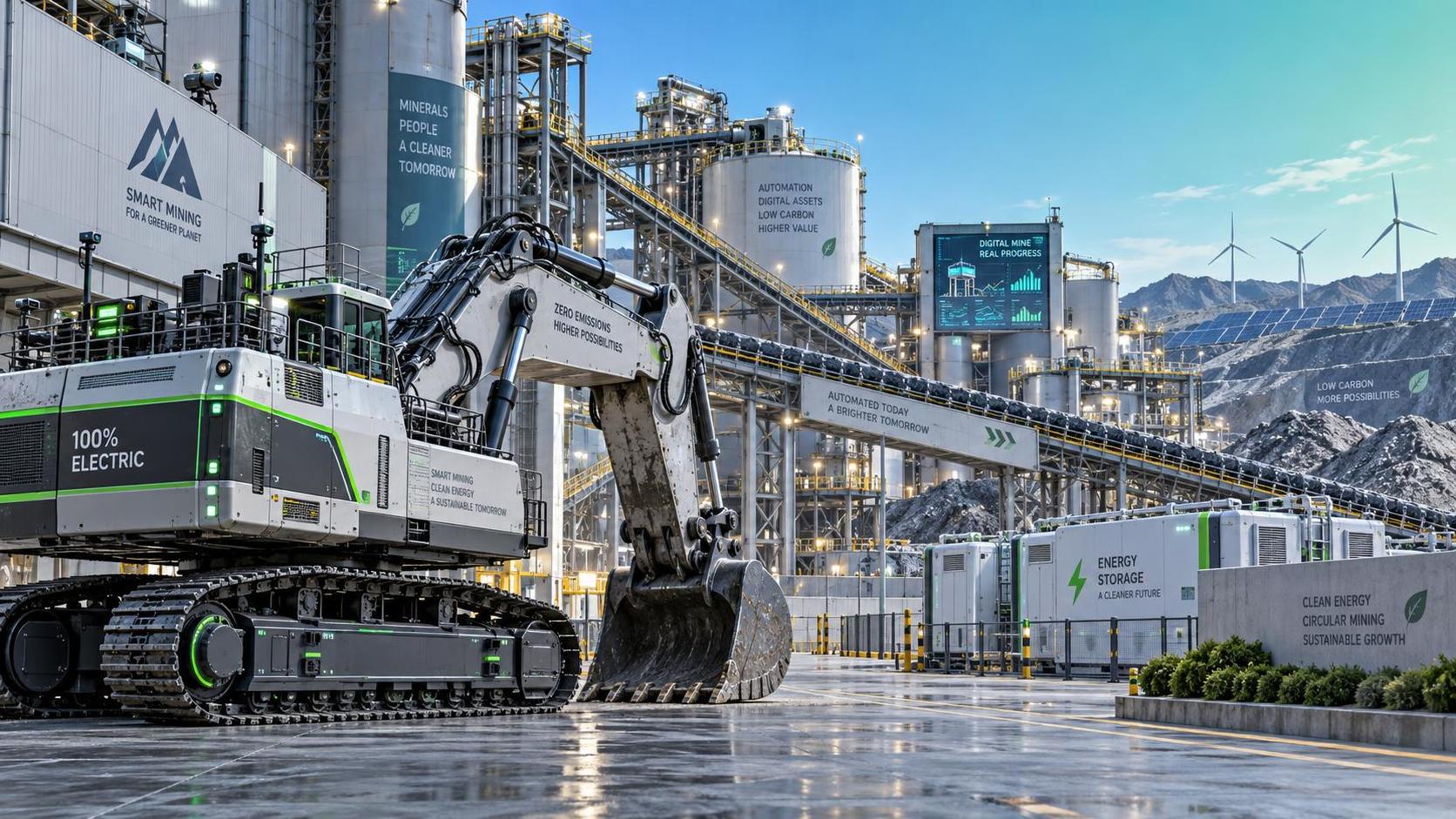
In mining, energy-intensive extraction and ventilation systems may face closer carbon intensity checks.
In smart buildings, operational energy data must align with design-stage carbon assumptions.
In special purpose vehicles, electrification claims require charging records, utilization data, and lifecycle analysis.
Priority Controls to Check Before the Next Audit
A practical compliance review should begin with controls that expose the largest carbon reduction standards gaps.
- Map every applicable regulation, contract requirement, and voluntary standard.
- Confirm who owns emissions data at each project stage.
- Verify calculation methods against recognized protocols.
- Audit supplier carbon claims against primary evidence.
- Link change control to carbon impact assessment.
- Retain source files for permits, procurement, and financing reviews.
These controls make carbon reduction standards measurable within normal quality and safety governance.
A Forward-Looking Response Framework
Organizations should treat carbon reduction standards as a management system requirement, not a reporting appendix.
This framework supports infrastructure owners, contractors, technology providers, and equipment operators facing stricter carbon reduction standards.
What to Watch Next
The next phase of carbon reduction standards will likely focus on verification depth and real-time performance visibility.
Digital twins, smart meters, connected equipment, and automated logistics systems will make emissions easier to compare.
That visibility will increase pressure on weak assumptions and unsupported low-carbon claims.
The strongest organizations will integrate carbon controls into engineering design, procurement, safety reviews, and asset operations.
They will also train project teams to recognize carbon reduction standards as compliance obligations with commercial consequences.
Practical Next Step
Start with a focused gap check across documentation, emissions data, material traceability, and contractor accountability.
Then rank each gap by permit risk, procurement impact, audit exposure, and cost of correction.
Carbon reduction standards are becoming part of the operating backbone of modern infrastructure.
Teams that build evidence early will reduce compliance risk and support the transition from concrete assets to intelligent, sustainable systems.
Get weekly intelligence in your inbox.
No noise. No sponsored content. Pure intelligence.
News Recommendations
 Sep 19, 2026How an electronics application guide helps prevent component mismatchHow an electronics application guide helps prevent component mismatch
 Sep 18, 2026When a resource allocation platform improves project deliveryWhen a resource allocation platform improves project delivery
 Sep 17, 2026What to compare when evaluating mineral processing equipment manufacturersWhat to compare when evaluating mineral processing equipment manufacturers
 Sep 16, 2026How mineral separation optimization can reduce concentrate lossesHow mineral separation optimization can reduce concentrate losses
 Sep 15, 2026How to assess lifecycle costs in urban tech procurementHow to assess lifecycle costs in urban tech procurement
 Sep 14, 2026Heavy industry technology trends reshaping capital investment prioritiesHeavy industry technology trends reshaping capital investment priorities
 Sep 14, 2026Global Industrial Equipment Procurement: How Top OEMs Qualify Suppliers for Mining & Infrastructure ProjectsGlobal Industrial Equipment Procurement: How Top OEMs Qualify Suppliers for Mining & Infrastructure Projects
 Sep 14, 2026Industrial & Mining Equipment Procurement: Balancing Local Sourcing, Lead Time, and Certification RequirementsIndustrial & Mining Equipment Procurement: Balancing Local Sourcing, Lead Time, and Certification Requirements
 Sep 14, 2026Infrastructure & Equipment Upgrades: What Procurement Teams Must Verify Before Signing Off on New ContractsInfrastructure & Equipment Upgrades: What Procurement Teams Must Verify Before Signing Off on New Contracts
 Sep 14, 2026Why Infrastructure Equipment Buyers Are Shifting from Catalog-Based to Capability-Based Supplier SelectionWhy Infrastructure Equipment Buyers Are Shifting from Catalog-Based to Capability-Based Supplier Selection
 Sep 14, 2026Process Automation Project Execution: How to Align Supplier Capabilities with PLC Integration, Cybersecurity & Commissioning MilestonesProcess Automation Project Execution: How to Align Supplier Capabilities with PLC Integration, Cybersecurity & Commissioning Milestones
 Sep 14, 2026Are intelligent traffic systems worth the investment for small cities?Are intelligent traffic systems worth the investment for small cities?
 Sep 14, 2026How do intelligent traffic systems handle sensor failures?How do intelligent traffic systems handle sensor failures?
 Sep 14, 2026What should I check before accepting a smart building system?What should I check before accepting a smart building system?
 Sep 14, 2026Is a smart building system worth the maintenance cost?Is a smart building system worth the maintenance cost?
 Sep 14, 2026What data is needed for reliable resource allocation planning?What data is needed for reliable resource allocation planning?
 Sep 14, 2026How can resource allocation software reduce equipment idle time?How can resource allocation software reduce equipment idle time?
 Sep 14, 2026How should smart devices be maintained in harsh outdoor conditions?How should smart devices be maintained in harsh outdoor conditions?
 Sep 14, 2026Do smart devices improve worker safety on construction sites?Do smart devices improve worker safety on construction sites?
 Sep 14, 2026What environmental risks must be assessed before deep-sea mining?What environmental risks must be assessed before deep-sea mining?
 Sep 14, 2026Is deep-sea mining equipment commercially viable in 2026?Is deep-sea mining equipment commercially viable in 2026?
 Sep 14, 2026What Inspection Checks Should Procurement Teams Perform Before Ordering Dredging Equipment in 2026?What Inspection Checks Should Procurement Teams Perform Before Ordering Dredging Equipment in 2026?
 Sep 13, 2026How to verify an industrial product information source before specifying equipmentHow to verify an industrial product information source before specifying equipment
 Sep 12, 2026Which intelligent traffic systems hardware fits an urban intersection?Which intelligent traffic systems hardware fits an urban intersection?
 Sep 11, 2026How pump capacity affects response coverage for municipal fire fighting vehiclesHow pump capacity affects response coverage for municipal fire fighting vehicles
 Sep 10, 2026What to verify before choosing a heavy industry equipment supplierWhat to verify before choosing a heavy industry equipment supplier
 Sep 09, 2026When do adaptive urban traffic control systems reduce corridor delays?When do adaptive urban traffic control systems reduce corridor delays?