Cost Risks in Large Infrastructure Construction Projects
For financial approvers, infrastructure construction projects carry cost risks that can quietly reshape budgets, financing structures, and long-term asset returns.
From material price volatility and labor shortages to design changes, regulatory delays, and equipment downtime, every variance can affect project viability.
This article examines the major cost risk drivers in large-scale infrastructure delivery and highlights how data-led forecasting, disciplined governance, and early risk allocation can protect capital.
What makes cost risk different in infrastructure construction projects?
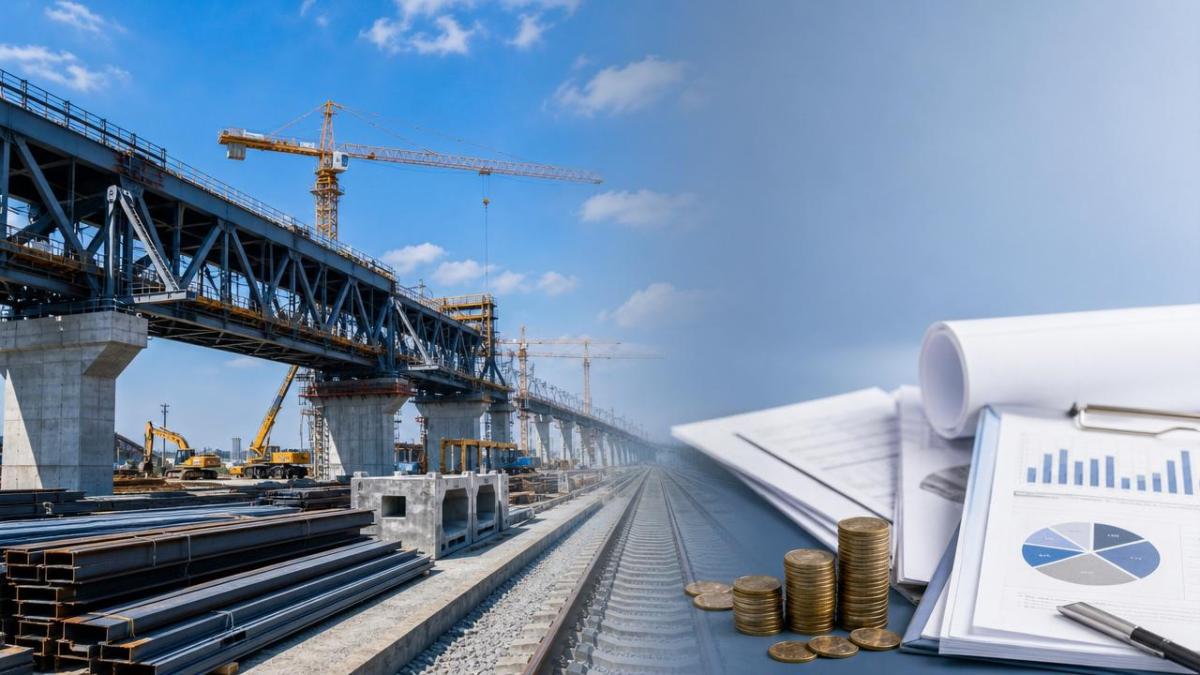
Cost risk in infrastructure construction projects is not only a budgeting issue. It is a compound exposure across engineering, finance, policy, procurement, and operations.
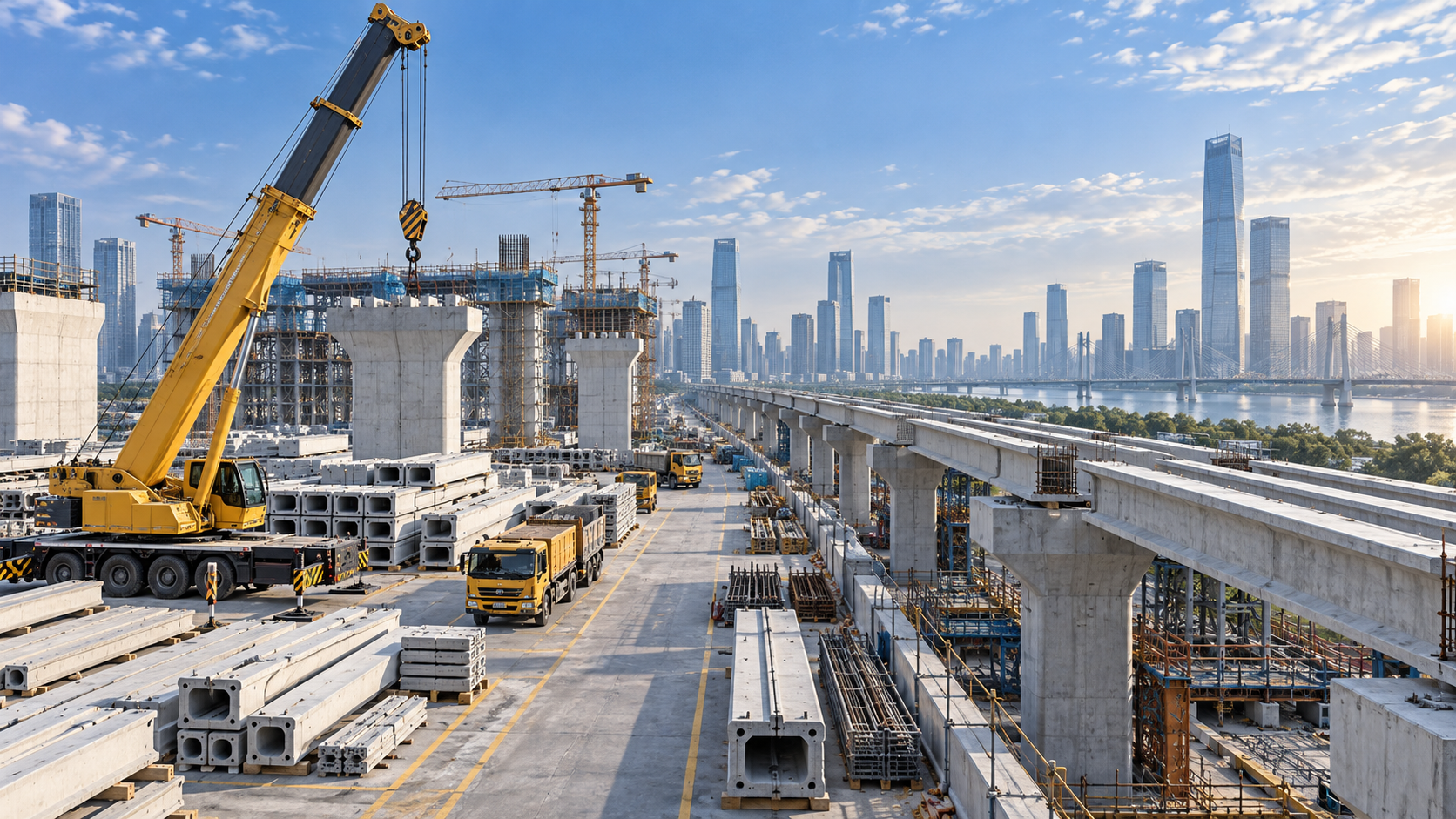
Large assets are delivered over long timelines. Roads, bridges, tunnels, rail systems, ports, and utilities often face changing prices and shifting site realities.
Unlike short-cycle building work, infrastructure construction projects depend on many external systems. Land acquisition, permits, utility relocation, logistics access, and community approvals can all move costs.
A small delay may trigger extended equipment rental, standby labor, financing interest, claim exposure, and revised completion commitments.
The risk is also cumulative. One design gap can affect quantities, procurement packages, subcontractor pricing, and future maintenance assumptions.
For capital approval, the core question is simple. Are the estimates realistic enough to survive uncertainty without weakening project value?
Key features of cost exposure
- Long delivery periods increase exposure to inflation and interest rate changes.
- Complex interfaces create uncertainty between civil works, systems, utilities, and operations.
- Public scrutiny can delay decisions and increase compliance costs.
- Site conditions may differ sharply from early survey assumptions.
- Contract structures can transfer risk without reducing total project exposure.
Which cost drivers most often weaken infrastructure construction projects?
The most common drivers are usually visible early. The challenge is that they are often underestimated during optimistic approval phases.
Material volatility remains a major threat. Steel, cement, aggregates, copper, asphalt, fuel, and specialized components can shift quickly during global supply disruptions.
Labor risk is equally important. Skilled operators, welders, electricians, tunnel crews, surveyors, and project controls specialists can become scarce in active markets.
Design maturity affects almost every cost line. Incomplete drawings lead to provisional quantities, change orders, rework, and inconsistent bid comparisons.
Regulatory timing can also reshape infrastructure construction projects. Environmental approvals, safety reviews, heritage restrictions, and traffic management permits may extend schedules.
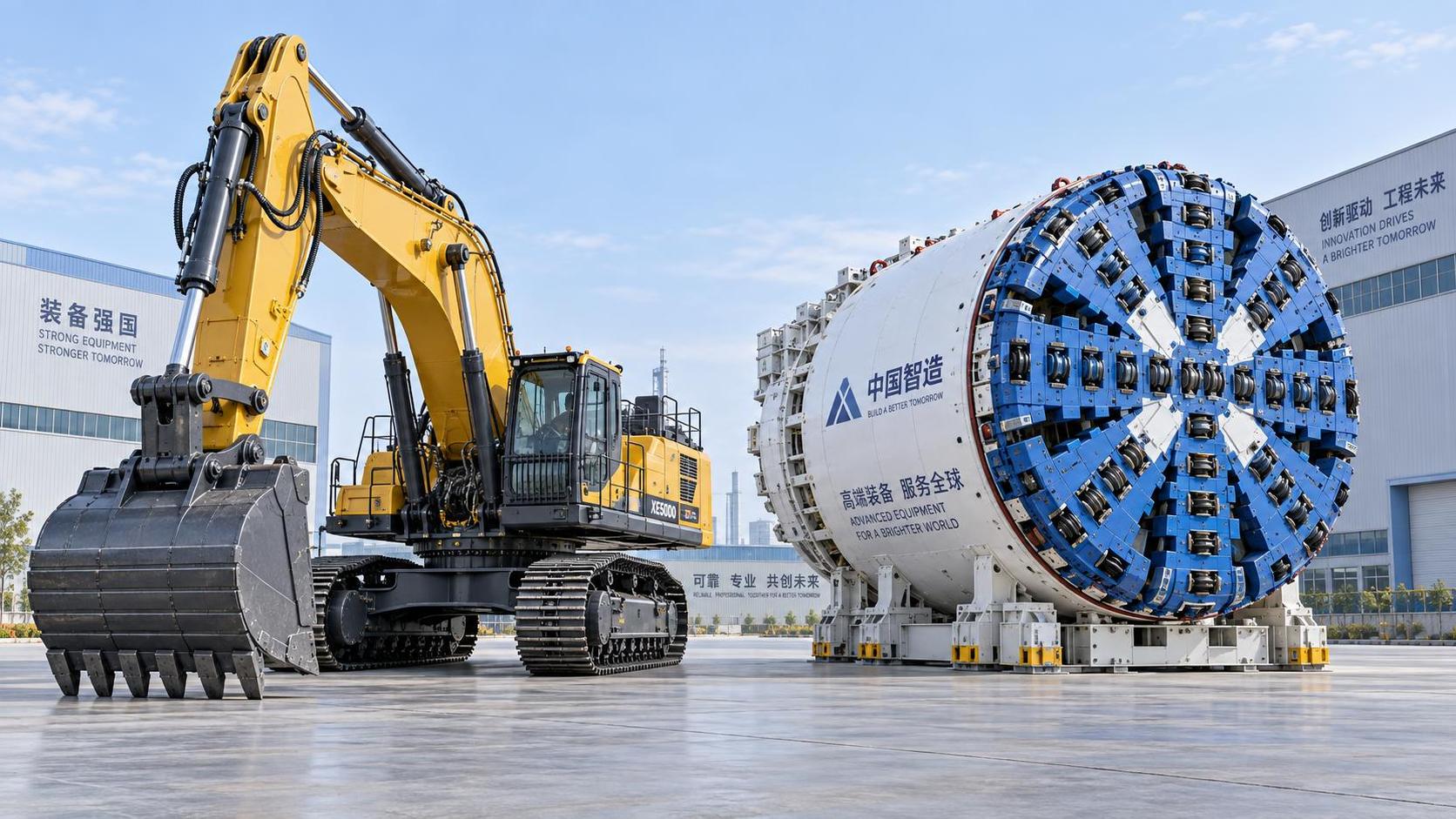
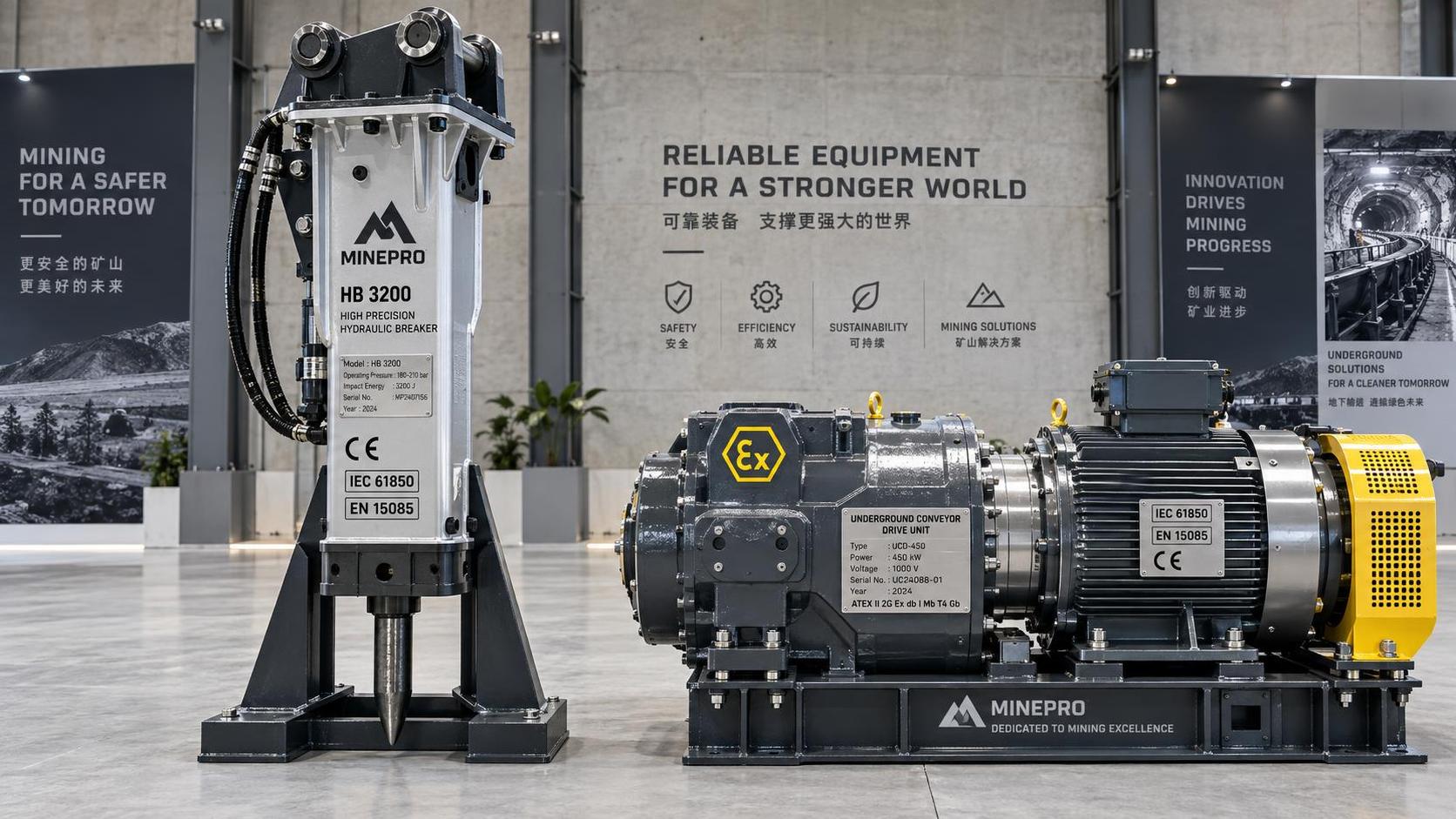
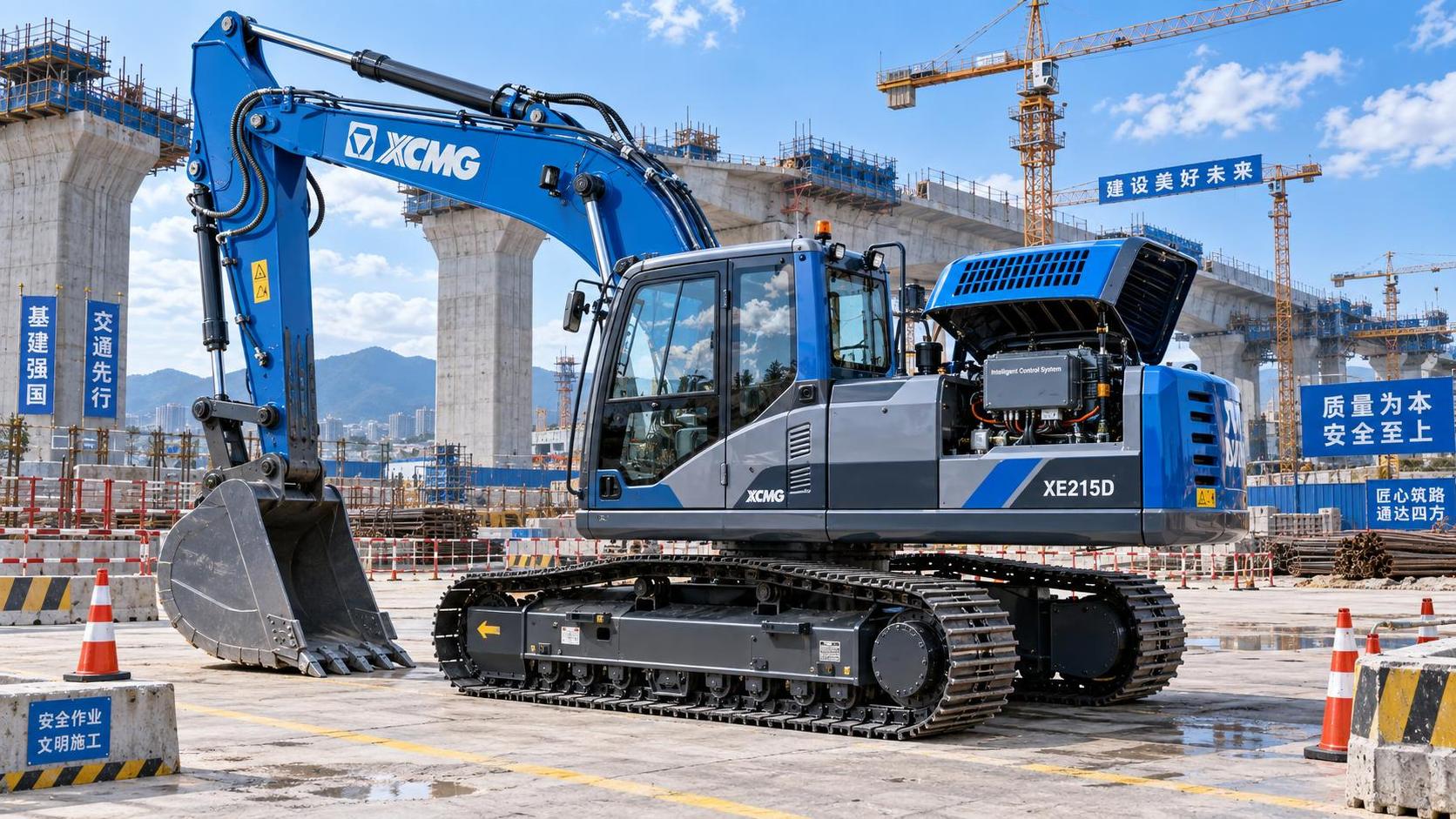
Equipment downtime creates hidden cost leakage. Cranes, boring machines, pavers, batching plants, and rail maintenance equipment require uptime planning and spare part visibility.
Cost drivers to test before approval
How should early estimates be judged in infrastructure construction projects?
Early estimates should be treated as risk models, not fixed numbers. Their value depends on assumptions, data quality, and transparent uncertainty ranges.
A strong estimate explains what is known, what is provisional, and which assumptions could alter the investment case.
For infrastructure construction projects, a single-point estimate is rarely enough. Decision-makers need base cost, escalation, contingency, and management reserve separated clearly.
Benchmarking is useful, but only when adjusted. Soil conditions, urban constraints, local labor productivity, standards, and procurement routes all affect comparability.
Quantity risk should be visible. Earthworks, foundations, tunneling, drainage, bridge structures, and utility diversions often contain uncertainty before detailed investigations.
Approvers should also test optimism bias. Project teams may understate risks to pass funding gates or secure political commitment.
Signals of a reliable estimate
- Assumptions are documented and linked to drawing status.
- Contingency is based on identified risks, not a flat percentage.
- Escalation reflects schedule exposure and commodity trends.
- Scope exclusions are explicit and commercially reviewed.
- Independent review challenges quantities, rates, and productivity factors.
The strongest infrastructure construction projects combine engineering judgment with data. Historical performance, market intelligence, and probabilistic analysis improve approval confidence.
Why do contracts fail to control cost risk by themselves?
Contracts allocate responsibility, but they do not eliminate uncertainty. Poor risk transfer can increase bid prices or trigger disputes later.
In infrastructure construction projects, the cheapest bid may carry the highest execution risk. Aggressive pricing often returns through claims, variation orders, or quality compromise.
Fixed-price contracts can work when scope is stable and site risk is well understood. They perform poorly when early information is incomplete.
Cost-plus models improve flexibility, but weak controls can reduce cost discipline. Target cost models require transparent data and mature collaboration.
Public-private partnerships also need careful risk alignment. Revenue assumptions, lifecycle costs, performance deductions, and refinancing terms affect total value.
Questions before choosing a contract model
- Is the design mature enough for fixed pricing?
- Who can best manage geotechnical, utility, and permitting risks?
- Are escalation clauses fair and measurable?
- Does the payment structure reward early problem disclosure?
- Are dispute resolution steps fast enough to protect the schedule?
Good governance matters more than contract wording alone. Cost risk must be monitored through live data, approvals, and accountable change control.
How can digital intelligence reduce overruns in infrastructure construction projects?
Digital tools cannot remove risk, but they can reveal weak signals earlier. This is critical for large infrastructure construction projects with many interfaces.
Building information modeling helps connect design quantities, sequencing, clashes, and procurement packages. It reduces late surprises when used beyond visualization.
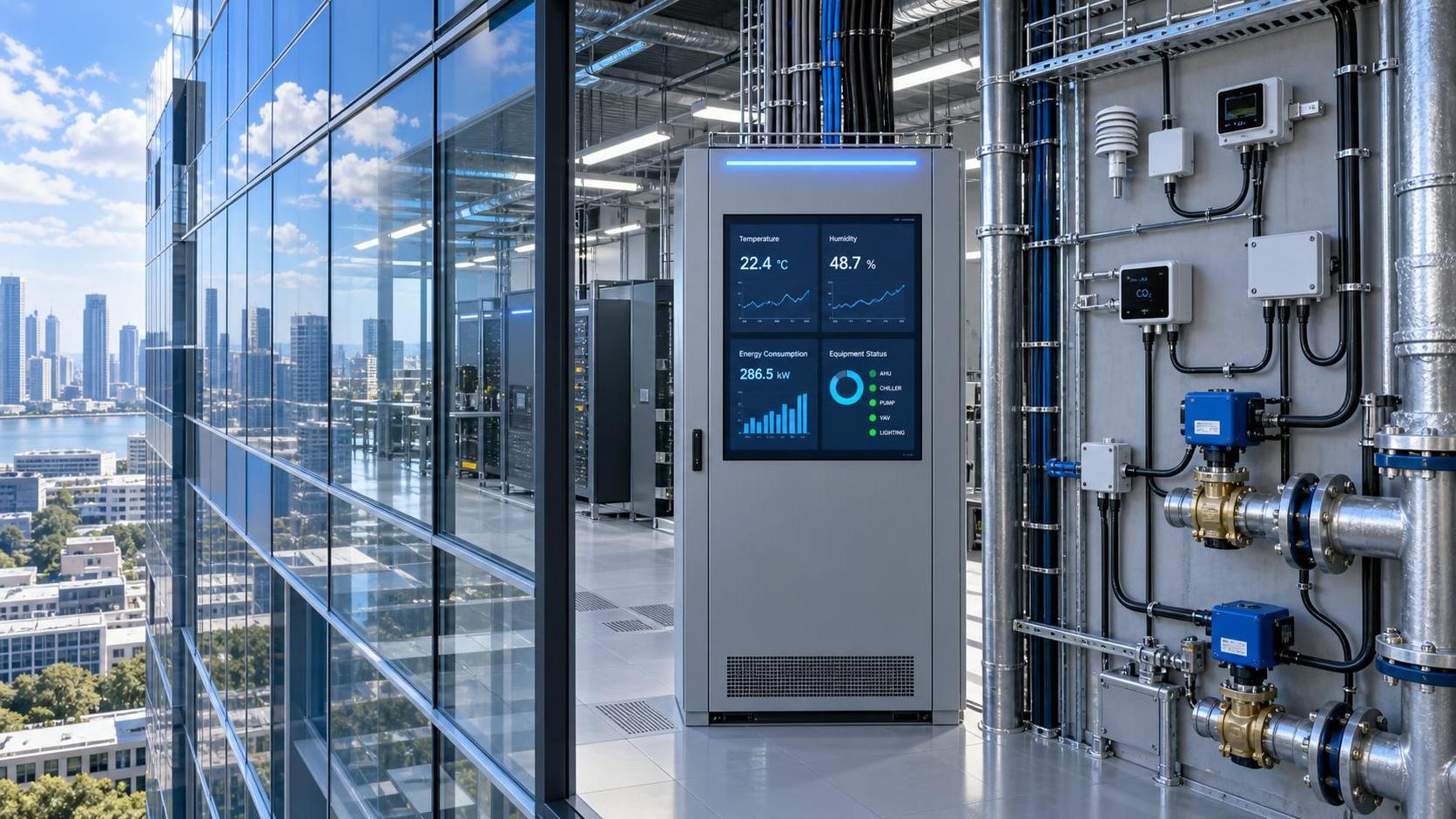
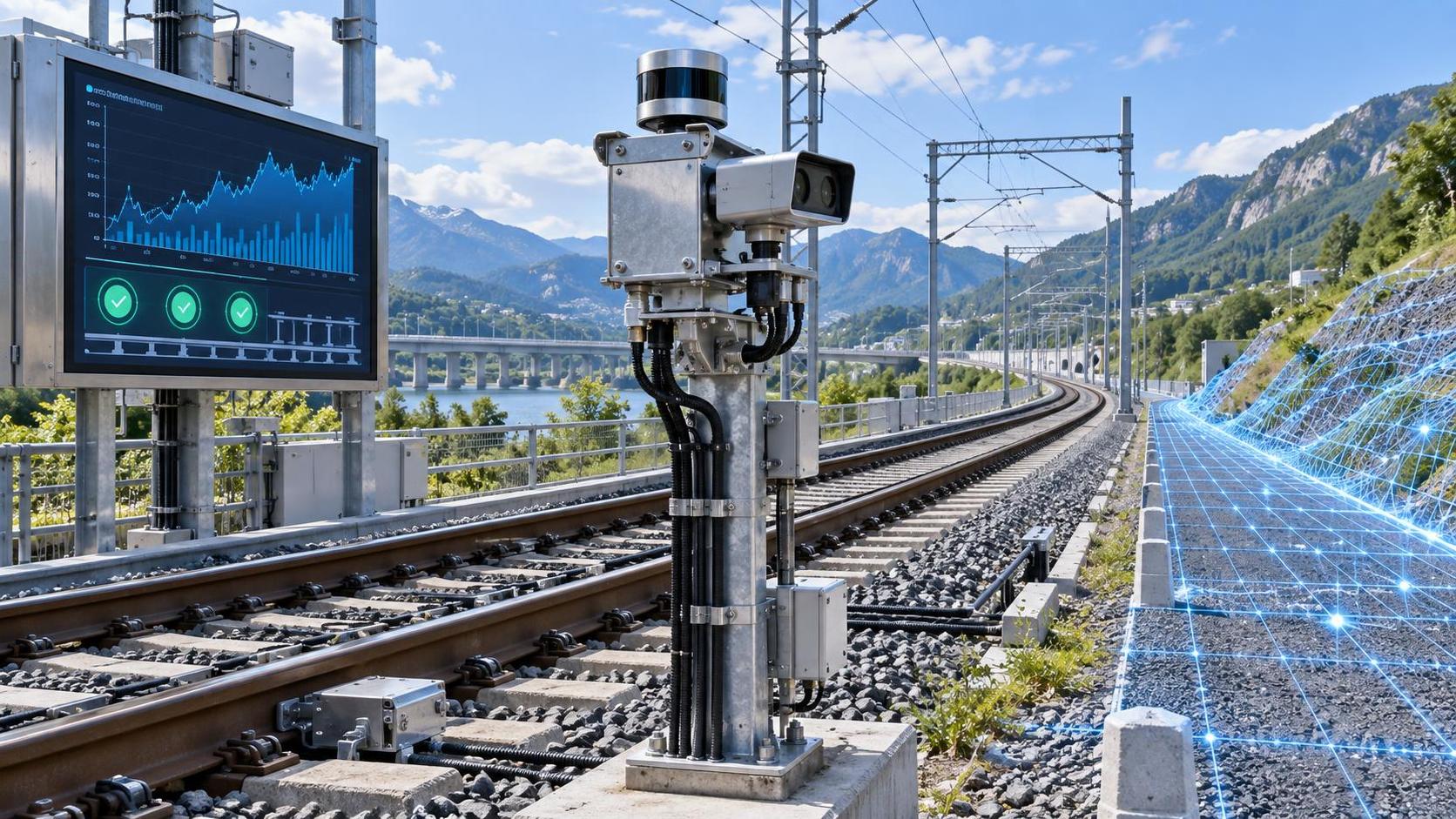
Digital twins add operational context. They link physical assets, sensors, schedule progress, maintenance assumptions, and lifecycle performance.
Project controls platforms can integrate cost, schedule, contracts, risk registers, and field progress. This supports earlier corrective action.
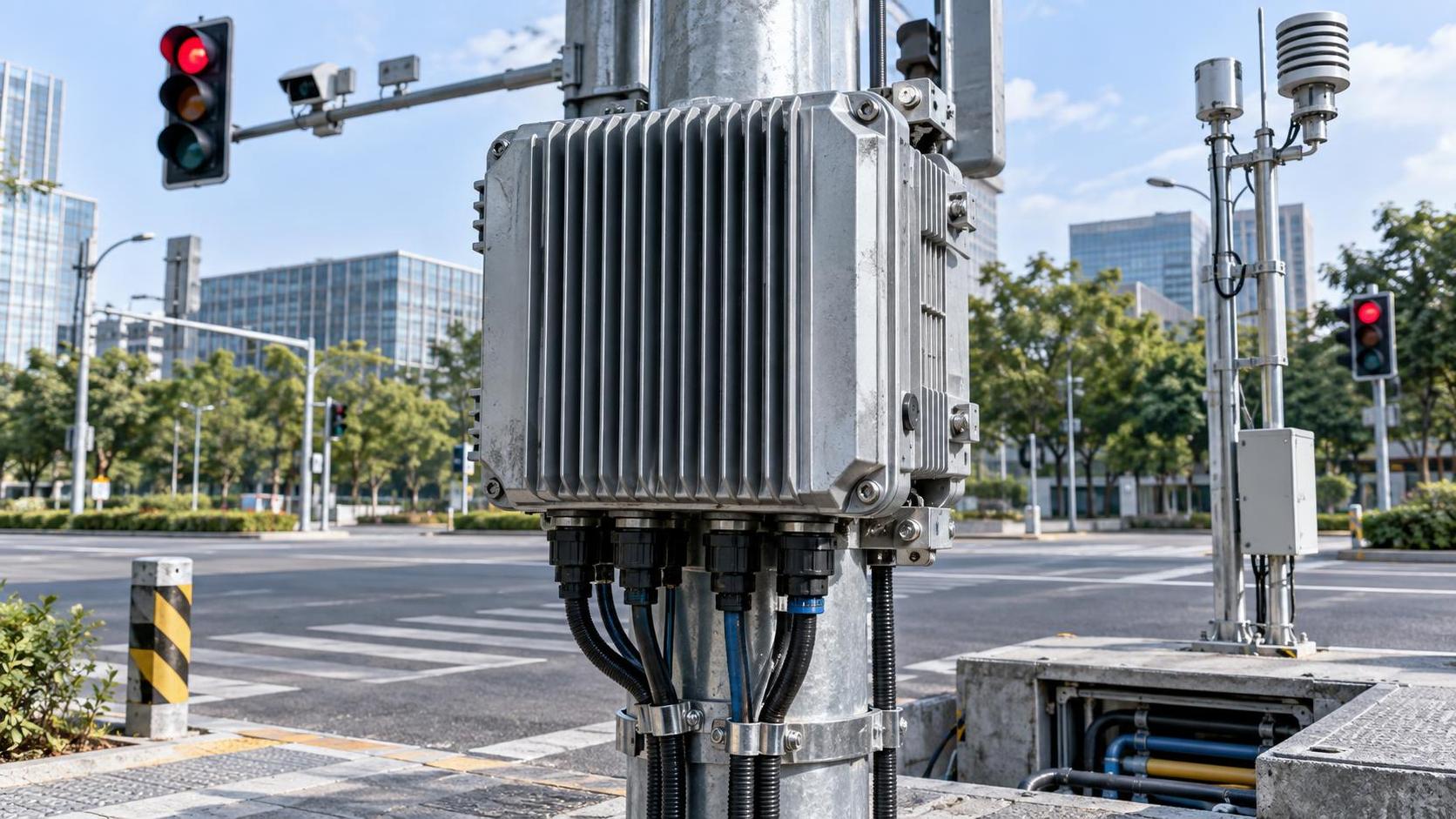
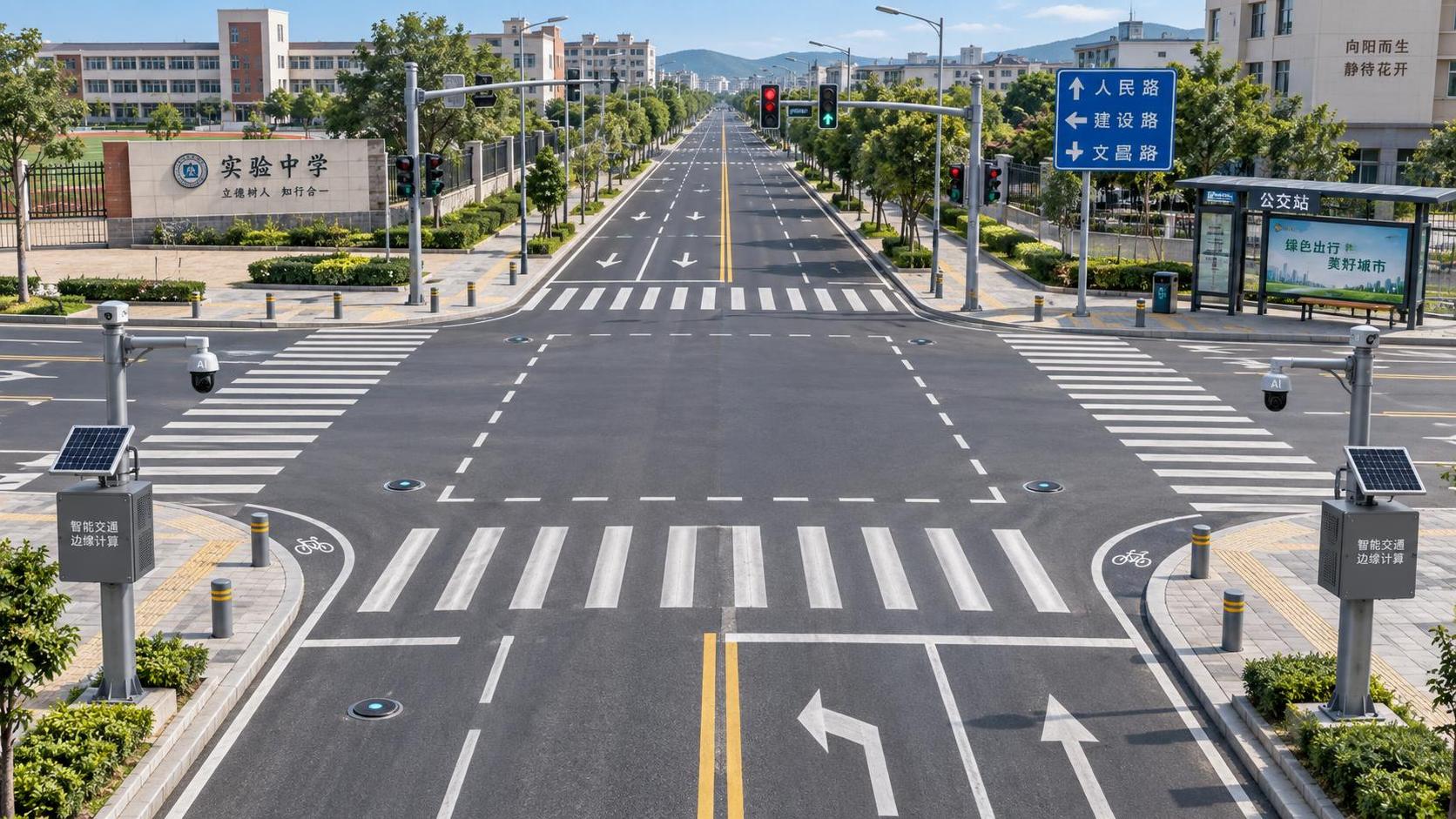
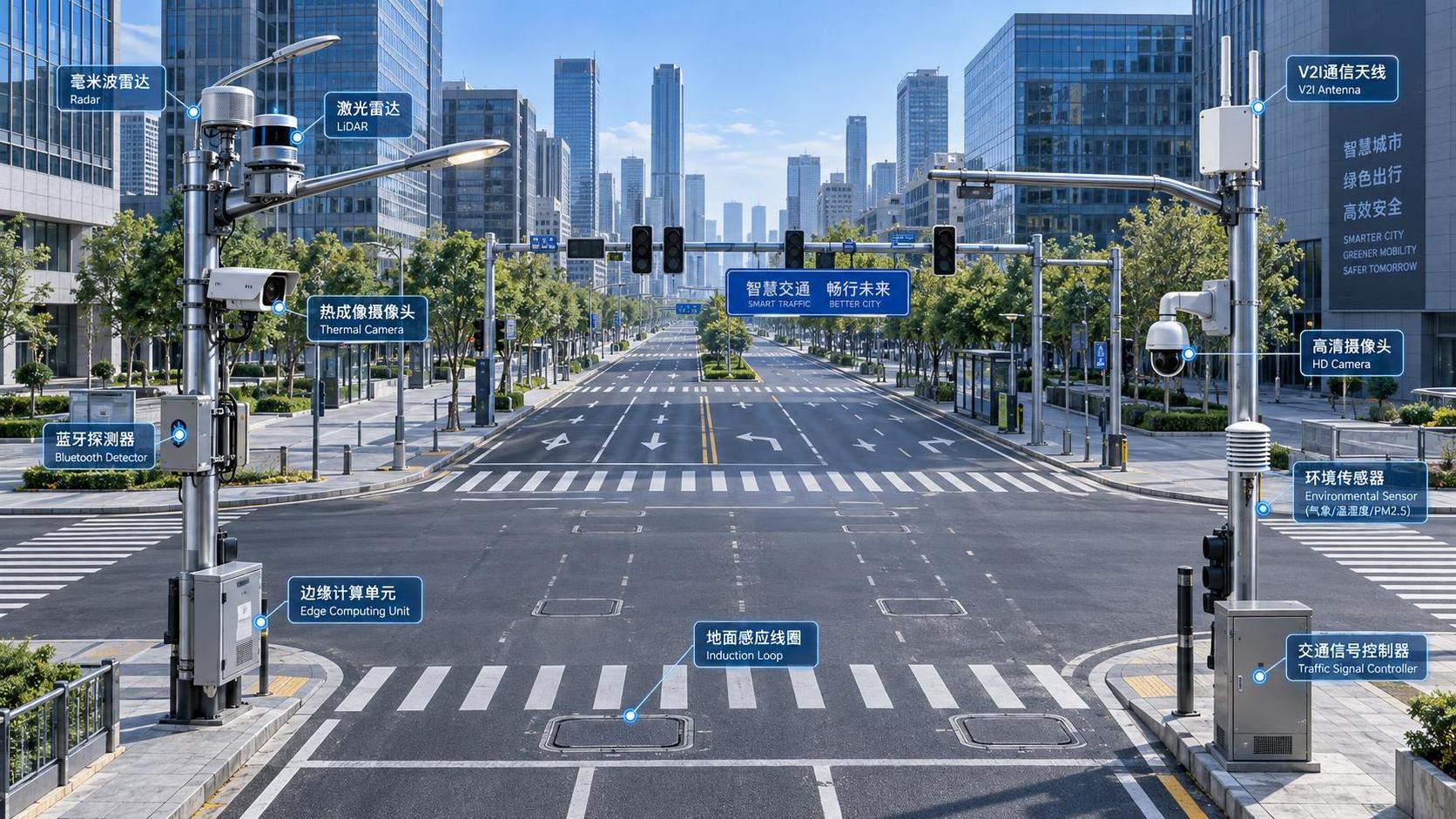
For smart city and transport assets, data continuity matters. The same information should support construction, commissioning, operation, and future upgrades.
Data-led controls that improve decisions
- Create one approved cost baseline before major procurement.
- Track earned value against physical progress, not only invoices.
- Use risk-adjusted forecasts updated at fixed reporting intervals.
- Connect change requests to schedule and cash-flow effects.
- Monitor equipment uptime, productivity, and resource bottlenecks.
These practices support more resilient infrastructure construction projects. They also reduce the gap between board-level reporting and site-level reality.
What cost risks are often underestimated after construction starts?
Many budgets weaken after mobilization because hidden dependencies become visible. Early optimism then meets physical constraints, stakeholder pressure, and procurement delays.
Interface risk is one example. Civil works may finish late, preventing signaling, power, mechanical systems, or testing teams from starting.
Temporary works can also be underestimated. Access roads, traffic diversions, dewatering, shoring, site power, and environmental protection create significant cost.
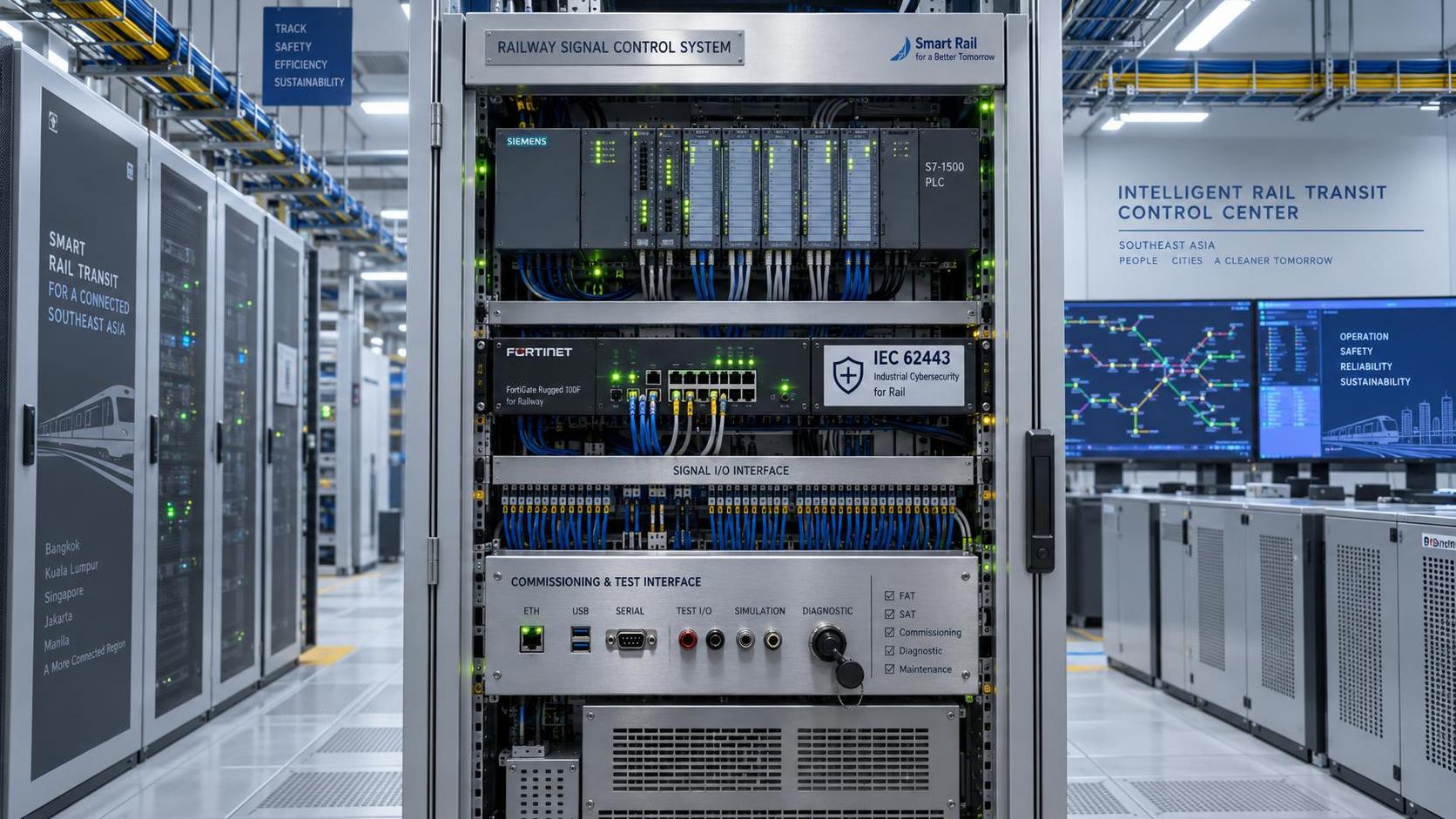
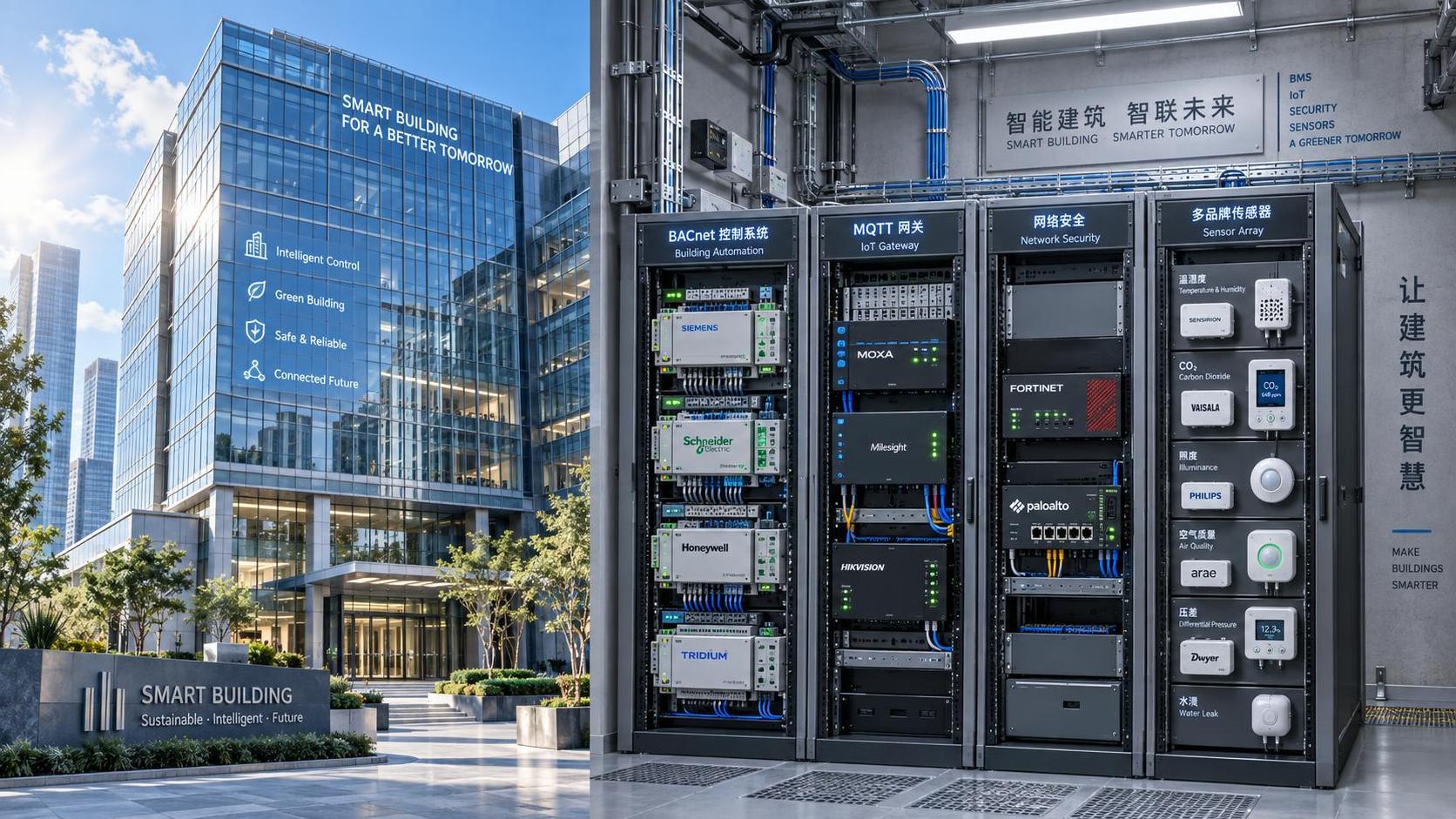
Commissioning risk is another frequent blind spot. Railways, airports, utilities, and smart buildings require integration testing before public service begins.
Inflation in indirect costs matters. Site offices, security, supervision, insurance, finance charges, and professional fees grow when schedules slip.
For infrastructure construction projects, late savings can become false economies. Cutting quality inspections or maintenance access may raise lifecycle costs sharply.
Common mistakes to avoid
- Approving scope before utility conflicts are mapped.
- Using contingency to cover known omissions.
- Separating schedule risk from cost forecasting.
- Ignoring contractor cash-flow stress and supply chain weakness.
- Delaying decisions until change costs become unavoidable.
FAQ: cost risk decisions in infrastructure construction projects
How can capital owners protect value before final approval?
Strong approval discipline begins before funding is locked. The goal is not to stop infrastructure construction projects, but to make them investable.
Start with a risk-based business case. Link scope, benefits, cost, schedule, funding, procurement, and lifecycle performance in one decision framework.
Require independent estimate review for major gateways. External challenge can expose optimism, weak benchmarks, missing scope, and unrealistic productivity assumptions.
Build a clear escalation strategy. Separate commodity escalation, currency risk, interest exposure, and local wage movement from base construction cost.
Use scenario planning for extreme but plausible events. Floods, supply shocks, contractor failure, and legal injunctions can reshape infrastructure construction projects.
Finally, create a decision calendar. Slow approvals often cost more than difficult approvals made with clear evidence.
Action checklist for stronger governance
- Confirm scope boundaries and exclusions before funding approval.
- Complete critical surveys before committing to fixed delivery dates.
- Align contract risk with the party best able to manage it.
- Use digital reporting that connects cost, schedule, and risk.
- Protect contingency from being spent on known scope gaps.
Cost risk in infrastructure construction projects is manageable when uncertainty is made visible early and governed continuously.
The practical next step is to review the current estimate, risk register, contract strategy, and forecast method as one integrated control system.
With disciplined data, transparent assumptions, and timely decisions, infrastructure construction projects can protect capital while supporting resilient, sustainable urban development.
Get weekly intelligence in your inbox.
No noise. No sponsored content. Pure intelligence.
News Recommendations
 Sep 19, 2026How an electronics application guide helps prevent component mismatchHow an electronics application guide helps prevent component mismatch
 Sep 18, 2026When a resource allocation platform improves project deliveryWhen a resource allocation platform improves project delivery
 Sep 17, 2026What to compare when evaluating mineral processing equipment manufacturersWhat to compare when evaluating mineral processing equipment manufacturers
 Sep 16, 2026How mineral separation optimization can reduce concentrate lossesHow mineral separation optimization can reduce concentrate losses
 Sep 15, 2026How to assess lifecycle costs in urban tech procurementHow to assess lifecycle costs in urban tech procurement
 Sep 14, 2026Heavy industry technology trends reshaping capital investment prioritiesHeavy industry technology trends reshaping capital investment priorities
 Sep 14, 2026Global Industrial Equipment Procurement: How Top OEMs Qualify Suppliers for Mining & Infrastructure ProjectsGlobal Industrial Equipment Procurement: How Top OEMs Qualify Suppliers for Mining & Infrastructure Projects
 Sep 14, 2026Industrial & Mining Equipment Procurement: Balancing Local Sourcing, Lead Time, and Certification RequirementsIndustrial & Mining Equipment Procurement: Balancing Local Sourcing, Lead Time, and Certification Requirements
 Sep 14, 2026Infrastructure & Equipment Upgrades: What Procurement Teams Must Verify Before Signing Off on New ContractsInfrastructure & Equipment Upgrades: What Procurement Teams Must Verify Before Signing Off on New Contracts
 Sep 14, 2026Why Infrastructure Equipment Buyers Are Shifting from Catalog-Based to Capability-Based Supplier SelectionWhy Infrastructure Equipment Buyers Are Shifting from Catalog-Based to Capability-Based Supplier Selection
 Sep 14, 2026Process Automation Project Execution: How to Align Supplier Capabilities with PLC Integration, Cybersecurity & Commissioning MilestonesProcess Automation Project Execution: How to Align Supplier Capabilities with PLC Integration, Cybersecurity & Commissioning Milestones
 Sep 14, 2026Are intelligent traffic systems worth the investment for small cities?Are intelligent traffic systems worth the investment for small cities?
 Sep 14, 2026How do intelligent traffic systems handle sensor failures?How do intelligent traffic systems handle sensor failures?
 Sep 14, 2026What should I check before accepting a smart building system?What should I check before accepting a smart building system?
 Sep 14, 2026Is a smart building system worth the maintenance cost?Is a smart building system worth the maintenance cost?
 Sep 14, 2026What data is needed for reliable resource allocation planning?What data is needed for reliable resource allocation planning?
 Sep 14, 2026How can resource allocation software reduce equipment idle time?How can resource allocation software reduce equipment idle time?
 Sep 14, 2026How should smart devices be maintained in harsh outdoor conditions?How should smart devices be maintained in harsh outdoor conditions?
 Sep 14, 2026Do smart devices improve worker safety on construction sites?Do smart devices improve worker safety on construction sites?
 Sep 14, 2026What environmental risks must be assessed before deep-sea mining?What environmental risks must be assessed before deep-sea mining?
 Sep 14, 2026Is deep-sea mining equipment commercially viable in 2026?Is deep-sea mining equipment commercially viable in 2026?
 Sep 14, 2026What Inspection Checks Should Procurement Teams Perform Before Ordering Dredging Equipment in 2026?What Inspection Checks Should Procurement Teams Perform Before Ordering Dredging Equipment in 2026?
 Sep 13, 2026How to verify an industrial product information source before specifying equipmentHow to verify an industrial product information source before specifying equipment
 Sep 12, 2026Which intelligent traffic systems hardware fits an urban intersection?Which intelligent traffic systems hardware fits an urban intersection?
 Sep 11, 2026How pump capacity affects response coverage for municipal fire fighting vehiclesHow pump capacity affects response coverage for municipal fire fighting vehicles
 Sep 10, 2026What to verify before choosing a heavy industry equipment supplierWhat to verify before choosing a heavy industry equipment supplier
 Sep 09, 2026When do adaptive urban traffic control systems reduce corridor delays?When do adaptive urban traffic control systems reduce corridor delays?