Resource Development Technology Solutions: Selection Checklist
Selecting the right resource development technology solutions requires more than comparing vendor claims or feature lists. For technical evaluators, the decision must balance extraction efficiency, safety performance, data integration, environmental compliance, lifecycle cost, and scalability across complex operating environments. This checklist-oriented guide helps engineering, mining, infrastructure, and urban technology teams assess whether a solution can support smarter resource planning, resilient operations, and sustainable development outcomes.
Start With the Real Evaluation Question
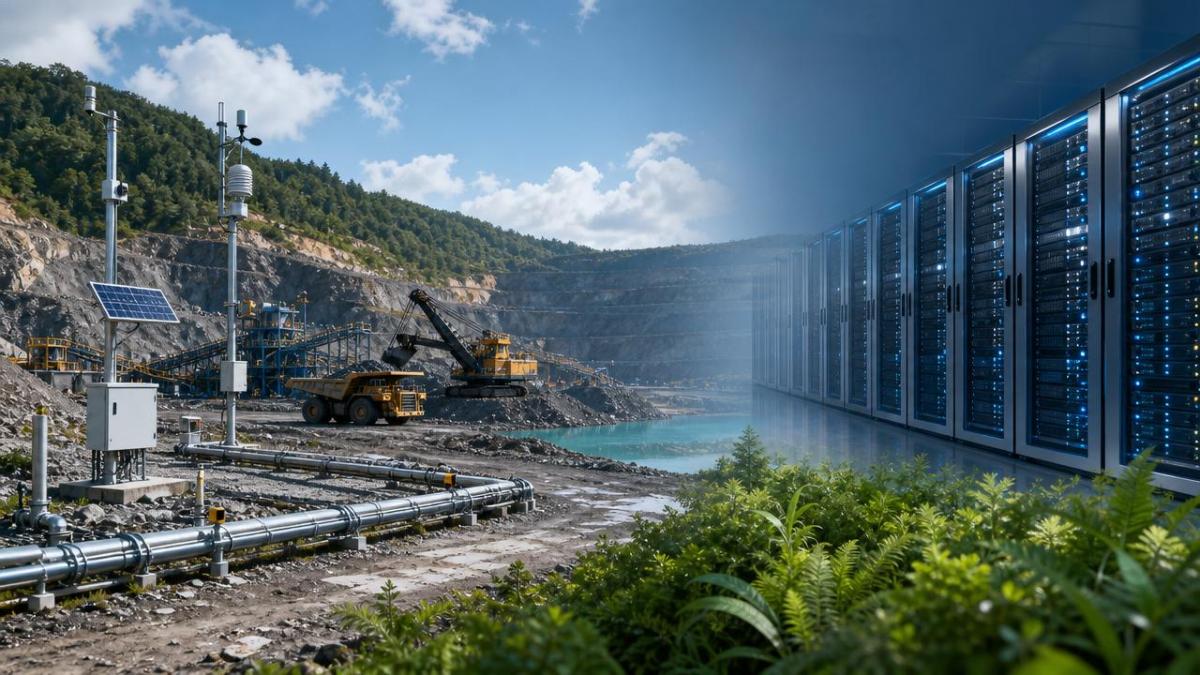
The core question is not whether a platform looks advanced. It is whether the solution improves resource decisions under operational pressure.
Technical evaluators should test every claim against field realities, including variable geology, remote assets, legacy systems, safety constraints, and regulatory scrutiny.
A strong solution connects planning, extraction, monitoring, maintenance, and compliance into a measurable operating model, not a disconnected software layer.
The most useful checklist therefore focuses on evidence: data quality, integration depth, reliability, cost transparency, cybersecurity, and environmental performance.
Define the Resource Development Use Case Before Comparing Vendors
Many failed technology selections begin with a broad request for innovation, rather than a precise description of the operating problem.
Before reviewing resource development technology solutions, evaluators should separate exploration, extraction, processing, logistics, reclamation, and asset optimization needs.
A mine safety monitoring platform, for example, should not be assessed using the same criteria as a regional water resource planning tool.
The operating environment also matters. Deep mining, offshore extraction, urban tunneling, and remote renewable resource development create different technical constraints.
Technical teams should document the target workflow, current bottlenecks, expected decision users, data sources, and measurable performance indicators before vendor engagement.
Checklist questions
- Which resource development stage must the solution improve first?
- What operational decision will become faster, safer, or more accurate?
- Which existing systems must exchange data with the new technology?
- What baseline metrics will prove improvement after deployment?
Evaluate Data Architecture, Not Just Dashboards
Dashboards are easy to demonstrate, but data architecture determines whether the solution remains useful after implementation and operational scaling.
Evaluators should examine how the system ingests sensor data, geological models, equipment telemetry, inspection records, weather feeds, and enterprise planning data.
The platform should support structured, semi-structured, and time-series data without requiring excessive manual cleaning or proprietary conversion steps.
Interoperability is especially important for infrastructure and resource operators managing mixed fleets, contractor systems, and long-lived industrial assets.
Open APIs, documented data models, and export capability reduce lock-in and help teams integrate analytics with existing operational technology environments.
Checklist questions
- Does the solution support real-time, batch, and historical data ingestion?
- Can it integrate with SCADA, GIS, ERP, CMMS, and fleet management systems?
- Are data ownership, retention, export, and deletion policies contractually clear?
- How does the platform handle missing, delayed, or unreliable field data?
Test Engineering Accuracy and Model Explainability
In resource development, inaccurate models can create safety risks, production losses, permitting delays, and expensive remediation obligations.
Technical evaluators should ask vendors to explain the assumptions behind forecasting models, optimization engines, digital twins, and predictive maintenance algorithms.
Black-box recommendations may be acceptable for low-risk administrative workflows, but they are insufficient for high-consequence engineering decisions.
The best resource development technology solutions show confidence levels, input sensitivity, validation history, and engineering logic behind automated recommendations.
Model performance should be verified against site-specific historical data, not only vendor-provided benchmarks from unrelated operating conditions.
Checklist questions
- Which physical, statistical, or machine learning models drive recommendations?
- Can engineers inspect assumptions, constraints, and confidence intervals?
- Has the model been validated in comparable geology, climate, or asset conditions?
- How does the system flag uncertainty before decisions become operational actions?
Assess Safety and Risk Management Capabilities
Safety performance is a primary selection factor, particularly for mining, heavy construction, energy resources, and hazardous industrial environments.
A credible solution should help identify leading risk indicators, not merely record incidents after they occur.
Look for capabilities such as geotechnical monitoring, fatigue detection, proximity alerts, ventilation analytics, equipment anomaly detection, and emergency response coordination.
However, safety features must be evaluated for false alarm rates, operator usability, communication reliability, and compatibility with site procedures.
If alerts are too frequent or poorly prioritized, workers may ignore them, reducing the value of otherwise advanced technology.
Checklist questions
- Which safety risks does the system actively detect or predict?
- How are alerts prioritized, escalated, acknowledged, and audited?
- Does the solution work during network outages or low-connectivity conditions?
- Can safety workflows be configured for local regulations and site protocols?
Measure Operational Efficiency With Field-Based Metrics
Efficiency claims should be translated into practical metrics that operators, engineers, and financial controllers can verify after deployment.
Relevant indicators may include equipment utilization, cycle time, ore recovery, fuel consumption, downtime, inspection productivity, or planning accuracy.
For infrastructure-linked resource projects, evaluators should also consider logistics constraints, haul road conditions, port throughput, rail capacity, and maintenance windows.
The solution should support continuous improvement by showing where production losses occur and which interventions produce measurable gains.
A pilot should compare actual performance against the baseline, rather than relying on simulation outputs alone.
Checklist questions
- Which operational KPI will improve within the first deployment phase?
- Can the platform identify root causes, not only report symptoms?
- Does the system support shift-level, asset-level, and enterprise-level performance views?
- How will benefits be measured independently from vendor reporting?
Verify Environmental Compliance and Sustainability Reporting
Resource development projects increasingly face pressure from regulators, investors, communities, and customers demanding transparent environmental performance.
Technology selection should therefore include emissions tracking, water management, tailings monitoring, land disturbance mapping, biodiversity data, and reclamation planning.
A solution that simplifies compliance reporting can reduce administrative burden while improving the defensibility of environmental disclosures.
Evaluators should confirm whether reporting templates align with applicable local regulations, international standards, and internal sustainability frameworks.
Environmental data must also be traceable, auditable, and protected from unauthorized changes to maintain credibility during reviews.
Checklist questions
- Does the solution track environmental indicators relevant to the project lifecycle?
- Can it generate auditable reports for regulators and internal governance teams?
- How does it support carbon reduction, water efficiency, or waste minimization targets?
- Are environmental alerts connected to operational response workflows?
Examine Deployment Practicality in Harsh Operating Environments
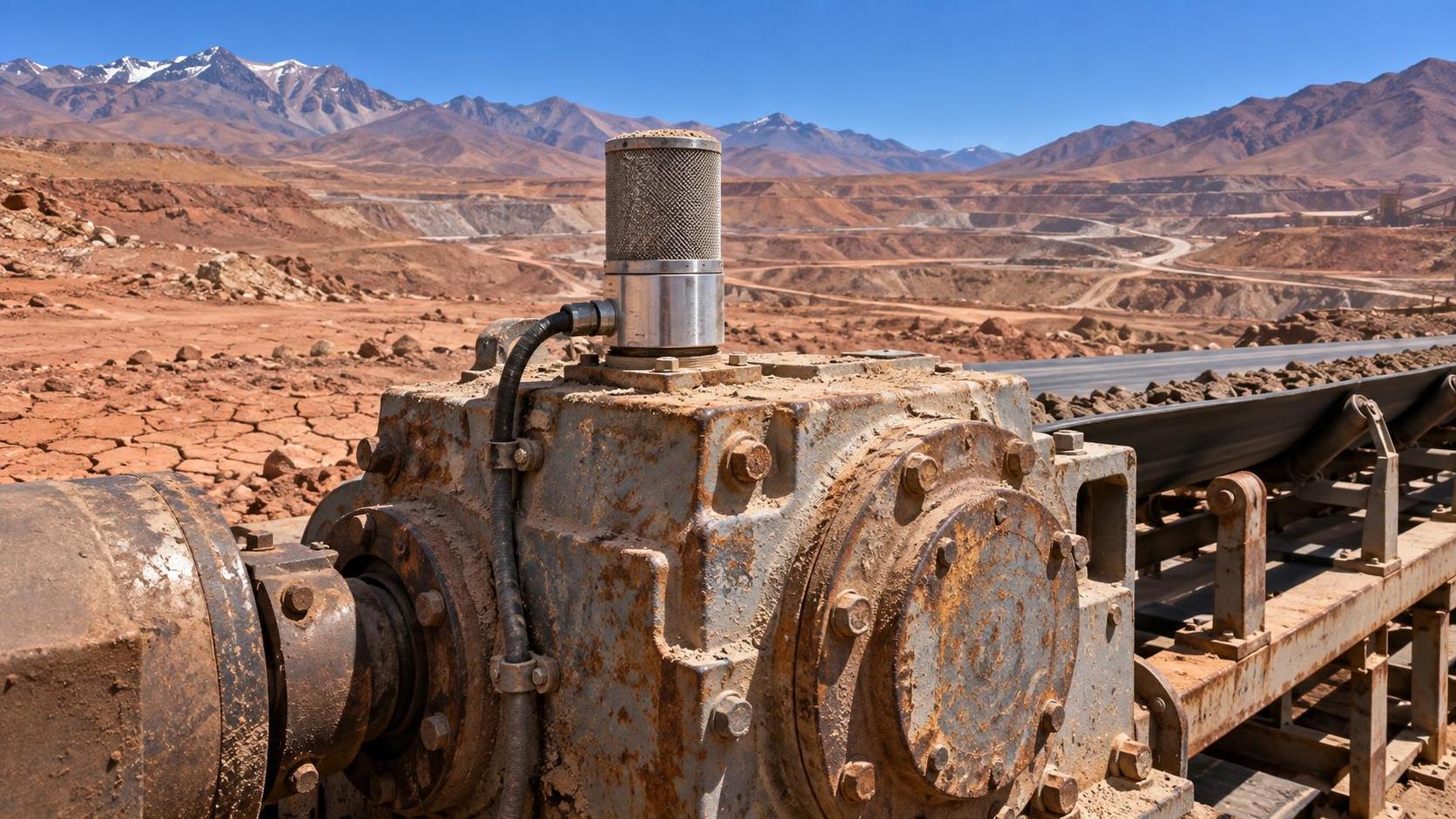
A solution that performs well in a conference demonstration may struggle in dust, vibration, extreme temperatures, remote sites, or unstable connectivity.
Technical evaluators should review hardware durability, edge processing capability, offline functionality, network requirements, and maintenance access.
Cloud platforms can provide powerful analytics, but field operations often require local resilience when satellite or cellular links fail.
The deployment model should match the site’s operational maturity, IT resources, cybersecurity rules, and acceptable downtime tolerance.
Implementation planning must include calibration, user training, spare parts, technical support, and transition procedures from legacy workflows.
Checklist questions
- What infrastructure must be installed before the system becomes operational?
- Can critical functions continue during connectivity interruptions?
- What skills are required for configuration, maintenance, and troubleshooting?
- How long does deployment take across one site and multiple sites?
Review Cybersecurity, Governance, and Access Control
Resource development technology increasingly connects operational technology, enterprise systems, mobile devices, contractors, and cloud environments.
This connectivity creates productivity benefits, but it also expands the attack surface for critical infrastructure and industrial assets.
Evaluators should require evidence of encryption, identity management, role-based access, vulnerability management, incident response, and secure software development practices.
Data governance is equally important because resource models, production data, and exploration records may represent strategic commercial value.
The selection process should involve cybersecurity specialists early, not after the preferred vendor has already been chosen.
Checklist questions
- Does the vendor provide security certifications, penetration test summaries, or audit evidence?
- Can access rights be separated by role, site, contractor, and data sensitivity?
- How are patches, vulnerabilities, backups, and incident notifications managed?
- Where is data hosted, and which jurisdictional requirements apply?
Calculate Lifecycle Cost, Not Only Purchase Price
The lowest initial price may become expensive if integration, training, customization, connectivity, and support costs are underestimated.
A complete financial assessment should include licenses, sensors, hardware, implementation services, data migration, cybersecurity reviews, upgrades, and internal labor.
Technical evaluators should also estimate the cost of downtime during installation and the operational burden of maintaining the solution.
Return on investment should be tied to validated performance improvements, risk reduction, compliance savings, and avoided production losses.
Contracts should clarify escalation fees, support levels, service credits, roadmap commitments, and exit options if performance is inadequate.
Checklist questions
- What is the total cost over three, five, and ten years?
- Which costs are fixed, variable, usage-based, or dependent on expansion?
- What internal resources are required to sustain the system?
- Can the organization exit without losing access to critical historical data?
Score Vendors With a Weighted Evaluation Matrix
A weighted matrix helps technical teams compare vendors transparently and avoid decisions driven by impressive demonstrations or procurement pressure.
Criteria should reflect the project’s risk profile, operational priorities, regulatory requirements, and long-term digital architecture strategy.
For high-risk resource operations, safety, reliability, cybersecurity, and model accuracy should usually carry more weight than user interface aesthetics.
For early-stage planning projects, data integration, scenario modeling, collaboration features, and reporting flexibility may deserve higher weighting.
The evaluation team should include engineering, operations, IT, safety, environmental, finance, procurement, and site-level representatives.
Suggested weighting categories
- Operational fit and workflow impact: 20%
- Data integration and interoperability: 15%
- Engineering accuracy and explainability: 15%
- Safety, reliability, and field resilience: 15%
- Environmental compliance and reporting: 10%
- Cybersecurity and governance: 10%
- Lifecycle cost and vendor viability: 15%
Run a Pilot That Proves Operational Readiness
A pilot should not be treated as a symbolic trial. It should be designed to test adoption, performance, and operational value.
The pilot scope must be narrow enough to manage, but realistic enough to expose integration challenges and field constraints.
Before launch, define success metrics, responsible users, baseline data, test duration, support arrangements, and decision gates for expansion.
During the pilot, capture user feedback from supervisors, engineers, equipment operators, maintenance teams, and data analysts.
The final decision should consider technical results and organizational readiness, because even strong technology fails without adoption discipline.
Checklist questions
- What minimum performance threshold must the pilot achieve?
- Which workflows will be tested under normal and abnormal conditions?
- How will user adoption and decision quality be measured?
- What changes are required before scaling across additional assets?
Conclusion: Select for Evidence, Resilience, and Long-Term Value
The best resource development technology solutions are not simply the newest or most feature-rich options available in the market.
They are the solutions that improve decisions, withstand field conditions, integrate with existing systems, and prove measurable value over time.
For technical evaluators, the selection process should move from vendor promises toward verifiable evidence, structured scoring, and controlled pilot validation.
When safety, data architecture, environmental performance, cybersecurity, and lifecycle economics are evaluated together, technology choices become more defensible.
A disciplined checklist gives engineering and infrastructure teams a practical path toward smarter resource planning and more sustainable development outcomes.