Global Infrastructure Risks Reshaping Project Planning
Global infrastructure is entering a period of heightened uncertainty, where climate volatility, supply disruption, geopolitical tension, and rapid urban technology shifts are reshaping delivery.
Risk is no longer a late-stage compliance item. It now influences feasibility, financing, scheduling, procurement, digital design, and long-term asset resilience.
Global Infrastructure Risk as a Planning Discipline
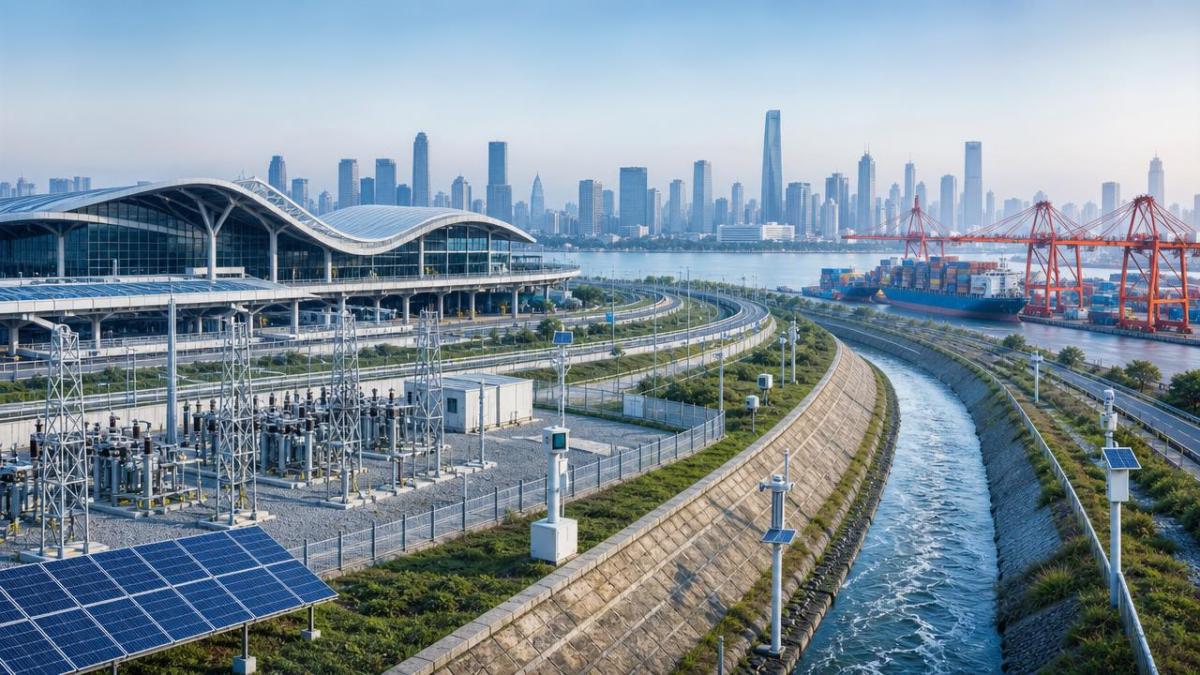
Global infrastructure planning covers transport corridors, energy systems, water networks, ports, mines, logistics hubs, and smart urban assets.
The common thread is interdependence. A delayed substation, bridge component, signaling module, or drainage upgrade can affect multiple sectors.
Modern planning therefore requires a broader risk lens. Technical design must connect with policy, capital markets, climate data, and operational technology.
For global infrastructure, the central question is not only whether an asset can be built.
The stronger question is whether it can remain useful under stress, adaptation pressure, and changing public expectations.
Current Signals Reshaping Project Assumptions
Several risk signals now appear across global infrastructure portfolios. They are visible in construction, mining, logistics, utilities, and urban technology programs.
These signals show why global infrastructure cannot rely on static baselines. Risk registers must evolve as external conditions change.
Early assumptions about weather, labor availability, imported machinery, or data systems may become obsolete before construction begins.
Climate and Resilience Pressures
Climate stress is among the most visible pressures on global infrastructure. Floods, heatwaves, storms, and droughts increasingly affect asset performance.
Traditional design codes often use historical data. That approach is becoming less reliable where climate behavior is shifting quickly.
Resilient planning uses forward-looking scenarios. It assesses how infrastructure performs under multiple temperature, rainfall, sea-level, and energy demand patterns.
For global infrastructure, resilience also includes recovery speed. A transport route that reopens quickly may protect regional productivity.
- Apply climate-adjusted design thresholds for critical assets.
- Protect substations, tunnels, depots, and control centers from cascading damage.
- Prioritize drainage, cooling, monitoring, and emergency access.
- Link maintenance budgets with changing exposure levels.
The strongest global infrastructure strategies treat resilience as a lifecycle requirement, not a premium feature added after approval.
Supply Chain Exposure and Procurement Redesign
Major projects depend on steel, cement, transformers, tunnel equipment, rail components, sensors, control systems, and specialized vehicles.
When one category becomes scarce, global infrastructure schedules can slip across regions. Cost estimates may also lose credibility.
Procurement planning now requires transparency beyond first-tier suppliers. Critical subcomponents often determine the true schedule risk.
Long-lead electrical equipment, signaling systems, crane components, and smart meters require earlier design freeze decisions.
At the same time, over-standardization can create vulnerability. A single approved component may become a bottleneck during market disruption.
A resilient supply strategy balances cost efficiency with redundancy. That balance is increasingly central to global infrastructure investment decisions.
Geopolitical, Regulatory, and Financing Uncertainty
Global infrastructure is strongly shaped by policy. Trade restrictions, sanctions, local content rules, and permitting reform can change delivery pathways.
Financing conditions also matter. Higher interest rates can reduce project viability, especially for capital-intensive transport and energy programs.
Public-private partnership models require careful allocation of demand risk, inflation risk, exchange-rate risk, and regulatory change risk.
In cross-border corridors, alignment becomes harder. Customs procedures, land acquisition rules, technical standards, and security concerns may conflict.
For global infrastructure, political stability is not the only issue. Institutional capacity and execution consistency are equally important.
- Test feasibility against multiple interest-rate and currency scenarios.
- Track policy changes affecting materials, labor, data, and land use.
- Align contract clauses with realistic approval and dispute timelines.
- Use independent technical review for high-risk interfaces.
Digital Systems and Smart Urban Dependency
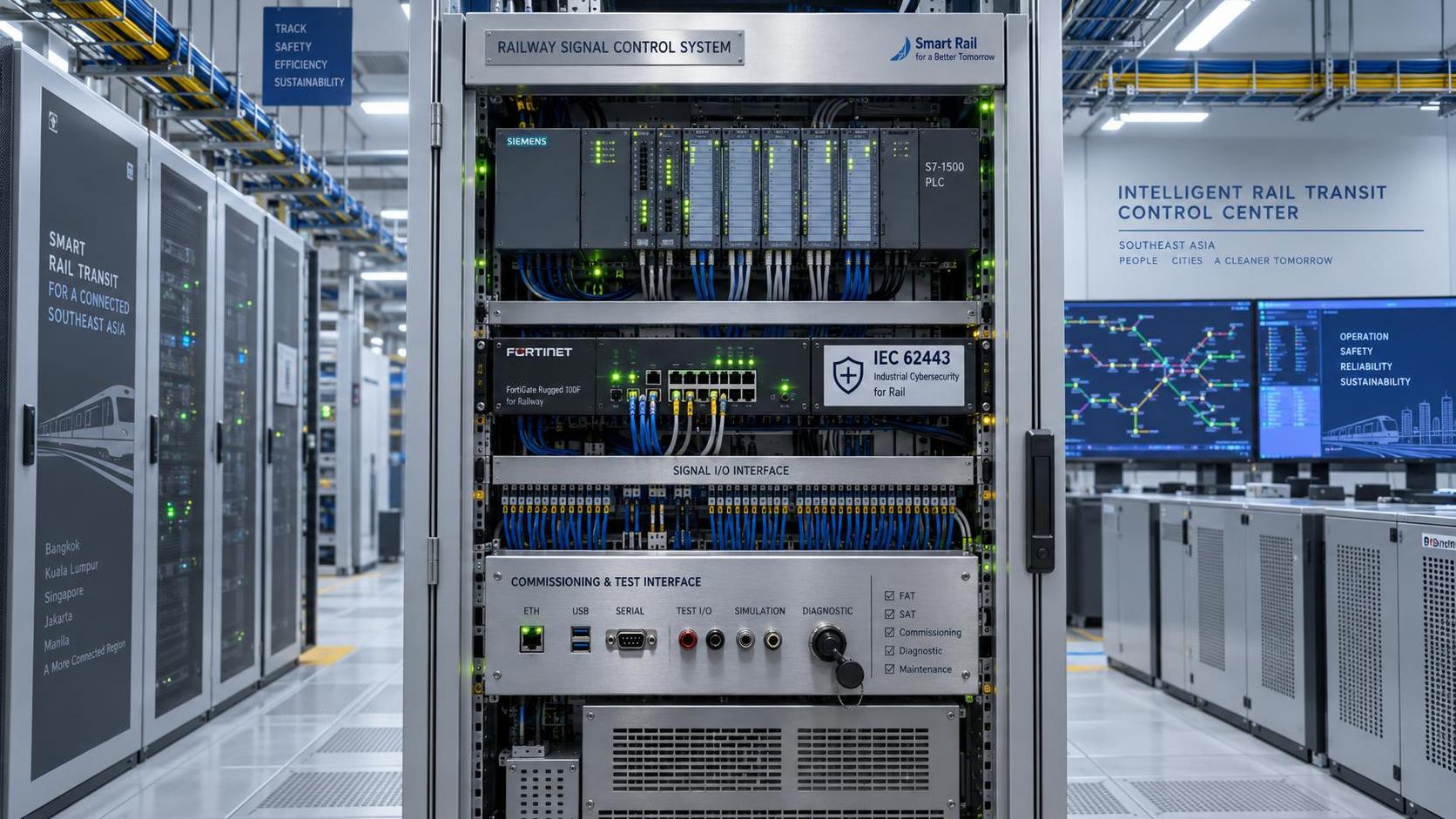
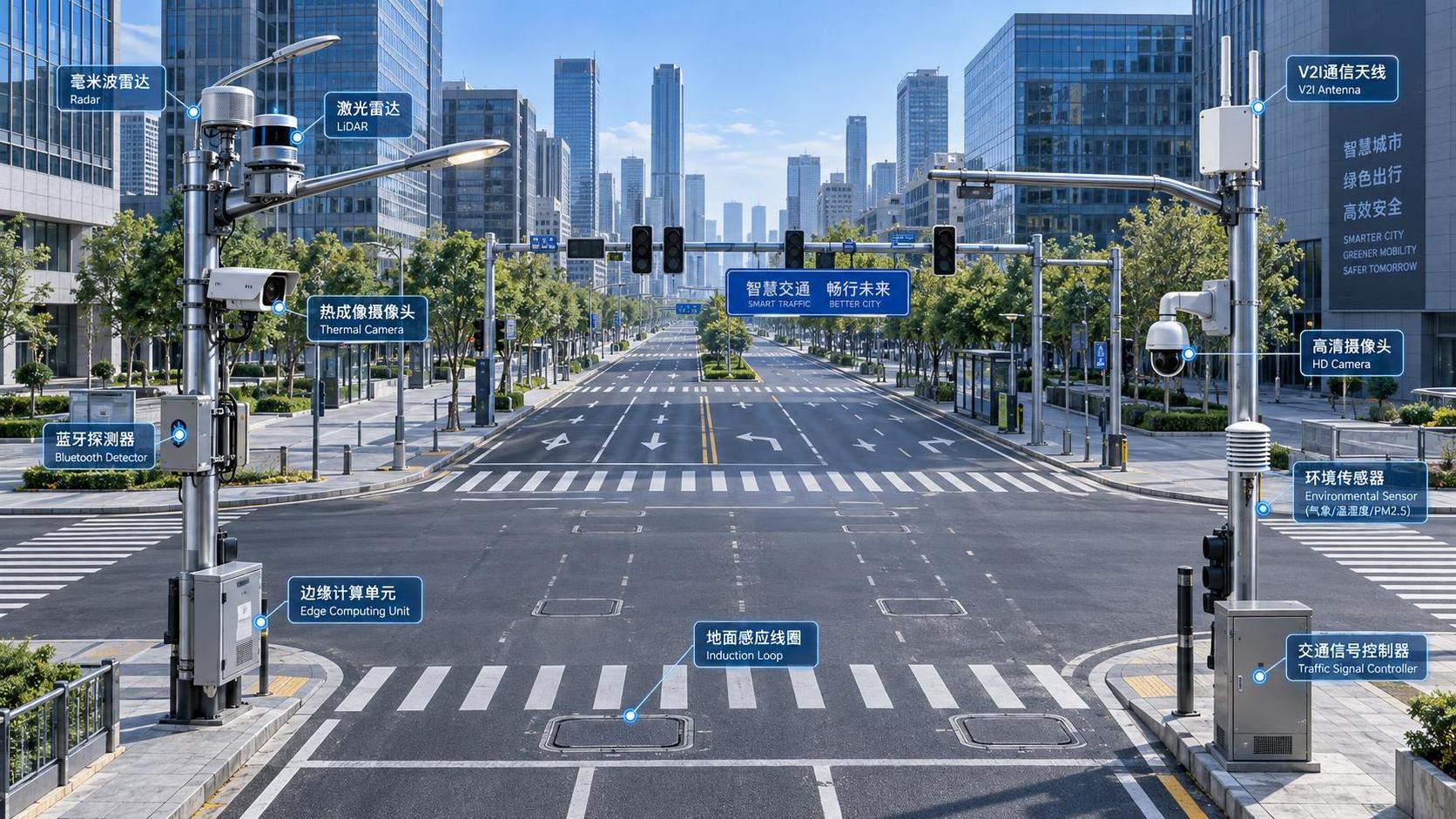
Smart city platforms, rail signaling, automated waste systems, digital twins, and grid controls are becoming embedded in global infrastructure.
This creates value through monitoring, predictive maintenance, energy optimization, and safer operations. It also creates new exposure.
Cybersecurity, data ownership, interoperability, vendor lock-in, and software obsolescence now influence physical asset reliability.
A bridge sensor network or railway control platform must be planned like critical infrastructure, not optional digital decoration.
Global infrastructure projects should define digital architecture early. Security requirements, upgrade cycles, and data governance need clear ownership.
Sector-Specific Implications Across the Infrastructure Matrix
Risk does not affect every asset in the same way. Global infrastructure planning must reflect sector-specific exposure and operational priorities.
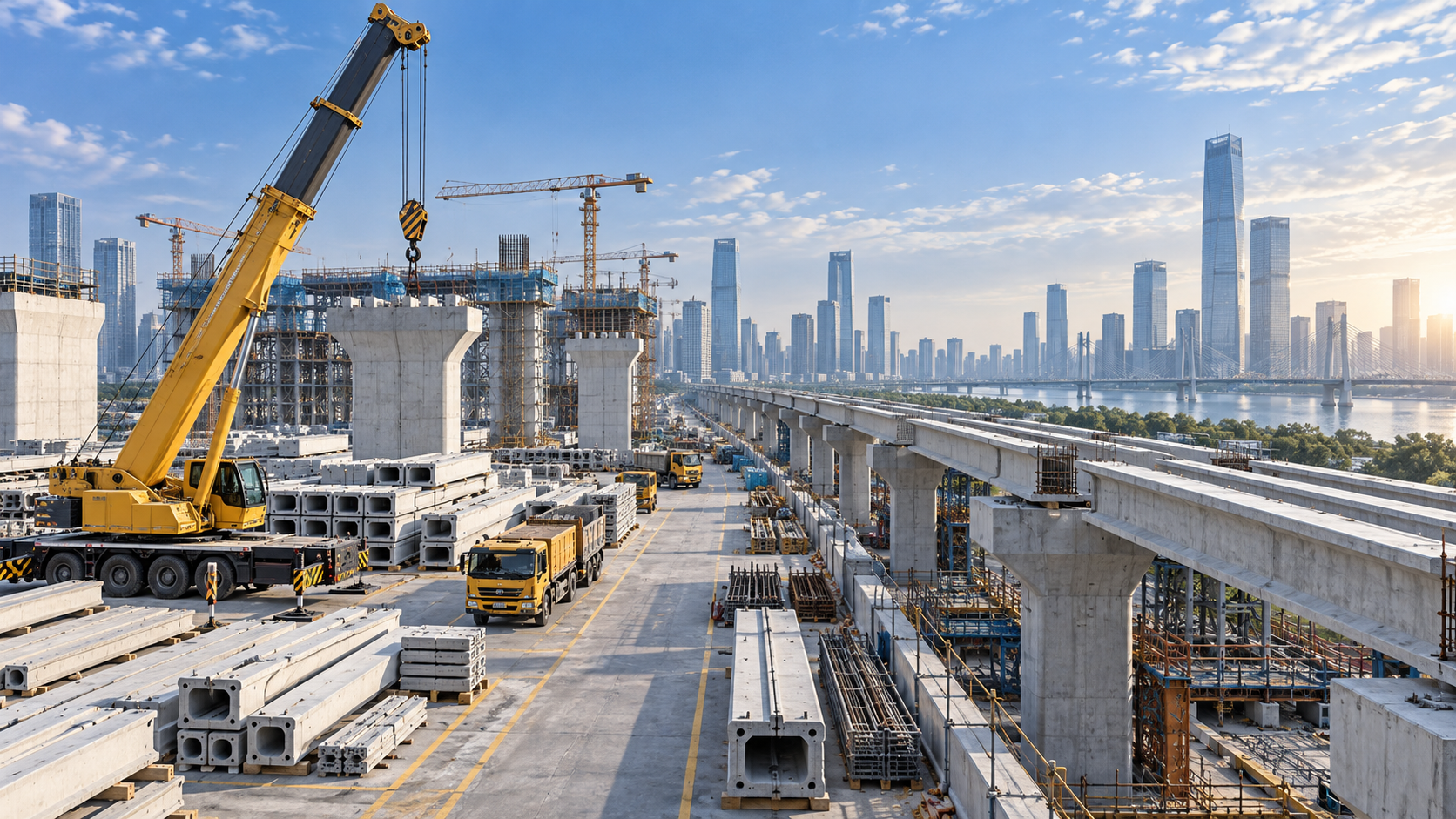
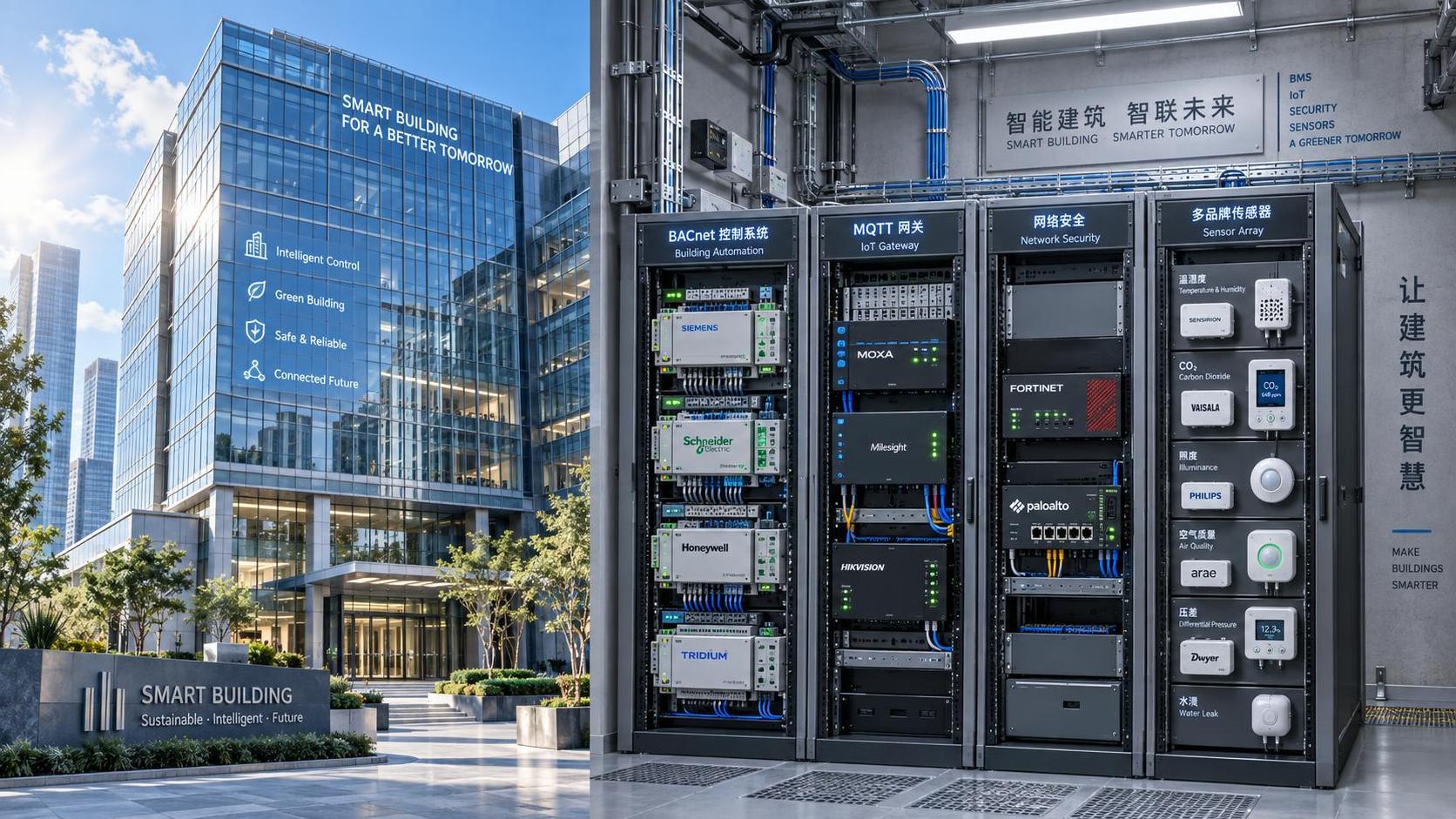
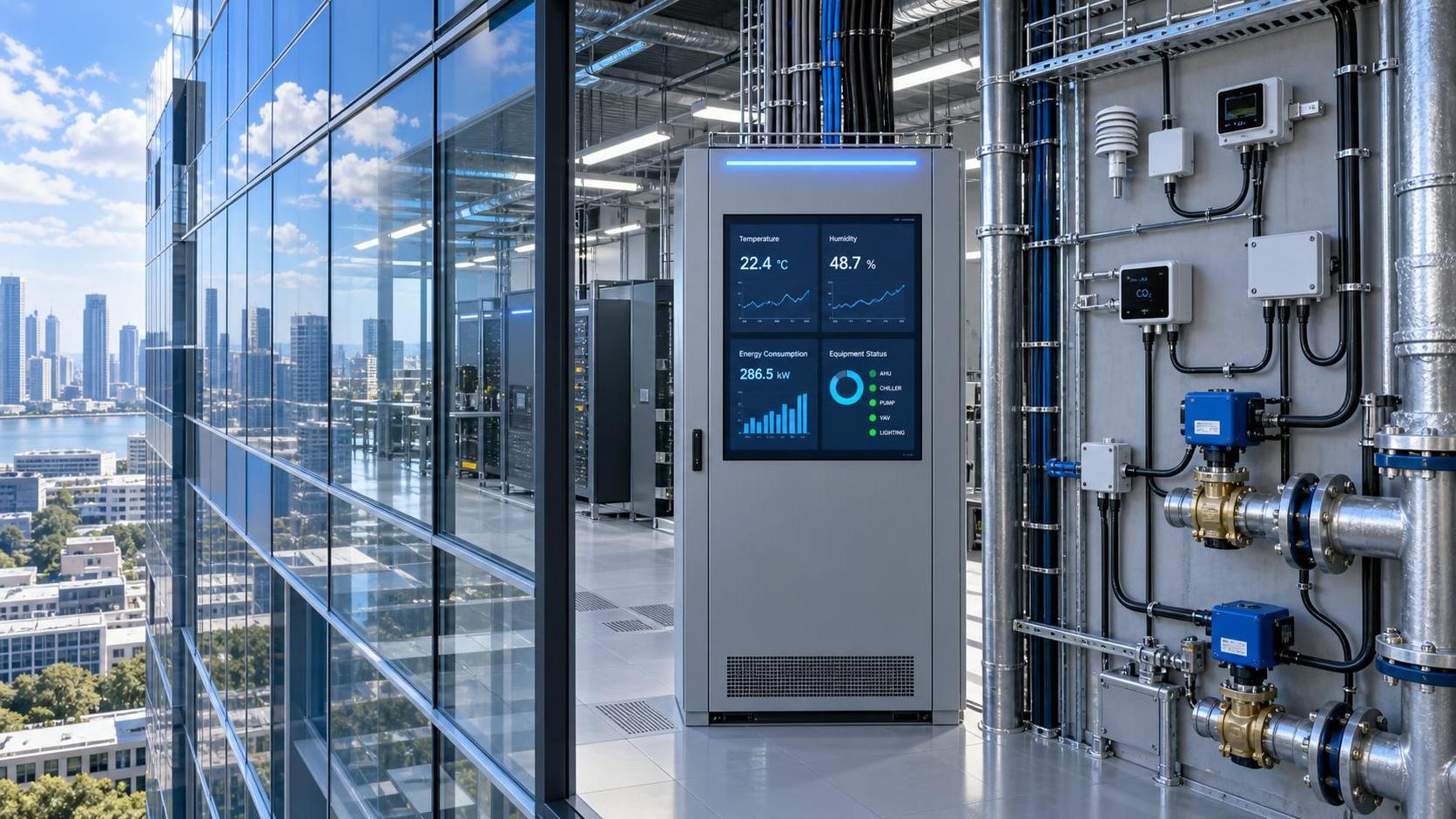
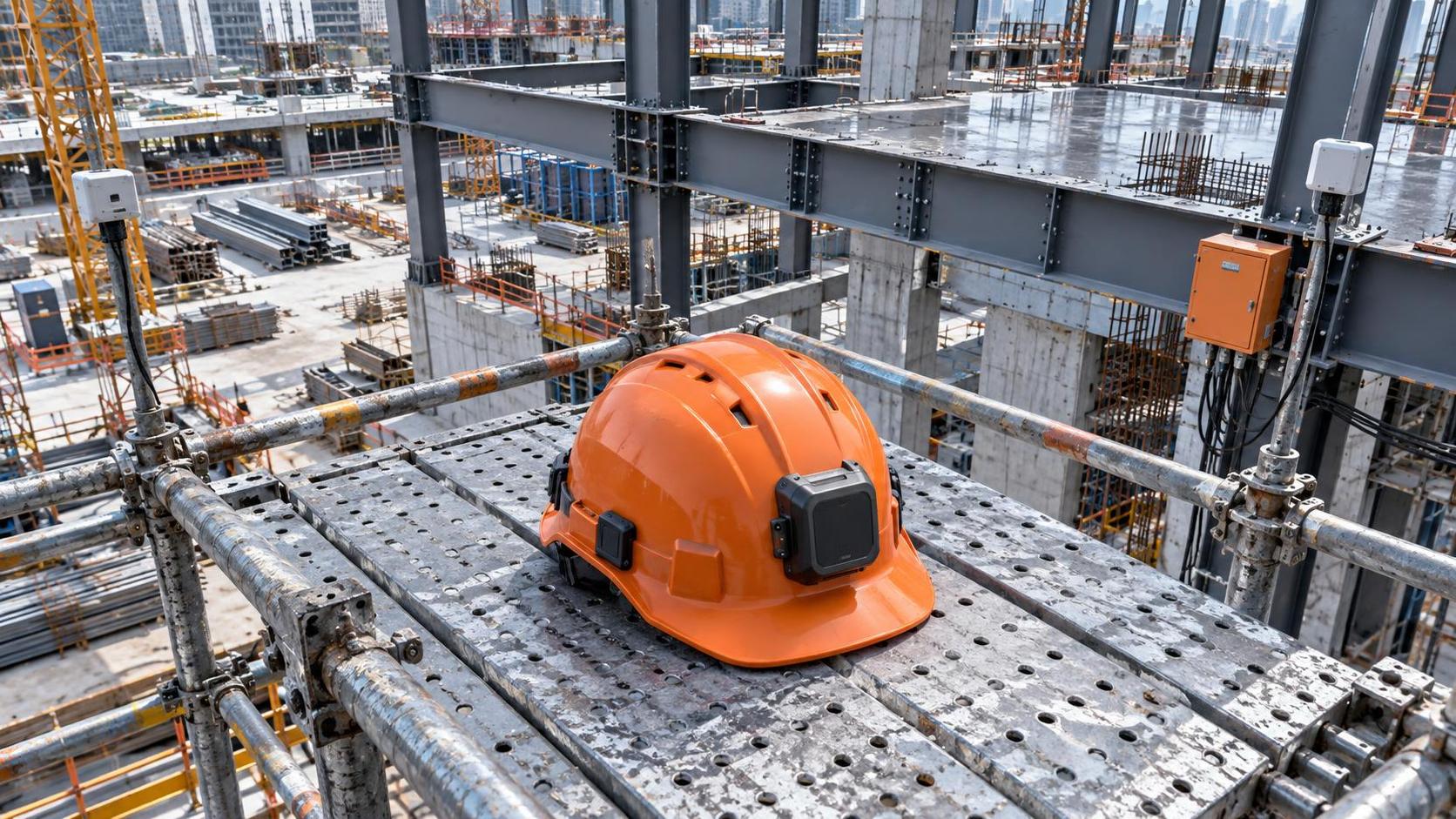
Construction and smart building programs face labor productivity, prefabrication logistics, site safety, and building performance risks.
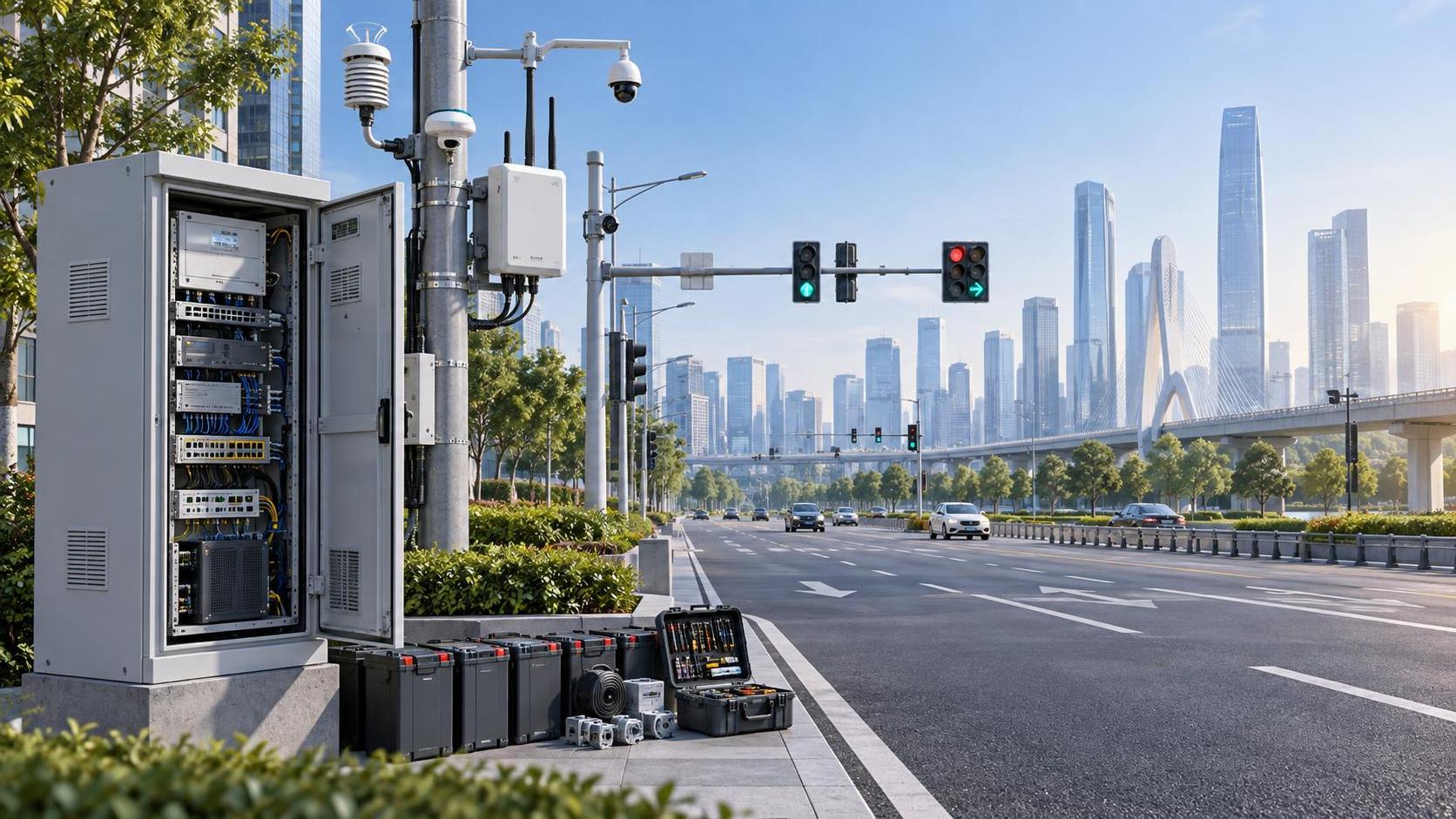
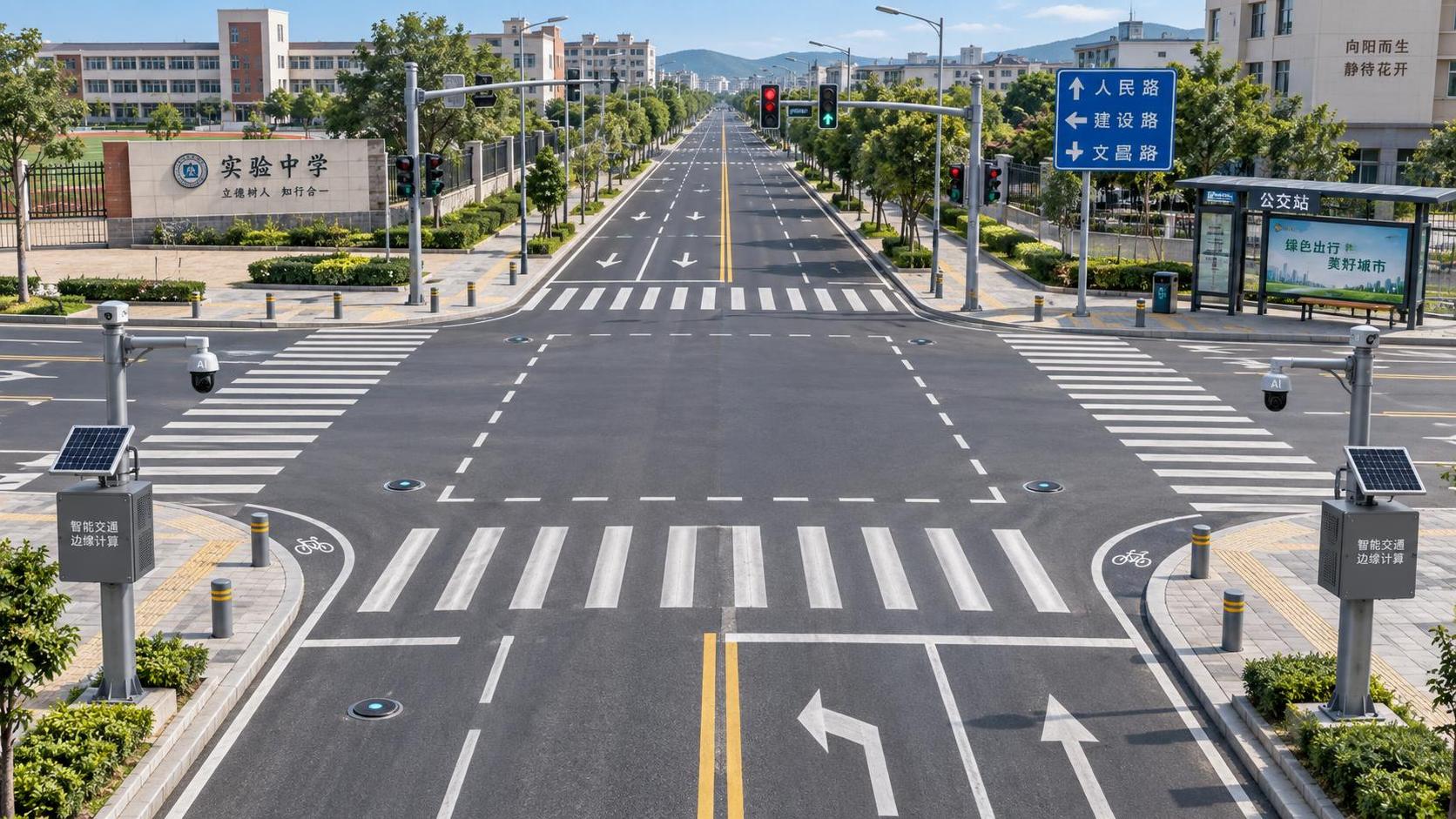
Urban technology programs face data integration, public acceptance, privacy, power reliability, and platform interoperability challenges.
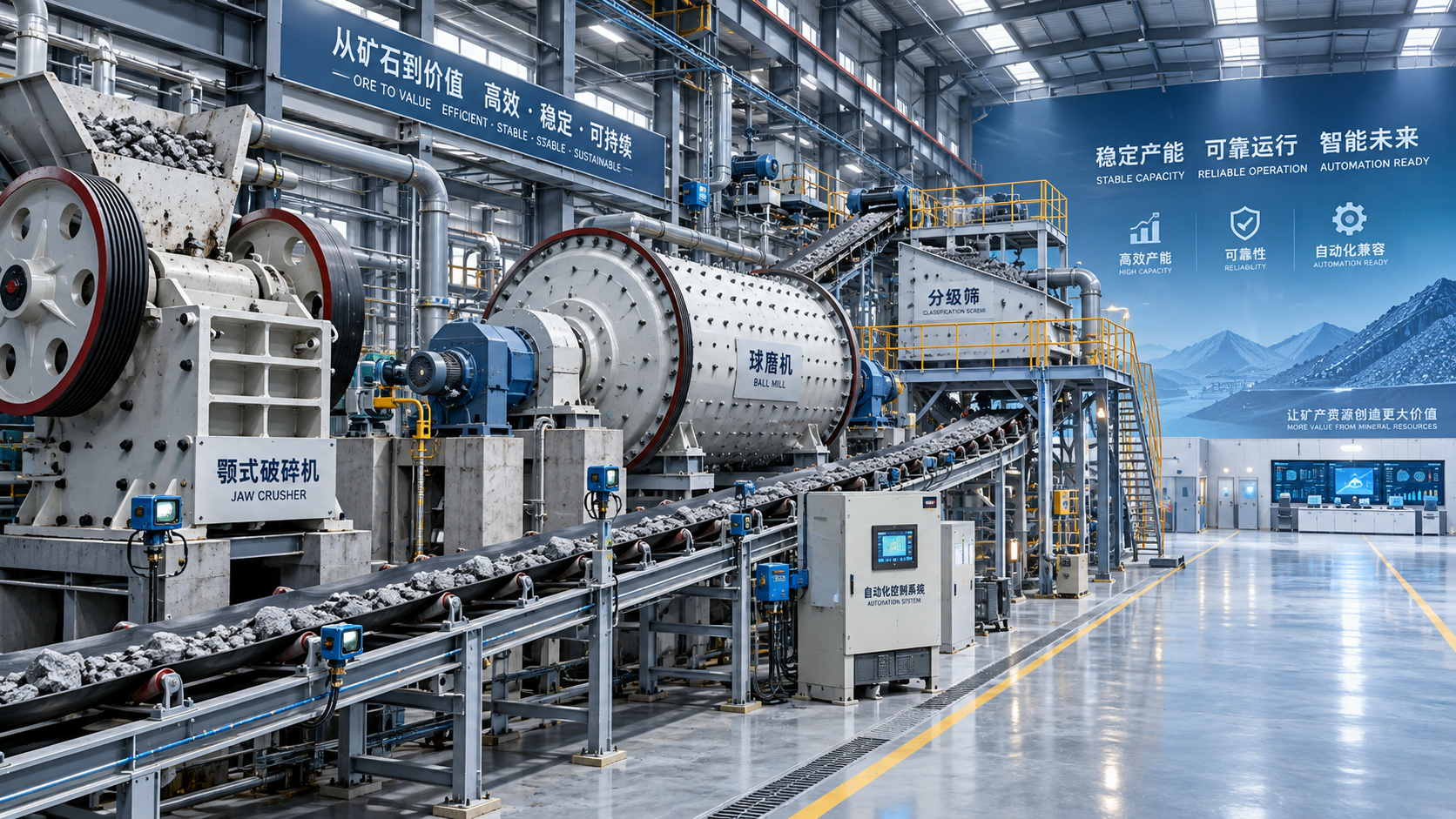
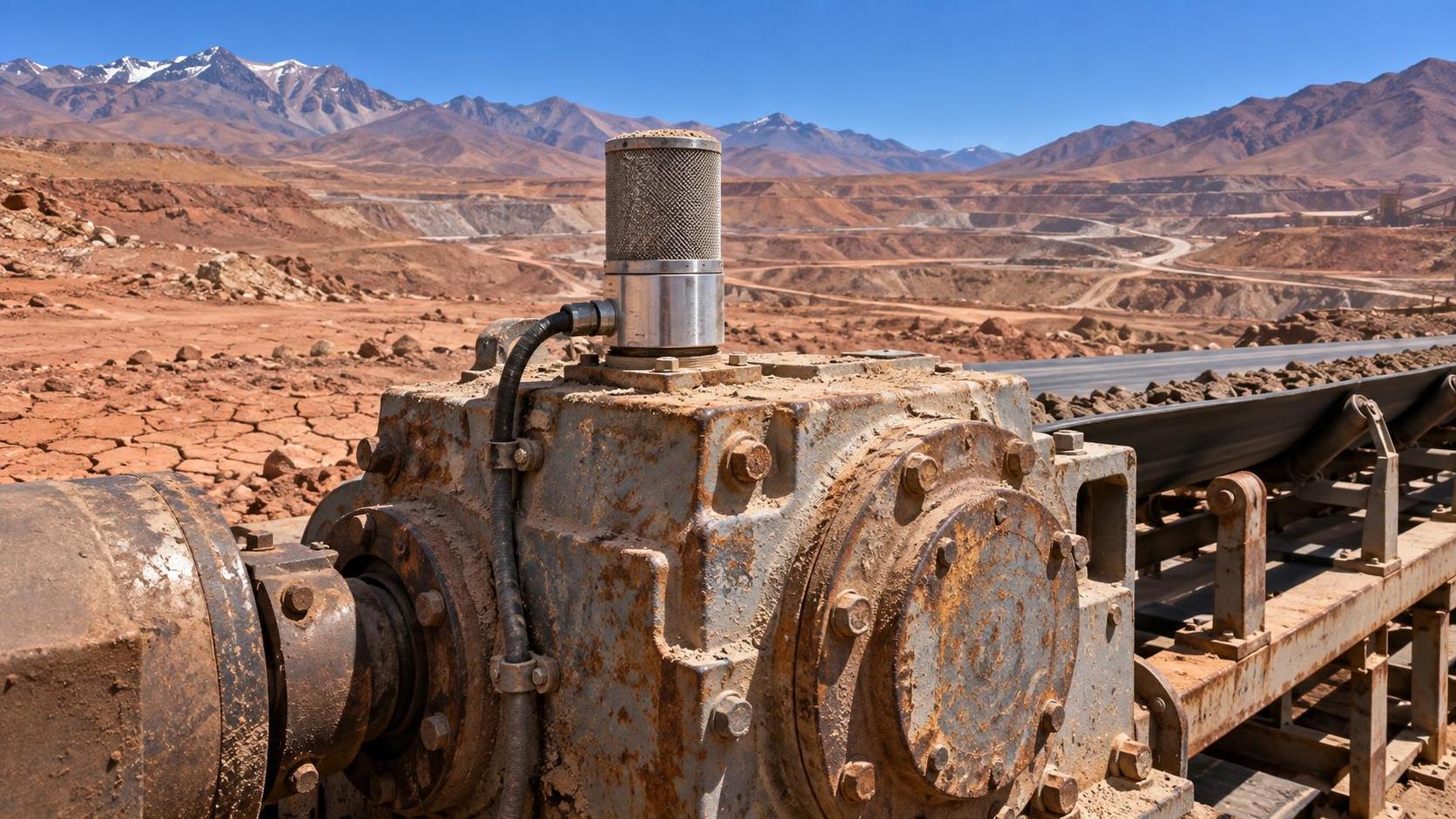
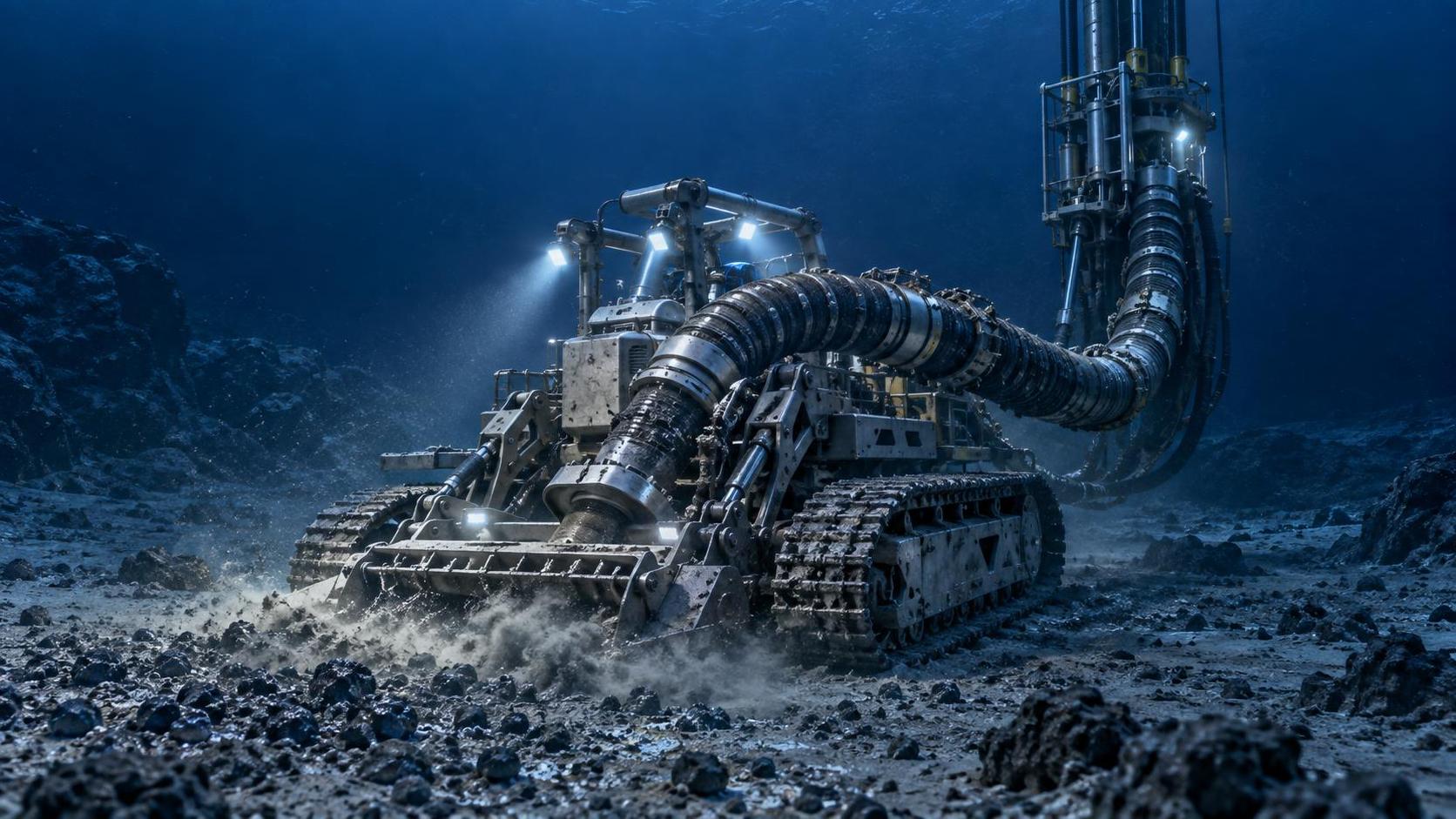
Mining and resource technology projects face ore grade uncertainty, water constraints, tailings safety, equipment availability, and remote logistics exposure.
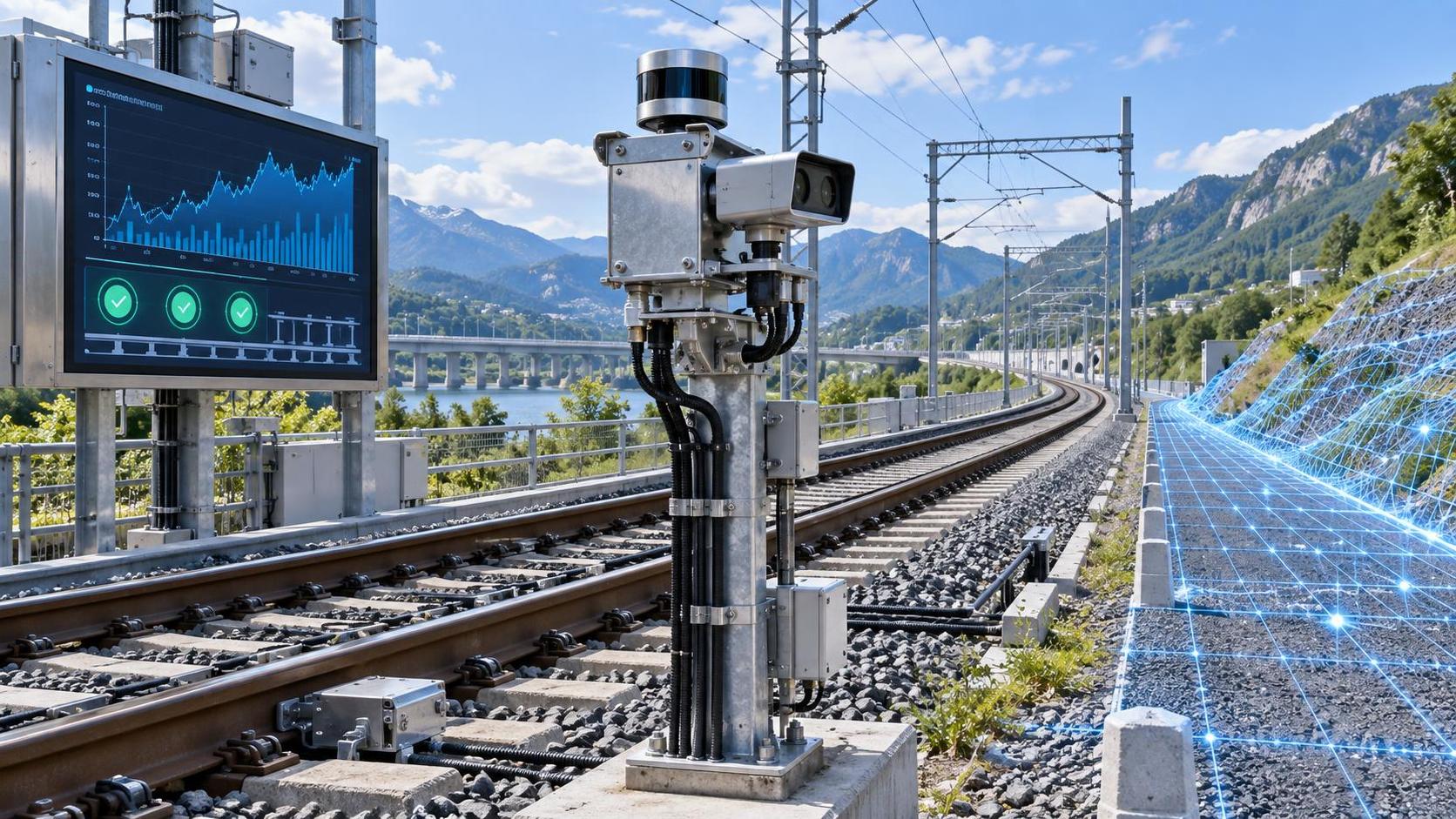
Railway and logistics arteries face route resilience, signaling reliability, rolling stock availability, maintenance windows, and cross-border coordination.
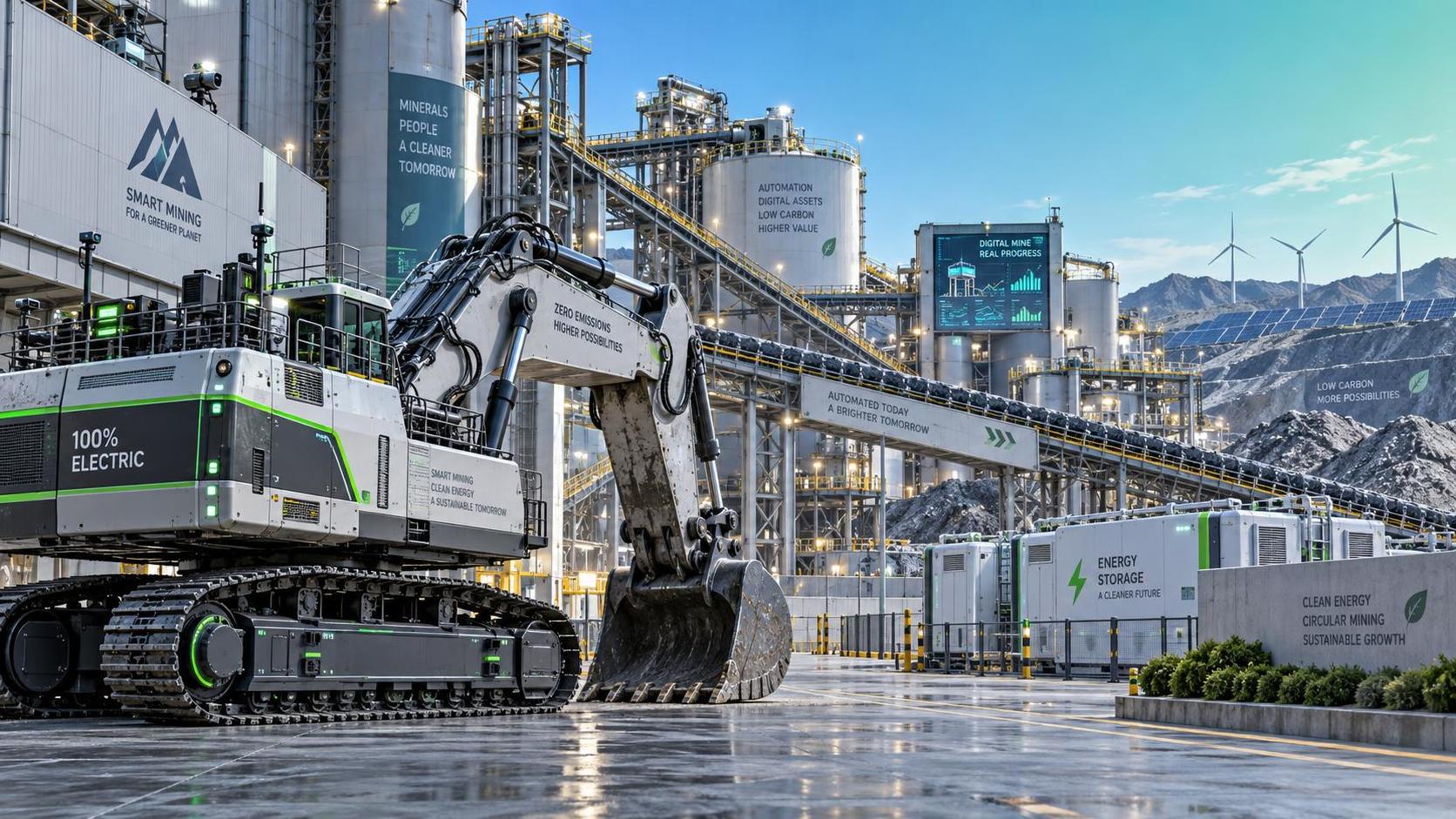
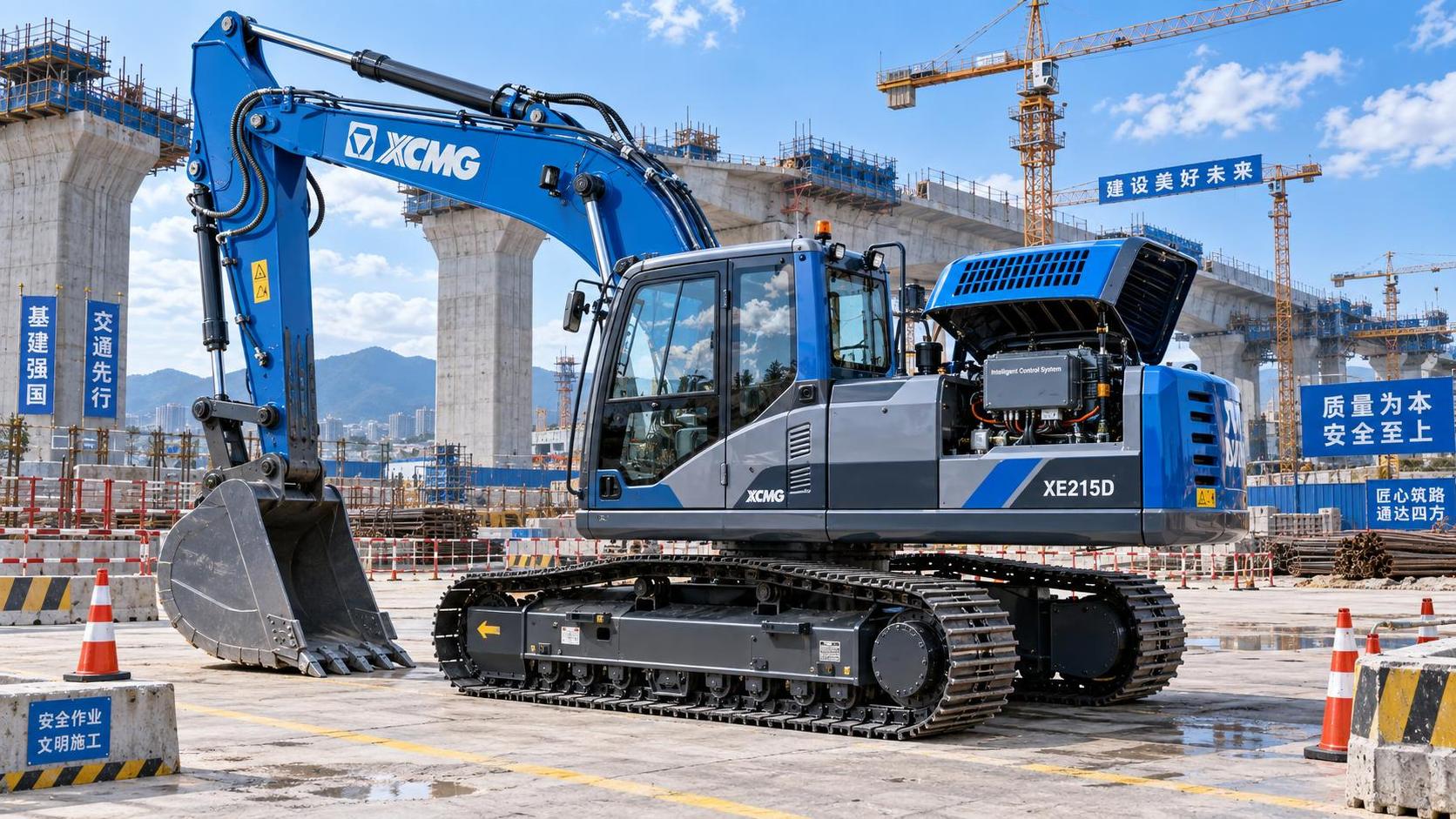
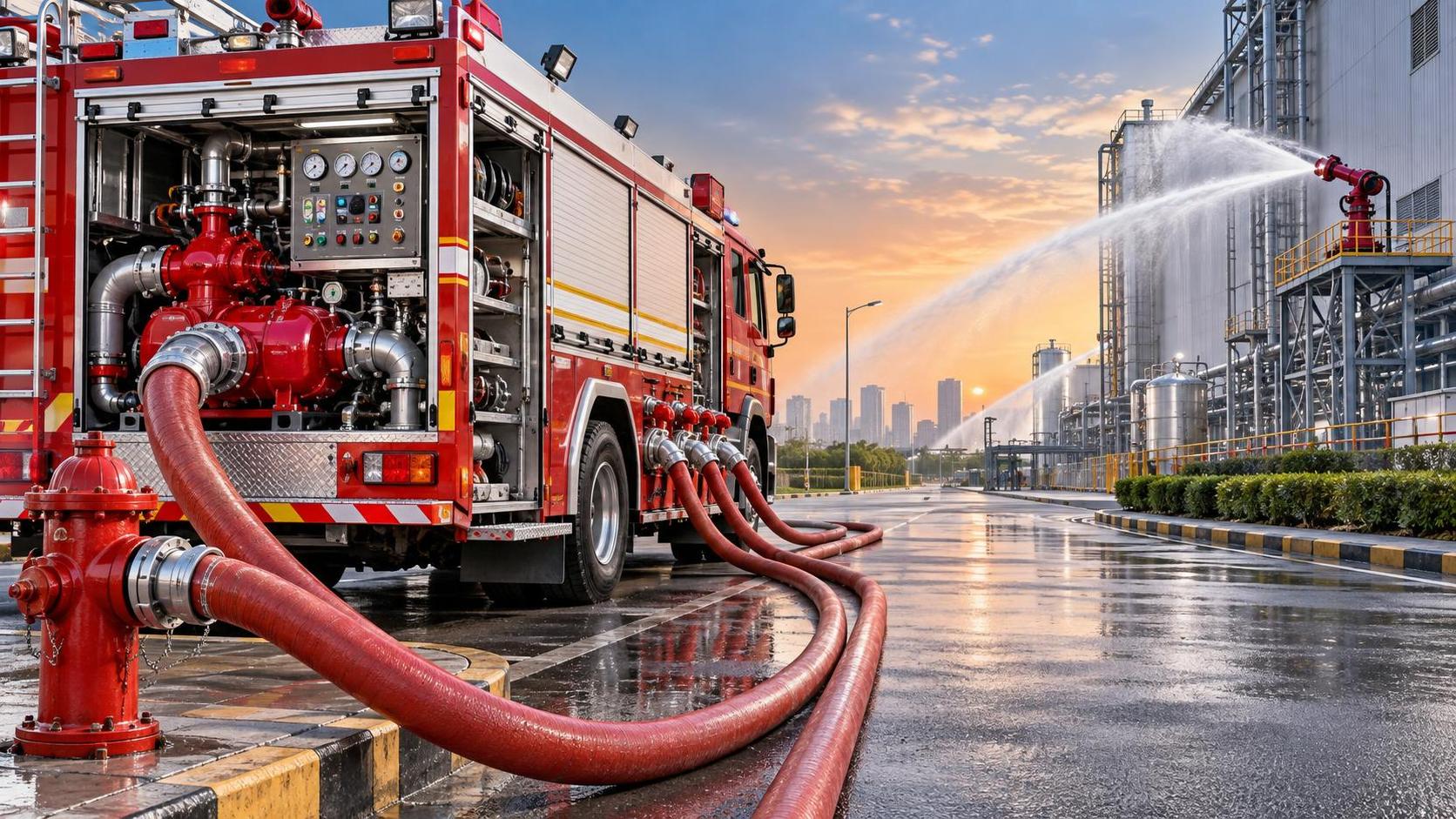
Special purpose vehicles and heavy equipment face emissions rules, electrification readiness, component shortages, and fleet lifecycle economics.
Practical Framework for Better Decisions
Effective global infrastructure planning begins with structured uncertainty. The aim is not to predict every disruption.
The aim is to make decisions that remain defensible when conditions change. This requires transparent assumptions and measurable triggers.
- Build a risk baseline using climate, market, policy, technology, and community data.
- Separate critical risks from routine risks through impact and recoverability scoring.
- Create scenario plans for cost, schedule, demand, and operational continuity.
- Link mitigation actions with owners, budgets, milestones, and review dates.
- Use digital twins and dashboards to monitor changing exposure during delivery.
This framework helps convert global infrastructure risk from scattered reports into decisions that affect design, procurement, finance, and operations.
Governance, Data, and Expert Review
Strong governance makes risk information actionable. Without governance, even advanced data can remain unused or misunderstood.
A multidisciplinary review model is especially valuable for global infrastructure. Engineering, finance, urban systems, machinery, and sustainability insights must converge.
Independent review can challenge optimistic assumptions. It can also identify interfaces that internal teams may treat as minor.
Data quality is equally important. Sensor readings, supplier reports, climate projections, and cost databases need verification before strategic use.
- Define common risk terminology across disciplines.
- Maintain traceable assumptions from feasibility to operation.
- Audit high-impact data sources before investment approval.
- Review resilience performance after commissioning, not only before construction.
For global infrastructure, governance is the bridge between technical evidence and durable investment confidence.
From Risk Awareness to Resilient Execution
The future of global infrastructure will be shaped by assets that combine engineering strength, digital intelligence, and environmental adaptability.
Planning teams need fewer isolated forecasts and more integrated evidence. Risk should be visible in every major decision gate.
A practical next step is to review active portfolios against climate, supply chain, policy, financing, and digital dependency exposure.
Then prioritize assets where failure would create cascading social, economic, or operational consequences.
GIUT supports this shift by connecting infrastructure intelligence, urban technology insight, resource analysis, railway systems knowledge, and heavy equipment expertise.
As global infrastructure becomes more complex, disciplined planning becomes a strategic advantage. Engineering the foundation now requires sustaining the future.
Get weekly intelligence in your inbox.
No noise. No sponsored content. Pure intelligence.
News Recommendations
 Sep 19, 2026How an electronics application guide helps prevent component mismatchHow an electronics application guide helps prevent component mismatch
 Sep 18, 2026When a resource allocation platform improves project deliveryWhen a resource allocation platform improves project delivery
 Sep 17, 2026What to compare when evaluating mineral processing equipment manufacturersWhat to compare when evaluating mineral processing equipment manufacturers
 Sep 16, 2026How mineral separation optimization can reduce concentrate lossesHow mineral separation optimization can reduce concentrate losses
 Sep 15, 2026How to assess lifecycle costs in urban tech procurementHow to assess lifecycle costs in urban tech procurement
 Sep 14, 2026Heavy industry technology trends reshaping capital investment prioritiesHeavy industry technology trends reshaping capital investment priorities
 Sep 14, 2026Global Industrial Equipment Procurement: How Top OEMs Qualify Suppliers for Mining & Infrastructure ProjectsGlobal Industrial Equipment Procurement: How Top OEMs Qualify Suppliers for Mining & Infrastructure Projects
 Sep 14, 2026Industrial & Mining Equipment Procurement: Balancing Local Sourcing, Lead Time, and Certification RequirementsIndustrial & Mining Equipment Procurement: Balancing Local Sourcing, Lead Time, and Certification Requirements
 Sep 14, 2026Infrastructure & Equipment Upgrades: What Procurement Teams Must Verify Before Signing Off on New ContractsInfrastructure & Equipment Upgrades: What Procurement Teams Must Verify Before Signing Off on New Contracts
 Sep 14, 2026Why Infrastructure Equipment Buyers Are Shifting from Catalog-Based to Capability-Based Supplier SelectionWhy Infrastructure Equipment Buyers Are Shifting from Catalog-Based to Capability-Based Supplier Selection
 Sep 14, 2026Process Automation Project Execution: How to Align Supplier Capabilities with PLC Integration, Cybersecurity & Commissioning MilestonesProcess Automation Project Execution: How to Align Supplier Capabilities with PLC Integration, Cybersecurity & Commissioning Milestones
 Sep 14, 2026Are intelligent traffic systems worth the investment for small cities?Are intelligent traffic systems worth the investment for small cities?
 Sep 14, 2026How do intelligent traffic systems handle sensor failures?How do intelligent traffic systems handle sensor failures?
 Sep 14, 2026What should I check before accepting a smart building system?What should I check before accepting a smart building system?
 Sep 14, 2026Is a smart building system worth the maintenance cost?Is a smart building system worth the maintenance cost?
 Sep 14, 2026What data is needed for reliable resource allocation planning?What data is needed for reliable resource allocation planning?
 Sep 14, 2026How can resource allocation software reduce equipment idle time?How can resource allocation software reduce equipment idle time?
 Sep 14, 2026How should smart devices be maintained in harsh outdoor conditions?How should smart devices be maintained in harsh outdoor conditions?
 Sep 14, 2026Do smart devices improve worker safety on construction sites?Do smart devices improve worker safety on construction sites?
 Sep 14, 2026What environmental risks must be assessed before deep-sea mining?What environmental risks must be assessed before deep-sea mining?
 Sep 14, 2026Is deep-sea mining equipment commercially viable in 2026?Is deep-sea mining equipment commercially viable in 2026?
 Sep 14, 2026What Inspection Checks Should Procurement Teams Perform Before Ordering Dredging Equipment in 2026?What Inspection Checks Should Procurement Teams Perform Before Ordering Dredging Equipment in 2026?
 Sep 13, 2026How to verify an industrial product information source before specifying equipmentHow to verify an industrial product information source before specifying equipment
 Sep 12, 2026Which intelligent traffic systems hardware fits an urban intersection?Which intelligent traffic systems hardware fits an urban intersection?
 Sep 11, 2026How pump capacity affects response coverage for municipal fire fighting vehiclesHow pump capacity affects response coverage for municipal fire fighting vehicles
 Sep 10, 2026What to verify before choosing a heavy industry equipment supplierWhat to verify before choosing a heavy industry equipment supplier
 Sep 09, 2026When do adaptive urban traffic control systems reduce corridor delays?When do adaptive urban traffic control systems reduce corridor delays?