Mining Technology Innovations That Cut Downtime
For operators on the frontline, every stalled loader, failed conveyor, or delayed haul cycle translates into lost production and rising safety risks. Today’s mining technology innovations are changing that reality by combining predictive maintenance, automation, real-time monitoring, and smarter equipment diagnostics to keep operations moving. This article explores how practical, field-ready technologies help reduce unplanned downtime, improve decision-making underground and on the surface, and give crews the tools they need to work more safely, efficiently, and confidently.
Why Downtime Hurts Operators Before It Hits the Balance Sheet
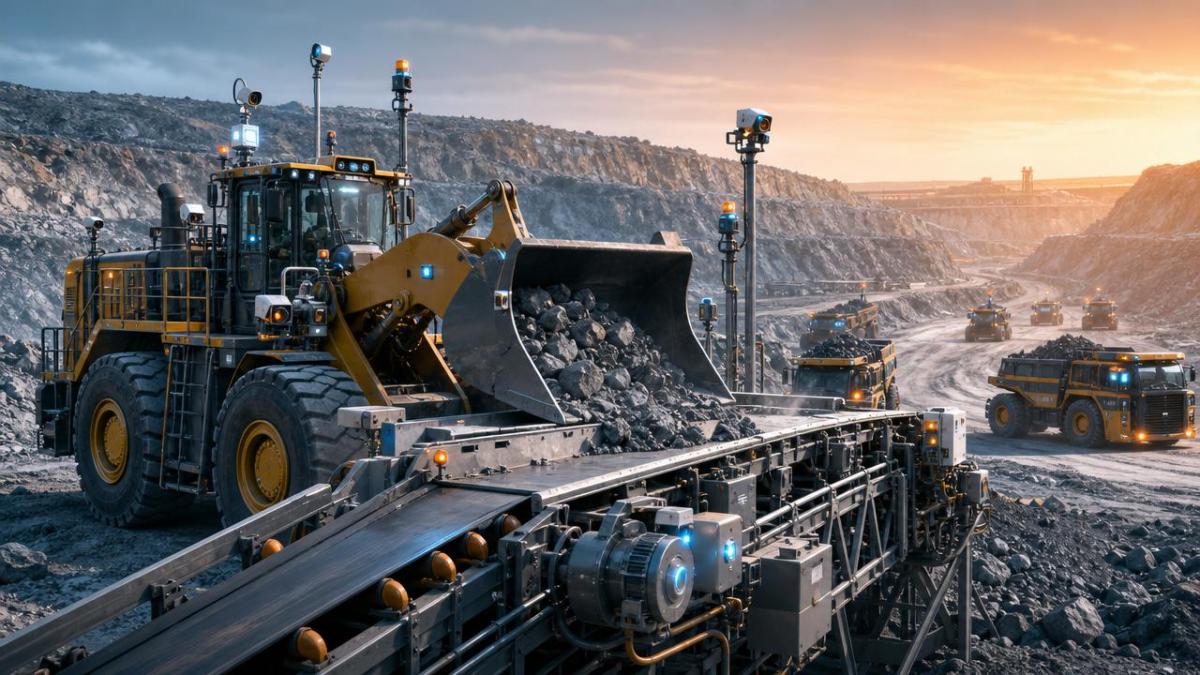
Downtime is not only a production issue. For operators, it means blocked headings, idle shifts, rushed repairs, heat exposure, traffic congestion, and higher pressure during restart.
Mining technology innovations matter because they translate complex machine data into practical signals that crews can act on before failure escalates.
The frontline causes of lost operating time
- Unexpected hydraulic, drivetrain, or electrical faults that remove mobile equipment from the production cycle without warning.
- Conveyor belt mistracking, pulley wear, or chute blockages that interrupt material flow across multiple downstream processes.
- Delayed communication between operators, dispatchers, maintenance teams, and supervisors during shift handover or incident response.
- Poor visibility of equipment condition, especially in deep underground zones, dusty haul roads, or remote extraction areas.
The best mining technology innovations do not overload operators with dashboards. They reduce uncertainty, prioritize alarms, and support safer decisions during active production.
Which Mining Technology Innovations Cut Downtime Fastest?
Not every digital upgrade delivers the same operational value. Operators need tools that match real failure patterns, worksite constraints, and maintenance response capacity.
The table below compares mining technology innovations by their practical downtime impact, operator benefit, and implementation difficulty.
For most mines, the fastest gains come from combining sensor-based alerts with disciplined maintenance planning. Automation then scales the improvement across repetitive production tasks.
How Predictive Maintenance Helps Crews Act Before Failure
Predictive maintenance is one of the most practical mining technology innovations because it focuses on known failure modes instead of abstract digital transformation.
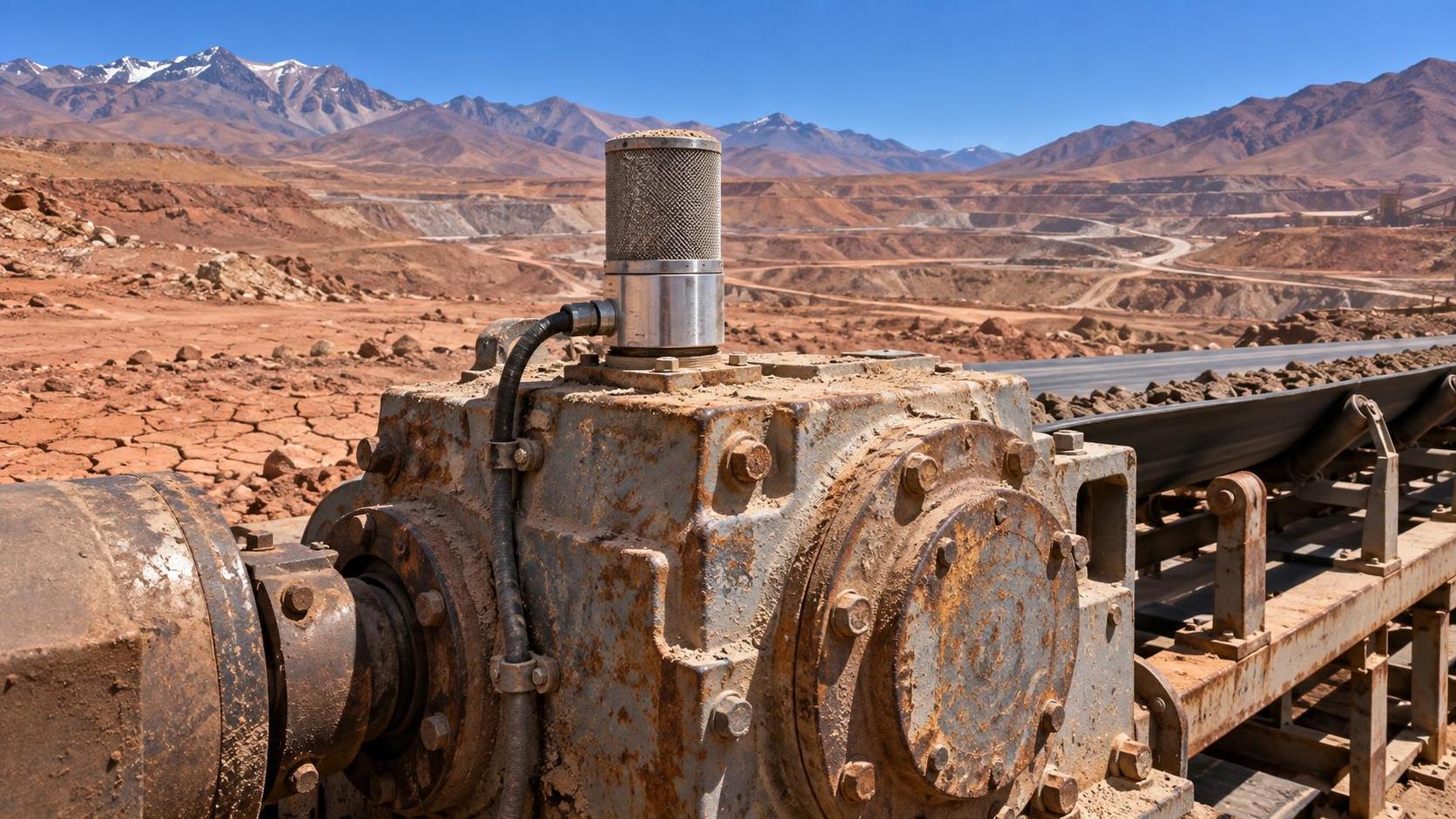
Vibration, temperature, pressure, oil condition, current draw, and cycle data help reveal equipment stress before a shutdown becomes unavoidable.
What operators should expect from useful alerts
- Alerts should identify the asset, component, severity, and recommended next action, not only display a generic warning code.
- Thresholds should reflect real mine conditions, including heat, dust, vibration, gradients, payload variation, and shift patterns.
- Maintenance teams should receive prioritized work orders before the operator is forced to stop mid-cycle.
- Operators should know when to continue cautiously, reduce load, return to bay, or isolate equipment safely.
Poorly configured alarms create fatigue. Well-designed mining technology innovations filter noise, strengthen trust, and make machine health visible during demanding shifts.
Automation and Remote Operation: Where Do They Fit Best?
Automation is not a single purchase decision. It ranges from operator-assist functions to tele-remote control and fully autonomous haulage systems.
The right level depends on production rhythm, hazard exposure, connectivity, workforce readiness, and the mine’s ability to manage mixed traffic.
High-value use cases for automation
- Repetitive haul roads where route consistency allows predictable cycles and reduced variation between operators.
- Underground drawpoints or stopes where remote control keeps personnel away from unsupported ground or poor ventilation zones.
- Drilling patterns where precision guidance reduces rework, improves fragmentation, and protects downstream crushing performance.
- Stockpile, reclaim, and conveyor interfaces where continuous material flow is more valuable than maximum vehicle speed.
Mining technology innovations in automation should be introduced with clear exclusion zones, emergency response rules, and operator confidence-building sessions.
Selection Checklist for Operators and Site Teams
Buying downtime-reduction technology is difficult when vendors emphasize platforms instead of field usability. A practical checklist protects both budget and productivity.
Use the following evaluation points when comparing mining technology innovations for mobile equipment, fixed plant, or integrated mine operations.
A strong solution is not the one with the most features. It is the one operators actually trust under production pressure.
Cost, Payback, and Alternatives When Budgets Are Tight
Budget limits are common, especially for brownfield sites. Mining technology innovations should therefore be ranked by downtime risk, safety value, and deployment complexity.
The goal is not to digitalize everything at once. The goal is to remove the most expensive and repeatable causes of lost time.
Practical phasing options
- Start with critical assets where one failure stops several downstream processes, such as crushers, conveyors, hoists, or primary loaders.
- Use retrofittable sensor kits when full equipment replacement is not justified by remaining asset life.
- Pilot one shift, one haul route, or one production area before expanding to the entire fleet.
- Compare subscription software costs with internal maintenance savings, fewer emergency callouts, and improved equipment availability.
Lower-cost alternatives may include improved inspection routines, operator checklists, better lubrication discipline, and targeted component monitoring. Technology should reinforce these basics.
Implementation Workflow: From Pilot to Reliable Daily Use
Mining technology innovations fail when implementation ignores people, maintenance habits, or site communication gaps. A controlled workflow reduces disruption and builds adoption.
Before commissioning, teams should define what downtime means, how alerts trigger action, and who owns each response step.
A measured rollout helps operators see mining technology innovations as working tools, not imposed systems disconnected from field reality.
Standards, Safety, and Compliance Considerations
Technology that affects equipment control, communication, or worker safety must be reviewed through the site’s risk management process.
Common reference areas include functional safety, machine guarding, electrical safety, cybersecurity, emergency stop design, and safe isolation procedures.
Compliance questions worth asking early
- Does the system support site lockout, tagout, and isolation practices during maintenance or recovery?
- Are remote-operation zones marked, controlled, and communicated clearly to mixed traffic and pedestrians?
- Can critical alarms remain available during network interruptions or power disturbances?
- Are data access rights defined for operators, maintenance planners, supervisors, and external service partners?
Mining technology innovations should strengthen safety systems rather than create hidden dependencies. Operational procedures must remain understandable during abnormal conditions.
Common Mistakes That Reduce the Value of Mining Technology Innovations
Many downtime projects underperform because the technology is purchased before the operational problem is defined. Operators usually notice this first.
Mistake 1: Treating every alarm as equally urgent
If alarms are not ranked by consequence and required response time, operators become desensitized. Critical warnings can disappear among low-priority notifications.
Mistake 2: Ignoring maintenance execution capacity
Predictive alerts only reduce downtime when maintenance can plan parts, labor, access, and shutdown windows. Data alone does not repair equipment.
Mistake 3: Selecting tools without operator feedback
Operators know where screens are unreadable, alerts are distracting, and controls slow response. Their feedback improves selection and acceptance.
FAQ: Practical Questions from Mine Operators
How do mining technology innovations reduce unplanned downtime?
They detect equipment stress earlier, improve dispatch decisions, shorten diagnosis time, and guide maintenance before failure stops production unexpectedly.
Are these technologies suitable for older equipment?
Often, yes. Retrofittable sensors, telematics modules, and condition monitoring kits can support older assets when installation points and data quality are acceptable.
What should operators check before adopting automation?
They should confirm traffic rules, emergency stop access, network coverage, training quality, exclusion zones, and procedures for manual recovery.
Which mining technology innovations should a site implement first?
Start where downtime has the highest production and safety consequence. Crushers, conveyors, primary loading units, and critical haulage assets are common priorities.
Why Choose GIUT for Smarter Downtime Decisions?
GIUT connects mining, heavy equipment, infrastructure, smart governance, and industrial technology knowledge into one practical intelligence framework for physical-world operations.
Our perspective is especially useful when operators need to compare mining technology innovations across machinery, communications, safety systems, and maintenance workflows.
You can consult GIUT for parameter confirmation, technology selection, deployment phasing, certification questions, retrofit feasibility, delivery planning, and quotation preparation.
For site teams facing tight schedules, complex assets, or uncertain vendor claims, GIUT helps turn downtime problems into clear engineering decisions.
Get weekly intelligence in your inbox.
No noise. No sponsored content. Pure intelligence.
News Recommendations
 Sep 19, 2026How an electronics application guide helps prevent component mismatchHow an electronics application guide helps prevent component mismatch
 Sep 18, 2026When a resource allocation platform improves project deliveryWhen a resource allocation platform improves project delivery
 Sep 17, 2026What to compare when evaluating mineral processing equipment manufacturersWhat to compare when evaluating mineral processing equipment manufacturers
 Sep 16, 2026How mineral separation optimization can reduce concentrate lossesHow mineral separation optimization can reduce concentrate losses
 Sep 15, 2026How to assess lifecycle costs in urban tech procurementHow to assess lifecycle costs in urban tech procurement
 Sep 14, 2026Heavy industry technology trends reshaping capital investment prioritiesHeavy industry technology trends reshaping capital investment priorities
 Sep 14, 2026Global Industrial Equipment Procurement: How Top OEMs Qualify Suppliers for Mining & Infrastructure ProjectsGlobal Industrial Equipment Procurement: How Top OEMs Qualify Suppliers for Mining & Infrastructure Projects
 Sep 14, 2026Industrial & Mining Equipment Procurement: Balancing Local Sourcing, Lead Time, and Certification RequirementsIndustrial & Mining Equipment Procurement: Balancing Local Sourcing, Lead Time, and Certification Requirements
 Sep 14, 2026Infrastructure & Equipment Upgrades: What Procurement Teams Must Verify Before Signing Off on New ContractsInfrastructure & Equipment Upgrades: What Procurement Teams Must Verify Before Signing Off on New Contracts
 Sep 14, 2026Why Infrastructure Equipment Buyers Are Shifting from Catalog-Based to Capability-Based Supplier SelectionWhy Infrastructure Equipment Buyers Are Shifting from Catalog-Based to Capability-Based Supplier Selection
 Sep 14, 2026Process Automation Project Execution: How to Align Supplier Capabilities with PLC Integration, Cybersecurity & Commissioning MilestonesProcess Automation Project Execution: How to Align Supplier Capabilities with PLC Integration, Cybersecurity & Commissioning Milestones
 Sep 14, 2026Are intelligent traffic systems worth the investment for small cities?Are intelligent traffic systems worth the investment for small cities?
 Sep 14, 2026How do intelligent traffic systems handle sensor failures?How do intelligent traffic systems handle sensor failures?
 Sep 14, 2026What should I check before accepting a smart building system?What should I check before accepting a smart building system?
 Sep 14, 2026Is a smart building system worth the maintenance cost?Is a smart building system worth the maintenance cost?
 Sep 14, 2026What data is needed for reliable resource allocation planning?What data is needed for reliable resource allocation planning?
 Sep 14, 2026How can resource allocation software reduce equipment idle time?How can resource allocation software reduce equipment idle time?
 Sep 14, 2026How should smart devices be maintained in harsh outdoor conditions?How should smart devices be maintained in harsh outdoor conditions?
 Sep 14, 2026Do smart devices improve worker safety on construction sites?Do smart devices improve worker safety on construction sites?
 Sep 14, 2026What environmental risks must be assessed before deep-sea mining?What environmental risks must be assessed before deep-sea mining?
 Sep 14, 2026Is deep-sea mining equipment commercially viable in 2026?Is deep-sea mining equipment commercially viable in 2026?
 Sep 14, 2026What Inspection Checks Should Procurement Teams Perform Before Ordering Dredging Equipment in 2026?What Inspection Checks Should Procurement Teams Perform Before Ordering Dredging Equipment in 2026?
 Sep 13, 2026How to verify an industrial product information source before specifying equipmentHow to verify an industrial product information source before specifying equipment
 Sep 12, 2026Which intelligent traffic systems hardware fits an urban intersection?Which intelligent traffic systems hardware fits an urban intersection?
 Sep 11, 2026How pump capacity affects response coverage for municipal fire fighting vehiclesHow pump capacity affects response coverage for municipal fire fighting vehicles
 Sep 10, 2026What to verify before choosing a heavy industry equipment supplierWhat to verify before choosing a heavy industry equipment supplier
 Sep 09, 2026When do adaptive urban traffic control systems reduce corridor delays?When do adaptive urban traffic control systems reduce corridor delays?