Choosing Mining Technology Equipment for Safer Extraction
Selecting the right mining technology equipment is now a safety, quality, and resilience decision.
Modern mines face deeper deposits, unstable geology, stricter reporting, and tighter production windows.
In this environment, mining technology equipment must reduce uncertainty, protect workers, and support consistent extraction quality.
The strongest equipment strategies connect sensing, automation, ventilation, communications, and maintenance data into one safer operating system.
Core Meaning of Mining Technology Equipment
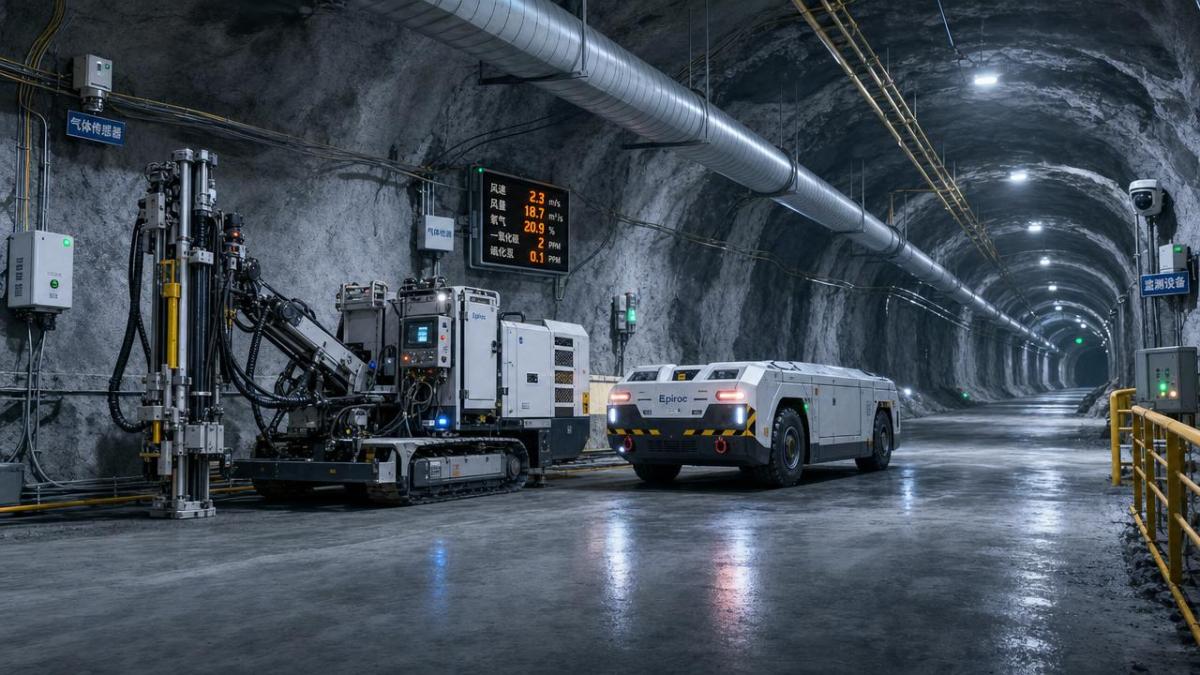
Mining technology equipment refers to machines, digital systems, and monitoring tools used to extract resources more safely and predictably.
It includes drilling rigs, autonomous haulage, gas sensors, proximity detection, ventilation controls, and geotechnical monitoring platforms.
The term also covers software layers that transform field signals into decisions.
Effective mining technology equipment is not only powerful. It must be interoperable, maintainable, auditable, and suitable for harsh environments.
Underground coal mines, hard-rock operations, open pits, and processing sites each require different safety priorities.
However, the decision logic remains similar: identify hazards, verify controls, and measure operational reliability.
Industry Signals Shaping Equipment Decisions
Global mining is moving from isolated machinery toward integrated extraction ecosystems.
This shift changes how mining technology equipment is evaluated, purchased, deployed, and maintained.
Several signals now influence equipment planning across resource development and heavy industry.
These signals show why mining technology equipment cannot be selected through purchase price alone.
Lifecycle performance, data integrity, service support, and compliance evidence are equally important.
Safety Value in Modern Extraction
The main value of mining technology equipment is hazard control before conditions become critical.
Gas detection, slope radar, seismic monitoring, and thermal imaging can reveal early warning signs.
When these signals connect with dispatch and emergency protocols, response times improve significantly.
Equipment reliability also shapes safety outcomes. Unexpected breakdowns can expose workers to unstable faces, moving vehicles, or ventilation disruption.
Predictive maintenance tools reduce such exposure by identifying abnormal vibration, heat, pressure, or hydraulic behavior.
Advanced mining technology equipment can also reduce human presence in high-risk zones.
Remote drilling, autonomous loaders, and robotic inspection systems support safer work at the extraction front.
This is especially valuable in narrow tunnels, highwall areas, tailings zones, and deep underground headings.
Key safety functions
- Real-time detection of gas, dust, heat, and ground movement.
- Proximity alerts between workers, vehicles, and fixed structures.
- Automated ventilation adjustments based on actual mine conditions.
- Remote operation for drilling, loading, and inspection tasks.
- Digital records for audits, incident reviews, and corrective actions.
Equipment Categories and Practical Roles
A balanced equipment plan separates core extraction assets from supporting digital infrastructure.
This helps clarify what each technology must achieve in daily operations.
The best mining technology equipment strategy links these categories instead of treating them as separate purchases.
A sensor without communication reliability has limited value during an emergency.
An autonomous vehicle without strong geofencing can introduce new collision risks.
Quality Control Through Data and Traceability
Safety and quality control now depend on the same data foundation.
Mining technology equipment should capture operational evidence that supports both production review and compliance verification.
For example, drilling accuracy affects fragmentation, blasting risk, dilution, and downstream processing stability.
Load and haul data supports route safety, fuel performance, tire management, and cycle-time analysis.
Ventilation records can demonstrate whether airflow matched actual activity and contaminant levels.
Reliable traceability also helps investigate incidents without relying only on manual notes.
Event logs, sensor histories, machine states, and location records create a clearer operating picture.
This makes mining technology equipment a practical foundation for continuous improvement.
Data points worth prioritizing
- Machine health, including vibration, oil condition, temperature, and pressure.
- Environmental conditions, including gas levels, dust, airflow, and humidity.
- Operator interaction records, including overrides, alarms, and shutdowns.
- Material movement, including loads, routes, stockpiles, and grade control links.
- Maintenance actions, including inspections, parts replacement, and defect closure.
Selection Criteria for Safer Extraction
Choosing mining technology equipment requires a structured review beyond technical specifications.
The equipment must fit geology, mine layout, workforce capability, regulatory duties, and maintenance resources.
A strong selection process begins with risk mapping before vendor comparison.
The highest-risk tasks should define performance requirements for monitoring, automation, and fail-safe behavior.
- Map hazards by location, task, energy source, and exposure frequency.
- Define measurable safety outcomes, not only production targets.
- Check compatibility with communication networks and existing control systems.
- Assess maintainability, spare parts access, and diagnostic transparency.
- Verify cybersecurity protections for connected operational technology.
- Run pilot tests under realistic dust, vibration, moisture, and temperature conditions.
Interoperability deserves special attention. Many mines operate mixed fleets from different manufacturers.
Mining technology equipment should exchange data through secure, documented, and scalable interfaces.
Closed data silos can weaken emergency response and limit long-term analytics.
Common Pitfalls in Deployment
Even advanced mining technology equipment can underperform when deployment planning is weak.
One common pitfall is installing sensors without clear alarm ownership.
Another is automating a poorly controlled process, which can scale existing defects faster.
Training gaps also create risk. Operators and maintenance personnel must understand alarms, limits, and manual fallback procedures.
Data overload is another concern. Dashboards should highlight decisions, not simply display every available signal.
A practical alert hierarchy helps distinguish normal variation from urgent danger.
Maintenance discipline is equally important. Calibration, cleaning, firmware updates, and mechanical inspections preserve safety performance.
Without these routines, mining technology equipment may create a false sense of control.
Practical Implementation Roadmap
A phased roadmap reduces technical disruption and supports measurable safety progress.
The first phase should stabilize communication, asset identification, and baseline monitoring.
The second phase can add predictive maintenance, digital inspections, and integrated dashboards.
The third phase can expand into remote operation, autonomous control, and advanced optimization.
Each phase should include safety metrics, user feedback, and lessons from near-miss analysis.
This keeps mining technology equipment aligned with real field conditions, not only engineering assumptions.
Next Steps for Safer Equipment Planning
The next step is to build an equipment decision matrix linked to site-specific risks.
Start with the most hazardous extraction zones, then compare available controls and required evidence.
Mining technology equipment should be scored for safety impact, reliability, integration, maintainability, and lifecycle cost.
Pilot projects should include clear acceptance criteria and documented response procedures.
As mines become more digital, safer extraction depends on connected intelligence and disciplined execution.
Well-chosen mining technology equipment helps transform raw operational data into timely protection, stable quality, and sustainable resource development.
For infrastructure and resource industries, this is now a core foundation for engineering the future responsibly.
Get weekly intelligence in your inbox.
No noise. No sponsored content. Pure intelligence.
News Recommendations
 Sep 19, 2026How an electronics application guide helps prevent component mismatchHow an electronics application guide helps prevent component mismatch
 Sep 18, 2026When a resource allocation platform improves project deliveryWhen a resource allocation platform improves project delivery
 Sep 17, 2026What to compare when evaluating mineral processing equipment manufacturersWhat to compare when evaluating mineral processing equipment manufacturers
 Sep 16, 2026How mineral separation optimization can reduce concentrate lossesHow mineral separation optimization can reduce concentrate losses
 Sep 15, 2026How to assess lifecycle costs in urban tech procurementHow to assess lifecycle costs in urban tech procurement
 Sep 14, 2026Heavy industry technology trends reshaping capital investment prioritiesHeavy industry technology trends reshaping capital investment priorities
 Sep 14, 2026Global Industrial Equipment Procurement: How Top OEMs Qualify Suppliers for Mining & Infrastructure ProjectsGlobal Industrial Equipment Procurement: How Top OEMs Qualify Suppliers for Mining & Infrastructure Projects
 Sep 14, 2026Industrial & Mining Equipment Procurement: Balancing Local Sourcing, Lead Time, and Certification RequirementsIndustrial & Mining Equipment Procurement: Balancing Local Sourcing, Lead Time, and Certification Requirements
 Sep 14, 2026Infrastructure & Equipment Upgrades: What Procurement Teams Must Verify Before Signing Off on New ContractsInfrastructure & Equipment Upgrades: What Procurement Teams Must Verify Before Signing Off on New Contracts
 Sep 14, 2026Why Infrastructure Equipment Buyers Are Shifting from Catalog-Based to Capability-Based Supplier SelectionWhy Infrastructure Equipment Buyers Are Shifting from Catalog-Based to Capability-Based Supplier Selection
 Sep 14, 2026Process Automation Project Execution: How to Align Supplier Capabilities with PLC Integration, Cybersecurity & Commissioning MilestonesProcess Automation Project Execution: How to Align Supplier Capabilities with PLC Integration, Cybersecurity & Commissioning Milestones
 Sep 14, 2026Are intelligent traffic systems worth the investment for small cities?Are intelligent traffic systems worth the investment for small cities?
 Sep 14, 2026How do intelligent traffic systems handle sensor failures?How do intelligent traffic systems handle sensor failures?
 Sep 14, 2026What should I check before accepting a smart building system?What should I check before accepting a smart building system?
 Sep 14, 2026Is a smart building system worth the maintenance cost?Is a smart building system worth the maintenance cost?
 Sep 14, 2026What data is needed for reliable resource allocation planning?What data is needed for reliable resource allocation planning?
 Sep 14, 2026How can resource allocation software reduce equipment idle time?How can resource allocation software reduce equipment idle time?
 Sep 14, 2026How should smart devices be maintained in harsh outdoor conditions?How should smart devices be maintained in harsh outdoor conditions?
 Sep 14, 2026Do smart devices improve worker safety on construction sites?Do smart devices improve worker safety on construction sites?
 Sep 14, 2026What environmental risks must be assessed before deep-sea mining?What environmental risks must be assessed before deep-sea mining?
 Sep 14, 2026Is deep-sea mining equipment commercially viable in 2026?Is deep-sea mining equipment commercially viable in 2026?
 Sep 14, 2026What Inspection Checks Should Procurement Teams Perform Before Ordering Dredging Equipment in 2026?What Inspection Checks Should Procurement Teams Perform Before Ordering Dredging Equipment in 2026?
 Sep 13, 2026How to verify an industrial product information source before specifying equipmentHow to verify an industrial product information source before specifying equipment
 Sep 12, 2026Which intelligent traffic systems hardware fits an urban intersection?Which intelligent traffic systems hardware fits an urban intersection?
 Sep 11, 2026How pump capacity affects response coverage for municipal fire fighting vehiclesHow pump capacity affects response coverage for municipal fire fighting vehicles
 Sep 10, 2026What to verify before choosing a heavy industry equipment supplierWhat to verify before choosing a heavy industry equipment supplier
 Sep 09, 2026When do adaptive urban traffic control systems reduce corridor delays?When do adaptive urban traffic control systems reduce corridor delays?