Heavy Industry Maintenance Costs: What Impacts ROI
In heavy industry, maintenance costs are more than routine operating expenses. They shape asset performance, downtime risk, capital allocation, and long-term ROI.
For business evaluation, cost drivers reveal whether equipment, infrastructure, and operating strategies can deliver sustainable returns across the full lifecycle.
Predictive maintenance, spare parts planning, workforce capability, energy efficiency, and compliance all affect short-term cash flow and lifecycle value.
Why Heavy Industry Maintenance ROI Needs a Checklist

Heavy industry assets operate under vibration, heat, load cycles, dust, corrosion, and safety constraints. A single failure can stop production lines or logistics corridors.
A checklist turns scattered maintenance data into decision logic. It helps compare repair spending, asset uptime, risk exposure, and replacement timing.
Without a structured view, heavy industry maintenance can appear cheaper in the short term while quietly damaging ROI through downtime and energy waste.
Core Checklist for Heavy Industry Maintenance Costs
- Map critical assets by production impact, safety exposure, replacement lead time, and failure history before assigning maintenance budgets or shutdown windows.
- Separate preventive, predictive, corrective, and emergency work orders to reveal which cost category is protecting ROI or hiding inefficiency.
- Track downtime cost per hour, including lost output, labor standby, delayed shipments, contractual penalties, and restarted process losses.
- Measure mean time between failures and mean time to repair across heavy industry equipment families, not only individual machines.
- Audit spare parts by criticality, shelf life, supplier reliability, storage conditions, and obsolescence risk before reducing inventory levels.
- Connect vibration, temperature, oil analysis, pressure, and electrical signals into one condition monitoring view for higher diagnostic accuracy.
- Compare maintenance labor hours against task complexity, certification needs, access constraints, permit delays, and tooling availability.
- Calculate energy losses from worn bearings, leaks, fouled filters, misalignment, poor lubrication, and inefficient drive systems.
- Review maintenance contracts for response times, warranty limits, excluded components, data ownership, and escalation clauses.
- Benchmark lifecycle cost against asset age, utilization rate, modernization options, carbon requirements, and residual value.
Key Cost Drivers That Change ROI
Asset Criticality and Downtime Exposure
In heavy industry, not every asset deserves the same maintenance intensity. Criticality defines how failure affects output, safety, compliance, and customer commitments.
A low-cost component can carry high ROI impact if it stops a crusher, crane, tunnel boring machine, furnace, pump station, or rail system.
Maintenance Strategy Mix
Reactive repairs may look economical when failure rates are low. They become expensive when emergency parts, overtime, and lost production accumulate.
Predictive maintenance improves heavy industry ROI when sensor data is reliable, failure modes are understood, and interventions happen before performance collapses.
Spare Parts and Supply Chain Resilience
Parts strategy directly influences cash flow. Excess inventory traps capital, while shortages extend downtime and raise emergency procurement costs.
For heavy industry assets, imported assemblies, custom seals, control modules, and large castings often require longer planning horizons.
Workforce Skills and Execution Quality
Maintenance ROI depends on technicians, planners, inspectors, reliability engineers, and supervisors working from accurate procedures and asset histories.
Poor installation, over-greasing, wrong torque, incomplete alignment, and skipped commissioning checks can restart the failure cycle.
Checklist by Heavy Industry Application Scenario
Construction and Smart Building Equipment
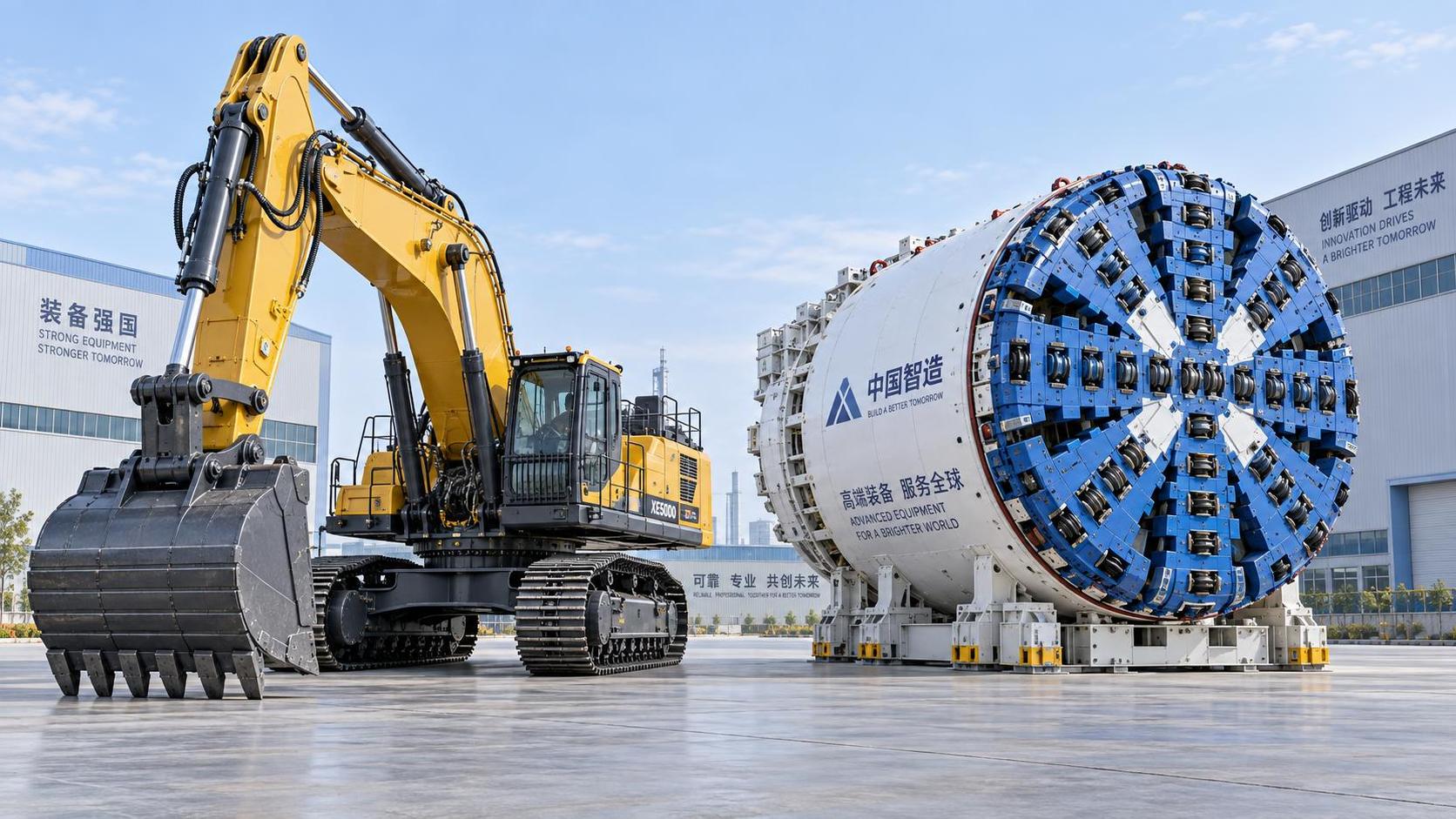
Cranes, concrete pumps, hoists, excavators, and batching systems face variable loads and harsh site conditions. Utilization changes quickly across projects.
Prioritize hydraulic leakage, structural inspection, telematics alerts, operator behavior, and component fatigue. These factors strongly shape heavy industry maintenance ROI.
Mining and Resource Technology
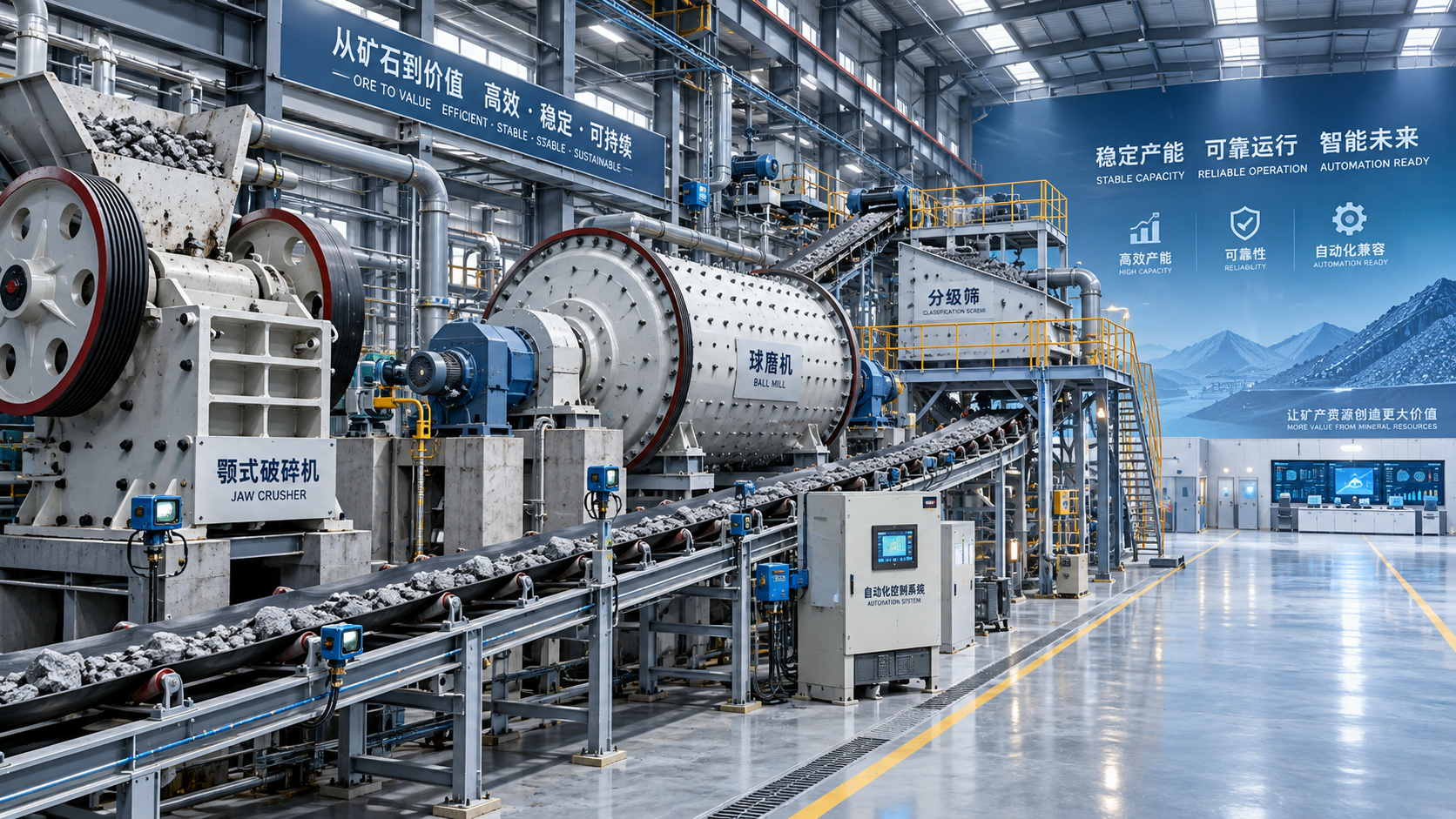
Mining assets experience abrasive materials, shock loading, dust, and remote-site logistics. A maintenance delay can stop extraction and processing flows.
Track haul truck tires, conveyor belts, crushers, ventilation systems, pumps, and autonomous controls with condition-based planning.
Railway and Logistics Arteries
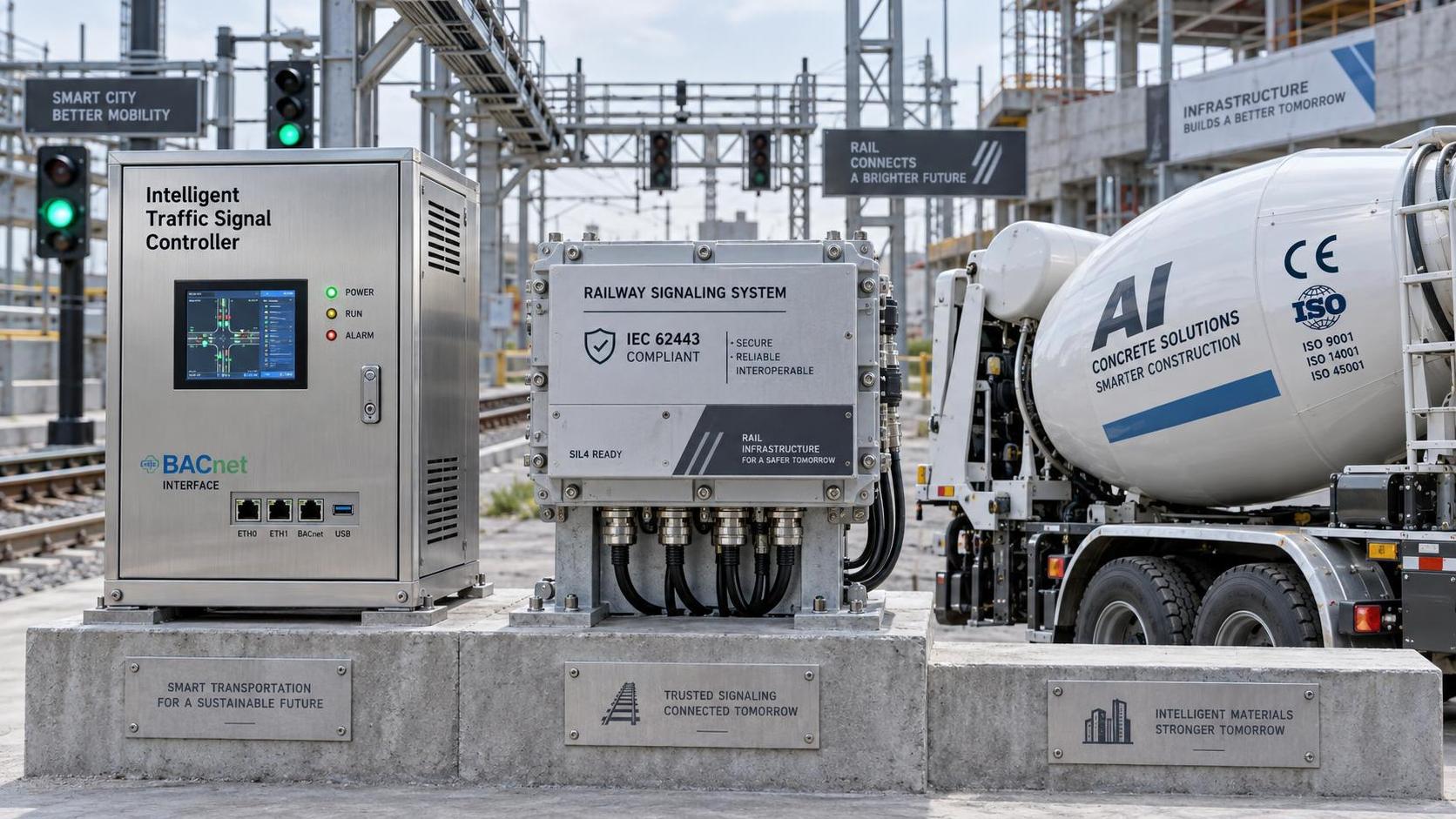
Rail systems combine mechanical assets, signaling equipment, power systems, and civil infrastructure. Failures affect capacity, safety, and network reliability.
Use inspection data from tracks, wheels, brakes, switches, overhead lines, and sensors to schedule precise intervention windows.
Urban Tech and Smart Governance Infrastructure
Smart grids, automated waste systems, traffic controls, and pumping networks rely on uptime, cybersecurity, and stable field devices.
In this heavy industry-adjacent environment, software patches, communication modules, power quality, and sensor calibration influence maintenance value.
Commonly Ignored Risks in Maintenance Cost Analysis
Hidden shutdown costs: A planned repair may require scaffolding, isolation, permits, cleaning, testing, and restart validation. These costs often exceed parts pricing.
Data quality gaps: Incomplete work orders weaken heavy industry decisions. Missing failure codes, labor notes, and root causes make trend analysis unreliable.
Over-maintenance: Excessive scheduled replacement can waste useful component life. It may also introduce new failures through unnecessary disassembly.
Compliance drift: Safety, emissions, pressure systems, lifting equipment, and electrical standards create mandatory maintenance obligations. Ignoring them damages ROI through penalties.
Technology without adoption: Predictive tools fail when alerts are ignored, thresholds are wrong, or maintenance teams cannot translate signals into action.
Practical Execution Steps for Better ROI
- Build a maintenance cost baseline using three years of work orders, downtime logs, spare parts usage, and contractor invoices.
- Rank heavy industry assets with a criticality matrix that combines safety, output, environmental risk, and repair lead time.
- Shift high-risk assets from calendar-based tasks toward condition-based monitoring where failure signatures are measurable.
- Standardize failure codes, inspection routes, lubrication practices, torque values, alignment procedures, and commissioning checks.
- Set inventory rules for critical spares, slow-moving components, repairable parts, supplier minimums, and emergency sourcing channels.
- Review maintenance KPIs monthly, including schedule compliance, backlog age, repeat failures, energy variance, and downtime cost.
- Link capital planning with maintenance history to identify assets that should be rebuilt, upgraded, digitized, or replaced.
How to Judge Whether Maintenance Spending Is Working
Maintenance spending is working when reliability improves faster than total cost rises. The goal is not always lower spending.
In heavy industry, the strongest ROI often comes from fewer breakdowns, safer operations, stable output, lower energy use, and longer asset life.
A useful test is simple. If maintenance actions reduce uncertainty and protect capacity, they contribute to capital efficiency.
If spending grows while repeat failures continue, the issue may be planning quality, execution discipline, or poor root cause analysis.
Final Guidance: Turn Maintenance Costs into ROI Signals
Heavy industry maintenance costs should be treated as strategic performance signals, not isolated repair expenses.
Start with asset criticality, downtime economics, spare parts exposure, workforce capability, and compliance obligations.
Then connect maintenance data to capital planning, modernization decisions, and sustainability targets.
The next step is to audit the most critical assets first. Build a prioritized roadmap that protects uptime, reduces risk, and improves heavy industry ROI.
Get weekly intelligence in your inbox.
No noise. No sponsored content. Pure intelligence.
News Recommendations
 Sep 19, 2026How an electronics application guide helps prevent component mismatchHow an electronics application guide helps prevent component mismatch
 Sep 18, 2026When a resource allocation platform improves project deliveryWhen a resource allocation platform improves project delivery
 Sep 17, 2026What to compare when evaluating mineral processing equipment manufacturersWhat to compare when evaluating mineral processing equipment manufacturers
 Sep 16, 2026How mineral separation optimization can reduce concentrate lossesHow mineral separation optimization can reduce concentrate losses
 Sep 15, 2026How to assess lifecycle costs in urban tech procurementHow to assess lifecycle costs in urban tech procurement
 Sep 14, 2026Heavy industry technology trends reshaping capital investment prioritiesHeavy industry technology trends reshaping capital investment priorities
 Sep 14, 2026Global Industrial Equipment Procurement: How Top OEMs Qualify Suppliers for Mining & Infrastructure ProjectsGlobal Industrial Equipment Procurement: How Top OEMs Qualify Suppliers for Mining & Infrastructure Projects
 Sep 14, 2026Industrial & Mining Equipment Procurement: Balancing Local Sourcing, Lead Time, and Certification RequirementsIndustrial & Mining Equipment Procurement: Balancing Local Sourcing, Lead Time, and Certification Requirements
 Sep 14, 2026Infrastructure & Equipment Upgrades: What Procurement Teams Must Verify Before Signing Off on New ContractsInfrastructure & Equipment Upgrades: What Procurement Teams Must Verify Before Signing Off on New Contracts
 Sep 14, 2026Why Infrastructure Equipment Buyers Are Shifting from Catalog-Based to Capability-Based Supplier SelectionWhy Infrastructure Equipment Buyers Are Shifting from Catalog-Based to Capability-Based Supplier Selection
 Sep 14, 2026Process Automation Project Execution: How to Align Supplier Capabilities with PLC Integration, Cybersecurity & Commissioning MilestonesProcess Automation Project Execution: How to Align Supplier Capabilities with PLC Integration, Cybersecurity & Commissioning Milestones
 Sep 14, 2026Are intelligent traffic systems worth the investment for small cities?Are intelligent traffic systems worth the investment for small cities?
 Sep 14, 2026How do intelligent traffic systems handle sensor failures?How do intelligent traffic systems handle sensor failures?
 Sep 14, 2026What should I check before accepting a smart building system?What should I check before accepting a smart building system?
 Sep 14, 2026Is a smart building system worth the maintenance cost?Is a smart building system worth the maintenance cost?
 Sep 14, 2026What data is needed for reliable resource allocation planning?What data is needed for reliable resource allocation planning?
 Sep 14, 2026How can resource allocation software reduce equipment idle time?How can resource allocation software reduce equipment idle time?
 Sep 14, 2026How should smart devices be maintained in harsh outdoor conditions?How should smart devices be maintained in harsh outdoor conditions?
 Sep 14, 2026Do smart devices improve worker safety on construction sites?Do smart devices improve worker safety on construction sites?
 Sep 14, 2026What environmental risks must be assessed before deep-sea mining?What environmental risks must be assessed before deep-sea mining?
 Sep 14, 2026Is deep-sea mining equipment commercially viable in 2026?Is deep-sea mining equipment commercially viable in 2026?
 Sep 14, 2026What Inspection Checks Should Procurement Teams Perform Before Ordering Dredging Equipment in 2026?What Inspection Checks Should Procurement Teams Perform Before Ordering Dredging Equipment in 2026?
 Sep 13, 2026How to verify an industrial product information source before specifying equipmentHow to verify an industrial product information source before specifying equipment
 Sep 12, 2026Which intelligent traffic systems hardware fits an urban intersection?Which intelligent traffic systems hardware fits an urban intersection?
 Sep 11, 2026How pump capacity affects response coverage for municipal fire fighting vehiclesHow pump capacity affects response coverage for municipal fire fighting vehicles
 Sep 10, 2026What to verify before choosing a heavy industry equipment supplierWhat to verify before choosing a heavy industry equipment supplier
 Sep 09, 2026When do adaptive urban traffic control systems reduce corridor delays?When do adaptive urban traffic control systems reduce corridor delays?