Concrete Mixers for Construction: Costly Mistakes to Avoid
Choosing the right concrete mixers for construction can determine whether a project stays on schedule, within budget, and up to quality standards.
Small mistakes in selection, operation, or maintenance often create expensive delays, wasted materials, and safety exposure across infrastructure and building projects.
This guide explains the most common errors, answers practical buying questions, and helps improve performance with better planning and equipment decisions.
What makes concrete mixers for construction such a critical equipment choice?
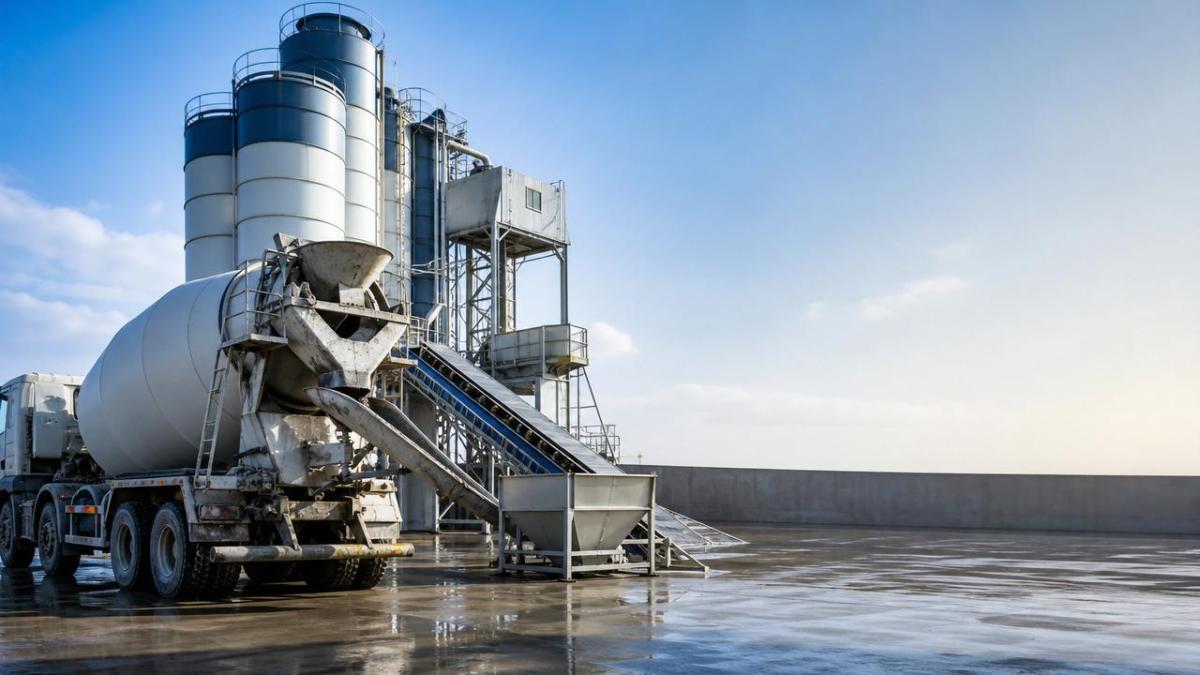
Concrete mixing affects strength, workability, consistency, and placement speed. A poor mixer choice can weaken output quality before concrete even reaches the formwork.
In construction, concrete is rarely forgiving. If the mix ratio drifts or discharge becomes uneven, rework costs can rise quickly.
Reliable concrete mixers for construction support stable batching, predictable cycle times, and smoother coordination with pumping, transport, and finishing operations.
This matters across commercial towers, roadworks, rail infrastructure, precast yards, and municipal upgrades where productivity and quality must align.
The most expensive mistake is treating a mixer as a simple commodity. It is actually a production control point.
Why does this matter in modern infrastructure?
Today’s projects demand tighter tolerances, faster delivery, and lower carbon impact. That raises expectations for every batch of concrete.
Whether supporting smart buildings or transport corridors, the right mixer helps reduce waste, stabilize output, and improve lifecycle value.
Which buying mistakes cause the highest hidden costs?
Many buyers focus first on purchase price. That is understandable, but it often ignores lifetime operating cost.
Cheap concrete mixers for construction may consume more fuel or power, require frequent repairs, and deliver inconsistent mixing performance.
Another common mistake is sizing by peak ambition instead of actual project demand. Oversized units may sit idle and inflate transport and service expenses.
Undersized equipment creates the opposite problem. It slows production, increases labor pressure, and can force rushed batching decisions.
Specification mismatch is also costly. Drum type, batch capacity, discharge method, mobility, and power source should fit site conditions.
Ignoring spare parts availability is another major risk. Downtime becomes severe when replacement blades, liners, seals, or motors are hard to source.
What should be checked before purchase?
- Expected daily concrete volume and peak cycle demand
- Aggregate size, slump target, and material moisture variation
- Site access, mobility needs, and discharge constraints
- Energy source, emissions rules, and operating environment
- Service network, parts lead time, and maintenance intervals
- Operator safety features and control simplicity
How do you choose between different concrete mixers for construction?
Not all mixers serve the same purpose. The correct choice depends on project scale, concrete type, and workflow design.
Drum mixers are common for general site work. They suit many building applications and remain popular because of simple operation.
Pan mixers often provide strong mixing action for precast elements, colored concrete, or mixes needing high uniformity.
Twin-shaft systems support large-volume output and fast cycles. They are often preferred in demanding infrastructure or batching environments.
Mobile mixers offer flexibility on dispersed jobsites. Stationary systems make more sense where production is repetitive and space is controlled.
Quick comparison table
What is the smartest selection approach?
Match the mixer to actual workflow, not marketing claims. Review batch size, cycle speed, discharge distance, and compatibility with downstream equipment.
That practical fit is more valuable than buying the largest or newest unit available.
What operational mistakes reduce concrete quality and site efficiency?
Even the best concrete mixers for construction fail when operating discipline is weak. Many quality issues come from everyday habits, not machine defects.
Overloading is one of the biggest problems. It reduces mixing uniformity, strains drive components, and extends batch time.
Incorrect loading order also creates trouble. Cement, water, admixtures, and aggregates must enter in a controlled sequence.
Mixing too briefly leaves dry pockets or uneven distribution. Mixing too long can change slump, temperature, and entrained air performance.
Poor cleaning between batches can contaminate subsequent mixes. Hardened buildup also shortens equipment life and reduces effective capacity.
Water adjustments made by guesswork are especially dangerous. They may help workability temporarily, but strength and durability can suffer later.
Daily operating checks that prevent expensive errors
- Verify drum or chamber cleanliness before first batch.
- Confirm blade condition, liner wear, and lubrication points.
- Check calibration for water and aggregate dosing.
- Follow a fixed loading and mixing sequence.
- Record cycle times and unusual vibration or noise.
- Wash down correctly after production ends.
How can maintenance and safety mistakes turn into major project delays?
Maintenance is often postponed when schedules tighten. That decision usually creates larger delays later.
Wear parts in concrete mixers for construction face abrasive materials, moisture, and repeated stress. Ignoring inspection leads to sudden failures.
Common neglected items include mixing blades, seals, bearings, hydraulic lines, electrical systems, and discharge gates.
Safety errors are just as expensive. Unguarded moving parts, rushed cleaning, and poor lockout practices can stop work immediately.
Dust exposure, slippery wash areas, and unstable power connections also increase risk on congested sites.
A preventive schedule is usually far cheaper than emergency repair, rejected concrete, or incident-driven shutdowns.
Maintenance and safety priority table
How should cost, lifecycle value, and sustainability be evaluated?
A good buying decision goes beyond sticker price. Evaluate total cost of ownership over the project timeline or fleet lifecycle.
Include energy use, fuel demand, maintenance labor, spare parts, cleaning time, transport needs, and expected resale value.
Efficient concrete mixers for construction can also support sustainability goals. Better mixing accuracy reduces material waste and avoids avoidable cement overuse.
That matters for urban development, transport infrastructure, and greener construction programs where carbon reduction is becoming a measurable requirement.
Digital monitoring features may add value too. Runtime tracking, service alerts, and batch data can improve utilization and quality control.
FAQ summary: fast answers to common questions
Avoiding costly mistakes with concrete mixers for construction starts with clear requirements, disciplined operation, and realistic lifecycle analysis.
The best results come from aligning mixer type, batch demand, maintenance support, and site logistics before work begins.
For infrastructure, smart building, and heavy equipment planning, a better mixer decision supports stronger quality, safer sites, and more sustainable project delivery.
Use this checklist-driven approach as the next step when reviewing fleet upgrades, new project mobilization, or long-term equipment strategy.
Get weekly intelligence in your inbox.
No noise. No sponsored content. Pure intelligence.
News Recommendations
 Sep 19, 2026How an electronics application guide helps prevent component mismatchHow an electronics application guide helps prevent component mismatch
 Sep 18, 2026When a resource allocation platform improves project deliveryWhen a resource allocation platform improves project delivery
 Sep 17, 2026What to compare when evaluating mineral processing equipment manufacturersWhat to compare when evaluating mineral processing equipment manufacturers
 Sep 16, 2026How mineral separation optimization can reduce concentrate lossesHow mineral separation optimization can reduce concentrate losses
 Sep 15, 2026How to assess lifecycle costs in urban tech procurementHow to assess lifecycle costs in urban tech procurement
 Sep 14, 2026Heavy industry technology trends reshaping capital investment prioritiesHeavy industry technology trends reshaping capital investment priorities
 Sep 14, 2026Why Infrastructure Equipment Buyers Are Shifting from Catalog-Based to Capability-Based Supplier SelectionWhy Infrastructure Equipment Buyers Are Shifting from Catalog-Based to Capability-Based Supplier Selection
 Sep 14, 2026Process Automation Project Execution: How to Align Supplier Capabilities with PLC Integration, Cybersecurity & Commissioning MilestonesProcess Automation Project Execution: How to Align Supplier Capabilities with PLC Integration, Cybersecurity & Commissioning Milestones
 Sep 14, 2026Are intelligent traffic systems worth the investment for small cities?Are intelligent traffic systems worth the investment for small cities?
 Sep 14, 2026How do intelligent traffic systems handle sensor failures?How do intelligent traffic systems handle sensor failures?
 Sep 14, 2026What should I check before accepting a smart building system?What should I check before accepting a smart building system?
 Sep 14, 2026Is a smart building system worth the maintenance cost?Is a smart building system worth the maintenance cost?
 Sep 14, 2026What data is needed for reliable resource allocation planning?What data is needed for reliable resource allocation planning?
 Sep 14, 2026How can resource allocation software reduce equipment idle time?How can resource allocation software reduce equipment idle time?
 Sep 14, 2026How should smart devices be maintained in harsh outdoor conditions?How should smart devices be maintained in harsh outdoor conditions?
 Sep 14, 2026Do smart devices improve worker safety on construction sites?Do smart devices improve worker safety on construction sites?
 Sep 14, 2026What environmental risks must be assessed before deep-sea mining?What environmental risks must be assessed before deep-sea mining?
 Sep 14, 2026Is deep-sea mining equipment commercially viable in 2026?Is deep-sea mining equipment commercially viable in 2026?
 Sep 14, 2026What Inspection Checks Should Procurement Teams Perform Before Ordering Dredging Equipment in 2026?What Inspection Checks Should Procurement Teams Perform Before Ordering Dredging Equipment in 2026?
 Sep 13, 2026How to verify an industrial product information source before specifying equipmentHow to verify an industrial product information source before specifying equipment
 Sep 12, 2026Which intelligent traffic systems hardware fits an urban intersection?Which intelligent traffic systems hardware fits an urban intersection?
 Sep 11, 2026How pump capacity affects response coverage for municipal fire fighting vehiclesHow pump capacity affects response coverage for municipal fire fighting vehicles
 Sep 10, 2026What to verify before choosing a heavy industry equipment supplierWhat to verify before choosing a heavy industry equipment supplier
 Sep 09, 2026When do adaptive urban traffic control systems reduce corridor delays?When do adaptive urban traffic control systems reduce corridor delays?
 Sep 08, 2026When logistics technology solutions in North America reduce delivery delaysWhen logistics technology solutions in North America reduce delivery delays
 Sep 07, 2026How reliable are wireless mining safety systems in underground mines?How reliable are wireless mining safety systems in underground mines?
 Sep 07, 2026How to assess a smart lighting technology platform for interoperabilityHow to assess a smart lighting technology platform for interoperability