How to Evaluate a Heavy Industry Machinery Exporter
Choosing the right heavy industry machinery exporter can decide whether an infrastructure project stays compliant, on schedule, and financially controlled.
As cranes, mining systems, construction machinery, special vehicles, and logistics equipment become smarter, exporter evaluation must move beyond price.
A reliable heavy industry machinery exporter now needs engineering depth, digital service capability, certification discipline, and proven cross-border execution.
Why Heavy Industry Machinery Exporter Evaluation Is Changing
Global infrastructure is entering a more intelligent and regulated phase.
Urban systems demand lower emissions, better safety, predictable maintenance, and equipment data that supports smarter governance.
This shift changes how a heavy industry machinery exporter should be assessed.
Exporters are no longer simple shipment providers. They influence lifecycle cost, project risk, operator productivity, and carbon performance.
A strong heavy industry machinery exporter should connect manufacturing quality with local compliance, training, spare parts, and digital diagnostics.
Trend Signals Defining a Reliable Heavy Industry Machinery Exporter
Several market signals show why evaluation standards are becoming stricter.
Projects are larger, financing is tighter, and public scrutiny on infrastructure sustainability is increasing.
Equipment failures now affect not only site productivity, but also transport corridors, urban services, and resource security.
A heavy industry machinery exporter must therefore demonstrate resilience across engineering, documentation, logistics, and service response.
Core Forces Behind the New Exporter Standard
The best heavy industry machinery exporter is shaped by several structural forces.
These forces come from engineering complexity, financing discipline, and the growing role of digital infrastructure intelligence.
- Equipment must integrate mechanical strength with sensors, controls, and remote service tools.
- Infrastructure owners expect longer asset life and clearer total cost forecasting.
- Cross-border projects require documentation that meets customs, safety, and financing reviews.
- Green engineering policies are raising demand for efficient engines and electrified platforms.
- Local workforce skills require training support, multilingual manuals, and responsive technical guidance.
These drivers make exporter selection a strategic infrastructure decision.
A weak heavy industry machinery exporter may offer low initial pricing, yet create high downtime and compliance exposure later.
Technical Capability Remains the First Filter
Technical capability is the foundation of exporter evaluation.
A heavy industry machinery exporter should understand working conditions, load cycles, climate stress, terrain, and maintenance realities.
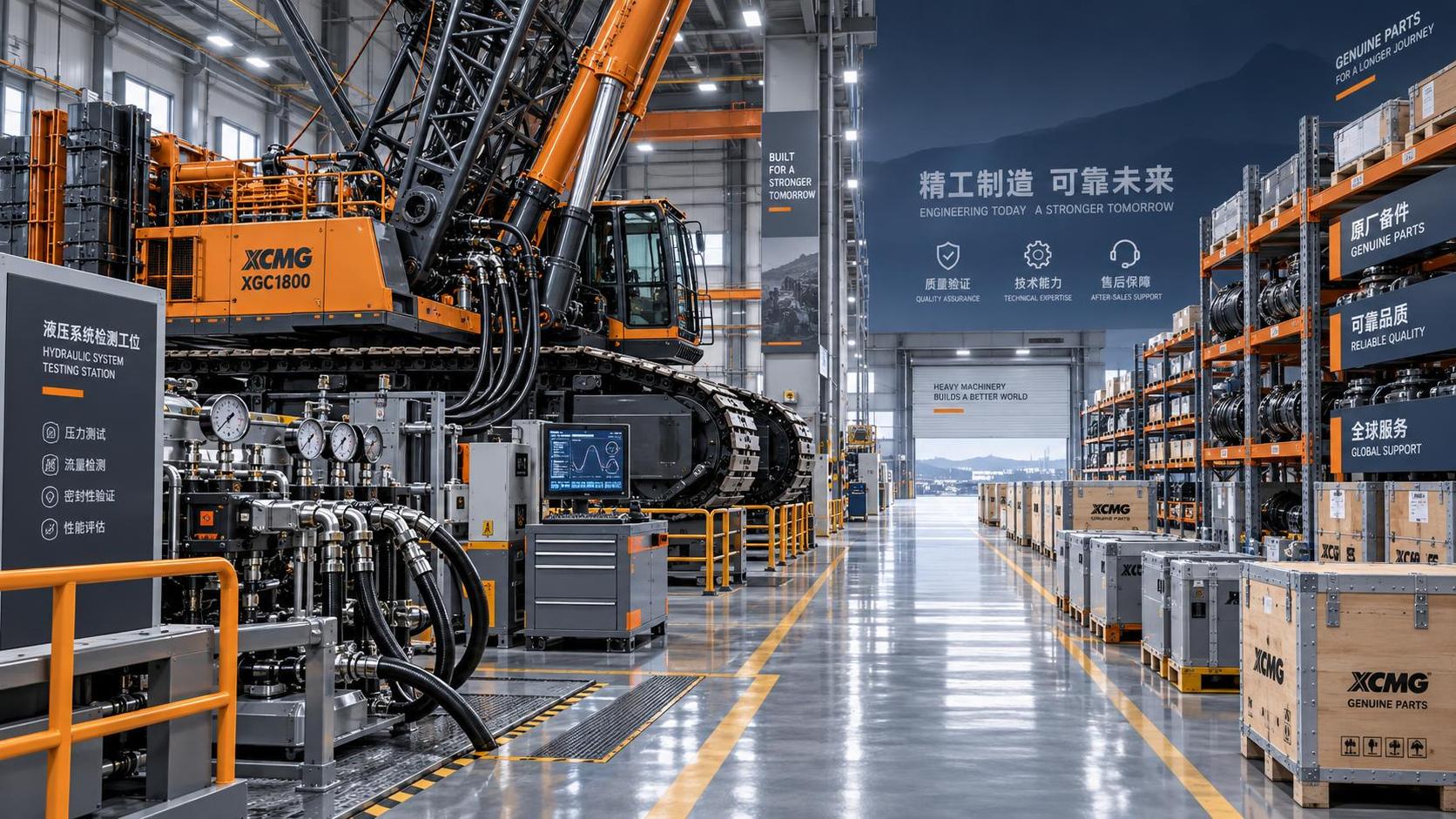
For cranes, this means lifting charts, stability systems, boom materials, and safety interlocks.
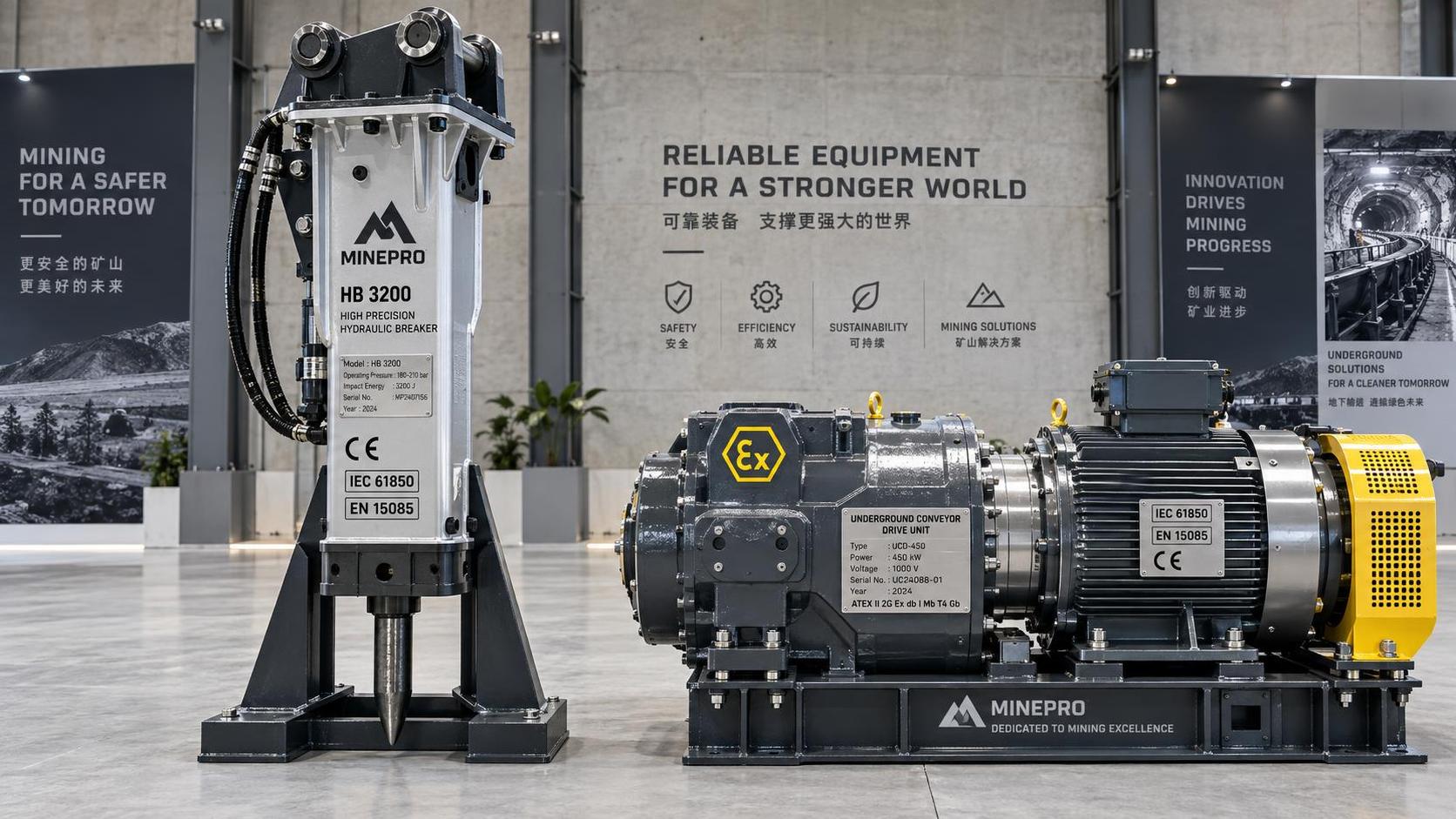
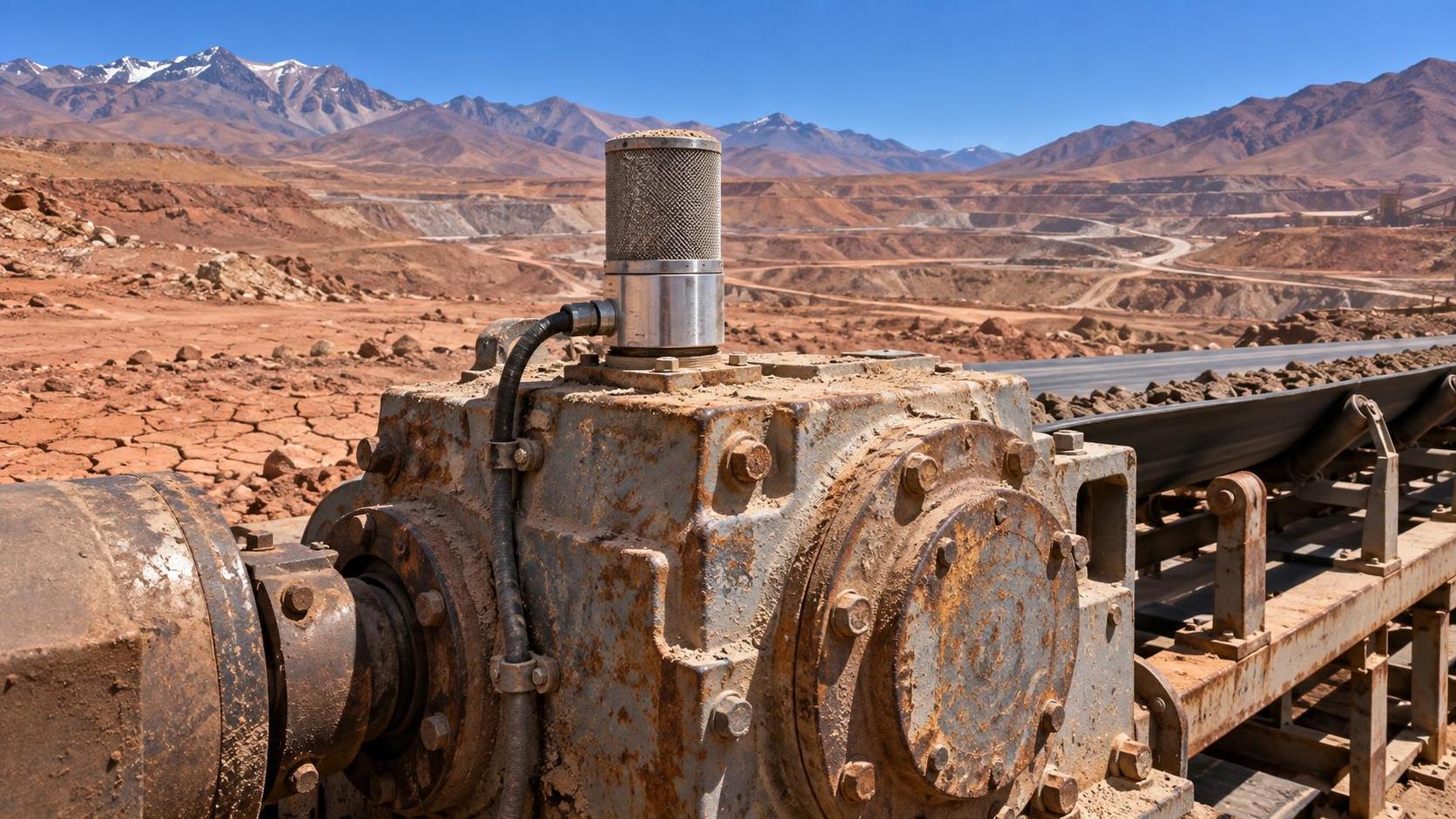
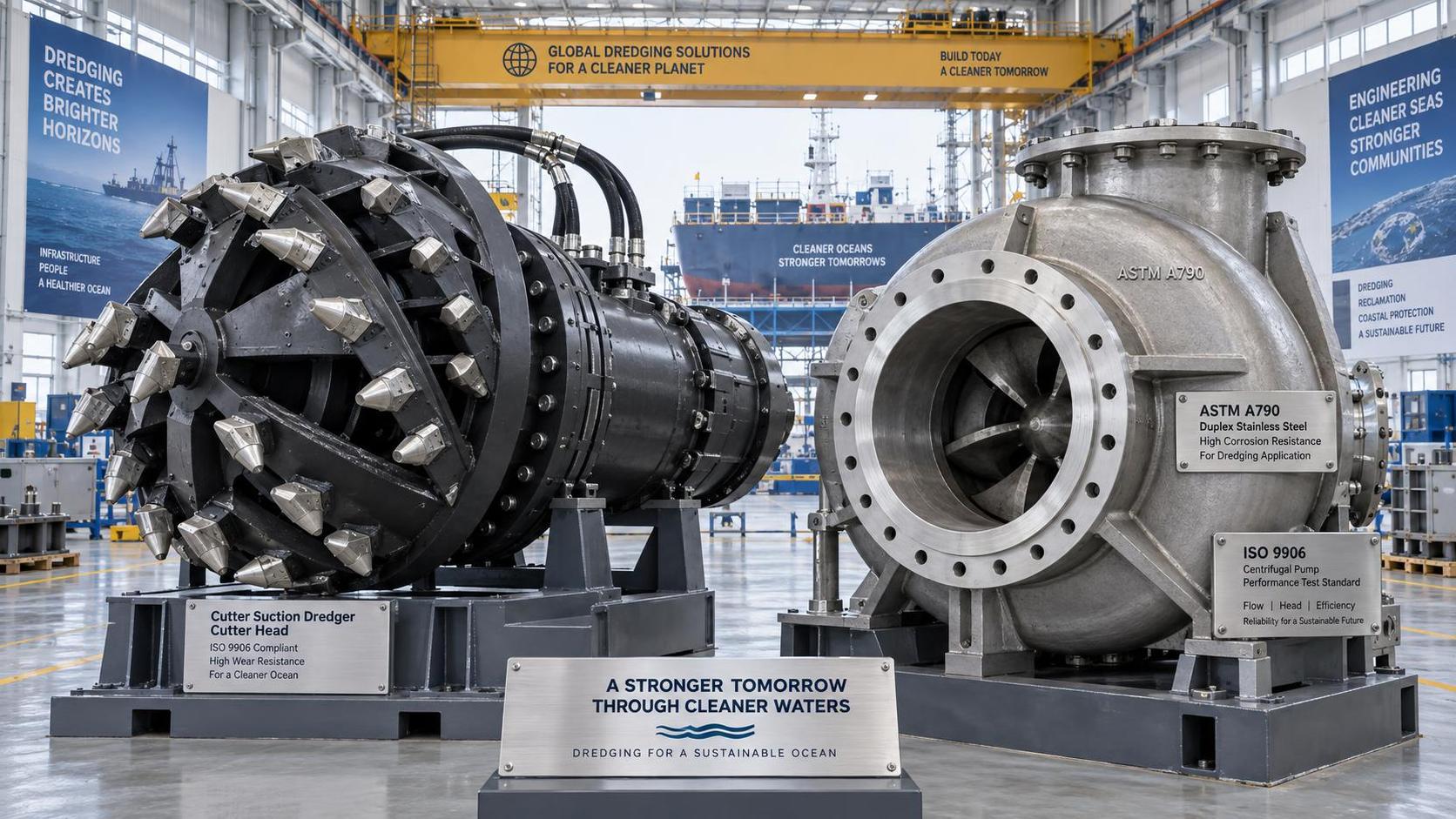
For mining equipment, it includes wear resistance, dust protection, hydraulic reliability, and underground safety standards.
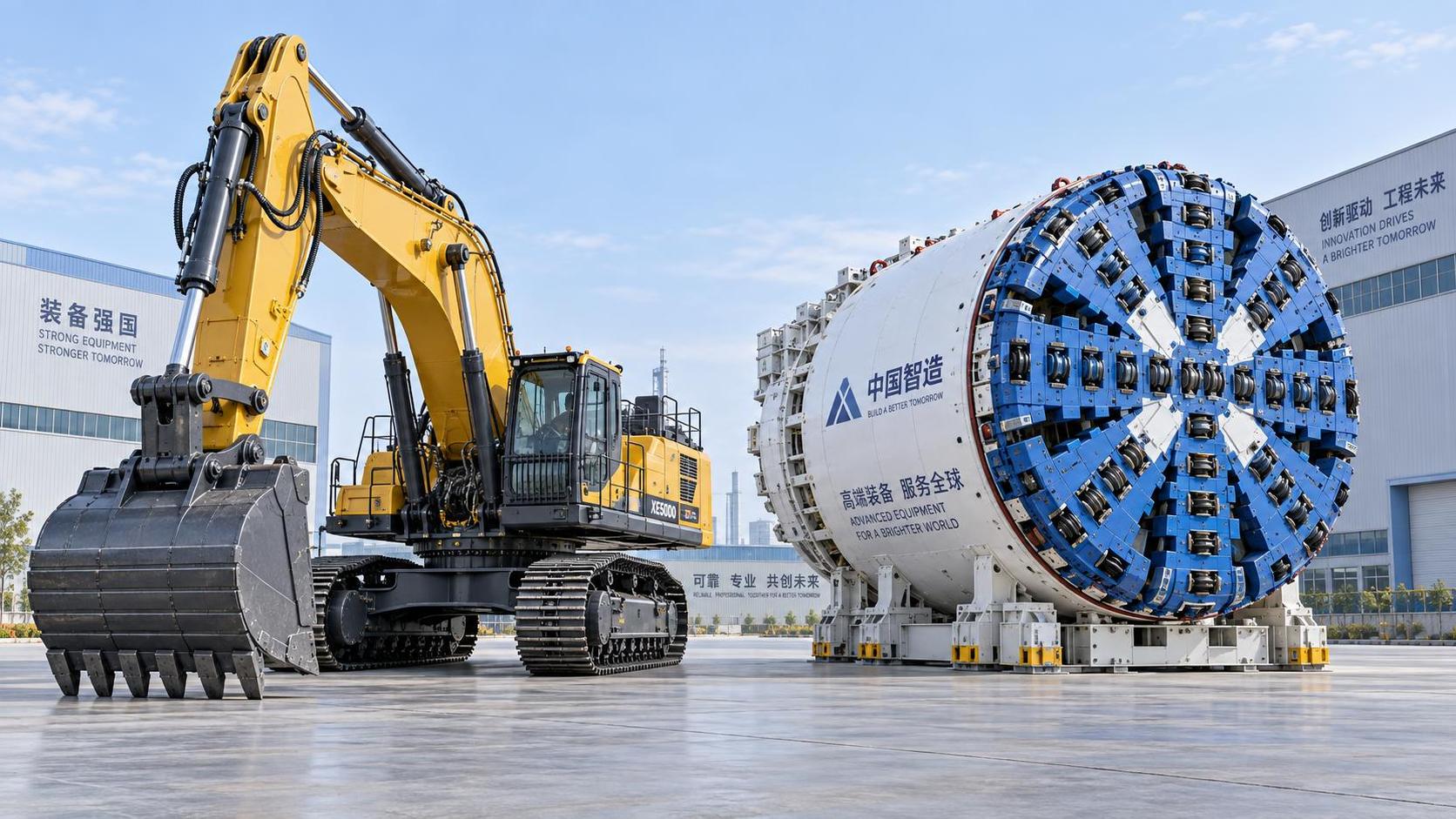
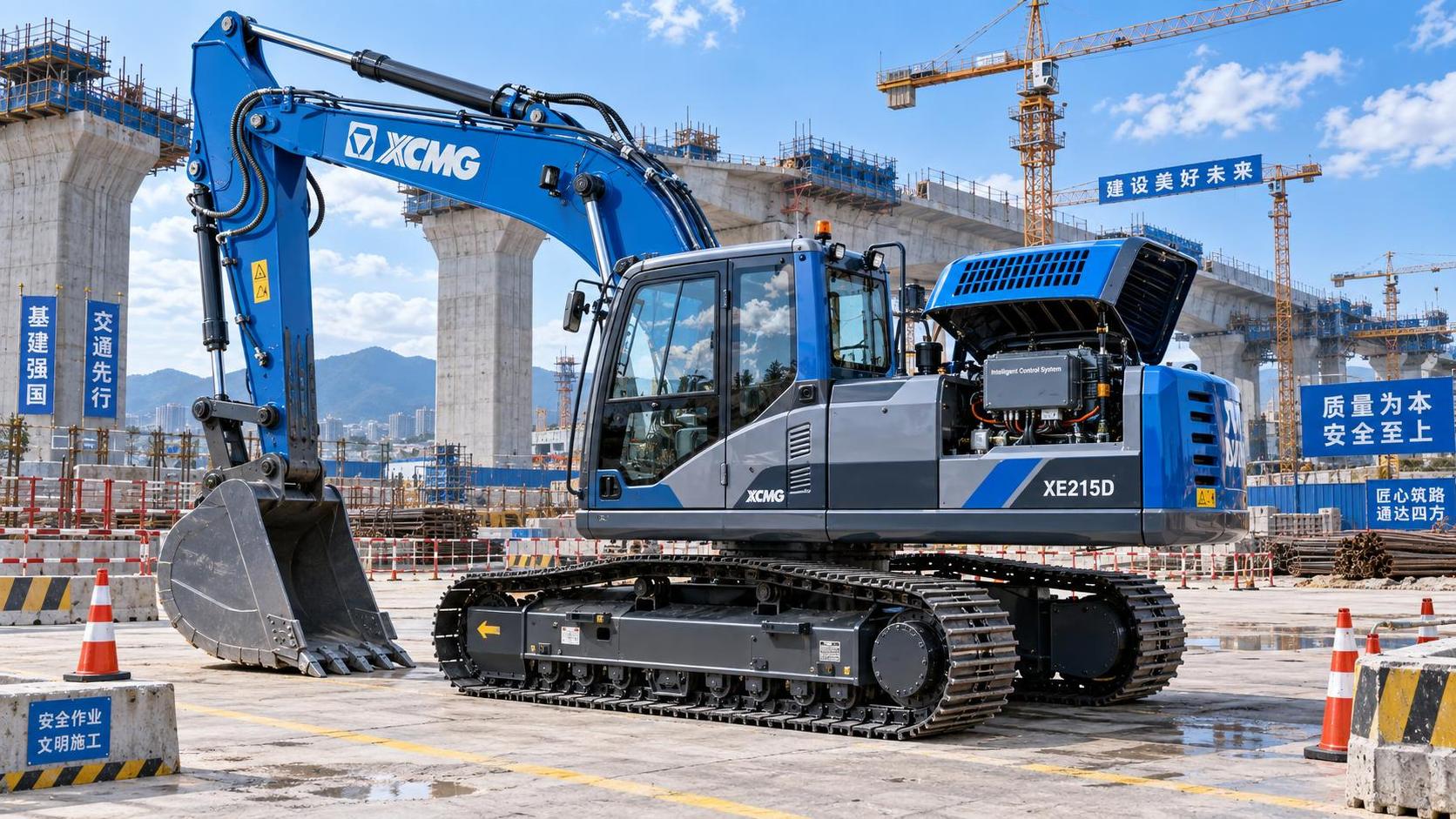
For construction machinery, evaluate fuel consumption, attachment compatibility, operator visibility, and control precision.
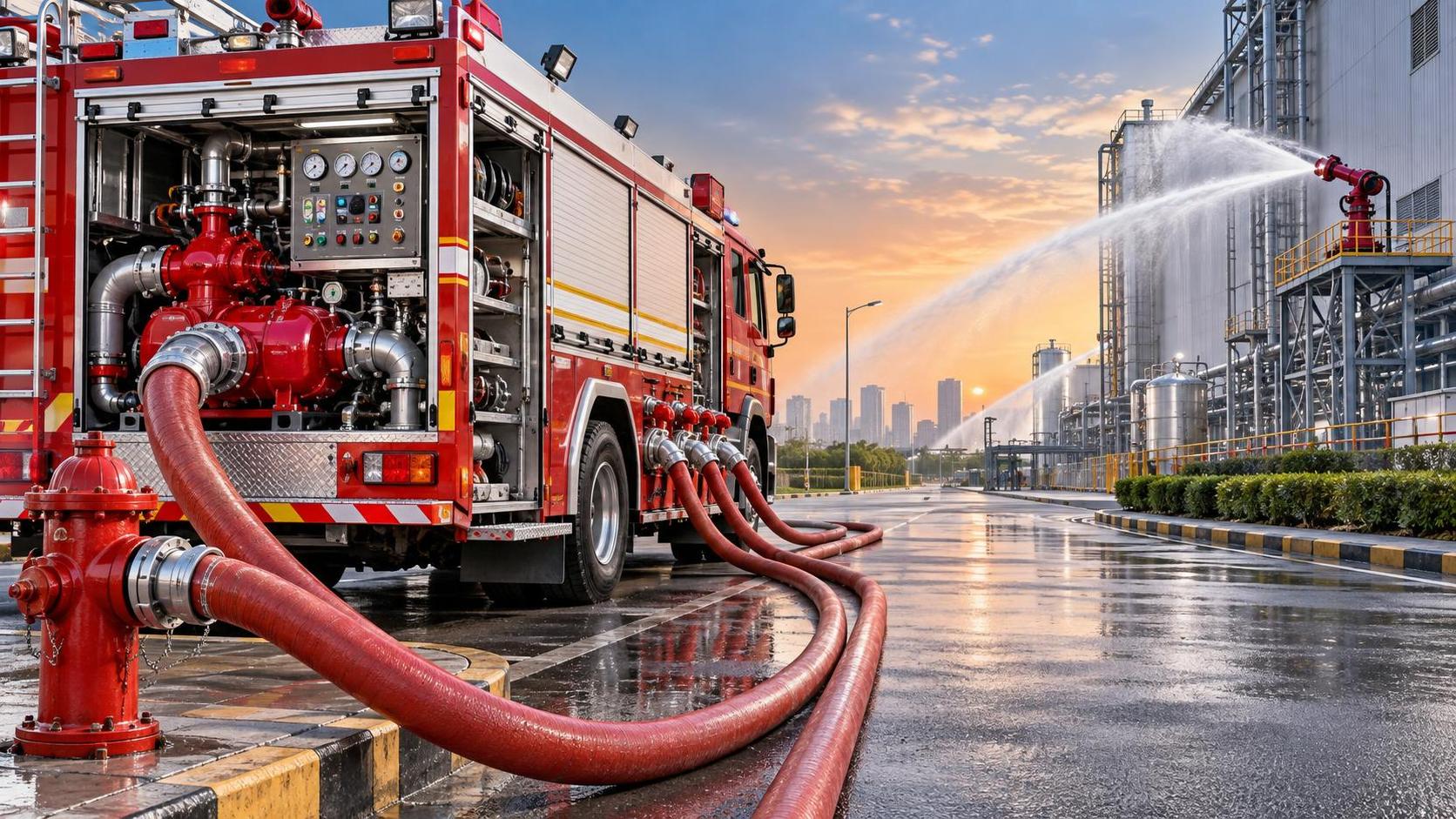
For special vehicles, focus on chassis integration, payload distribution, braking performance, and mission-specific customization.
Evidence to Request
- Model specifications with rated capacity and operational limits.
- Material certificates for structural and safety-critical components.
- Factory test reports and commissioning procedures.
- Reference cases in similar climate, terrain, or industry conditions.
A credible heavy industry machinery exporter answers technical questions with documents, not slogans.
Compliance and Certification Are Becoming Strategic Assets
Compliance is no longer a paperwork formality.
It affects customs clearance, project insurance, operator safety, financing approval, and government acceptance.
A dependable heavy industry machinery exporter should provide certificates aligned with destination requirements.
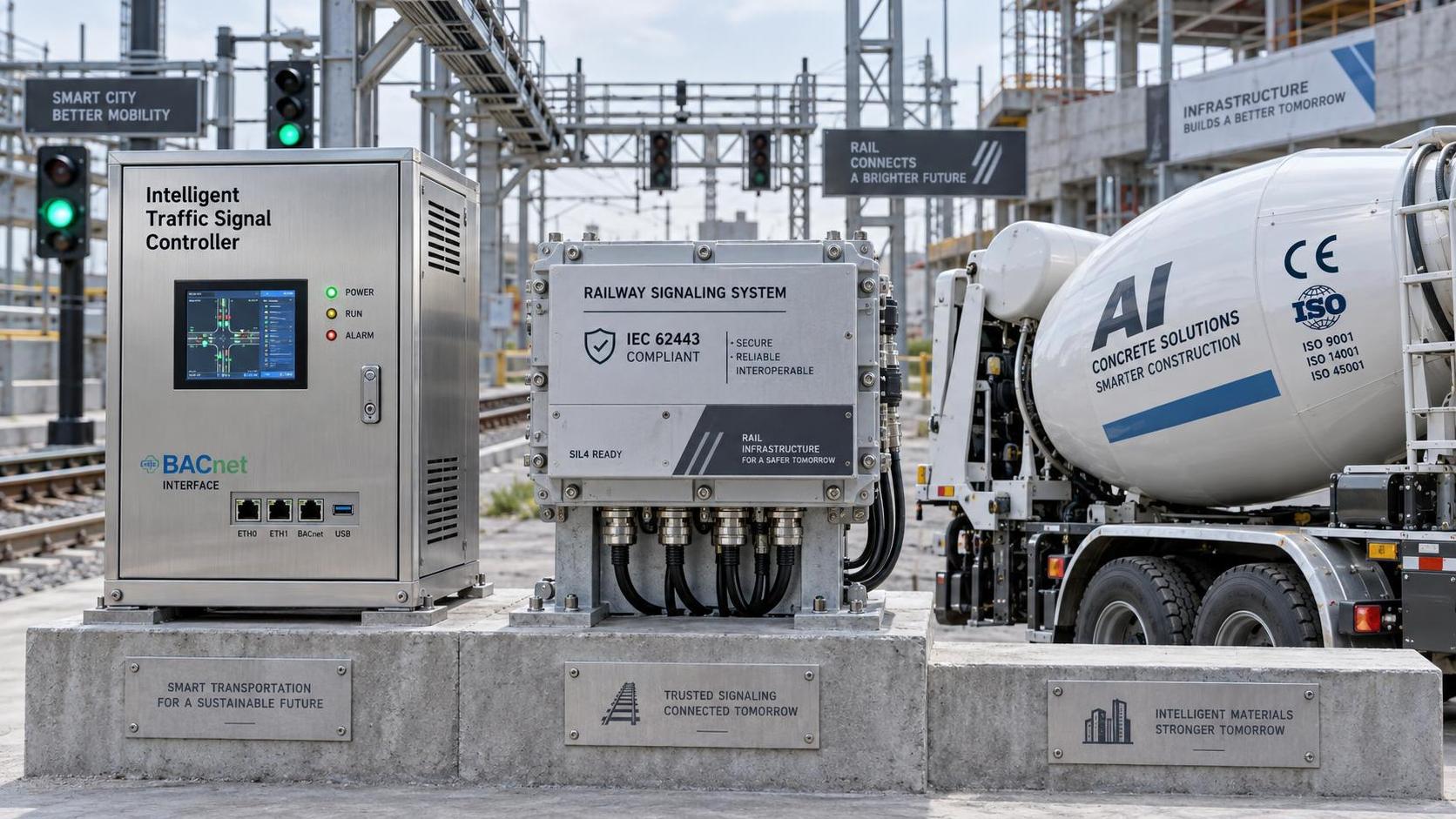
Common standards may include CE, ISO 9001, ISO 14001, ISO 45001, EPA, EAC, or regional road approvals.
The key is not certificate volume. The key is relevance, validity, traceability, and consistency with the actual machine supplied.
Compliance Checks That Reduce Risk
- Confirm certificate numbers and issuing bodies.
- Match certificates with exact models and configurations.
- Review emission standards for engines and generators.
- Check lifting, braking, pressure, and electrical safety documentation.
The right heavy industry machinery exporter will treat compliance as an engineering control system.
Manufacturing Reliability and Quality Control Need Direct Verification
Production quality determines whether machinery performs under real stress.
A heavy industry machinery exporter should allow factory audits, inspection reports, and quality process reviews.
Important areas include welding quality, machining accuracy, hydraulic assembly, electrical harness protection, and coating durability.
Quality control should cover incoming materials, process inspection, final testing, and pre-shipment verification.
A mature heavy industry machinery exporter can explain inspection points before problems occur.
After-Sales Capability Now Defines Lifecycle Value
Heavy machinery value is created over years, not only at delivery.
A heavy industry machinery exporter must support installation, commissioning, training, warranty handling, and spare parts planning.
Service response is especially critical for mines, ports, rail projects, concrete production, and emergency vehicle fleets.
Downtime in these sectors can disrupt production chains and public services.
After-Sales Indicators to Compare
- Spare parts availability for critical systems.
- Remote diagnostic support and response time.
- Local service partners or regional maintenance networks.
- Clear warranty terms and failure reporting procedures.
- Training materials for operators and maintenance teams.
The most capable heavy industry machinery exporter builds service readiness into the offer from the beginning.
Logistics Strength Separates Export Claims from Delivery Reality
Large equipment exports involve packaging, port handling, permits, sea freight, inland transport, and customs documentation.
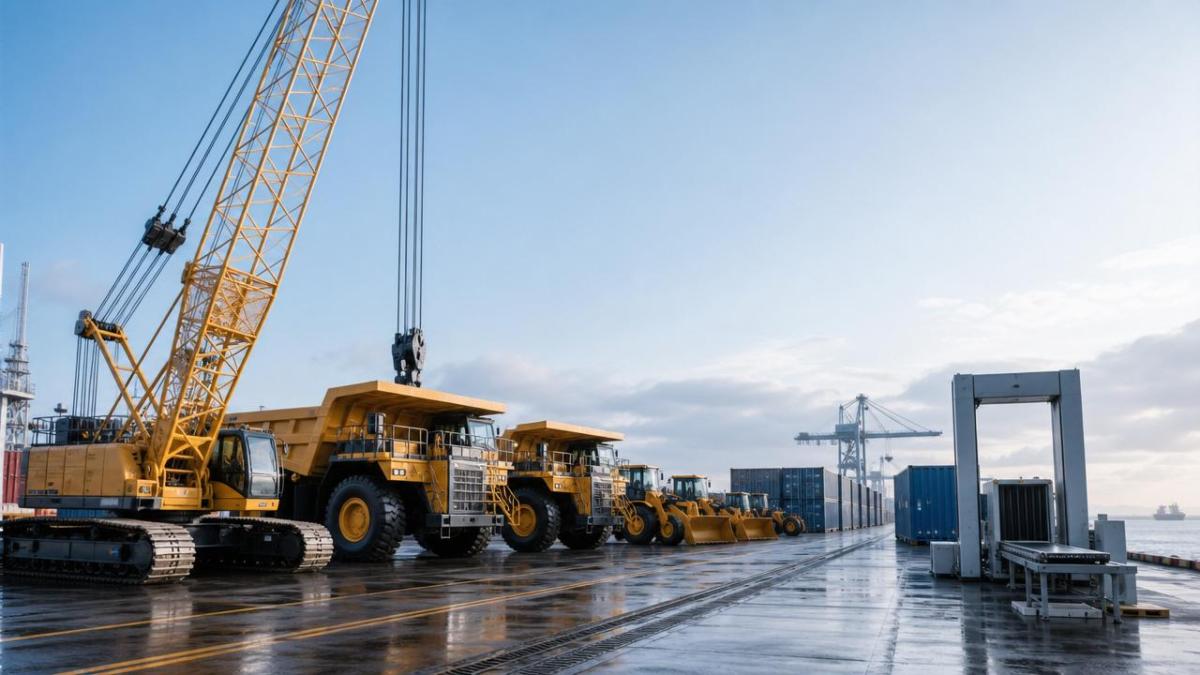
A heavy industry machinery exporter should understand containerized, breakbulk, roll-on roll-off, and flat-rack shipment options.
Poor logistics planning can damage machinery, delay commissioning, or create unexpected storage costs.
Export documents should be accurate, complete, and aligned with payment, inspection, and customs requirements.
- Review packing photos and moisture protection methods.
- Confirm lifting points and transport dimensions.
- Clarify Incoterms, insurance coverage, and delivery responsibilities.
- Verify spare parts shipped with the first equipment batch.
An experienced heavy industry machinery exporter can forecast delivery obstacles before cargo leaves the factory.
Digital Readiness Is Becoming a Competitive Divider
Urban technology and infrastructure management increasingly depend on equipment data.
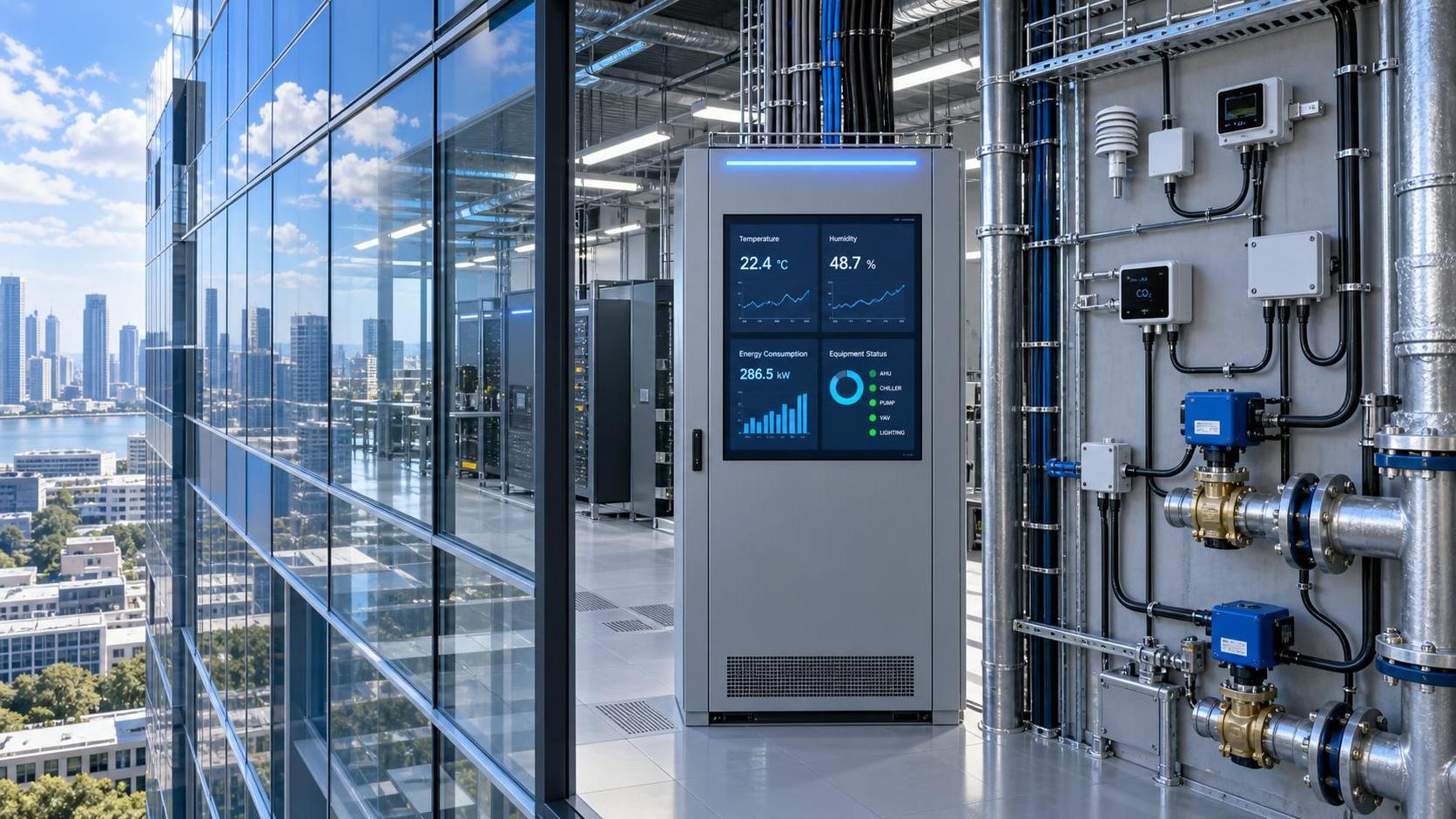
A forward-looking heavy industry machinery exporter should offer telematics, fleet monitoring, fault alerts, and maintenance scheduling tools.
Digital functions are not only premium features. They support asset visibility and lower operational uncertainty.
For smart jobsites, rail maintenance, mining safety, and urban fleets, data integration can improve decision speed.
However, digital claims require verification through demonstrations, platform access, cybersecurity controls, and data ownership terms.
Impact Across Key Infrastructure and Industrial Operations
Exporter quality affects many parts of the physical economy.
In construction, equipment reliability influences project sequencing, concrete delivery, lifting safety, and site automation.
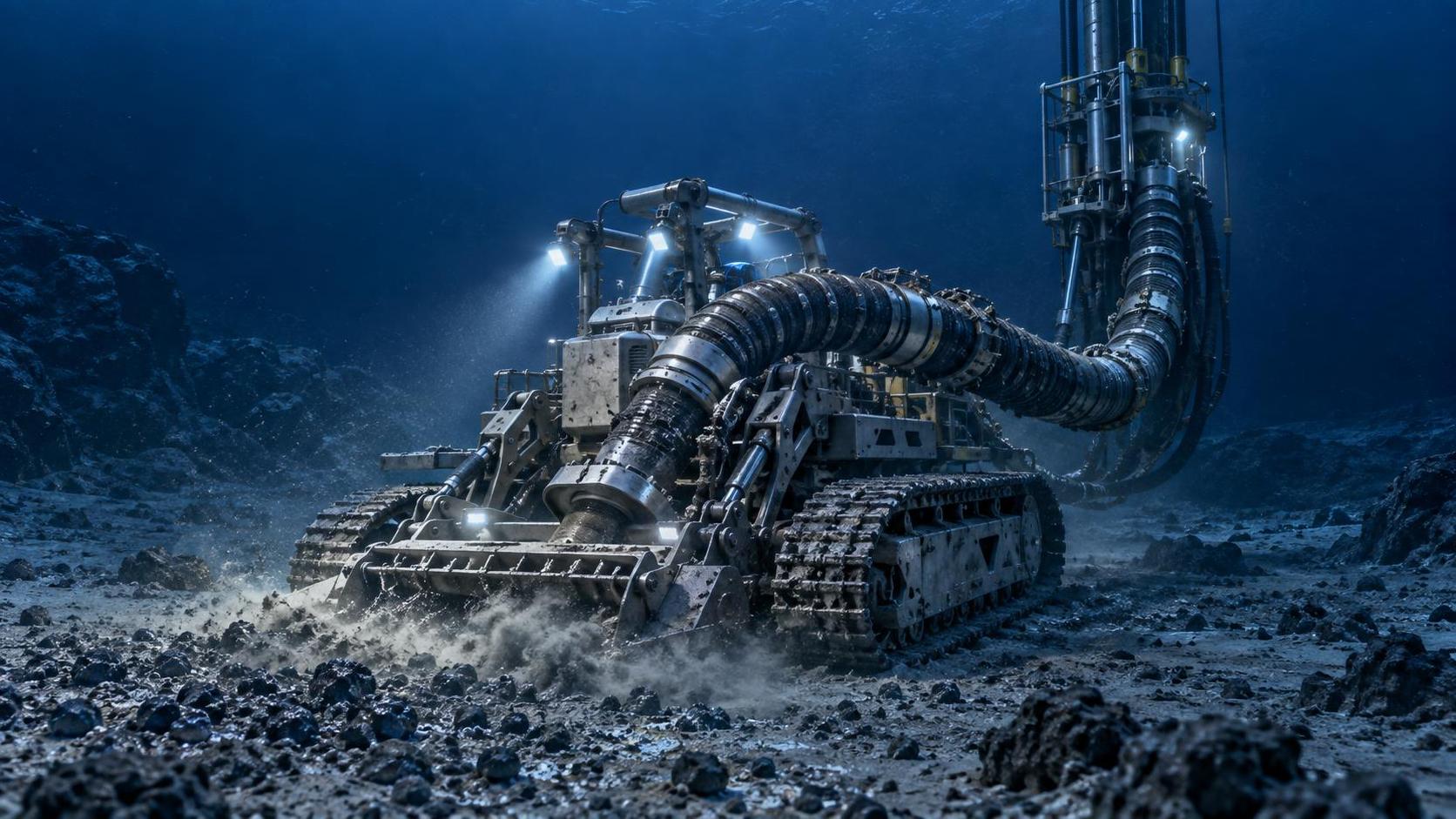
In mining, the heavy industry machinery exporter affects extraction efficiency, safety performance, and maintenance intervals.
In rail and logistics, machinery uptime supports corridor capacity, yard operations, and infrastructure maintenance windows.
In smart cities, special vehicles and equipment must align with emission controls, public safety, and data-driven fleet management.
- Better exporter evaluation reduces hidden lifecycle cost.
- Stronger documentation improves financing and regulatory confidence.
- Service planning protects uptime during peak operational periods.
- Digital readiness supports smarter infrastructure governance.
Key Priorities When Comparing Heavy Industry Machinery Exporter Options
A structured comparison helps separate strong exporters from price-driven intermediaries.
The following priorities should guide early screening and final negotiations.
- Confirm manufacturing origin, engineering resources, and production capacity.
- Review technical fit for real operating conditions.
- Verify certifications, inspection records, and export documentation.
- Assess warranty scope, spare parts policy, and service response.
- Compare total cost, not only purchase price.
- Check past projects in similar industries and regions.
- Evaluate digital tools, diagnostics, and data transparency.
The preferred heavy industry machinery exporter should perform consistently across all seven areas.
Practical Response Framework for Safer Decisions
Exporter selection should follow a staged approach.
This reduces emotional decisions and creates a documented basis for comparison.
This framework supports transparent judgment and stronger project resilience.
Final Outlook: From Equipment Sourcing to Infrastructure Intelligence
The evaluation of a heavy industry machinery exporter is becoming part of infrastructure intelligence.
Machinery now connects physical construction, resource development, urban governance, logistics networks, and sustainability goals.
The best decisions will favor exporters that combine engineering strength with compliance, service, logistics, and digital capability.
Before placing an order, build a written evaluation matrix, request verifiable evidence, and compare lifecycle outcomes.
A qualified heavy industry machinery exporter should help create safer projects, smarter operations, and more sustainable infrastructure foundations.
Get weekly intelligence in your inbox.
No noise. No sponsored content. Pure intelligence.
News Recommendations
 Sep 19, 2026How an electronics application guide helps prevent component mismatchHow an electronics application guide helps prevent component mismatch
 Sep 18, 2026When a resource allocation platform improves project deliveryWhen a resource allocation platform improves project delivery
 Sep 17, 2026What to compare when evaluating mineral processing equipment manufacturersWhat to compare when evaluating mineral processing equipment manufacturers
 Sep 16, 2026How mineral separation optimization can reduce concentrate lossesHow mineral separation optimization can reduce concentrate losses
 Sep 15, 2026How to assess lifecycle costs in urban tech procurementHow to assess lifecycle costs in urban tech procurement
 Sep 14, 2026Heavy industry technology trends reshaping capital investment prioritiesHeavy industry technology trends reshaping capital investment priorities
 Sep 14, 2026Global Industrial Equipment Procurement: How Top OEMs Qualify Suppliers for Mining & Infrastructure ProjectsGlobal Industrial Equipment Procurement: How Top OEMs Qualify Suppliers for Mining & Infrastructure Projects
 Sep 14, 2026Industrial & Mining Equipment Procurement: Balancing Local Sourcing, Lead Time, and Certification RequirementsIndustrial & Mining Equipment Procurement: Balancing Local Sourcing, Lead Time, and Certification Requirements
 Sep 14, 2026Infrastructure & Equipment Upgrades: What Procurement Teams Must Verify Before Signing Off on New ContractsInfrastructure & Equipment Upgrades: What Procurement Teams Must Verify Before Signing Off on New Contracts
 Sep 14, 2026Why Infrastructure Equipment Buyers Are Shifting from Catalog-Based to Capability-Based Supplier SelectionWhy Infrastructure Equipment Buyers Are Shifting from Catalog-Based to Capability-Based Supplier Selection
 Sep 14, 2026Process Automation Project Execution: How to Align Supplier Capabilities with PLC Integration, Cybersecurity & Commissioning MilestonesProcess Automation Project Execution: How to Align Supplier Capabilities with PLC Integration, Cybersecurity & Commissioning Milestones
 Sep 14, 2026Are intelligent traffic systems worth the investment for small cities?Are intelligent traffic systems worth the investment for small cities?
 Sep 14, 2026How do intelligent traffic systems handle sensor failures?How do intelligent traffic systems handle sensor failures?
 Sep 14, 2026What should I check before accepting a smart building system?What should I check before accepting a smart building system?
 Sep 14, 2026Is a smart building system worth the maintenance cost?Is a smart building system worth the maintenance cost?
 Sep 14, 2026What data is needed for reliable resource allocation planning?What data is needed for reliable resource allocation planning?
 Sep 14, 2026How can resource allocation software reduce equipment idle time?How can resource allocation software reduce equipment idle time?
 Sep 14, 2026How should smart devices be maintained in harsh outdoor conditions?How should smart devices be maintained in harsh outdoor conditions?
 Sep 14, 2026Do smart devices improve worker safety on construction sites?Do smart devices improve worker safety on construction sites?
 Sep 14, 2026What environmental risks must be assessed before deep-sea mining?What environmental risks must be assessed before deep-sea mining?
 Sep 14, 2026Is deep-sea mining equipment commercially viable in 2026?Is deep-sea mining equipment commercially viable in 2026?
 Sep 14, 2026What Inspection Checks Should Procurement Teams Perform Before Ordering Dredging Equipment in 2026?What Inspection Checks Should Procurement Teams Perform Before Ordering Dredging Equipment in 2026?
 Sep 13, 2026How to verify an industrial product information source before specifying equipmentHow to verify an industrial product information source before specifying equipment
 Sep 12, 2026Which intelligent traffic systems hardware fits an urban intersection?Which intelligent traffic systems hardware fits an urban intersection?
 Sep 11, 2026How pump capacity affects response coverage for municipal fire fighting vehiclesHow pump capacity affects response coverage for municipal fire fighting vehicles
 Sep 10, 2026What to verify before choosing a heavy industry equipment supplierWhat to verify before choosing a heavy industry equipment supplier
 Sep 09, 2026When do adaptive urban traffic control systems reduce corridor delays?When do adaptive urban traffic control systems reduce corridor delays?