Heavy Equipment Selection: Key Specs Before Purchase
Heavy Equipment Selection: Key Specs Before Purchase
Choosing the right heavy equipment is more than comparing price tags. It is a strategic decision affecting productivity, safety, lifecycle cost, and project reliability.
Across construction, mining, logistics, and urban infrastructure, specification gaps can create downtime, fuel waste, and operational risk.
A disciplined evaluation helps align machine capability with ground conditions, workload intensity, operator needs, and future technology requirements.
Core Definition and Procurement Logic
Heavy equipment refers to large machines designed for earthmoving, lifting, hauling, compacting, drilling, paving, or specialized industrial support.
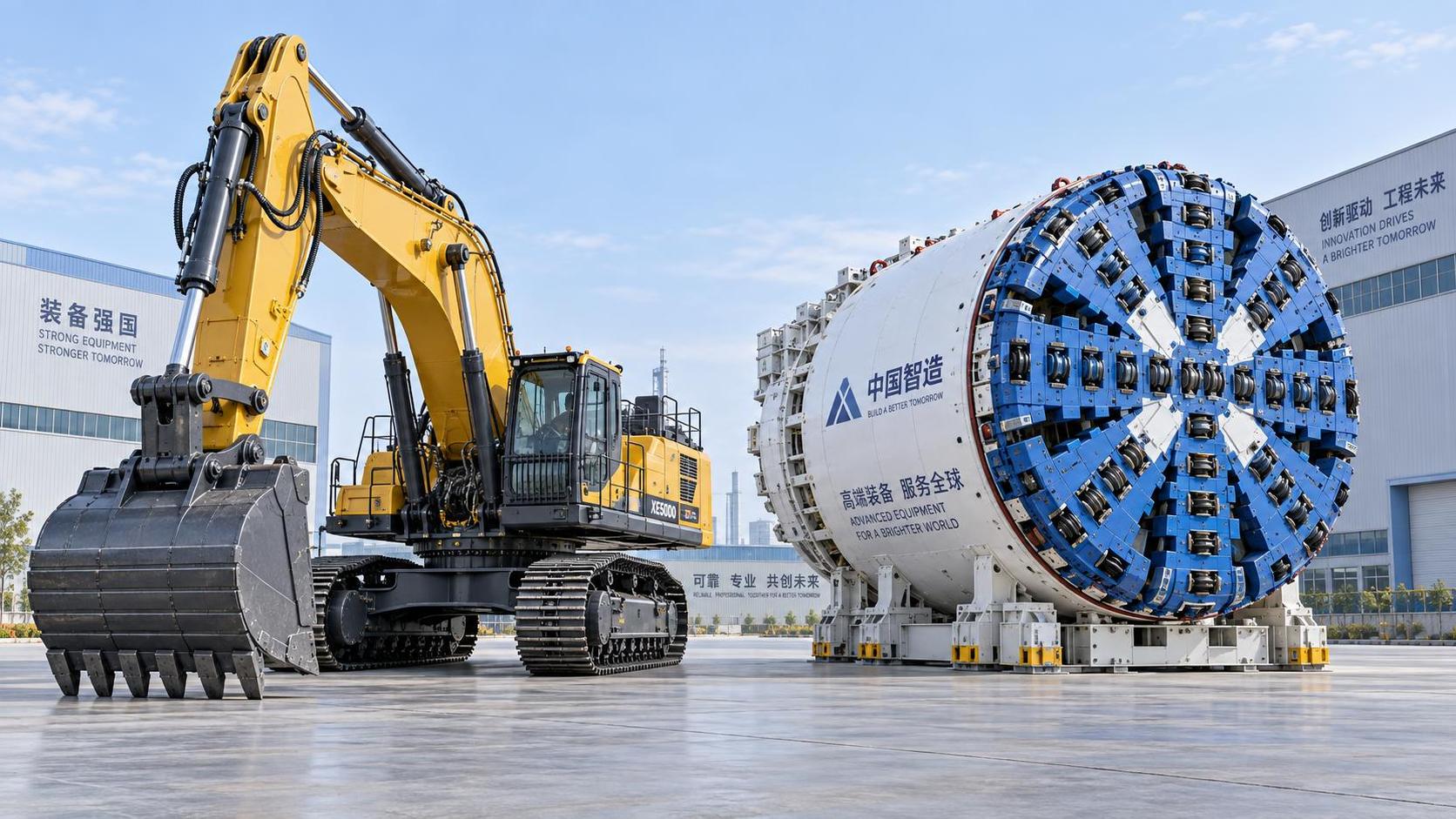
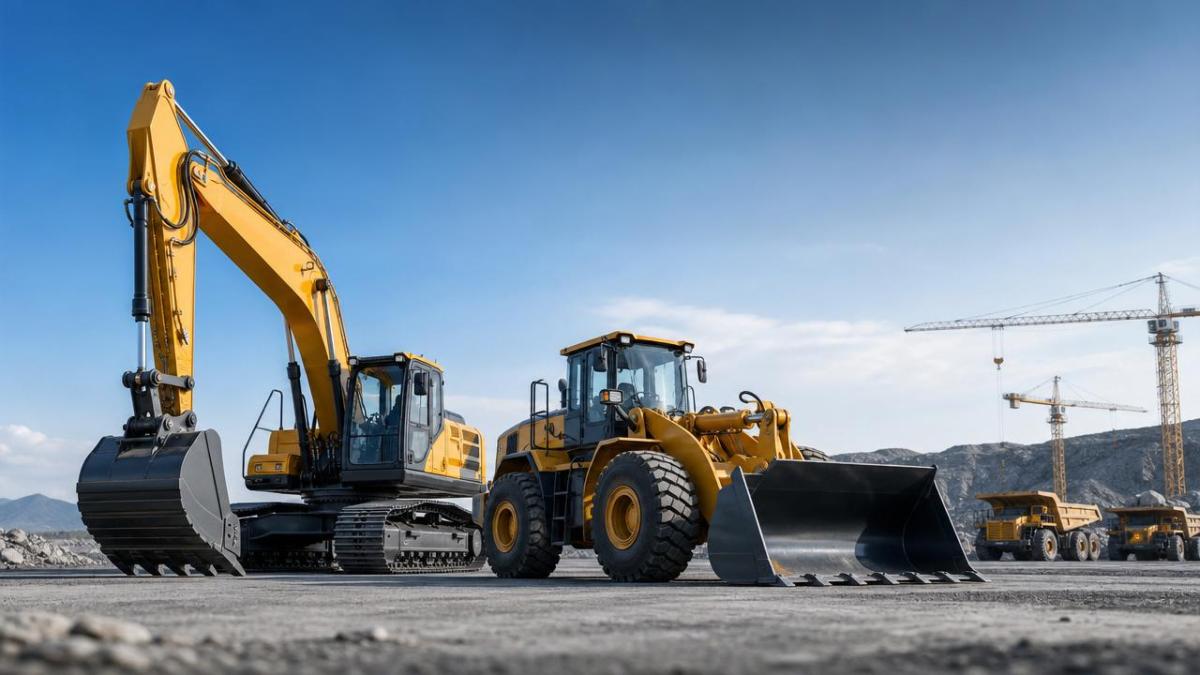
Common examples include excavators, wheel loaders, dozers, cranes, graders, haul trucks, compactors, concrete mixers, and specialized service vehicles.
The right machine should match the task, site constraints, duty cycle, maintenance capacity, and ownership model.
A low purchase price may become expensive when fuel, repairs, transport, attachments, and downtime are calculated.
A practical heavy equipment selection process starts with measurable work requirements, not brand preference alone.
Key questions include payload, reach, breakout force, lift height, cycle time, gradeability, travel speed, and environmental restrictions.
Industry Background and Current Specification Signals
Infrastructure work is becoming more digital, carbon-conscious, and schedule-sensitive. This changes how heavy equipment should be assessed before purchase.
Modern buyers increasingly compare machines by data visibility, emissions performance, safety systems, and long-term utilization potential.
These signals explain why heavy equipment procurement now requires technical, financial, and operational evaluation in one framework.
Performance Specifications That Define Productivity
Performance specifications determine whether heavy equipment can complete the assigned work efficiently under real site conditions.
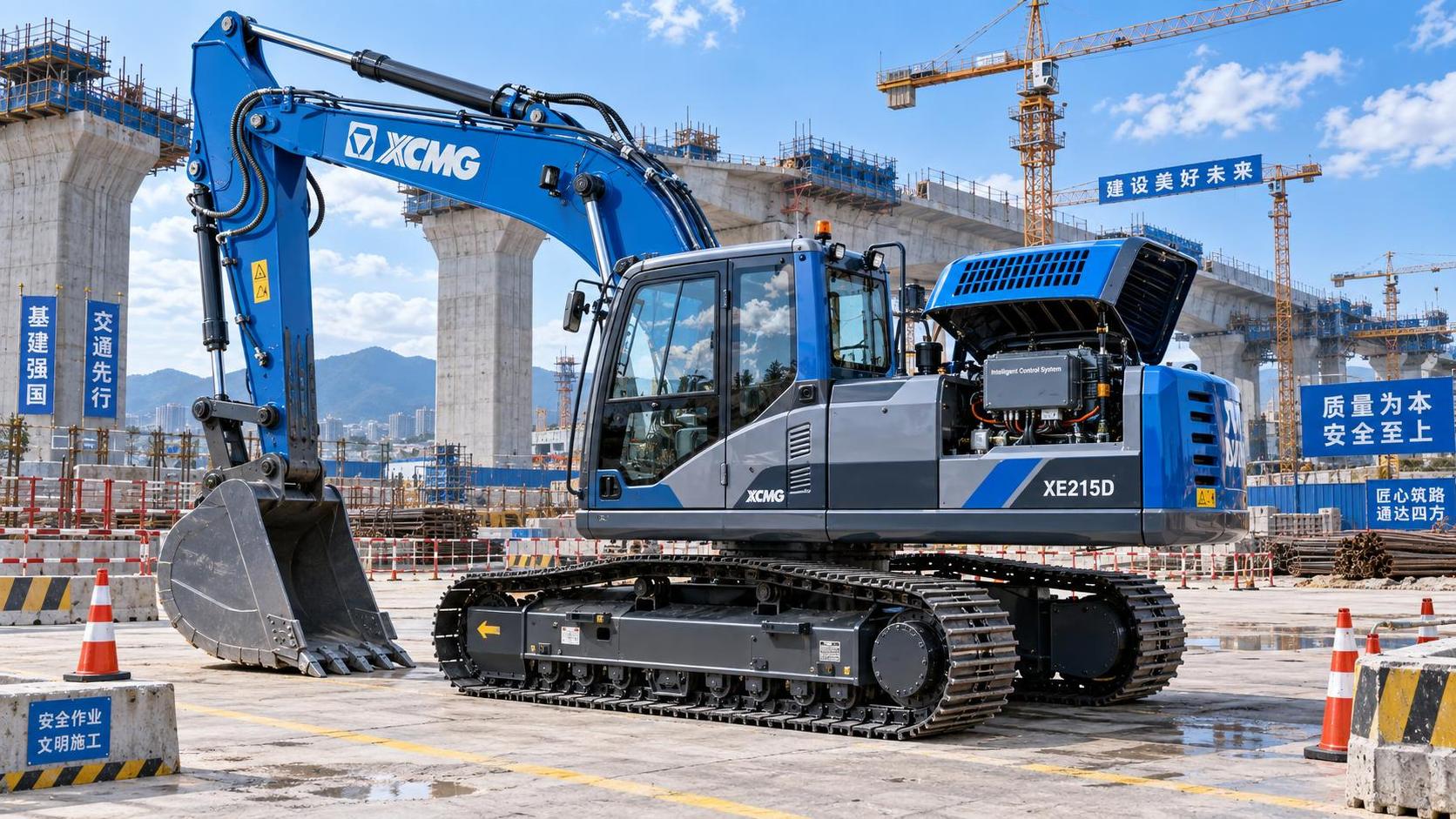
For excavators, operating weight, digging depth, bucket capacity, hydraulic flow, and breakout force are central parameters.
For loaders, bucket size, tipping load, dump clearance, traction, and cycle time shape daily output.
For cranes, rated capacity must be checked against boom length, radius, counterweight, ground pressure, and lift chart limits.
For haulage equipment, payload, engine power, braking capacity, suspension, and road gradient compatibility are essential.
- Match rated capacity to typical loads, not rare maximum loads only.
- Check hydraulic flow when attachments require high power.
- Review ground pressure for soft soil, mines, ports, and landfill sites.
- Compare cycle time using realistic haul distance and loading conditions.
A specification sheet is only useful when interpreted against site production targets and operating constraints.
Powertrain, Fuel Efficiency, and Emissions Requirements
The powertrain strongly influences total cost, productivity, and compliance. It should be reviewed beyond headline horsepower.
Engine torque curve, transmission type, cooling capacity, and fuel consumption under load are more revealing than peak output alone.
Modern heavy equipment may offer diesel, electric, hybrid, LNG, or hydrogen-ready configurations, depending on application maturity.
Urban projects may require low-noise operation, reduced exhaust, or zero-emission zones near hospitals, schools, and dense districts.
Mining and quarry sites may prioritize heat tolerance, dust resistance, long shifts, and fuel logistics over compact design.
- Verify emissions tier compliance for the operating region.
- Request fuel burn data from comparable working environments.
- Assess idle shutdown, eco modes, and energy recovery systems.
- Confirm charging or fueling infrastructure for alternative power machines.
Efficient heavy equipment reduces operating cost while supporting sustainability targets across infrastructure and resource projects.
Durability, Maintenance, and Lifecycle Cost
Durability determines whether a machine remains productive after thousands of operating hours in demanding environments.
Frame structure, undercarriage quality, axle rating, hydraulic sealing, cooling design, and corrosion protection deserve close review.
Maintenance access can decide whether service is completed on schedule or delayed until failure occurs.
Check filter locations, grease points, diagnostic ports, wear indicators, and safe access platforms before purchase.
Lifecycle cost should include depreciation, financing, fuel, tires or tracks, attachments, parts, labor, insurance, and resale value.
Reliable heavy equipment is not only stronger. It is easier to inspect, service, document, and redeploy.
Safety, Operator Environment, and Compliance
Safety specifications are core purchasing criteria, especially where machines work near people, traffic, slopes, or confined areas.
Evaluate ROPS, FOPS, emergency stops, braking systems, load monitoring, alarms, cameras, lighting, and visibility from the cab.
Operator comfort directly affects fatigue, precision, and shift consistency. Seat quality, controls, climate systems, and noise levels matter.
Heavy equipment with better human-machine design can reduce errors during repetitive lifting, grading, hauling, or trenching work.
Compliance should cover local road rules, emissions standards, worksite safety codes, transport permits, and lifting certification requirements.
Digital Functions and Fleet Integration
Digital capability has become a practical specification, not an optional extra for advanced projects only.
Telematics can track location, fuel burn, idle time, fault codes, utilization, maintenance intervals, and unauthorized movement.
Machine control systems improve grading, excavation accuracy, compaction quality, and material placement with fewer rework cycles.
For smart infrastructure programs, heavy equipment data can connect with project dashboards, digital twins, and maintenance planning systems.
- Confirm data ownership, export formats, and subscription costs.
- Check whether systems integrate with existing fleet software.
- Review cybersecurity safeguards for connected machines.
- Assess training needs for operators and maintenance teams.
Digital features should improve decisions, not create isolated data that nobody uses effectively.
Typical Application Categories
Different sectors require different heavy equipment priorities. A machine suited for roadwork may perform poorly in mining or urban utilities.
This classification helps compare heavy equipment according to actual value creation, rather than generic specification rankings.
Practical Purchase Checklist
A structured checklist reduces subjective decisions and exposes hidden risks before contracts are signed.
- Define the dominant task, material type, shift length, and annual operating hours.
- Compare rated performance with real site conditions and productivity targets.
- Calculate total lifecycle cost, including downtime and resale assumptions.
- Inspect maintenance access, parts availability, and local service capability.
- Verify safety systems, operator visibility, and compliance documentation.
- Review digital features, data access, and integration with fleet platforms.
- Request field references from comparable applications and climates.
Whenever possible, test heavy equipment under realistic load, slope, surface, and attachment conditions before final selection.
Actionable Next Steps for Better Decisions
Before purchase, build a comparison matrix covering productivity, safety, energy use, maintenance, digital readiness, and lifecycle cost.
Shortlist machines only after site requirements, regulatory limits, service support, and operator feedback are clearly documented.
For complex fleets, align heavy equipment choices with long-term infrastructure strategy, carbon goals, and data governance plans.
GIUT supports evidence-based evaluation across construction, urban technology, mining, logistics arteries, and specialized equipment sectors.
Use each specification as a decision signal. The best heavy equipment purchase is the one that performs reliably across its full working life.
Get weekly intelligence in your inbox.
No noise. No sponsored content. Pure intelligence.
News Recommendations
 Sep 19, 2026How an electronics application guide helps prevent component mismatchHow an electronics application guide helps prevent component mismatch
 Sep 18, 2026When a resource allocation platform improves project deliveryWhen a resource allocation platform improves project delivery
 Sep 17, 2026What to compare when evaluating mineral processing equipment manufacturersWhat to compare when evaluating mineral processing equipment manufacturers
 Sep 16, 2026How mineral separation optimization can reduce concentrate lossesHow mineral separation optimization can reduce concentrate losses
 Sep 15, 2026How to assess lifecycle costs in urban tech procurementHow to assess lifecycle costs in urban tech procurement
 Sep 14, 2026Heavy industry technology trends reshaping capital investment prioritiesHeavy industry technology trends reshaping capital investment priorities
 Sep 14, 2026Global Industrial Equipment Procurement: How Top OEMs Qualify Suppliers for Mining & Infrastructure ProjectsGlobal Industrial Equipment Procurement: How Top OEMs Qualify Suppliers for Mining & Infrastructure Projects
 Sep 14, 2026Industrial & Mining Equipment Procurement: Balancing Local Sourcing, Lead Time, and Certification RequirementsIndustrial & Mining Equipment Procurement: Balancing Local Sourcing, Lead Time, and Certification Requirements
 Sep 14, 2026Infrastructure & Equipment Upgrades: What Procurement Teams Must Verify Before Signing Off on New ContractsInfrastructure & Equipment Upgrades: What Procurement Teams Must Verify Before Signing Off on New Contracts
 Sep 14, 2026Why Infrastructure Equipment Buyers Are Shifting from Catalog-Based to Capability-Based Supplier SelectionWhy Infrastructure Equipment Buyers Are Shifting from Catalog-Based to Capability-Based Supplier Selection
 Sep 14, 2026Process Automation Project Execution: How to Align Supplier Capabilities with PLC Integration, Cybersecurity & Commissioning MilestonesProcess Automation Project Execution: How to Align Supplier Capabilities with PLC Integration, Cybersecurity & Commissioning Milestones
 Sep 14, 2026Are intelligent traffic systems worth the investment for small cities?Are intelligent traffic systems worth the investment for small cities?
 Sep 14, 2026How do intelligent traffic systems handle sensor failures?How do intelligent traffic systems handle sensor failures?
 Sep 14, 2026What should I check before accepting a smart building system?What should I check before accepting a smart building system?
 Sep 14, 2026Is a smart building system worth the maintenance cost?Is a smart building system worth the maintenance cost?
 Sep 14, 2026What data is needed for reliable resource allocation planning?What data is needed for reliable resource allocation planning?
 Sep 14, 2026How can resource allocation software reduce equipment idle time?How can resource allocation software reduce equipment idle time?
 Sep 14, 2026How should smart devices be maintained in harsh outdoor conditions?How should smart devices be maintained in harsh outdoor conditions?
 Sep 14, 2026Do smart devices improve worker safety on construction sites?Do smart devices improve worker safety on construction sites?
 Sep 14, 2026What environmental risks must be assessed before deep-sea mining?What environmental risks must be assessed before deep-sea mining?
 Sep 14, 2026Is deep-sea mining equipment commercially viable in 2026?Is deep-sea mining equipment commercially viable in 2026?
 Sep 14, 2026What Inspection Checks Should Procurement Teams Perform Before Ordering Dredging Equipment in 2026?What Inspection Checks Should Procurement Teams Perform Before Ordering Dredging Equipment in 2026?
 Sep 13, 2026How to verify an industrial product information source before specifying equipmentHow to verify an industrial product information source before specifying equipment
 Sep 12, 2026Which intelligent traffic systems hardware fits an urban intersection?Which intelligent traffic systems hardware fits an urban intersection?
 Sep 11, 2026How pump capacity affects response coverage for municipal fire fighting vehiclesHow pump capacity affects response coverage for municipal fire fighting vehicles
 Sep 10, 2026What to verify before choosing a heavy industry equipment supplierWhat to verify before choosing a heavy industry equipment supplier
 Sep 09, 2026When do adaptive urban traffic control systems reduce corridor delays?When do adaptive urban traffic control systems reduce corridor delays?