Infrastructure Construction Projects: Key Cost Risks in 2026
Infrastructure Construction Projects: Key Cost Risks in 2026
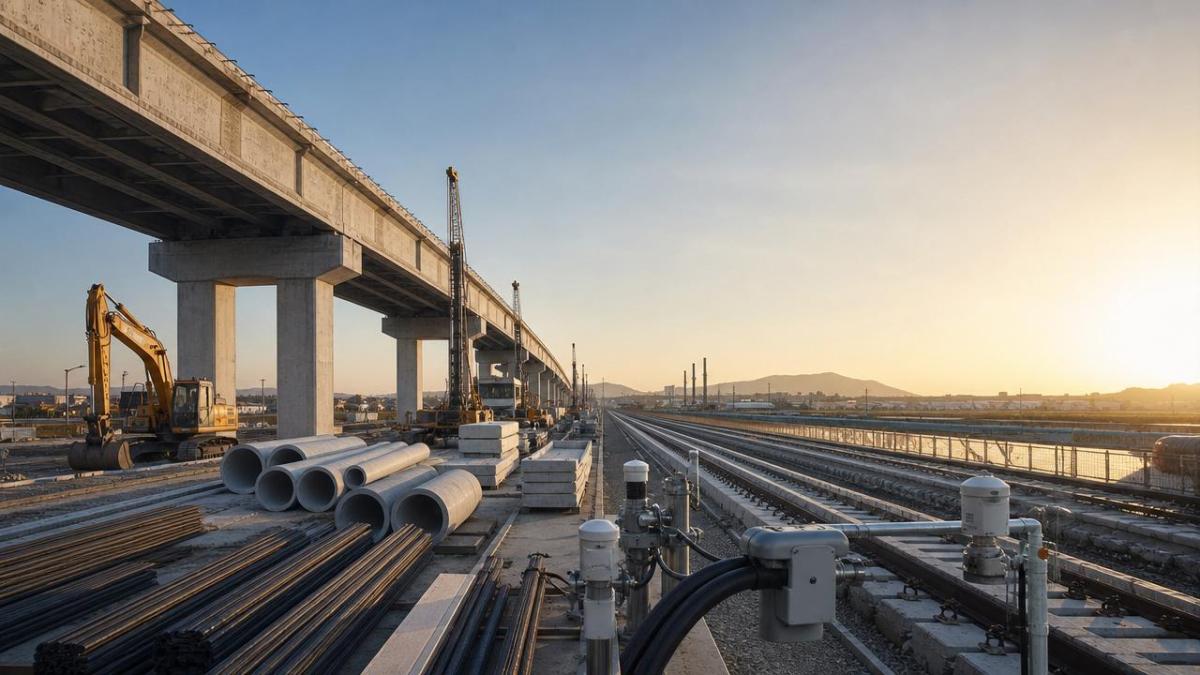
In 2026, infrastructure construction projects will face tighter approval conditions, sharper scrutiny, and less tolerance for uncertain cost assumptions.
Material volatility, labor shortages, climate compliance, financing costs, and digital integration can shift budgets before ground is broken.
This makes cost risk judgment a strategic task, not only a budgeting exercise.
For infrastructure construction projects, the strongest business case will connect capital discipline with resilience, sustainability, and long-term operational value.
Scenario Background: Why Cost Risk Differs Across Infrastructure Construction Projects
Not all infrastructure construction projects carry the same cost exposure.
A railway extension, smart grid upgrade, mining logistics corridor, and urban drainage program respond to different risk signals.
The useful question is not whether costs will rise.
The better question is where cost movement will appear first, and whether contracts can absorb it.
Infrastructure construction projects increasingly combine civil works, digital systems, environmental controls, and specialized equipment.
That mix creates hidden interfaces where delays, redesigns, and procurement gaps can multiply.
A cost model built only around concrete, steel, labor, and equipment rental is no longer enough.
In 2026, credible planning must include data platforms, sensors, cyber protection, climate permits, and lifecycle maintenance assumptions.
Scenario 1: Urban Transport Projects Face Land, Labor, and Interface Pressure
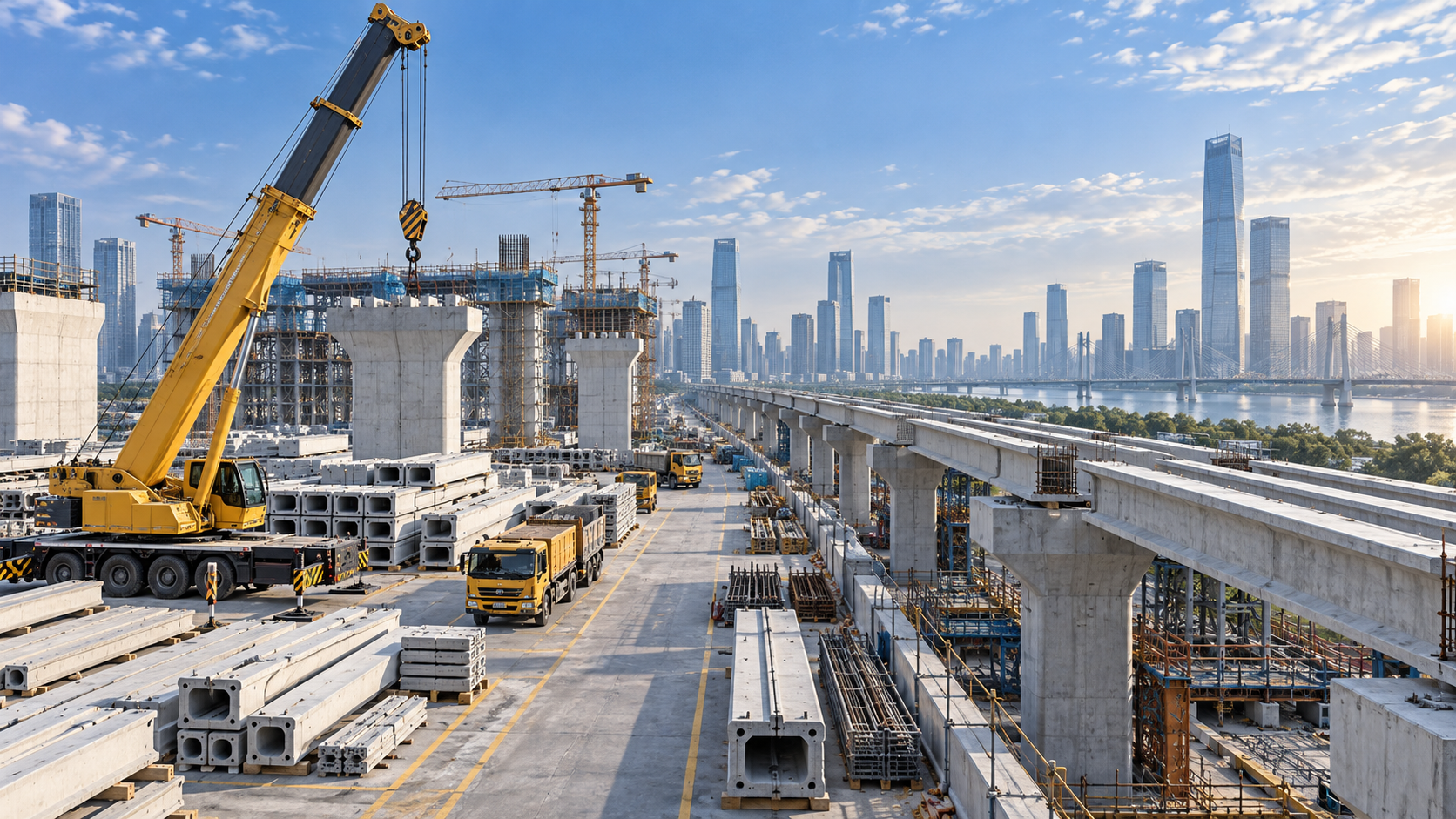
Urban rail, metro, bus rapid transit, and road tunnel programs remain among the most exposed infrastructure construction projects.
Their cost risk often starts with land access, utility relocation, traffic management, and stakeholder coordination.
Even strong engineering designs can weaken when underground conditions differ from survey assumptions.
Dense cities also bring productivity losses from night work, restricted logistics, noise limits, and safety buffers.
For these infrastructure construction projects, contingency should be tied to construction staging, not only total project value.
A practical checkpoint is the maturity of utility mapping and third-party approvals.
If either remains uncertain, civil works estimates may understate delay-related cost exposure.
Scenario 2: Energy and Smart Grid Projects Carry Technology Integration Risk
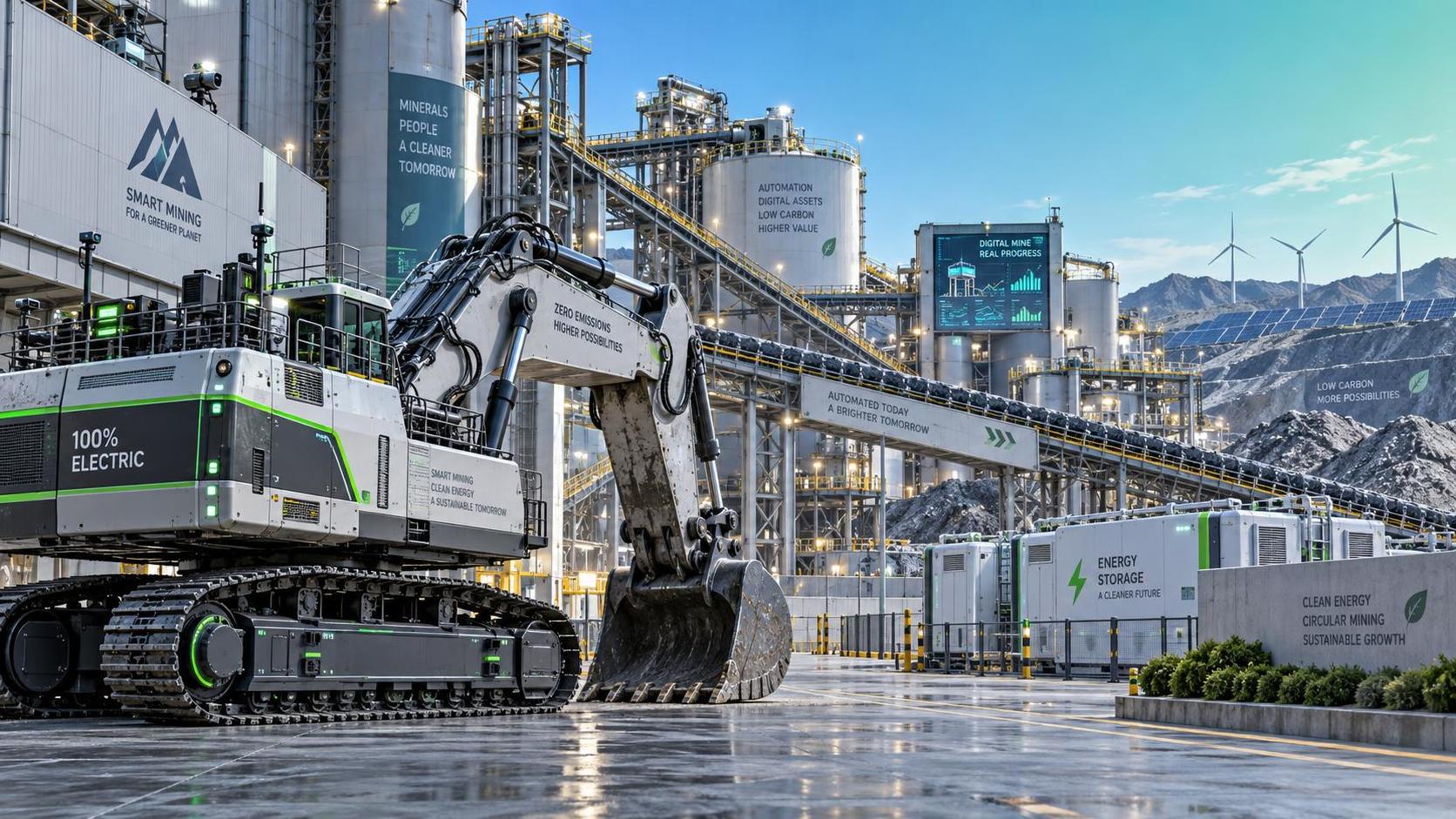
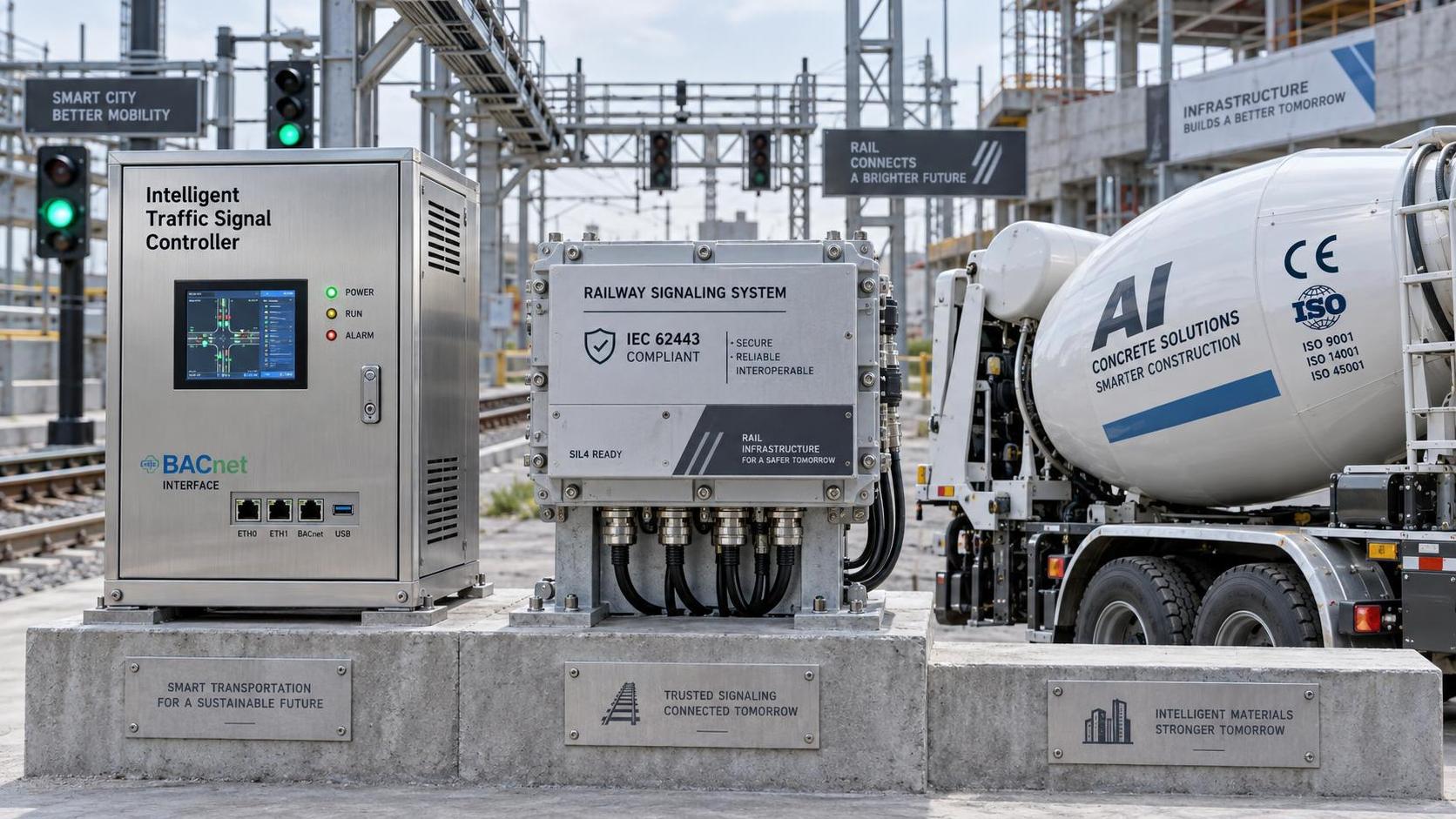
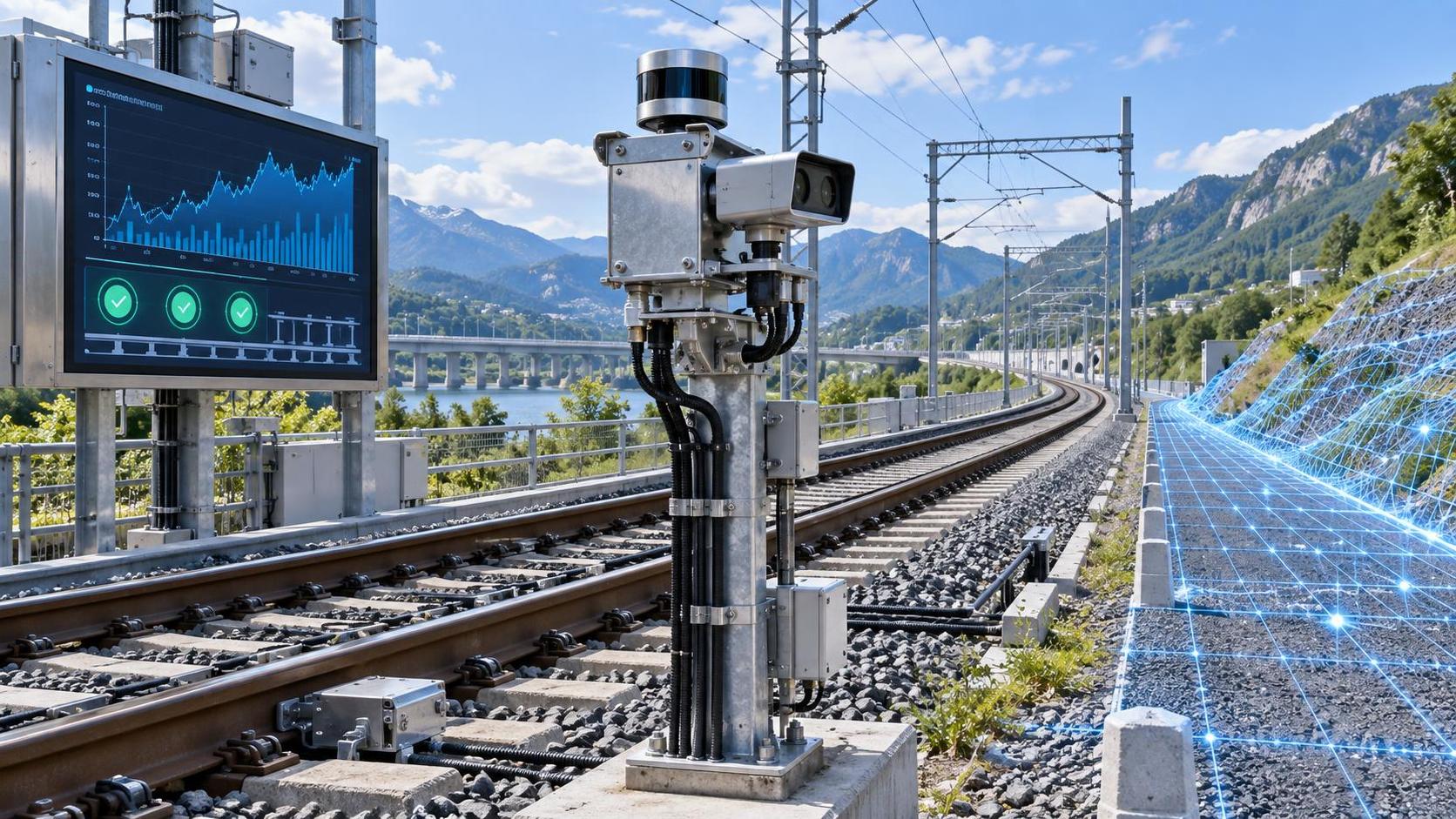
Energy infrastructure construction projects increasingly include substations, storage systems, grid automation, and distributed energy connections.
The risk profile is shifting from pure construction cost toward technology coordination and supply chain certainty.
Transformers, switchgear, power electronics, and control systems may have long lead times.
Delays in one technical package can idle civil crews or force expensive resequencing.
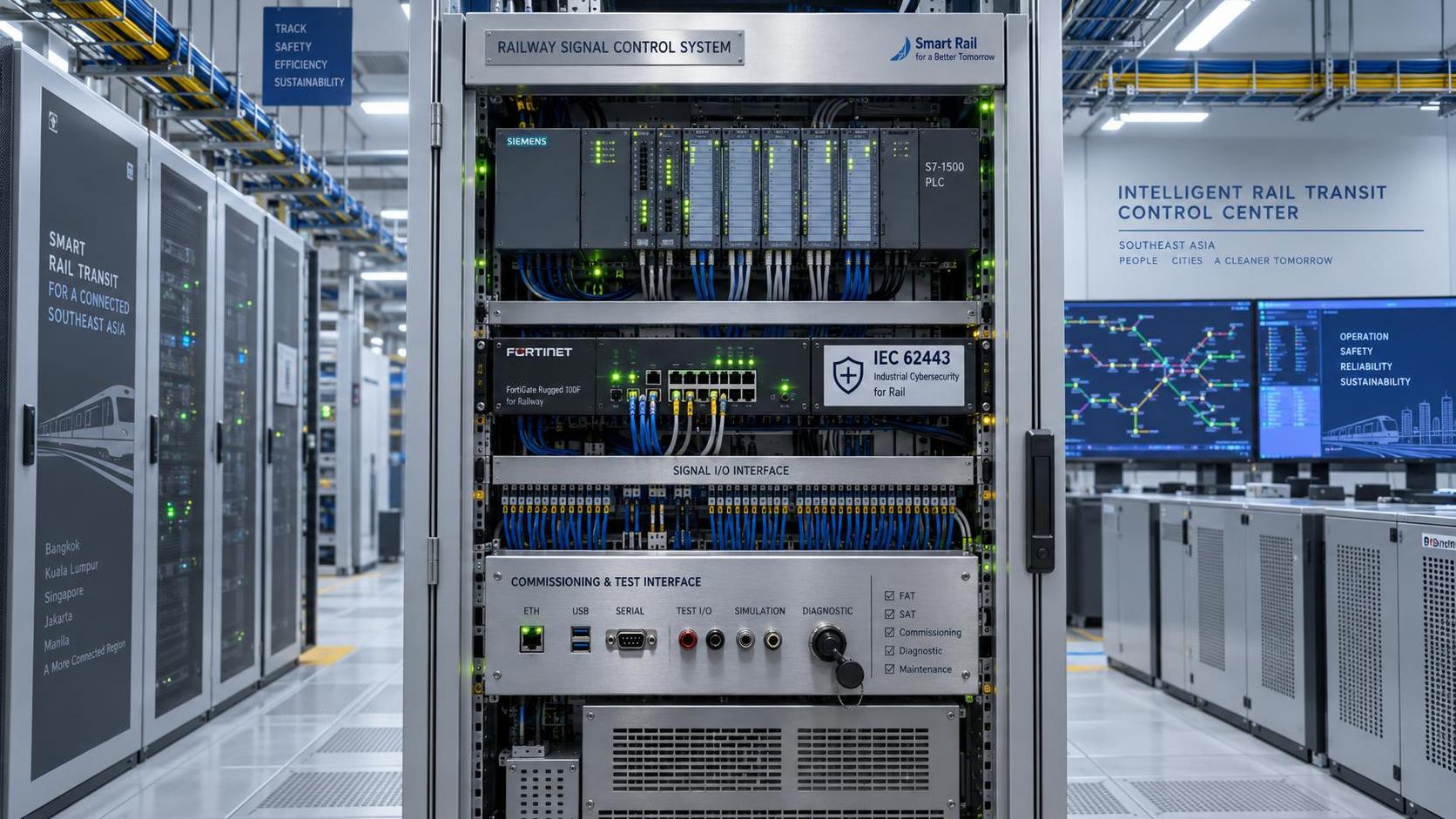
Smart grid programs also depend on software compatibility, cybersecurity requirements, and data governance standards.
For infrastructure construction projects in this category, lowest upfront price can become a false saving.
The stronger decision basis is total integration cost, including testing, commissioning, operator training, and future upgrades.
Scenario 3: Water, Drainage, and Climate Resilience Projects Face Compliance Uncertainty
Water infrastructure construction projects are becoming more climate-sensitive and regulation-heavy.
Flood control, wastewater treatment, desalination, and stormwater systems must handle more extreme design scenarios.
The main cost risk is not only equipment price.
It is whether design standards change after feasibility assumptions are approved.
Higher rainfall intensity, stricter discharge limits, and carbon reporting can change sizing, process selection, and construction phasing.
Infrastructure construction projects in coastal or flood-prone areas need explicit climate scenario allowances.
Without them, later redesign may affect permits, land use, pumping capacity, and long-term energy consumption.
Scenario 4: Industrial, Mining, and Logistics Corridors Depend on Equipment Availability
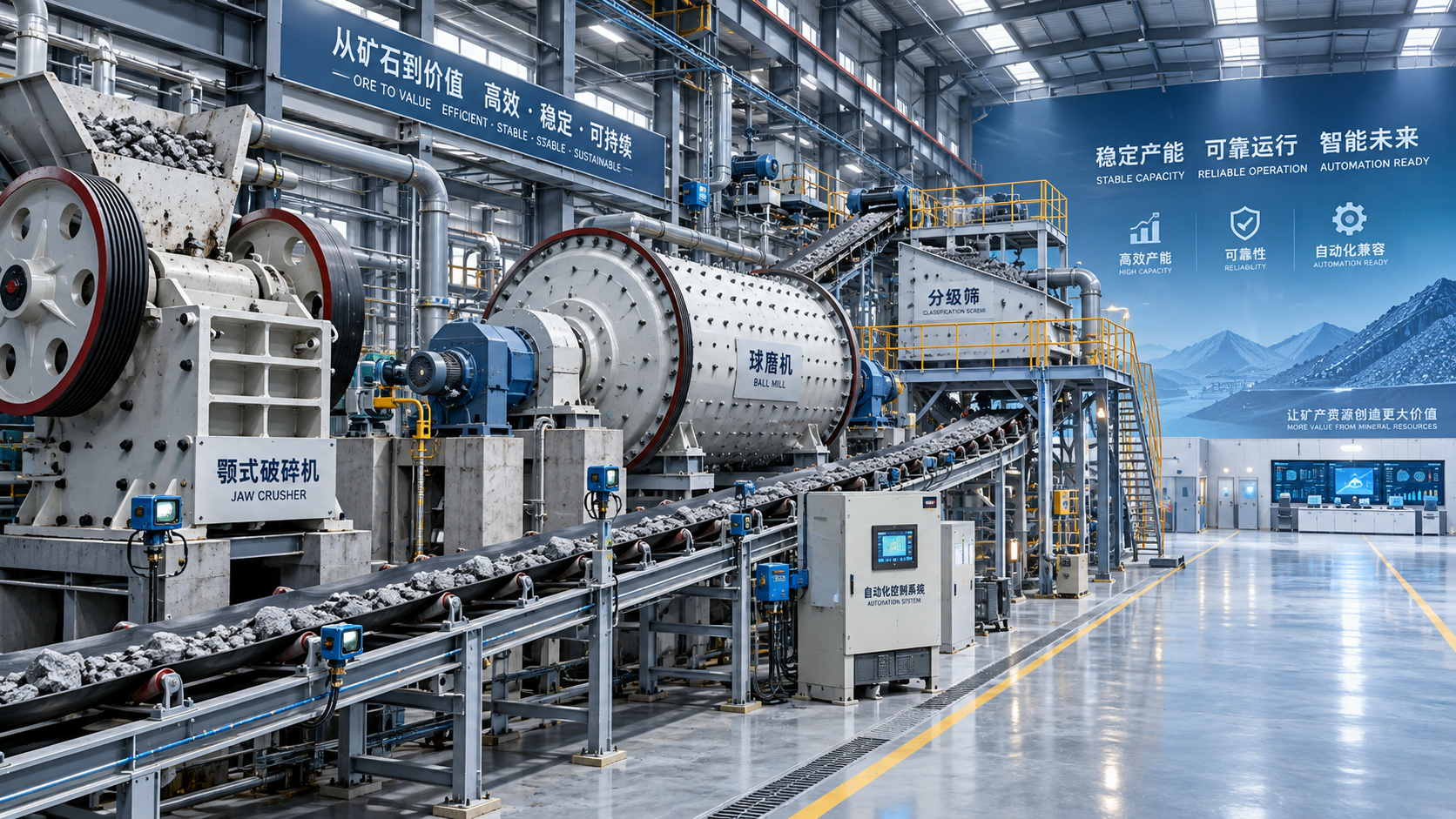
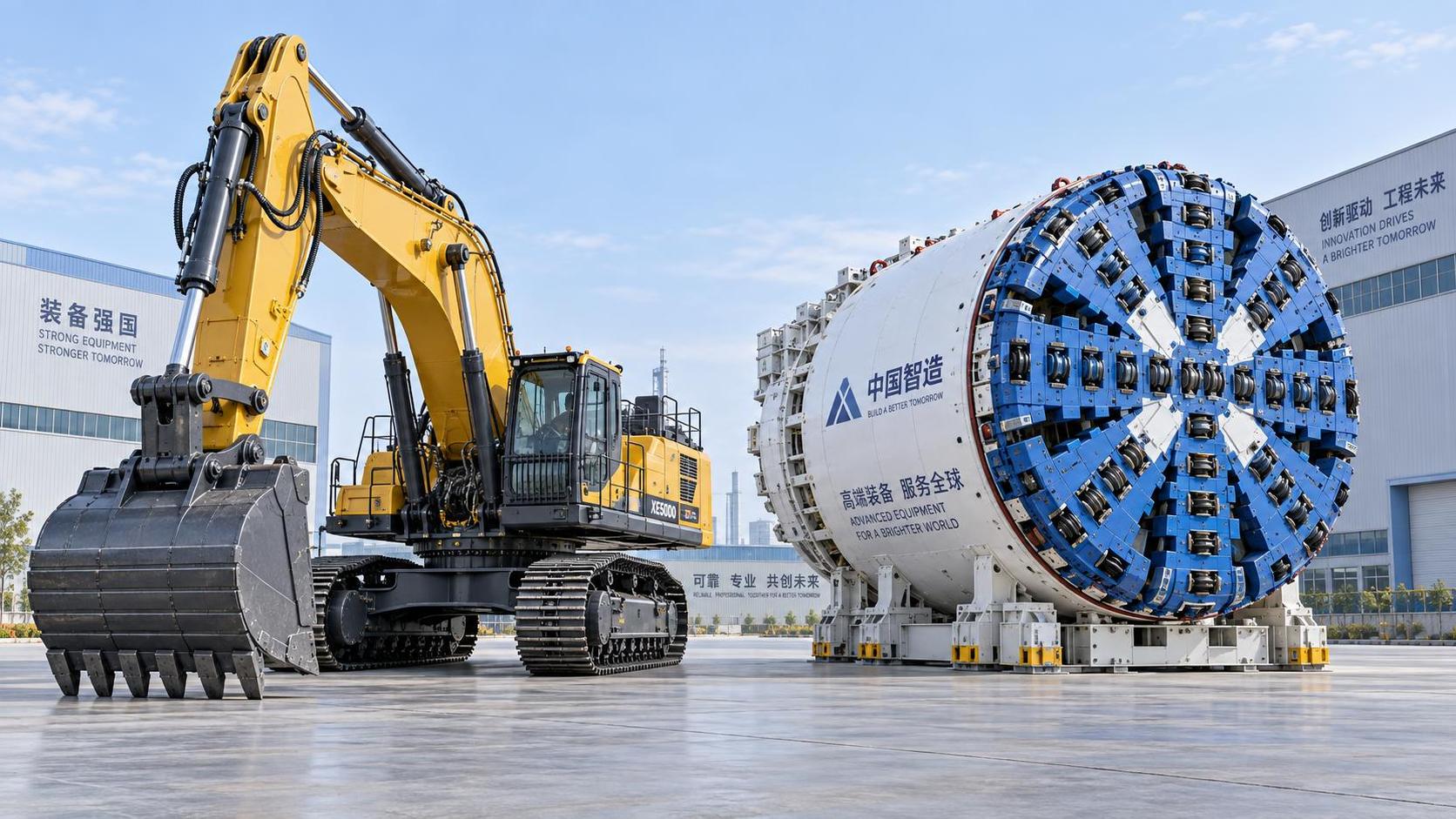
Industrial access roads, port links, mining corridors, and freight rail systems are high-output infrastructure construction projects.
Their cost logic depends on production schedules, heavy equipment deployment, and material movement.
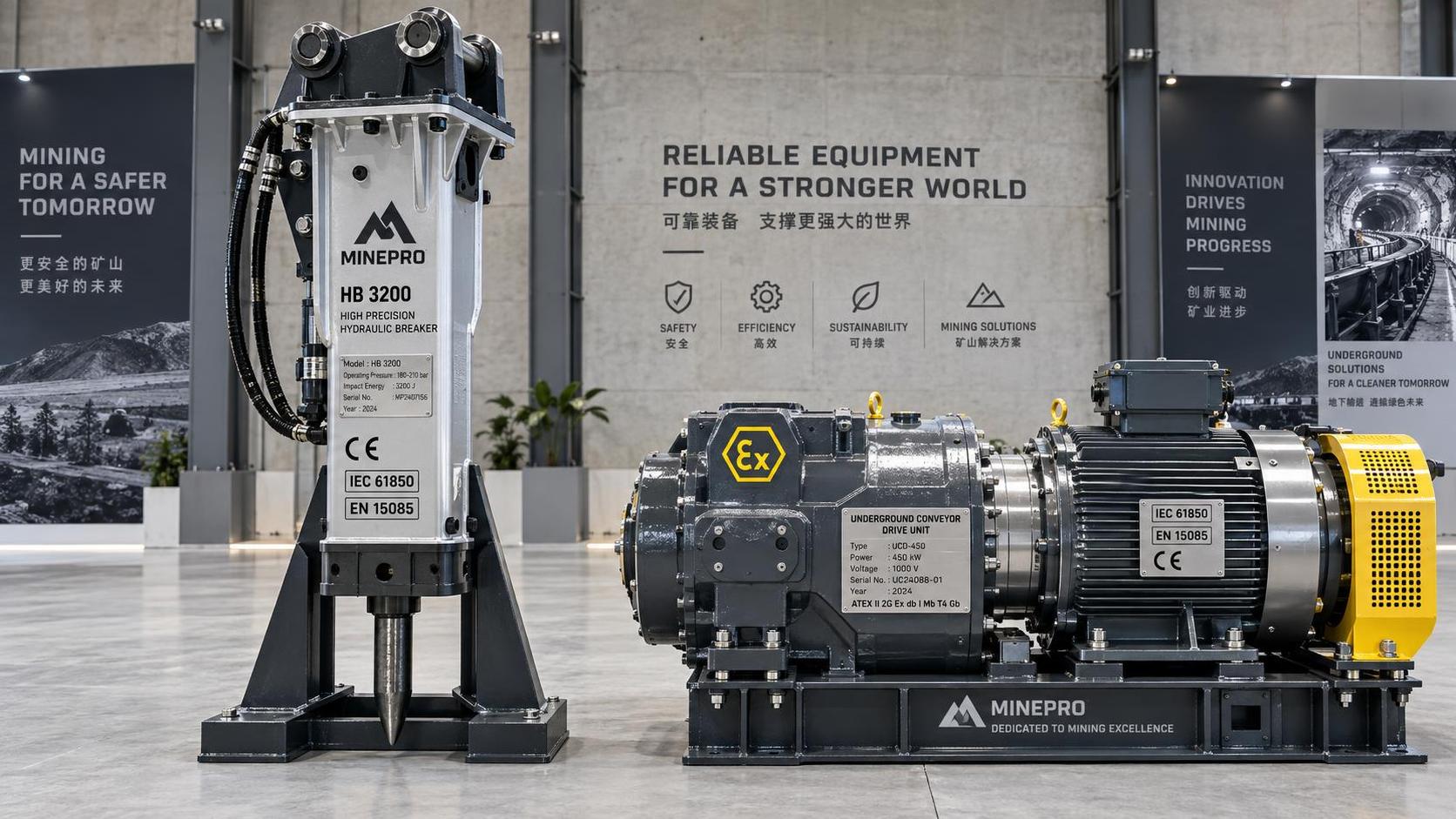
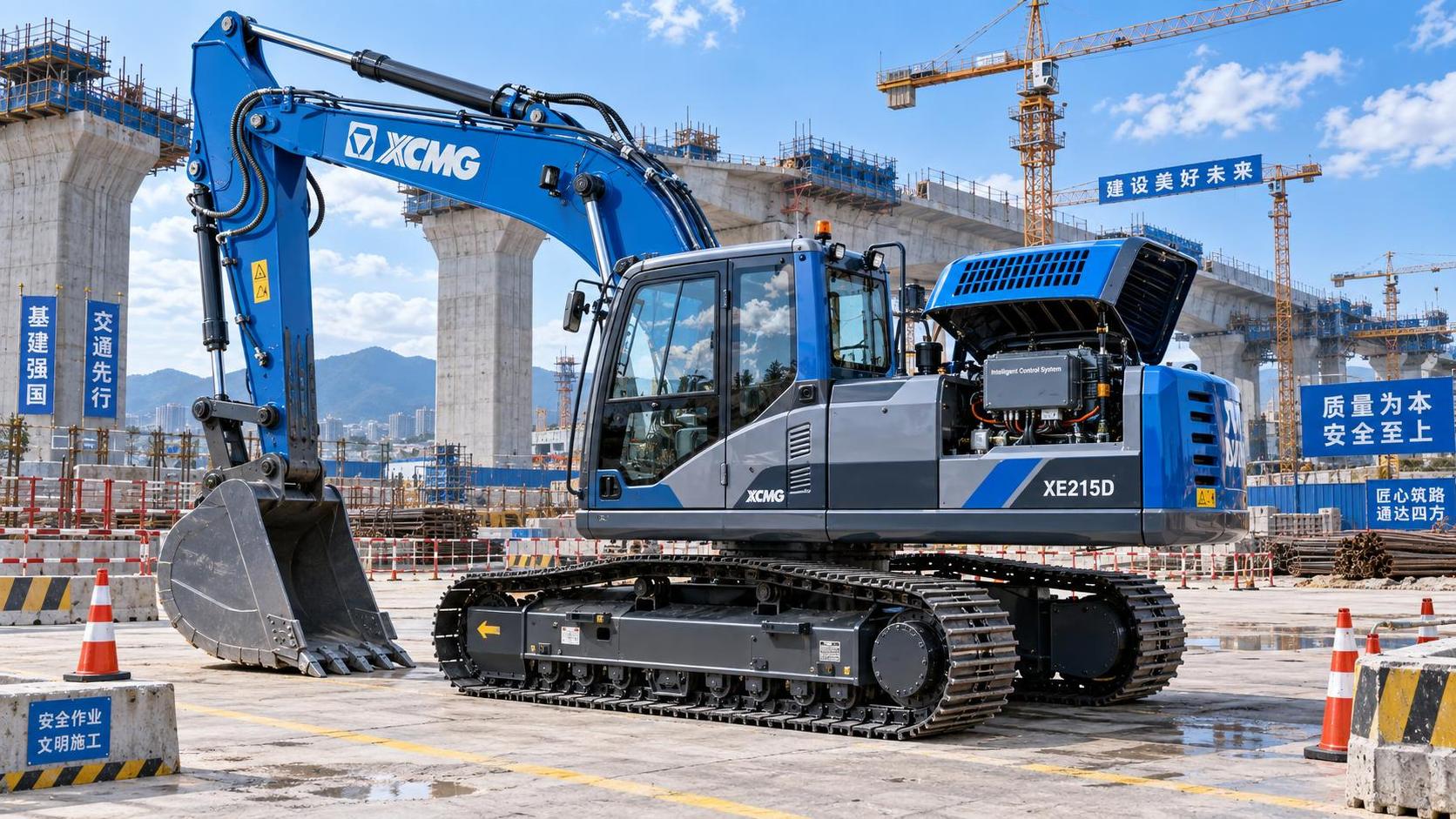
A shortage of cranes, concrete mixers, drilling rigs, rail machinery, or specialized vehicles can quickly affect productivity.
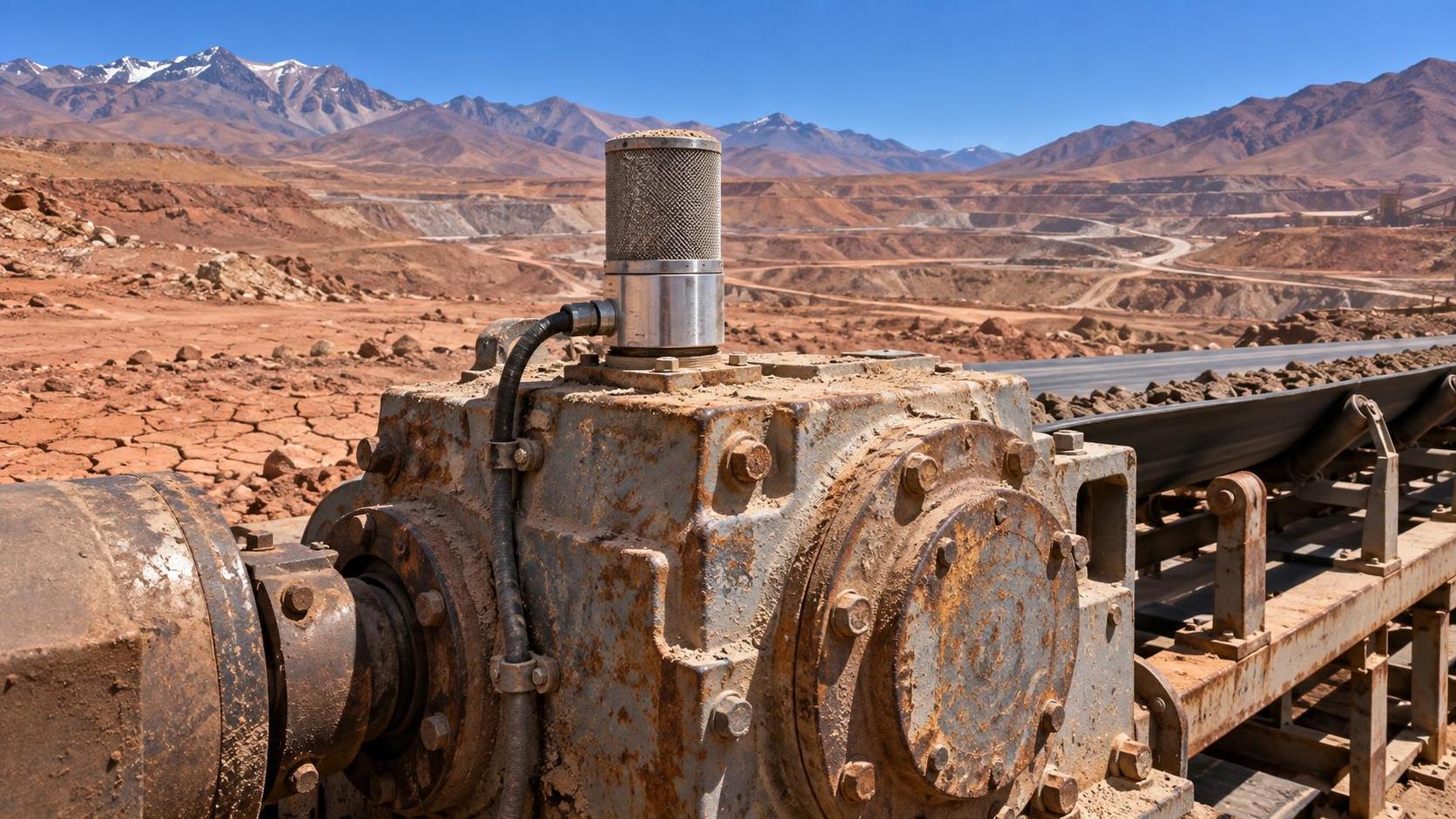
Remote locations add fuel, maintenance, workforce accommodation, and spare-parts exposure.
For these infrastructure construction projects, cost estimates should separate site access risk from core engineering cost.
A corridor may look viable on paper, while logistics assumptions remain fragile.
Equipment utilization, haul distance, and seasonal weather windows deserve early stress testing.
Different Scenario Needs: Cost Risk Comparison for Infrastructure Construction Projects
This comparison shows why infrastructure construction projects need scenario-specific risk allowances.
A single percentage contingency can hide the very exposure that requires active management.
Material Volatility: The Risk That Moves Before Contracts Are Signed
Steel, cement, copper, aggregates, asphalt, and energy remain central to infrastructure construction projects.
In 2026, price volatility may be driven by carbon policy, trade disruption, fuel costs, and regional demand spikes.
The danger is timing.
Budgets are often approved months before procurement packages reach the market.
For infrastructure construction projects with long design periods, escalation clauses should be reviewed before approval.
Material indices, framework agreements, early procurement, and alternative specifications can reduce exposure.
However, substitution should be verified against durability, safety, carbon targets, and maintenance impacts.
Labor and Skills: Productivity Risk Is More Expensive Than Wage Growth
Labor shortages affect infrastructure construction projects through more than wage inflation.
The deeper risk is lower productivity, rework, slower inspections, and limited specialist availability.
Digital jobsites, prefabrication, and automated surveying can help, but they require early planning.
If modular construction is introduced late, savings may disappear through redesign and logistics complexity.
Infrastructure construction projects should test whether labor assumptions match local market depth.
A reliable estimate includes crew productivity, training needs, subcontractor capacity, and supervision ratios.
Financing Costs: Interest Rate Sensitivity Can Change Project Priority
Financing cost is becoming a decisive factor for infrastructure construction projects.
Even technically sound assets may become harder to justify when interest assumptions shift.
Long construction periods increase exposure to drawdown timing, refinancing risk, and delayed revenue.
Cost reviews should include sensitivity analysis across interest rates, inflation, and completion dates.
Infrastructure construction projects with strong lifecycle benefits may still deserve priority.
The approval case should show how resilience, carbon reduction, and operational savings support financial durability.
Digital Integration: Smart Infrastructure Adds Hidden Cost Interfaces
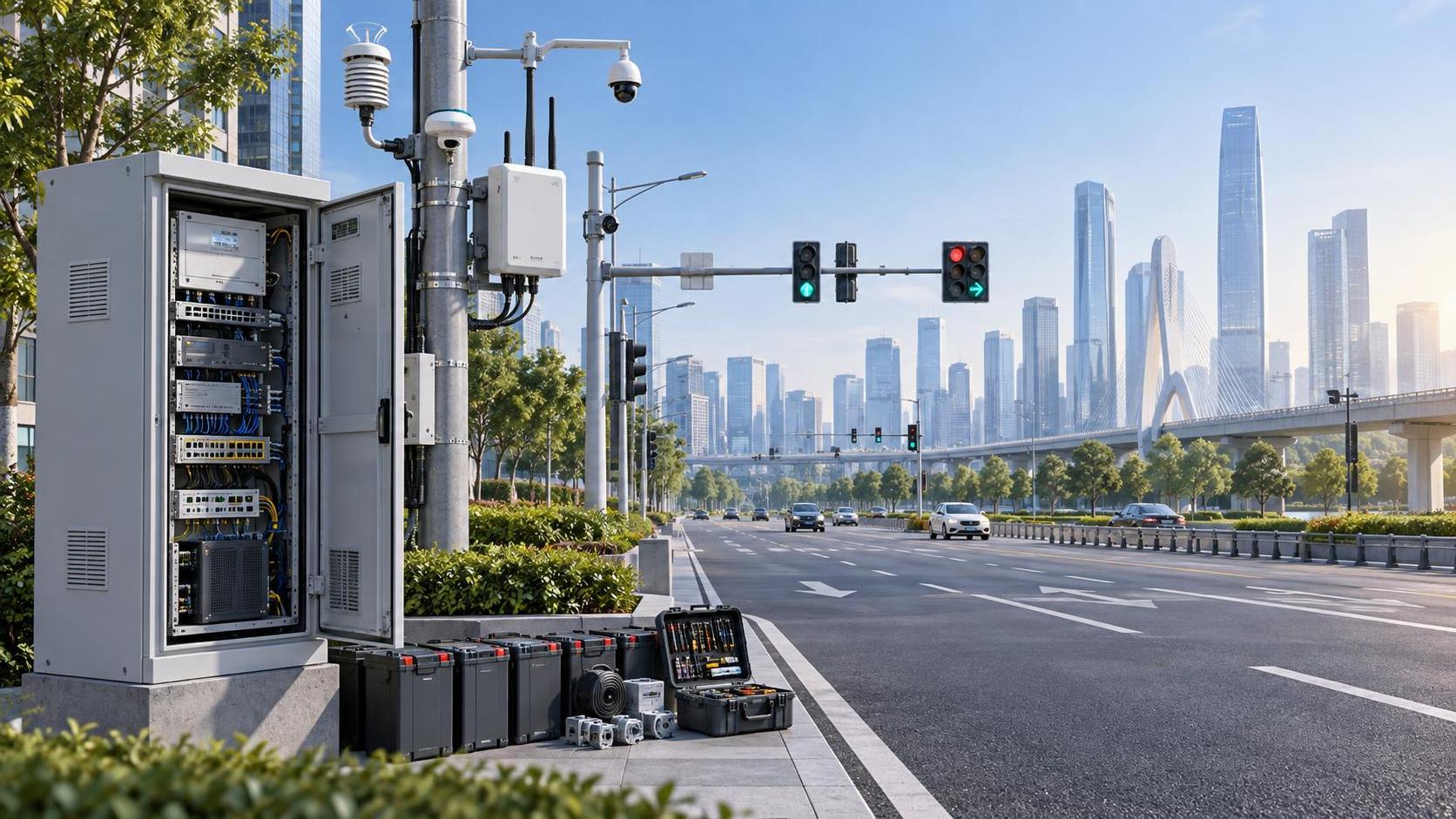
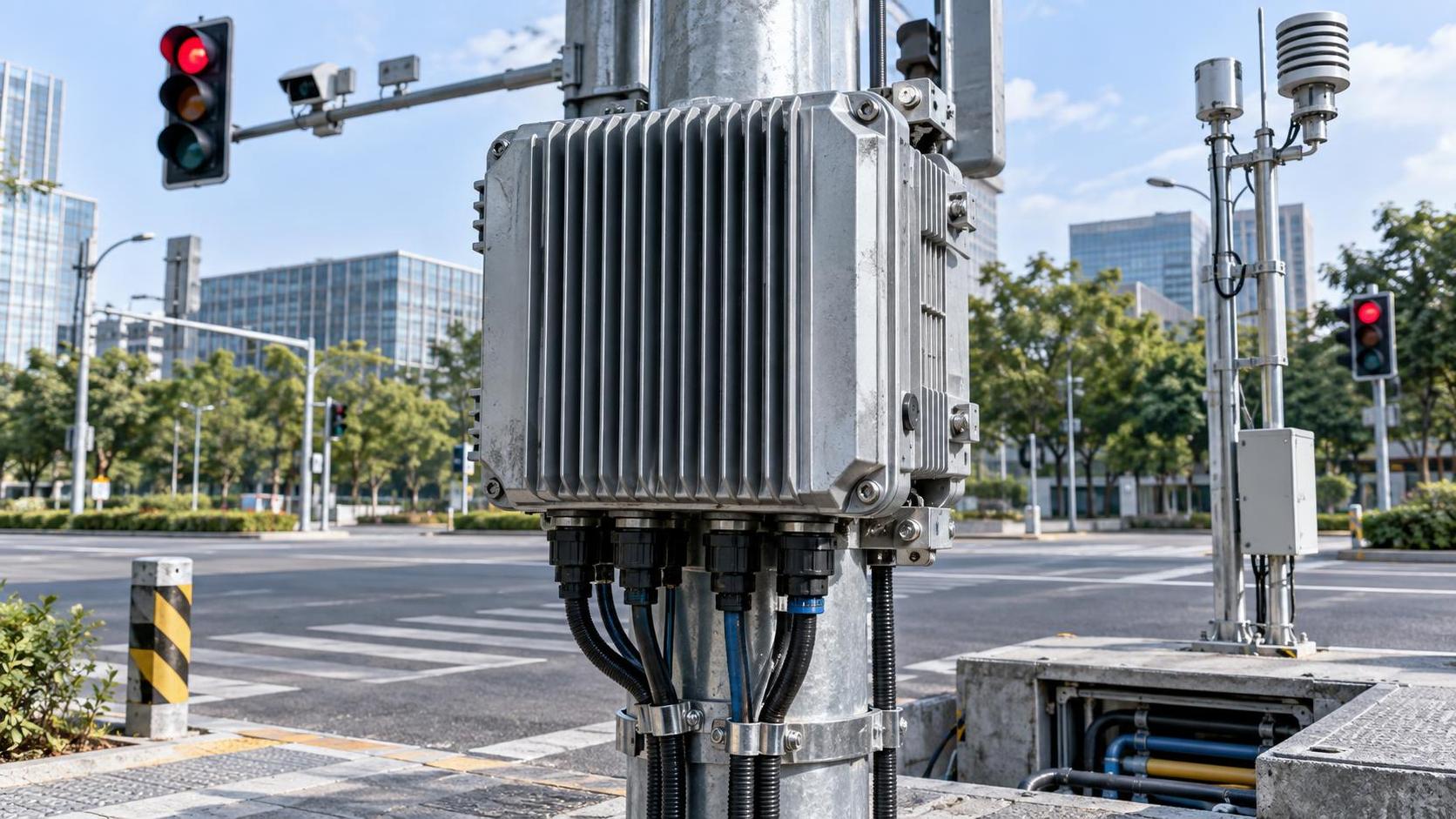
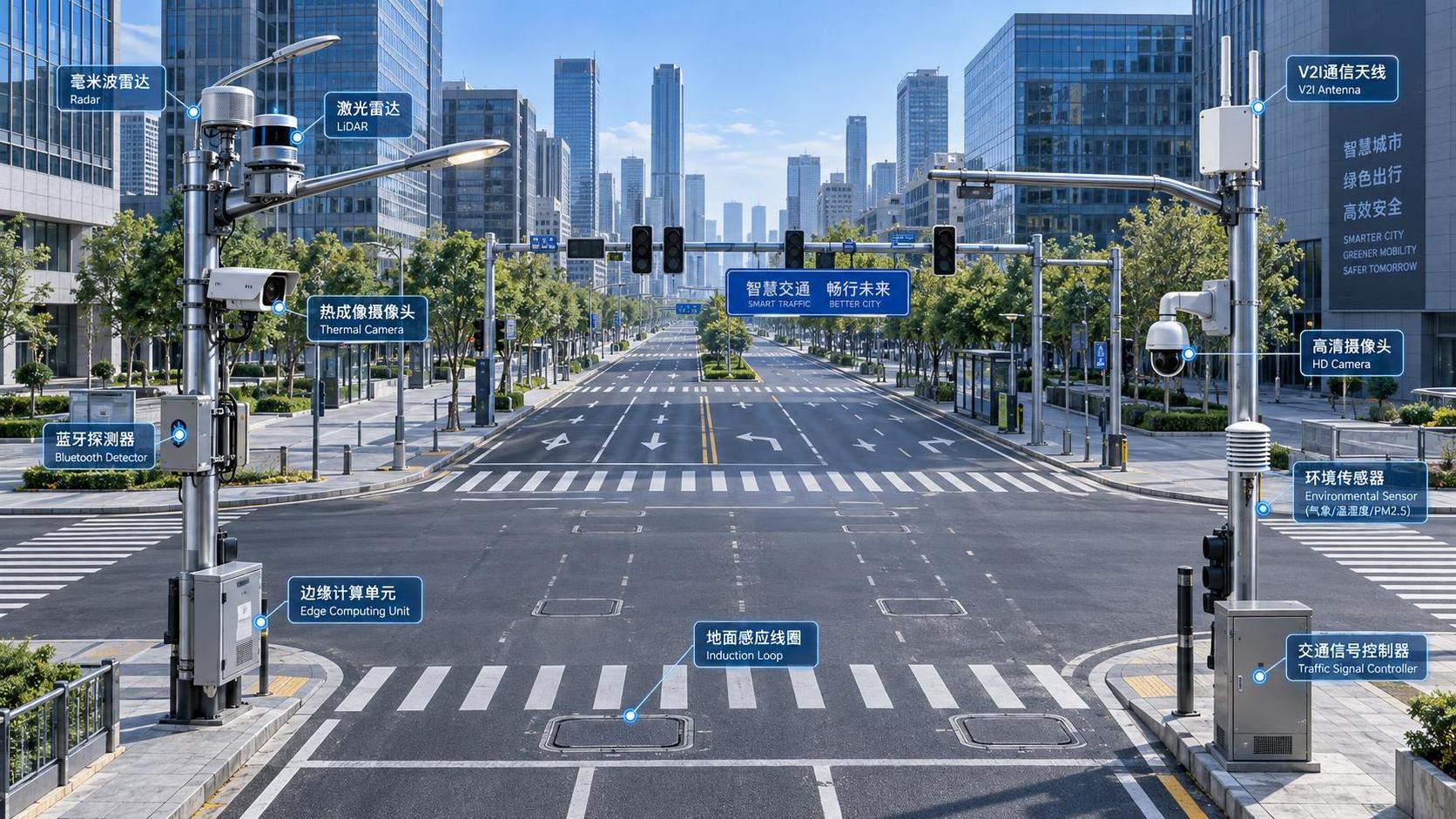
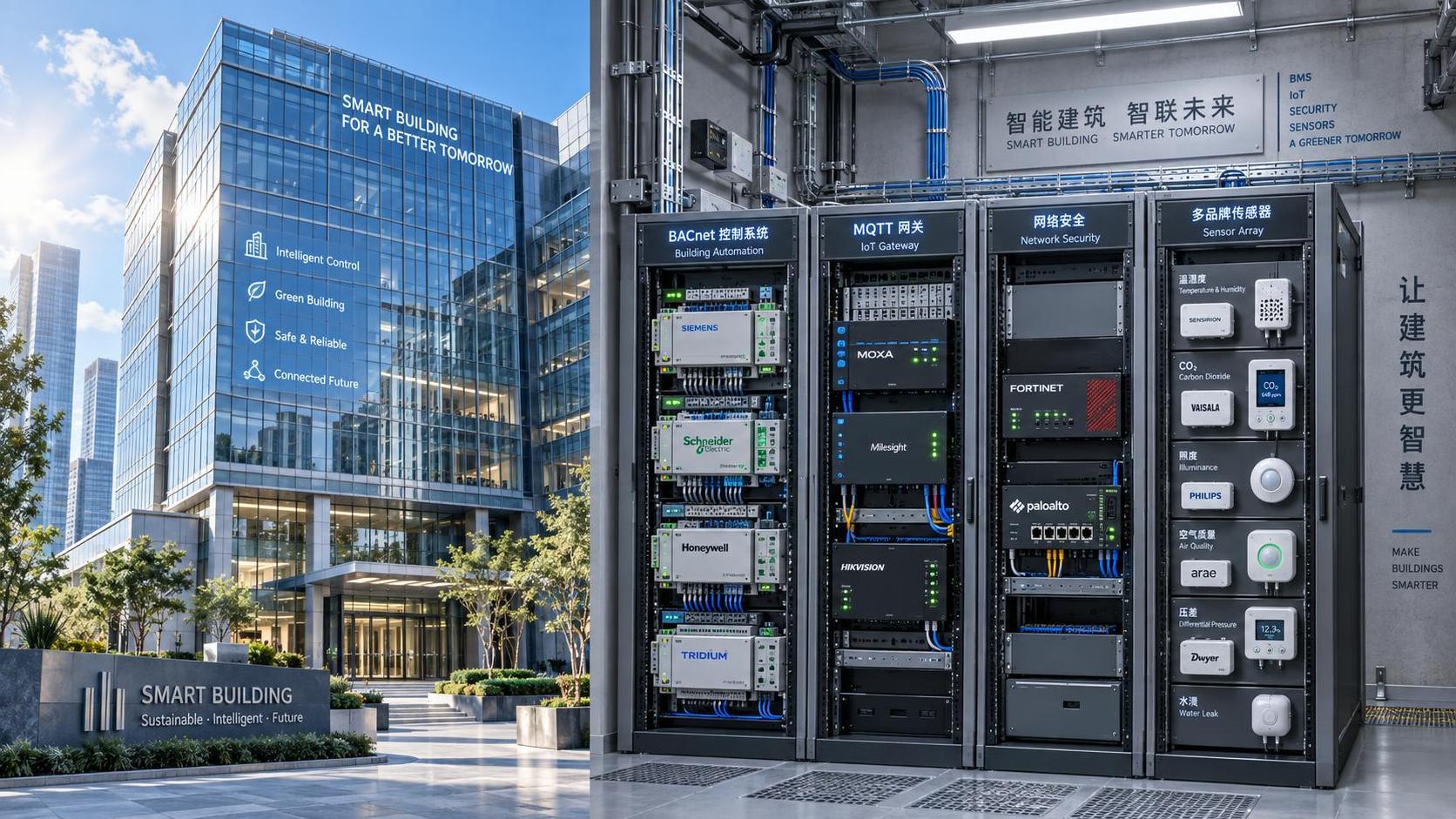
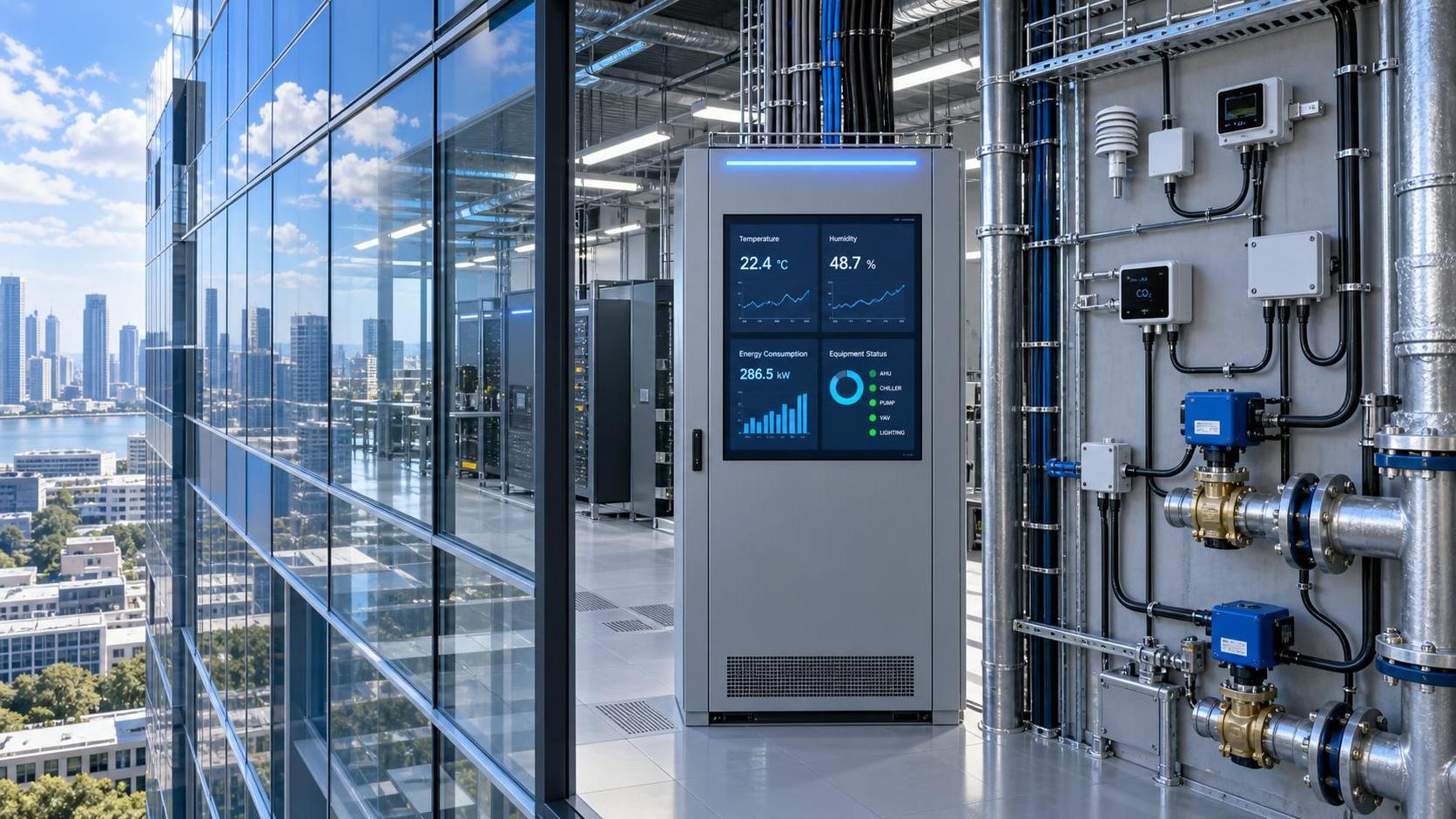
Smart infrastructure construction projects often include sensors, networks, control rooms, analytics platforms, and digital twins.
These systems create value, but they also add integration, data, and cybersecurity costs.
The common error is treating digital scope as a small add-on.
In reality, digital systems affect specifications, commissioning, maintenance contracts, and operator capability.
For infrastructure construction projects, digital readiness should be reviewed at concept stage.
A practical review covers interoperability, lifecycle licenses, vendor lock-in, data ownership, and cyber resilience.
Scenario Adaptation Recommendations for 2026 Approvals
- Use scenario-based contingencies instead of one flat allowance.
- Separate civil, equipment, digital, environmental, and financing risks.
- Test material escalation before finalizing procurement strategy.
- Review supplier capacity for critical equipment and control systems.
- Include climate compliance buffers in early design assumptions.
- Stress test completion dates against interest and inflation scenarios.
- Treat digital integration as core infrastructure scope.
These actions help infrastructure construction projects remain investable under uncertainty.
They also support better comparison between competing urban, industrial, and sustainability programs.
Common Misjudgments That Distort Infrastructure Construction Projects
The first misjudgment is relying on outdated benchmark costs.
Projects completed before recent supply, labor, and climate shifts may no longer offer reliable comparisons.
The second misjudgment is underestimating approvals and permitting time.
Regulatory delay can increase financing cost, contract claims, and material escalation.
The third misjudgment is separating construction budgets from operating realities.
A cheaper asset may create higher maintenance, energy, staffing, or upgrade costs.
The fourth misjudgment is ignoring data infrastructure.
Modern infrastructure construction projects need secure, usable information flows from design through operation.
Action Path: Building a Stronger Cost-Risk Decision File
A stronger decision file for infrastructure construction projects should start with scenario classification.
Next, map the main cost drivers to contract structure, procurement timing, and technical uncertainty.
Then, identify which risks can be reduced before approval and which must be priced transparently.
The final step is to connect cost exposure with public value, operational resilience, and sustainability outcomes.
GIUT supports this discipline through engineering intelligence, urban technology analysis, and infrastructure systems thinking.
In 2026, the most resilient infrastructure construction projects will not be those with the lowest headline budget.
They will be the projects with risk-aware designs, realistic procurement plans, and measurable long-term value.
Before approving infrastructure construction projects, compare scenarios, challenge hidden assumptions, and document the risk logic clearly.
That approach turns uncertainty into a manageable planning variable, not a reason to delay necessary infrastructure investment.
Get weekly intelligence in your inbox.
No noise. No sponsored content. Pure intelligence.
News Recommendations
 Sep 19, 2026How an electronics application guide helps prevent component mismatchHow an electronics application guide helps prevent component mismatch
 Sep 18, 2026When a resource allocation platform improves project deliveryWhen a resource allocation platform improves project delivery
 Sep 17, 2026What to compare when evaluating mineral processing equipment manufacturersWhat to compare when evaluating mineral processing equipment manufacturers
 Sep 16, 2026How mineral separation optimization can reduce concentrate lossesHow mineral separation optimization can reduce concentrate losses
 Sep 15, 2026How to assess lifecycle costs in urban tech procurementHow to assess lifecycle costs in urban tech procurement
 Sep 14, 2026Heavy industry technology trends reshaping capital investment prioritiesHeavy industry technology trends reshaping capital investment priorities
 Sep 14, 2026Global Industrial Equipment Procurement: How Top OEMs Qualify Suppliers for Mining & Infrastructure ProjectsGlobal Industrial Equipment Procurement: How Top OEMs Qualify Suppliers for Mining & Infrastructure Projects
 Sep 14, 2026Industrial & Mining Equipment Procurement: Balancing Local Sourcing, Lead Time, and Certification RequirementsIndustrial & Mining Equipment Procurement: Balancing Local Sourcing, Lead Time, and Certification Requirements
 Sep 14, 2026Infrastructure & Equipment Upgrades: What Procurement Teams Must Verify Before Signing Off on New ContractsInfrastructure & Equipment Upgrades: What Procurement Teams Must Verify Before Signing Off on New Contracts
 Sep 14, 2026Why Infrastructure Equipment Buyers Are Shifting from Catalog-Based to Capability-Based Supplier SelectionWhy Infrastructure Equipment Buyers Are Shifting from Catalog-Based to Capability-Based Supplier Selection
 Sep 14, 2026Process Automation Project Execution: How to Align Supplier Capabilities with PLC Integration, Cybersecurity & Commissioning MilestonesProcess Automation Project Execution: How to Align Supplier Capabilities with PLC Integration, Cybersecurity & Commissioning Milestones
 Sep 14, 2026Are intelligent traffic systems worth the investment for small cities?Are intelligent traffic systems worth the investment for small cities?
 Sep 14, 2026How do intelligent traffic systems handle sensor failures?How do intelligent traffic systems handle sensor failures?
 Sep 14, 2026What should I check before accepting a smart building system?What should I check before accepting a smart building system?
 Sep 14, 2026Is a smart building system worth the maintenance cost?Is a smart building system worth the maintenance cost?
 Sep 14, 2026What data is needed for reliable resource allocation planning?What data is needed for reliable resource allocation planning?
 Sep 14, 2026How can resource allocation software reduce equipment idle time?How can resource allocation software reduce equipment idle time?
 Sep 14, 2026How should smart devices be maintained in harsh outdoor conditions?How should smart devices be maintained in harsh outdoor conditions?
 Sep 14, 2026Do smart devices improve worker safety on construction sites?Do smart devices improve worker safety on construction sites?
 Sep 14, 2026What environmental risks must be assessed before deep-sea mining?What environmental risks must be assessed before deep-sea mining?
 Sep 14, 2026Is deep-sea mining equipment commercially viable in 2026?Is deep-sea mining equipment commercially viable in 2026?
 Sep 14, 2026What Inspection Checks Should Procurement Teams Perform Before Ordering Dredging Equipment in 2026?What Inspection Checks Should Procurement Teams Perform Before Ordering Dredging Equipment in 2026?
 Sep 13, 2026How to verify an industrial product information source before specifying equipmentHow to verify an industrial product information source before specifying equipment
 Sep 12, 2026Which intelligent traffic systems hardware fits an urban intersection?Which intelligent traffic systems hardware fits an urban intersection?
 Sep 11, 2026How pump capacity affects response coverage for municipal fire fighting vehiclesHow pump capacity affects response coverage for municipal fire fighting vehicles
 Sep 10, 2026What to verify before choosing a heavy industry equipment supplierWhat to verify before choosing a heavy industry equipment supplier
 Sep 09, 2026When do adaptive urban traffic control systems reduce corridor delays?When do adaptive urban traffic control systems reduce corridor delays?