Mining Technology Innovations That Cut Downtime Underground
Underground mines lose productivity when equipment failures, ventilation delays, and safety interruptions cascade across tightly sequenced operations. For technical evaluators, the real value of mining technology innovations lies not in novelty, but in measurable reductions in unplanned downtime, risk exposure, and lifecycle cost.
From autonomous haulage and predictive maintenance to digital twins, smart sensing, and remote operations, today’s underground systems are reshaping how assets are monitored, controlled, and optimized in harsh environments.
What Do Mining Technology Innovations Mean for Underground Downtime?
Mining technology innovations describe integrated tools that prevent delays, accelerate decisions, and improve operational stability below ground.
They include automation, sensing, connectivity, analytics, electrification, and digital planning systems working across one production chain.
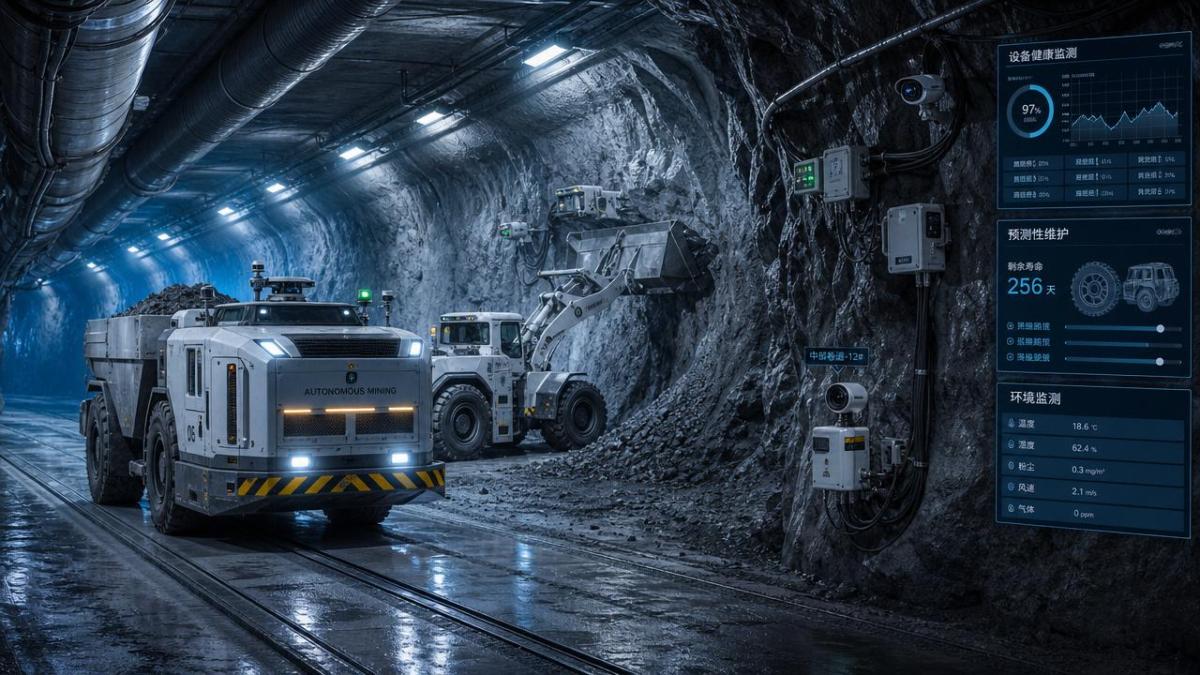
Downtime underground rarely comes from one isolated fault. A stalled loader can block a heading, delay trucks, and disrupt ventilation schedules.
Effective mining technology innovations therefore target system-level reliability, not only machine-level performance.
A useful definition starts with three questions. Can the technology predict disruption? Can it shorten recovery? Can it improve safe utilization?
If the answer is yes, the innovation supports downtime reduction rather than becoming another digital layer.
How downtime appears underground
- Mechanical breakdowns in loaders, drills, trucks, pumps, or conveyors.
- Waiting time caused by traffic conflicts or poor dispatching.
- Ventilation interruptions after blasting, diesel operation, or gas alarms.
- Unplanned inspections after ground movement or safety incidents.
- Data gaps that delay maintenance, planning, and production control.
The strongest mining technology innovations connect these failure points into a single operational picture.
Which Technologies Reduce Equipment Failure Most Effectively?
Predictive maintenance is usually the first practical answer. It converts equipment condition data into early warnings and planned interventions.
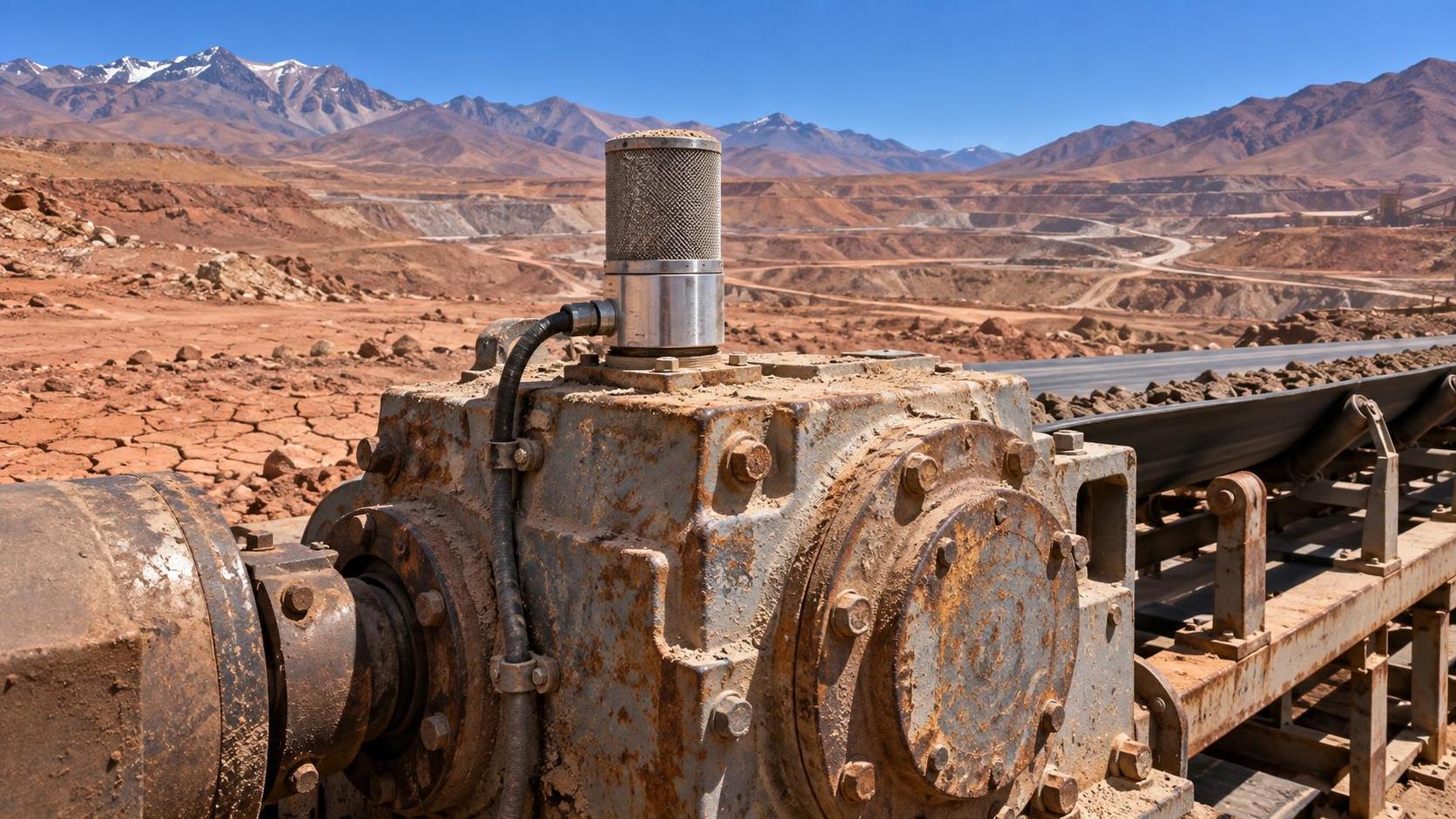
Sensors monitor vibration, oil quality, pressure, temperature, motor current, brake condition, and hydraulic performance.
Analytics then identify abnormal patterns before a component reaches failure. Maintenance can be scheduled during shift changes or planned service windows.
This is where mining technology innovations deliver direct financial value. One avoided drivetrain failure can protect production, safety, and spare-parts budgets.
Predictive maintenance versus preventive maintenance
Preventive maintenance follows fixed intervals. It is simple, but it may replace parts too early or miss accelerated wear.
Predictive maintenance follows actual condition. It supports smarter intervention, especially in variable underground conditions.
The best outcomes appear when maintenance systems integrate with work orders, spare-parts inventory, and production schedules.
Disconnected dashboards may detect a fault, but connected workflows help the mine act before downtime expands.
How Do Automation and Remote Operations Keep Production Moving?
Automation reduces downtime by improving consistency, removing exposure, and allowing operation during restricted access periods.
Autonomous drilling, loading, hauling, and ore handling systems can maintain repeatable cycles in headings, ramps, and drawpoints.
Remote operation centers also reduce travel time. Equipment can be supervised from surface control rooms or safer underground stations.
Among mining technology innovations, automation has strong potential when communication networks and traffic rules are mature.
Where automation fits best
- Repetitive haulage routes with predictable loading and dumping points.
- Drilling patterns requiring precision, repeatability, and data capture.
- High-risk zones after blasting, seismic alerts, or ground instability.
- Large operations where dispatch optimization affects many moving assets.
However, automation is not a shortcut for weak processes. Poor road maintenance, unclear procedures, and unreliable networks can limit benefits.
A phased rollout is usually safer. Start with assisted functions, then add remote control, and finally deploy autonomous cycles.
This staged model allows workforce training, risk review, and operational tuning before full dependency develops.
Why Are Digital Twins and Real-Time Data Central to Downtime Control?
A digital twin is a live model of mine assets, spaces, workflows, and environmental conditions.
It helps connect planning assumptions with actual underground behavior. This makes operational decisions faster and more transparent.
For downtime control, digital twins show how delays move through the mine. They reveal bottlenecks before they become shift-wide losses.
Modern mining technology innovations use digital twins to simulate ventilation demand, traffic routes, equipment availability, and ore movement.
Practical uses of a mine digital twin
- Testing production schedules before crews and machines enter headings.
- Comparing planned utilization with real equipment availability.
- Modeling ventilation-on-demand scenarios for energy and safety control.
- Mapping congestion points caused by trucks, loaders, or service vehicles.
- Reviewing incident scenarios without interrupting active production.
The digital twin should not become a static visualization. Its value depends on reliable inputs from sensors, dispatch systems, and inspection records.
Data governance matters as much as software. Incorrect tags, delayed uploads, and inconsistent asset naming reduce decision quality.
How Can Smart Ventilation and Environmental Sensing Prevent Delays?
Ventilation is both a safety system and a production enabler. When airflow is inefficient, access can be delayed or energy wasted.
Smart ventilation uses sensors, controls, and variable-speed fans to adjust airflow based on real conditions.
Gas levels, dust, temperature, humidity, equipment position, and personnel location can all influence airflow demand.
Ventilation-on-demand is one of the mining technology innovations with strong operational and sustainability benefits.
It reduces waiting after blasting, supports diesel particulate control, and lowers unnecessary fan energy use.
Risk points that need attention
- Sensor placement must match airflow patterns, not only drawing layouts.
- Control logic must fail safely during network or power interruptions.
- Manual override procedures must remain clear and tested.
- Environmental data should feed planning, not stay inside isolated systems.
Smart sensing also supports ground control. Convergence monitoring, seismic sensors, and slope or rock-mass instruments provide earlier warnings.
When alerts are connected to access control and planning systems, stoppages can become controlled interventions instead of emergency shutdowns.
What Should Be Considered Before Investing in Mining Technology Innovations?
Selection should begin with downtime data, not vendor claims. Identify the largest stoppage categories and their root causes.
Then match each technology to an operational constraint. This keeps investment focused on measurable performance gains.
Mining technology innovations should be evaluated through lifecycle value, integration effort, cybersecurity, training needs, and maintainability.
Cost assessment should include installation downtime, infrastructure upgrades, software licensing, spare sensors, and specialist support.
A pilot should define baseline metrics before deployment. Useful metrics include mean time between failures, repair time, availability, and cycle consistency.
The pilot should also measure safety exposure, energy use, and decision speed. Downtime reduction is strongest when these outcomes improve together.
Which Mistakes Limit the Value of Underground Technology Projects?
The first mistake is treating technology as a standalone purchase. Underground productivity depends on process, infrastructure, and disciplined execution.
The second mistake is ignoring change management. New systems alter maintenance routines, operating procedures, and decision authority.
The third mistake is underestimating harsh conditions. Heat, vibration, dust, moisture, and confined spaces challenge sensors and electronics.
Robust mining technology innovations must be designed for maintainability underground, not only laboratory performance.
Common implementation warnings
- Do not automate unstable workflows before improving basic discipline.
- Do not collect data without assigning ownership and response rules.
- Do not rely on cloud platforms without underground connectivity planning.
- Do not measure success only by installation completion.
- Do not overlook cybersecurity for connected equipment and control systems.
A strong governance model defines who receives alerts, who approves actions, and how lessons feed future planning.
This turns mining technology innovations into operational capability rather than temporary digital experimentation.
FAQ Summary: How to Prioritize Downtime-Reducing Technologies
Underground mines need technologies that protect continuity, safety, and cost discipline. The best mining technology innovations make disruption visible early.
They also help teams act faster, coordinate assets better, and plan work around real operational conditions.
A practical next step is to build a downtime map, rank recurring causes, and select one pilot with clear performance metrics.
When data, equipment, infrastructure, and people align, mining technology innovations become a foundation for safer, smarter, and more resilient resource development.
Get weekly intelligence in your inbox.
No noise. No sponsored content. Pure intelligence.
News Recommendations
 Sep 19, 2026How an electronics application guide helps prevent component mismatchHow an electronics application guide helps prevent component mismatch
 Sep 18, 2026When a resource allocation platform improves project deliveryWhen a resource allocation platform improves project delivery
 Sep 17, 2026What to compare when evaluating mineral processing equipment manufacturersWhat to compare when evaluating mineral processing equipment manufacturers
 Sep 16, 2026How mineral separation optimization can reduce concentrate lossesHow mineral separation optimization can reduce concentrate losses
 Sep 15, 2026How to assess lifecycle costs in urban tech procurementHow to assess lifecycle costs in urban tech procurement
 Sep 14, 2026Heavy industry technology trends reshaping capital investment prioritiesHeavy industry technology trends reshaping capital investment priorities
 Sep 14, 2026Global Industrial Equipment Procurement: How Top OEMs Qualify Suppliers for Mining & Infrastructure ProjectsGlobal Industrial Equipment Procurement: How Top OEMs Qualify Suppliers for Mining & Infrastructure Projects
 Sep 14, 2026Industrial & Mining Equipment Procurement: Balancing Local Sourcing, Lead Time, and Certification RequirementsIndustrial & Mining Equipment Procurement: Balancing Local Sourcing, Lead Time, and Certification Requirements
 Sep 14, 2026Infrastructure & Equipment Upgrades: What Procurement Teams Must Verify Before Signing Off on New ContractsInfrastructure & Equipment Upgrades: What Procurement Teams Must Verify Before Signing Off on New Contracts
 Sep 14, 2026Why Infrastructure Equipment Buyers Are Shifting from Catalog-Based to Capability-Based Supplier SelectionWhy Infrastructure Equipment Buyers Are Shifting from Catalog-Based to Capability-Based Supplier Selection
 Sep 14, 2026Process Automation Project Execution: How to Align Supplier Capabilities with PLC Integration, Cybersecurity & Commissioning MilestonesProcess Automation Project Execution: How to Align Supplier Capabilities with PLC Integration, Cybersecurity & Commissioning Milestones
 Sep 14, 2026Are intelligent traffic systems worth the investment for small cities?Are intelligent traffic systems worth the investment for small cities?
 Sep 14, 2026How do intelligent traffic systems handle sensor failures?How do intelligent traffic systems handle sensor failures?
 Sep 14, 2026What should I check before accepting a smart building system?What should I check before accepting a smart building system?
 Sep 14, 2026Is a smart building system worth the maintenance cost?Is a smart building system worth the maintenance cost?
 Sep 14, 2026What data is needed for reliable resource allocation planning?What data is needed for reliable resource allocation planning?
 Sep 14, 2026How can resource allocation software reduce equipment idle time?How can resource allocation software reduce equipment idle time?
 Sep 14, 2026How should smart devices be maintained in harsh outdoor conditions?How should smart devices be maintained in harsh outdoor conditions?
 Sep 14, 2026Do smart devices improve worker safety on construction sites?Do smart devices improve worker safety on construction sites?
 Sep 14, 2026What environmental risks must be assessed before deep-sea mining?What environmental risks must be assessed before deep-sea mining?
 Sep 14, 2026Is deep-sea mining equipment commercially viable in 2026?Is deep-sea mining equipment commercially viable in 2026?
 Sep 14, 2026What Inspection Checks Should Procurement Teams Perform Before Ordering Dredging Equipment in 2026?What Inspection Checks Should Procurement Teams Perform Before Ordering Dredging Equipment in 2026?
 Sep 13, 2026How to verify an industrial product information source before specifying equipmentHow to verify an industrial product information source before specifying equipment
 Sep 12, 2026Which intelligent traffic systems hardware fits an urban intersection?Which intelligent traffic systems hardware fits an urban intersection?
 Sep 11, 2026How pump capacity affects response coverage for municipal fire fighting vehiclesHow pump capacity affects response coverage for municipal fire fighting vehicles
 Sep 10, 2026What to verify before choosing a heavy industry equipment supplierWhat to verify before choosing a heavy industry equipment supplier
 Sep 09, 2026When do adaptive urban traffic control systems reduce corridor delays?When do adaptive urban traffic control systems reduce corridor delays?