Heavy Equipment Fleet Planning: Rent or Buy in 2026
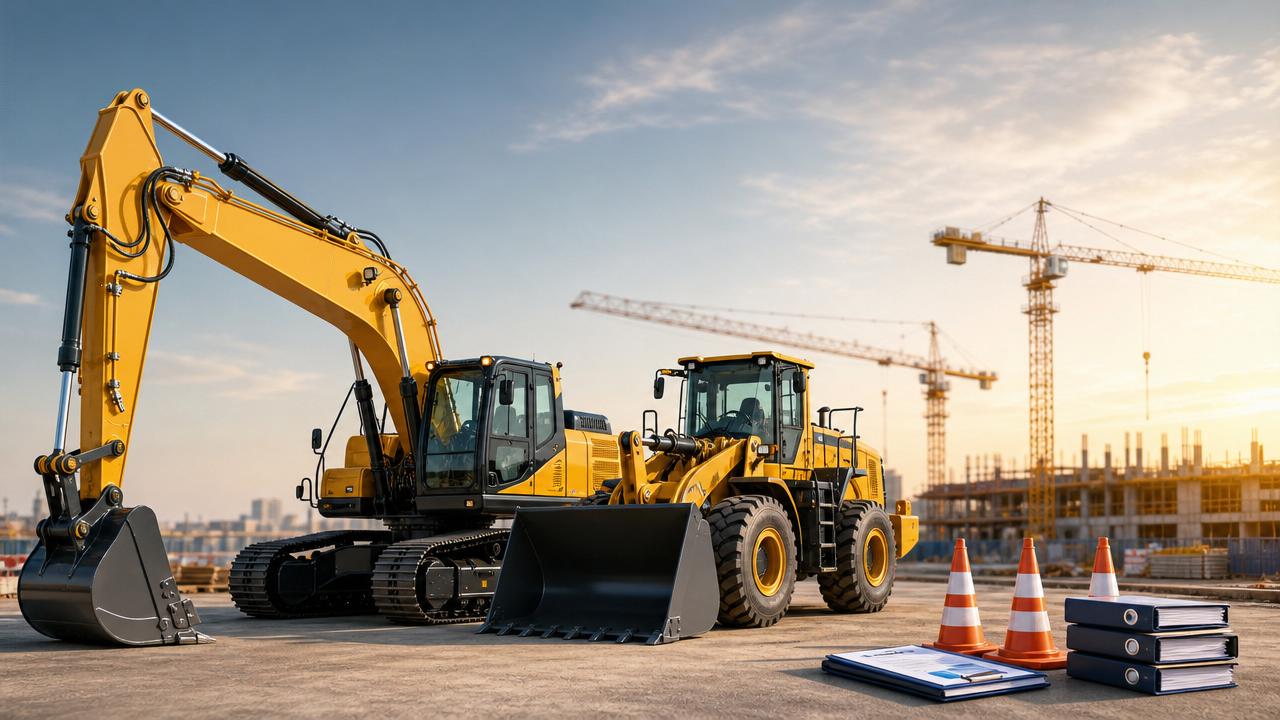
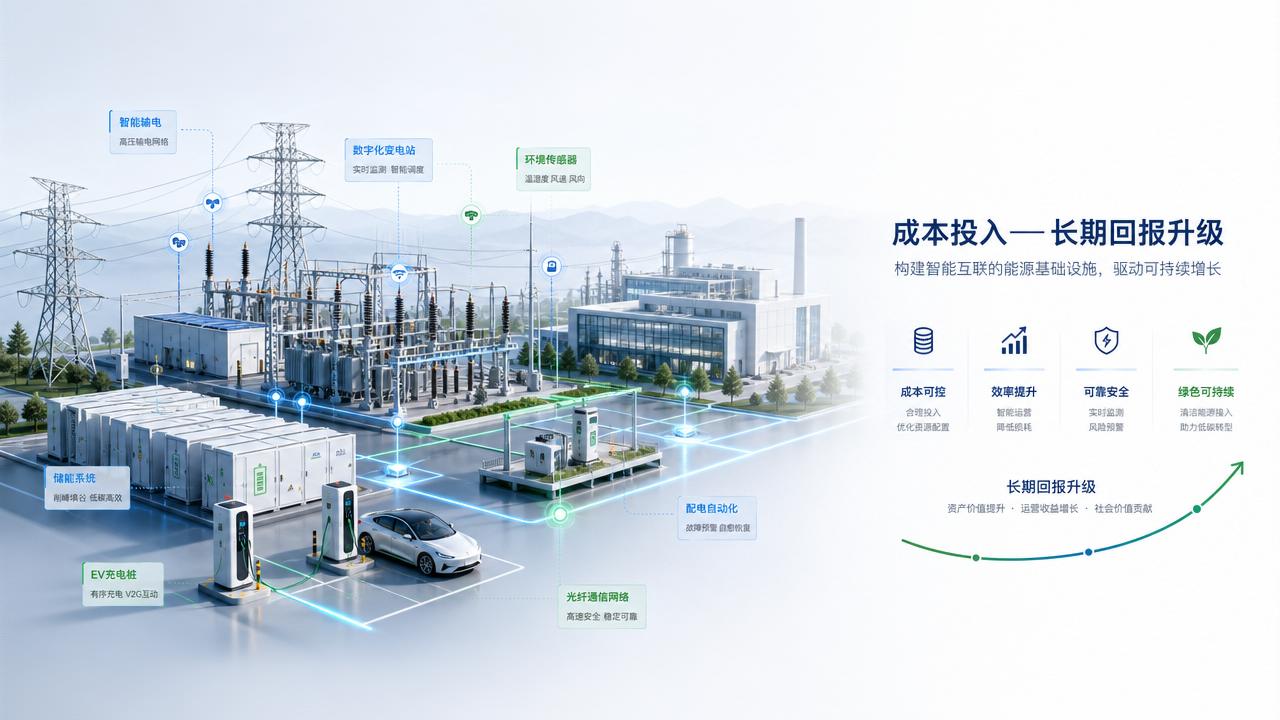
In 2026, fleet planning for heavy equipment is no longer a simple rent-or-buy calculation. From cranes and concrete mixers to fire trucks, civil engineering teams must weigh cost, utilization, smart grids integration, digital twin visibility, and evolving market shares. This guide helps project leaders and buyers make sharper decisions across digital cities, high-speed rail, and infrastructure operations.
For procurement teams, operators, technical evaluators, dealers, and executive decision-makers, the right fleet model affects cash flow, uptime, project speed, and compliance risk. A machine that looks cheaper on day one may become expensive after 18 months if utilization falls below target, telemetry is missing, or maintenance support is fragmented across multiple sites.
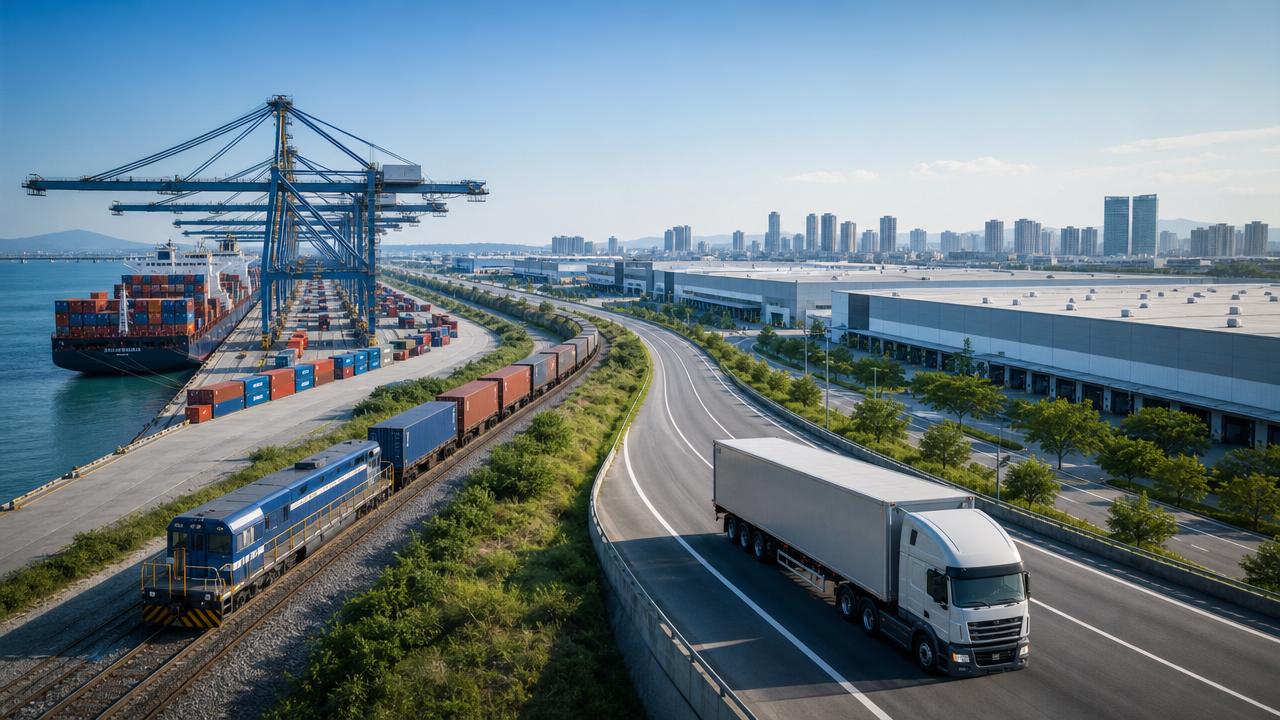
The 2026 environment adds new pressure points: tighter sustainability targets, more data-driven project control, faster equipment obsolescence in connected jobsite environments, and uneven lead times across regions. As infrastructure programs expand across smart building, mining, logistics, municipal response, and railway maintenance, fleet planning must be treated as a strategic asset decision rather than a routine purchasing task.
Why the Rent-or-Buy Decision Has Changed in 2026
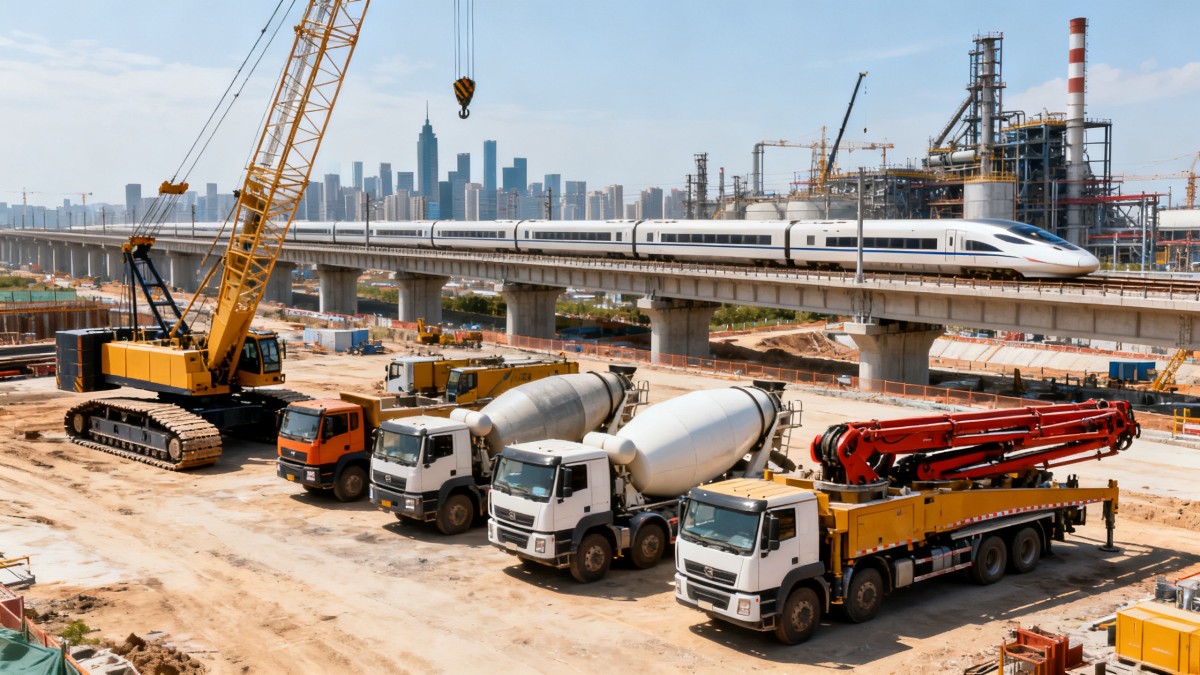
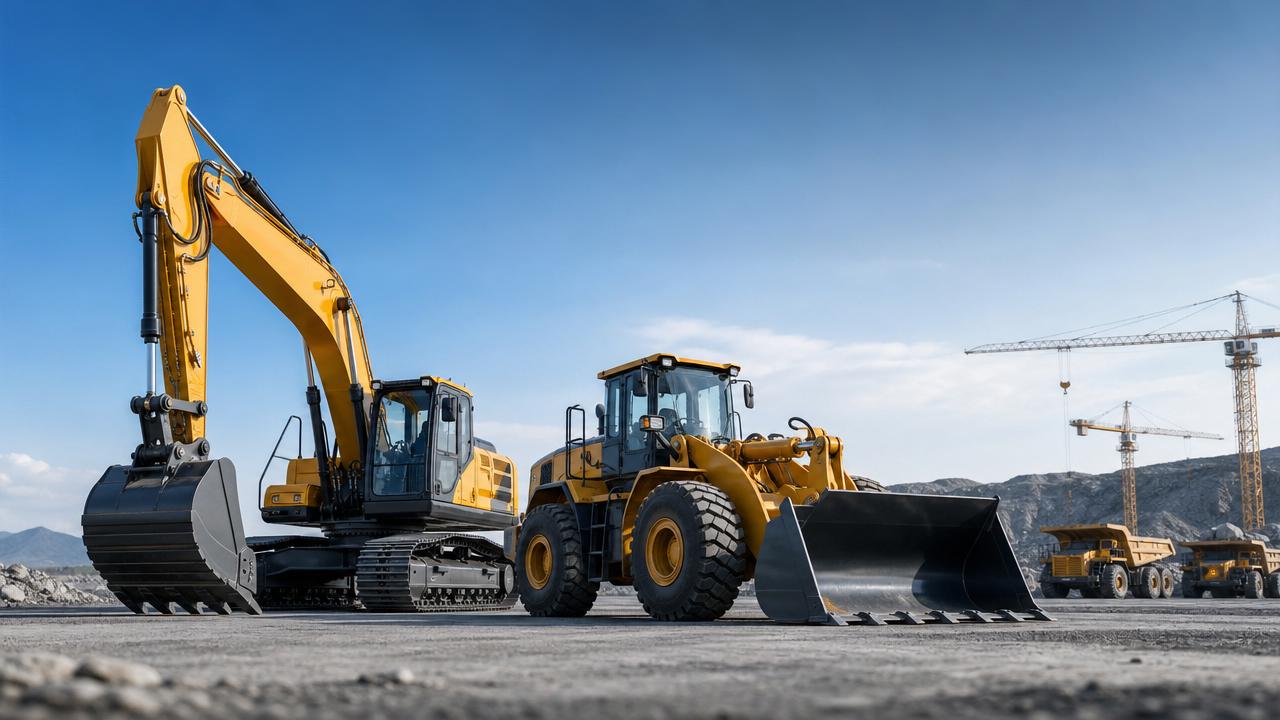
The traditional logic was simple: buy if you use a machine often, rent if you need it occasionally. In 2026, that logic still matters, but it is no longer enough. Equipment categories such as crawler cranes, articulated dump trucks, tunnel support units, municipal fire vehicles, and concrete pumps now sit inside wider digital ecosystems that include telematics, BIM coordination, predictive maintenance, and digital twin reporting.
This shift matters because ownership now includes more than depreciation and fuel. It also includes software subscriptions, operator upskilling, cybersecurity protocols, data integration effort, and sensor replacement cycles. For many fleets, the practical review window is no longer 3 years alone; it is often 12 months for utilization analysis, 24 months for service cost trends, and 5 to 7 years for full lifecycle planning.
At the same time, rental has become more sophisticated. Short-term and medium-term rental contracts increasingly include uptime guarantees, remote diagnostics, emissions-compliant configurations, and replacement support within 24 to 72 hours in major urban markets. This improves flexibility for contractors handling variable workloads across highways, rail corridors, prefabrication yards, or smart city utilities.
However, rental is not automatically the lower-risk option. Repeated renewals, mobilization charges, delivery scheduling conflicts, and attachment shortages can erode cost advantages fast. If a machine is needed 18 to 22 days per month across 8 or more months of the year, ownership may outperform rental financially, especially when the equipment is central to project sequencing.
Key 2026 drivers behind fleet strategy changes
- Connected jobsites now expect machine data reporting every shift or every 24 hours, not only monthly summaries.
- Emission and noise limits in urban projects increasingly shape machine selection, especially for night work and municipal operations.
- Lead times for specialized equipment can still range from 8 to 32 weeks depending on configuration and region.
- Resale values are influenced by service history completeness, software compatibility, and documented operating hours.
What this means for B2B buyers
Fleet planning now sits at the intersection of finance, operations, engineering, and data governance. A purchasing manager may prioritize total landed cost, while a project manager focuses on availability, and a safety manager looks at operator aids, load monitoring, and inspection records. A workable strategy aligns these priorities instead of treating them as separate approvals.
A Practical Framework to Compare Renting and Buying
The most effective fleet decisions use a structured scoring model. Instead of debating based on instinct, teams should evaluate each equipment class against a common set of factors: annual utilization, mission criticality, maintenance complexity, financing capacity, data integration needs, and availability risk during peak construction windows.
A useful starting point is to segment machines into three groups. First, high-utilization core assets used across multiple projects for more than 1,500 to 2,000 hours per year. Second, specialized assets used in narrow applications or irregular intervals. Third, compliance-sensitive assets that may require the latest control systems or urban emissions packages. Each group tends to favor a different fleet model.
Before the table below, note that the right answer is often mixed rather than binary. Many mature contractors own 60% to 80% of core fleet capacity and rent the rest to cover project peaks, seasonal surges, breakdown backup, or one-off specialty tasks. This blended strategy is especially relevant in smart infrastructure projects where schedule certainty and technical compatibility matter equally.
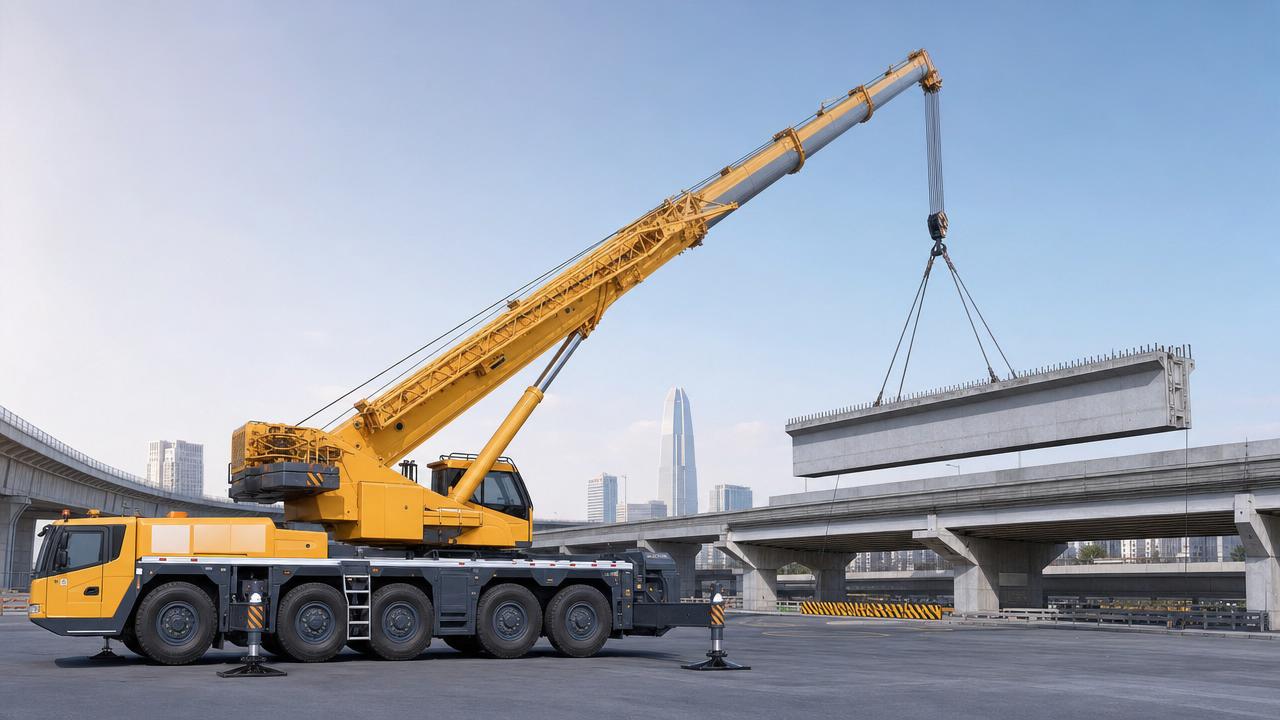
The key takeaway is that utilization alone should not drive the entire decision. A crane used only 1,100 hours per year may still justify ownership if it is on the project critical path and delays would cost far more than the financing expense. Conversely, a machine used 1,400 hours may still be better rented if the specification changes every year or support coverage is limited in the operating region.
A four-step internal review process
- Map expected utilization by month, not only annual totals, to identify peak mismatch risk.
- Estimate total cost of ownership over 36, 60, and 84 months, including service and idle time.
- Score digital compatibility, such as telematics export, remote diagnostics, and project platform integration.
- Stress-test supply continuity by asking what happens if the asset is unavailable for 48 hours, 7 days, or 30 days.
Cost, Uptime, and Lifecycle: What Buyers Should Measure
A sound fleet plan compares total economic impact, not just monthly rental rates or purchase prices. Core cost elements include acquisition or lease payments, preventive maintenance, wear parts, operator training, transport, insurance, energy or fuel, inspection downtime, and residual value. For connected fleets, buyers should also budget for data subscriptions, API integration, and software onboarding.
Uptime is often more valuable than the nominal discount on paper. If a concrete pump failure stops a pour window or a rail maintenance machine misses a nighttime possession slot, the secondary costs can be severe. In many infrastructure operations, a 4-hour equipment interruption causes far more commercial damage than a 5% difference in rental rate or financing cost.
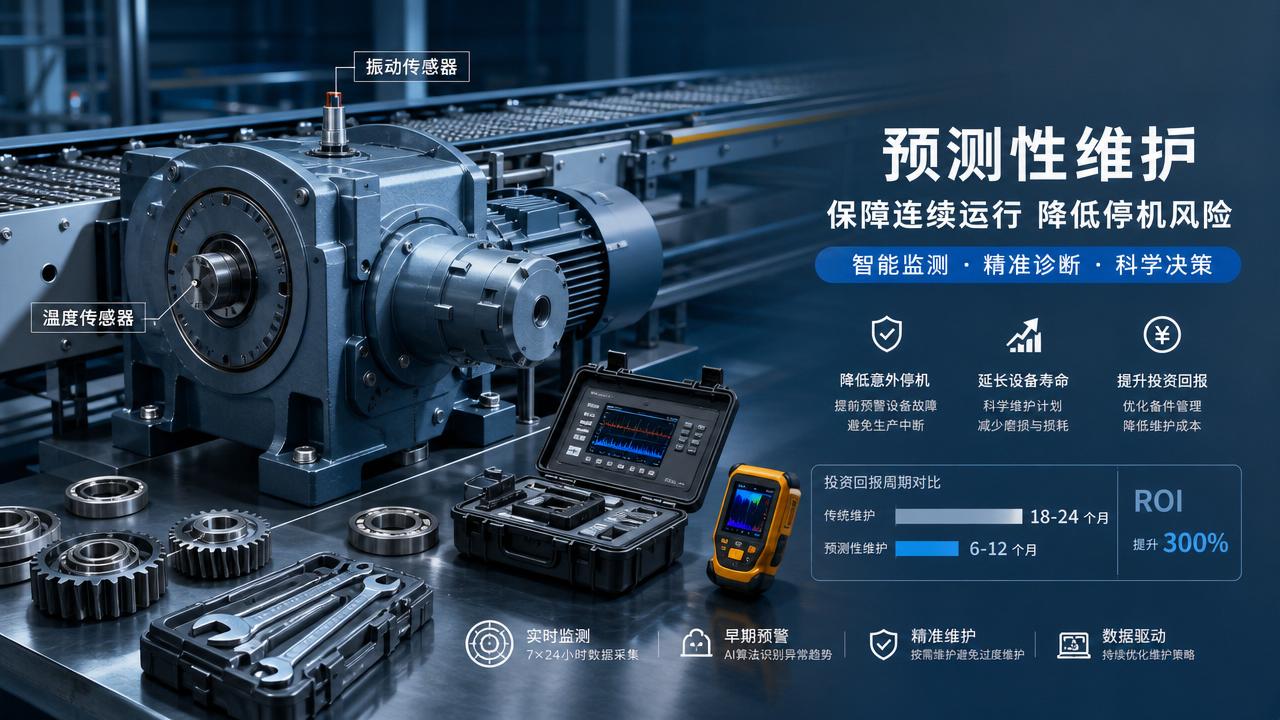
For this reason, decision-makers should track at least six metrics by equipment class: utilization rate, planned maintenance ratio, unplanned downtime hours, service response time, operator productivity per shift, and total fleet cost per productive hour. These measures create a fact-based view of whether a machine should remain rented, be purchased, or be replaced with a newer specification.
The table below shows a practical comparison structure that procurement and technical teams can apply during budget reviews or tender preparation. It works across construction, mining, municipal fleets, and logistics-heavy infrastructure programs.
When teams measure cost and uptime together, they usually make better decisions. A lower daily rental rate is not attractive if replacement units arrive late, while a purchased asset is not truly economical if it sits idle for 4 months each year. The correct benchmark is productive output per dollar, not purchase price alone.
Common cost items that are often missed
- Mobilization and demobilization charges between projects or regions.
- Attachment compatibility costs, including couplers, sensors, and control updates.
- Standby labor cost when the operator is present but the machine is unavailable.
- Inspection, certification, and safety compliance time for lifting or emergency-response equipment.
Digital Twin Visibility, Smart Infrastructure, and Technology Risk
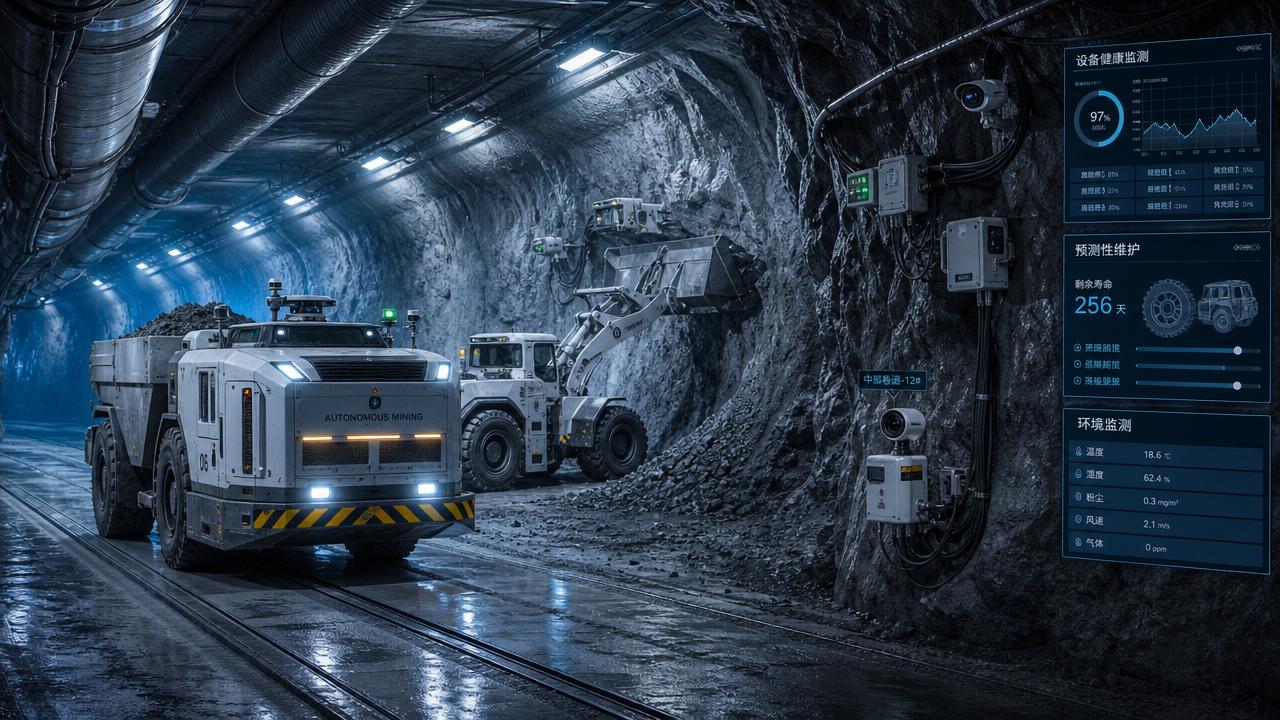
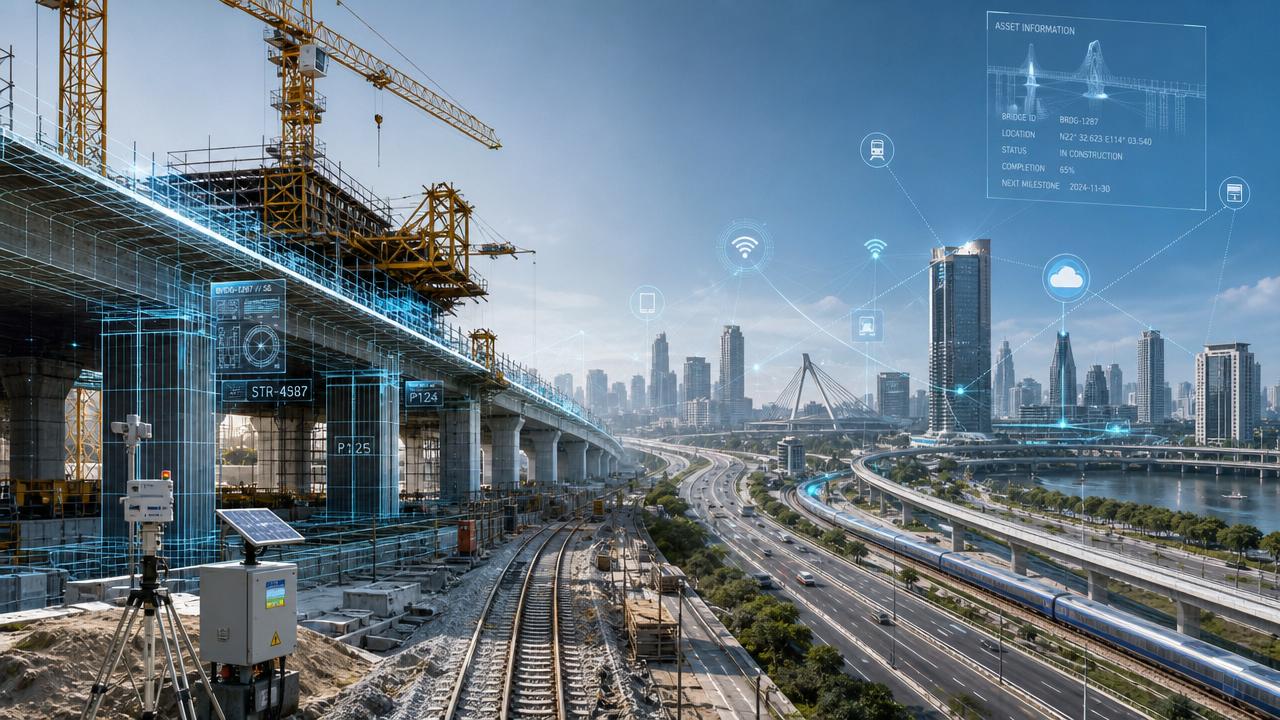
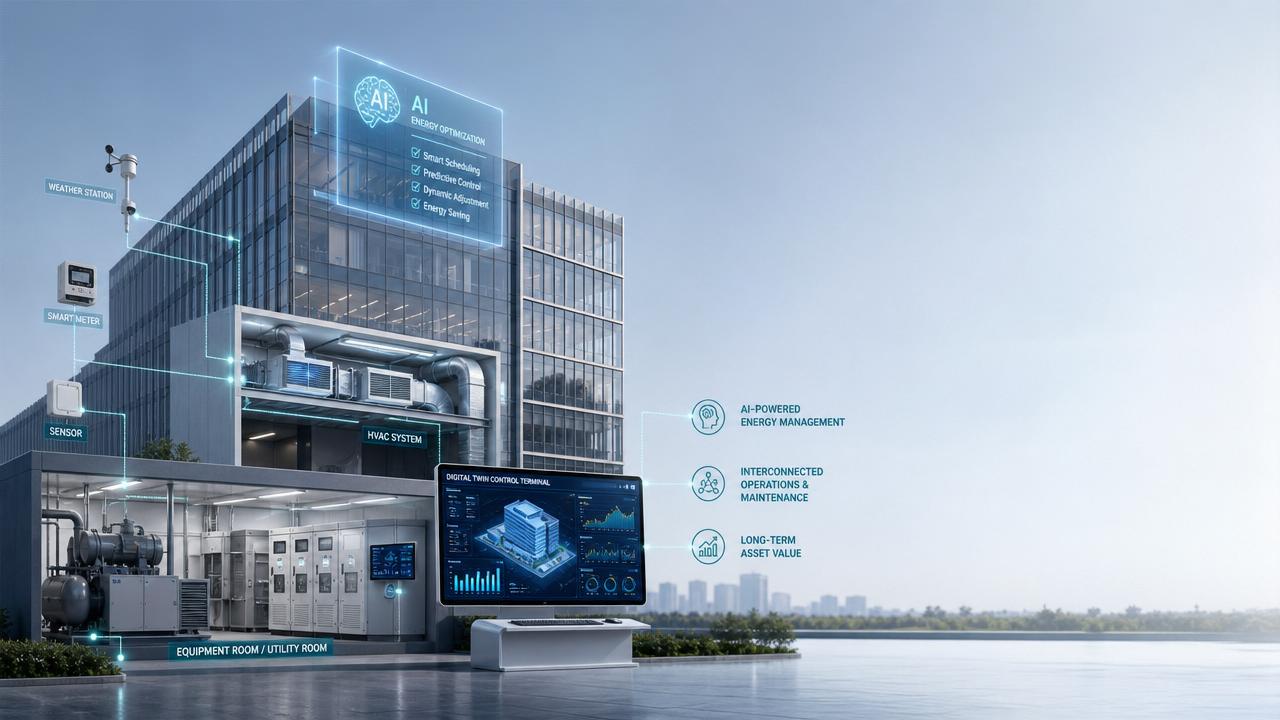
Heavy equipment is increasingly judged by how well it fits digital operations. On a modern infrastructure project, planners may need machine data linked to schedule status, fuel use, operator behavior, geofencing events, and maintenance alerts. This is especially relevant for smart city projects, rail maintenance windows, utility trenching, mining haul cycles, and municipal emergency fleets that require traceability.
Buying equipment may give better long-term control over data architecture, especially when a company wants standard telemetry protocols across 20, 50, or 200 machines. Ownership allows more consistent dashboard design, internal maintenance history, and integration with enterprise systems. That said, integration work can take 2 to 12 weeks depending on data format, supplier cooperation, and cybersecurity approval processes.
Rental can still support digital twin visibility if the supplier provides open data exports, reliable device calibration, and clear access rights. The problem arises when rented machines enter the fleet with inconsistent telematics quality, missing historical logs, or limited access to raw operational data. This creates blind spots in project reporting and weakens predictive planning.
Technology risk must also be considered. If a machine category is likely to see major improvements in electrification, autonomy support, safety sensors, or remote diagnostics within 24 to 36 months, renting may reduce obsolescence exposure. If the equipment design is mature and compatibility standards are stable, buying often becomes more attractive.
Questions technical evaluators should ask suppliers
- Can machine data be exported daily, weekly, and by event trigger?
- Are fault codes, location history, and operating-hour logs available in usable formats?
- What is the calibration and firmware update cycle: monthly, quarterly, or only on service visits?
- How are access permissions managed for contractors, owners, and third-party maintenance teams?
Where digital requirements most strongly affect rent-or-buy decisions
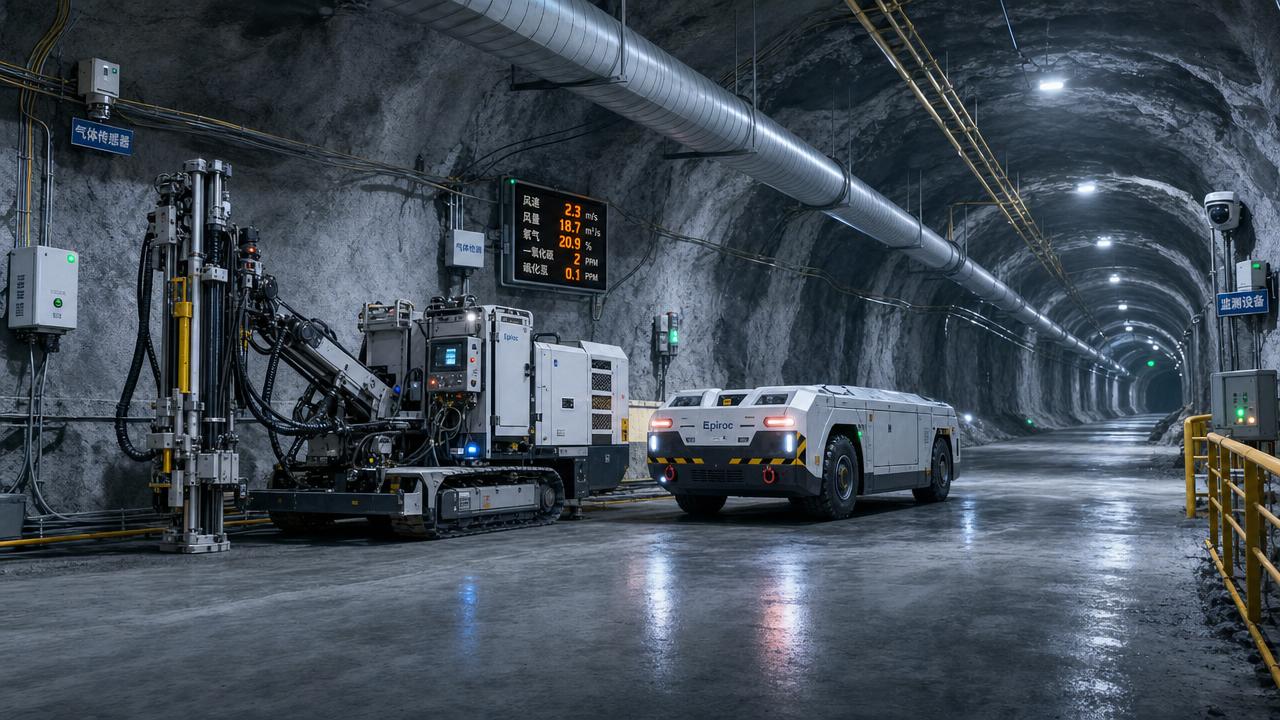
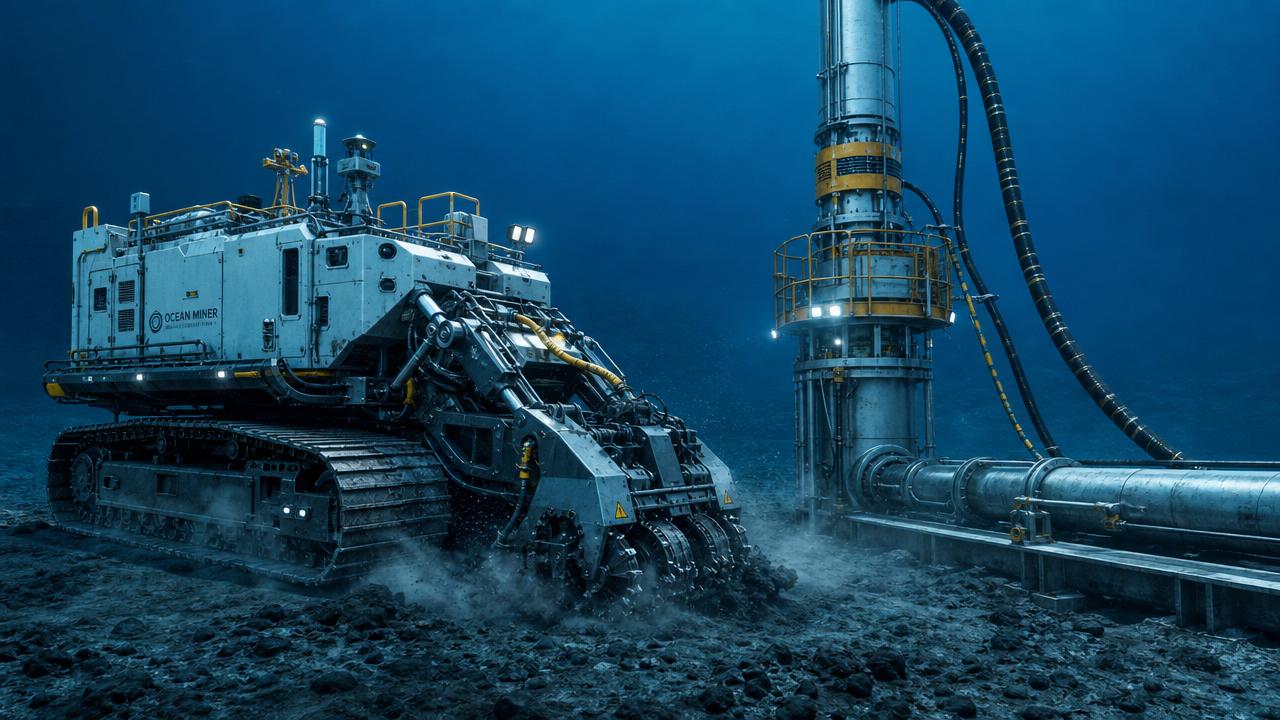
The impact is strongest where equipment data influences public accountability, safety, or operational continuity. Examples include fire vehicles in urban response fleets, cranes on dense city sites, rail support machines under possession constraints, and resource extraction fleets in remote areas where predictive maintenance reduces costly dispatch delays. In such cases, the data architecture can be nearly as important as engine power or lift capacity.
How Different Project Scenarios Change the Best Choice
The best fleet model depends heavily on project type, location, and workload stability. A contractor building prefabricated urban towers may need predictable lifting and concrete support for 14 to 24 months. A rail maintenance contractor may need specialized units only during planned nighttime windows. A municipality may require emergency vehicles with immediate availability but lower annual utilization than production equipment.
Because these patterns differ, one procurement rule should not be applied across the whole fleet. A mixed portfolio often produces the best result: own the machines that anchor daily output and rent the ones that cover spikes, trials, seasonal peaks, or niche tasks. This approach also helps dealers and distributors build more responsive channel strategies around service, stocking, and replacement planning.
The table below summarizes how common infrastructure and heavy industry scenarios typically influence the decision. It is not a rigid formula, but it is a practical starting point for project and commercial teams.
The lesson is clear: fleet planning should follow workload behavior. If demand is stable, visible, and operationally central, buying usually gains strength. If demand is uncertain, specialized, or rapidly changing with digital upgrades, rental gains value. The highest-performing organizations revisit this balance every 6 to 12 months rather than locking the fleet model for years without review.
Typical mistakes in scenario planning
- Using one utilization threshold for all machine classes, despite very different downtime consequences.
- Ignoring attachment availability and operator certification when comparing suppliers.
- Assuming resale value will stay strong without full service records and documented hours.
- Renting repeatedly for 12 to 18 months without recalculating the economics of ownership.
Implementation Checklist for Procurement, Safety, and Operations Teams
Once the rent-or-buy direction is selected, execution determines whether the expected value is realized. Cross-functional alignment is essential. Procurement should not finalize terms without input from operations, maintenance, safety, finance, and digital systems teams. Even a strong commercial deal can fail if service coverage is weak or the machine cannot feed the reporting environment required by the project owner.
A practical implementation process usually includes five stages: demand forecasting, technical review, commercial comparison, operational readiness, and post-deployment monitoring. Each stage should have a named owner, decision criteria, and a review timeline. For major fleet categories, a 30-day, 90-day, and 180-day performance check helps confirm whether the original choice is working.
Safety and quality control teams should be involved early. They need to verify inspection intervals, operator aids, load charts, braking systems, emergency procedures, documentation completeness, and spare-part support. For municipal and rail-adjacent equipment, compliance readiness can influence deployment timing as much as the commercial contract itself.
The checklist below can be used as a simple internal gate before purchase order release or rental contract signature.
Pre-approval checklist
- Confirm forecast utilization by month, site, and shift pattern for at least the next 6 to 12 months.
- Verify service support radius, response time, and spare-part coverage for critical wear items.
- Review telematics access, reporting frequency, and data ownership terms in writing.
- Check operator training needs, licensing requirements, and handover documentation.
- Model three cost cases: expected, low-utilization, and high-disruption scenarios.
- Set KPIs for uptime, cost per productive hour, and defect closure time after deployment.
FAQ: questions buyers ask most often
How long should a rental period be before ownership deserves review?
If the same machine type is rented continuously for 6 to 9 months, or the annual hours exceed roughly 1,200 to 1,500, ownership should usually be re-evaluated. The exact threshold depends on transport cost, service terms, and the criticality of the machine to the project schedule.
Is buying better for all digital or smart-enabled equipment?
Not always. Buying helps standardize data and control integration, but renting can be smarter when technology is evolving quickly. If software, battery systems, or sensing capabilities may change significantly within 24 to 36 months, rental can reduce lock-in risk.
What should dealers and distributors emphasize in 2026 proposals?
Beyond price, proposals should clearly show service response time, data access terms, attachment availability, delivery lead times, training support, and replacement procedures. Buyers increasingly compare suppliers on operational resilience, not just commercial discount levels.
Heavy equipment fleet planning in 2026 requires a broader lens than simple capex versus rental expense. The strongest decisions combine utilization analysis, uptime risk, digital compatibility, service support, and scenario-based planning across construction, mining, urban tech, railway, and special-purpose equipment fleets.
For many organizations, the best answer is a hybrid fleet: own the assets that protect project continuity and rent the capacity that preserves flexibility. If you are reviewing cranes, concrete mixers, fire vehicles, logistics support units, or smart-ready infrastructure equipment, a structured assessment can reduce cost leakage and improve project control.
GIUT supports infrastructure and heavy industry stakeholders with decision-oriented intelligence across equipment strategy, smart operations, and long-term fleet value. To refine your 2026 fleet plan, get a tailored solution, consult on equipment selection details, or explore more infrastructure equipment strategies with our team.
Get weekly intelligence in your inbox.
No noise. No sponsored content. Pure intelligence.
News Recommendations
 Jun 01, 2026Infrastructure Encyclopedia: A Practical Guide to Core TermsInfrastructure Encyclopedia: A Practical Guide to Core Terms
 Jun 01, 2026Deep-Sea Mining Technology: Benefits and Safety RisksDeep-Sea Mining Technology: Benefits and Safety Risks
 Jun 01, 2026Fire Trucks: Specs That Matter for Urban ResponseFire Trucks: Specs That Matter for Urban Response
 Jun 01, 2026How to Evaluate a Heavy Industry Machinery ExporterHow to Evaluate a Heavy Industry Machinery Exporter
 Jun 01, 2026Infrastructure Construction Projects: Key Cost Risks in 2026Infrastructure Construction Projects: Key Cost Risks in 2026
 May 31, 2026Heavy Equipment Selection: Key Specs Before PurchaseHeavy Equipment Selection: Key Specs Before Purchase
 May 31, 2026Carbon Reduction Strategies That Lower Operating CostsCarbon Reduction Strategies That Lower Operating Costs
 May 31, 2026Carbon Reduction Standards: Compliance Risks to Check FirstCarbon Reduction Standards: Compliance Risks to Check First
 May 31, 2026Mining Technology Innovations That Cut Downtime UndergroundMining Technology Innovations That Cut Downtime Underground
 May 31, 2026How Logistics Arteries Shape Freight Cost Risk in 2026How Logistics Arteries Shape Freight Cost Risk in 2026
 May 30, 2026Heavy Industry Maintenance Costs: What Impacts ROIHeavy Industry Maintenance Costs: What Impacts ROI
 May 30, 2026Choosing Mining Technology Equipment for Safer ExtractionChoosing Mining Technology Equipment for Safer Extraction
 May 30, 2026High-Speed Rail Construction Trends to Watch in 2026High-Speed Rail Construction Trends to Watch in 2026
 May 30, 2026Cost Risks in Large Infrastructure Construction ProjectsCost Risks in Large Infrastructure Construction Projects
 May 30, 2026Digital Twin Use Cases in Infrastructure Construction ProjectsDigital Twin Use Cases in Infrastructure Construction Projects
 May 29, 2026Heavy Equipment for Construction: Buy or Lease?Heavy Equipment for Construction: Buy or Lease?
 May 29, 2026Resource Development Technology Solutions: Selection ChecklistResource Development Technology Solutions: Selection Checklist
 May 29, 2026Mining Technology Innovations That Cut DowntimeMining Technology Innovations That Cut Downtime
 May 29, 2026Global Infrastructure Risks Reshaping Project PlanningGlobal Infrastructure Risks Reshaping Project Planning
 May 29, 2026Smart Grids Solutions: 2026 Cost and Reliability TrendsSmart Grids Solutions: 2026 Cost and Reliability Trends
 May 28, 2026Smart Grids Technology: Cost vs ROI in 2026 UpgradesSmart Grids Technology: Cost vs ROI in 2026 Upgrades
 May 28, 2026Smart Building Technology Trends Shaping 2026 ProjectsSmart Building Technology Trends Shaping 2026 Projects
 May 28, 2026Cranes Supplier Checklist for Safer Lift PlanningCranes Supplier Checklist for Safer Lift Planning
 May 28, 2026Deep-Sea Mining Equipment: Key Reliability Risks in 2026Deep-Sea Mining Equipment: Key Reliability Risks in 2026
 May 28, 2026How to Compare a Heavy Equipment Manufacturer in 2026How to Compare a Heavy Equipment Manufacturer in 2026
 May 27, 2026Civil Engineering Projects: Budget Risks in Early PlanningCivil Engineering Projects: Budget Risks in Early Planning
 May 27, 2026Concrete Mixers for Construction: Costly Mistakes to AvoidConcrete Mixers for Construction: Costly Mistakes to Avoid