Logistics Arteries Under Pressure: Key Bottlenecks
As global trade accelerates and supply chains become more layered, logistics arteries now face stress at nearly every junction. Ports, rail lines, roads, warehouses, and data platforms must move in sync, yet many networks still rely on fragmented systems and aging assets.
For infrastructure researchers and urban mobility analysts, the real question is not whether pressure exists. It is where logistics arteries are most vulnerable, which scenarios amplify risk, and what upgrades deliver measurable resilience.
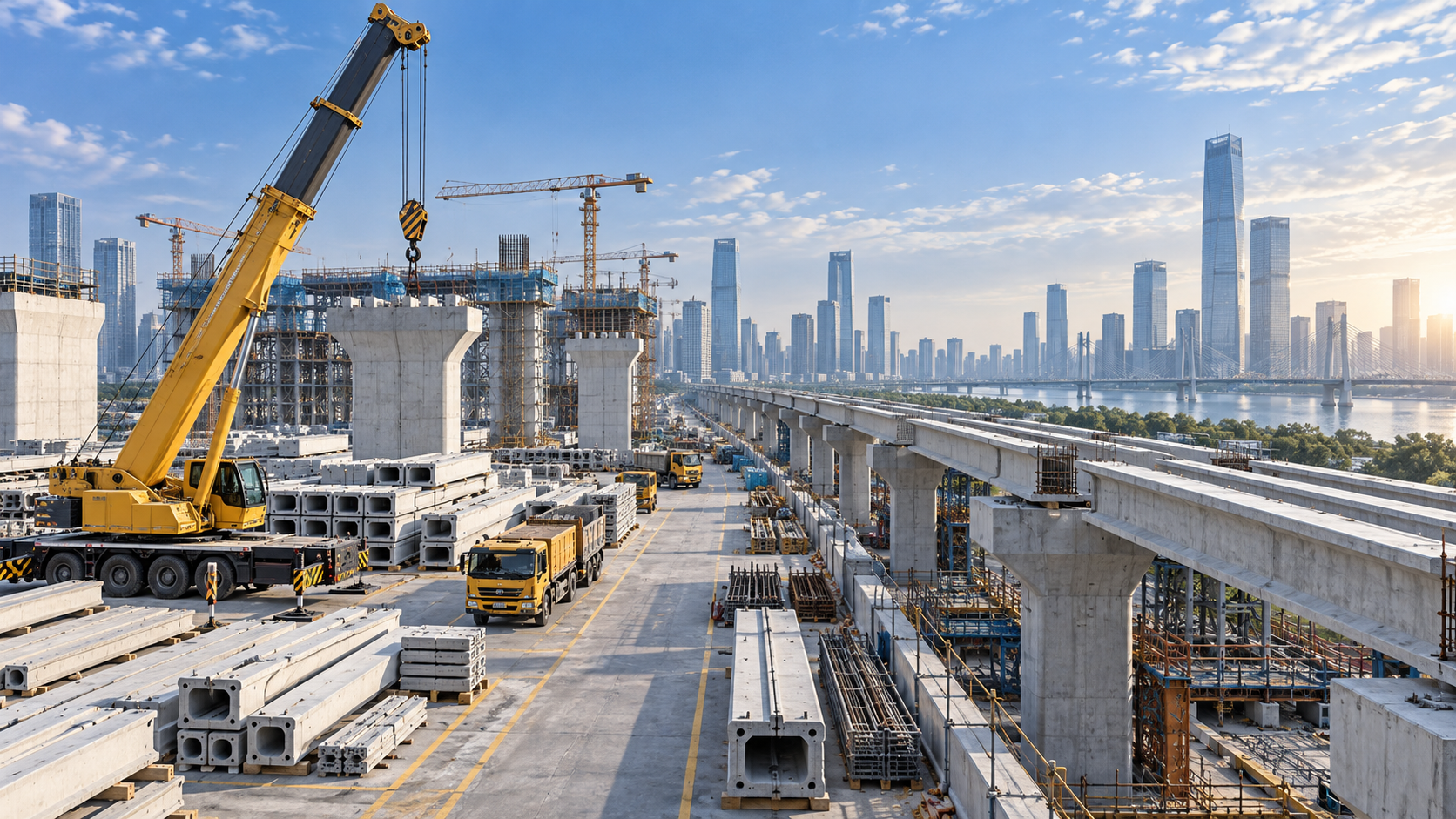
This matters across the broader industrial landscape. Construction schedules depend on predictable freight. Smart cities need stable distribution flows. Mining output requires export capacity. Rail modernization only creates value when logistics arteries remain continuous from origin to destination.
When logistics arteries become a strategic risk rather than a transport issue
Not every delay signals a structural bottleneck. Short disruptions may come from weather, labor shortages, or temporary demand spikes. A true constraint appears when logistics arteries repeatedly fail under normal or slightly elevated operating conditions.
The pressure is most visible where physical and digital gaps overlap. Limited rail slots, congested urban roads, outdated signaling, poor warehouse visibility, and weak cross-border coordination can compound into systemic delay.
In integrated infrastructure planning, logistics arteries should be judged as economic lifelines. Their performance affects energy projects, city services, industrial parks, import channels, and emergency response capacity.
Key signals that indicate bottlenecks are becoming structural
- Repeated dwell time growth at intermodal transfer points
- High asset utilization with low schedule reliability
- Frequent last-mile failures despite upstream capacity additions
- Manual document handling across customs, terminals, or depots
- Capacity expansion plans delayed by land, power, or permitting issues
Scenario one: Rail freight corridors under mixed traffic pressure
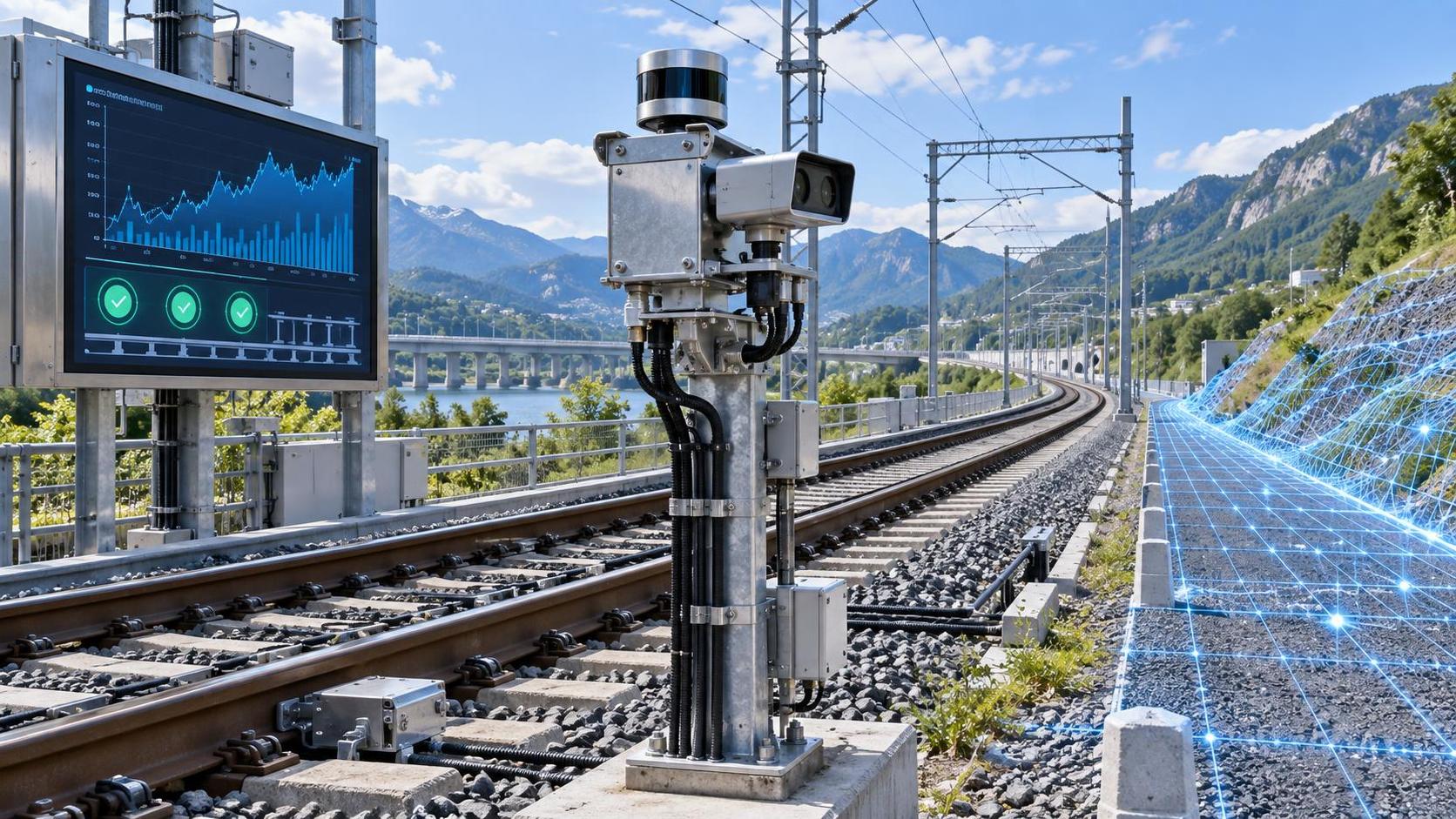
Rail-based logistics arteries are central to decarbonization and long-haul efficiency. Yet many corridors carry passenger trains, freight services, maintenance windows, and cross-border movements on infrastructure never designed for current volumes.
The core judgment point is not total track length. It is corridor usability. A line may look sufficient on paper, but bottlenecks emerge at sidings, terminals, signaling zones, and transfer yards where throughput collapses.
This scenario is especially important near industrial clusters, inland ports, and mining export routes. Here, small disruptions can trigger long rolling delays, affecting inventory cycles, labor utilization, and downstream construction delivery.
What to examine in rail logistics arteries
- Terminal turnaround times rather than line speed alone
- Signal modernization readiness and predictive maintenance maturity
- Compatibility between freight volumes and passenger priority windows
- Availability of alternative routes during outages or upgrades
Scenario two: Port and hinterland links failing to move at the same pace
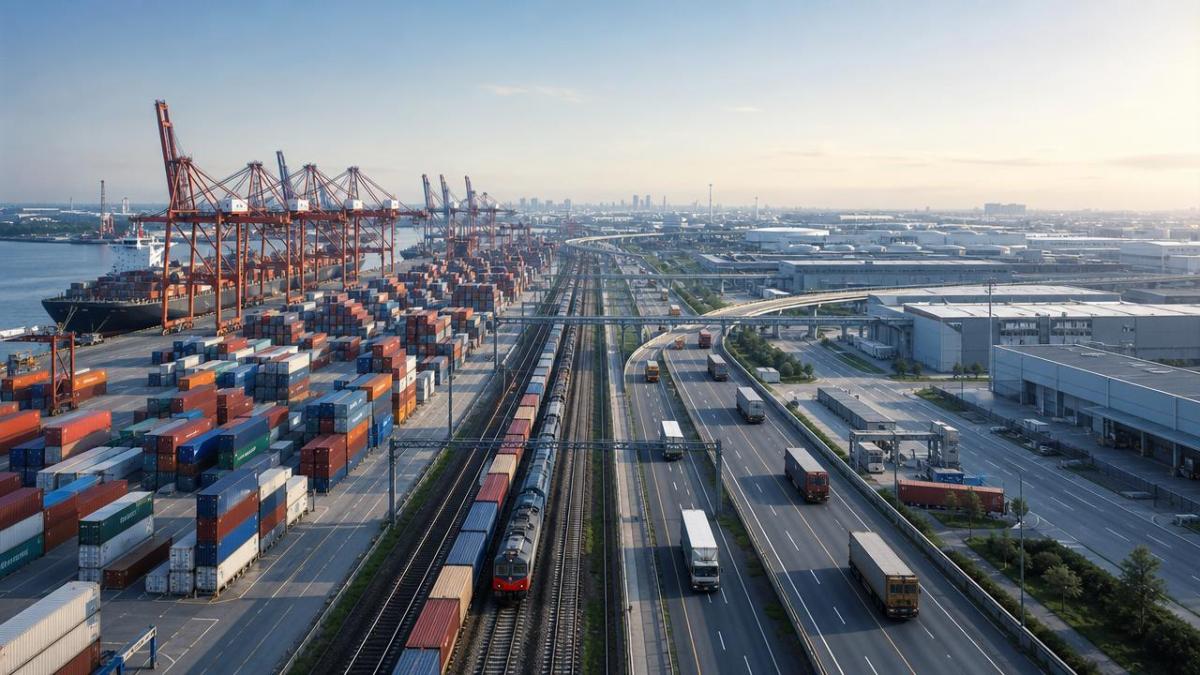
Port expansion often receives major investment, but logistics arteries extend beyond the quay. If truck gates, rail spurs, inland depots, and customs systems remain weak, extra terminal capacity will not resolve throughput pressure.
The main judgment point here is synchronization. A modern port can still underperform if inland evacuation is slow. Container accumulation then raises storage costs, reduces berth productivity, and weakens schedule confidence.
This is a frequent challenge in emerging infrastructure markets, where trade growth outpaces corridor planning. It also appears in mature economies when e-commerce peaks intensify gate congestion and inland truck shortages.
Common bottlenecks in port-centered logistics arteries
- Limited truck appointment discipline and poor yard visibility
- Insufficient rail shuttle frequency to inland distribution nodes
- Disconnected data between terminal operators and customs authorities
- Urban encroachment that restricts gate access and road widening
Scenario three: Urban logistics arteries strained by density and delivery expectations
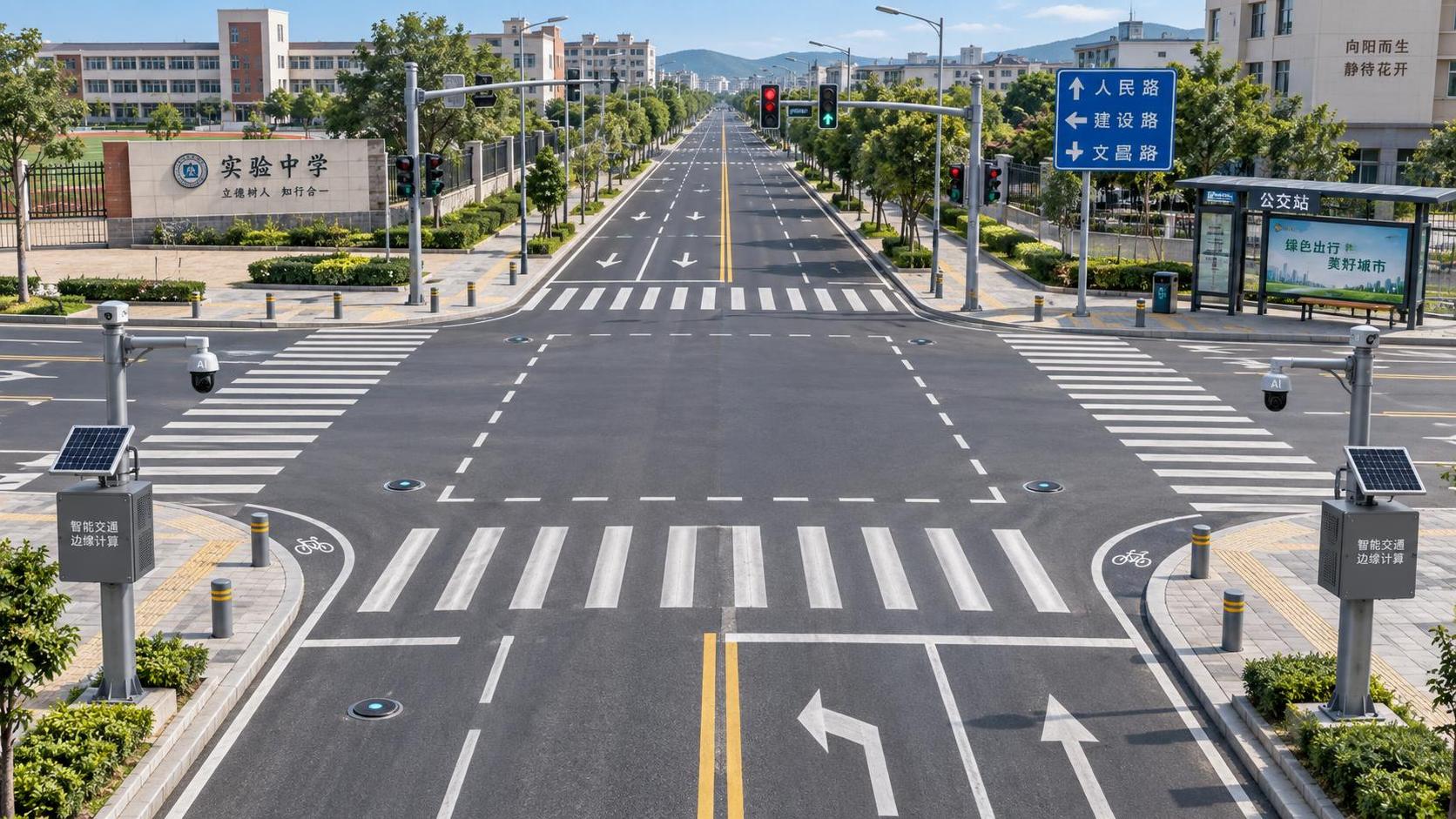
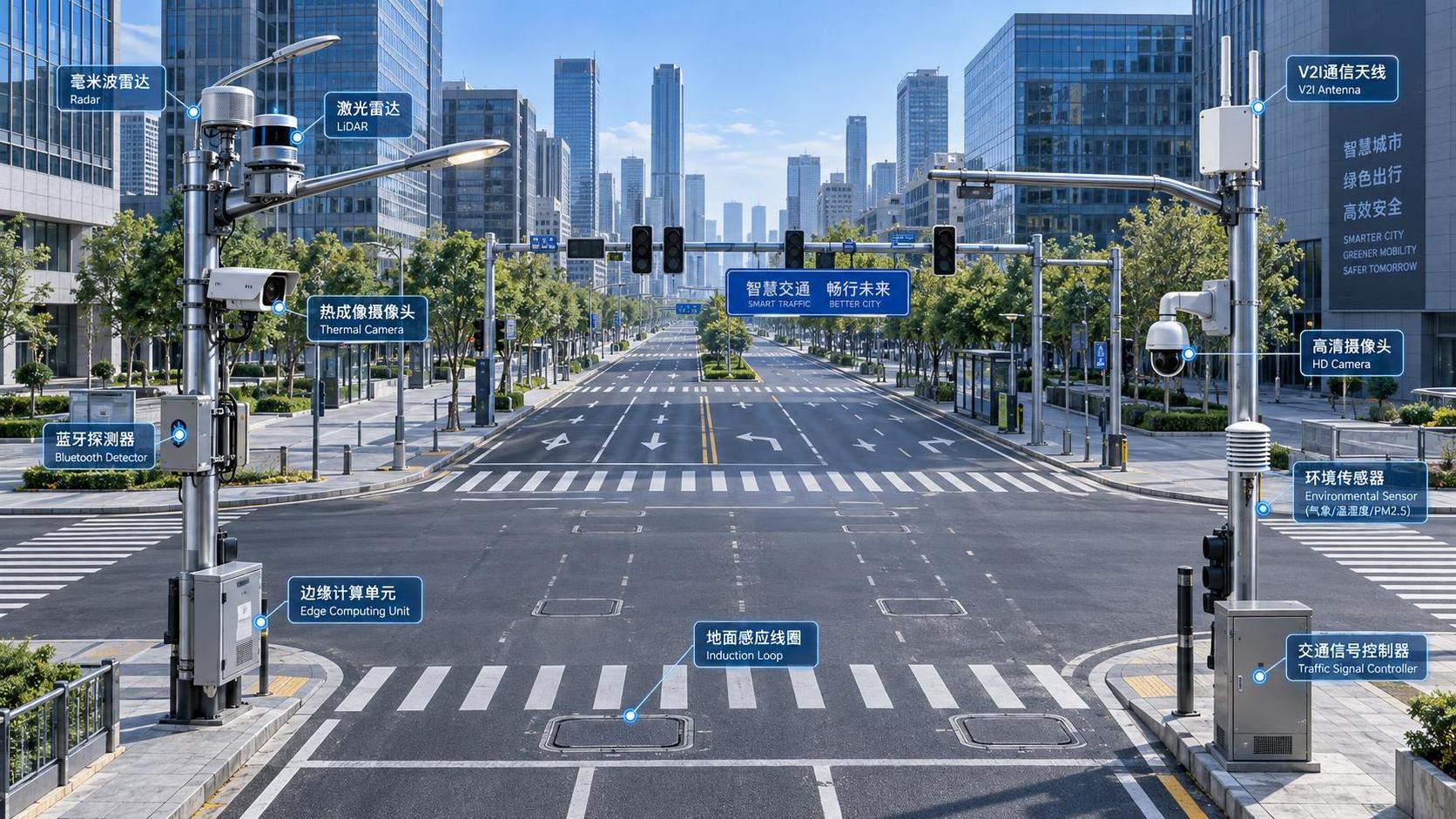
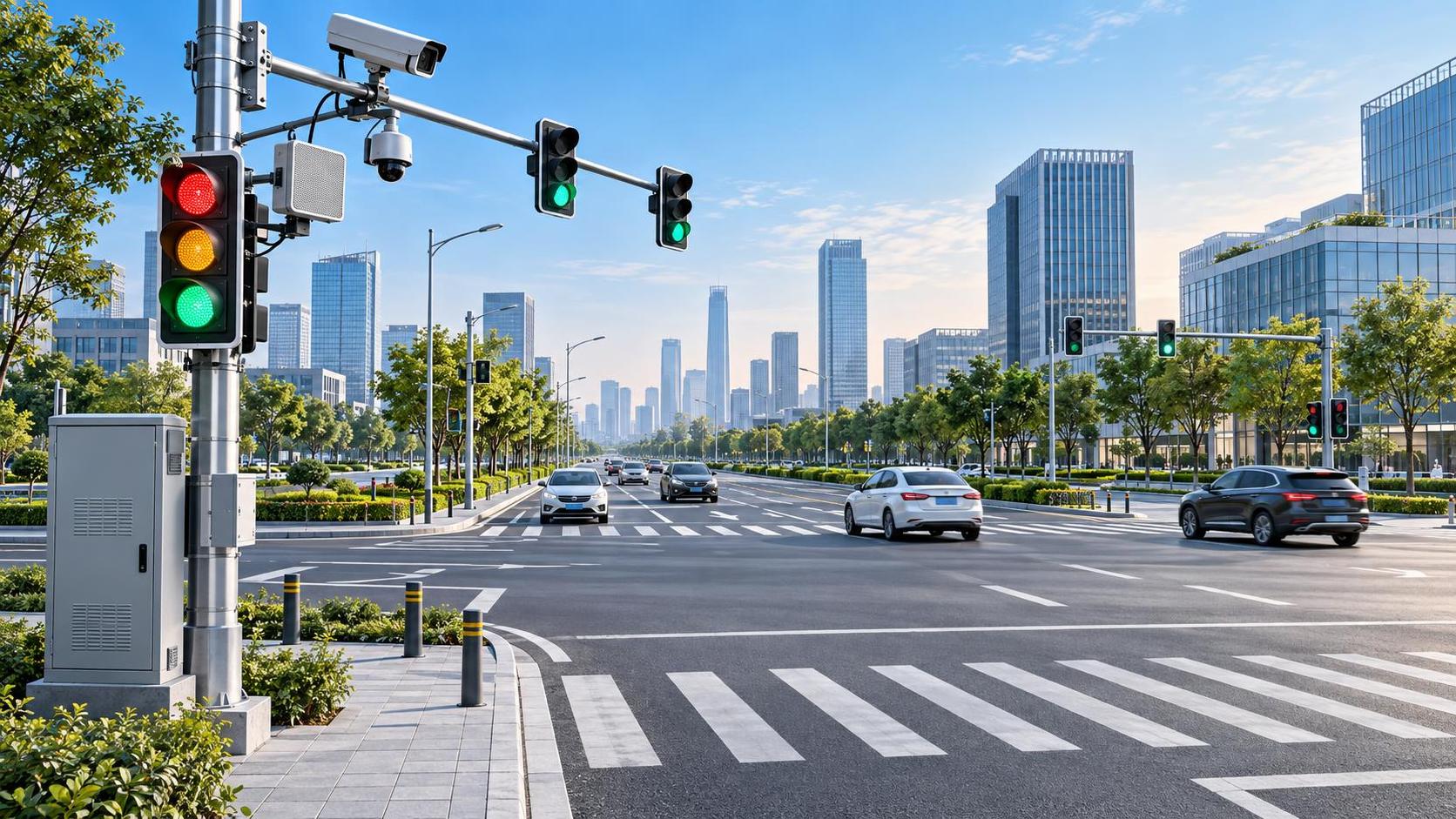
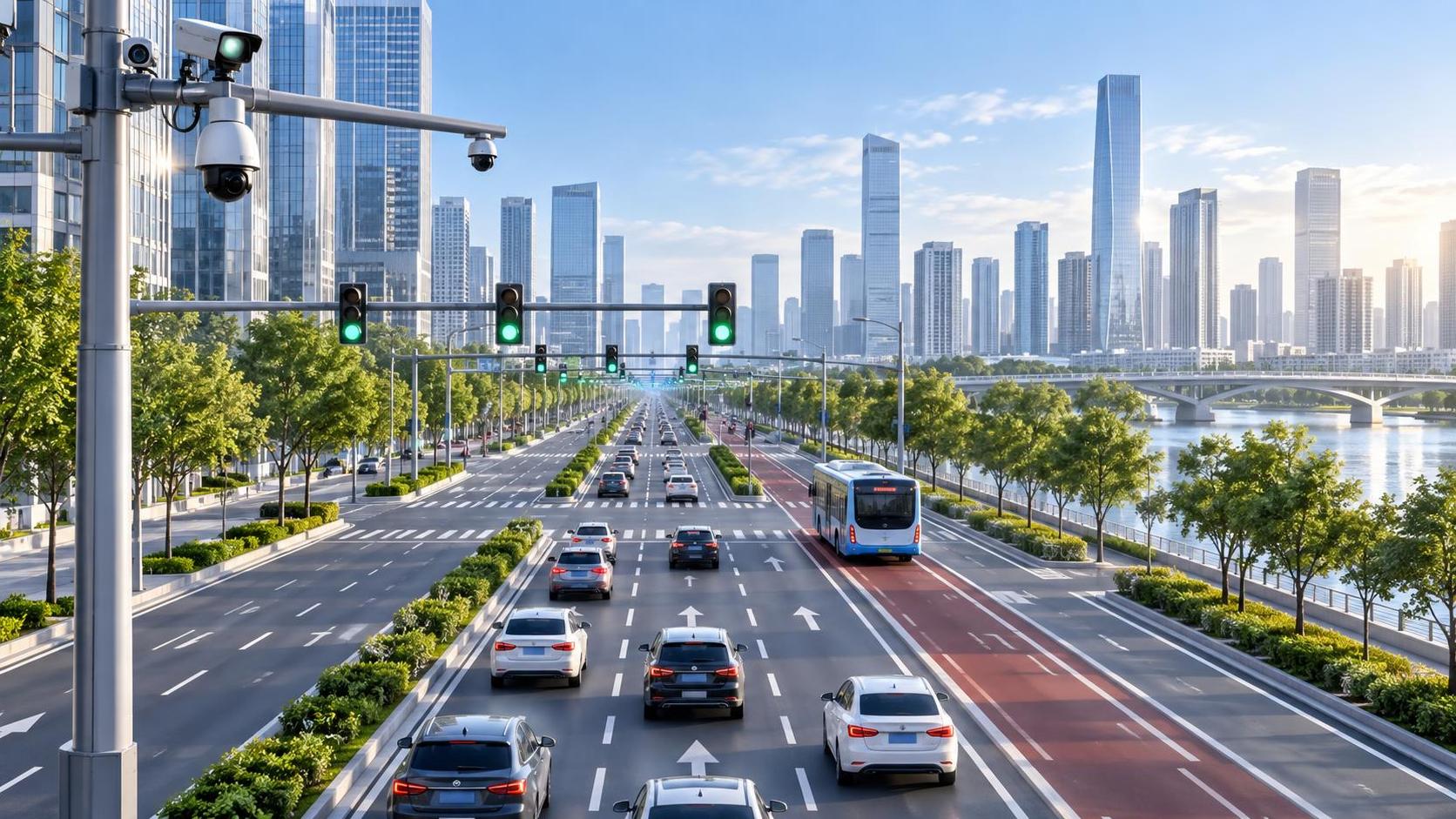
In metropolitan areas, logistics arteries are under dual pressure. Freight volumes keep rising, while cities demand lower emissions, safer streets, and tighter use of public space. Speed alone is no longer the only measure.
The critical judgment point is curb and node management. Warehouses outside the city may perform well, yet inner-city access rules, loading space conflicts, and fragmented delivery windows can still choke logistics arteries.
Urban bottlenecks also influence public systems. Waste collection, construction materials delivery, utility maintenance, and emergency fleet movement all rely on the same constrained urban circulation network.
Priority checks for urban logistics arteries
- Location of micro-fulfillment and consolidation hubs
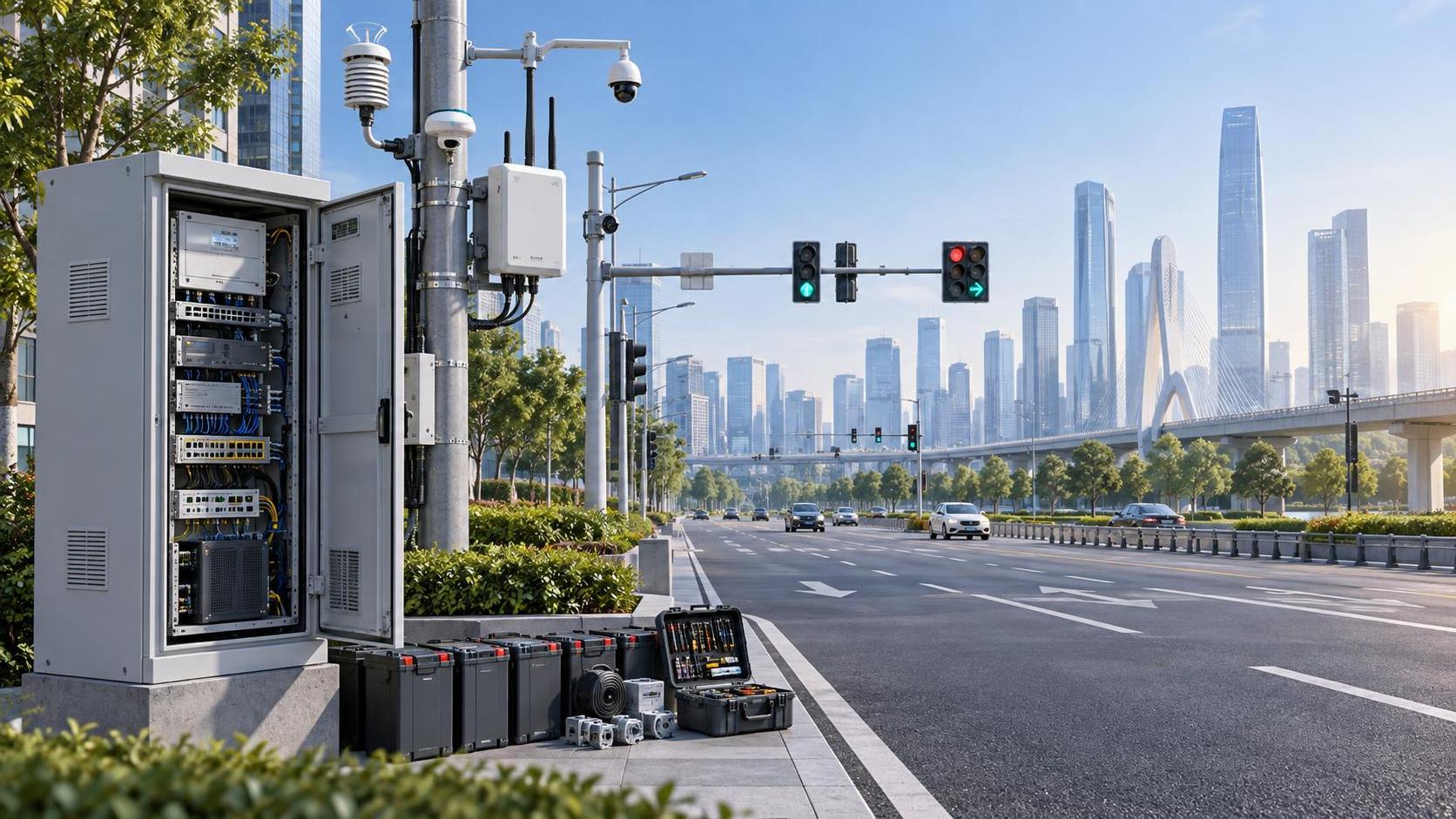
- Digital traffic control integration with freight routing
- Charging access for electric delivery fleets
- Time-based access rules for dense commercial zones
Scenario four: Resource and construction supply chains exposed to corridor fragility
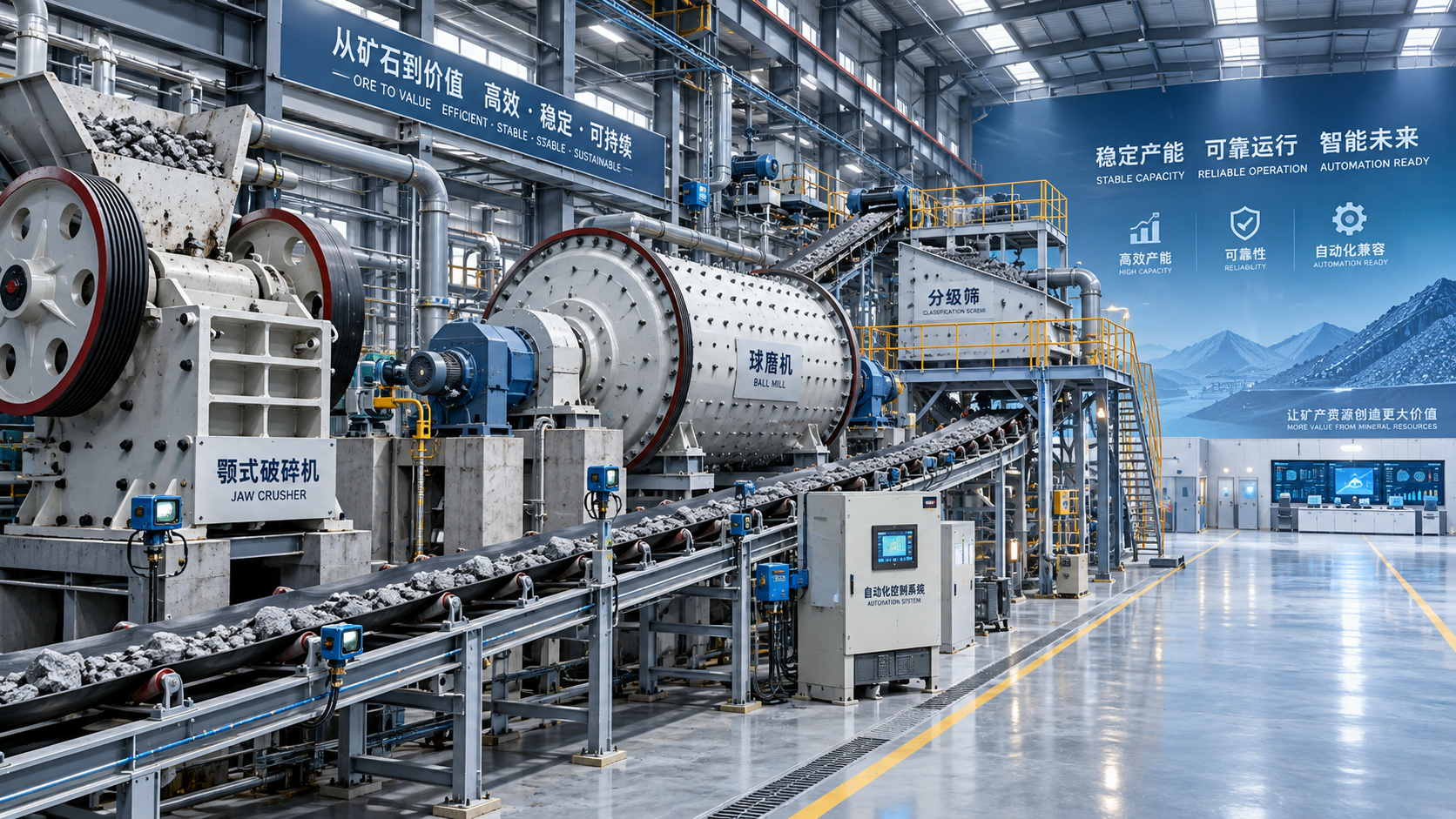
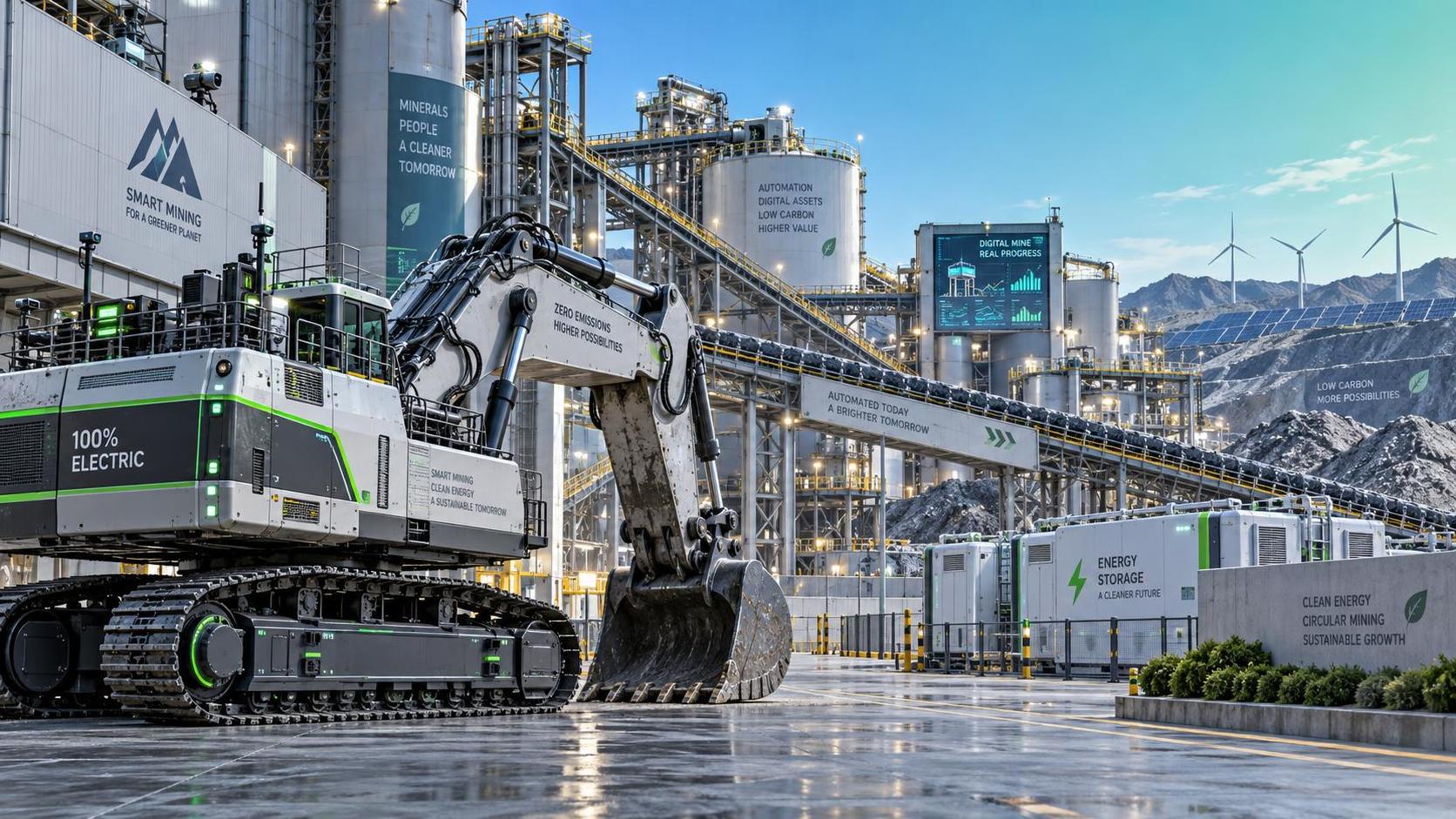
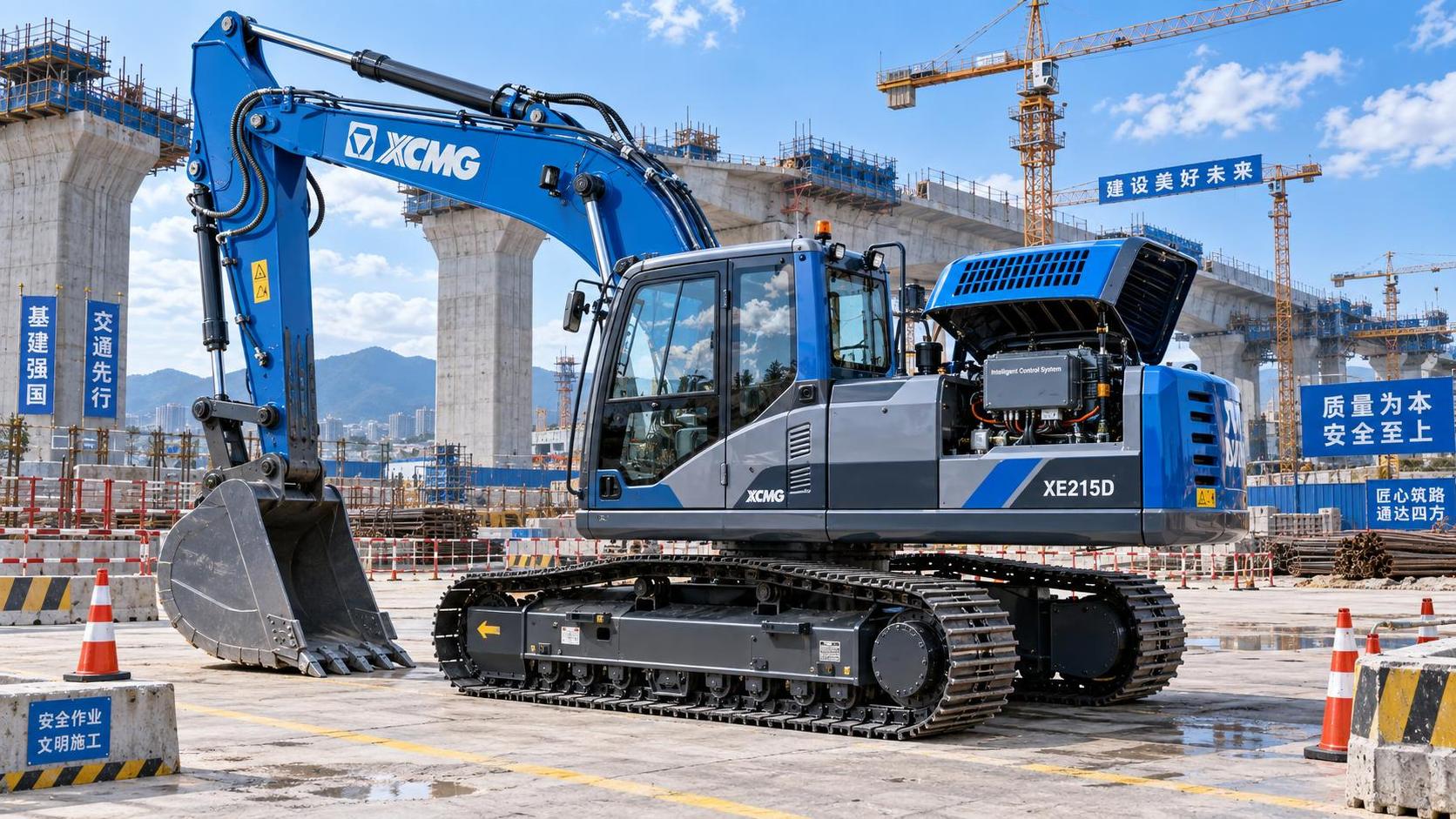
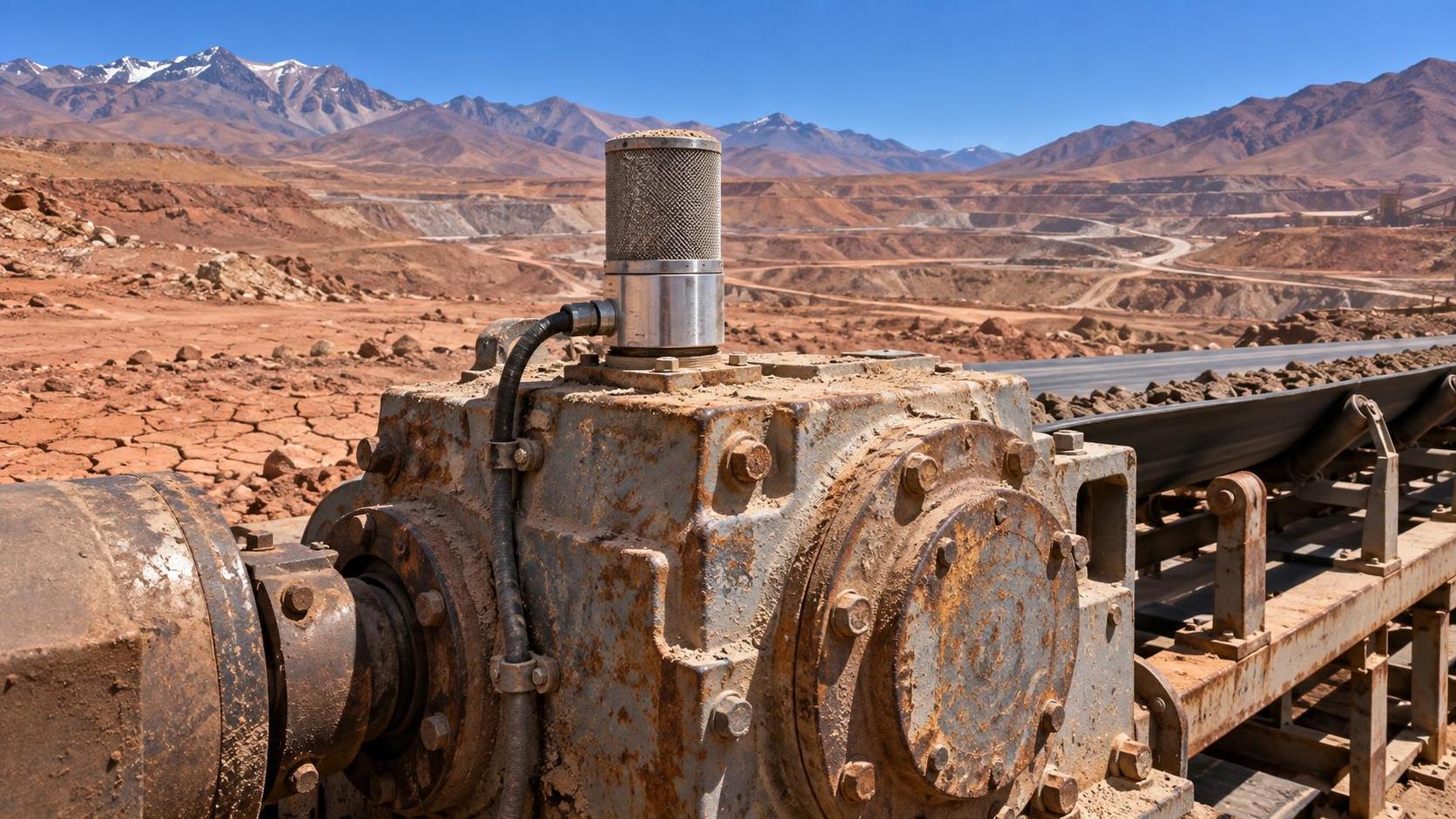
Heavy industry depends on durable logistics arteries because materials are bulky, low-margin, and timing-sensitive. Cement, aggregates, steel, equipment modules, and mined resources cannot absorb repeated transfer inefficiency.
The judgment point in this scenario is load continuity. If roads degrade seasonally, rail access is limited, or special transport permits are inconsistent, project timelines and export commitments quickly lose stability.
These pressures matter for smart infrastructure buildout. Data centers, renewable energy sites, transit systems, and prefabricated construction all require reliable heavy-movement corridors, not just digital planning tools.
How logistics arteries differ by scenario
Practical adaptation strategies for stressed logistics arteries
Improving logistics arteries requires more than adding lanes or building new warehouses. The most effective programs connect infrastructure upgrades with operational visibility, governance reform, and phased scenario testing.
- Map bottlenecks by corridor, node, and time window rather than by mode alone.
- Prioritize transfer efficiency at ports, depots, yards, and urban consolidation points.
- Use digital twins and real-time monitoring to test disruption response before failures occur.
- Align rail, road, customs, and city traffic data for one operational picture.
- Design redundancy where critical logistics arteries lack realistic alternatives.
- Embed carbon and resilience metrics into corridor investment decisions.
Frequent misjudgments that hide logistics arteries bottlenecks
One common mistake is focusing on peak asset capacity while ignoring consistency. Logistics arteries fail economically when service reliability erodes, even if average throughput appears acceptable.
Another error is treating digitalization as separate from physical planning. Better software cannot solve a missing siding, a weak bridge, or a constrained city gate, but it can reveal where investment matters most.
A third oversight is underestimating interdependence. Logistics arteries do not break only at major hubs. Small connectors, permit systems, maintenance practices, and cross-agency coordination often decide actual corridor resilience.
The next step: evaluate logistics arteries as integrated infrastructure systems
To respond effectively, start with scenario-based assessment. Identify whether rail corridors, port links, urban delivery zones, or heavy industry routes carry the highest compound risk. Then test the weak points at node level.
For organizations following infrastructure transformation, logistics arteries should be analyzed as the operational backbone of economic and urban intelligence. Stronger corridors support cleaner transport, smarter cities, and more reliable industrial growth.
GIUT continues to examine how logistics arteries evolve under digital control, multimodal integration, and sustainability pressure. The most resilient networks will be those that link physical capacity with intelligent governance, not those that expand blindly.
Get weekly intelligence in your inbox.
No noise. No sponsored content. Pure intelligence.
News Recommendations
 Sep 19, 2026How an electronics application guide helps prevent component mismatchHow an electronics application guide helps prevent component mismatch
 Sep 18, 2026When a resource allocation platform improves project deliveryWhen a resource allocation platform improves project delivery
 Sep 17, 2026What to compare when evaluating mineral processing equipment manufacturersWhat to compare when evaluating mineral processing equipment manufacturers
 Sep 16, 2026How mineral separation optimization can reduce concentrate lossesHow mineral separation optimization can reduce concentrate losses
 Sep 15, 2026How to assess lifecycle costs in urban tech procurementHow to assess lifecycle costs in urban tech procurement
 Sep 14, 2026Heavy industry technology trends reshaping capital investment prioritiesHeavy industry technology trends reshaping capital investment priorities
 Sep 14, 2026Global Industrial Equipment Procurement: How Top OEMs Qualify Suppliers for Mining & Infrastructure ProjectsGlobal Industrial Equipment Procurement: How Top OEMs Qualify Suppliers for Mining & Infrastructure Projects
 Sep 14, 2026Industrial & Mining Equipment Procurement: Balancing Local Sourcing, Lead Time, and Certification RequirementsIndustrial & Mining Equipment Procurement: Balancing Local Sourcing, Lead Time, and Certification Requirements
 Sep 14, 2026Infrastructure & Equipment Upgrades: What Procurement Teams Must Verify Before Signing Off on New ContractsInfrastructure & Equipment Upgrades: What Procurement Teams Must Verify Before Signing Off on New Contracts
 Sep 14, 2026Why Infrastructure Equipment Buyers Are Shifting from Catalog-Based to Capability-Based Supplier SelectionWhy Infrastructure Equipment Buyers Are Shifting from Catalog-Based to Capability-Based Supplier Selection
 Sep 14, 2026Process Automation Project Execution: How to Align Supplier Capabilities with PLC Integration, Cybersecurity & Commissioning MilestonesProcess Automation Project Execution: How to Align Supplier Capabilities with PLC Integration, Cybersecurity & Commissioning Milestones
 Sep 14, 2026Are intelligent traffic systems worth the investment for small cities?Are intelligent traffic systems worth the investment for small cities?
 Sep 14, 2026How do intelligent traffic systems handle sensor failures?How do intelligent traffic systems handle sensor failures?
 Sep 14, 2026What should I check before accepting a smart building system?What should I check before accepting a smart building system?
 Sep 14, 2026Is a smart building system worth the maintenance cost?Is a smart building system worth the maintenance cost?
 Sep 14, 2026What data is needed for reliable resource allocation planning?What data is needed for reliable resource allocation planning?
 Sep 14, 2026How can resource allocation software reduce equipment idle time?How can resource allocation software reduce equipment idle time?
 Sep 14, 2026How should smart devices be maintained in harsh outdoor conditions?How should smart devices be maintained in harsh outdoor conditions?
 Sep 14, 2026Do smart devices improve worker safety on construction sites?Do smart devices improve worker safety on construction sites?
 Sep 14, 2026What environmental risks must be assessed before deep-sea mining?What environmental risks must be assessed before deep-sea mining?
 Sep 14, 2026Is deep-sea mining equipment commercially viable in 2026?Is deep-sea mining equipment commercially viable in 2026?
 Sep 14, 2026What Inspection Checks Should Procurement Teams Perform Before Ordering Dredging Equipment in 2026?What Inspection Checks Should Procurement Teams Perform Before Ordering Dredging Equipment in 2026?
 Sep 13, 2026How to verify an industrial product information source before specifying equipmentHow to verify an industrial product information source before specifying equipment
 Sep 12, 2026Which intelligent traffic systems hardware fits an urban intersection?Which intelligent traffic systems hardware fits an urban intersection?
 Sep 11, 2026How pump capacity affects response coverage for municipal fire fighting vehiclesHow pump capacity affects response coverage for municipal fire fighting vehicles
 Sep 10, 2026What to verify before choosing a heavy industry equipment supplierWhat to verify before choosing a heavy industry equipment supplier
 Sep 09, 2026When do adaptive urban traffic control systems reduce corridor delays?When do adaptive urban traffic control systems reduce corridor delays?