Intelligent Upgrading: Costs, Gains, and Key Risks
Intelligent upgrading is no longer a future option but a strategic decision shaping competitiveness across infrastructure, heavy industry, and urban systems. For business decision-makers, understanding the real costs, measurable gains, and critical risks behind this transition is essential to balancing innovation with operational resilience, investment efficiency, and long-term sustainable growth.
Why intelligent upgrading has become a board-level issue
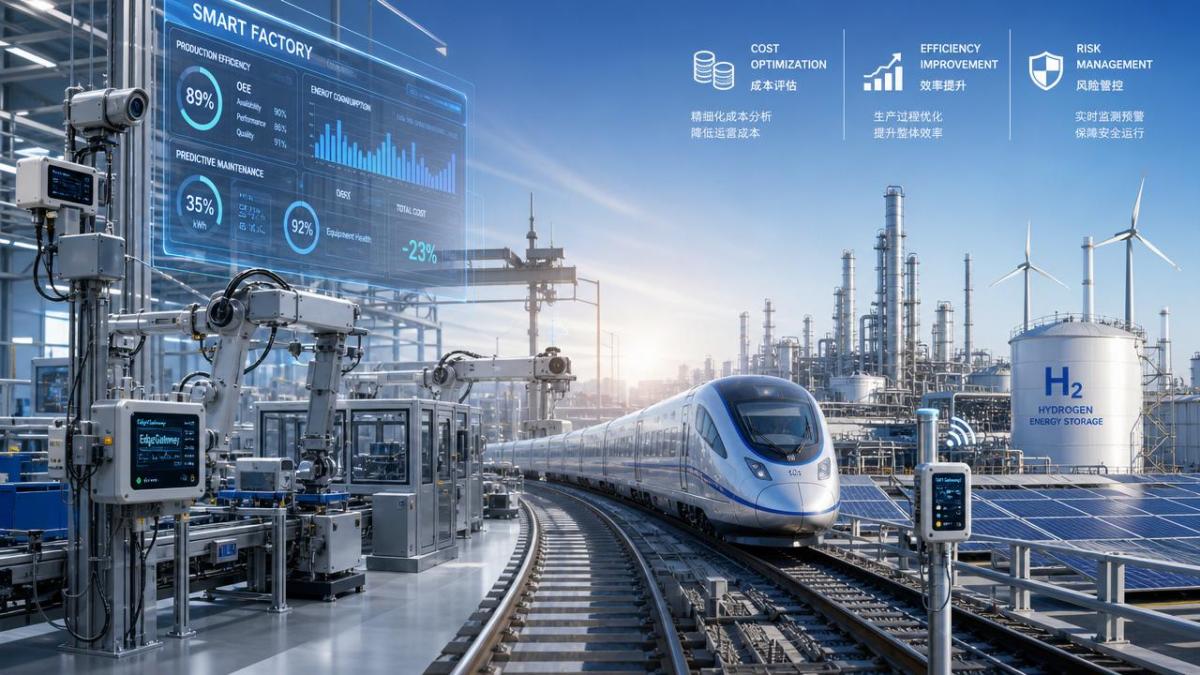
Across construction, mining, rail, municipal systems, and special-purpose equipment, intelligent upgrading now affects asset utilization, labor productivity, safety performance, energy consumption, and regulatory readiness. It is no longer limited to adding sensors or installing software.
For enterprise decision-makers, the real question is not whether digitization matters. The question is where to invest first, how to control integration risk, and how to turn fragmented technology purchases into durable operating value.
This is especially true in asset-heavy sectors where equipment life cycles are long, downtime is expensive, and implementation mistakes can disrupt safety, compliance, and project delivery. Intelligent upgrading must therefore be evaluated as an operational strategy, not a standalone IT project.
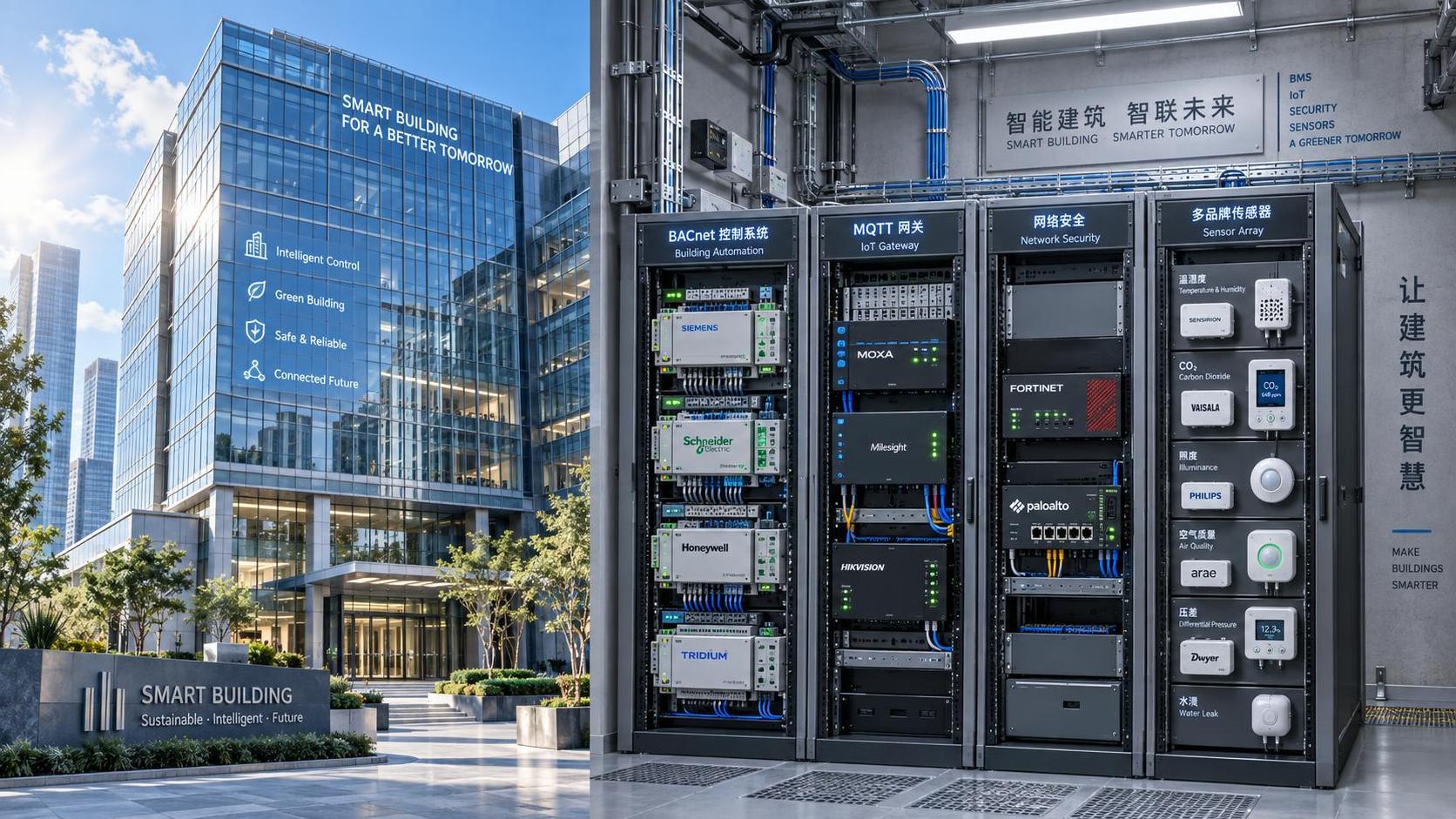
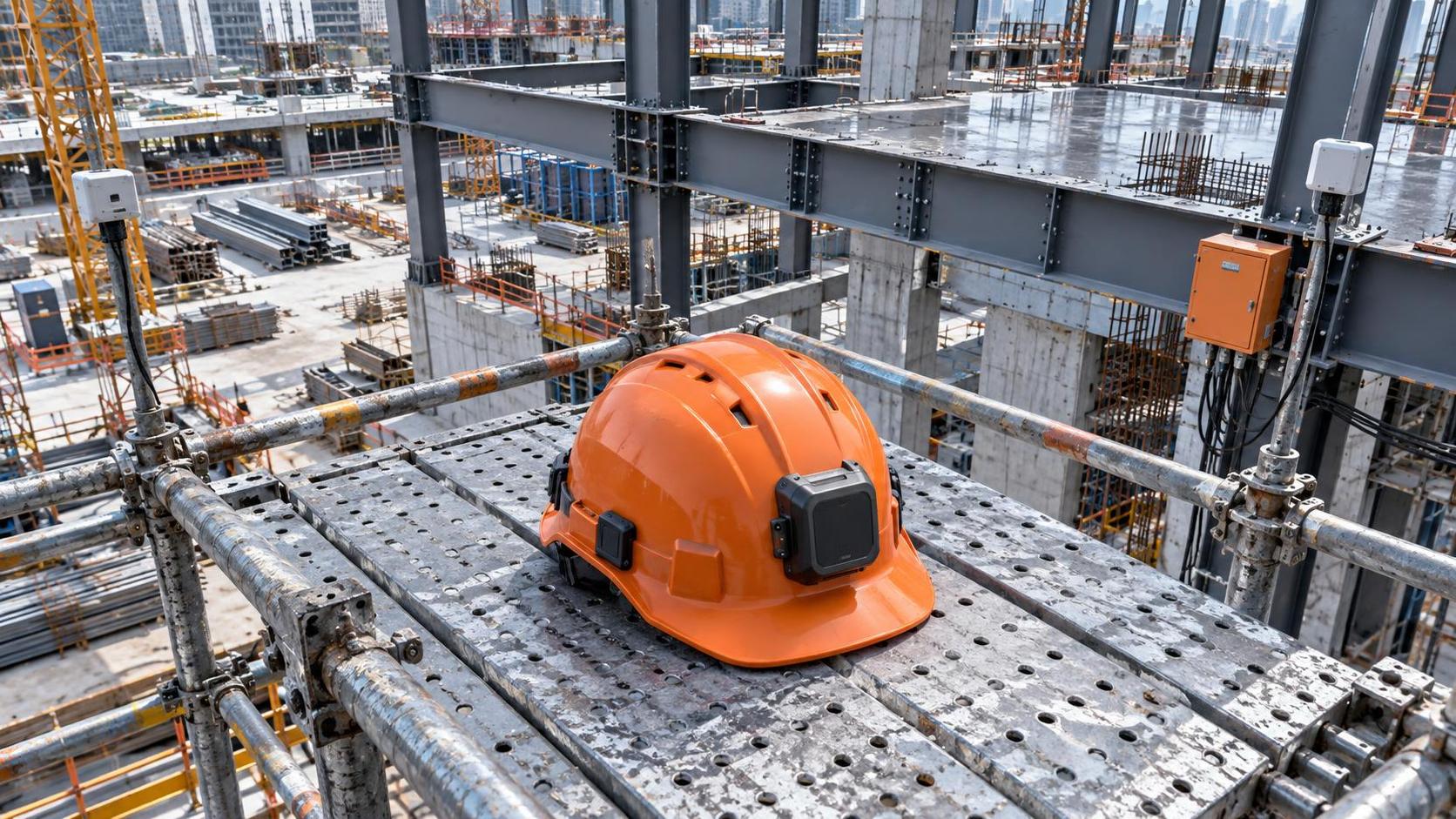
- In smart building and construction, decision-makers focus on connected jobsites, prefab coordination, quality traceability, and schedule control.
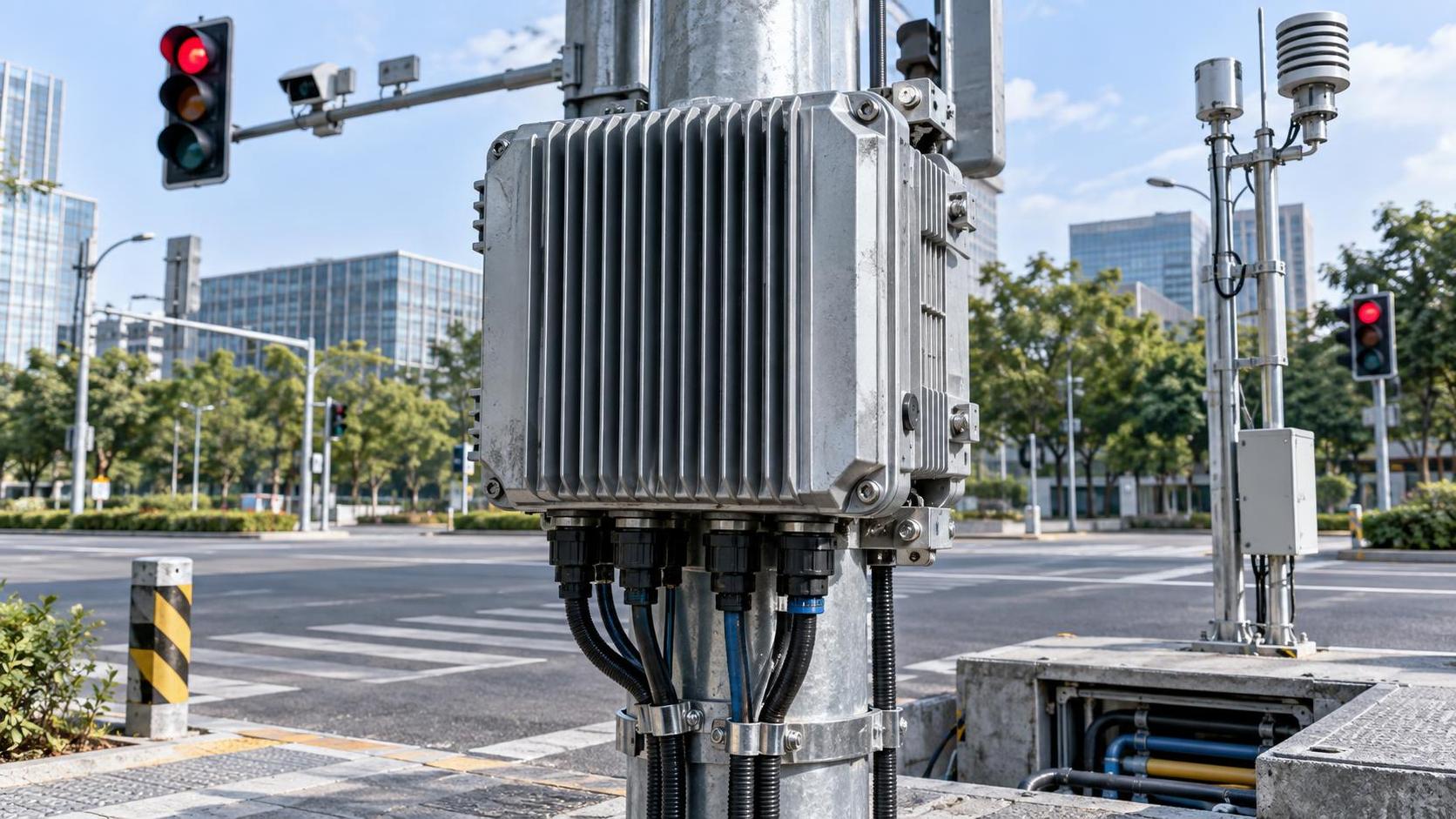
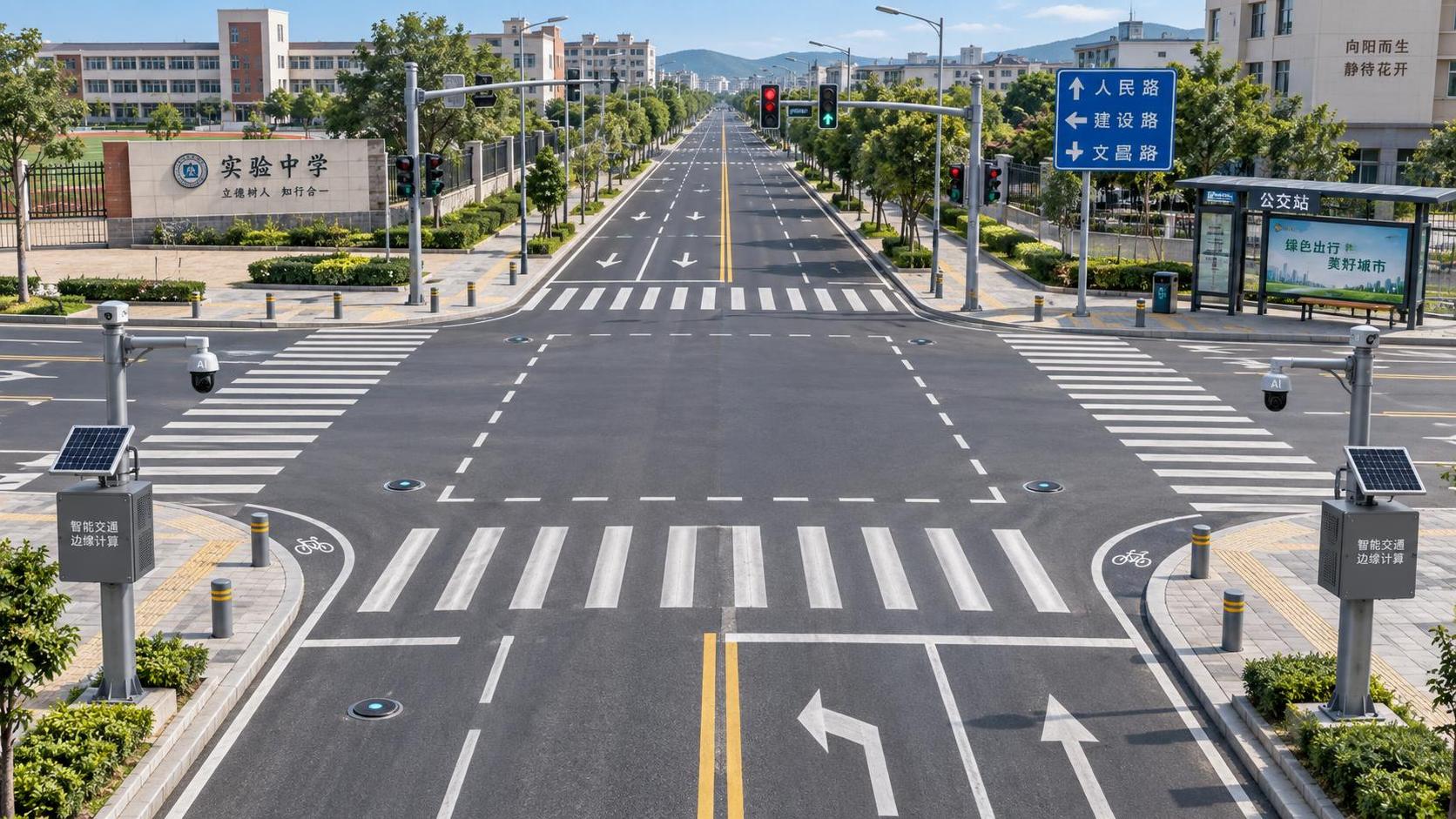
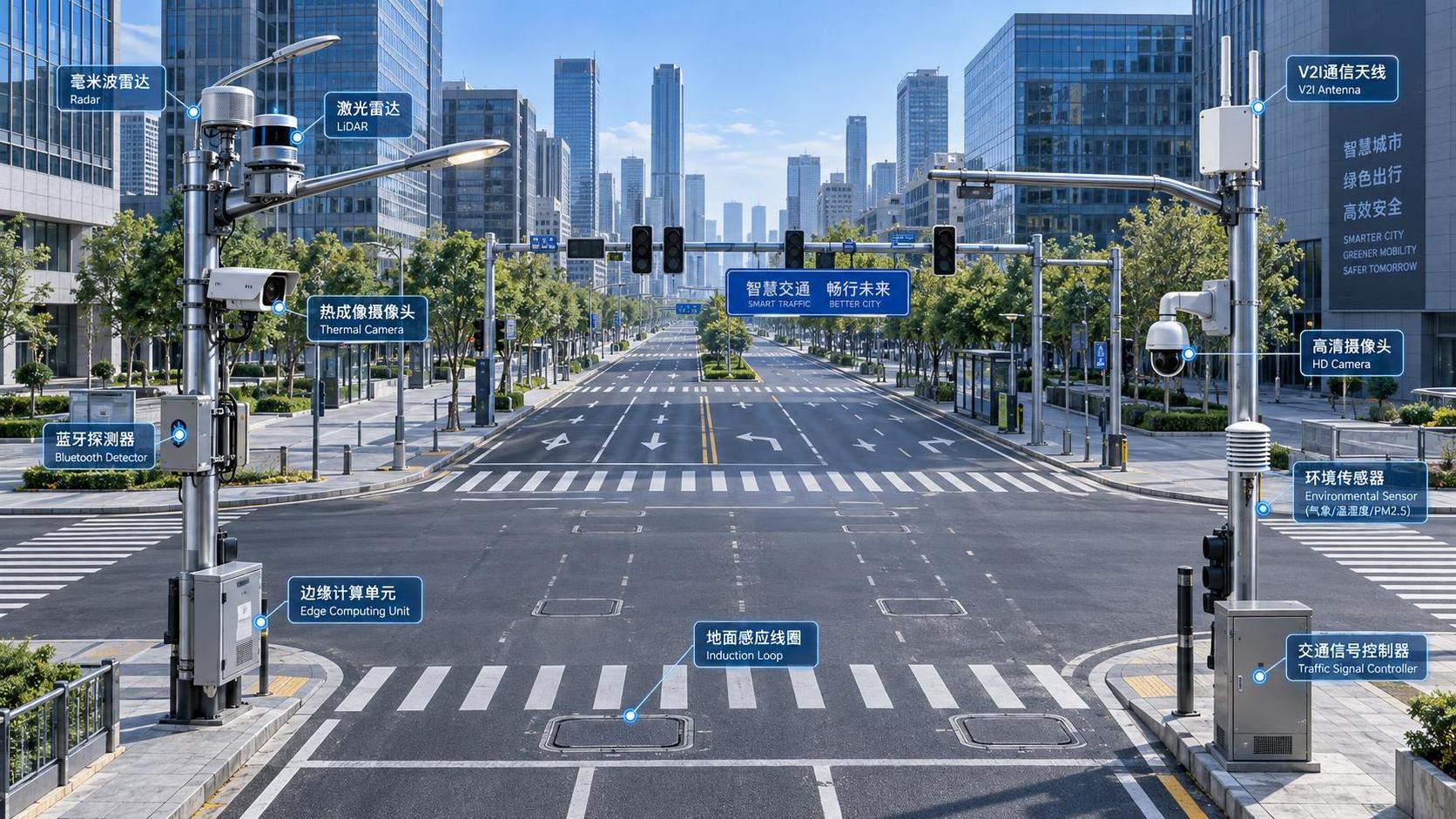
- In urban tech, the priority shifts to grid visibility, traffic optimization, waste automation, and public-service continuity.
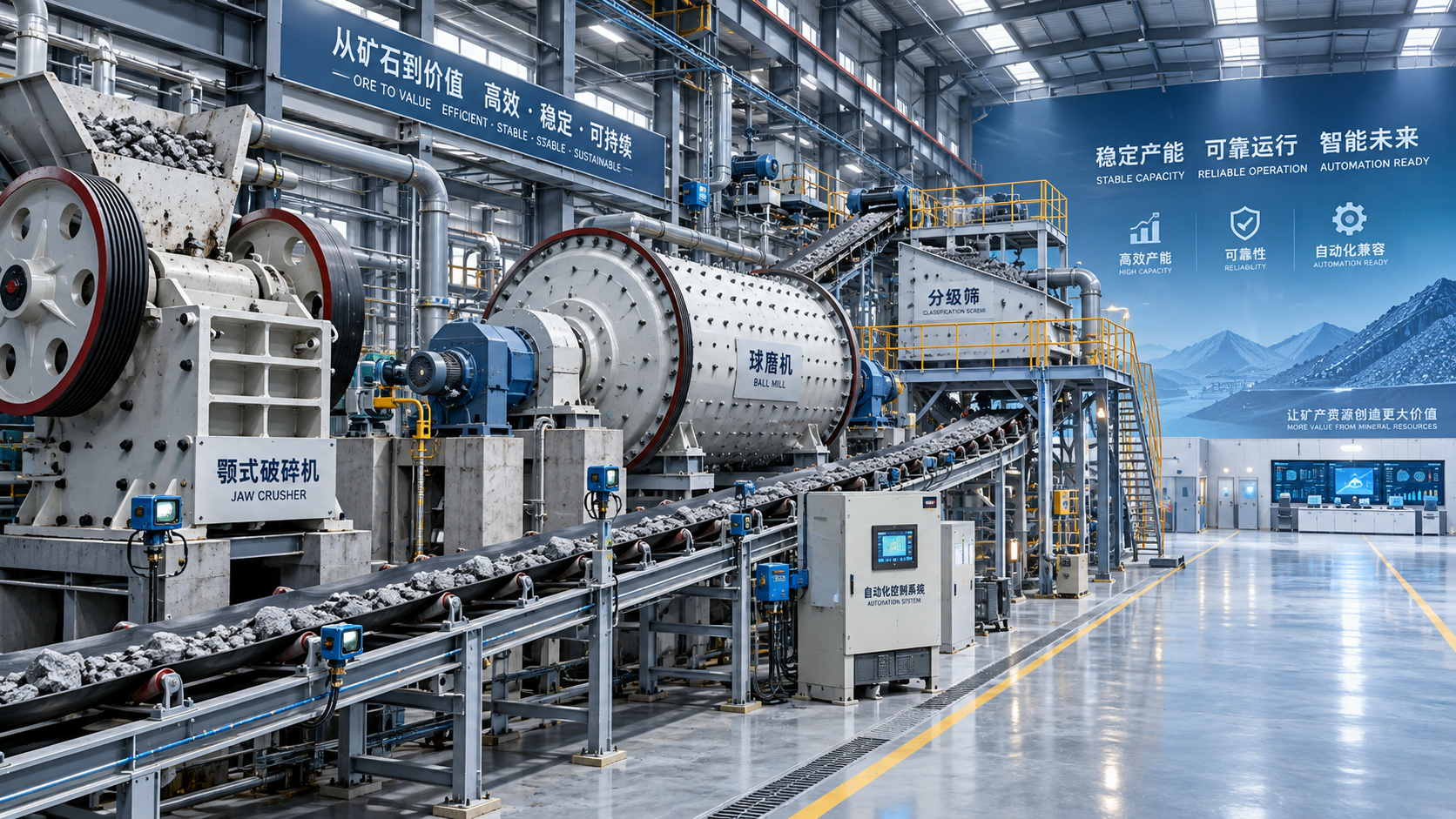
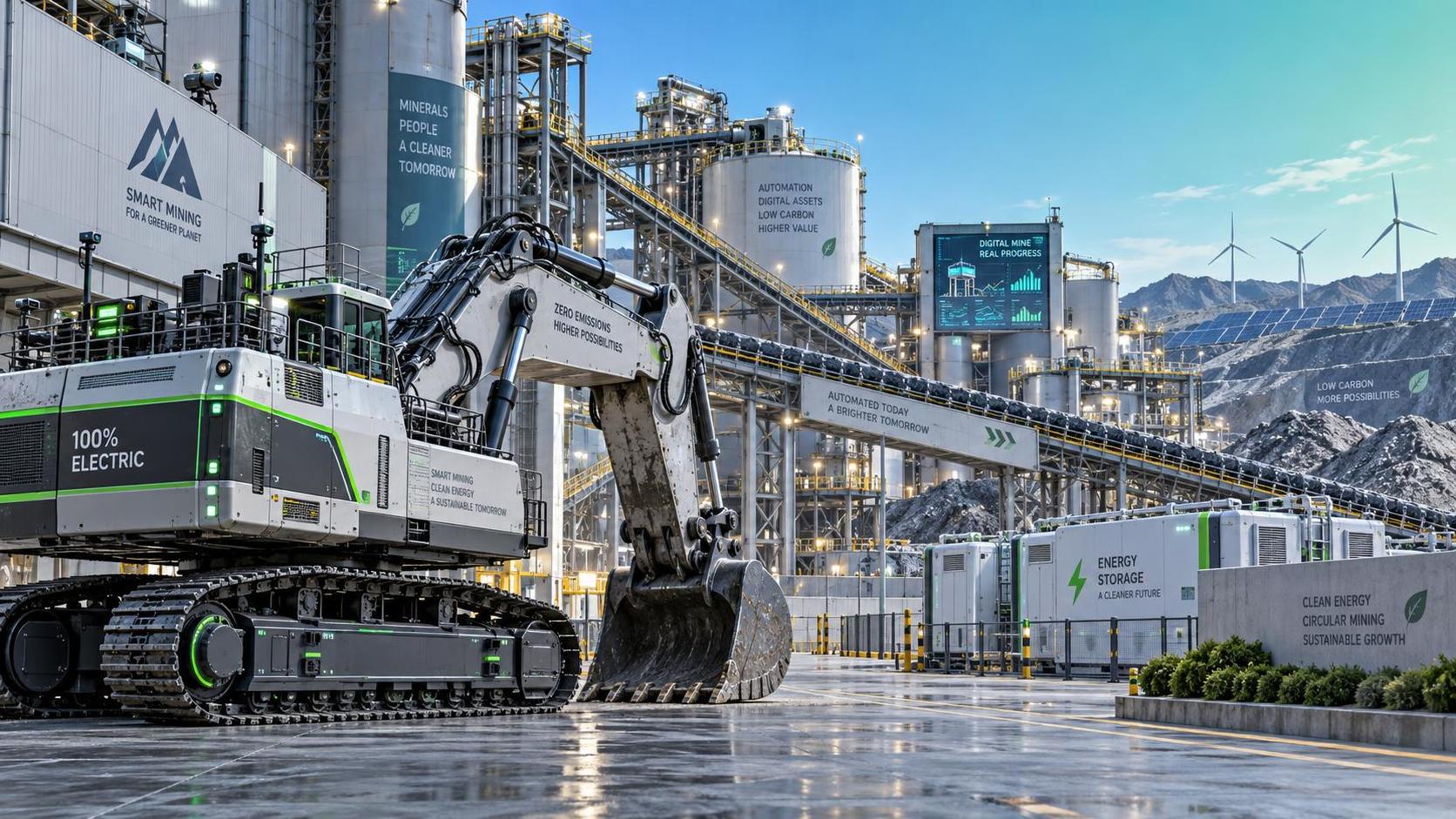
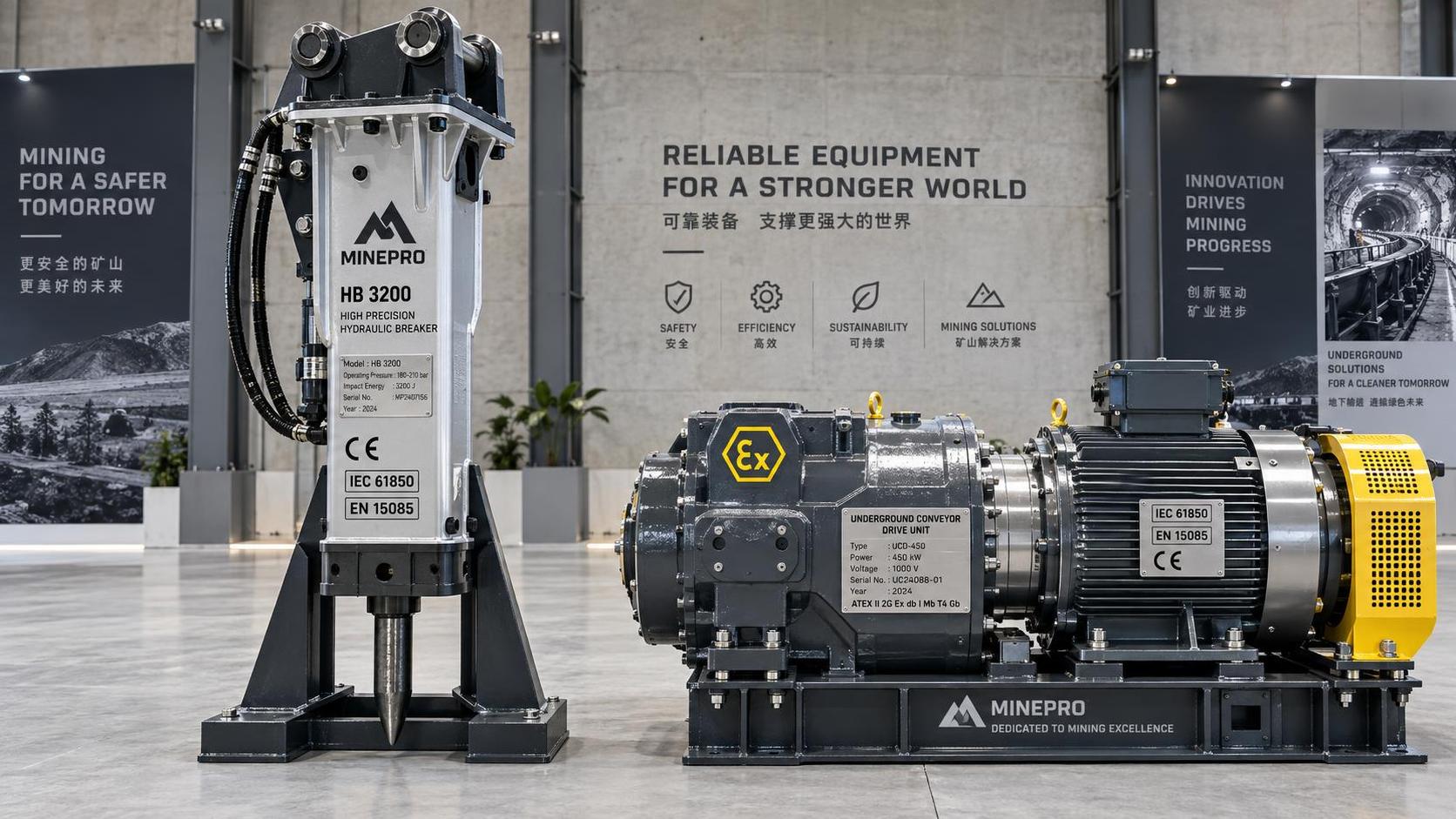
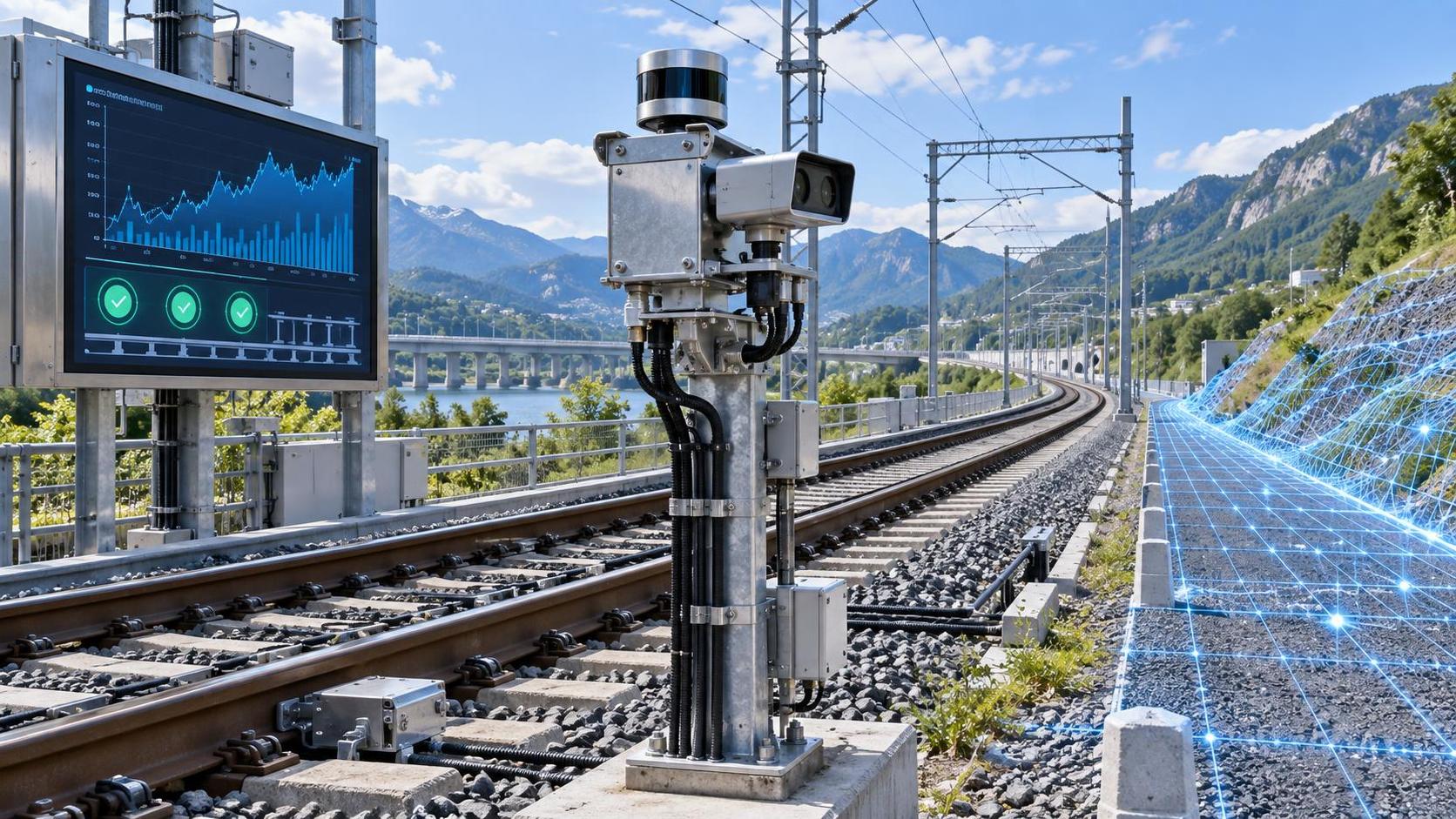
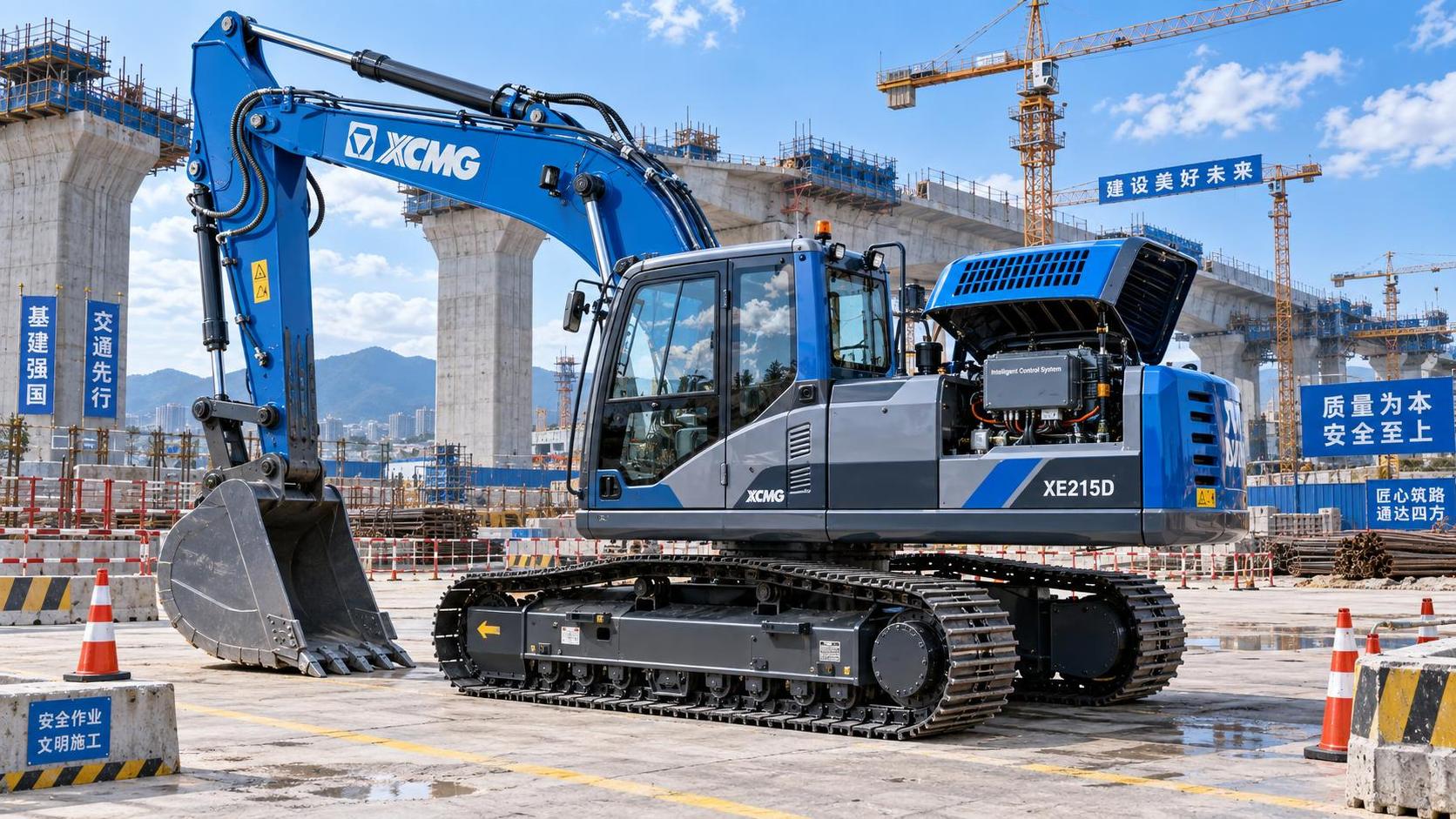
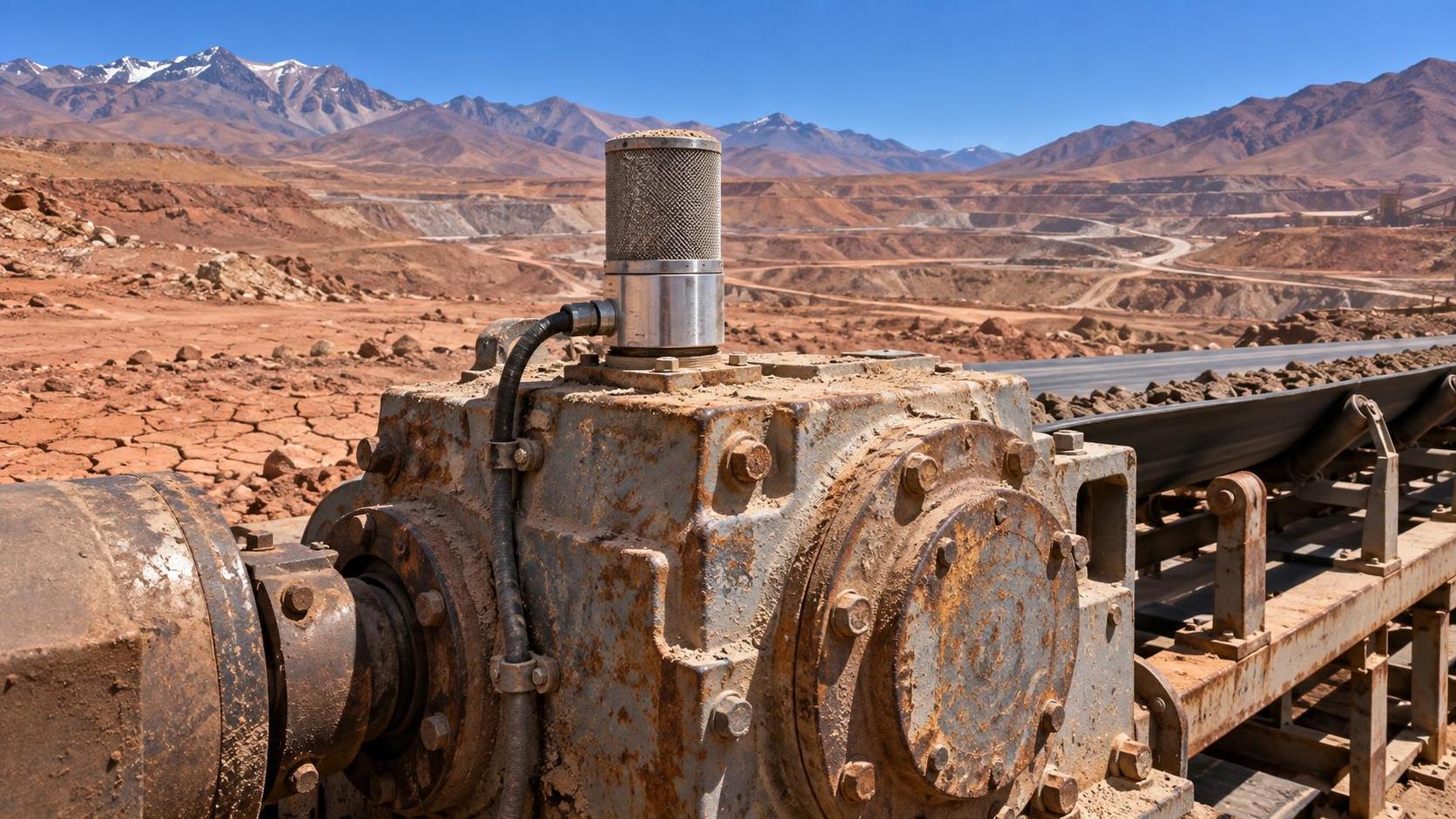
- In mining, railway, and heavy equipment, the business case often centers on predictive maintenance, safety monitoring, and reduced unplanned shutdowns.
GIUT approaches this shift from an engineering and governance perspective. Rather than treating infrastructure as isolated assets, it interprets physical systems through a digital twin logic that links data flow, equipment behavior, and management decisions across the full operating environment.
What does intelligent upgrading actually include?
In practical terms, intelligent upgrading combines sensing, connectivity, control systems, software platforms, analytics, and workflow redesign. The scope varies by sector, but the objective is similar: convert physical assets into more observable, controllable, and adaptive systems.
Core building blocks
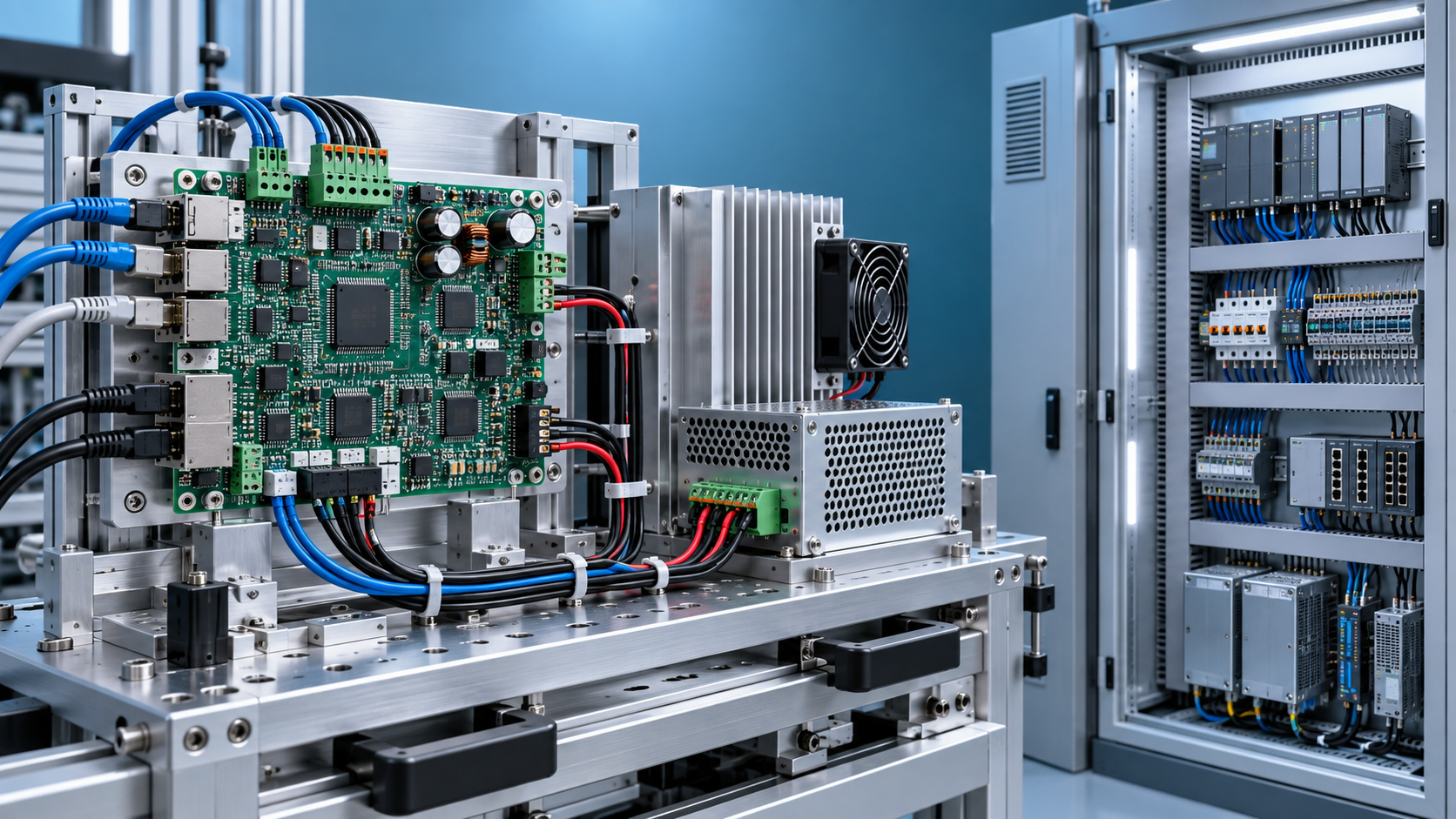
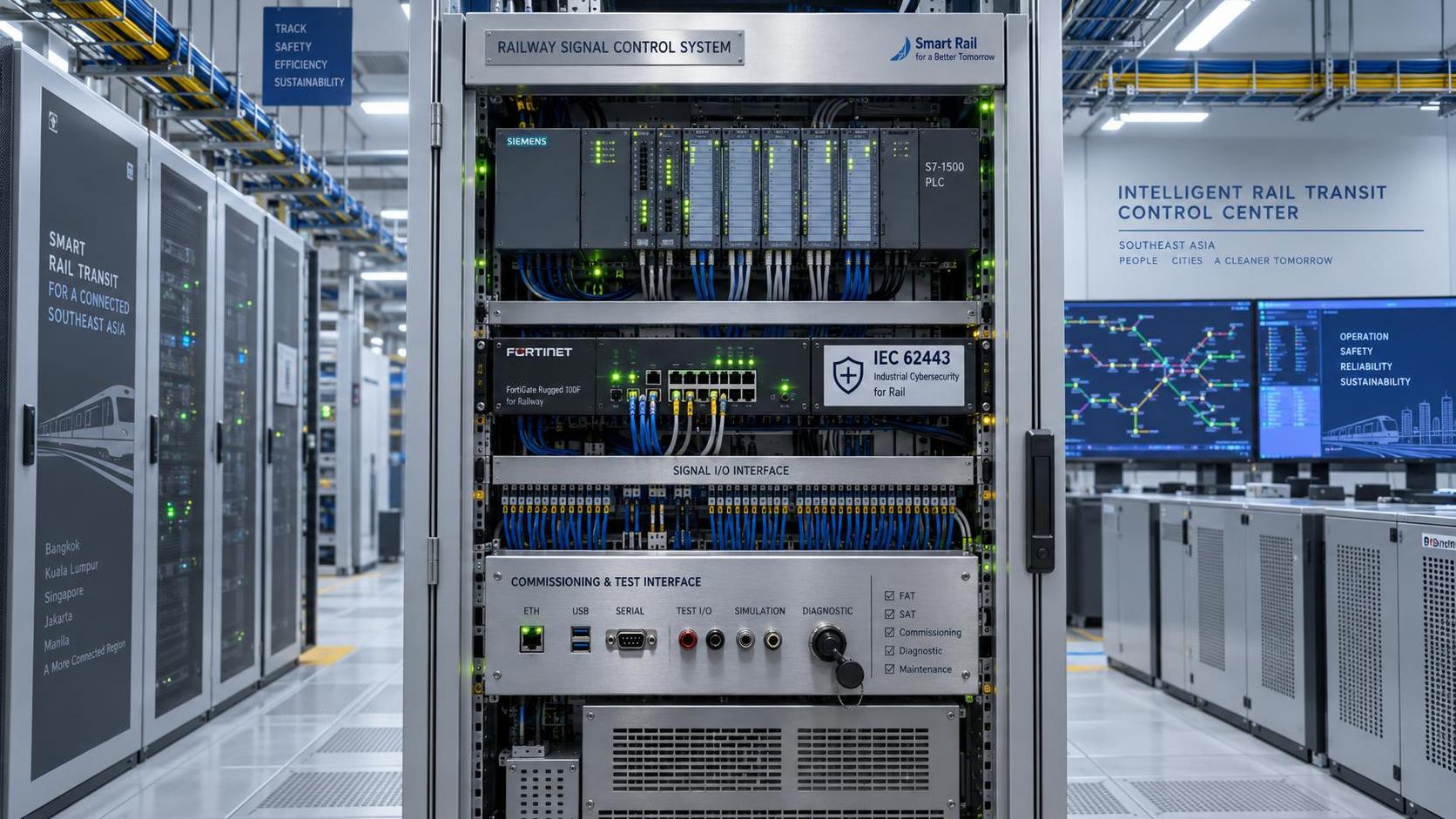
- Data acquisition from machines, structures, vehicles, and field environments through PLCs, IoT devices, cameras, and industrial sensors.
- Communication architecture using industrial Ethernet, wireless networks, edge gateways, or hybrid connectivity for remote and harsh sites.
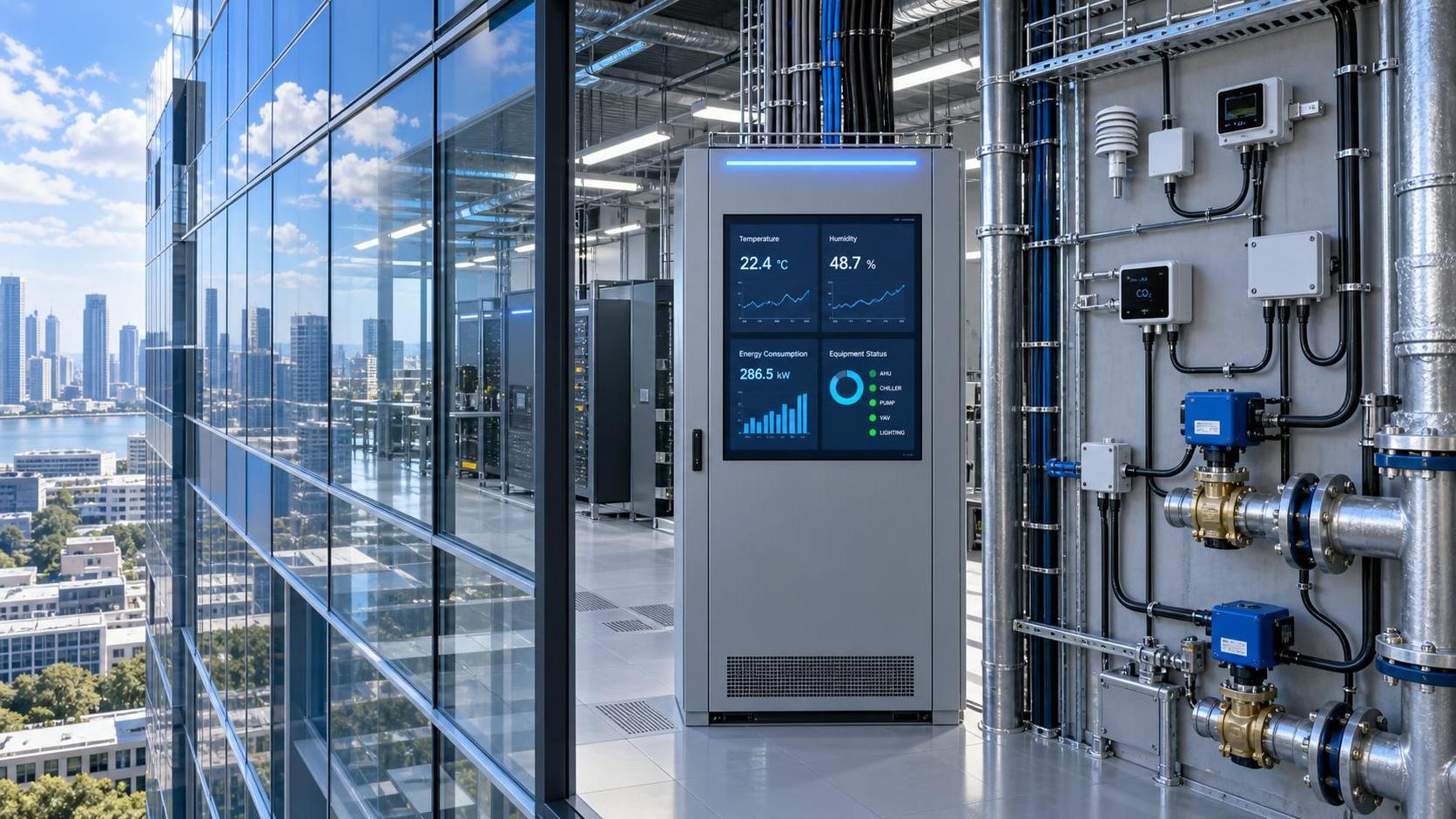
- Operational software such as SCADA, fleet management, building management systems, maintenance platforms, and analytics dashboards.
- Decision automation, including alarms, predictive models, dispatch logic, energy optimization, and workflow integration with ERP or asset management systems.
A mature intelligent upgrading program also includes governance rules. Data standards, access control, cybersecurity baselines, operator training, and maintenance responsibilities determine whether a solution scales or remains a pilot with limited business impact.
Where do costs really come from?
Many executives underestimate cost because they focus only on hardware. In reality, intelligent upgrading costs are distributed across engineering design, legacy integration, software licensing, communications, commissioning, change management, and lifecycle support.
The table below helps decision-makers evaluate intelligent upgrading cost categories before budgeting or comparing vendors.
A disciplined budget should distinguish capital expense from recurring operational expense. This matters for board approval, especially when cloud services, cybersecurity monitoring, or software maintenance will continue after commissioning.
Hidden cost drivers
- Legacy asset diversity. Older fleets and mixed-vendor environments require more adaptation than standardized new builds.
- Site complexity. Underground mining, tunnel rail systems, high-rise construction, and municipal networks often increase installation and maintenance cost.
- Data quality remediation. Poor naming conventions, fragmented records, and inconsistent maintenance logs reduce the value of analytics.
- Cross-department alignment. If operations, IT, engineering, and procurement are not aligned, approval cycles and change requests expand total project cost.
Which gains are measurable and worth paying for?
The strongest business case for intelligent upgrading comes from measurable gains, not abstract innovation language. Executives should prioritize benefits that can be tracked through baseline metrics and reviewed within operating cycles.
The following comparison table shows how intelligent upgrading creates value across major infrastructure-related sectors.
The most credible ROI models usually combine direct savings and risk avoidance. Direct savings may include lower fuel use, reduced labor duplication, or fewer emergency repairs. Risk avoidance may include fewer safety incidents, less unplanned shutdown time, and stronger compliance readiness.
Metrics that matter to executives
- Mean time between failure and mean time to repair for critical assets.
- Fleet or equipment utilization rate before and after intelligent upgrading.
- Energy intensity per building, route, process line, or operating hour.
- Incident response time and the percentage of alarms that lead to actionable interventions.
- Planned versus unplanned maintenance ratio over a full operating cycle.
What risks do many companies underestimate?
The biggest failure in intelligent upgrading is not always technical. It is often strategic misalignment: buying advanced systems without clear operational priorities, data ownership rules, or integration planning. That creates expensive islands of automation.
Five critical risks
- Interoperability risk. Mixed protocols, old controllers, and proprietary formats can block unified visibility across sites and fleets.
- Cybersecurity risk. Connected industrial assets expand the attack surface and require segmentation, identity control, patch management, and incident response planning.
- Operational disruption risk. Poorly timed retrofits can interrupt production, transport schedules, municipal services, or project delivery milestones.
- Vendor lock-in risk. A platform that cannot export data or integrate with future systems may limit scaling and increase long-term ownership cost.
- Change management risk. If supervisors, operators, and maintenance teams do not trust the system, intelligent upgrading will produce dashboards instead of decisions.
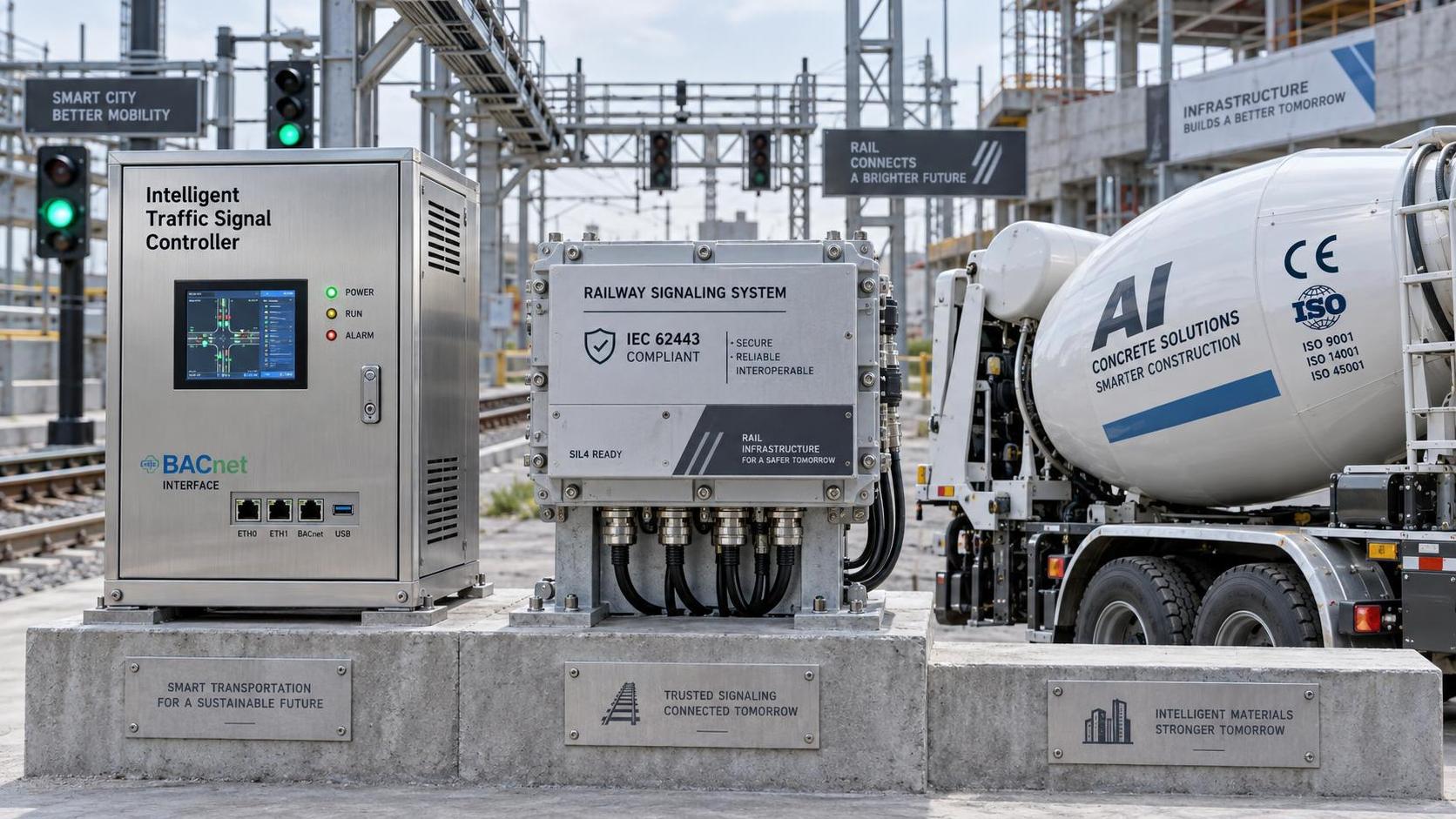
In infrastructure and heavy industry, risk analysis should be tied to asset criticality. A smart lighting retrofit and a rail signaling interface do not carry the same operational consequences. Decision-makers should classify assets by service impact, safety impact, and replacement complexity before rollout.
How should decision-makers compare upgrading paths?
Not every enterprise needs the same intelligent upgrading path. The best choice depends on asset age, budget constraints, digital maturity, and the urgency of performance problems. A phased model is often more resilient than a single large transformation program.
Three common approaches
For most organizations, hybrid intelligent upgrading delivers the strongest balance of speed and control. It allows immediate improvements on critical bottlenecks while preserving flexibility for future expansion or standardization.
What should be checked before procurement and implementation?
A successful procurement process starts with operational diagnosis, not catalog comparison. Before requesting quotations, decision-makers should define what problem the upgrade must solve and which indicators will validate success.
Procurement checklist for intelligent upgrading
- Map critical assets and workflows. Identify which machines, lines, routes, buildings, or municipal nodes have the highest downtime, safety, or energy impact.
- Audit legacy systems. Confirm protocols, control architecture, power supply constraints, and available data points before committing to any platform.
- Define interface requirements. Clarify whether the solution must connect to ERP, CMMS, BIM, dispatch systems, GIS, or existing control centers.
- Set lifecycle expectations. Include service support, spare parts planning, software updates, backup logic, and training obligations in the evaluation.
- Review compliance needs. Depending on sector, functional safety, electrical standards, data protection, and industrial cybersecurity may all be relevant.
Where possible, ask suppliers or advisors to present a phased deployment roadmap. In complex sectors such as mining, rail, or smart municipal infrastructure, staged implementation reduces disruption and creates earlier evidence for executive review.
Which standards and compliance issues should not be ignored?
Intelligent upgrading often crosses engineering, data, and safety domains. That means procurement and implementation teams should consider common standards rather than treating the project as a pure automation purchase.
- Industrial communication and automation architectures should align with recognized interoperability practices and maintainability requirements.
- Cybersecurity controls should reflect common industrial control system guidance, especially for remote access, network segmentation, and account management.
- Electrical safety, EMC compatibility, and environmental suitability remain important when devices are installed in harsh outdoor or mobile environments.
- For buildings and urban systems, energy performance, monitoring transparency, and public service continuity may influence design and approval decisions.
Compliance should be reviewed early because late-stage remediation is expensive. In practice, many project delays come not from software development but from approvals, interface testing, safety documentation, and field acceptance requirements.
FAQ: practical questions executives ask about intelligent upgrading
How do we know whether intelligent upgrading is financially justified?
Start with one operating pain point that already has measurable cost, such as equipment downtime, high energy spend, route inefficiency, or repeated manual inspection. If the baseline loss is visible, the return from intelligent upgrading can be modeled more credibly and tracked after launch.
Is intelligent upgrading suitable for old infrastructure or legacy equipment?
Yes, but suitability depends on control compatibility, remaining asset life, maintenance history, and safety implications. Some older systems respond well to retrofit monitoring and edge connectivity. Others are better replaced selectively if failure risk or integration cost is too high.
What is the most common procurement mistake?
Choosing by feature count instead of operational fit. A richer dashboard does not guarantee value if field data is unreliable, interfaces are missing, or users are not trained. Procurement should test architecture fit, serviceability, and data usability before expanding the scope.
How long does implementation usually take?
There is no universal timeline because site conditions, retrofit complexity, and approval requirements vary widely. However, phased intelligent upgrading usually moves faster than full replacement because it focuses first on high-impact assets and limits operational interruption.
Why work with a sector-focused intelligence partner?
Intelligent upgrading decisions become stronger when technical options are interpreted in the context of infrastructure reality. GIUT connects engineering data, smart city logic, heavy equipment insight, and sector-specific operating scenarios to help enterprises make decisions that are strategic, not fragmented.
This matters when comparing upgrade paths across construction, urban tech, mining, railway systems, and special-purpose vehicles. The right answer is rarely a generic digital package. It is a tailored roadmap that reflects asset criticality, delivery pressure, compliance exposure, and long-term sustainability goals.
What you can consult with us
- Parameter confirmation for monitoring architecture, retrofit feasibility, and data acquisition scope.
- Solution selection for smart infrastructure, heavy equipment intelligence, and phased deployment planning.
- Delivery cycle evaluation based on site conditions, integration difficulty, and commissioning sequence.
- Customized roadmap design covering cost structure, operational priorities, and future scaling requirements.
- Compliance discussion related to industrial environments, municipal systems, safety expectations, and data governance.
- Quote communication support to compare options on lifecycle value rather than upfront price alone.
If your organization is evaluating intelligent upgrading, the next practical step is to define the operating target, the asset scope, and the acceptable risk boundary. With that foundation, it becomes far easier to judge cost, forecast gains, and avoid the hidden failures that undermine transformation programs.
Get weekly intelligence in your inbox.
No noise. No sponsored content. Pure intelligence.
News Recommendations
 Sep 19, 2026How an electronics application guide helps prevent component mismatchHow an electronics application guide helps prevent component mismatch
 Sep 18, 2026When a resource allocation platform improves project deliveryWhen a resource allocation platform improves project delivery
 Sep 17, 2026What to compare when evaluating mineral processing equipment manufacturersWhat to compare when evaluating mineral processing equipment manufacturers
 Sep 16, 2026How mineral separation optimization can reduce concentrate lossesHow mineral separation optimization can reduce concentrate losses
 Sep 15, 2026How to assess lifecycle costs in urban tech procurementHow to assess lifecycle costs in urban tech procurement
 Sep 14, 2026Heavy industry technology trends reshaping capital investment prioritiesHeavy industry technology trends reshaping capital investment priorities
 Sep 14, 2026Global Industrial Equipment Procurement: How Top OEMs Qualify Suppliers for Mining & Infrastructure ProjectsGlobal Industrial Equipment Procurement: How Top OEMs Qualify Suppliers for Mining & Infrastructure Projects
 Sep 14, 2026Industrial & Mining Equipment Procurement: Balancing Local Sourcing, Lead Time, and Certification RequirementsIndustrial & Mining Equipment Procurement: Balancing Local Sourcing, Lead Time, and Certification Requirements
 Sep 14, 2026Infrastructure & Equipment Upgrades: What Procurement Teams Must Verify Before Signing Off on New ContractsInfrastructure & Equipment Upgrades: What Procurement Teams Must Verify Before Signing Off on New Contracts
 Sep 14, 2026Why Infrastructure Equipment Buyers Are Shifting from Catalog-Based to Capability-Based Supplier SelectionWhy Infrastructure Equipment Buyers Are Shifting from Catalog-Based to Capability-Based Supplier Selection
 Sep 14, 2026Process Automation Project Execution: How to Align Supplier Capabilities with PLC Integration, Cybersecurity & Commissioning MilestonesProcess Automation Project Execution: How to Align Supplier Capabilities with PLC Integration, Cybersecurity & Commissioning Milestones
 Sep 14, 2026Are intelligent traffic systems worth the investment for small cities?Are intelligent traffic systems worth the investment for small cities?
 Sep 14, 2026How do intelligent traffic systems handle sensor failures?How do intelligent traffic systems handle sensor failures?
 Sep 14, 2026What should I check before accepting a smart building system?What should I check before accepting a smart building system?
 Sep 14, 2026Is a smart building system worth the maintenance cost?Is a smart building system worth the maintenance cost?
 Sep 14, 2026What data is needed for reliable resource allocation planning?What data is needed for reliable resource allocation planning?
 Sep 14, 2026How can resource allocation software reduce equipment idle time?How can resource allocation software reduce equipment idle time?
 Sep 14, 2026How should smart devices be maintained in harsh outdoor conditions?How should smart devices be maintained in harsh outdoor conditions?
 Sep 14, 2026Do smart devices improve worker safety on construction sites?Do smart devices improve worker safety on construction sites?
 Sep 14, 2026What environmental risks must be assessed before deep-sea mining?What environmental risks must be assessed before deep-sea mining?
 Sep 14, 2026Is deep-sea mining equipment commercially viable in 2026?Is deep-sea mining equipment commercially viable in 2026?
 Sep 14, 2026What Inspection Checks Should Procurement Teams Perform Before Ordering Dredging Equipment in 2026?What Inspection Checks Should Procurement Teams Perform Before Ordering Dredging Equipment in 2026?
 Sep 13, 2026How to verify an industrial product information source before specifying equipmentHow to verify an industrial product information source before specifying equipment
 Sep 12, 2026Which intelligent traffic systems hardware fits an urban intersection?Which intelligent traffic systems hardware fits an urban intersection?
 Sep 11, 2026How pump capacity affects response coverage for municipal fire fighting vehiclesHow pump capacity affects response coverage for municipal fire fighting vehicles
 Sep 10, 2026What to verify before choosing a heavy industry equipment supplierWhat to verify before choosing a heavy industry equipment supplier
 Sep 09, 2026When do adaptive urban traffic control systems reduce corridor delays?When do adaptive urban traffic control systems reduce corridor delays?