Digital Twin Technology in Sites: Best Use Cases
For technical evaluators managing complex sites, digital twin technology is rapidly becoming essential for improving visibility, reducing risk, and validating performance before costly decisions are made. From smart construction zones to transport hubs and resource operations, the best use cases show how real-time data, simulation, and predictive insight can transform site planning, monitoring, and long-term asset optimization.
Across infrastructure, urban systems, mining, rail operations, and heavy equipment environments, site complexity is no longer defined only by physical scale. It is shaped by fragmented data, multi-contractor coordination, safety exposure, equipment uptime, and long asset lifecycles that often run 20 to 50 years.
For evaluators responsible for feasibility reviews, technical due diligence, or upgrade planning, digital twin technology offers a practical framework. It connects BIM, IoT streams, GIS layers, maintenance logs, and operational models into a living site representation that can be tested before deployment and monitored after handover.
The strongest value does not come from visualization alone. It comes from measurable decisions: comparing layout options in 2 to 4 design cycles, detecting deviations within hours instead of weeks, and improving maintenance timing before failures affect production, traffic, or public service continuity.
Why digital twin technology matters in complex sites
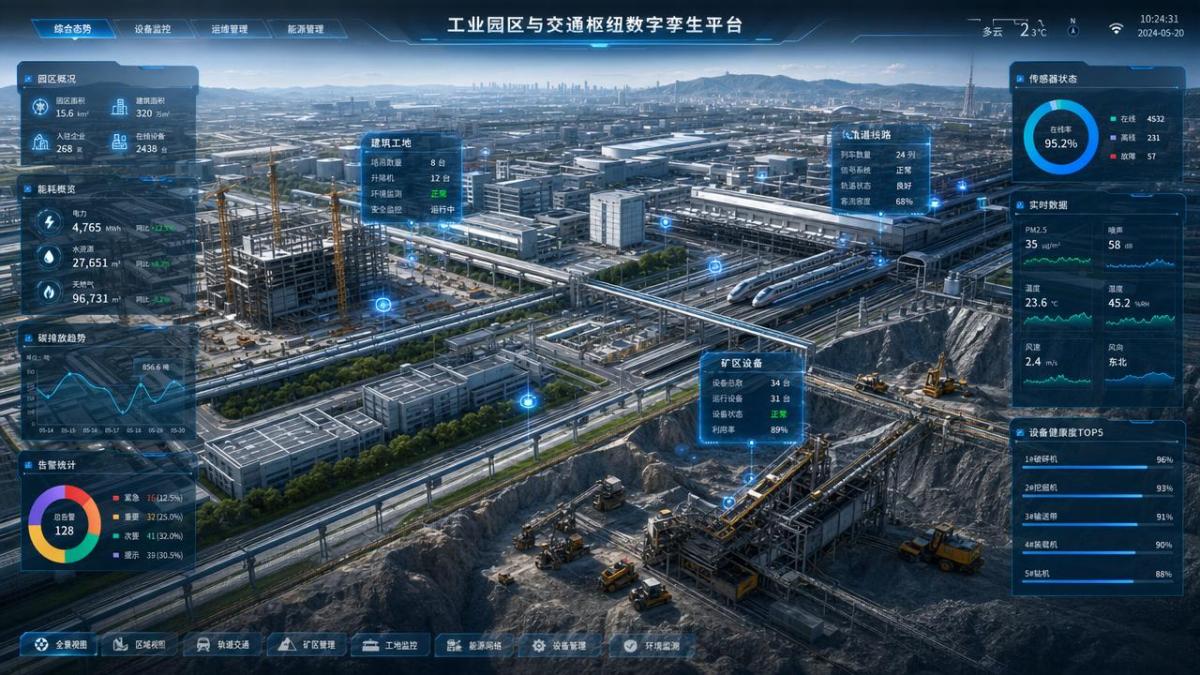
Digital twin technology creates a synchronized digital model of a physical site, asset, or process. In industrial and infrastructure settings, that model is not static. It is updated through sensor feeds, progress records, drone mapping, SCADA data, and maintenance inputs at intervals that can range from every 5 seconds to every 24 hours, depending on the use case.
For technical evaluators, this matters because many site decisions fail at the interface level. Design data sits in one system, field conditions in another, and operations teams rely on spreadsheets or disconnected dashboards. A digital twin reduces this gap by aligning geometry, condition data, performance trends, and simulation results in one reviewable environment.
Key value areas for evaluators
- Faster scenario testing for site layouts, logistics routes, and utility conflicts.
- Improved verification of as-built versus as-designed tolerances, often within ±10 mm to ±50 mm depending on capture method.
- Earlier identification of safety and operational risk across high-traffic or hazardous zones.
- Better maintenance forecasting using operating hours, vibration, temperature, load cycles, or fault history.
- Stronger lifecycle assessment for assets expected to run 10, 20, or 30 years.
What separates a useful twin from a visual model
A useful implementation must support at least 3 layers: physical representation, live or periodic data synchronization, and decision logic. If one layer is missing, the result is often a presentation model rather than a working operational twin. Technical assessments should therefore check update frequency, data source quality, and whether the model drives actions such as alerts, work orders, or redesign recommendations.
Common evaluation checkpoints
- Data fidelity: Is geometry current within the last 7 to 30 days?
- Integration depth: Are at least 3 critical data sources connected?
- Operational relevance: Can the twin support maintenance, safety, or throughput decisions?
- Scalability: Can the same framework expand from one site to 5, 20, or 100 assets?
Best use cases of digital twin technology in sites
The best use cases share one trait: they address a repeated site problem with clear technical and economic consequences. In heavy industry and urban infrastructure, that usually means downtime, rework, congestion, safety incidents, delayed commissioning, or weak asset visibility.
The table below outlines where digital twin technology delivers the strongest evaluation value across GIUT-relevant sectors, including construction, smart cities, mining, rail, and special purpose equipment environments.
For evaluators, these use cases are strongest when the twin is linked to decisions with clear thresholds. Examples include progress variance above 5%, route congestion above 80% utilization, temperature excursions beyond equipment limits, or maintenance intervals triggered after 500 operating hours.
Construction and smart building sites
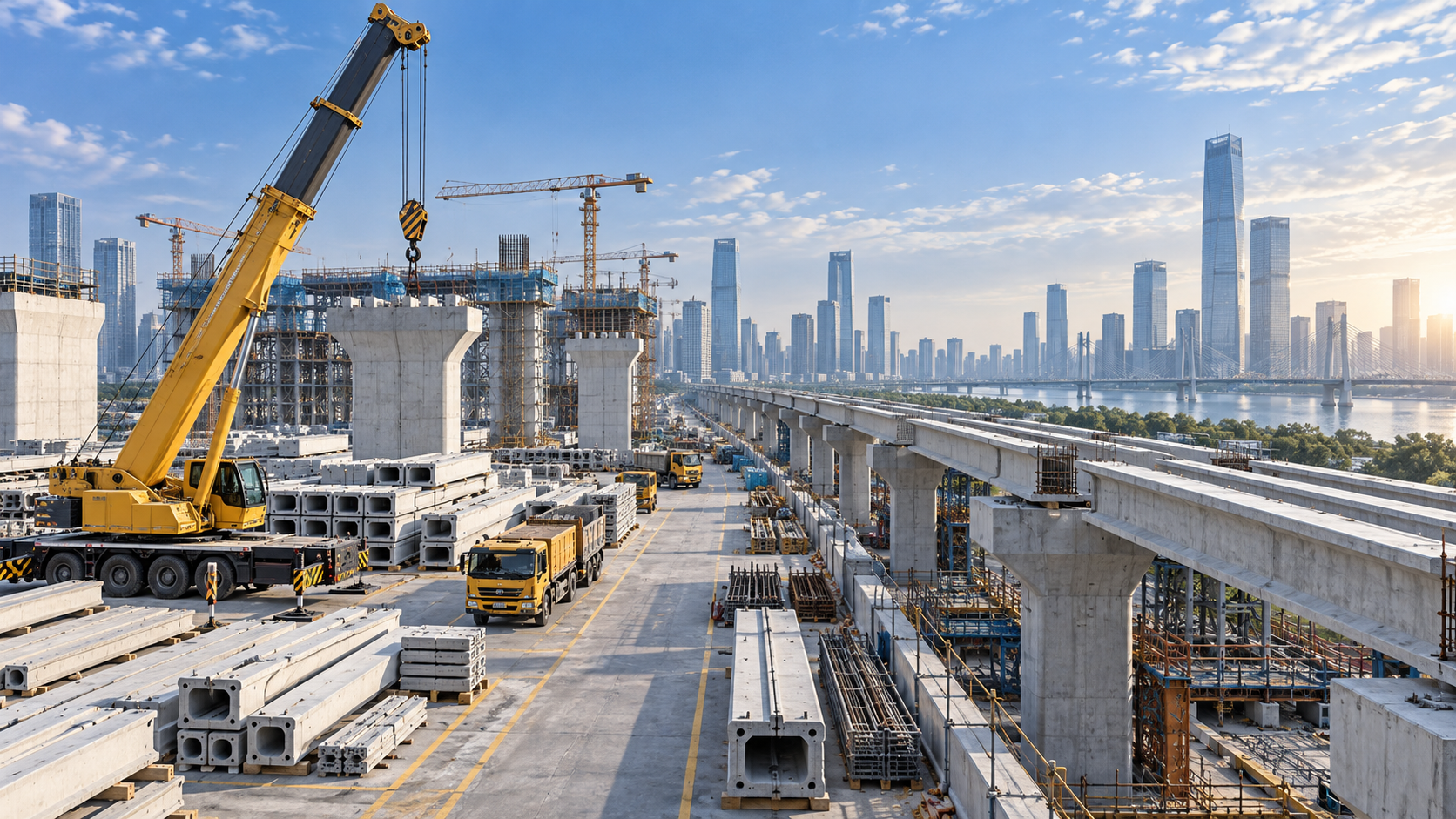
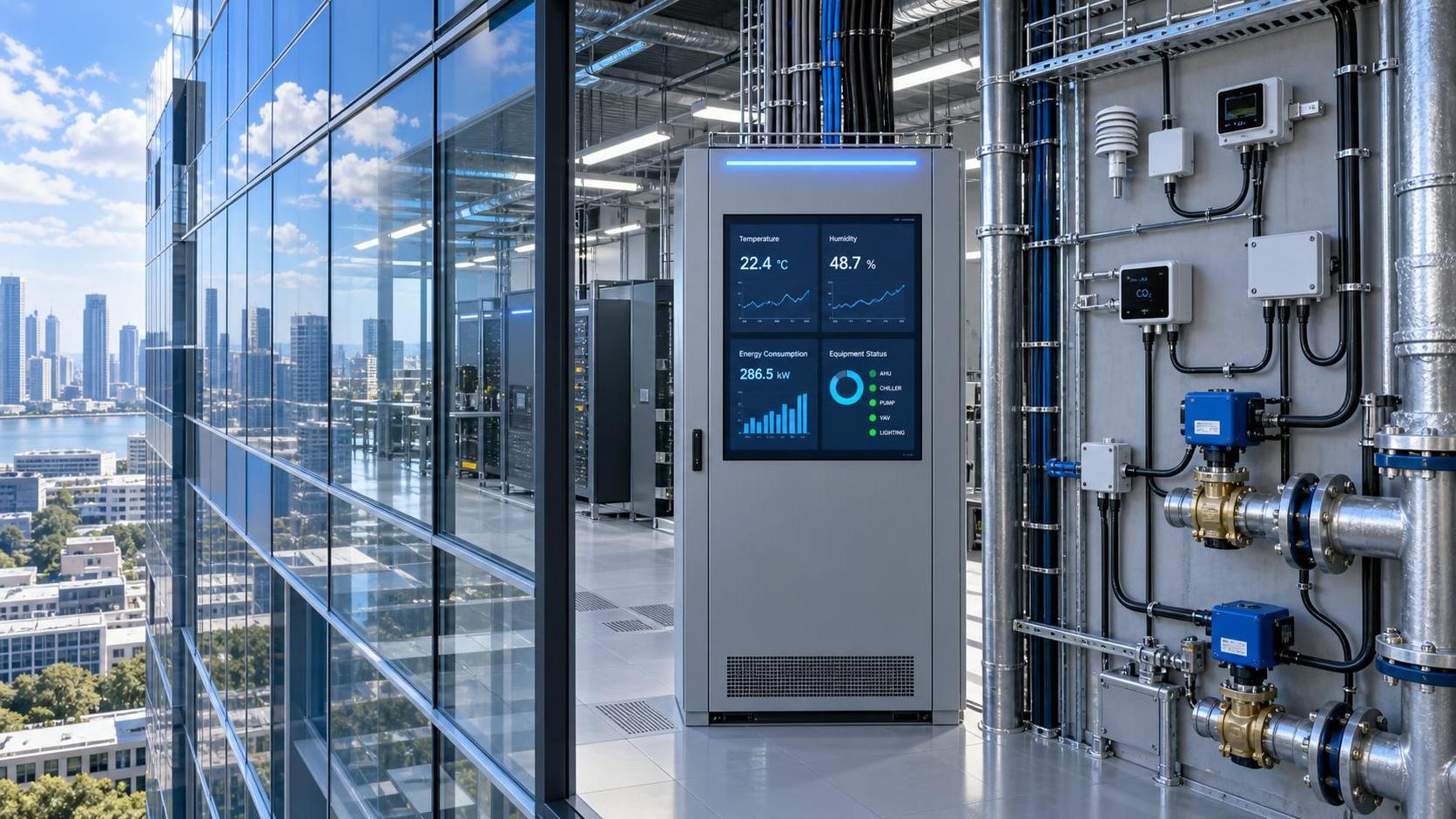
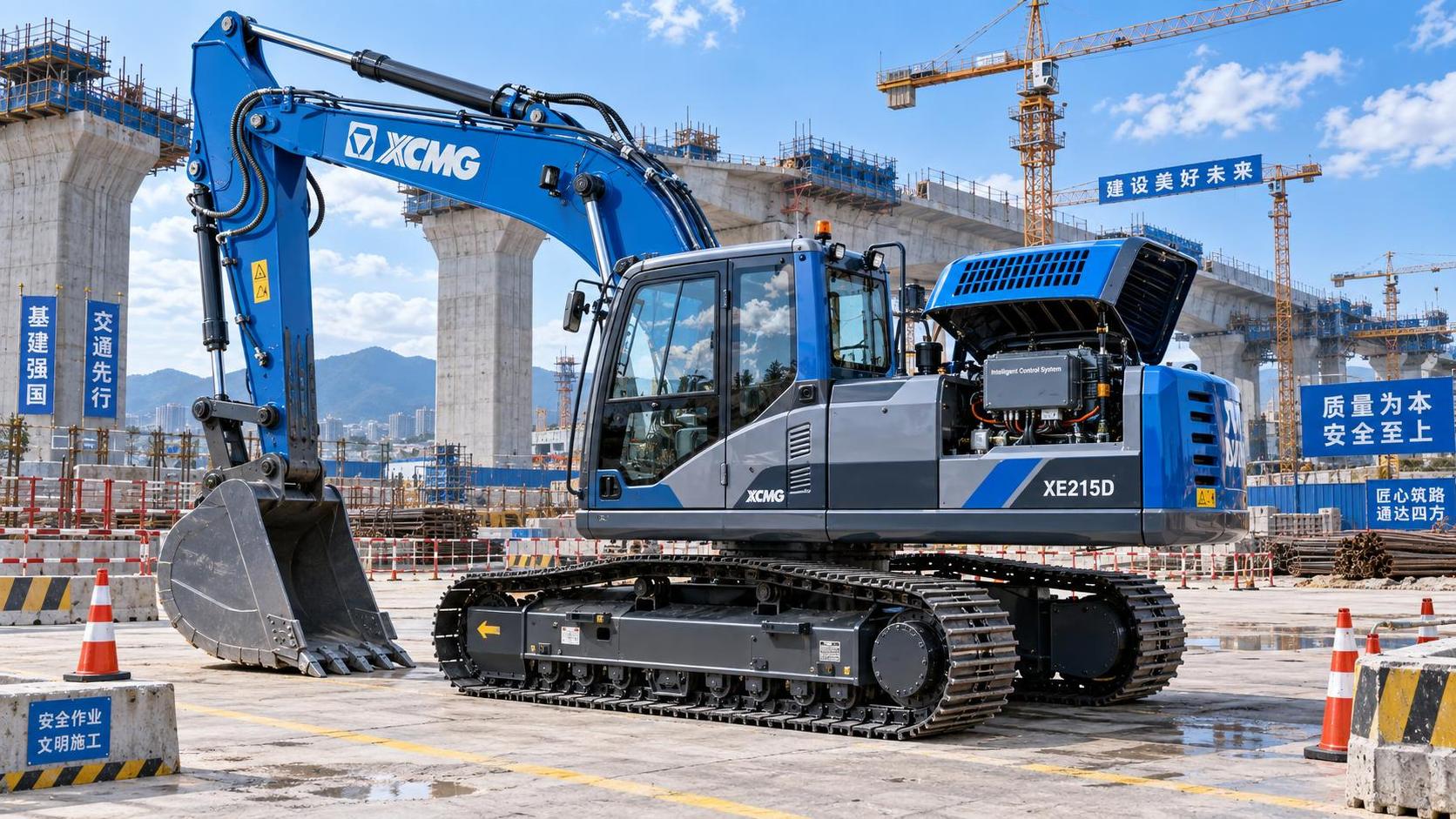
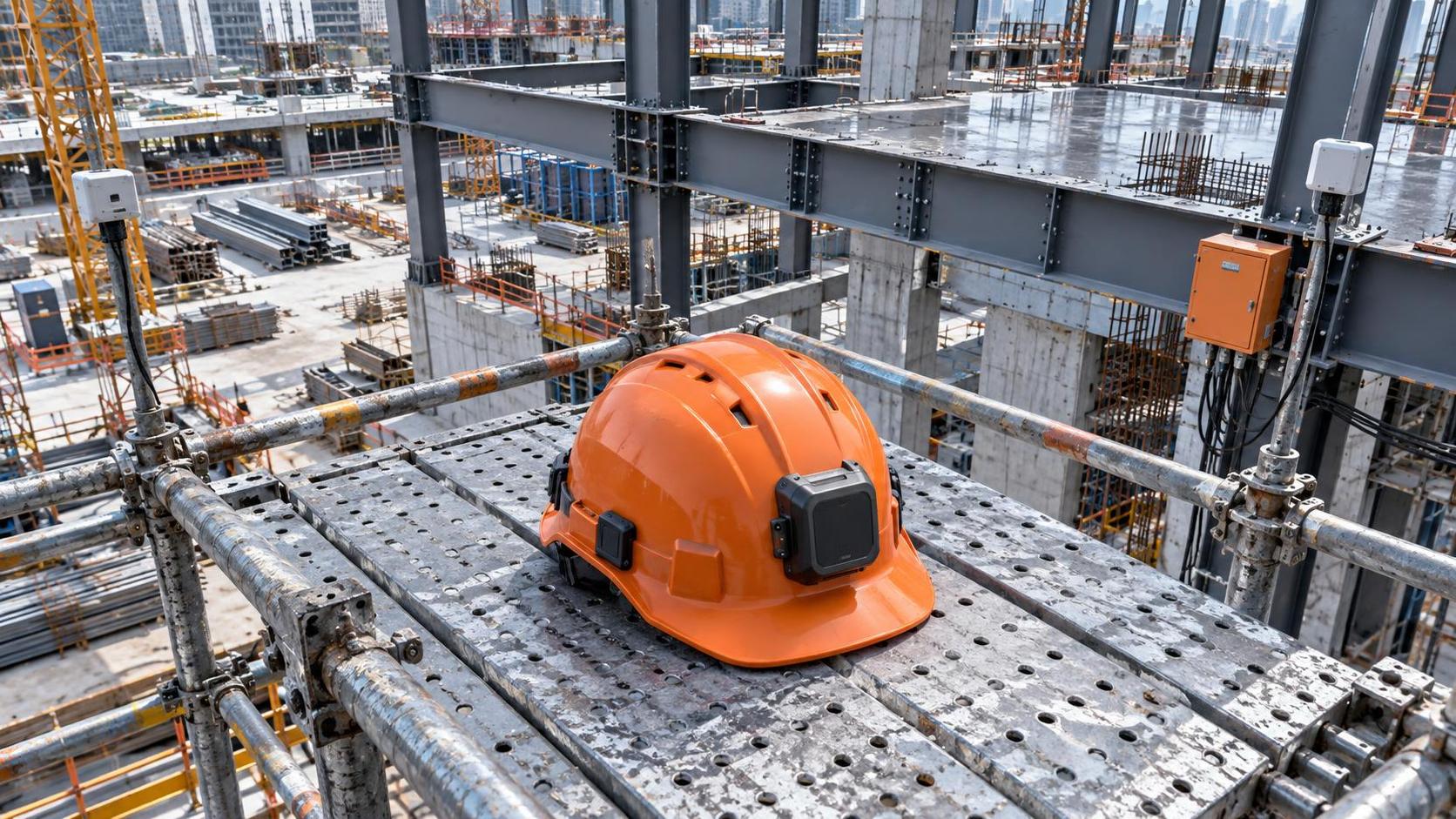
On major construction sites, digital twin technology helps validate sequence logic before crews and equipment are mobilized. A twin can compare 2 or 3 crane placement plans, test temporary road access, and estimate how storage zones affect cycle times for prefabricated elements or concrete delivery.
It also improves field verification. Drone photogrammetry or laser scanning can be matched against the design model weekly or biweekly. That enables evaluators to flag geometric drift, installation gaps, or procurement bottlenecks before they turn into expensive downstream rework.
Rail, stations, and logistics nodes
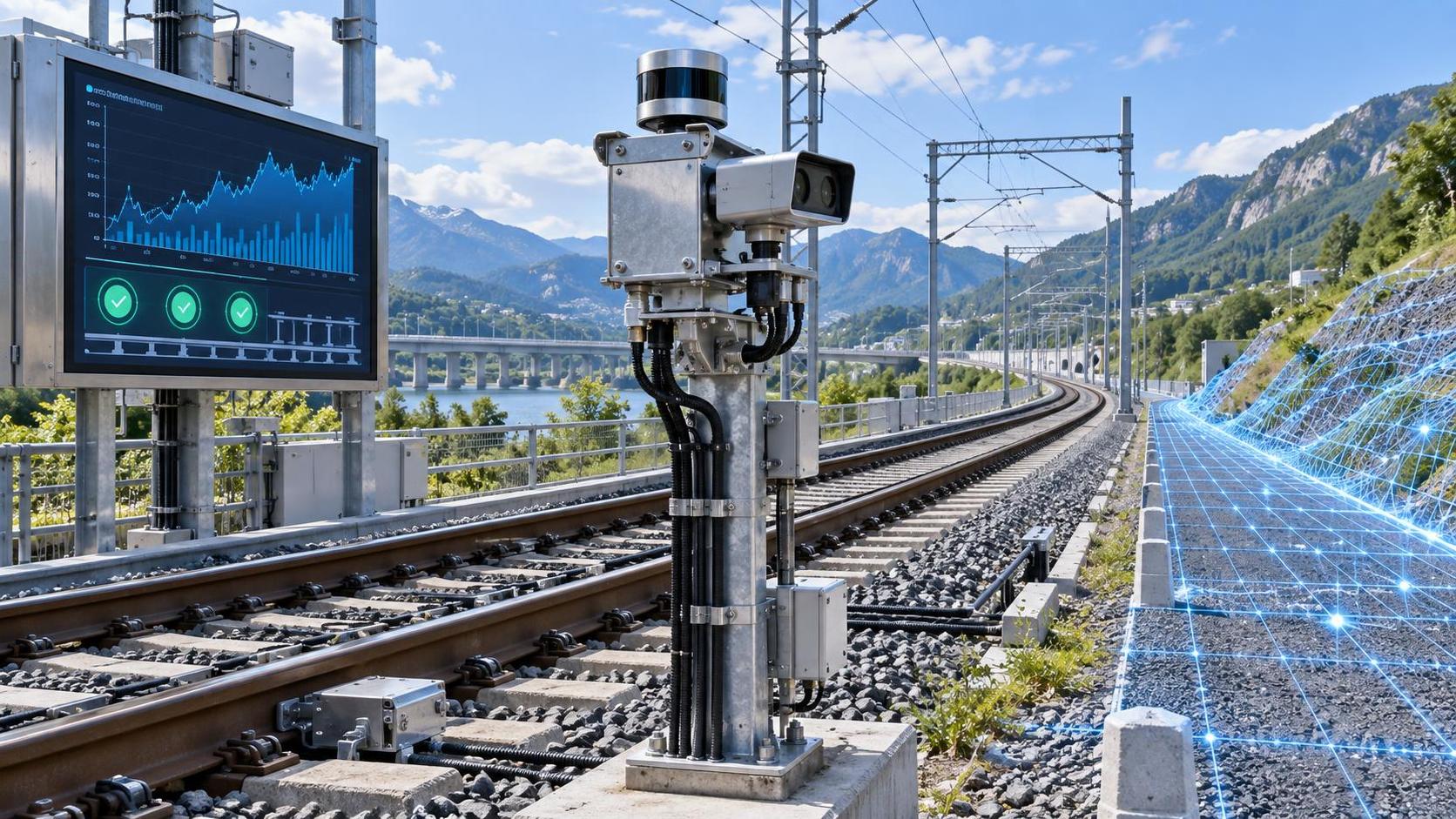
Railway and logistics sites involve constrained maintenance windows, high safety obligations, and interdependent systems. A digital twin helps test track possession plans, monitor switchgear and signaling assets, and simulate passenger or cargo movement under peak loads such as 120% of baseline demand.
For technical reviews, the twin is especially useful in prioritizing interventions. Instead of replacing assets by age alone, teams can compare condition indicators, failure history, and service criticality to plan a phased upgrade over 6, 12, or 24 months.
Mining, quarry, and resource extraction sites
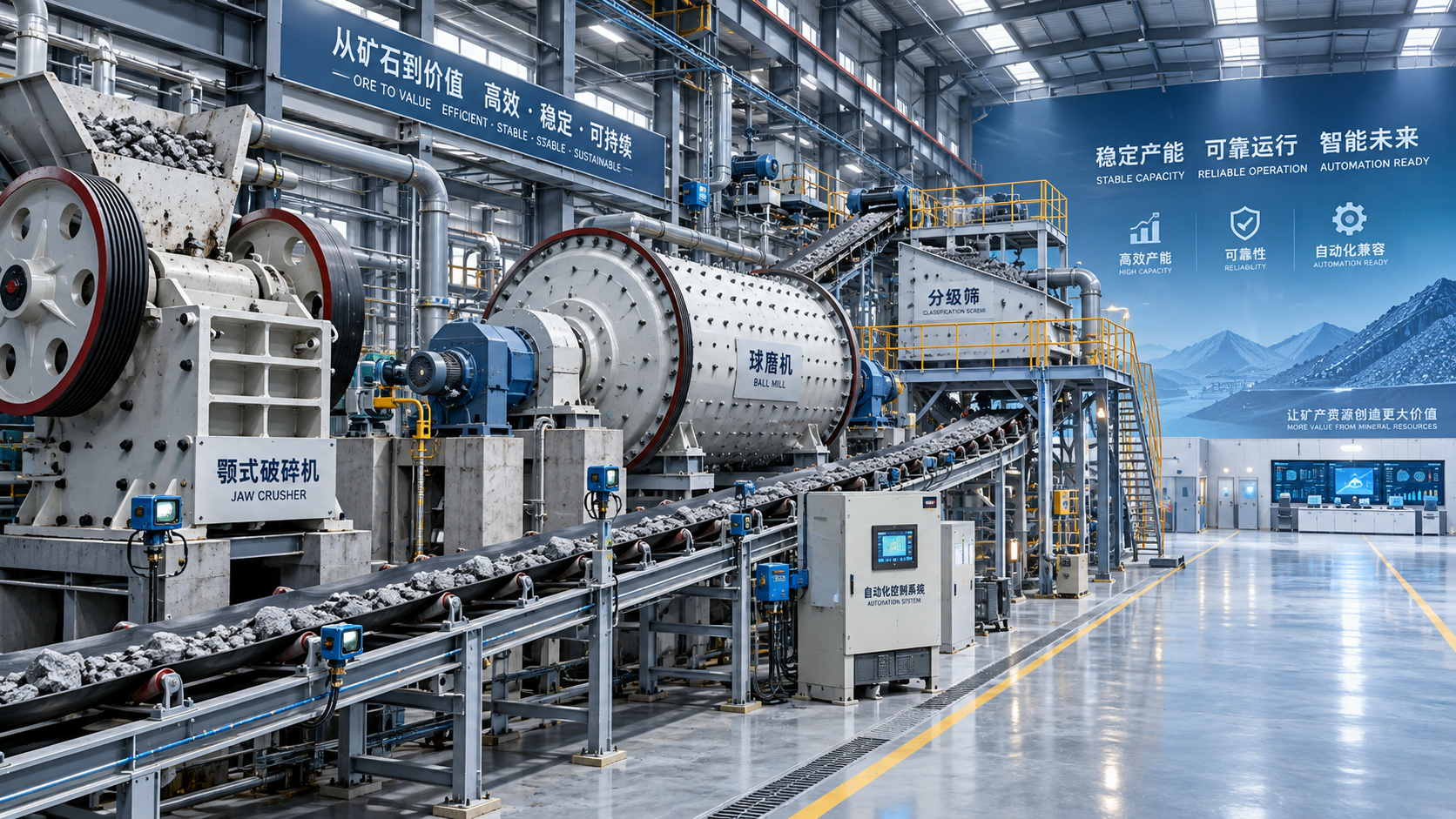
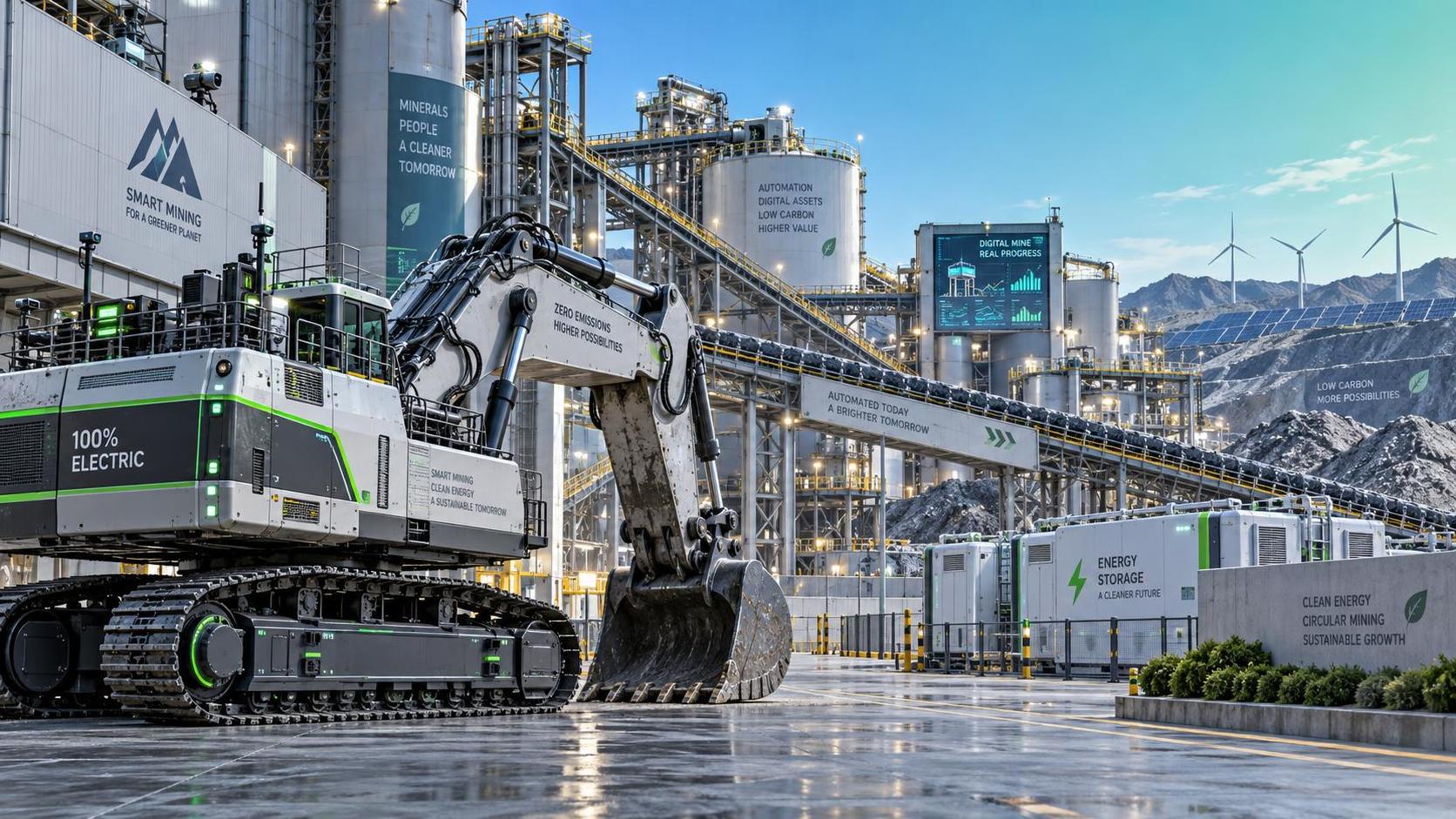
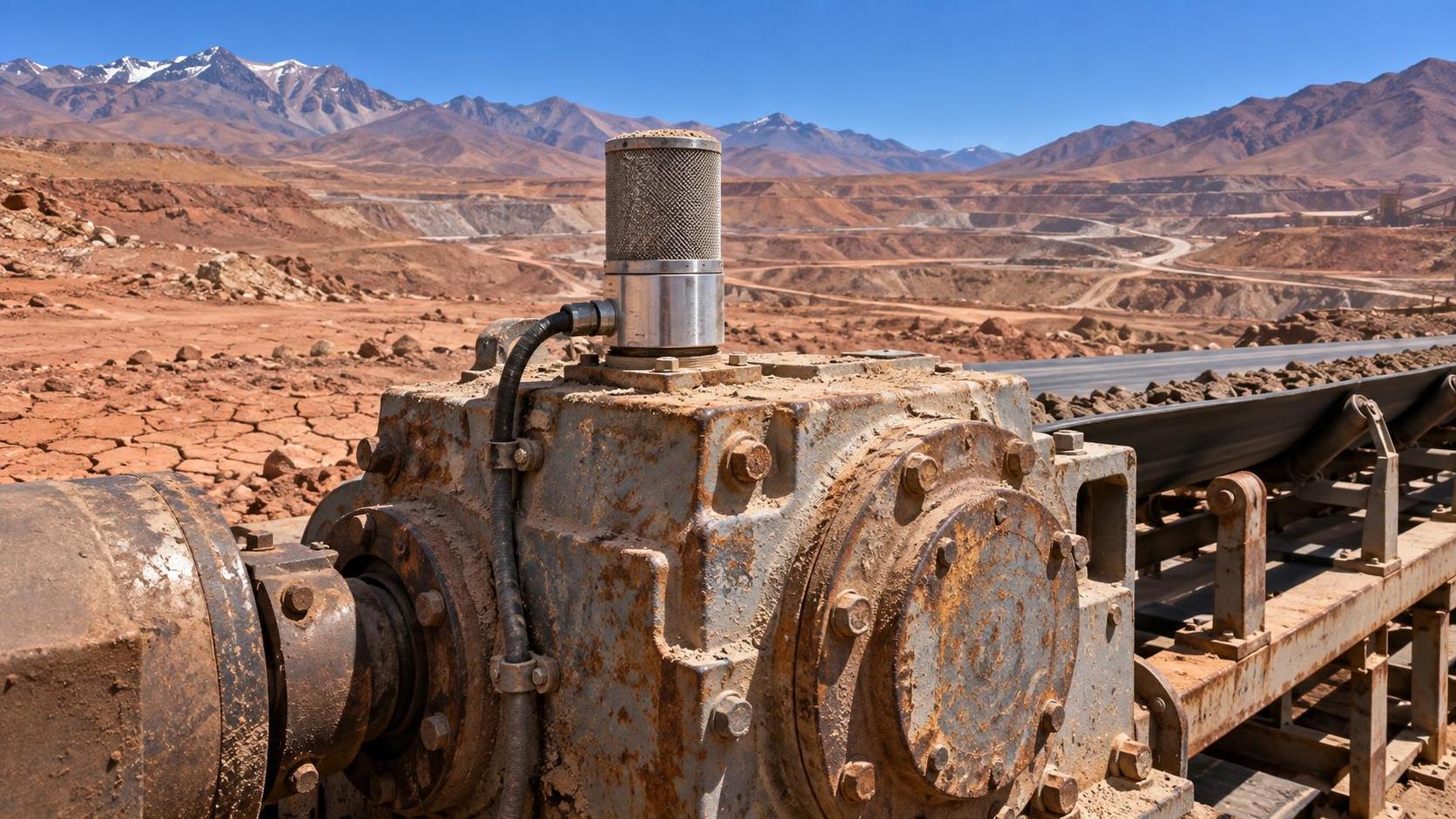
In mining and resource environments, site conditions shift quickly. Haul roads degrade, pit geometry changes, and equipment utilization varies by shift. Digital twin technology supports route optimization, fuel tracking, vibration and temperature monitoring, and geotechnical observation with alert thresholds tailored to each zone.
For evaluators, the priority is not novelty but risk control. A working twin can reduce blind spots in slope movement, loading cycles, or ventilation performance, especially where a 2-hour delay in response could affect crew safety or production continuity.
How to evaluate digital twin technology for site deployment
Not every site needs the same depth of digital twin capability. A temporary construction zone may need 12 to 18 months of progress and logistics intelligence, while a metro station, processing plant, or utility network may require a lifecycle platform that remains active for 15 years or longer.
The evaluation process should therefore focus on fit-for-purpose design, not maximum feature count. The next table presents a practical review structure for technical assessment teams.
The key conclusion is straightforward: a digital twin should be assessed as an operating system for decision-making, not a one-time digital deliverable. If governance and data workflows are weak, the twin will lose value within 3 to 6 months after launch.
A practical 5-step evaluation method
- Define 2 to 4 priority site problems with measurable cost or risk impact.
- Map required data sources and classify them as live, periodic, or manual.
- Select a pilot area such as one terminal, one shaft, one block, or one maintenance corridor.
- Test decision outputs for 30 to 90 days, including alerts, simulations, and reporting value.
- Measure whether the twin improves review speed, intervention timing, or asset transparency.
Questions technical evaluators should ask vendors or internal teams
- Which data sources are native, and which require custom integration?
- What is the expected setup period: 4 weeks, 12 weeks, or longer?
- How are version control and design revisions handled after field changes?
- What happens if sensors fail or data quality drops below acceptable thresholds?
- Can the system support both temporary project workflows and long-term asset management?
Implementation risks, common mistakes, and long-term value
The most common mistake is launching digital twin technology as a software procurement exercise rather than a site performance program. When objectives are unclear, teams often build an impressive model that lacks maintenance logic, alert rules, ownership, or update discipline.
Another risk is over-modeling. A full-fidelity twin of every pipe, structural element, and equipment enclosure may not be necessary at phase one. In many cases, 20% of the assets account for 80% of operational risk or maintenance cost. Evaluators should start there.
Where long-term value usually appears
Long-term value is strongest when the twin connects capital planning with operations. A construction twin can become a handover asset model. A station monitoring twin can support maintenance prioritization. A mine fleet twin can feed replacement planning and fuel optimization across multiple quarters.
This continuity matters in sectors where downtime costs are high and engineering changes accumulate over time. When teams preserve a reliable digital thread from design to operation, technical reviews become faster, disputes are easier to resolve, and asset decisions gain stronger evidence.
Recommended control measures
- Assign a clear owner for model governance, data quality, and update schedules.
- Use acceptance criteria with 3 categories: geometry accuracy, data reliability, and workflow usability.
- Review performance at fixed intervals such as 30, 60, and 180 days after deployment.
- Align dashboards to operational decisions, not only executive reporting.
- Document change management so the twin remains current after site modifications.
Choosing the right digital twin strategy for infrastructure and industrial sites
For technical evaluators, the best digital twin technology strategy is usually the one that solves a specific site challenge with measurable precision, manageable integration effort, and clear lifecycle relevance. Whether the target is a smart jobsite, a transport interchange, a mine, or a utility corridor, the winning approach links data to action.
GIUT’s cross-sector perspective on construction, smart governance, resource operations, railway systems, and heavy equipment environments helps decision-makers compare use cases in a practical way. Instead of treating digital twin technology as a trend, evaluators can frame it as a disciplined tool for validation, monitoring, and optimization.
If you are assessing site digitization priorities, planning a pilot, or comparing implementation pathways, now is the right time to build a use-case-led roadmap. Contact us to get a tailored evaluation framework, discuss project requirements, or explore more infrastructure-focused digital twin solutions.
Get weekly intelligence in your inbox.
No noise. No sponsored content. Pure intelligence.
News Recommendations
 Sep 19, 2026How an electronics application guide helps prevent component mismatchHow an electronics application guide helps prevent component mismatch
 Sep 18, 2026When a resource allocation platform improves project deliveryWhen a resource allocation platform improves project delivery
 Sep 17, 2026What to compare when evaluating mineral processing equipment manufacturersWhat to compare when evaluating mineral processing equipment manufacturers
 Sep 16, 2026How mineral separation optimization can reduce concentrate lossesHow mineral separation optimization can reduce concentrate losses
 Sep 15, 2026How to assess lifecycle costs in urban tech procurementHow to assess lifecycle costs in urban tech procurement
 Sep 14, 2026Heavy industry technology trends reshaping capital investment prioritiesHeavy industry technology trends reshaping capital investment priorities
 Sep 14, 2026Global Industrial Equipment Procurement: How Top OEMs Qualify Suppliers for Mining & Infrastructure ProjectsGlobal Industrial Equipment Procurement: How Top OEMs Qualify Suppliers for Mining & Infrastructure Projects
 Sep 14, 2026Industrial & Mining Equipment Procurement: Balancing Local Sourcing, Lead Time, and Certification RequirementsIndustrial & Mining Equipment Procurement: Balancing Local Sourcing, Lead Time, and Certification Requirements
 Sep 14, 2026Infrastructure & Equipment Upgrades: What Procurement Teams Must Verify Before Signing Off on New ContractsInfrastructure & Equipment Upgrades: What Procurement Teams Must Verify Before Signing Off on New Contracts
 Sep 14, 2026Why Infrastructure Equipment Buyers Are Shifting from Catalog-Based to Capability-Based Supplier SelectionWhy Infrastructure Equipment Buyers Are Shifting from Catalog-Based to Capability-Based Supplier Selection
 Sep 14, 2026Process Automation Project Execution: How to Align Supplier Capabilities with PLC Integration, Cybersecurity & Commissioning MilestonesProcess Automation Project Execution: How to Align Supplier Capabilities with PLC Integration, Cybersecurity & Commissioning Milestones
 Sep 14, 2026Are intelligent traffic systems worth the investment for small cities?Are intelligent traffic systems worth the investment for small cities?
 Sep 14, 2026How do intelligent traffic systems handle sensor failures?How do intelligent traffic systems handle sensor failures?
 Sep 14, 2026What should I check before accepting a smart building system?What should I check before accepting a smart building system?
 Sep 14, 2026Is a smart building system worth the maintenance cost?Is a smart building system worth the maintenance cost?
 Sep 14, 2026What data is needed for reliable resource allocation planning?What data is needed for reliable resource allocation planning?
 Sep 14, 2026How can resource allocation software reduce equipment idle time?How can resource allocation software reduce equipment idle time?
 Sep 14, 2026How should smart devices be maintained in harsh outdoor conditions?How should smart devices be maintained in harsh outdoor conditions?
 Sep 14, 2026Do smart devices improve worker safety on construction sites?Do smart devices improve worker safety on construction sites?
 Sep 14, 2026What environmental risks must be assessed before deep-sea mining?What environmental risks must be assessed before deep-sea mining?
 Sep 14, 2026Is deep-sea mining equipment commercially viable in 2026?Is deep-sea mining equipment commercially viable in 2026?
 Sep 14, 2026What Inspection Checks Should Procurement Teams Perform Before Ordering Dredging Equipment in 2026?What Inspection Checks Should Procurement Teams Perform Before Ordering Dredging Equipment in 2026?
 Sep 13, 2026How to verify an industrial product information source before specifying equipmentHow to verify an industrial product information source before specifying equipment
 Sep 12, 2026Which intelligent traffic systems hardware fits an urban intersection?Which intelligent traffic systems hardware fits an urban intersection?
 Sep 11, 2026How pump capacity affects response coverage for municipal fire fighting vehiclesHow pump capacity affects response coverage for municipal fire fighting vehicles
 Sep 10, 2026What to verify before choosing a heavy industry equipment supplierWhat to verify before choosing a heavy industry equipment supplier
 Sep 09, 2026When do adaptive urban traffic control systems reduce corridor delays?When do adaptive urban traffic control systems reduce corridor delays?